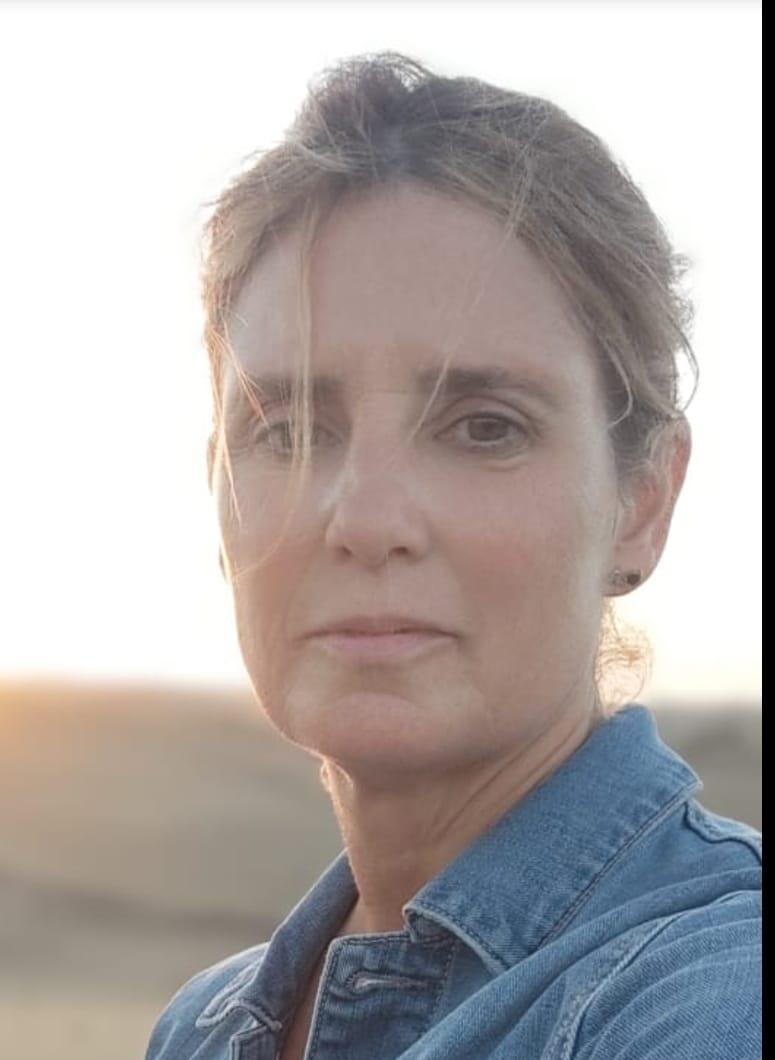
Managing I was diagnosed with anxiety & depression when I was 19, however I feel the most dominant difficulties was the anxiety. I have recently been diagnosed with ADHD.
Key Symptoms Addressed
Ruminating thoughts/OCD
Irritability/agitation
Mental clarity & focus
In My Own Words
“I felt like a cloud lifted, creating clarity and a re-found sense of purpose. I feel like I've tapped into magic when I get into the state of "keto-bliss". I truly believe ketogenic and metabolic therapies save lives.”
My Top 3 Strategies
Fasting, ketogenic foods, and exercise, specifically strength training.
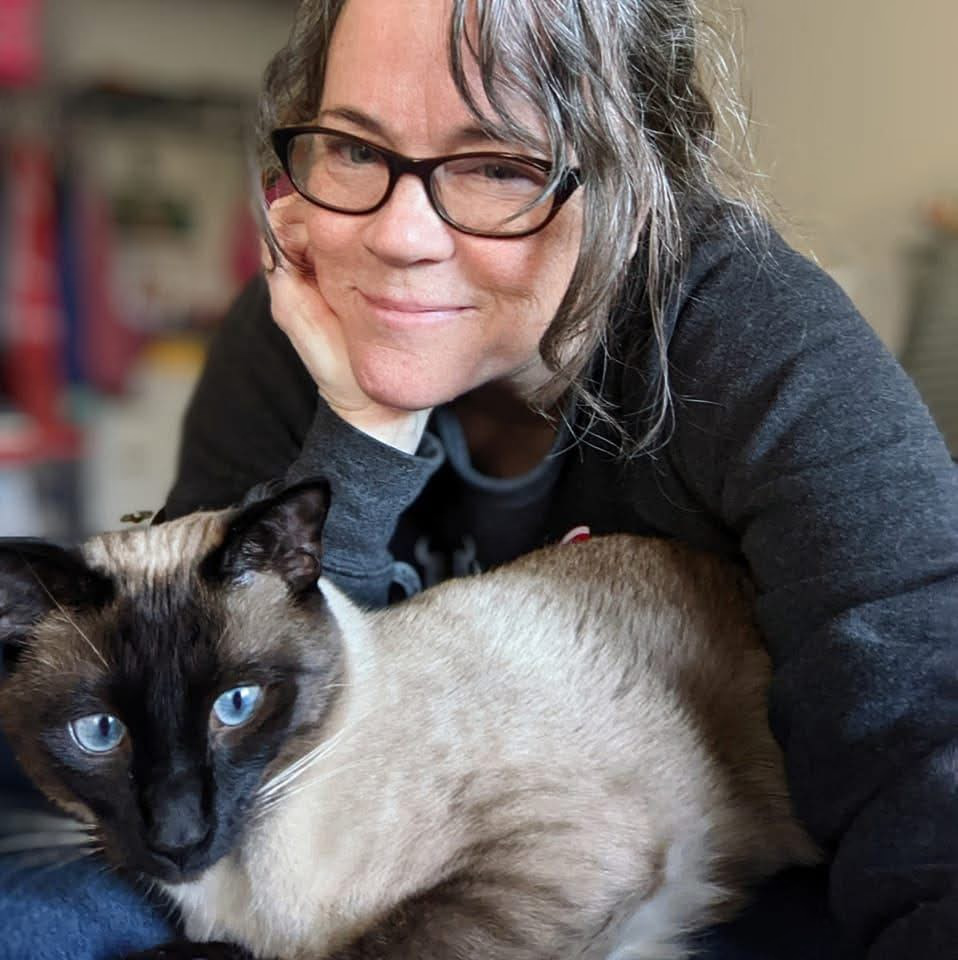
I used substances and alcohol from a really young age and found that I was self-medicating with alcohol for many years, from my teens through to my late 30's. I've always been addicted to sugar, too. I became acutely aware of the dopamine-seeking loop I was engaged in when I turned 40, which coincided with the start of perimenopause symptoms. I was a binge eater and would often make myself ill with the amount of sugar I consumed in one sitting. Due to severe & intense food cravings, I reached out to my sister for help, who suggested I read Dr Mindy Pelz's work - namely, Fast Like A Girl. I dove deep into everything and anything relating to metabolic health from there onwards, and in December 2024, after a period of intense binge eating, I became aware that my fasting blood glucose levels were suggesting pre-diabetes, and so I started a fasting lifestyle. I then learned about the power of being in ketosis & over a period of a few months I began to notice how my ADHD symptoms (which are often interlinked with perimenopause due to the loss of estrogen) almost resolved themselves completely. No more food noise, no more crippling agitation, a newfound sense of clarity & motivation, and a (re)found love for my job. Prior to this, I was seriously considering resigning from my job because I felt no joy with it anymore; I felt cognitively impaired and burnt out. Furthermore, around the same time that I started my ADHD assessment in 2024, my son was also being assessed for ADHD and after I started learning about metabolic therapies and understanding behaviour changes within myself, he no longer meets the threshold for a diagnosis. I dove deep into the effects of amino acids on dopamine regulation in the brain and have never looked back. There have been several challenges along the way, particularly when I come out of ketosis, usually due to my menstrual cycle (I've found strict keto & fasting during the luteal phase not good for menstruating!) and also occasional binge eating episodes, but I remain absolutely emphatic that a keto lifestyle can heal most illnesses, both mental and physical. I have re-trained as a metabolic health coach & now educate everyone around me, including my Mum, who is a carer for my brother who has schizophrenia. I have offered my services to my son's school to provide education to parents of ADHD children, as I truly believe that our diets can be both the cause and the cure of lifelong difficulties relating to physical and mental health.
I was diagnosed with anxiety & depression when I was 19, however I feel the most dominant difficulties was the anxiety. I have recently been diagnosed with ADHD.
THINK
Nutritional Foundation
I
Integration
Lab results I track & supplements I take
Electrolytes, MCT Oil, Magnesium, Omega 3's, Vitamin D.
Only blood glucose levels. I also use a CGM infrequently.
N
Nutritional
How I eat, incorporate fasting, & approach macronutrients
I have switched between strict keto, low-carb, carb-cycling, and whole-foods-only diets.
I try to have less than 50g of carbs per day, sometimes less than 30g. I try to avoid wheat. I stick to whole foods & if I do eat carbs they are always natures carbs. I eat moderate protein, high fat by focusing on avocados, olive oil, MCT oil, butter.
I intermittent fast every day for 3 weeks out of the month. I do a 24 hour fast at least once a week & extended 2-3 day fasts every couple of months. I try to fast before & after events to get back into ketosis as quick as possible. I do fat fasts too.
K
Ketosis
Target ketone levels & testing methods
Yes
Blood ketone reader. Whilst doing strict keto I measure every day. I am usually always in light nutritional ketosis (0.5) upon waking up but my optimal mental health levels at 1.0+.
SMART
Everyday Strategies
S
Sleep
How I optimize my sleep
Consistent bed/wake times, red light exposure first thing in the morning, exercise, limiting screen use before bed, reducing caffeine, stopping alcohol, stopping UPF's & binge eating late at night.
M
Move
How I keep active
Walking in nature, gym, strength training, running, bike riding.
A
Avoid
What I limit or stay away from
Cutting out ultra-processed foods.
R
Rebuild
How I manage stress, build resilience & find purpose
Being in ketosis, learning to play the guitar, djing, reading books, practicing mindfulness and meditation, learning all the science behind ketogenic therapy and consuming whole foods & fighting long term chronic health conditions with fasting & keto.