New Results: First RCT for Schizophrenia & Bipolar Disorder. Learn more.

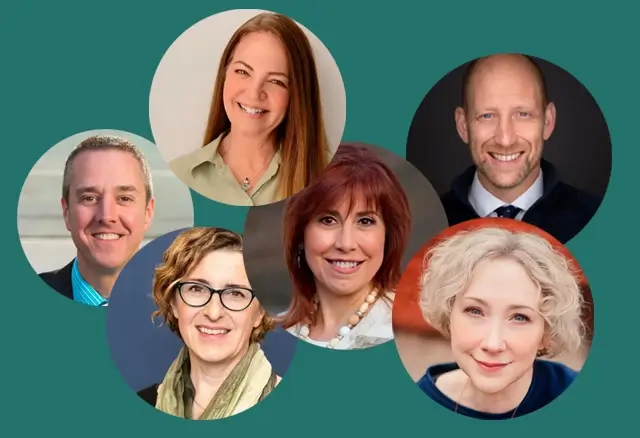
Clinicians Engaged
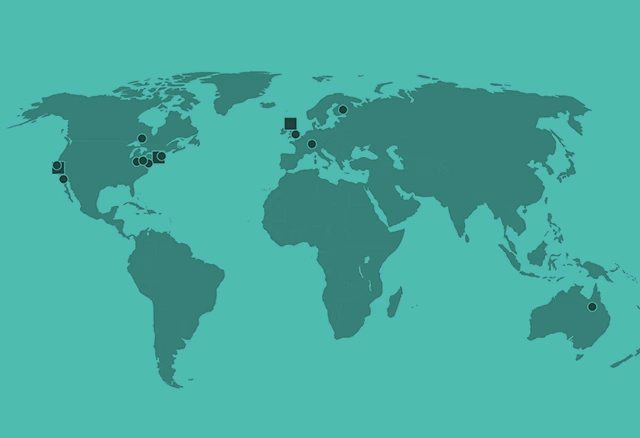
Active Studies
Metabolic Psychiatry Content Reach
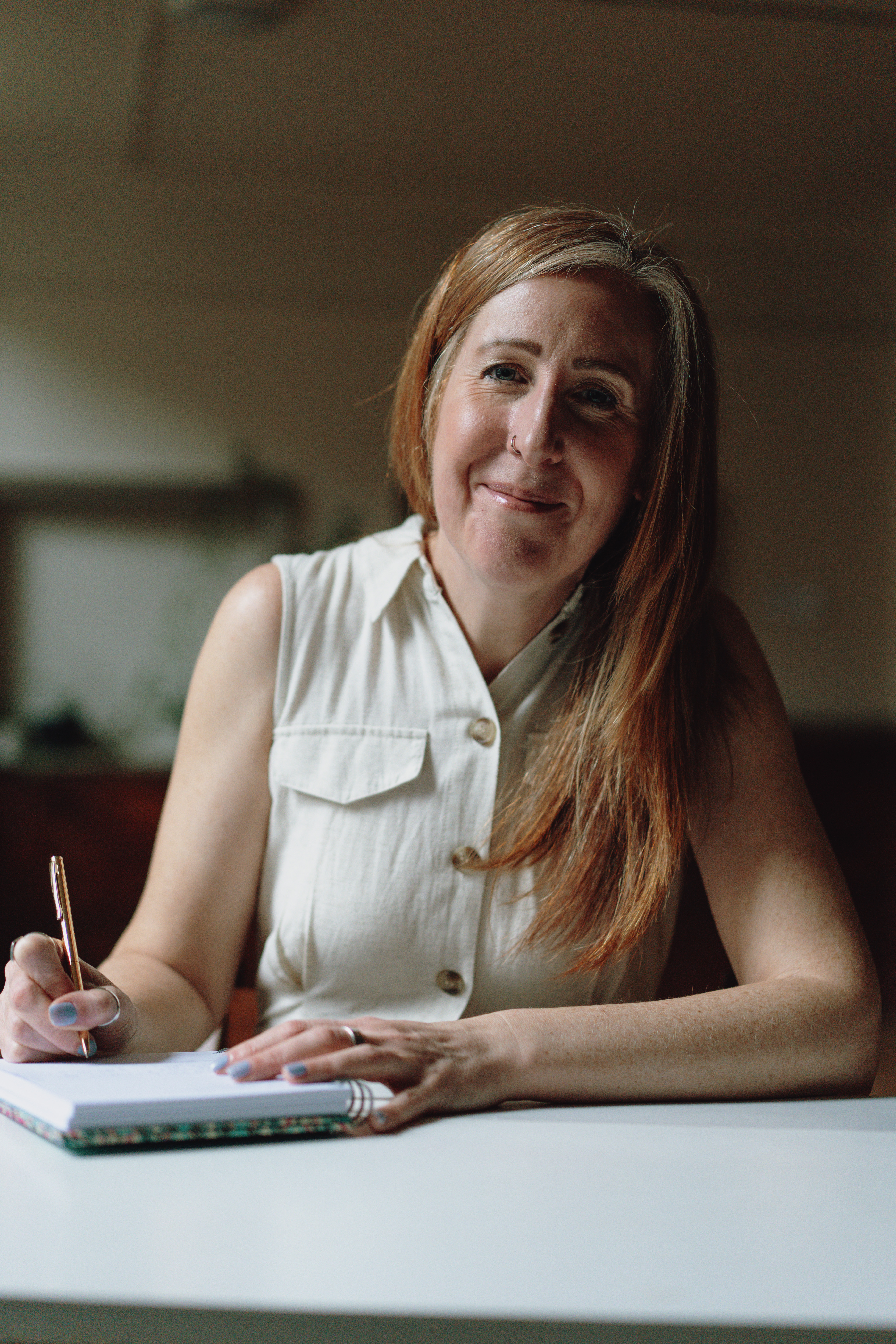
Kate Anstee
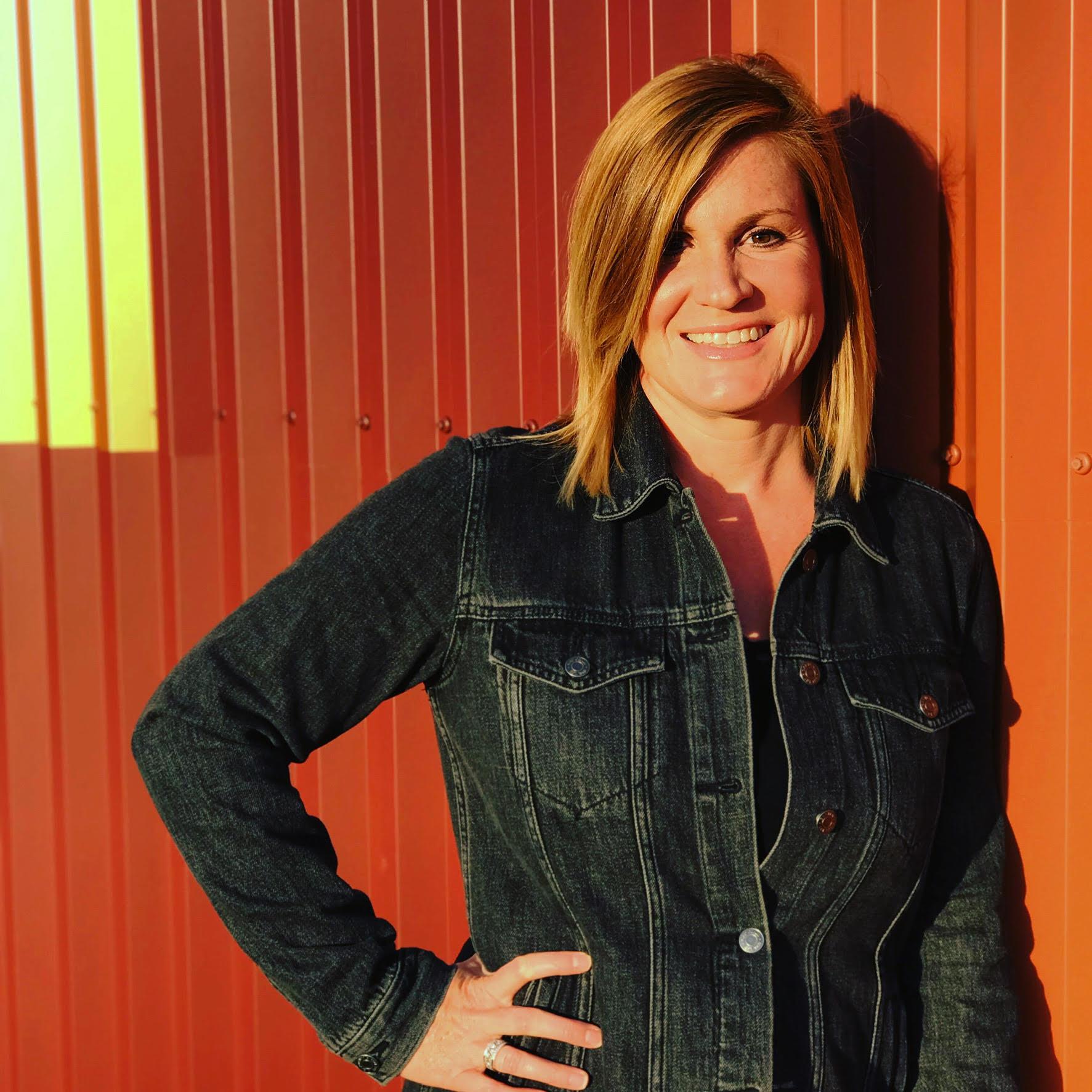
Emily Anne Herrick
in remission from
Depression
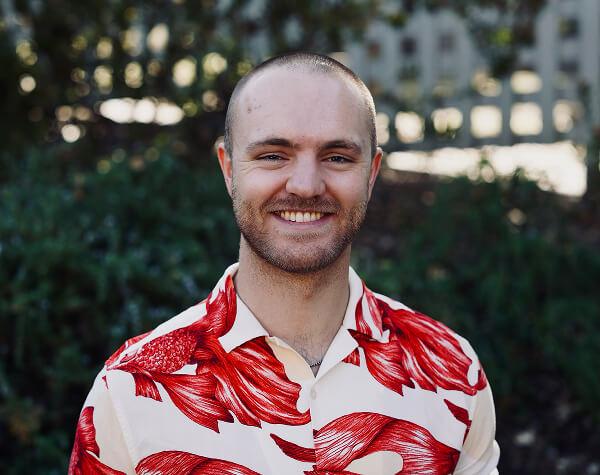
Matthew Baszucki
recovered from
Bipolar 1

Lauren Kennedy West
in remission from
Schizoaffective Disorder
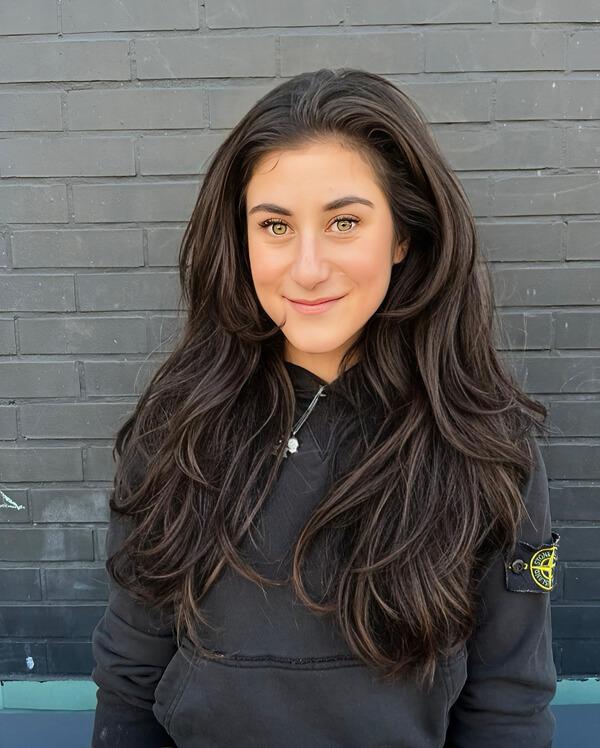
Caroline Beckwith
in remission from
Anorexia Nervosa
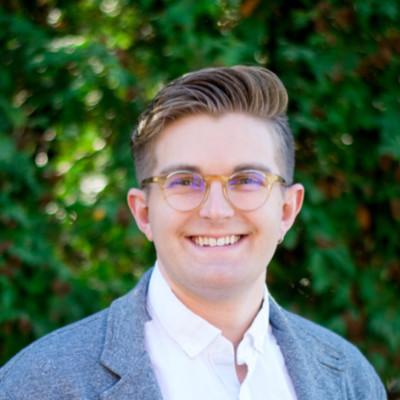
Wesley Braden
managing
Bipolar 2
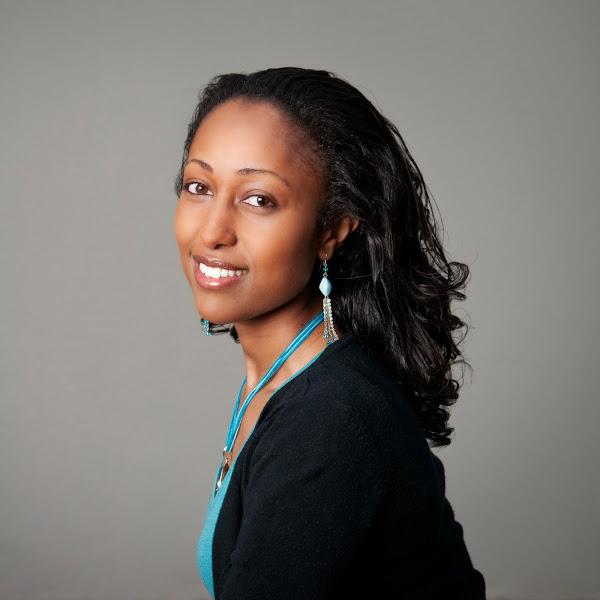
Neseret Bemient
in remission from
Antidepressant Induced Bipolar 2
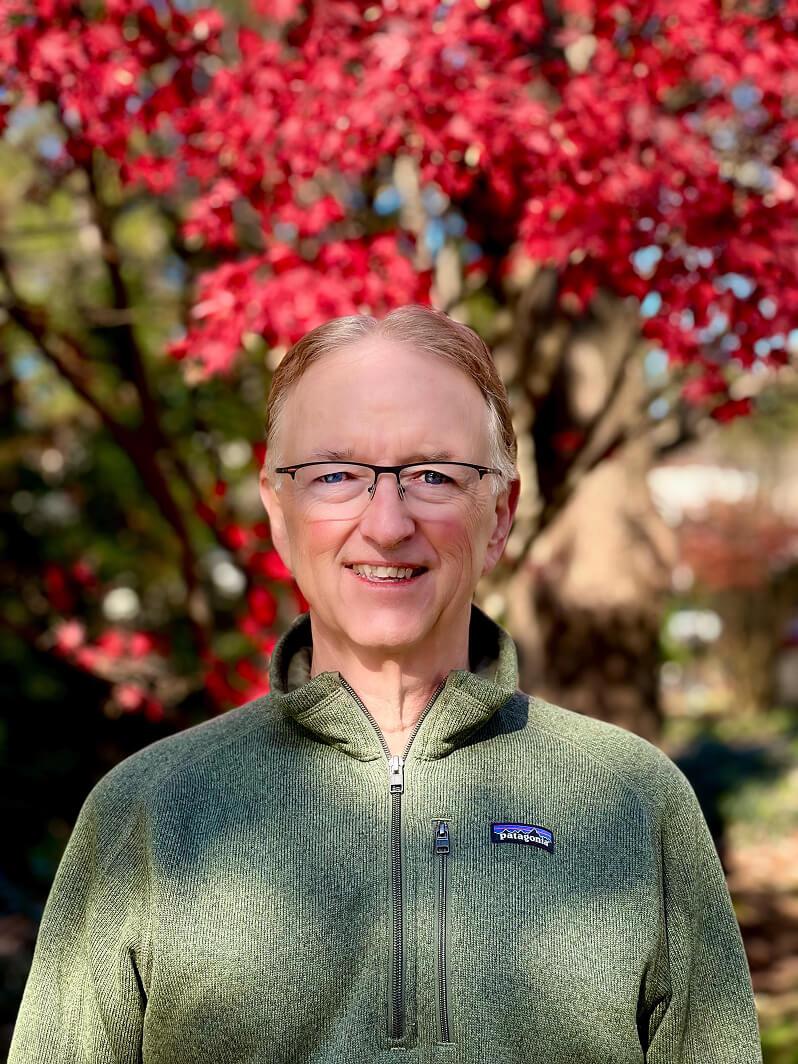
Eric Rodgers
in remission from
Depression
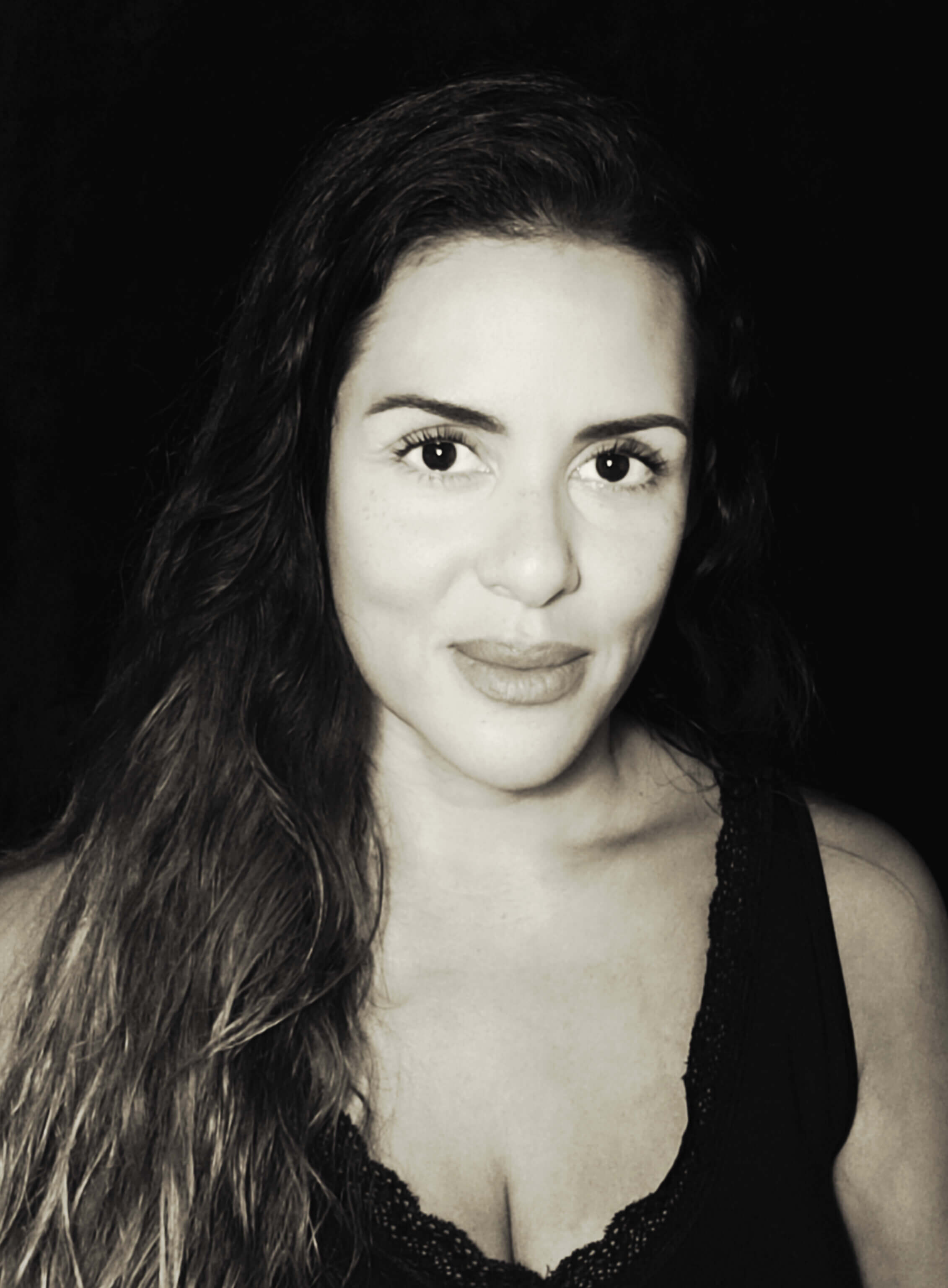
Mia Mendez
in remission from
Bipolar Disorder
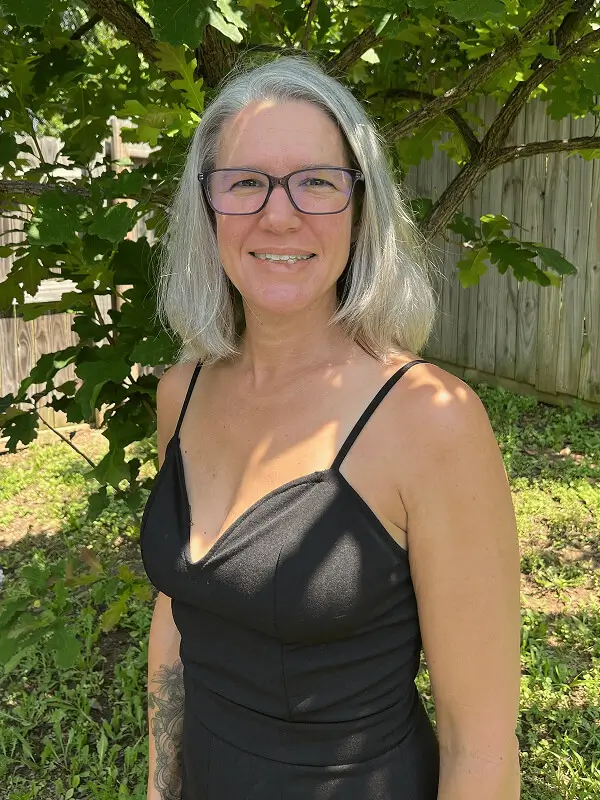
Robyn Dobbins
in remission from
Bipolar, Depression, OCD
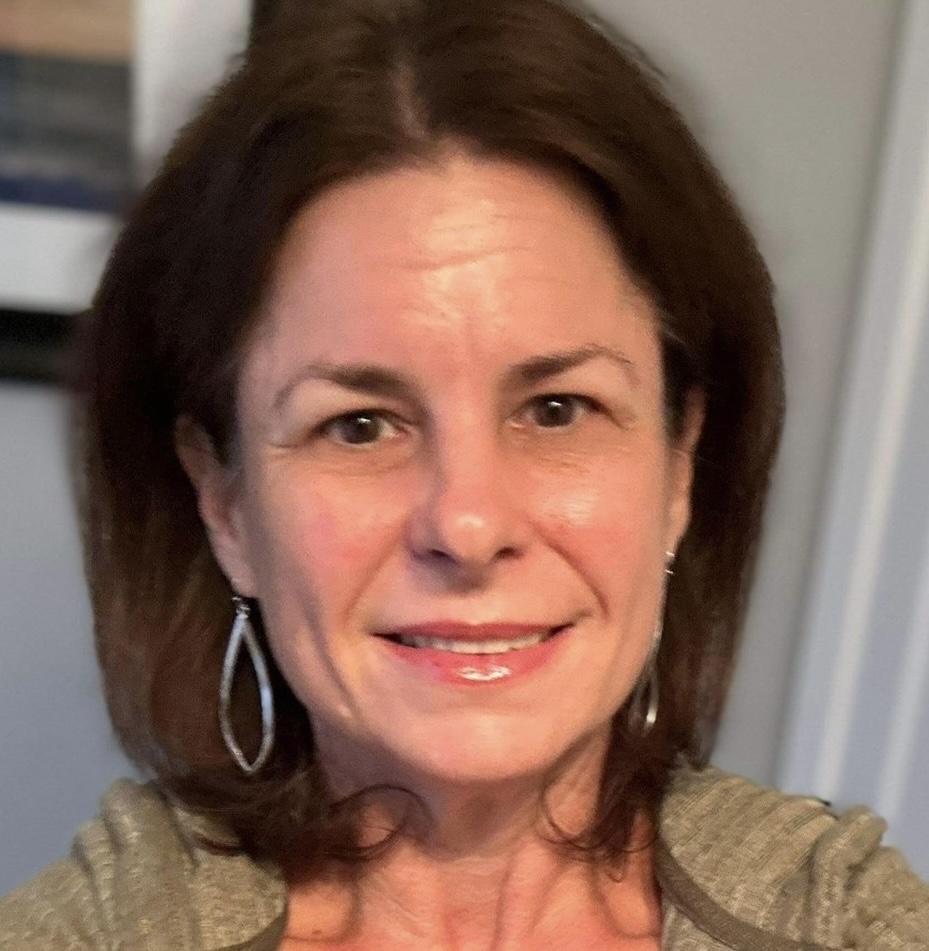
Harmony Bright
recovering from
Schizophrenia
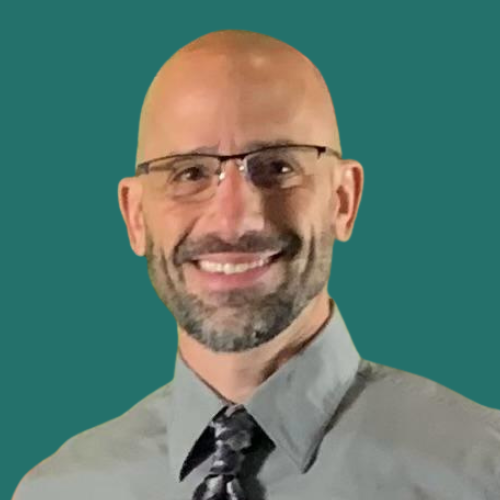
Steven T.
recovering from
Bipolar 2 Mixed, Substance Abuse
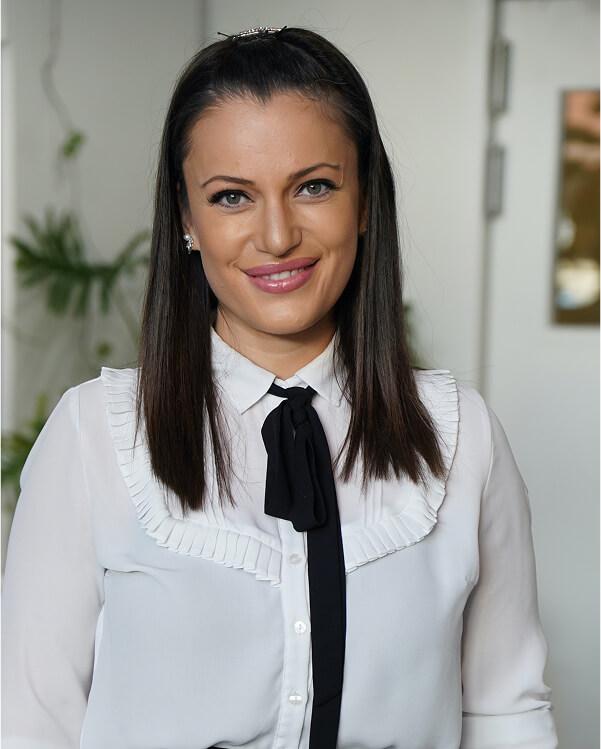
Donika Hristova
Recovered
Bipolar Type 2, Binge Eating Disorder
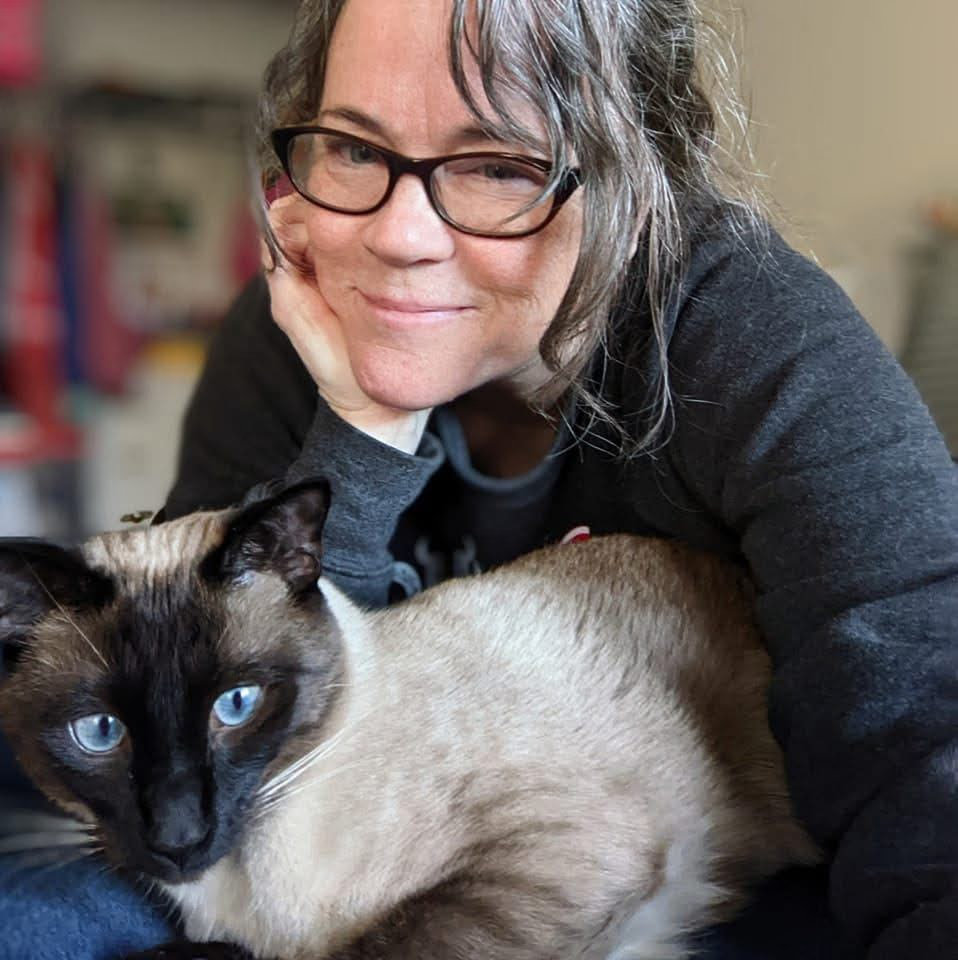
Lori Graham
recovering from
Major Depression & Generalized Anxiety
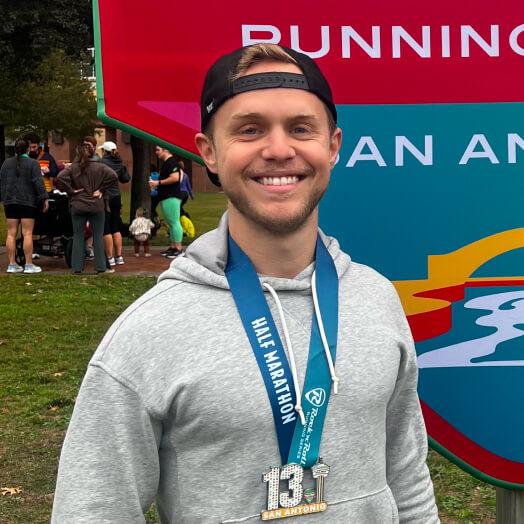
Tanner L.
in remission from
Obsessive-Compulsive Disorder (OCD)
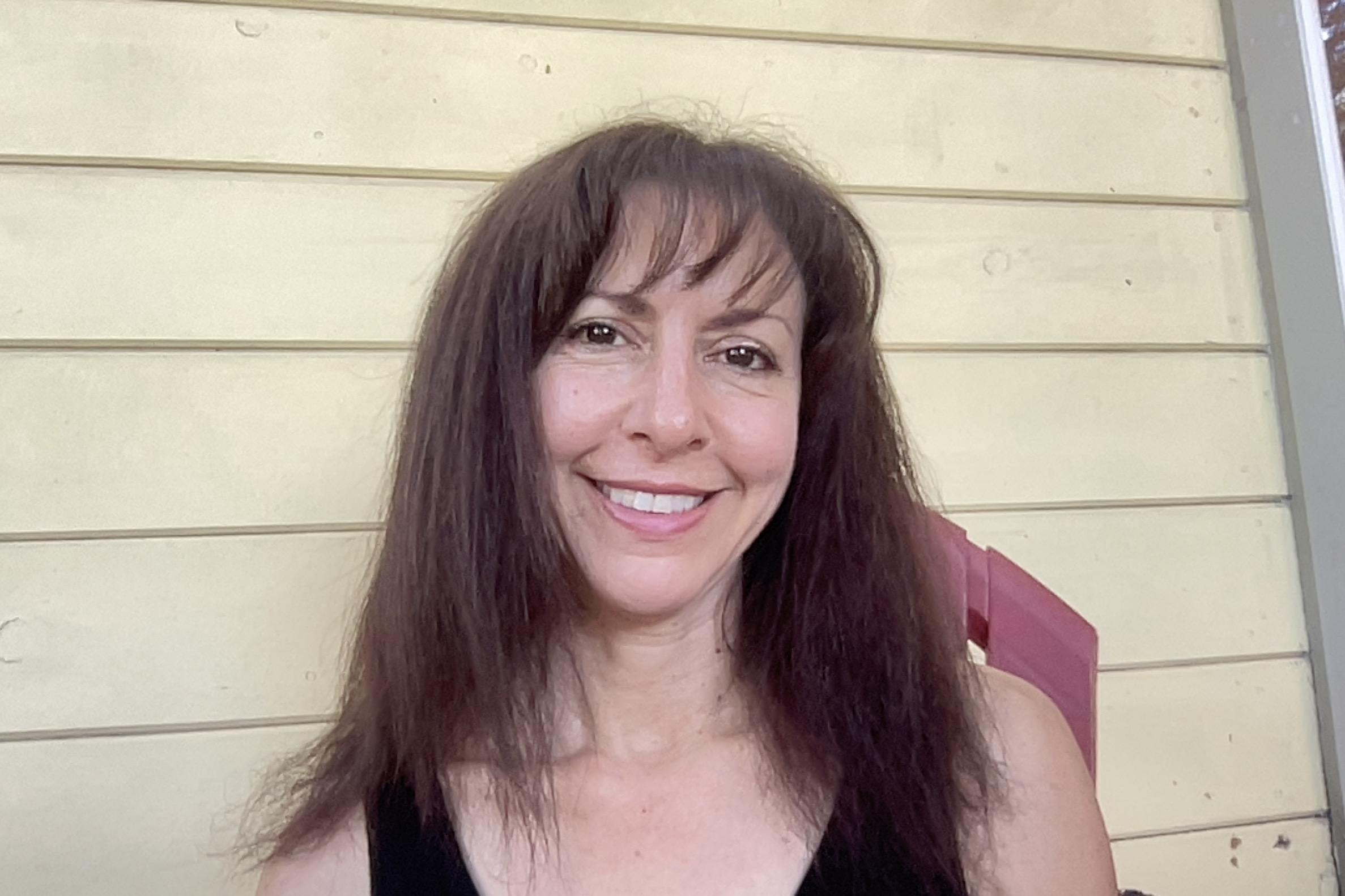
Dyane Harwood
thriving with
Bipolar 1
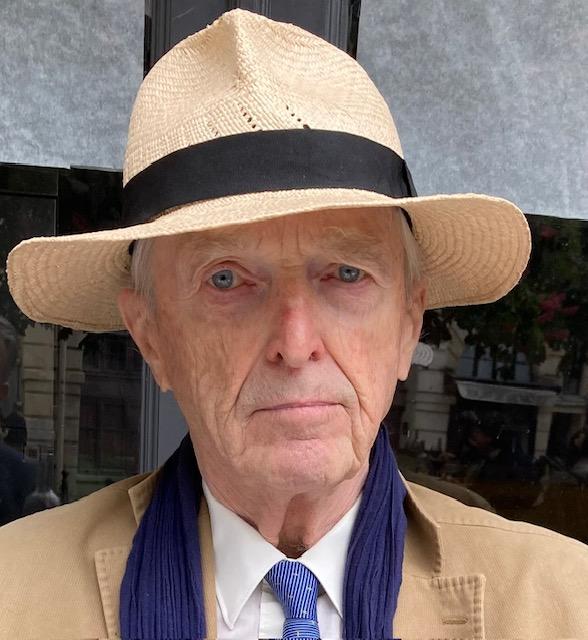
Henk van Wijk
in remission from
PTSD
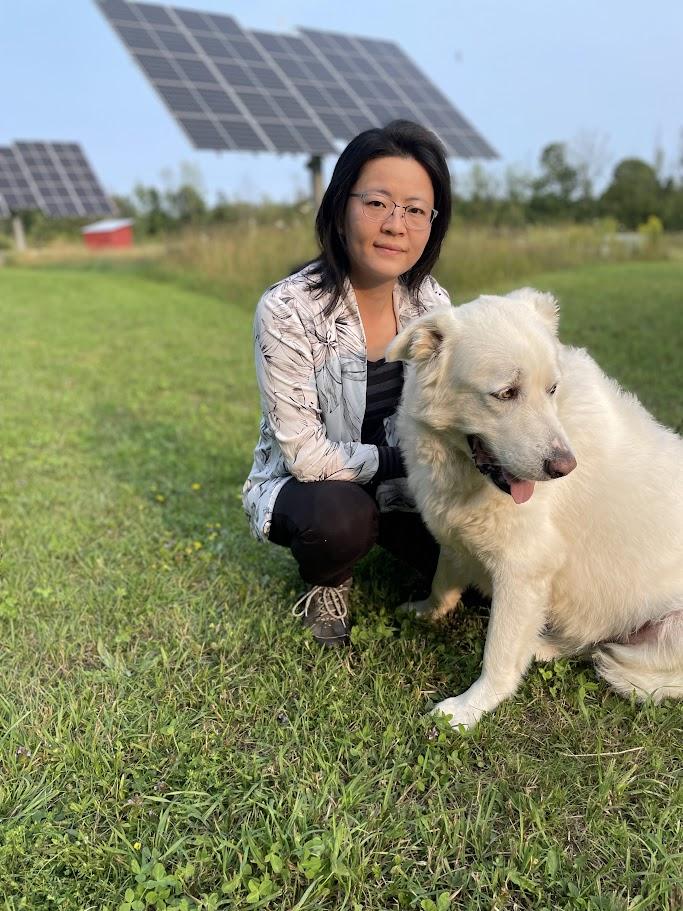
Lily Zhang
in remission from
Depression
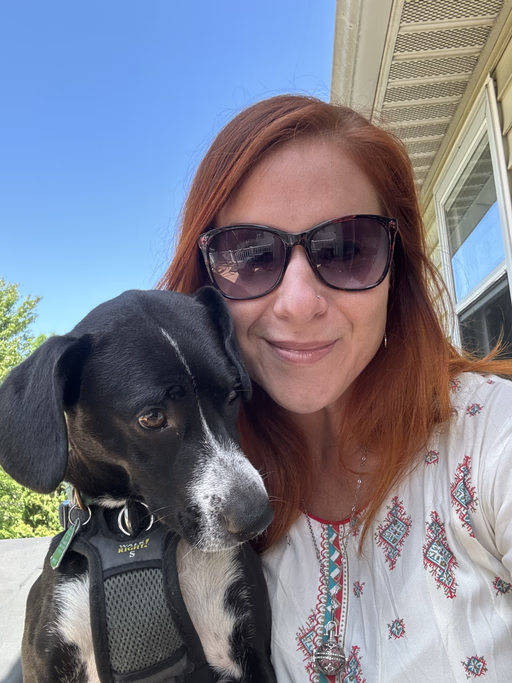
Lori F
treating
Bipolar, ADHD & Binge Eating Disorder
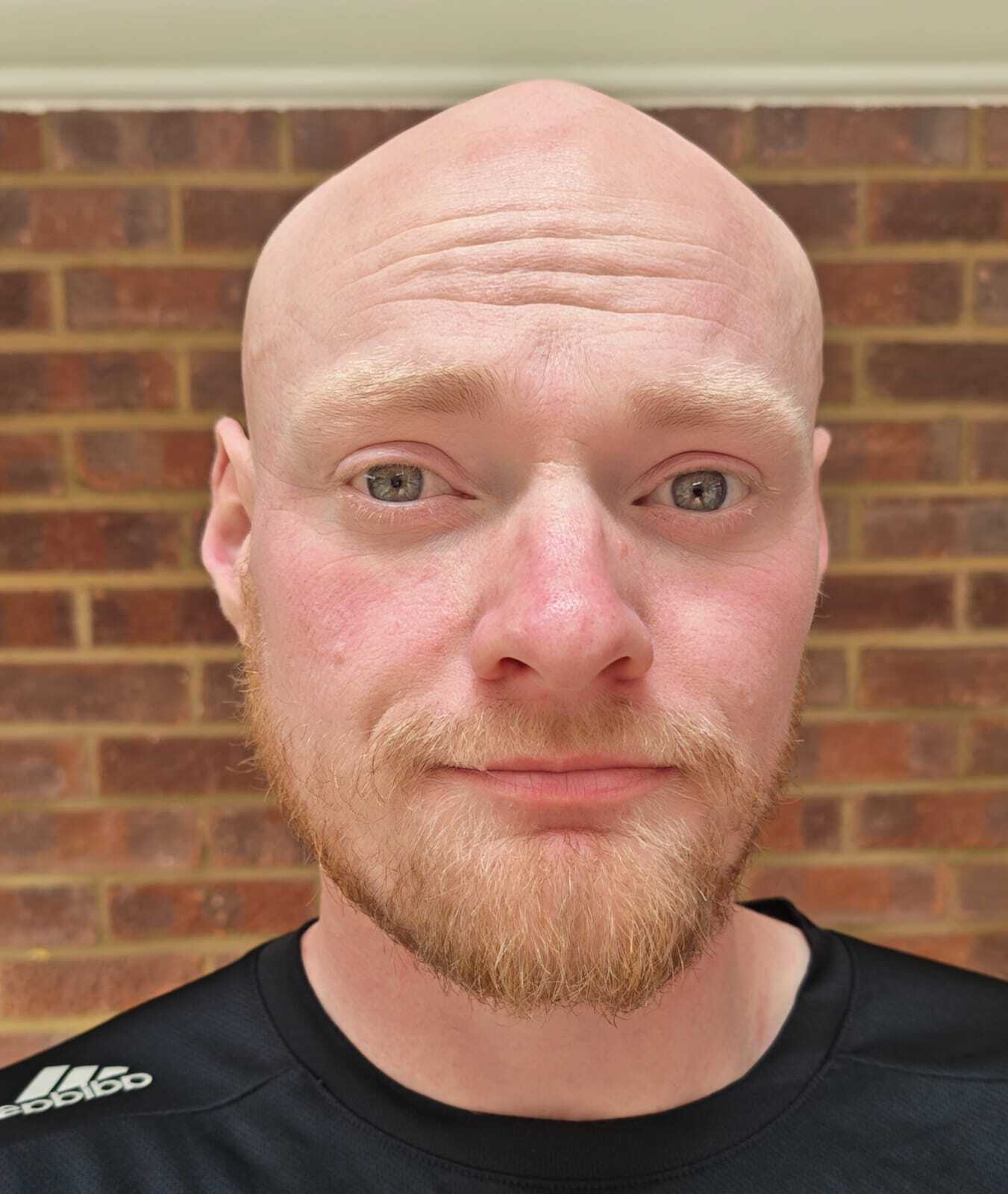
Lewis Anstee
recovered from
Paranoid Schizophrenia
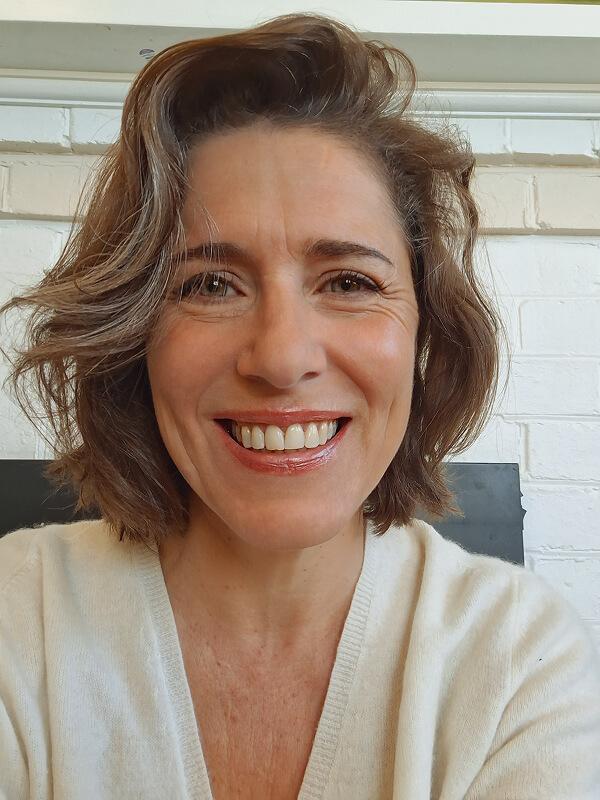
Shannon Harwood
recovered from
Bipolar 2
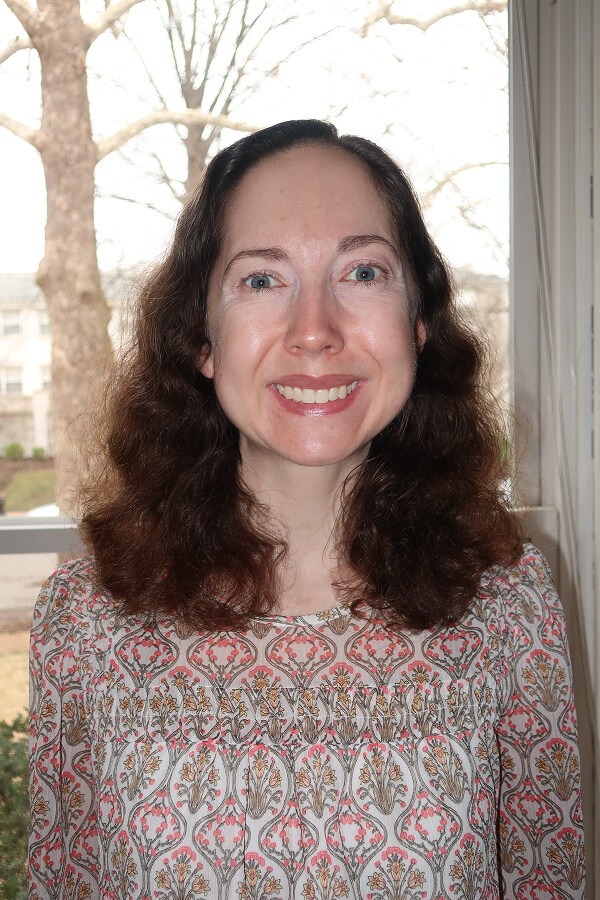
Lexa Martinez de la Cueva
Healing From
Schizoaffective Disorder
Oliver Seligman
managing
Bipolar 1
Elisabeth Sloetjes
recovered from
Bipolar 2 with Rapid Cycling
J.P. Weedon
recovering from
Bipolar Disorder
Michelle Hurn
in remission from
Anorexia, Depression & Anxiety

Valerie Anne Smith
in remission from
Schizophrenia, OCD & Anorexia
Moira Newiss
treating
Depression & Anxiety
Brianna Mitchell
recovering from
Pre Menstrual Dysphoric Disorder
Natasha Smikles
managing
ADHD & Anxiety
Mimi Morgan
recovered from
Parkinsonism & Cognitive Slowing
Michael Belanger
managing
Autism

Becca Price
managing
Depression & Bipolar 2
Vanessa K
recovered from
the diagnosis of bipolar disorder
Paul Corfield
managing
Bipolar 1 & Autism
Nathan Leary
in remission from
Schizophrenia
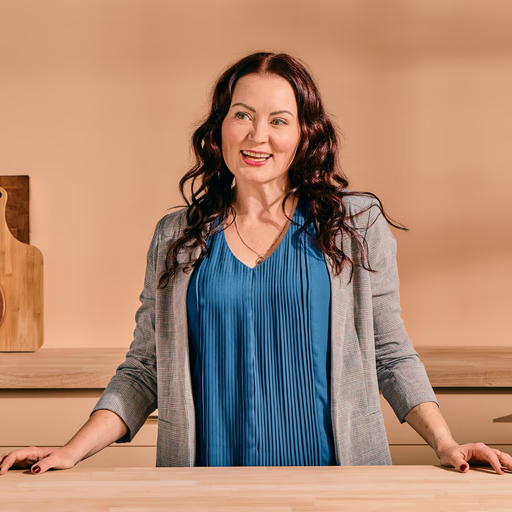
Jenny Mitich
recovered from
Depression, Anxiety & Addiction

Genevieve Cook
in remission from
Bipolar Disorder, ADHD & OCD
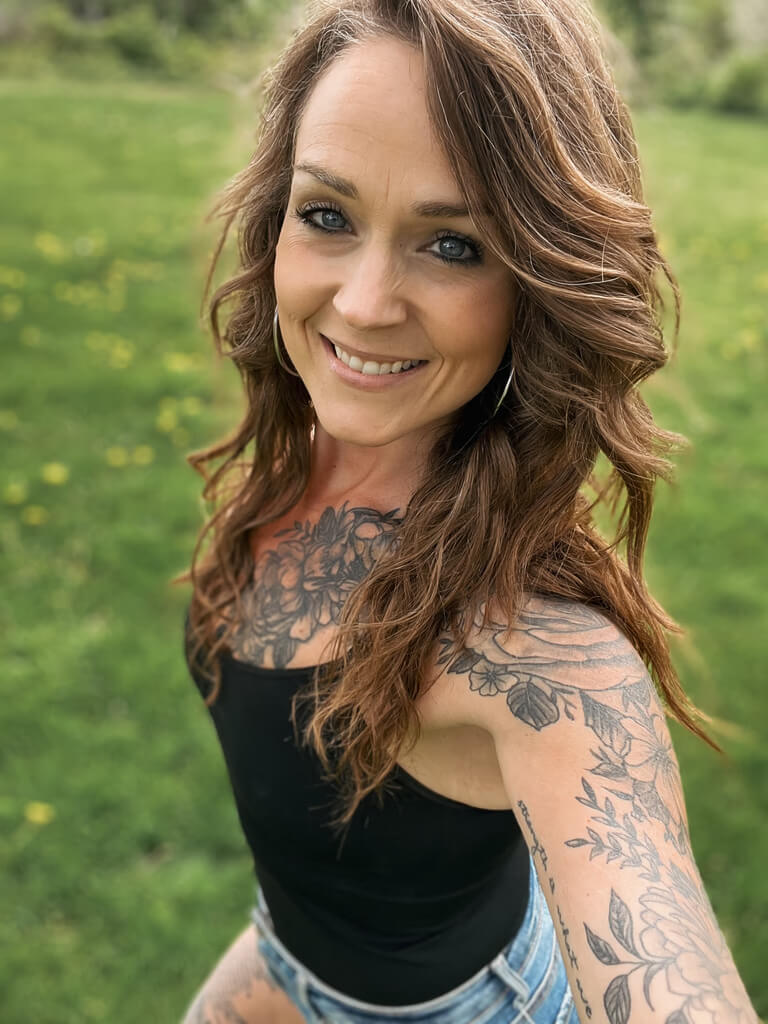
Kristina Cook
in remission from
Anxiety, PTSD, OCD & Depression
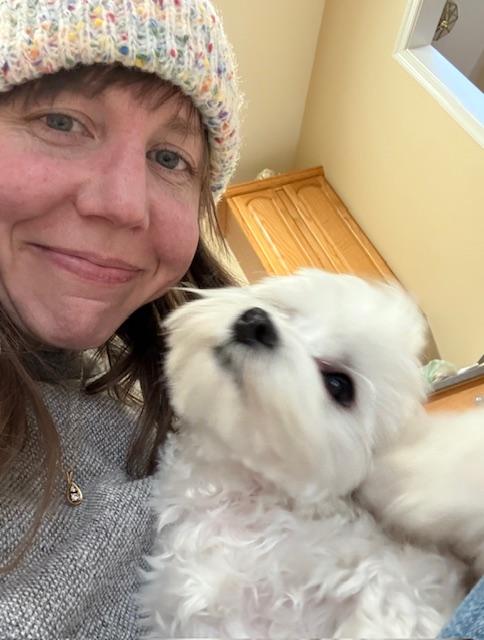
Caitlin Hoey
in remission from
Schizophrenia
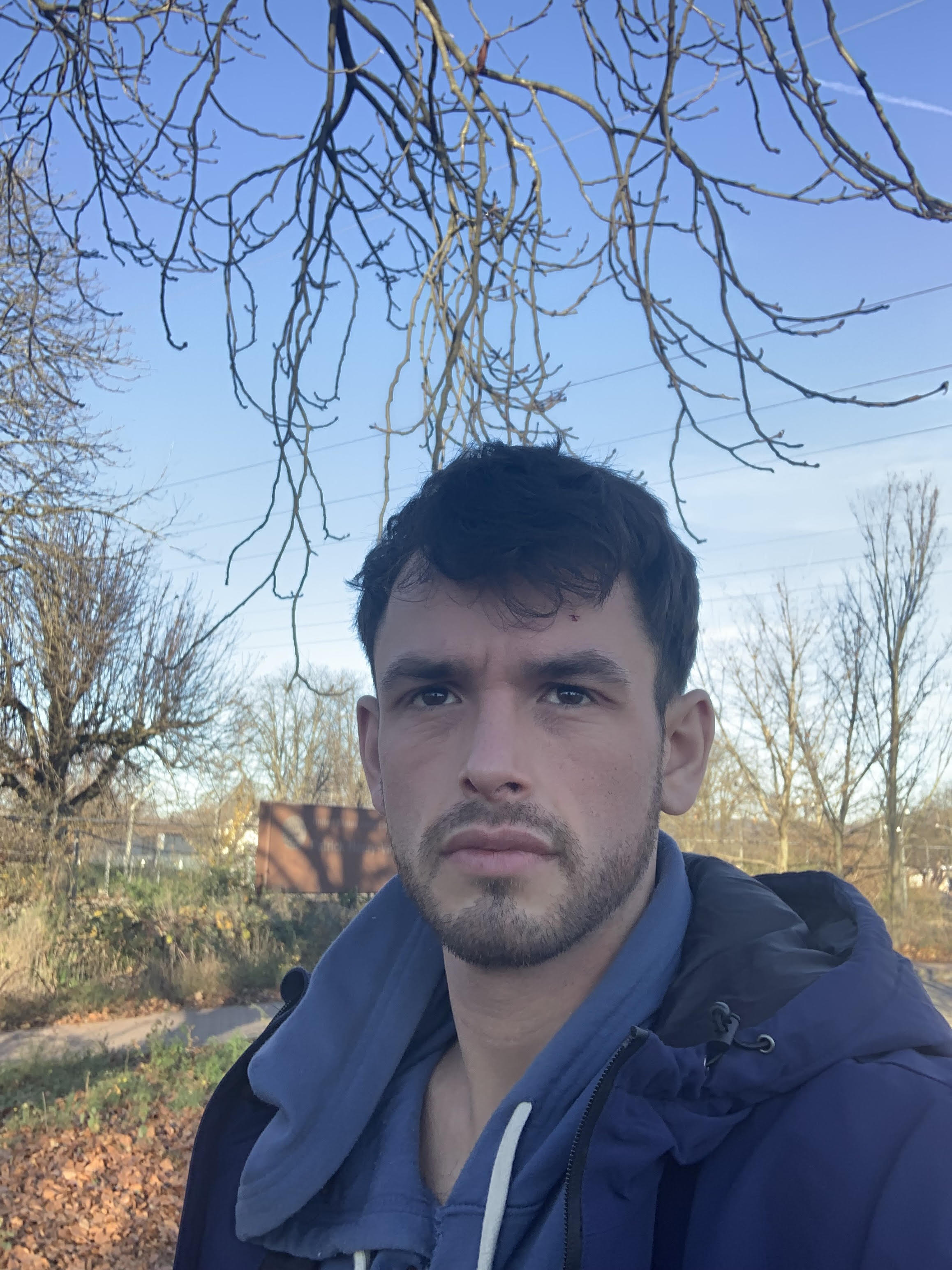
Christopher Browne
recovering from
Schizoaffective Disorder
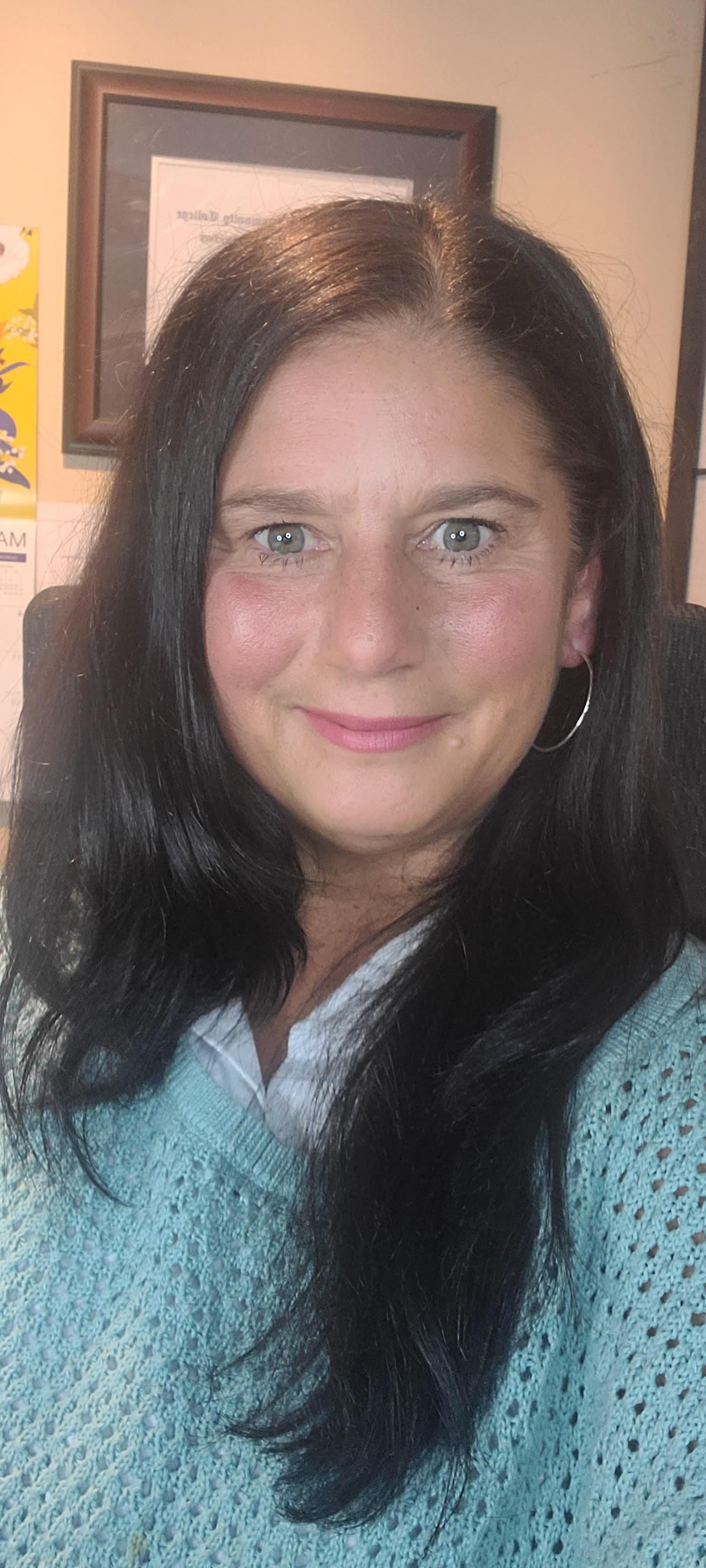
Sylvie Bourgeois
in remission from
Anxiety, ADHD
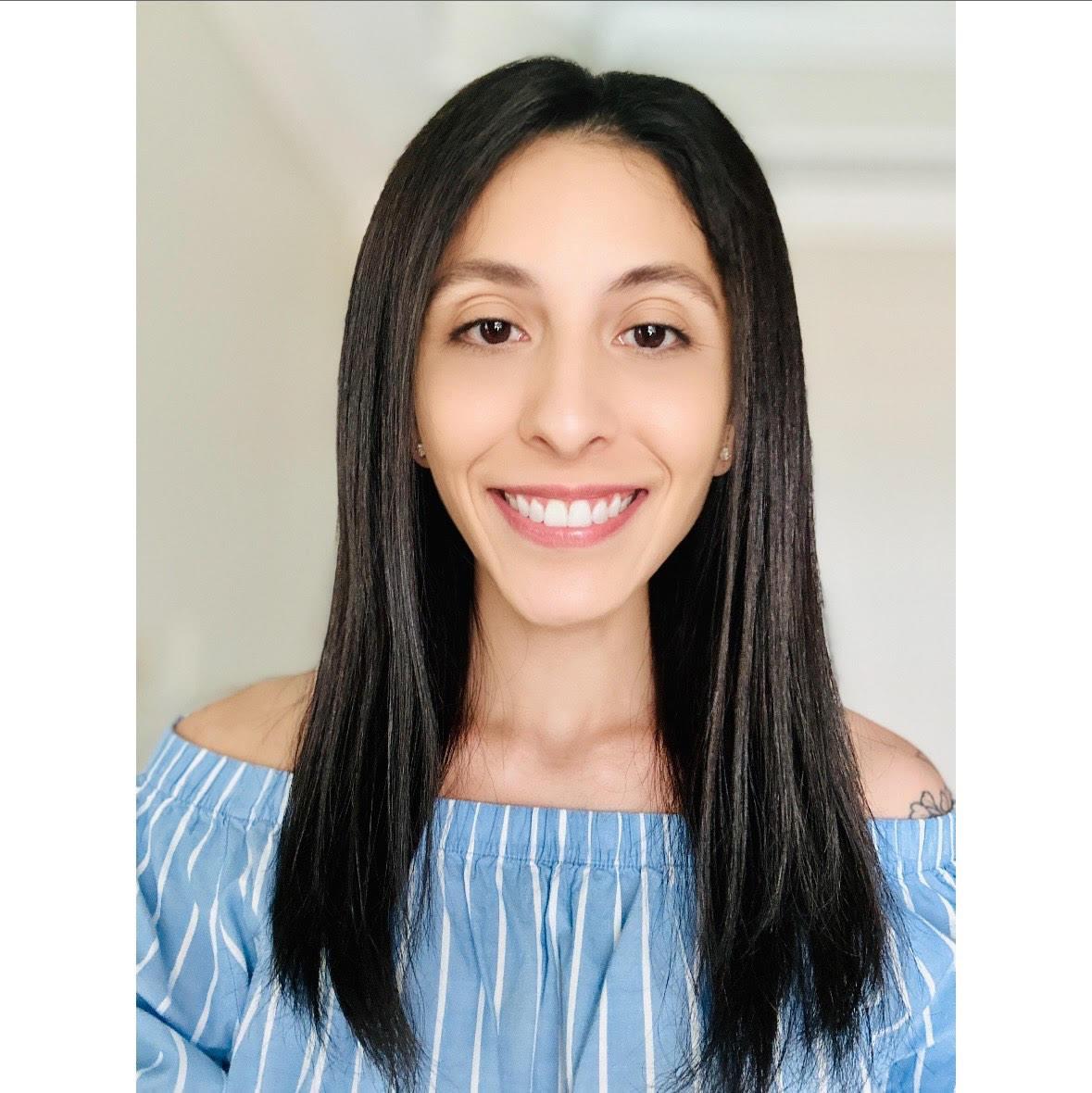
Cynthia Peña
managing
Bipolar Disorder Type 1, ADHD, ASD Level 1
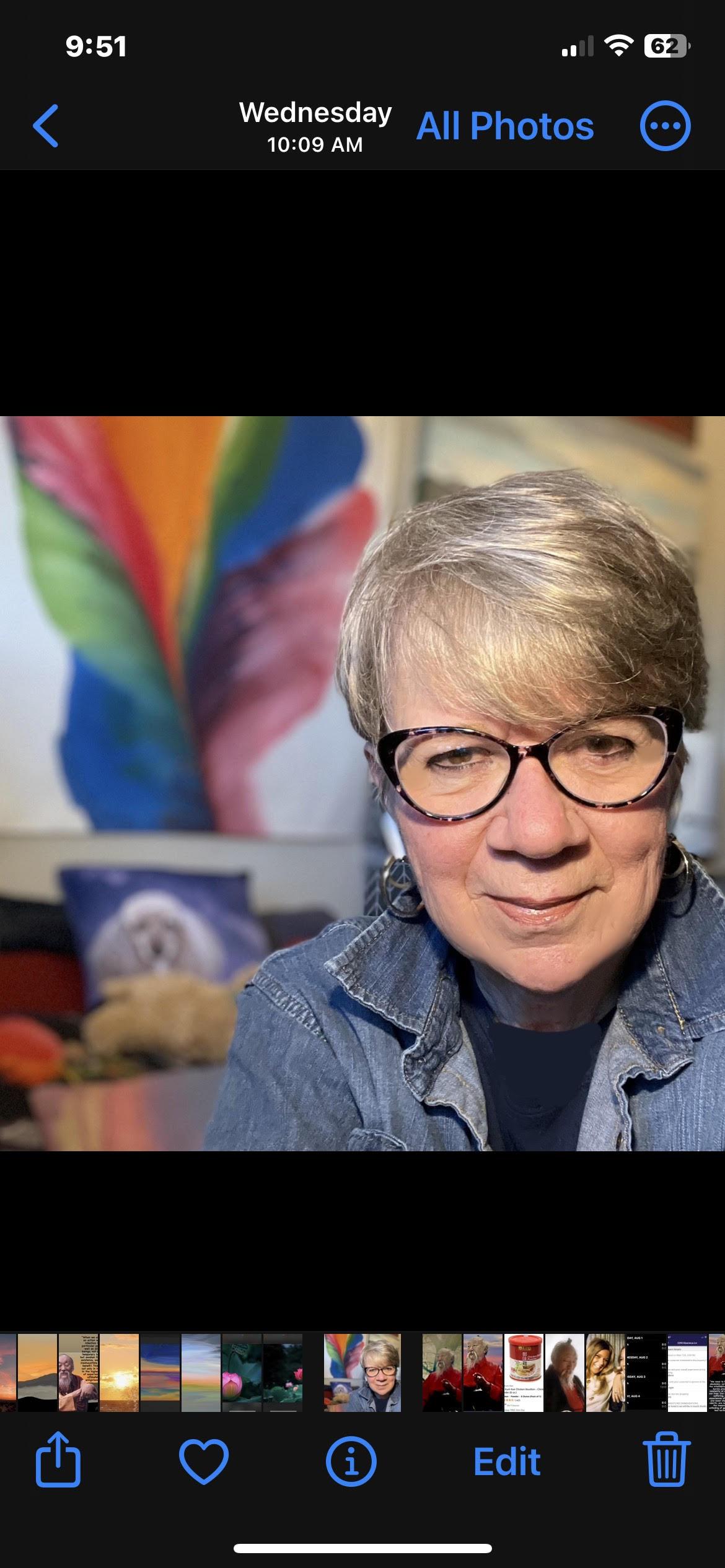
Michele Happe
in remission from
Anxiety, depression, Autism, and anorexia
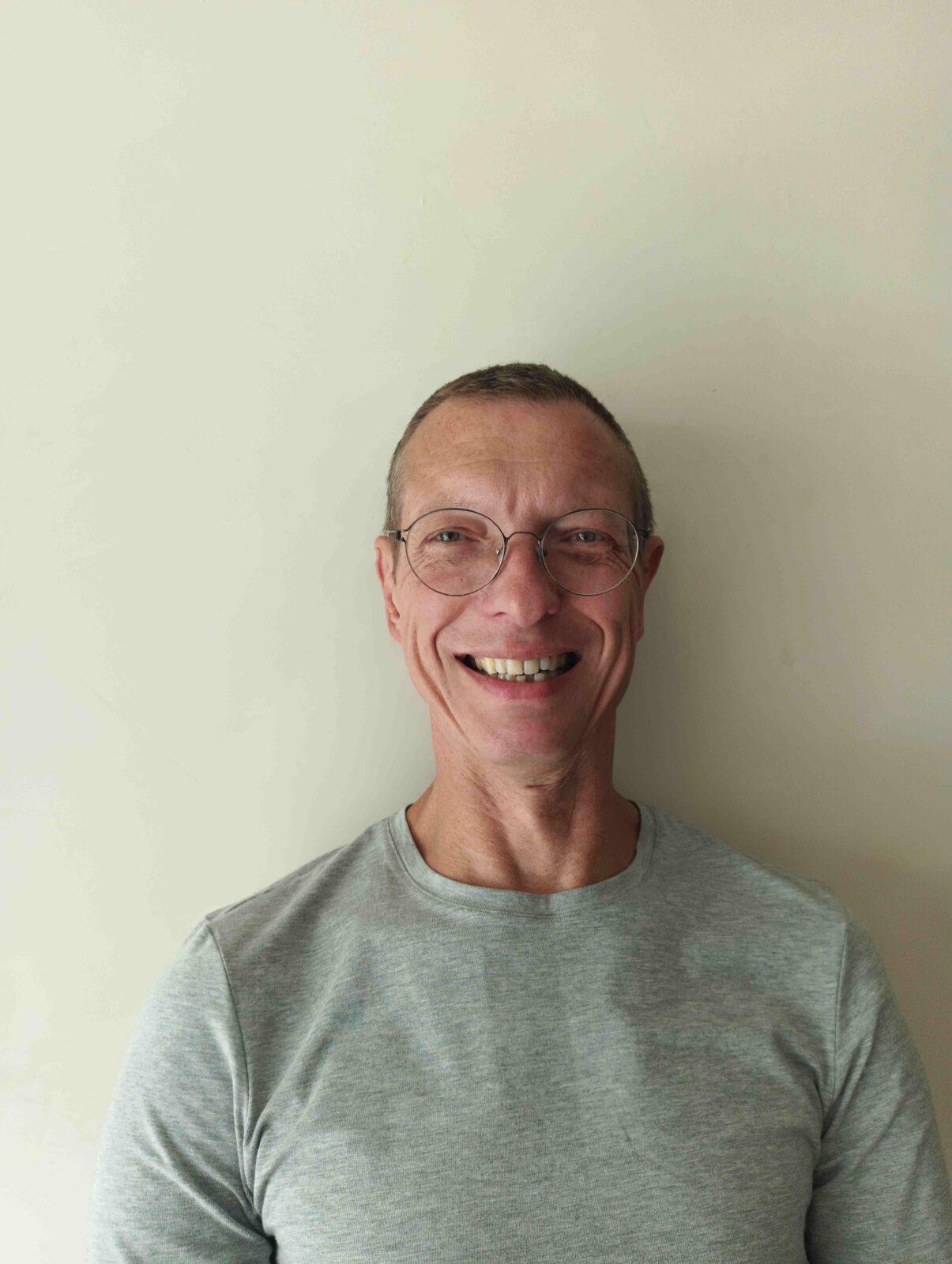
Kris Krumins
recovering from
Asperger’s, psoriasis, and psoriatic arthritis

Guy Williams
recovering from
Bipolar disorder
Nicola Tutera
in remission from
Bipolar 1 with moderate psychotic features
Ally Houston
recovered from
ADHD, seasonal depression, and anxiety

Taylor Bell
managing
ADHD
Julianne Armijo
managing
Bipolar Disorder
Heather Flood
recovered from
Anxiety and Depression
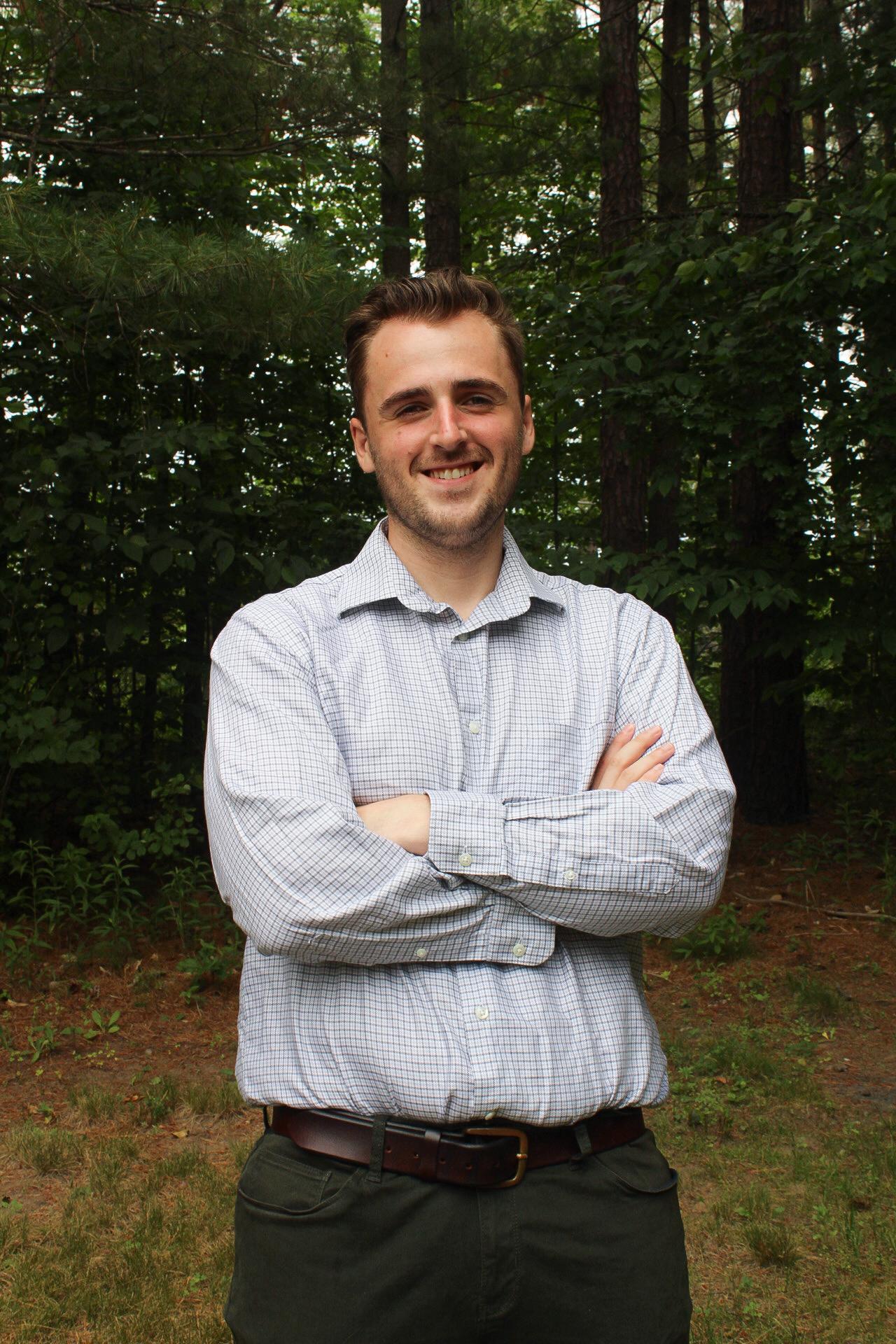
Benjiman Boyd
recovered from
ADHD and Depression
Iain Campbell
managing
Bipolar 2

Lisa Blackstone
treating
PTSD, major depression, and anxiety

Leslie Woods
in remission from
Anxiety and depression
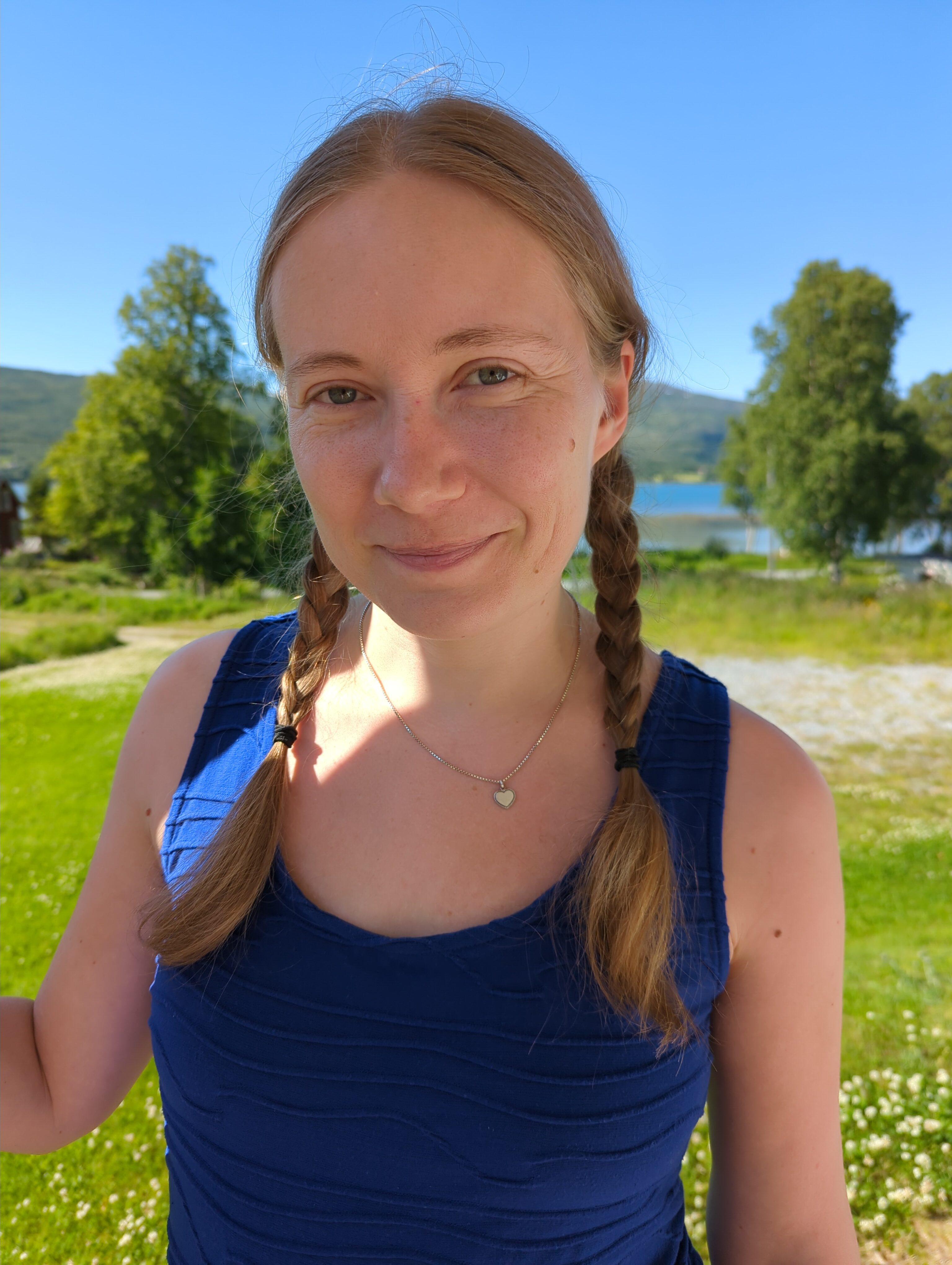
Terese Blåklokke
treating
Schizoaffective disorder
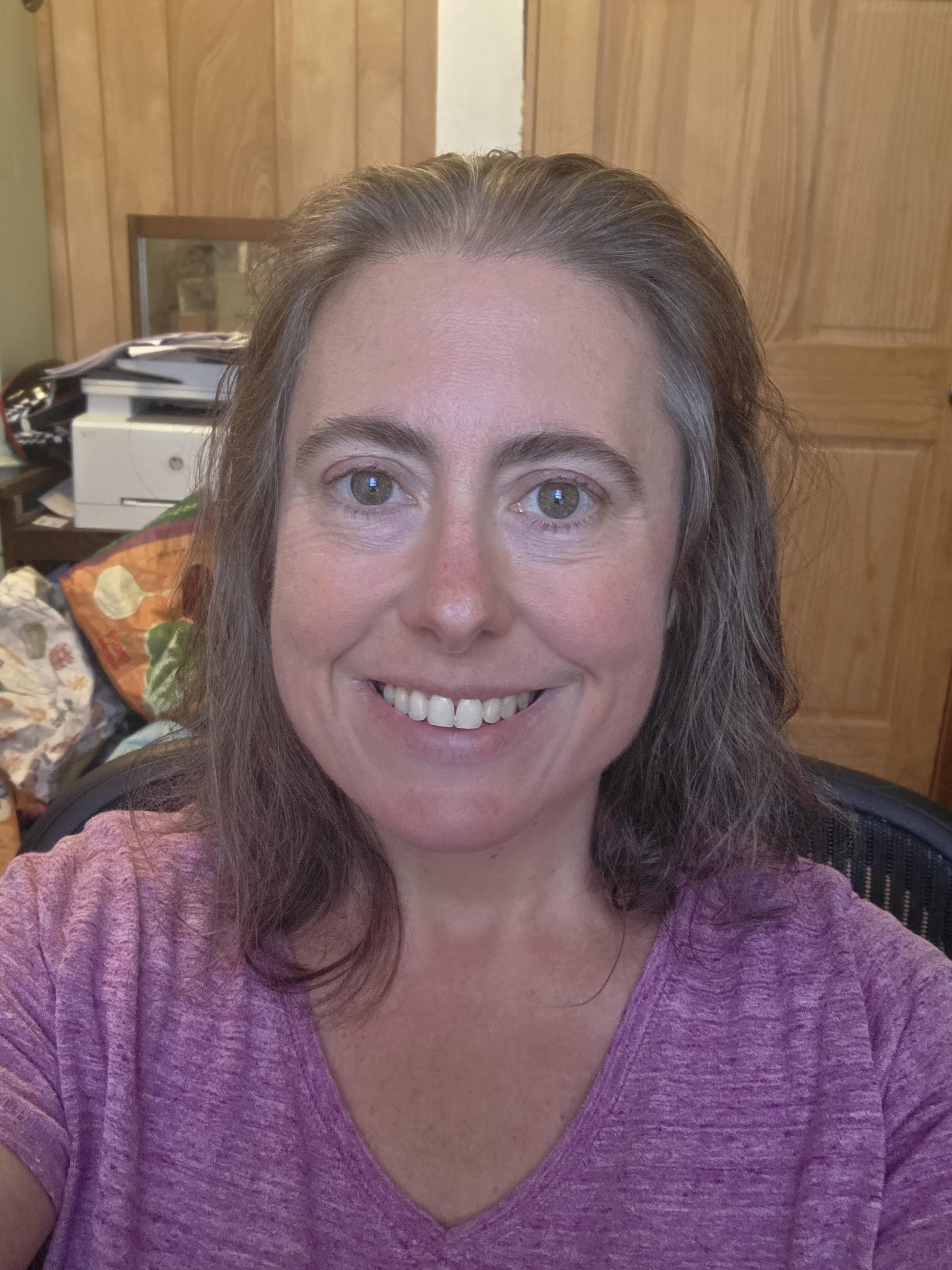
Mary Piper
managing
Bipolar 1 Disorder
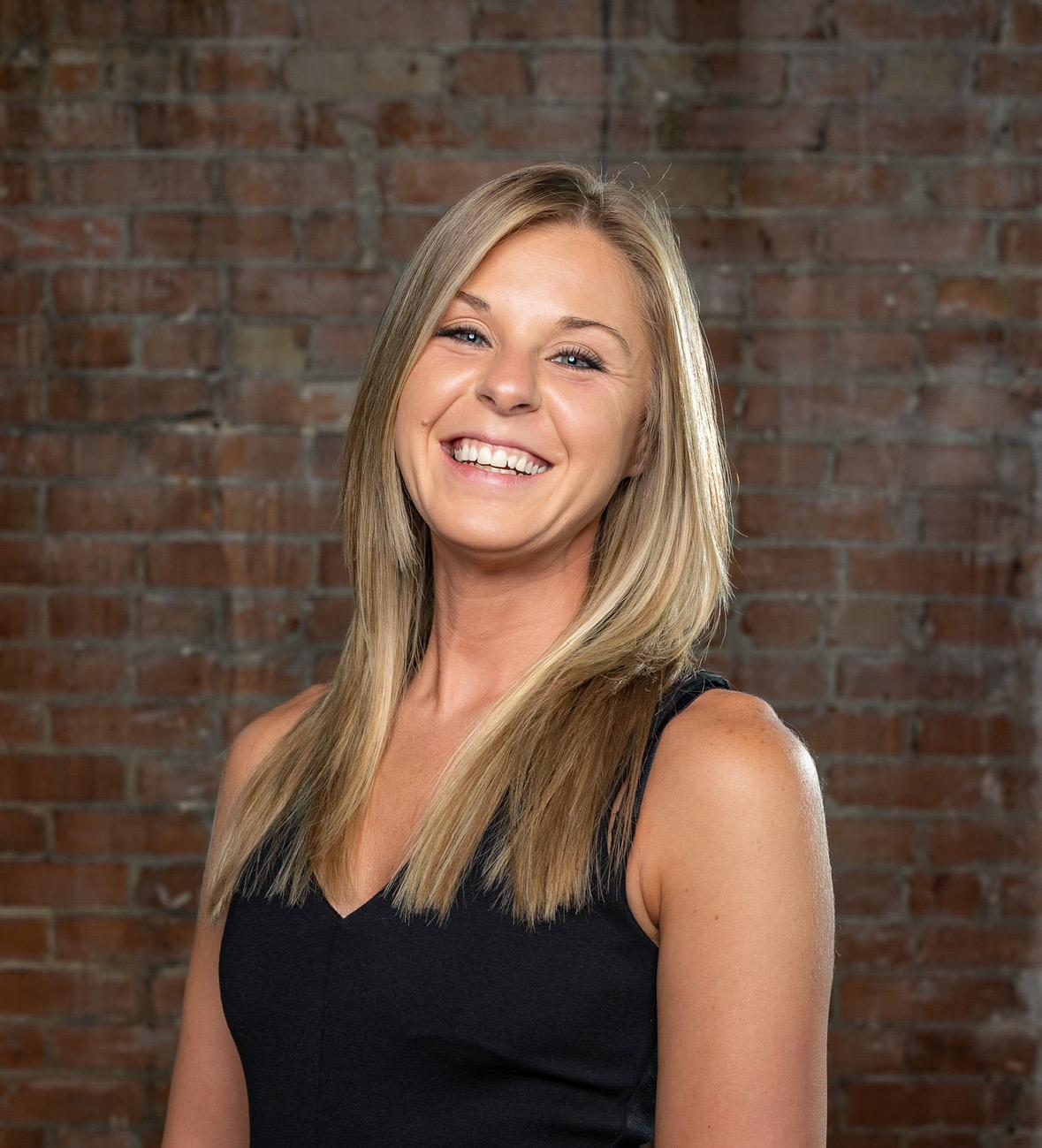
Courtney Voss
recovered from
Generalized anxiety disorder

Erika Stevens
recovering from
Schizoaffective disorder
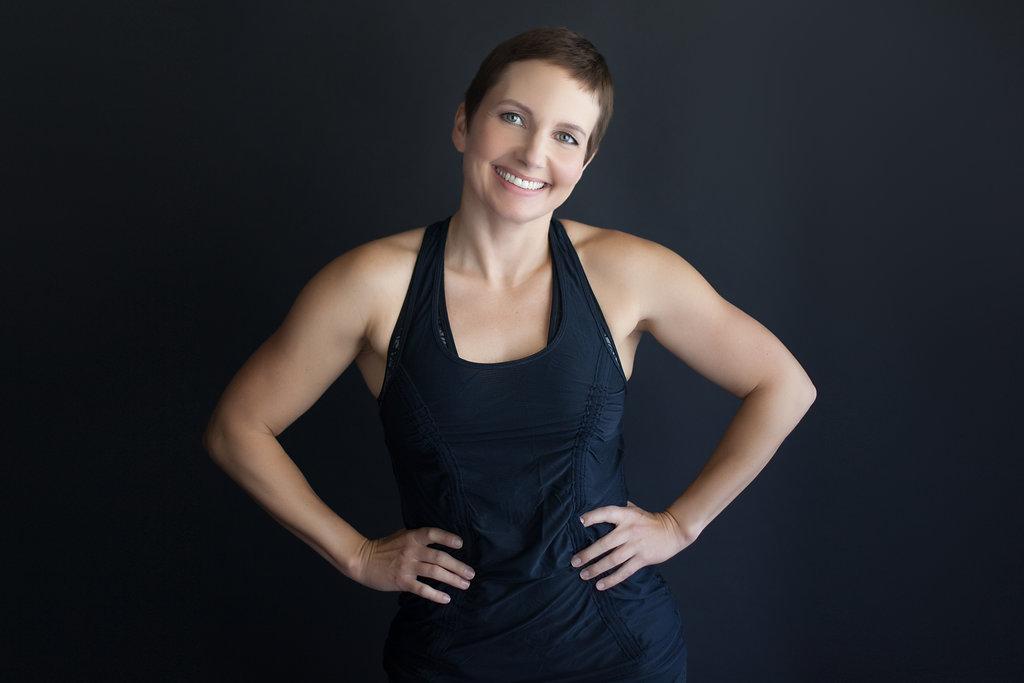
Stephanie Lincoln
recovered from
Anxiety, depression, and panic attacks
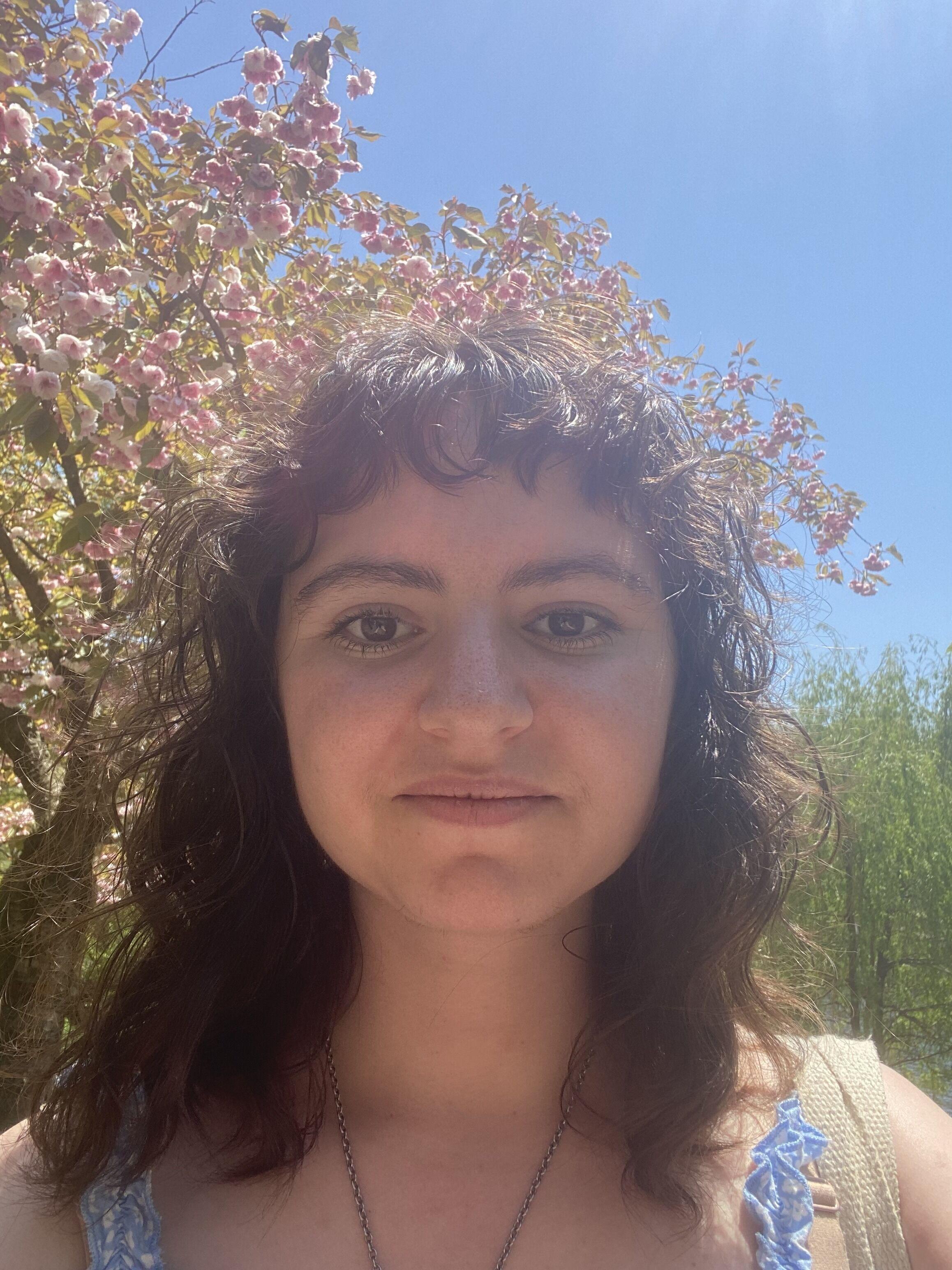
Ruby Urlocker
in remission from
Schizophrenia
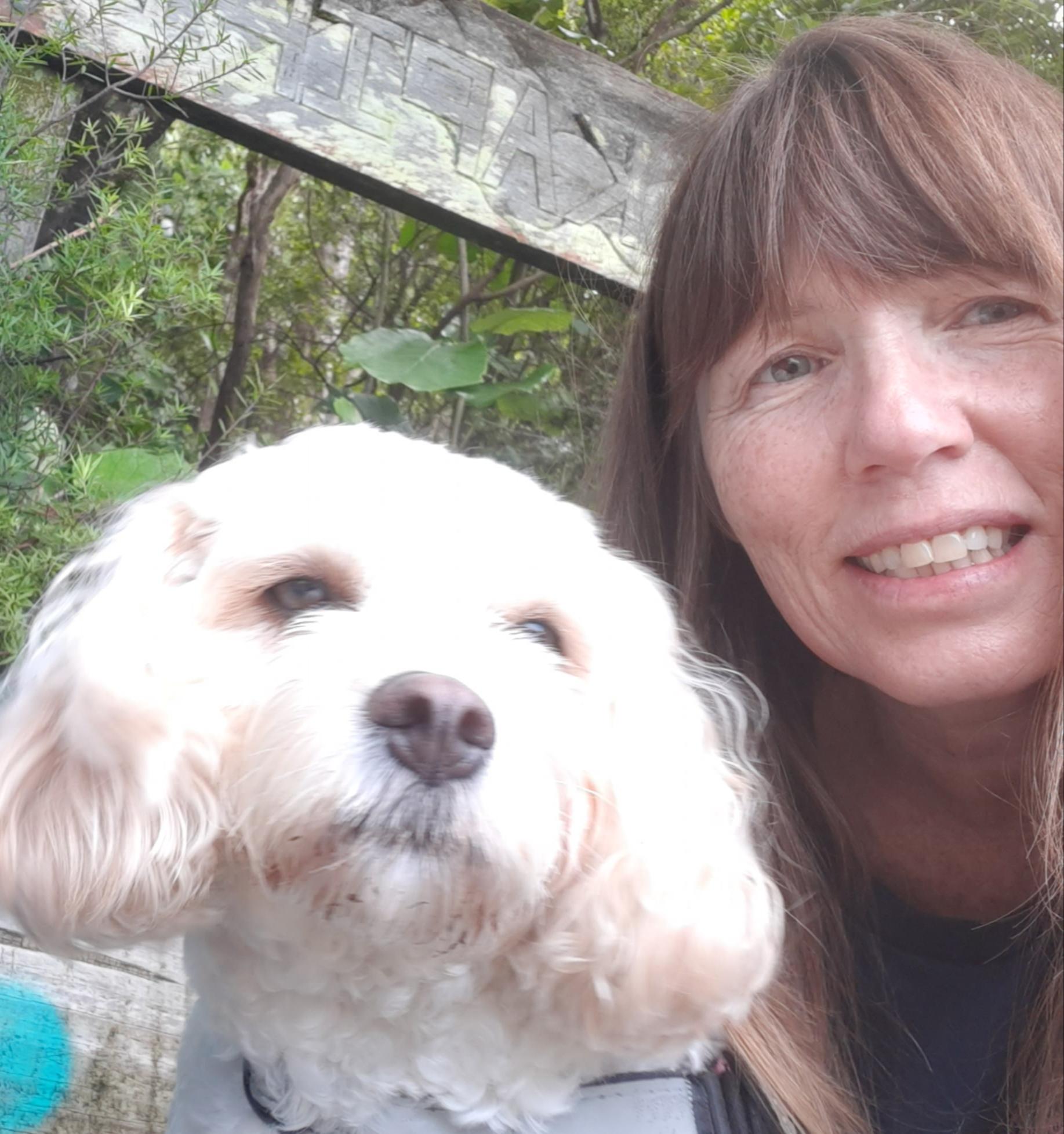
Louise Allen
recovering from
Depression and migraines
Erna Bekink
in remission from
Primary Progressive MS
Adnan Alkhalili
recovered from
Anxiety and OCD
Teralyn Pilgrim
recovering from
Major depressive disorder and mild cognitive impairment
Daria Zhornik
recovered from
Bipolar Disorder
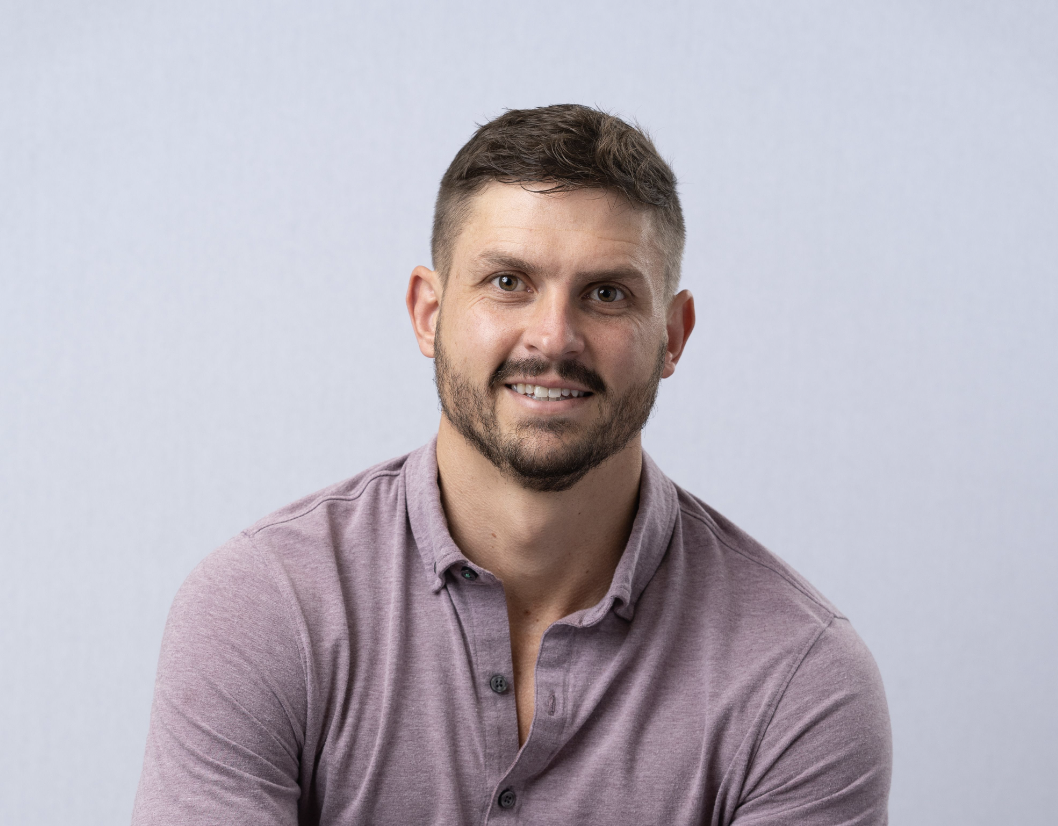
Justin Ternes
recovered from
ACE Induced Depression
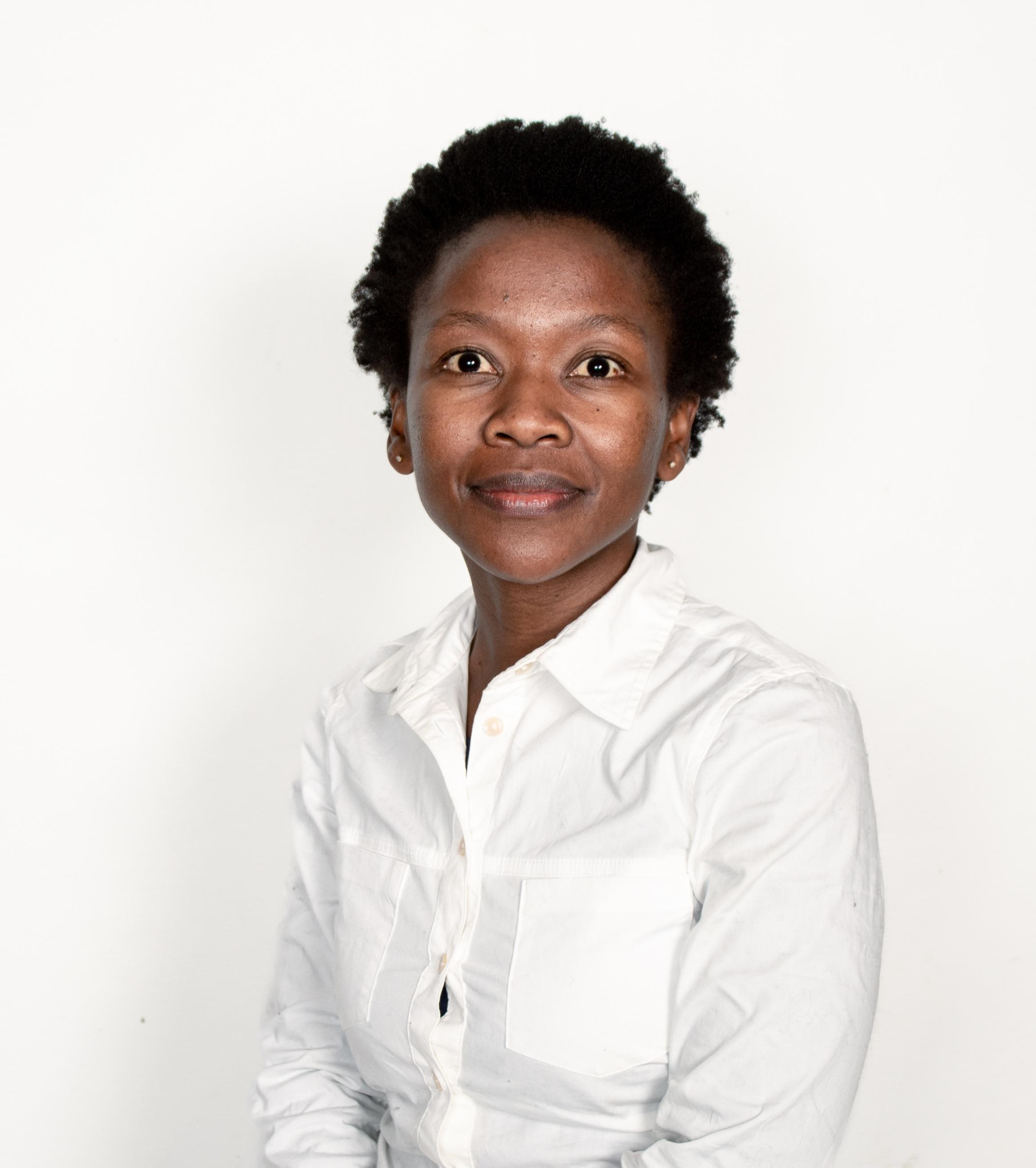
Nomhle Nhlapho
recovered from
Schizoaffective Disorder, Bipolar Type
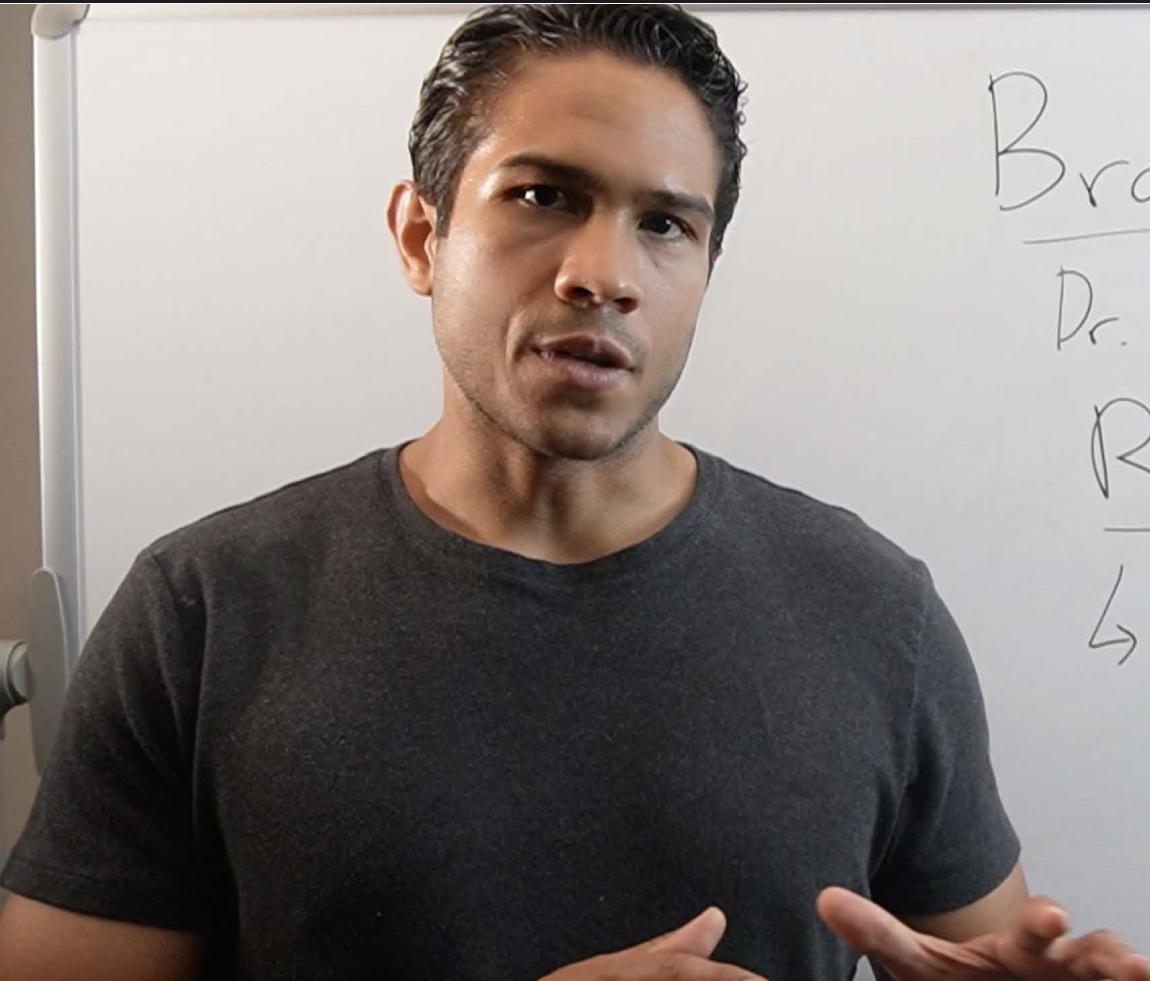
Eddie Rodriguez
Managing
Dementia Prevention
Leszek Markiewicz
in remission from
Schizophrenia
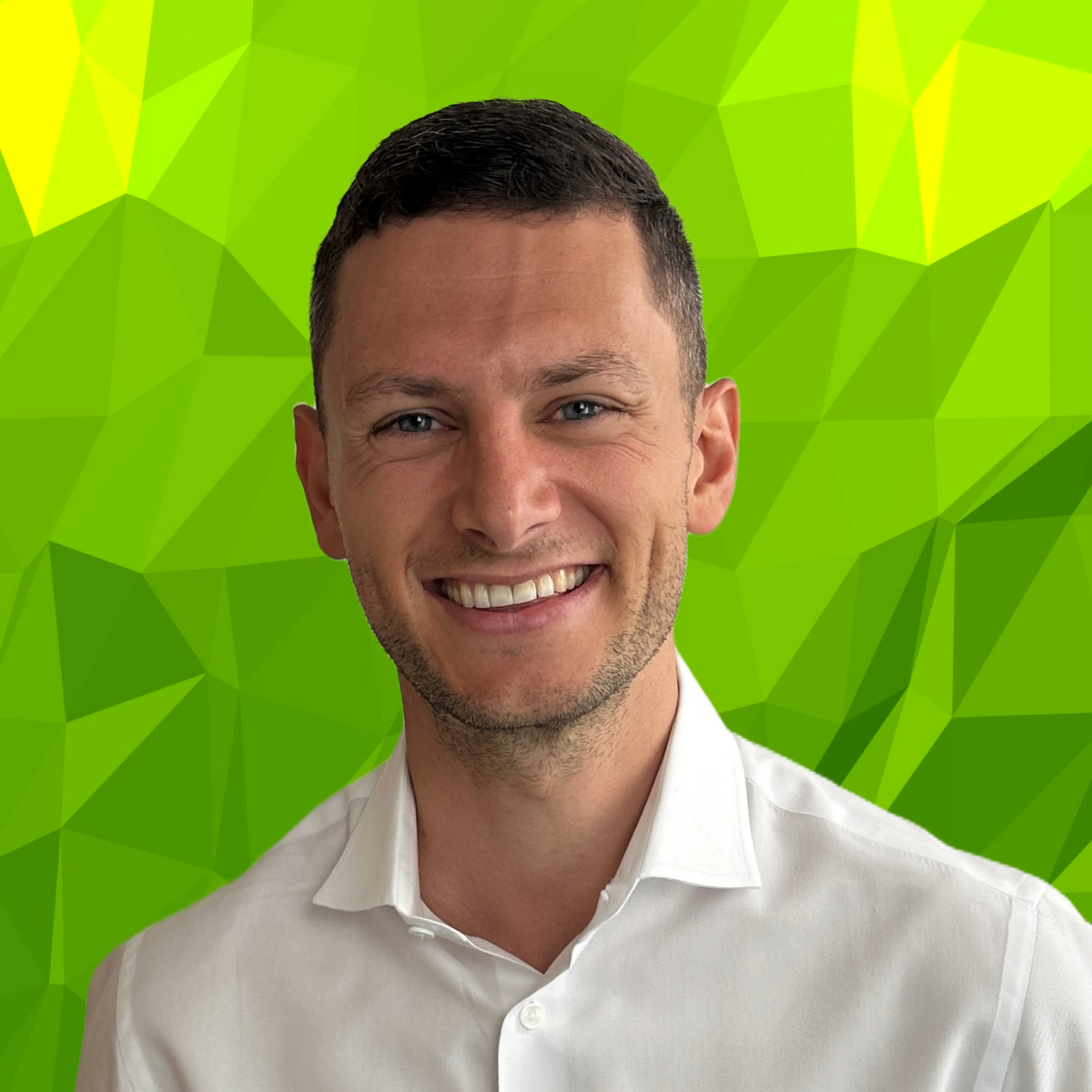
Garrison Grant
recovered from
Cannabis-Induced Psychosis
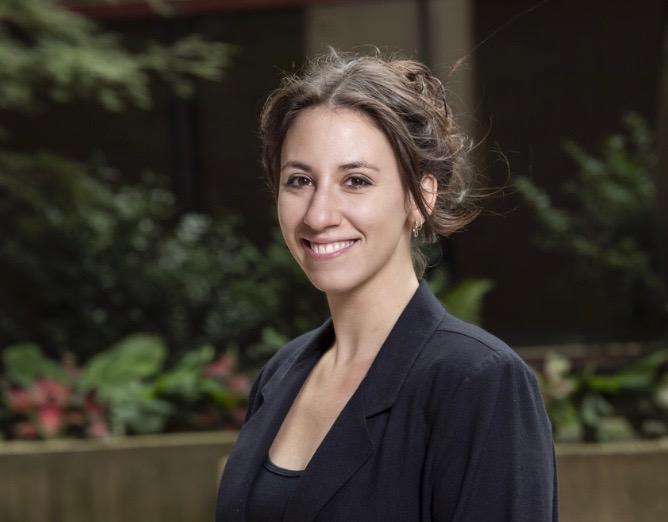
Maya Schumer
in remission from
Bipolar 1
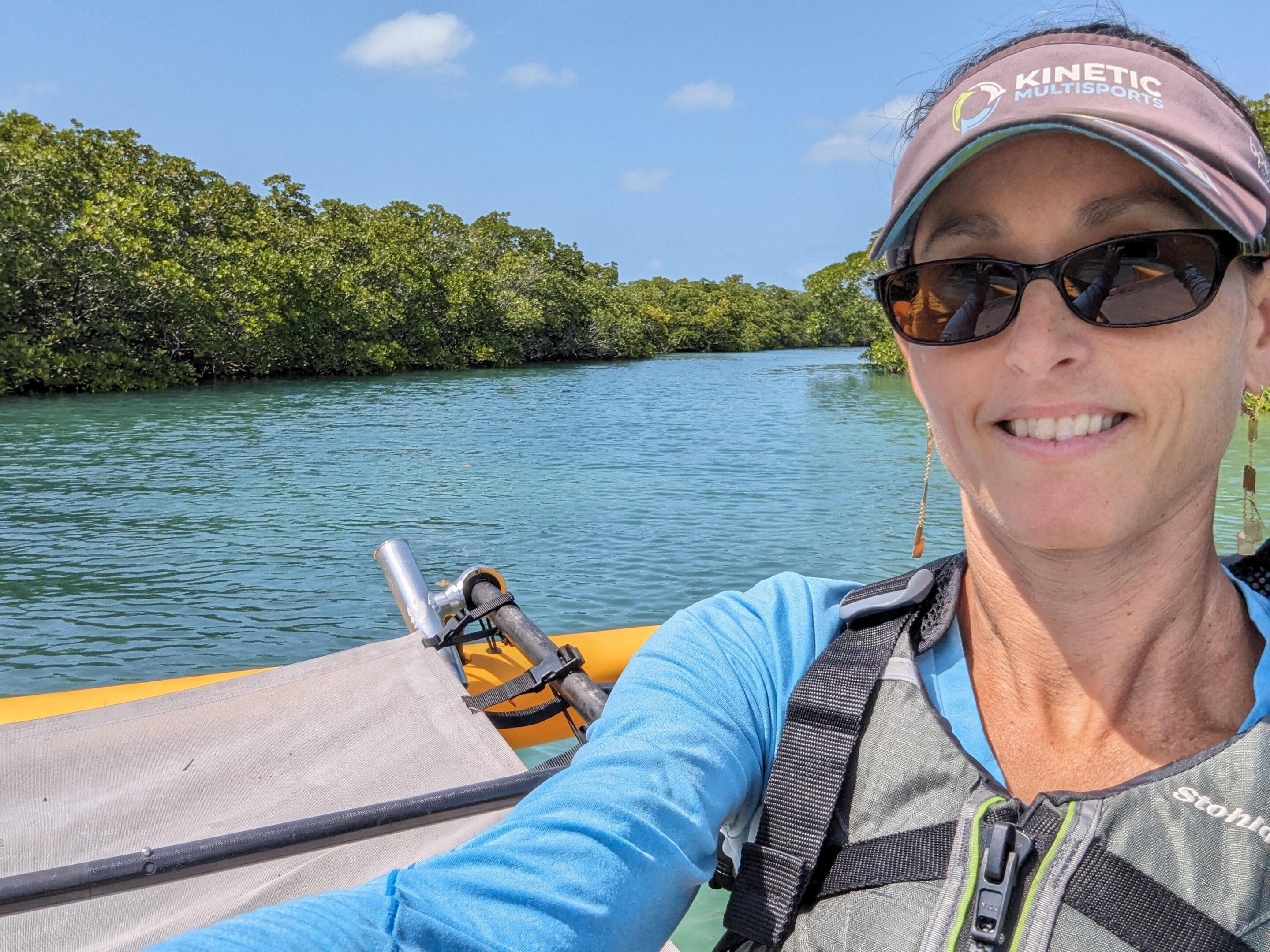
Liza Davia Elder
recovered from
Major depression
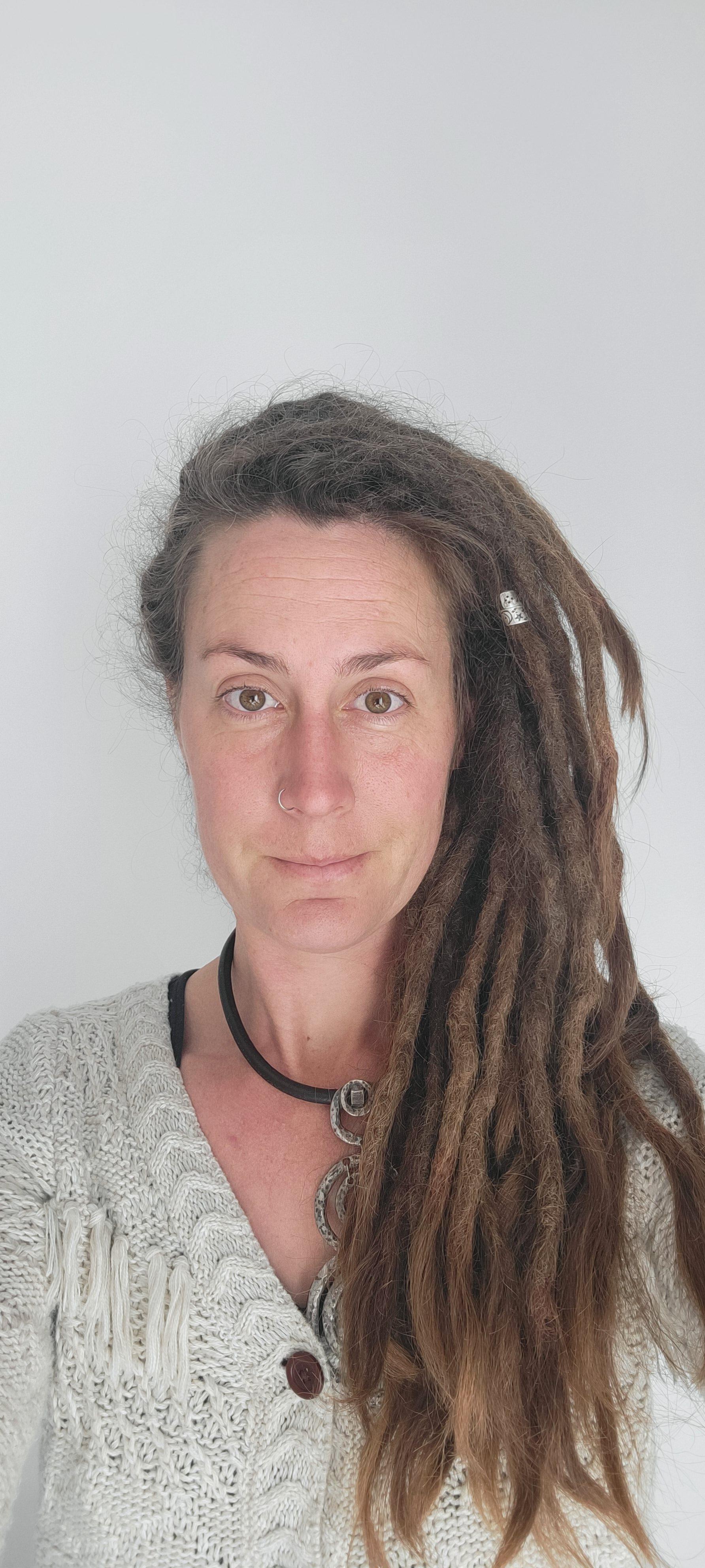
Kiara L’Herpiniere
recovering from
Major depression, treatment resistant depression, generalized anxiety, panic disorder, cPTSD, auADHD, bulimia, POTS, hEDS, MCAS
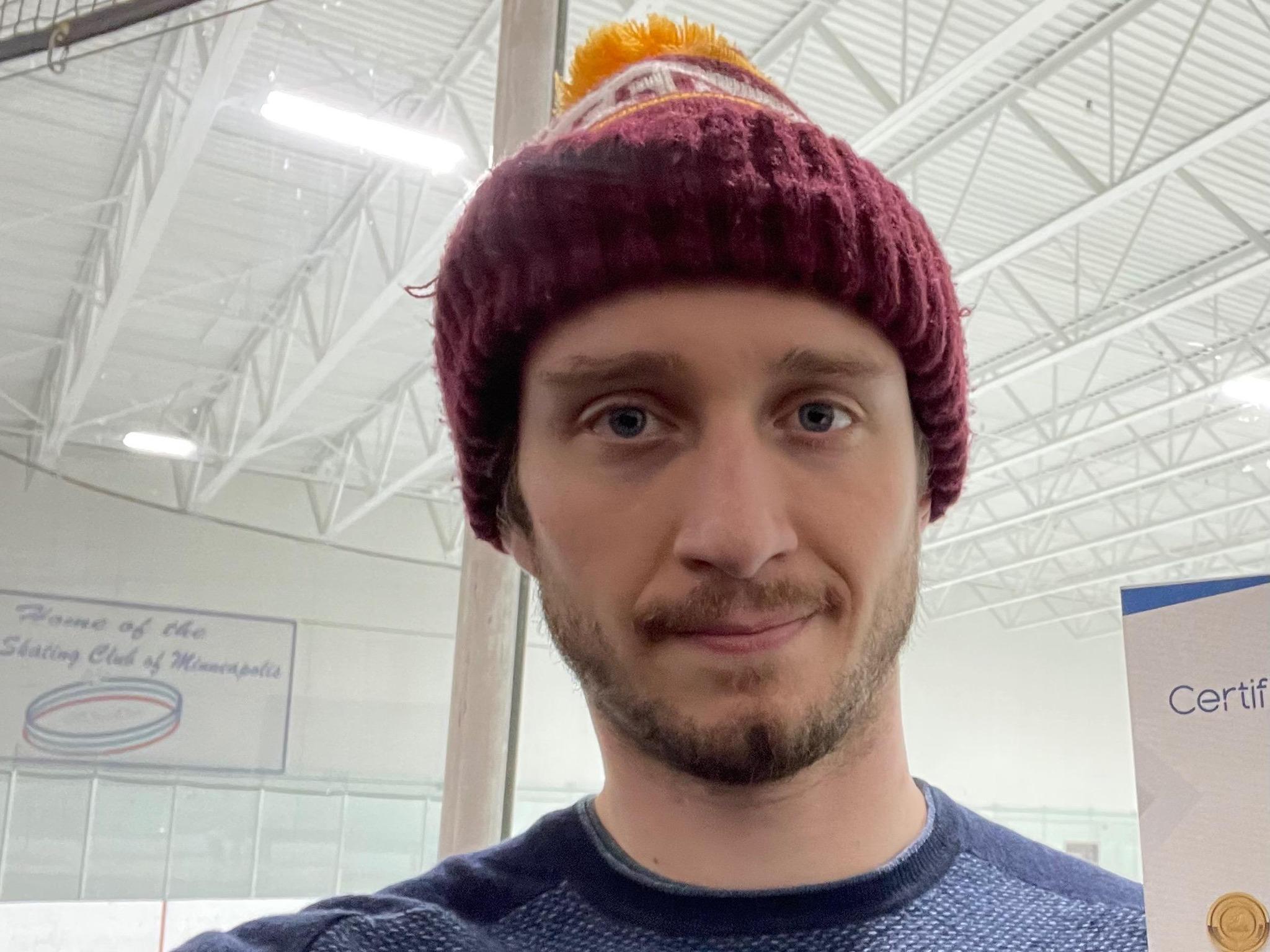
Jonathan Wilson
treating
Chronic Fatigue Syndrome
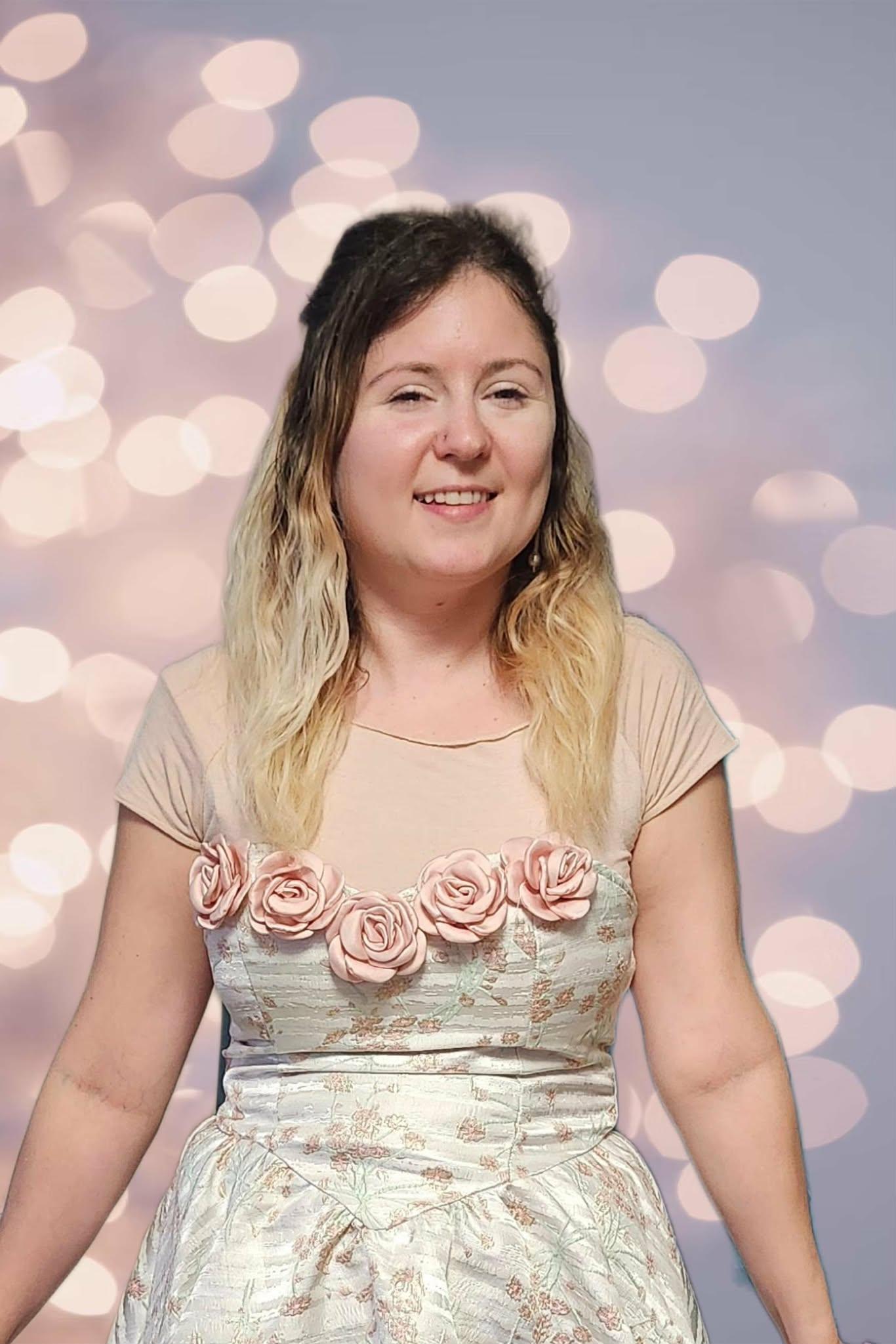
Jenna C
recovering from
Unknown neurological condition and hallucinations
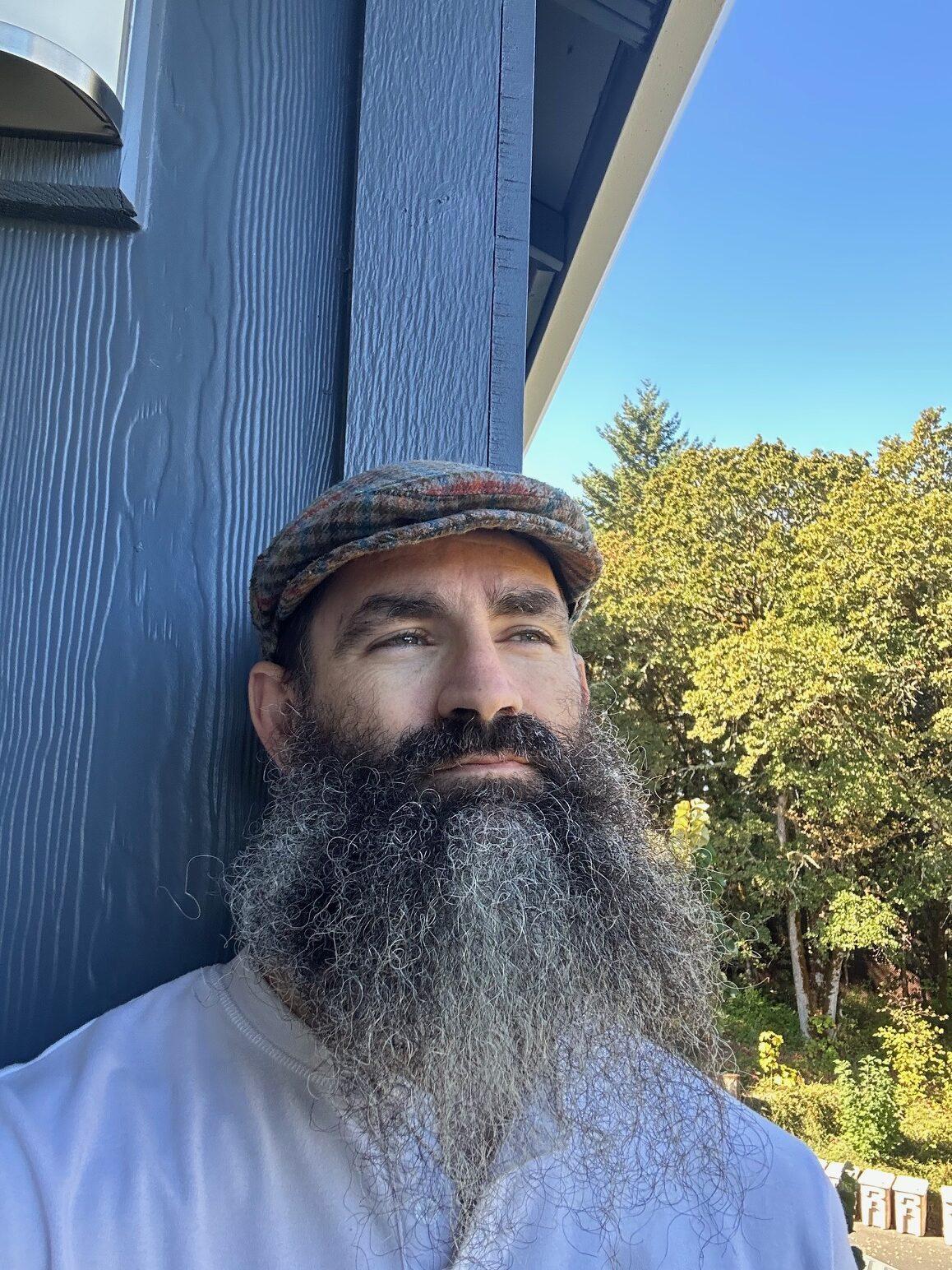
Daniel Marker
managing
Schizoaffective disorder
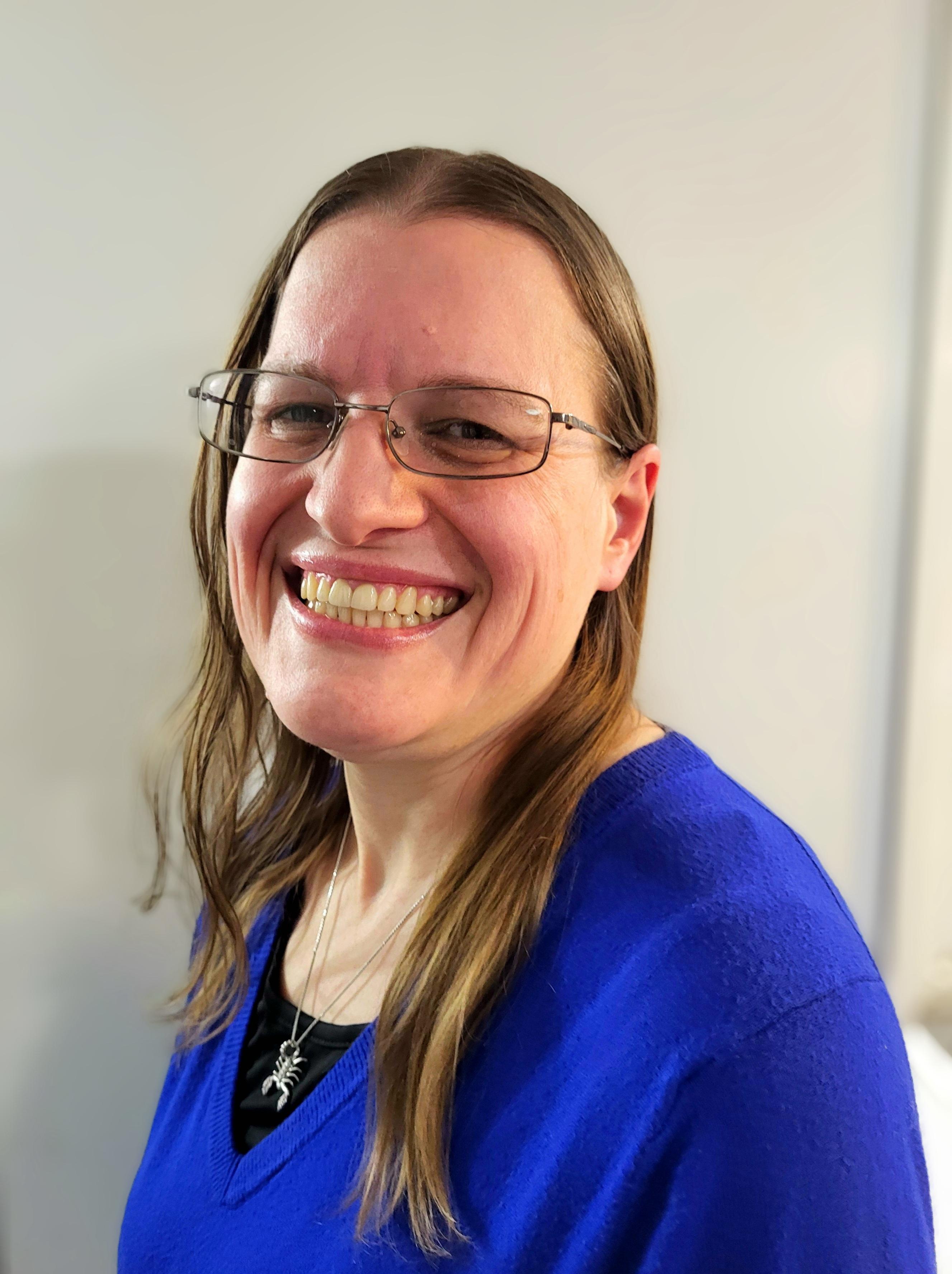
Danielle Thibodeau
in remission from
Schizoaffective disorder, fibromyalgia, prediabetes, and obesity
Josiah Jennings
in remission from
Severe Depression

Joomee Kyler
Managing
Depression, Anxiety, ADHD, TIC disorder, and Type 2 diabetes
Locky Flaherty
recovered from
Epilepsy, Long-COVID, ADHD, PTSD, Generalized Anxiety and Major Depression Disorder
Geoff Hargreaves
recovering from
ADHD
Lynn Jackson
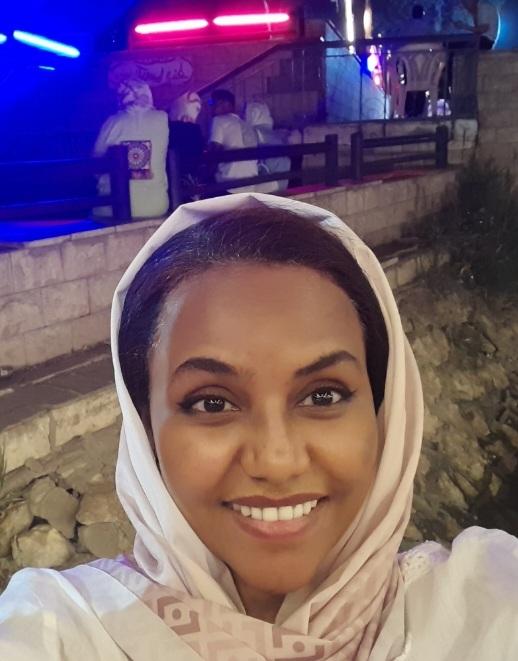
Sara Essa
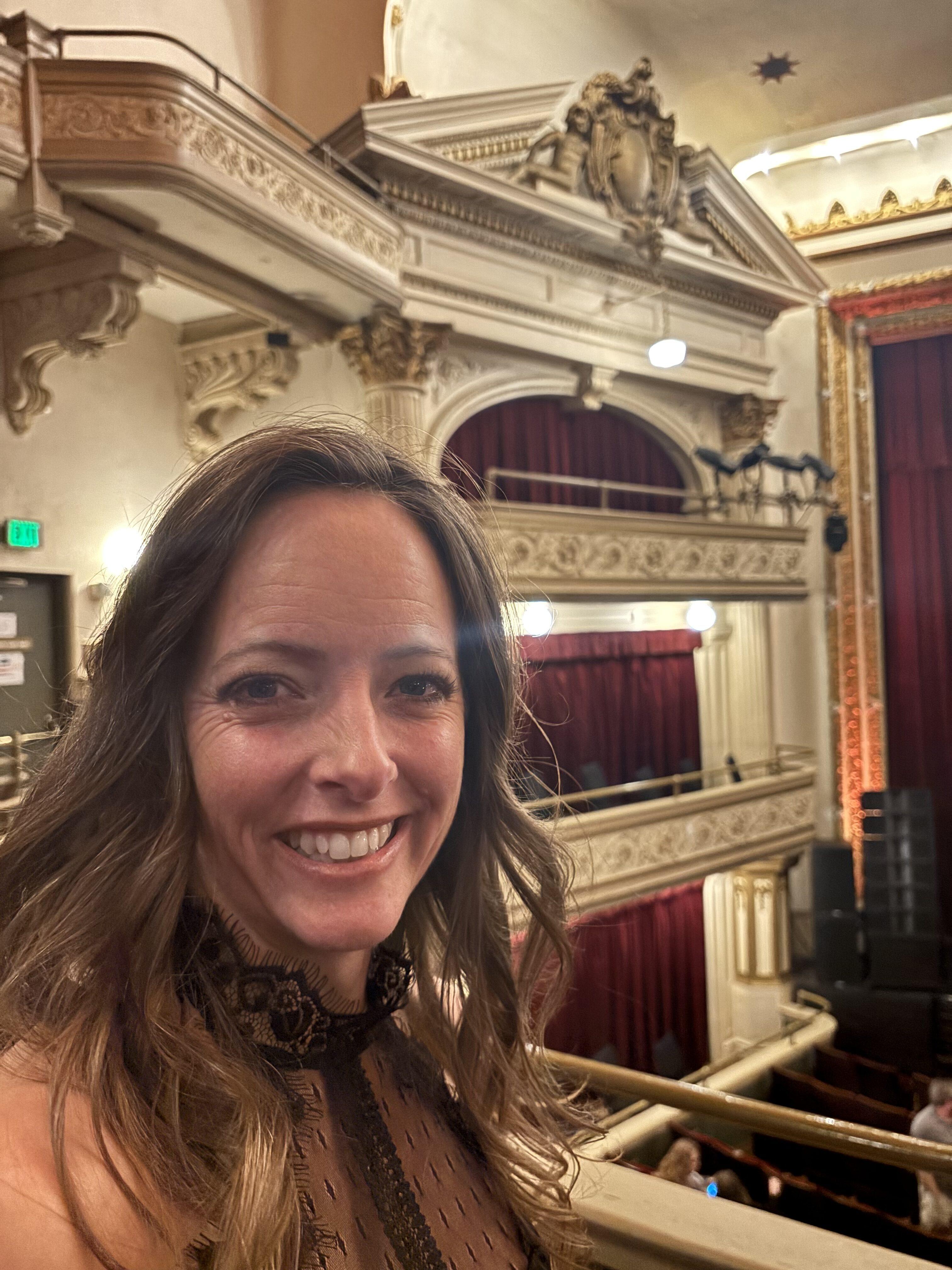
Anzlee Ryan
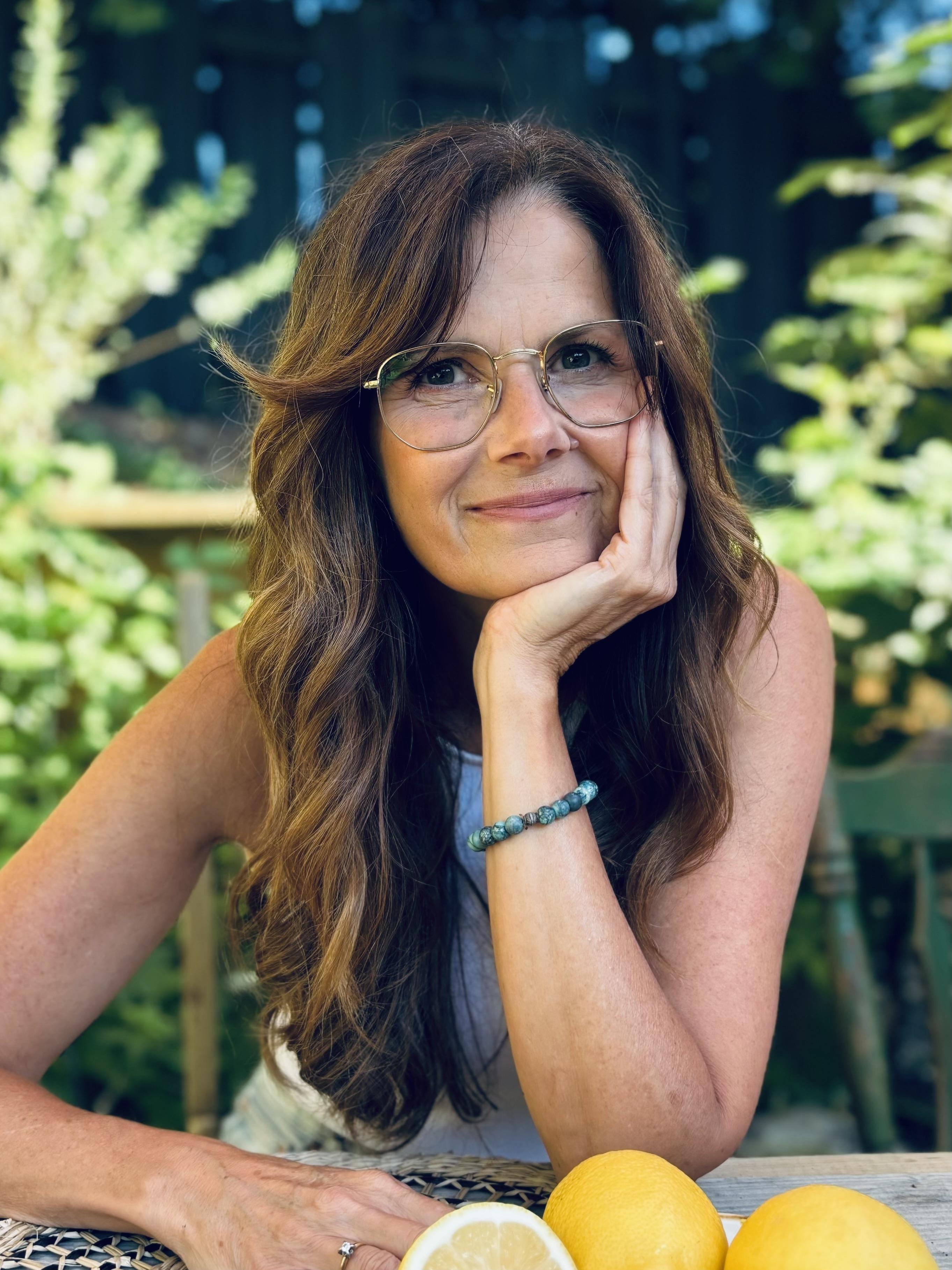
Janet Ebos
recovered from
Migraines and brain fog

Isreal Sevick
Guillen Ana

Omérine Quevillon
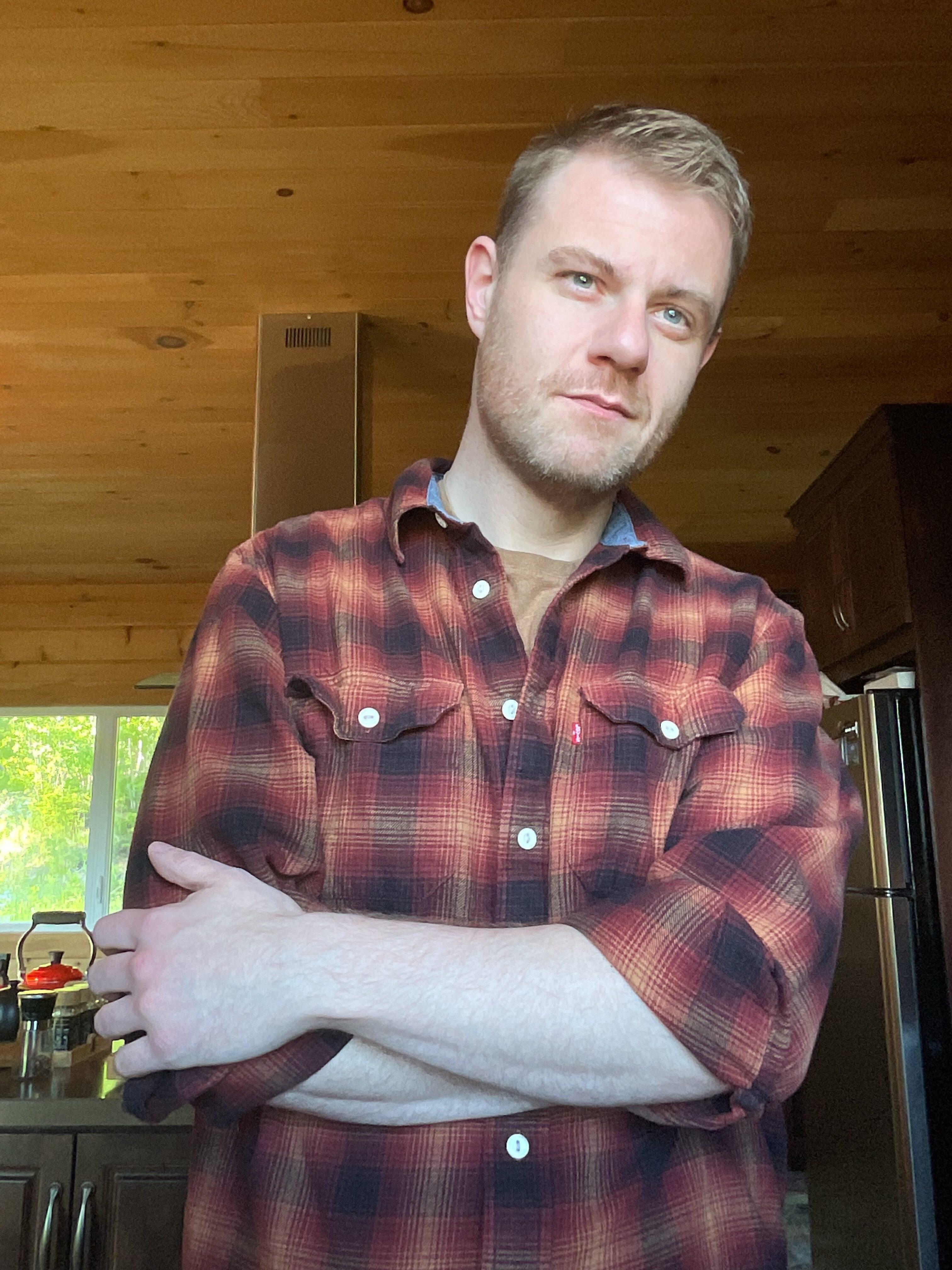
Mathieu Bernier
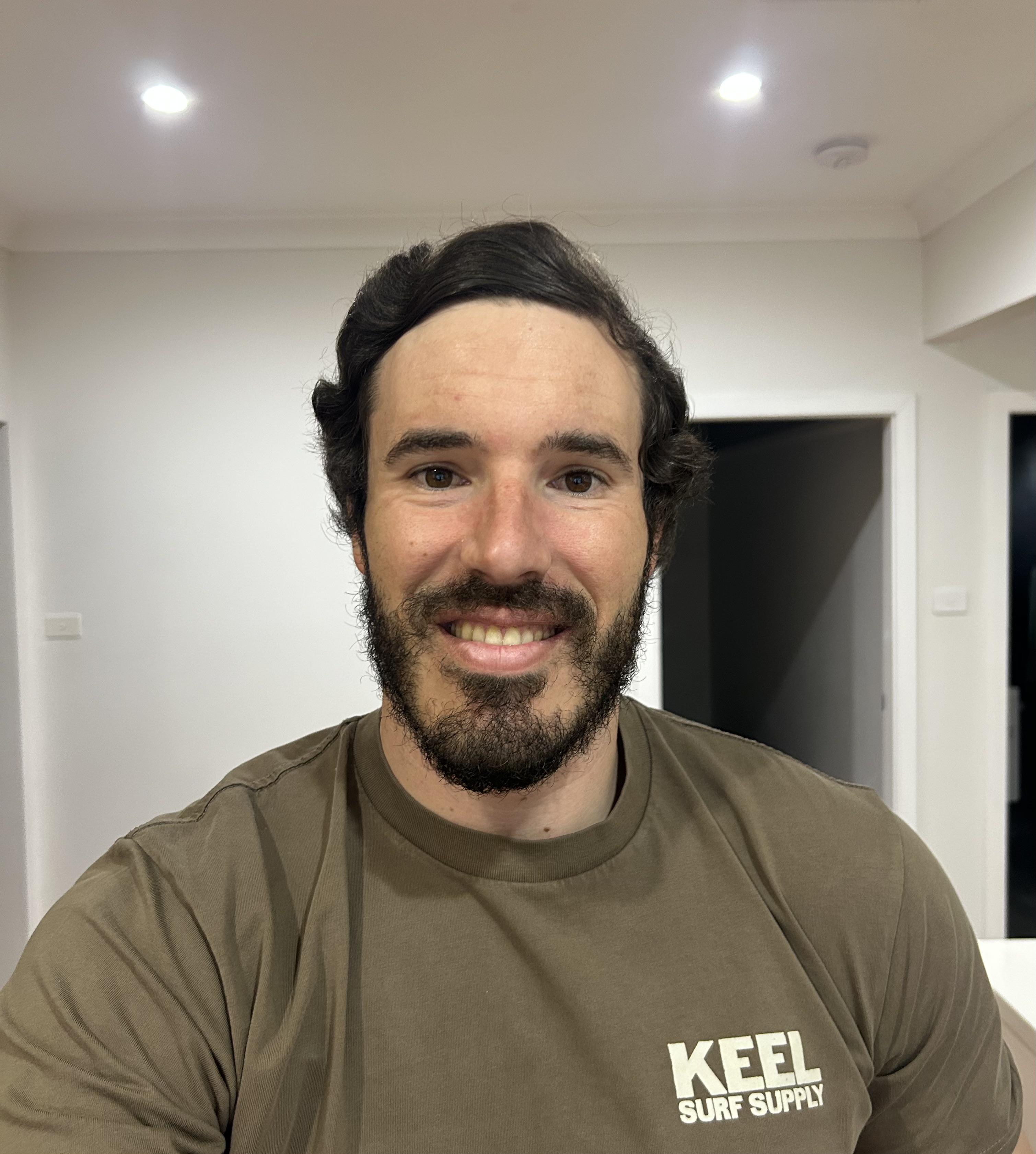
Jock Gartshore
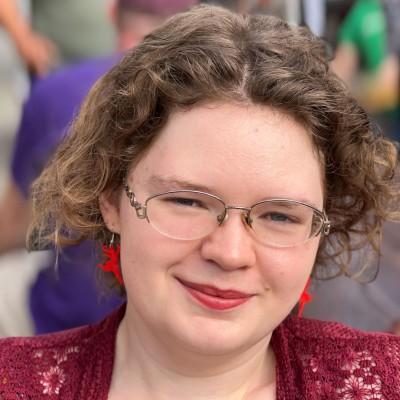
Siobhan Huggins
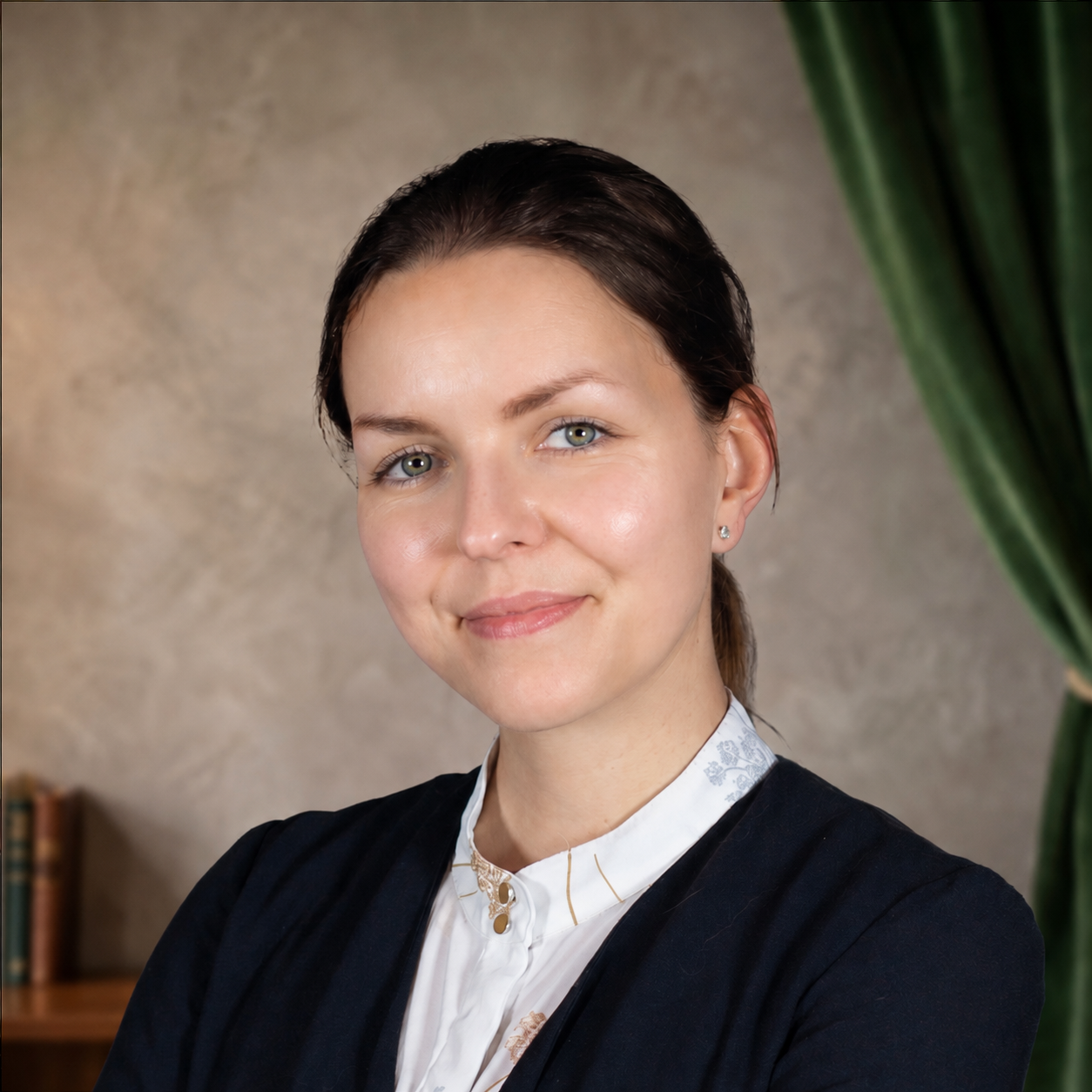
Melina Messing
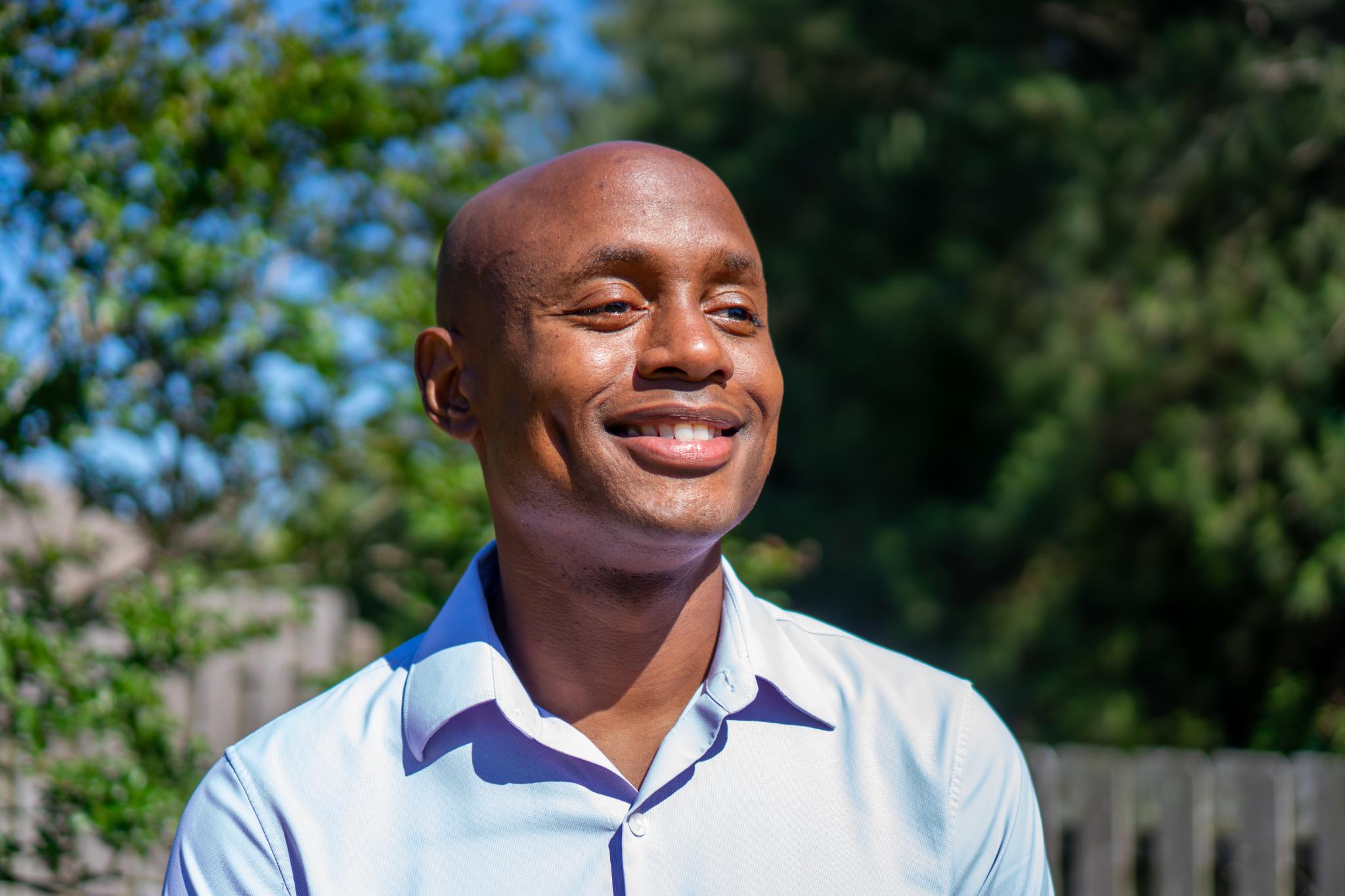
Michael Shedrick

Bryan Krantz
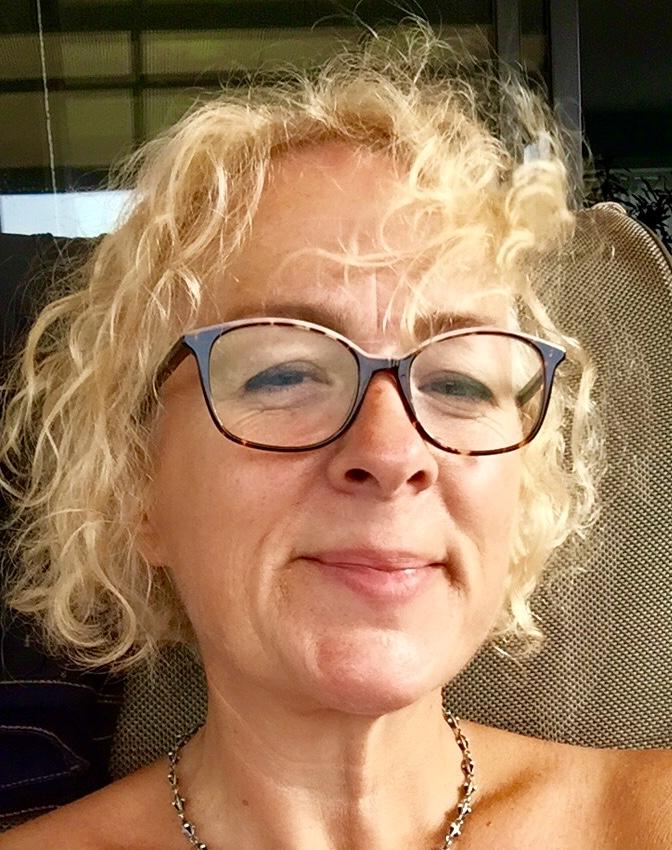
Ginette Dionne
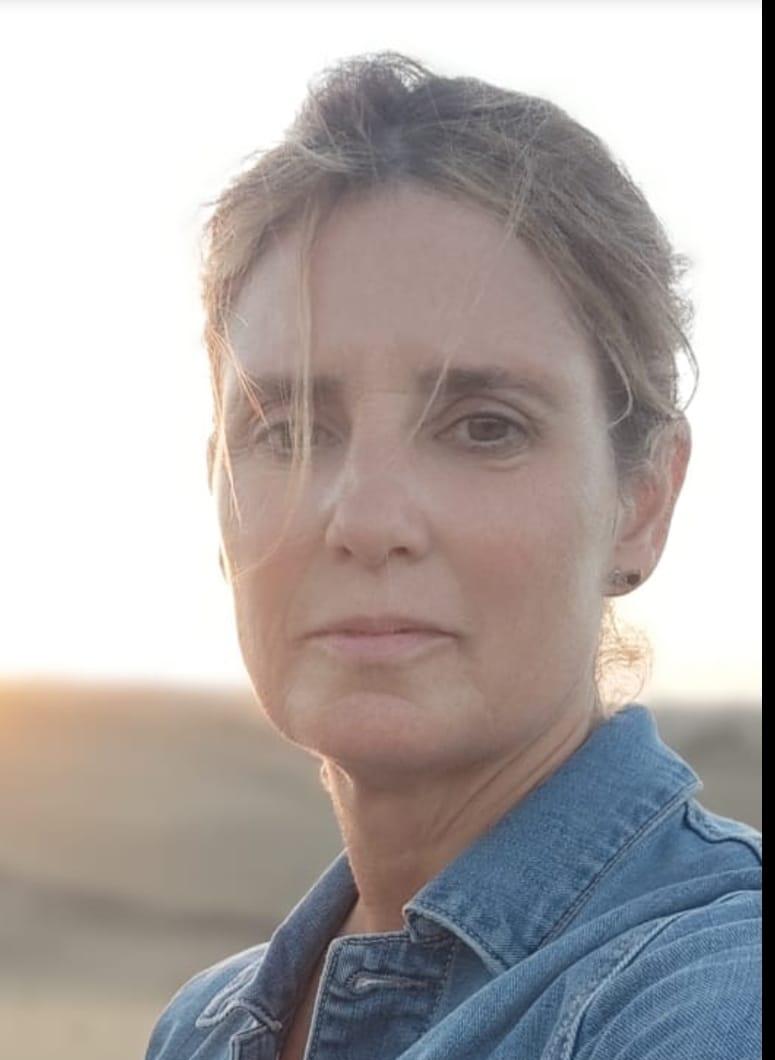
Oihana Pardo
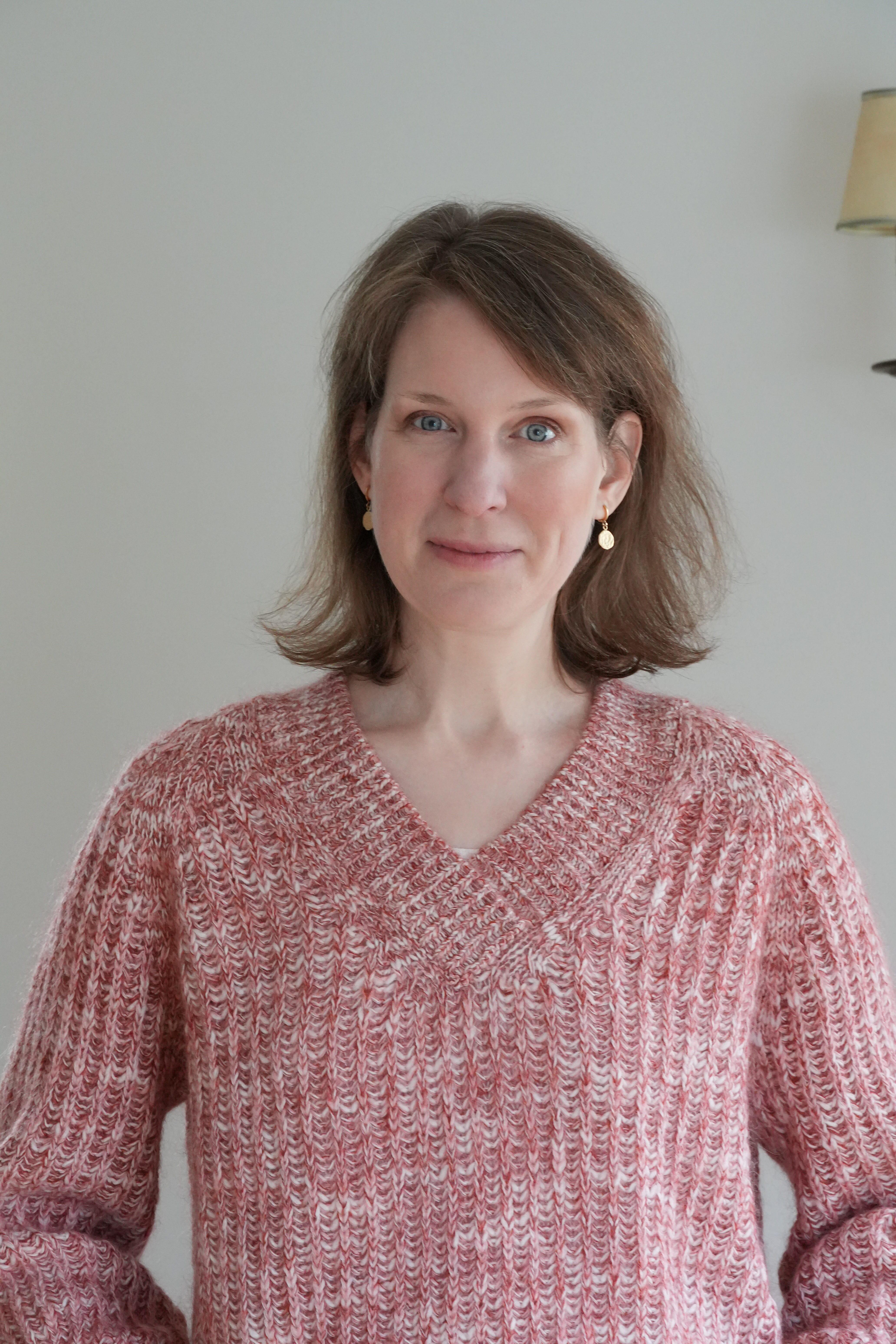
Sarah Aßmann
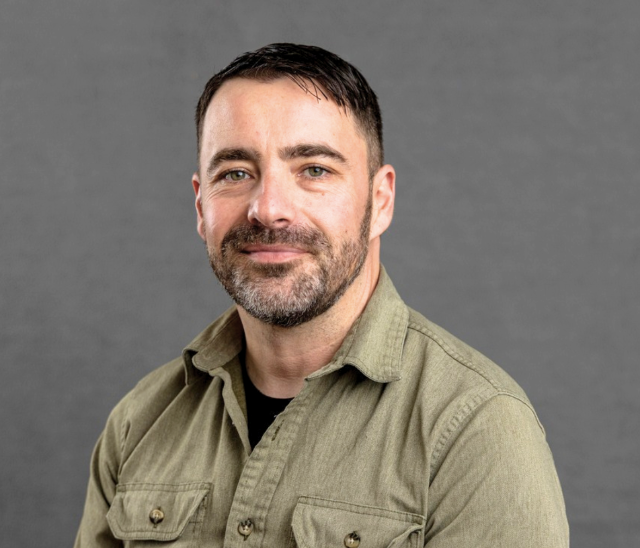
Kerry Mann Jr

Assia Mortensen
Kelsey Smith
Yasser BuSaleh
Daniel Greenbank
Gabriella Armstrong
Lisa Nichols
João Glória
Jennifer Lucas
Finding Help
The practitioners listed in these directories offer clinical services that support the use of ketogenic metabolic therapies for the management of mental health conditions. This list is for information purposes only and does not imply endorsement of any provider.

The practitioners listed in this directory offer clinical services that support the use of ketogenic metabolic therapies for the management of mental health conditions. This list is for information purposes only and does not imply endorsement of any provider.

Looking for a doctor, nurse practitioner, dietician, or other health professionals to help you with your low-carb or Keto lifestyle?



Resources
Keto Resources
DietDoctor.com offers the most exhaustive collection we’ve found of practical resources for exploring and maintaining a low-carb or ketogenic lifestyle.