background logo image

Keto and Psych Meds

Discover the science, clinical insights, and personal stories behind how ketogenic therapy is helping people safely reduce or taper psychiatric medications, with guidance from practitioners and those with lived experience.

Video loading...

Keto and Psych Meds

Ketogenic therapy is emerging as a powerful tool in mental health care, used alongside standard treatments to support brain function and emotional stability.


By improving energy metabolism, reducing neuro-inflammation, and balancing neurotransmitters, ketogenic therapy targets many of the same pathways as psychiatric medications. Because of this overlap, some people may require medication adjustments, or even supervised tapering, as their brain health improves.


This page explores how keto and psychiatric medications can work together across different stages of healing:


  • Combining keto and psych meds? Learn to spot signs of interaction and how to work with your prescriber on safe adjustments.
  • Looking to reduce or taper medications? Discover how keto can support safe, clinician-guided tapering.
  • Experiencing side effects or metabolic issues? Use keto to address burdensome symptoms and restore metabolic health.
  • Exploring keto as a first-line therapy? See how some are using it to build resilience and improve brain function from the ground up.

Learn the science. Explore your options. Partner with your provider.

Download Harvard-trained psychiatrist Dr. Georgia Ede’s evidence-informed guide to managing ketogenic therapy and medications—covering food/med interactions, monitoring, how to find support, and safe tapering principles.
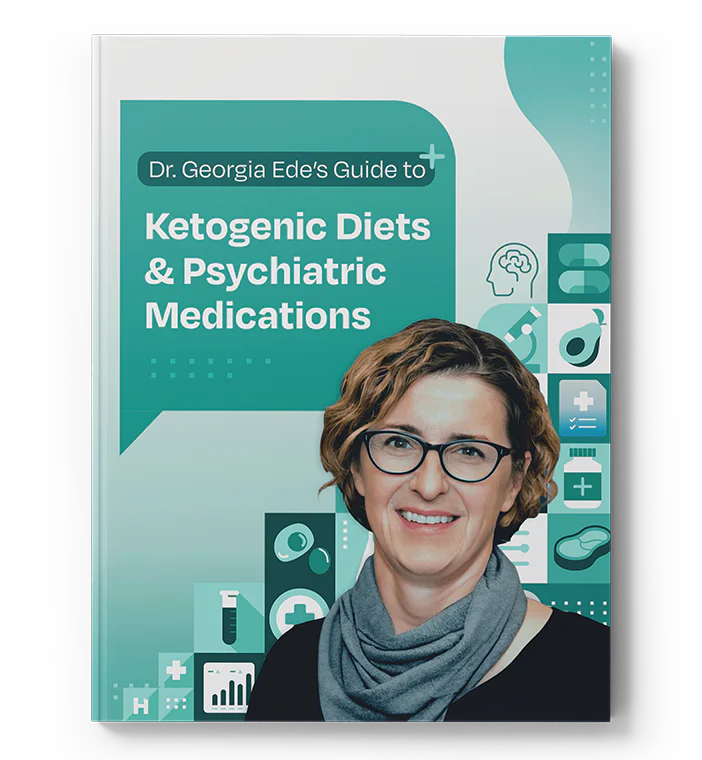
Managing Medications Safely on a Ketogenic Diet


Disclaimer: Tapering psychiatric medication isn’t the goal for everyone, and adjusting doses too quickly can be dangerous. Medications should never be stopped abruptly, and changes should always be made with your prescriber. This page is designed to help you prepare for informed conversations about keto and medication management.

Psychiatric medications are often essential: lifesaving during a crisis and helpful long-term. But for some, benefits may fade, side effects may build, or the meds may stop working. And even when medications no longer help, stopping them can be extremely difficult. Maybe you’ve tried. Many are now finding that therapeutic dietary approaches, especially ketogenic therapy, can reduce side effects, improve symptoms, and create an opportunity to lower medication use.


Clinical guidelines often describe withdrawal as “brief and mild,” but lived experience tells another story. Withdrawal can be physically and emotionally challenging, and without careful tapering, it can be risky. It’s also hard to tell whether symptoms are true withdrawal or a return of the underlying condition, making safe, informed medication management essential.


Not everyone will reduce or stop medications, but most people will need dose adjustments at some point, especially when using keto. Sometimes this is because of improvement, sometimes due to side effects, and sometimes because a medication is no longer effective.

How Keto Can Support Safe Tapering of Psychiatric Medications

If your goal is to reduce or eliminate psychiatric medications, it’s important to understand three critical components of safety and success:

A Personalized Safe Tapering Plan: An individualized plan approved by your prescriber that emphasizes smaller dose reductions to reduce withdrawal side effects and clear criteria to pause or step back if symptoms become unbearable.

Ketogenic Therapy: A metabolic intervention that can be used to treat mental disorders and improve brain health. Many are reporting that being in ketosis before attempting a reduction in medication can make the process more manageable.

Clinical Support: Work closely with your care team for both tapering and ketogenic therapy.
How Keto Affects Psychiatric Medications

If you’re already using or plan to use ketogenic therapy while taking medications, it’s essential to understand how they interact. 

Combining keto with medications can improve your health outcomes. Ketogenic therapy can support brain health and symptom stability and can ease the metabolic toll of some medications, like weight gain, blood glucose and insulin levels, brain fog, and fatigue.

At the same time, keto can impact the effects of medications in your body:

Medication Levels: Keto can change how your body absorbs and processes medications, altering drug levels in the blood. 

How They Feel: Keto can improve energy and sleep, which can make stimulants, sedatives, or mood stabilizers feel too strong.

Metabolic Effects: Keto can lower glucose and blood pressure, making diabetes and blood pressure meds too potent.

These keto-med interactions often call for timely, prescriber-guided dose changes to keep you safe, stable, and on the path to recovery. 

Learn the science. Explore your options. Partner with your provider.

Download Harvard-trained psychiatrist Dr. Georgia Ede’s evidence-informed guide to managing ketogenic therapy and medications—covering food/med interactions, monitoring, how to find support, and safe tapering principles.

Experts By Experience

Medications saved my life—
but ketogenic therapy gave me my mind back.

Meds are good and they work in certain cases. They can be okay for some people. But how many people do you know who are on three or four psych meds, polypharmacy, who are thriving and are happy and joyful and fulfilled? Very few. That’s the reality”

Author Image


Matt Baszucki

Recovered from Bipolar 1

Lauren Kennedy West

Lauren Kennedy West

in-remission-from

Schizoaffective Disorder

Matt Baszucki

Matt Baszucki

recovered-from

Bipolar 1

Neseret Bemient

Neseret Bemient

in-remission-from

Antidepressant Induced Bipolar 2

Lauren Kennedy West

Lauren Kennedy West

in-remission-from

Schizoaffective Disorder

Topics: Schizoaffective Disorder

Matt Baszucki

Matt Baszucki

recovered-from

Bipolar 1

Topics: Bipolar 1

Neseret Bemient

Neseret Bemient

in-remission-from

Antidepressant Induced Bipolar 2

Topics: Bipolar 2

Limited Series: A Beginner’s Guide to Psychiatric Drug Tapering 

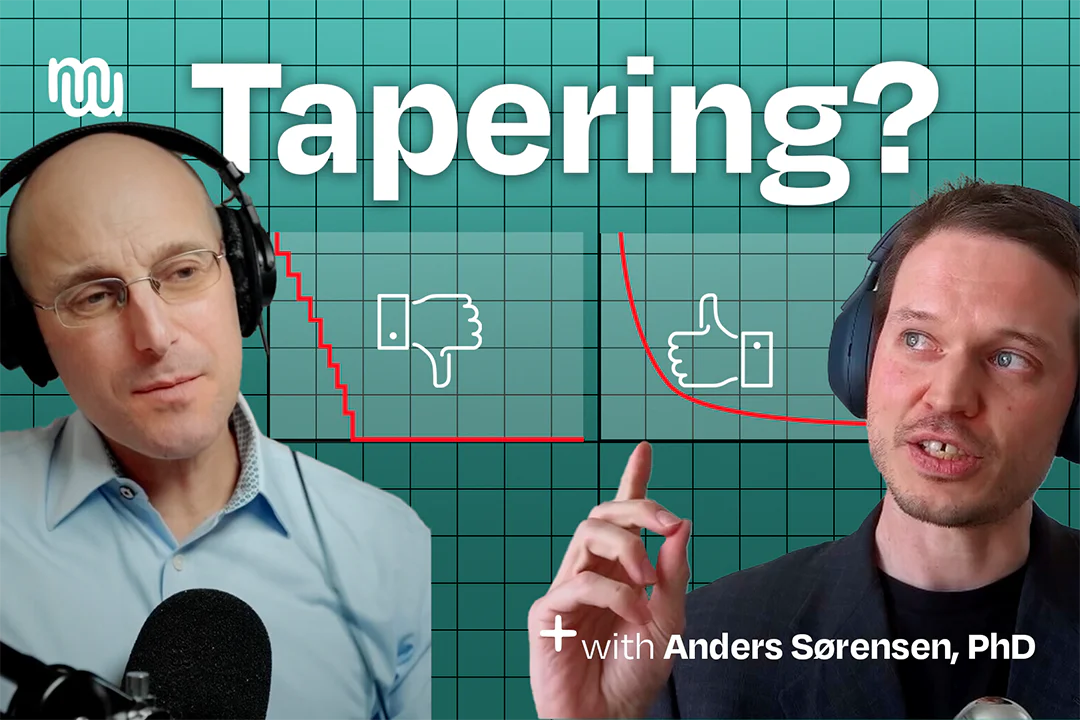
A clear, safety-first 2-part primer with cardiologist Dr. Bret Scher and psychiatrist Dr. Georgia Ede.  Learn core principles of supervised, personalized tapering—and how metabolic strategies, including ketogenic therapy, can support stability along the way.

Taper Down Slowly: A Beginners Guide to Psychiatric Drug Tapering (Part 1)

Why safe personalized tapering is important, how the brain adapts to medication tapering, and how to tell the difference between withdrawal and relapse.

Taper Down Slowly: A Beginners Guide to Psychiatric Drug Tapering

Go Slowly: A Beginners Guide to Psychiatric Drug Tapering (Part 2)

Why safe personalized tapering is important, how the brain adapts to medication tapering, and how to tell the difference between withdrawal and relapse.

Go Slowly: A Beginners Guide to Psychiatric Drug Tapering

Keto and Medication Management

46:51

Tapering Psychiatric Medications Safely: Insights with Dr. Josef

Frequently Asked Questions

Can I stop all my medications when I start keto?

No. Stopping medications suddenly, especially psychiatric medications, can be dangerous and should never be done without medical supervision. A ketogenic diet can change how medications work in your body, so dosages may need to be adjusted as early as day one. It’s critical to work with your prescriber to create a personalized plan and monitor your response carefully.

Will keto make a challenging med taper easier? 

It may help. Ketosis can stabilize brain energy, reduce neuro-inflammation, and support neurotransmitter balance, all factors that may reduce the intensity of withdrawal symptoms for some people. Many individuals and clinicians have observed smoother tapers while in ketosis, but outcomes vary, and close clinical monitoring is still essential.

Can I start keto and taper at the same time?

It’s not recommended. Starting keto and tapering simultaneously can overwhelm the system and make it difficult to tell which change is causing which symptom. Most experts recommend getting adapted to the ketogenic diet before considering any medication changes.

How long should I be in ketosis before trying to taper?

This answer may differ among individuals. However, most experts suggest aiming to be fully fat-adapted, which can take 3 to 6 months) before exploring tapering, unless otherwise advised by your practitioner. This allows your brain and body to adjust to using ketones as fuel, giving you a more stable foundation for any future medication changes. However keep in mind there may be reasons to taper sooner based on how one responds to being in ketosis.

What if my doctor isn’t supportive?

Start by asking questions and sharing your goals. Many clinicians are open to learning more if you approach the conversation with respect and credible resources. If your provider remains unwilling or unavailable, you may consider seeking a second opinion or consulting a tapering specialist or metabolically informed prescriber. A clinician directory is available to support your search.

What labs or vitals should we monitor, and how often?

Monitoring needs vary by individual, but common baseline and ongoing labs include:

  • Comprehensive Metabolic Panel (CMP)
  • Fasting insulin and glucose
  • Hemoglobin A1C
  • Lipid panel
  • Blood pressure (daily if on BP meds)
  • Drug levels (for meds that require therapeutic monitoring)

Ketone levels (blood, breath, or urine) and, in some cases, continuous glucose monitoring (CGM) can also be helpful to track adaptation and stability.

How do I tell withdrawal from relapse?

This is a good question, and one that often baffles experienced providers. Although there is no absolute way to tell, many experts suggest some general considerations. Withdrawal symptoms typically come on quickly after a dose reduction (within days), often with physical symptoms like nausea, dizziness, or “brain zaps.” Relapse tends to occur more gradually and is more likely to resemble your original mental health symptoms. But again, no one characteristic is 100% diagnostic. If in doubt, consult your prescriber.

What if I hit severe symptoms mid-taper?

This is one of the main reasons why we only recommend tapering under the guidance of an experienced clinician. If you experience severe symptoms during the taper, stop the taper and consult your prescriber immediately. Severe or prolonged symptoms may signal that the taper is moving too quickly.

Do I have to stay keto forever if I taper off?

Not necessarily—but be cautious. Many people who successfully taper find that maintaining ketosis is key to staying well. If you choose to leave ketosis, do so gradually and under supervision, as shifts in metabolism can impact mental health and may increase the risk of relapse. Some people continue keto long-term for both mental and metabolic benefits, while others maintain a modified low-carb approach.