Get the latest on metabolic psychiatry. Subscribe.


Listen, Watch & Subscribe on:



The Healing Depression Project: A New Path Beyond “Treatment Resistant” Depression
Listen
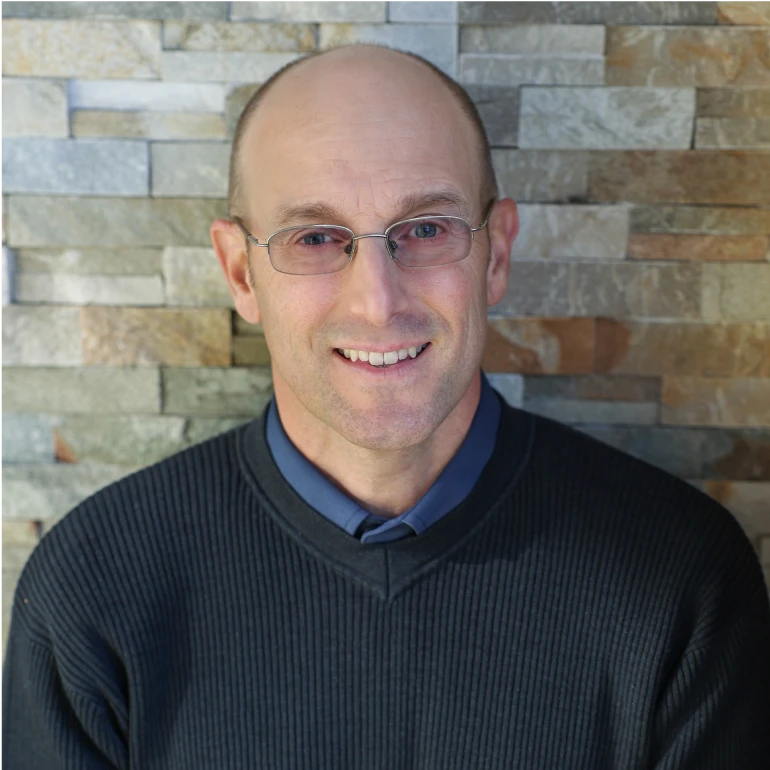
About the host
About the guest
About the guest

About the host
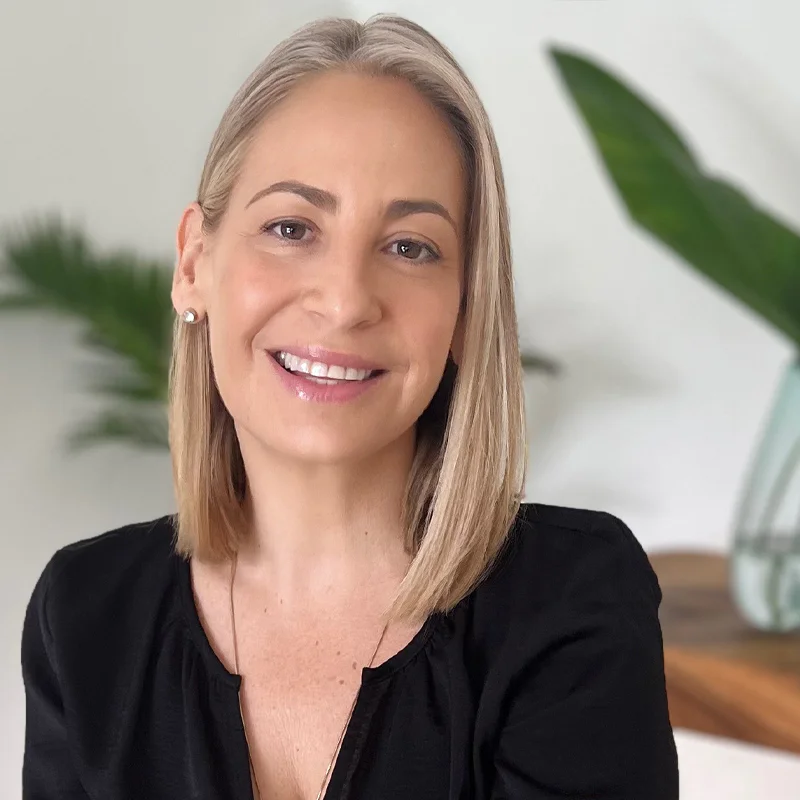
About the guest
About the guest

Bret:
Silvia, walk us through kind of what is involved with the Healing Depression Project.
Silvia:
Yeah, it’s a project that really covers all the aspects of the human being that I realized that maybe I was working just on the physical side of it or on the mental side of it or the emotional or the spiritual. So, I really thought like what is needed is something that will cover like all of them.
So, the main focus is on root causes.
Bret:
Welcome to the Metabolic Mind Podcast. I’m your host, Dr. Bret Scher. Metabolic Mind is a nonprofit initiative of Baszucki Group where we’re providing information about the intersection of metabolic health and mental health and metabolic therapies, such as nutritional ketosis as therapies for mental illness.
Thank you for joining us. Although our podcast is for informational purposes only and we aren’t giving medical advice, we hope you will learn from our content and it will help facilitate discussions with your healthcare providers to see if you could benefit from exploring the connection between metabolic and mental health.
If you’re struggling with symptoms of depression that just aren’t getting better, at least not better as much as you would like them to or you’ve been labeled with treatment-resistant depression, you’re not alone. It’s happening far too often, but there is hope. And today, I’m joined by two amazing women from the Healing Depression Project. Silvia Covelli, who’s the founder and CEO of the Healing Depression Project, who herself has had a tremendous history in entrepreneurship as a business strategist but has been plagued by depression for over 25 years, as you’ll hear.
And it is through her own journey of healing that she was led to starting the Depression Healing Project. And I’m also joined by Dr. Achina Stein, who is a functional medicine psychiatrist. So, certified in psychiatry and in functional medicine. And it’s this approach of really looking for the root cause of psychiatric symptoms that led her to want to ask more, to dig deeper and to really help people on another level.
And together, they’ve combined to join up and form this Healing Depression Project, which has the potential to change many lives. So, in this interview, you’re going to hear about this project. You’re going to hear about the successes and some of the challenges as well as more about their stories and what led them to this point.
So, there is hope. And as Silvia says, they give people hope, and that’s such an important message. So, I hope you enjoy this interview about the Healing Depression Project. Many of the interventions we discuss can have potentially dangerous effects of done without proper supervision. Consult your healthcare provider before changing your lifestyle or medications.
In addition, it’s important to note that people may respond differently to ketosis and there isn’t one recognized universal response.
Well, Silvia and Achina, thank you so much for joining me today at Metabolic Mind.
Silvia:
Thank you for having us.
Achina:
Thank you for having us.
Bret:
Of course. And I’m really excited to talk about the Healing Depression Project. It seems like such an amazing offering that you have, but there seems like there’s quite a bit that leads up to this.
And, of course, Silvia, your personal journey that led to this, and Achina, your work with functional psychiatry. So, I guess first, I want to take a few moments to dive into those. So, Silvia, let’s start with you. It sounds like you had such a, I would say, frustrating sounding journey, but one that’s not too different from a journey that so many people have trying to find their personal solution for depression.
So, give us a little bit about your background.
Silvia:
Yeah, thank you. So, I suffer from depression for over 25 years. And in my mind, I did everything that I could and everything that the doctors told me. And I was really good, like following instructions, like taking even the medicines, which I didn’t like very much because of the side effects.
I did take them. And it was just, I didn’t get help. That’s just the reality. Regardless of what I did, it was really hard. Most of the times, it was because of me. Even the antidepressants, when I’m working on me, it was never about just the treatments or the journey that I had to take.
And then, after 25 years with not much hope, I tried a complete different approach on my own. So, I put a program for me just from books that I was reading, from podcasts, from different things. And in that approach, I really look into the body. And I also change, drastically, my diet and my daily habits, which, you know, Included now meditation and daily exercise, daily walks.
I did several things together. And to my surprise, after 30 days of doing it, every day I started to feel different. A release that I never had before. Because before, during those 25 years, there were moments where the symptoms were better, but never they went away.
Bret:
Wow, 25 years of that. And then within 30 days, you started to see them go away. That’s about as dramatic as it gets.
Silvia:
It is. It took me more time to see more consistent results. I would say three months, but after three months, I felt that something had change, in a forever way.
It was, it was there to stay. Up until today, that was five years ago, but up until today, I still keep the habits. People like to ask me, like for how long and when do you stop? It’s like one of the main questions that participants and people that I talk to, that they ask me.
I don’t know how long because I’m still doing it.
Bret:
So, let me ask you, were you labeled as treatment-resistant depression? Did you hear that term or?
Silvia:
Yeah, absolutely. I was, at some point I could, once you start telling your story and you going into a psychiatrist’s office or a doctor’s office, and you mentioned that you’ve been dealing with depression for 20, 25 years, they basically rolled their eyes.
They know like that they don’t have, now I see it that way, that they don’t really have any tools to offer me because they knew I had already tried all the the things that standard psychiatry recommends, which is completely like upside-down in comparison to what now, to first what I saw in myself working, and also to what we’re seeing like in our participants.
Bret:
Yeah. So, how’d that make you feel to have the psychiatrist roll their eyes or to get this label of treatment-resistant? Like, how’d you feel about future? What did your hope for your future feel like?
Silvia:
I love that question. There was no hope. I really thought, especially because of what the doctors told me, that there was no way out.
That was just who I was, and that I had to deal with that for the rest of my life. And I think someone that tells you just deal with it or live with it is someone that has not experienced firsthand what being like severely depressed means. Because it’s not, life becomes like not really doable and really difficult.
So just, I think that was one of my main, and it still is one of my main, complaints with psychiatry is that not only what they’re recommending is not working and there’s solid research proven that’s not the way. And I’m talking, specifically, about antidepressants, but also that the only thing that you may hold up to it, which is hope, they take it away from you because they really tell you over and over again that this is treatment-resistant.
That means that nothing is going to work, and then the labeling of treatment-resistant is only after two trials of antidepressants, and the antidepressants like not showing results. So, it’s just that the label in itself, it doesn’t make any sense now, you know, now that I’m in on this side.
Bret:
Right? So, we’re going to hear more about being on this side, and what it led to with the Healing Depression Project. But Achina, I want to turn to you. As a psychiatrist, as a medical doctor and a psychiatrist, you probably have heard stories, similar to Silvia’s, all the time. And there was a point where you said, I want more.
I want to train in functional medicine and change my practice to be a functional psychiatry practice. So, tell us, for you, about that journey and, what that means to you to be a functional medicine practitioner in psychiatry.
Achina:
Sure. Yeah, I started practicing, I graduated from residency in 1994 and had three kids.
And in 2010, one of my children, I was a conventional psychiatrist. So, you know, seeing chronic and persistent mentally ill patients in the community mental health center in the prison system. I really saw very sick people. I also had outpatient practice after that and a therapy practice.
I’ve been trained in so many modalities. In 2010, my second son became acutely depressed overnight. it was not something that we anticipated, at all. Like it wasn’t something that built up, and then there was this explosion. It just was literally out of the blue. Became acutely depressed and suicidal, standing on a fifth-floor ledge ready to jump.
And that was shocking because here I am, I’m his mother, a psychiatrist, is not something that I should have missed. It was literally out of the blue. The other thing that came up during this situation was he couldn’t read anymore. So, I immediately thought, oh, this is neurological because he had severe double vision.
So, I thought it’s got to be something in his brain, something going on with his brain, and that’s what’s associated with it. But he ended up being on four medications and couldn’t function. He was no longer suicidal. He was sleeping better, but he really had not felt that, like he wasn’t back to my son.
It’s like, what is going on here? What happened? And when you talk to so many people, it’s like, well, you have depression on your side of the family. Your husband has depression on his side of the family. Be glad that one of three of your children has depression. It’s just one of your three, and this is just the way it’s going to be.
He’s going to be on meds for the rest of his life. And it’s no, this is not, this doesn’t work for me. And just because of the way, I still really insisted it’s got to be something going on in his brain. So, I did a lot of research. I talked to a lot of people, and I just happened to cross paths with a functional medicine doctor.
And that was like the best moment of our lives because he was able to do quite a bit of testing, and we found that he had Celiac’s disease, and it was extremely nutritionally deficient. And, so there was just so much going on in his body that was affecting his brain that nobody even thought to do that.
And then when you do a little digging, you find, oh yeah, my paternal aunt has celiac disease and probably my mother-in-law has celiac disease but never acknowledged it. And we each carry genes, one gene of celiac disease. So, it’s just interesting that it came out to that, but over years of eating tons of pasta, only white food, very picky eater, hardly any vegetables.
It was popcorn, corn, anything. Corn or pasta. that’s all he would eat. He became nutritionally deficient. So, it wasn’t just the celiac disease, but it compounded with not the proper nutrient support, even if he did have the proper nutrients so.
Bret:
But it took someone to step back and take a look at the whole picture to even see that.
So that was, to be so personal for you, and then for you to think about probably like how many of my patients that I’ve seen, maybe had something like this? So, did that really broaden your per perception of how you have to approach your patients?
Achina:
Oh, absolutely. Within months, he felt significantly better, significantly.
Within two years, he was off of all four medications. And he had, it took a while for the diplopia to remit and get better because his cranial nerves were inflamed. And so, he couldn’t even do his driver’s test because he wasn’t able to really see the road as well as he should.
But he’s doing really well, and he didn’t have to be on a strict ketogenic diet. He’s on a gluten-free diet, but he’s on a low carb diet as well.
Bret:
And so how we define treatment success is really important, but probably not something that’s talked enough about.
So, is that part of what inspired the Healing Depression Project to say we can and should do better? So what was the, what was the inspiration there?
Achina:
I’ve been doing functional medicine since 2010. Once my son got well and I saw, I like, you just can’t look back and keep doing what you’re doing.
So, I got trained through the IFM, and this is what I do. I find root causes of mental illness, not just depression. And it just, the way I think about things, it just made sense to do what we do with the Healing Depression Project. So, us using the ketogenic diet as the, a therapeutic ketogenic diet, as the primary diet, but we actually added on that gluten and dairy-free along with the keto.
So, ketogenic generally has dairy in it. Typically, no grains, but yeah, it wasn’t just the ketogenic diet, and all the lifestyle changes or habits that need to be happening also occurred during this project. And so, it was a combination of, a combination of things.
Bret:
So, you mentioned the diet, specifically, but the Healing Depression Project is obviously so much more than just dietary changes. So Silvia, walk us through kind of what is involved with the Healing Depression Project.
Silvia:
Yeah, it’s a project that really covers all the aspects of the human being.
Because In my journey, that’s one of the problems that I realized that maybe I was working just on the physical side of it or on the mental side of it or the emotional or the spiritual. And then that piece would would get better. I will be started like feeling better, like regarding whatever I was working on.
But then the other symptoms will like just bring down anything, any advance that I would do in other areas. So, I really thought like what we, what is needed is something that will cover like all of them. So, the main focus is on root causes. So first, what’s the root cause in the body? So, that’s the functional medicine piece.
We run labs and more than a hundred different biomarkers. And then, that’s where Dr. Stein does, that’s the work, like looking for dysfunctions and what’s not, what’s not working in the body. So, things that are contributing to the depression. Because one of the things that I know for sure is that depression is not only, it’s not all, it’s not only in your mind. That’s a piece. Trauma and your thoughts, all that plays a role.
But that’s not really, in at least in my case, and what I see in people with like years of depression is that’s not like the root cause. So, we go into the physical aspect of it, especially like the labs. That’s huge for me because I remember in my journey even begging doctors like, how about this test?
How about this other thing? Run this. Maybe I have this? I was always like trying to find out there’s got to be a reason, especially when we’re talking about physical symptoms. It made sense to me because I was feeling extremely fatigue. I would wake up, and I had no energy. Carrying out any activity was a real challenge.
So, it just made sense to me that there, if the symptom that I was having was physical, then the root cause got to be like also in the body. Never, more than doing a few tests, like I never got like any look into. So, that’s one of the pieces that we do at the Healing Depression Project.
Then, we power that with a diet in the first retreat we use for ketogenic diet. The nutritionist, Beth Zupec-Kania, like she was working with us. She developed the diet. She was with us at the beginning of the project, of the retreat, making sure the implementation and so that’s that’s the other piece that we do.
Bret:
Yeah, and I want to make sure it’s clear, like this is an actual in-person physical retreat that people come to. And that you both are there, and Beth Suzu Kenya was there to help people learn about the ketogenic diet. And people are living together and working together. And there’s, you’re building community as you’re also doing this deeper dive into, and the root causes of their symptoms.
And it sounds amazing. It also, yeah, go ahead.
Silvia:
That is very much needed, especially when you, when you are in a, in the similar environment, the familiar environment. When you have been doing the same thing over and over for years. When things haven’t given you results. When things are not working, you’re still depressed. Then leaving that environment is something very important, and having the support in person of other people that are going through it, and then of the professionals.
That’s extremely powerful, and I think that’s one of the main pieces that really help people to get the results that they did.
Achina:
Yeah, the first 10 days was a big focus on the diet initially, but getting the habits in place in terms of sleep, getting sleep in order, getting your bodies moving first thing in the morning, first light, and going into learning how to do meditations.
And so, they were listening to all sorts of meditations during the day, during the morning hours, and there was a lot of education involved. And the second 10 days had to do with psychodrama. So, they had 10 days of psychodrama, which was extremely powerful. And then the third set was really wrapping it up, kind of fine tuning what they needed to know.
And then, preparing for going back home and transitioning, looking at all the barriers that they might come up against once they get home. And that we spent a lot of time doing that planning and preparing, and then they had two weeks of follow-up, daily follow-up, in terms of while they’re at home.
So, once they transitioned, they would have daily follow-up.
Bret:
So, all of that sounds really incredible. But I’ve got to be honest, my mind also goes to, wow, that could be really overwhelming for some people for so many different changes. Not to be the negative person here, but did you find that? Did you find that some people are just overwhelmed by how many changes they’re supposed to be making all at once?
Achina:
I think it depended on the person. But it seemed that with all the support and really having nothing else to do, like people left their life to come here. And so, they were all very prepared and ready to do it, and they knew what they were going into really. They were given so much information, and they knew what they were going into.
And if they had any responsibilities, we made sure that they handed them off to someone else. So, that’s all they had to concentrate on, and they wanted to. They really wanted to concentrate on these things. And I feel like that they handled it very well. I was surprised how, well they actually transitioned into it because that’s all they needed to think about.
We could talk about some of the issues that did come up, which was surprising. If you want me to do that now, even, speaking with Beth Zupec-Kania, we came up with some issues in terms of tolerating the ketogenic diet and Beth said that she hadn’t had so many people have these types of issues. And they were really digestive issues, like severe constipation.
A couple people had severe constipation. Some people had gallbladder challenges because of the higher fat content.
Bret:
Psychiatrists and even primary care doctors receive extensive training in how to prescribe medications. But almost none in how to safely reduce them. And yet, for millions of people, tapering psychiatric medications is an essential, and often overlooked, part of their treatment plan.
Georgia:
There is a real art and a science to reducing psychiatric medications. That if you reduced too quickly, then you could have serious withdrawal symptoms on your hands. Sometimes, medications will help at first, and then they’ll lose some or all of their effectiveness over time.
Bret:
So, in part one of this series, we’ll explore why so many people face this decision and what risks and misunderstandings surround it.
So, this concept of relapse versus withdrawal, of how do you help people approach that to try and determine is it a recurrence of the symptoms and the diagnosis or is it a withdrawal from the medication? And then in part two, we’ll dive into the how, the principles, the pitfalls, and what it really takes to taper safely.
Tapering psychiatric medications isn’t about rejecting treatment. It’s about redefining success because sometimes fewer medications, or even none at all, can mean a fuller, healthier life. So, join us October 1st for this two-part series on tapering psychiatric medications, an honest conversation clinicians were never taught to have and patients desperately need.
Achina:
I think those were the two major ones. I’m trying to think of what else people had difficulty with sleeping. Sleeping, some people had some difficulty with sleeping. So, we supported them throughout those times. But there were like three people that had more severe issues than the rest of the group.
Bret:
Three out of how many?
Achina:
Out of 10. There was 10 participants.
Bret:
Of 10 but how did everybody do from a depression symptom standpoint? How did that work out?
Achina:
We think they were excellent results. Silvia can give you the numbers. She has them right in front of her. I’ll let her do that.
Bret:
Yeah. So, that’s great that you were tracking results. So, I definitely want to hear that.
Silvia:
Yeah, we’re really tracking. When they register to the program, then the first day of the retreat, on day 30 of the retreat, and then after going back home, we have done like two follow-ups. So, it’s like really interesting data.
We used the Hamilton Scale. The 17 questions one. I, personally, wanted to use the Hamilton because antidepressants studies normally use it. So, you know, I wanted to have point of comparison with that. And by day 30, which is actually day 26, because we didn’t like it, not everybody. So, 26 days happened since the first Hamilton scale was given, and the last one was given so that, because that one is given in person by a practitioner, actually Dr. Stein gave them, so not everybody got, could be tested on the same day.
So, it’s like 26 days in between. And it went, people had severe depression, like the baseline was severe depression and the up. With a baseline of 21 on the Hamilton, and then the average reduction was almost 13 points. So, it went down to eight.
And those 13 points is huge because antidepressants, once you take the placebo effect out in the research studies, what antidepressants do in this same scale is about 1.8. We’re at the most two points. So, having this moved by 13 points is really promising. It’s actually very exciting.
And 90% of people transition from like severe levels to mild or full remission. Actually 50% achieve remission according to the Hamilton. And 40% went from severe to mild. So, that’s 90% of the population, the 10% left is from severe to moderate. So, it’s still like really, really good results.
And then, when we look at the, all those findings were backed by the PHQ-9, which we also did actually the PHQ-9. We did it weekly during the retreat, and before weekly on the last day. And then, also, when they went back home and 80% fell below the clinical threshold of what depression is.
So, according to the PHQ-9, yeah. Really real impressive.
Bret:
And you said you’ve done some follow-ups since they’ve been home as well?
Silvia:
Yes. So in the follow-ups show something, very some, very interesting data. Actually, a hundred percent of the people that kept the habits, especially the ones that correlate the most is the ketogenic diet and the walking.
So, 45 minutes of walking outside. You got to be able to receive sunlight and that’s one of the key pieces of the walking. So, a hundred percent of the people that kept those two habits. And normally if they kept those two, they kept the other habits as well, like the sleep and meditation.
But a hundred percent of them kept the improvement, didn’t go back. And in one case, actually improve even better. And then, about 50% of the people stay in remission. And the other people that didn’t stay in remission, there’s a high correlation with not keeping the habits. Unfortunately, a lot of the people struggle with keeping the ketogenic diet at home, due to, I think, digestive issues, mostly.
And yeah, and there’s a lot of misinformation about ketogenic diet, too. We really work on that during the retreat. Beth did, so many talks about it, but still, and we gave them like information and research, but still when people go back home, they find like a lot of misinformation when they tell their family or the doctors that they’re doing the keto diet.
So, that also in a few cases, played out wrong.
Bret:
And that’s a frustrating one for me. That if someone has seen clinical improvement and feeling so much better in ways that they haven’t before, but they hear from some sort of a healthcare professional, whether it’s a physician or a dietician or even a therapist or a coach or whoever, that, oh, that ketogenic diet’s really dangerous, you should stop it despite all these benefits.
That’s, very frustrating. So, I can see how when you have them, they’re together as a community, is very different than when they’re at home. But those results are dramatic. And it’s like some of the oth these other programs where you can say, we can’t say it was the diet.
We can’t say it was the exercise. We can’t say it was the meditation. We can’t say it was correcting deficiencies in their blood work because it was all of it. And in a way, that’s the point, right? That’s the point of functional psychiatry.
Isn’t that right, Achina?
Achina:
Yes, absolutely. It’s looking at all of the root causes and addressing all of them all, all at the same time. And that might be the reason why when you do a study on Omega-3s, why you don’t have any, a positive outcome for specifically depression. Because you’re looking at a supplement or a treatment working downstream as opposed to addressing all of the things that are occurring upstream.
Nutritional deficiencies, looking at things that cause inflammation. The gut-brain connection. There could be a dysbiosis. There’s so many factors that can come together that can result in chronic depression.
And that’s why these, the silver bullet approach of medications, just doesn’t work.
Bret:
Yeah. And we like simple, right? We like, we like to find a bad guy, a problem, and say, here’s the one thing that can fix that. But simple doesn’t work. But I guess that brings up the reality of this. That if it’s complex, how are you going to do it for millions and millions of people?
That’s the big disconnect. But what you have is clearly a very powerful program, but how many people can you do it for? So are you, I hope, you’re doing more of these retreats. So, tell us more about like that.
Silvia:
Yeah, we, are only like doing like 10 participants at a time, and we’re running another retreat next year in March.
And we’re running them with very high scholarships. So, that’s, a really, because that’s one of the main problems with residential care is the cost. We’re really helping with that, too. But it’s a small group, but it’s really difficult to change your daily habits, is what I find.
Not only with people but even with myself. It’s frustrating to see that I was able to do so many other things, business-wise, like in my career, in my personal life, like there were so many high things that I was able to achieve. And there I was really struggling to change my daily habits, the way I was eating.
Even if it wasn’t bad because some people think that just because they’re not doing fast food, that’s enough. That’s also a misconception. And then, people say, oh, I eat clean. I eat healthy. But then, when you go and look into what is it that they’re calling clean and healthy, it’s really not.
Because the amount of sugar, the amount of carbs, the amount of like flour, like whatever, is it that is in their diet that is not helping them. So, that’s one of the main challenges is to really change that and keep them. Even as I was talking before about the people, like after going home, not everybody kept the habits, even though every day that was the thing that was mentioned and repeated over and over again.
You need to keep this when you get back home. Otherwise, all this, all these gains that you are having during the retreat, they’re going to go away if if you go back to your old self.
But so, that’s why the in-person thing, that’s why they retreat. But it’s a challenge.
Achina:
The thing is, the beauty is, that it’s a stepping stone sometimes. And people, when they experience such great results, they know that it worked, right? So, then it’s this kind of like circling back and reminding themselves about the things that they could put into place. And looking again at the barriers.
And some of these barriers are really deep, like not believing in themselves, not feeling that they’re worthy, feeling a lot of shame and guilt. Those kinds of things are the things that really disrupt people’s ability to continue certain habits. So, it’s going back to therapy and addressing those issues, and then starting again and trying it again.
I think the fact that they’ve even experienced results is really positive. And because it gives them proof, yeah, I did this, it worked. Now, how do I get back to it?
Bret:
Yeah. And that’s, that is the power of it to show them, right? Not just tell them, but actually show them so they feel it themselves. But then, the fact that not everybody stuck with it is the, is really the concerning part because it shows that you need continued support because we know the environment, certainly the food environment, is not set up to eat a clean, healthy, ketogenic diet.
And the life environment is not set up for a sort of low stress, good stress management, good sleep hygiene, like we’re just not structured in that way, unfortunately. So, we do need that continued support, especially if you’re getting maybe something completely different from the rest of your healthcare team because not everybody’s on board with this approach.
So, that’s like the, I don’t know, there’s so much encouraging here, but for me, that’s the frustrating part that you’re showing what can be done, and we need everybody else to see it and get on board with it to help people continue those lifestyle changes.
So, am I just, am I being naive to think that’s going to happen or do you think that the rest of psychiatry and the rest of medicine is going to get on board and embrace this type of model?
Achina:
I think there’s been changes. Even in the 10 years, oh, now it’s been 15 years that I’ve been doing this kind of work.
And more and more people are familiar with functional medicine. They want it. People are demanding it. They wanted, they want to be able to find the root causes because there’s more and more information, like your podcasts. And there’s just, with Dr. Georgie Ede’s work and Dr. Christopher Palmer’s work, it’s getting out there.
It really is. It’s getting out there. So, people are more amenable to seeing and understanding that food is medicine. That we’re surrounded by toxins that we need to avoid, like plastics, everyone knows now about plastics and the dangers of plastics, and people are demanding these changes in our daily life and looking for organic or non-toxic products.
And it’s, I think, it will change eventually. It’s going to take time. And the thing is, though, people who come to this program, they realize that it’s work. And in order to make these changes, they have to be willing. Like even people come to my practice, I have a discovery call, and I want to make sure that they understand that what they need to, what this is is work.
It’s actual lifestyle changes. And a lot of it is education, and they’re so sick and tired of being sick and tired. Eventually they do it because they don’t really have many other choices. You have to muster up the courage to actually believe in yourself. And it’s, I want this change and go for it.
Bret:
And so there could be a list of 50 things that you want someone to implement or change, which like you said, when you’ve put your life aside, and you’re at a retreat, you can do. But when you’re at home, it’s a lot harder to do. So, if you had to prioritize the top, I don’t know, three things that someone could do, I want to hear from both of you, see if you have same or similar answers.
What would those top three things be that you’ve seen in your experience that are going to have the biggest impact? Silvia, let’s start with you. What are your top three?
Silvia:
From my personal experience and also based on these results, I would do, okay, you are saying three things.
Okay, three things. One, sleep. So, I realized that when I didn’t get a good night’s sleep or when I was not sleeping enough, my symptoms were very similar to depression. So, we sleep. The diet, absolutely, that’s a must. And then the exercise. Get outside and move your body, is not that difficult.
Like everybody can do it. Instead of we using like fancy jeans, what they did was just go outside and walk. If you can run, that’s fantastic, run. But you don’t need to like, just walk and make sure it’s, ideally, before 10:00 AM, and the earlier the better. And it should be like for 45 minutes, which you can. Like the way we did it, we started with five, and then even those days for if someone that is listening to us and is feeling extremely tired and with all these symptoms and is saying no way, there’s no way I can walk.
So just, the trick is put your alarm like the timer in your clock, in your watch, in your cell phone, and just put seven minutes. Just seven and then walk for those seven. Walk until the timer rings. And then at that time, turn around and come back home. If you do that, you already did 15 minutes, and then that’s a great way to start.
You can start with less. At the retreat, we started with five. So, it was just, it’s just five minutes. Can everybody do it? Someone was not even ready for the five minutes because there’s people that haven’t exercised for a long time. So, we started like that and by the end of the 30 days, people were, was doing at a minimum of 45 minutes or 60.
So, that’s what I would do.
Bret:
And so prioritizing sleep, right? The ketogenic diet, and getting outside. So, exercise, walking outside in the light and the fresh air. So, those top three. Okay, Achina, what are your top three? And if it they’re the same, then go down to your next three.
Achina:
Okay. Yes, they are absolutely the same. Those are foundational, absolutely foundational. And you know what’s interesting is I see lots of people who come to me who are doing those things. And they see some impact, but they know that there’s something else going on. It’s frustrating because like I’m doing all the right things. And so, it is fine tuning and personalizing it.
The next three would be gut-brain connection. So, looking for pathogens in the gut. I usually do a stool test and fix the gut to fix the brain. The other thing is amygdala brain retraining in combination with vagal nerve stimulatione before the other. So, looking at the parasympathetic system and how people, the sympathetic and parasympathetic system, and how it’s off.
And getting people to be in parasympathetic mode and staying there, which is really hard. I think this is one of the hardest thing for people to do, and nutritional deficiencies. Looking at the blood work and finding those because, just yesterday, I had a patient who was doing all the right things. Young, 29-year-old gentleman, and he had a cholesterol of a hundred.
A total cholesterol of a hundred, which is correlated with severe depression. And that’s just one marker. He also had severe iron deficiency, right? And so when you look at the nutrition that’s needed to even get your iron absorbed and stored, and to make cholesterol. He was originally on a vegan diet and started changing over to a different, a more low carb, higher fat diet.
He felt better. So he’s in agreement with going into a ketogenic diet because as many times the diet can bring your cholesterol levels up. And I wanted to mention before, it’s one of the concerns that people have being on the ketogenic diet is a high cholesterol levels. And so, when you work with someone as a psychiatrist, and then you have the cardiologist saying, oh my God, what are you doing?
Your cholesterol levels in the two hundreds. That’s something that needs to be addressed, but they can, that can be addressed. But sometimes, we need high cholesterol. I like to see the cholesterol above 150 for the brain because your brain is 80% cholesterol. Your nervous system needs cholesterol.
Your hormones need cholesterol. So, it’s looking at the biomarkers really makes a big difference because you can’t exercise your cholesterol up. You can’t sleep your cholesterol up. You can’t, you can actually bring your cholesterol up with changing your diet. And also, understanding why is the liver not making cholesterol?
So there’s different factors. There’s different factors that play a part in what your brain needs. So, it’s looking at, what do we need to manufacture in the brain in order for the depression and anxiety to go away? So, I see it as a hard drive issue, not just a software issue.
It’s a hard drive issue that can be addressed. And when I mean that, that’s on a cellular basis, not just neurological.
Bret:
Fellow mental health clinicians and healthcare providers, you now have access to a suite of free CME lectures on metabolic psychiatry and metabolic health. Each of these CME sessions provide insight on incorporating metabolic therapies for mental illnesses into your practice.
These CME sessions are approved for a MA category one credits, CE nursing credit hours, and continuing education credit for psychologists, and they’re completely free of charge on mycme.com. Now, back to the video.
So, one thing we’ve seen a lot with ketogenic therapy is it certainly can be beneficial in depression and it can be beneficial in bipolar disorder and schizophrenia and OCD and anxiety, right?
We’re seeing at a minimum, clinical reports of multiple primary diagnoses improving, including multiple diagnoses at once. So, do you think this type of program, this intensive multimodality program would also work for other primary diagnoses?
Achina:
Oh, absolutely. Absolutely, you see the anxiety, we didn’t just see discretion going away.
We also saw a significant reduction in anxiety as well. We did the GAD-7 as well on these patients. And so, we saw improvements in so many areas, absolutely. And I see it in my practice. So, I feel like every brain is vulnerable as a whole, and it’s like what part, what region of the brain is more personal? As opposed to you have this diagnosis and you have this diagnosis and you have this diagnosis.
They all have the same root causes. They pretty much have all this, the same root causes. So, I feel these interventions help the whole brain and have them connect better as well all the regions of the brain connect better. Not just a psychiatric way, but also a neurological way.
Bret:
And was that your experience as well, Silvia?
Silvia:
Yes, that’s definitely like something that I think like one of the main problems that is related to what we’re talking here, is that psychiatry and, in general, society made us believe on this, take pill dream. That a pill will solve like something severe, and especially something as complex as treatment-resistant depression, that it has like many things going on.
And then just that one pill, but that’s no effort, right? How long does it take to take a pill? Three seconds, depending on how skilled you are, you like maybe less than that. And then, you don’t have to do anything. You don’t have, you can keep watching TV from the couch, you can still like not making the effort to go outside, see people or changing your diet, nothing.
But then the reality, and I think the main message for people listening to this podcasts that are suffering with depression is that, unfortunately, there’s not a quick solution. There’s no, you need to put the effort. You need to put the work. You need to put the time. But the good news is that if you do that, it’s amazing because you can be, you can achieve something like what I have done, which is symptom-free for many years now.
And I don’t even see the possibility of going back, even when difficult things have has happened to me because like it’s not been five years of everything being perfect. Still, I can go through the feelings, but I’ve, I never went back to those symptoms of depression.
There’s a lot of hope. And that’s the other thing that is very important for people to know.
Bret:
Right? Because as we started talking about, there’s a lack of hope for so many, especially when they’re labeled with the treatment-resistant depression diagnoses, that hope can disappear.
But no, there is hope. There is hope.
Achina:
And we’ve given people, we’ve given people’s life back. They really have, and it’s not just depression. It’s also metabolic issues in their body where they’ve lost weight, they feel great, they have energy. When you think about the symptoms of depression, a lot of them are physical symptoms.
it’s just not, it’s not just the mental health symptoms. We see it work. It really works, but it’s very individual.
Bret:
Yeah, so this is, this is fantastic. It’s so wonderful to hear and the work you’re doing and the impact you’re having on people’s lives. So, Achina, if people want to find out more about you and learn about your practice and functional psychiatry, where can we direct them to go?
Achina:
Oh, you can go to www.fxnmind.comcom. It’s Functional Mind is my practice in Providence, Rhode Island, on the East Coast. I’ve also written a book called What If It’s Not Depression: Your Guide To Finding Answers and Solutions. You can get that on Amazon.
Bret:
Very good. Very good. And Silvia, where can people learn more about you and more about the Healing Depression Project?
Silvia:
Yeah, I would like to invite people to apply because now we have applications open for March next year. We close applications about three months before. So, this is a really good moment to apply and to see if you’re eligible for a scholarship. Scholarship is not only granted based on financials.
But it is granted on your desire to heal. So, that’s something new there. And we’re going to be doing it with 10 people, and I’m changing their lives of those. So, that will be the main invitation. The website is healingdepressionproject.com, and the first step is to schedule a discovery call.
As soon as you go onto the website, you’re going to see that option in different places. Just schedule that call and then we can tell you if you’re eligible for the program, if the program is a good fit for you, And then, work from there.
Bret:
Thank you both so much for your work and for giving hope to so many people. And I really look forward to hearing more from both of you in the future. So, thank you for joining me.
Achina:
Oh, thank you for having us. It was so great to be here with you.
Silvia:
Yeah, Bret, thank you so much.
Bret:
Thanks for listening to the Metabolic Mind Podcast. If you found this episode helpful, please leave a rating and comment as we’d love to hear from you.
And please click the subscribe button so you won’t miss any of our future episodes. And you can see full video episodes on our YouTube page at Metabolic Mind. Lastly, if you know someone who may benefit from this information, please share it as our goal is to spread this information to help us as many people as possible.
Thanks again for listening and we’ll see you here next time at the Metabolic Mind Podcast.
Listen, Watch & Subscribe on:
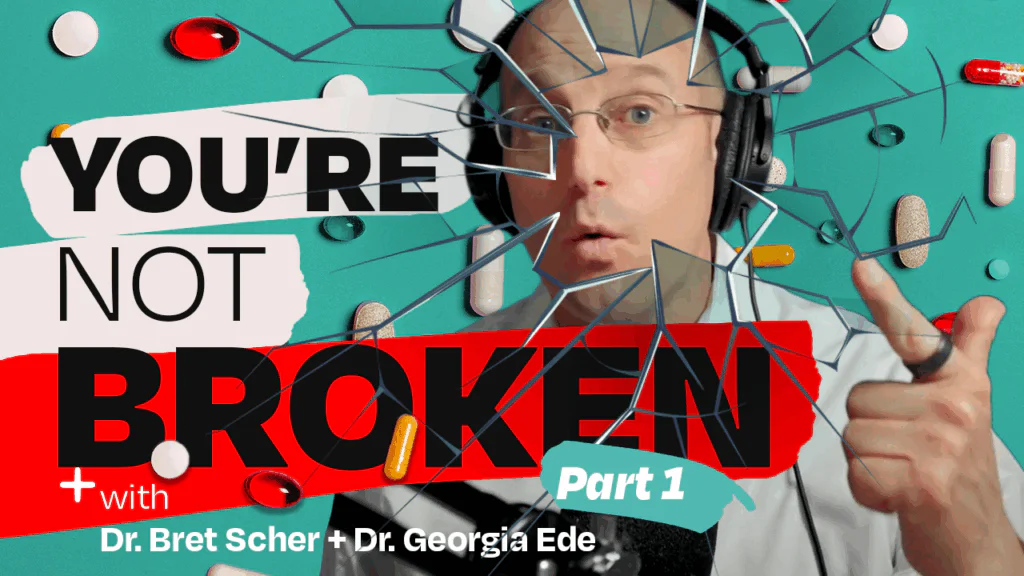
In this episode of The Metabolic Mind Podcast, Dr. Bret Scher and Harvard trained psychiatrist Dr. Georgia Ede explore the realities of treatment resistant depression and why it is often the norm rather than the exception. They examine the limits of the chemical imbalance theory, the results of the landmark STAR D trial, and why antidepressants frequently fail to deliver lasting relief. The discussion highlights overlooked contributors such as brain inflammation, low brain derived neurotrophic factor, and metabolic dysfunction, while previewing emerging treatments including transcranial magnetic stimulation, ketamine, psychedelic assisted therapy, and lifestyle and metabolic interventions. This three part series offers a hopeful and science based look at new options for people struggling with depression.
Read more
In part two of Metabolic Mind’s series on treatment resistant depression, Dr. Bret Scher and psychiatrist Dr. Georgia Ede review the leading next step treatment options beyond standard antidepressants. They discuss neurostimulation therapies like ECT, transcranial magnetic stimulation, and vagus nerve stimulation, along with rapid acting approaches such as ketamine, FDA approved esketamine (Spravato), and psilocybin. Learn how these treatments differ in effectiveness, session requirements, side effects, cost, and accessibility, and why response prediction remains difficult. The episode also previews part three, focused on lifestyle and metabolic interventions including diet, exercise, and other foundational strategies that may address root causes of depression.
Learn more
In Part 3 of Metabolic Mind’s series on treatment-resistant depression, psychiatrist Dr. Georgia Ede and host Dr. Bret Scher explore how lifestyle interventions, especially nutrition, can powerfully affect mood and brain function. They discuss the connection between metabolic health and depression, why brain glucose processing may be impaired in treatment-resistant cases, and how ketogenic therapy can provide ketones as an alternative fuel for the brain. Learn practical strategies for exercise, sleep and circadian rhythm support, and the key medical tests that can help identify insulin resistance, plus why addressing potentially reversible root causes can restore hope and expand treatment options.
Learn more
Psychologist-researcher Erin Bellamy explains how ketogenic therapy can improve depressive symptoms using a personalized, stepwise path from low carb to ketosis. She details timelines, depression subtypes, and safe coordination with clinicians, plus her new support service at IKRT.org for data-driven metabolic mental health.
Learn more
In this episode of The Metabolic Mind Podcast, Dr. Bret Scher and Harvard trained psychiatrist Dr. Georgia Ede explore the realities of treatment resistant depression and why it is often the norm rather than the exception. They examine the limits of the chemical imbalance theory, the results of the landmark STAR D trial, and why antidepressants frequently fail to deliver lasting relief. The discussion highlights overlooked contributors such as brain inflammation, low brain derived neurotrophic factor, and metabolic dysfunction, while previewing emerging treatments including transcranial magnetic stimulation, ketamine, psychedelic assisted therapy, and lifestyle and metabolic interventions. This three part series offers a hopeful and science based look at new options for people struggling with depression.
Read more
In part two of Metabolic Mind’s series on treatment resistant depression, Dr. Bret Scher and psychiatrist Dr. Georgia Ede review the leading next step treatment options beyond standard antidepressants. They discuss neurostimulation therapies like ECT, transcranial magnetic stimulation, and vagus nerve stimulation, along with rapid acting approaches such as ketamine, FDA approved esketamine (Spravato), and psilocybin. Learn how these treatments differ in effectiveness, session requirements, side effects, cost, and accessibility, and why response prediction remains difficult. The episode also previews part three, focused on lifestyle and metabolic interventions including diet, exercise, and other foundational strategies that may address root causes of depression.
Learn more
In Part 3 of Metabolic Mind’s series on treatment-resistant depression, psychiatrist Dr. Georgia Ede and host Dr. Bret Scher explore how lifestyle interventions, especially nutrition, can powerfully affect mood and brain function. They discuss the connection between metabolic health and depression, why brain glucose processing may be impaired in treatment-resistant cases, and how ketogenic therapy can provide ketones as an alternative fuel for the brain. Learn practical strategies for exercise, sleep and circadian rhythm support, and the key medical tests that can help identify insulin resistance, plus why addressing potentially reversible root causes can restore hope and expand treatment options.
Learn more
Psychologist-researcher Erin Bellamy explains how ketogenic therapy can improve depressive symptoms using a personalized, stepwise path from low carb to ketosis. She details timelines, depression subtypes, and safe coordination with clinicians, plus her new support service at IKRT.org for data-driven metabolic mental health.
Learn more