New Results: First RCT for Schizophrenia & Bipolar Disorder. Learn more.


Listen, Watch & Subscribe on:



The Truth About Treatment Resistant Depression: Part Three (Nutrition and Lifestyle)
Listen
About the host

About the guest


Georgia:
But it’s really important to go beyond that simple checklist to look for potentially reversible root causes of depression that may be relatively easy to treat. So, if your clinician hasn’t yet looked for some of these treatable, reversible causes, that I think that’s really a discussion worth having.
Bret:
Welcome to the Metabolic Mind Podcast. I’m your host, Dr. Bret Scher. Metabolic Mind is a nonprofit initiative of Baszucki Group where we’re providing information about the intersection of metabolic health and mental health and metabolic therapies, such as nutritional ketosis as therapies for mental illness.
Thank you for joining us. Although our podcast is for informational purposes only and we aren’t giving medical advice, we hope you will learn from our content and it will help facilitate discussions with your healthcare providers to see if you could benefit from exploring the connection between metabolic and mental health.
Many of the interventions we discuss can have potentially dangerous effects of done without proper supervision. Consult your healthcare provider before changing your lifestyle or medications. In addition, it’s important to note that people may respond differently to ketosis, and there isn’t one recognized universal response.
Georgia, welcome back for part three of our three-part series on treatment-resistant depression. Thanks for joining me.
Georgia:
Thank you, Bret.
Bret:
We have covered a lot in the first two episodes. A lot about what treatment depression is, what even depression is, how it’s treated, what it means to be treatment-resistant. But really, that doesn’t mean anything wrong with you. It just means our approach is probably off.
And then, what all the different treatment options are with the different medications and ketamine and TMS and all the different things. But now, we’re getting to the options that I think get a lot less attention and are maybe less of the big, shiny new thing. It’s not a big magnet that you put on your brain. It’s the way you eat, the way you sleep, the way you exercise.
And a lot of people think that maybe that’s not so impactful for treating mood disorders, especially something as serious as treatment-resistant depression. But I think we would have a different approach. So, what would you say about that?
Georgia:
So, these lifestyle changes are very powerful. This whole, the diet and exercise mantra, diet, sleep, diet, exercise, stress management, these are fundamental for your cells to be happy and healthy and to function at their best throughout your brain and body.
Bret:
Yeah, and a lot of it is its impact on metabolic health. So, metabolic health, basically, just how well and how efficiently our bodies can take in nutrients and transform it to energy. And what that means for either storing too much energy’s fat, or having a cascade of inflammation or a lot of other factors, if we have poor metabolic health.
But tell us about this sort of connection between metabolic health and treatment-resistant depression, if one exists.
Georgia:
What’s really interesting about treatment-resistant depression is that, first of all, just about depression, in general, is that people with glucose levels in the pre-diabetes range.
So, if your glucose levels are running a little too high too often, especially in between meals, they are nearly three times more likely to develop major depression. And then, people with treatment-resistant depression, you can, there’s a way to look at the brain using a special imaging scan, called a PET scan, where you can look at how the brain is using glucose and the pattern of glucose utilization in the brain.
And people with treatment-resistant depression show pronounced slowing of brain glucose processing on PET scans. And that suggests that there’s something wrong with brain metabolism in many people with treatment-resistant depression.
Bret:
Yeah so, really, if we’re only focusing on serotonin, we’re only focusing on neurotransmitters, we’re missing the whole metabolic side of things, which is where these treatments come in and are so important.
So what are the main categories of lifestyle interventions that can help? Both metabolic health and help potentially treatment-resistant depression.
Georgia:
Yeah, exercise, of course. Sleep, what’s called sleep hygiene. Your pattern of sleep, how well you sleep, what time you wake up, what time you go to bed, and circadian rhythm.
What’s called chronobiology. That’s also has to do with your with your daylight, your day/night patterns and stress management. Most people know that stress management can be helpful with all kinds of psychiatric conditions, including depression. And most people know that it’s important to get a good night’s sleep.
But then there are certain interventions, and then, of course, we’re going to talk about nutrition and diet. But there are certain lifestyle interventions that have been shown in clinical trials to be helpful with major depression and treatment-resistant depression, particularly exercise, and something called chronotherapy.
So, we can talk just a tiny bit about those before we move on to what I consider to be really the most important intervention, which is how we eat.
Bret:
So before we get into them, actually, how would you rank these between nutrition, exercise, sleep hygiene, and circadian rhythms and stress management?
They’re all important. But if you were going to rank them in terms of intensity or maximum impact, how would you rank them?
Georgia:
I, personally, am certainly biased in this regard, so take it with a grain of salt, but I view nutrition as number one. Exercise is number two, and sleep and circadian rhythm as number three. Although, you really want to, and stress management.
All of these are important, but if you had to pick only one, the place I would recommend starting is with nutrition because that is an input that you have into your system multiple times per day. And even just a few simple changes can go a long way.
Bret:
Yeah. So we’ll get to nutrition because, I agree, it is the most impactful, but let’s talk about exercise. So, the first concept is someone who is living with depression, very low moods, very low motivation, feeling tired all the time. The last thing they feel like doing is getting out and exercising, going to the gym, going outside, whatever the case may be.
It’s the last thing a lot of them feel like doing. So, how do you help your patients understand the importance and motivate them to exercise to actually help their symptoms?
Georgia:
Yeah, because there have been so many studies demonstrating the benefit of exercise for depression, particularly, strength training and more intense forms of exercise as opposed to walking, for example.
Walking can be helpful, but the more intense the exercise, the more robust the response is. What the studies have shown, there was a 2024 systematic review of all the studies have been done, exercise and depression. That’s what came out of that. That was the conclusion of that study. You’ll see modest improvements in depression, but you’ll see the best improvements when you’re using higher intensity interventions.
But like you say, how do you, when people are depressed, their energy tends to be low. In most cases, they tend to be unmotivated. And it can be really difficult to start with exercise as the first intervention. But because it works so well to improve depression, even just starting with a little bit each day, even just a 10 minute walk, wherever the person is able, willing, and able to start is a great place to start.
And then, as their depression improves with other interventions, that can then, they can then build on that initial effort.
Bret:
Yeah, that last part I think is so important. And it’s not like, okay, I recommended that they start exercising, and they didn’t. So ,that’s not going to work. No, it’s something you keep revisiting as someone goes along their continuum as they start to improve. As they start to feel better, more of a chance that they’re going to start to exercise and then you can compound those benefits.
So, I think that was a really good point that you mentioned. That you start at one place, but that doesn’t mean that’s where you finish. That you keep trying as they, progress. Yeah, and there really has been quite a bit of evidence and research done showing the impact of exercise on depression.
So important, but also sleep. You can certainly imagine, right? You’re taking your medications. You’re eating well. And you’re getting three or four hours of sleep, or you’re just getting completely erratic sleep. Everybody’s going to feel terrible with that. But if you’re prone to depression, it’s certainly going to make things even worse.
So, how do you help people understand the importance of sleep and the circadian pattern?
Georgia:
Yeah, I think people understand how important it is. It’s just that I think the question that’s going to come back to you is, okay, what do you want me to do about it? So, if I’m not sleeping well, if I’m either sleeping 15 hours a day or I’m only sleeping four hours and I wake up in the middle of the night.
Yeah, I know I know that a better sleep pattern would be good for me, doc. But how do I get there? And that’s really the, $6 million question, right? And it really depends on what’s causing that issue. And so often, the issue is a metabolic issue that can be addressed with diet and exercise because it’s really an energy dysregulation.
You either don’t have enough energy. So, you can’t wake up in the morning. Or you’ve got energy in the middle of the night when you really shouldn’t have energy when you should be sleeping. So, it’s what I tell people is the first thing I want you to do is just prioritize sleep.
If you’re not getting enough sleep, make sure you’re putting the computer down or your phone down, going to bed, turning the, all these what are called sleep hygiene techniques. Dark room, cool enough room that you’re comfortable, it’s quiet and you’re closing your eyes, and you’re trying to go to sleep rather than staying up really late on a device.
And then the other really powerful, most powerful, intervention for correcting sleep problems, sleep cycle problems is not going to bed at the same time every night, although that’s very helpful. It’s actually waking up at the same time every morning. So, if you wake, if you set an alarm and wake up at the same time every morning, even on the weekends or whenever it is, you’re not working.
That really sends a powerful signal to your brain that, that’s when you’re supposed to wake up. And getting some light first thing in the morning is another powerful signal. Okay. It’s morning. Time to be, time to energize and get going.
Bret:
Yeah. Yeah, boy, tell that to my teenagers. That’s a lesson they all need, for sure.
But yes, so important and it really does set you up for success for the day and for sleep the next night. And that’s such an important part that it really does propagate forward for improvement. And so what about if someone, instead wants to reach for a sleep aid, either like a medication or melatonin or some sort of something they ingest to help them sleep?
Georgia:
This is a tough one because there are some cases where that is going to be a good short-term. Tool to use. I don’t love using them long-term, but short-term it can be helpful to support people getting enough sleep while they’re working on something else. While they’re working on their exercise pattern or changing their diet, for example.
Because it’s very hard for people to function in the daytime if they’re only sleeping a few hours a night and that really builds up. You can use these supplements and medications as short-term tools, but you do have to be careful because some of the prescription medications for sleep can be habit forming.
They can cause tolerance, dependence. They can be hard to stop. They can cause withdrawal symptoms when you try to stop them. This is where the devil’s in the details, but I really would encourage people out there who are having sleep problems to view medications not as the first option, but as a short-term tool when other things hadn’t worked.
Bret:
Very well said.
So well, so now let’s get into the big one. Nutrition. Like you said, it is the, probably, the most impactful of these interventions. And we hear about two main quote unquote diets that are good for mental health. We hear about the Mediterranean diet. And lately, there’s been a lot of attention and emerging evidence to suggest a ketogenic diet is very impactful.
So, tell us about how you approach nutrition for the brain and for depression.
Georgia:
Yeah, so the Mediterranean diet is a better diet for depression than the standard American or standard western diet. So, there have been several randomized control trials demonstrating that if you have moderate to severe depression and you switch from a standard diet to the Mediterranean diet that many people will see significant improvement in their depressive symptoms.
So, that’s been shown multiple times in multiple randomized controlled trials. So, that’s a real effect. However, the problem with the Mediterranean diet approach is that if you have metabolic dysfunction, high glucose levels, high insulin levels, and if that’s part of what’s driving your depression, then the Mediterranean diet is not going to help you bring your glucose and insulin levels down enough into a healthy range.
And so, this is where, this is the benefit of carbohydrate restriction and ketogenic diets, intermittent fasting, other kinds of interventions and exercise, to bring your, really so important to bring your glucose and insulin levels into a healthy range. So, the Mediterranean diet is very good at improving the quality of the foods that you’re eating because it has less junk food, less processed food, more whole foods.
So that’s great, but it really doesn’t address, it really has a blind spot when it comes to metabolic health.
Bret:
Yeah. So, I think a lot of people might hear of a ketogenic diet as a way to eat bacon and butter to lose some weight. And now, we’re talking about it as a treatment for depression potentially.
So, tell us what is a ketogenic diet, and why is it helpful for depression?
Georgia:
So, most people do think of a ketogenic diet as a weight loss diet. But it was originally designed back in 1921 to stabilize brain chemistry in children with severe seizures. This was long before the availability of useful seizure medications.
So, it was originally designed as a brain healing diet, and it’s very successful at treating epilepsy. More than 50% of people with epilepsy respond to a ketogenic diet. And now, it’s being, studied for all kinds of psychiatric conditions, including depression.
A ketogenic diet is a diet that is, where you change your macronutrients. You change the amount of carbohydrate, protein, and fat in your diet so that your insulin levels come down, your glucose levels come down, and your cells switch from burning mostly glucose to burning mostly fat and ketones. And that’s a very different metabolic state that has a lot of benefits.
Bret:
Yeah, and it goes back to what you mentioned before, that studies have shown that people who have a diagnosis of treatment-resistant depression have altered glucose metabolism in their brain, meaning they have a harder time using glucose for fuel. And one of the amazing things a ketogenic diet does is it provides ketones to the brain as another fuel source.
So, that really seems to show why, sure, eating less junk food is important. Eating more whole foods is important, and all those fit in what’s usually thought of as a Mediterranean diet. But this goes a step further to really provide that alternative fuel for the brain.
So what is some of the evidence suggesting that a ketogenic diet is helpful for depression?
Georgia:
Yeah, so we have very little published data on this, but there’s more coming. For example, there was a study that I helped publish in 2022. My friend and colleague, Dr. Albert Danan, he invited 31 of his most treatment-resistant patients into the hospital to try a mildly ketogenic, whole foods diet under his supervision.
And the diet was added to their usual treatment. So, people who were coming into the hospital, they were taking an average of five psychiatric medications when they came into the hospital. And the diet was added to that regimen, and of those 31 people, six of them had treatment-resistant, major depression.
The rest had either schizophrenia or bipolar disorder. So, of the six people in that group who had treatment-resistant major depression, all six of them improved on the ketogenic diet. And four of them of the six achieved remission from their treatment-resistant depression.
Bret:
Yeah, that’s remarkable remission.
Four of them remission by changing how they ate. Not super expensive interventions and stimulations and new medications, but changing how they ate. Changing their metabolism. Four out of six went into remission and all six improved. That’s pretty dramatic. Now, it’s not a randomized controlled trial.
Those haven’t been done yet, but we’re starting to see interest in this because of reports like the one in you, the one that you and Dr. Danan did, and also some other case series. So, what are some of the other case series that have been published?
Georgia:
Yeah, so Dr. Lori Calabrese, who’s a psychiatrist practicing in Connecticut in the United States, she recently published a case series of three patients with depression. and two of them had treatment-resistant depression.
So one was a 36-year-old man who had tried three different antidepressants as well as mood stabilizers, antipsychotic stimulants. And so, truly had treatment-resistant depression by any definition.
He had moderately severe depression at the time that he began this intervention. And the intervention that she was using was a really a comprehensive lifestyle intervention protocol that included a ketogenic diet. And within nine weeks, his treatment-resistant depression was in full remission.
And the other treatment-resistant case in her series was a 34-year-old woman. She had not responded well to Celexa, Risperdal, Geodon. These are two antipsychotics and an antidepressant. And they had all been ineffective. And when she came into to the treatment with Dr. Calabrese, she was taking two antidepressants, Cymbalta and Wellbutrin.
And then. and she went into remission within eight weeks of beginning this wraparound program.
Bret:
Yeah. Yeah. So dramatic. And one thing that’s so interesting about a ketogenic diet also is that there isn’t one diet, right?
It so many people think you have to have one certain way of eating. At Metabolic Mind. We have, a program, called Think+Smart, where so many people share their experiences on how they’ve helped their mental health disorder with a ketogenic diet. And we have people who are vegan or vegetarian or carnivore and omnivore, everywhere in between.
So, how do you counsel people about how they should eat to get into ketosis, if that’s something they want to try?
Georgia:
So, I wrote a whole book about this. But in a nutshell, it’s really about understanding how to lower your insulin levels by changing how you eat. So, to get into ketosis, there are three things that need to happen before your body will start burning fat and making ketones.
You have to get your glucose levels down. You have to get your insulin levels down. And you have to burn off some of the stored starch and your liver. That’s called glycogen. So, once you do that, the body gets the signal, we’re running out of carbohydrate for energy. We need to turn to fat. And it’s only when the body feels that need to burn fat, that it’s going to, it’s going to ramp up its fat burning machinery.
And when it does that, the liver will chop some of that fat into ketones, which are small fragments of ready to burn fat that can cross the blood-brain barrier. And as you were saying, they can bridge that energy gap that’s left by a lot of people with psychiatric conditions, including people with depression, have trouble burning glucose for energy.
The brain has trouble using glucose as a fuel source. It’s really the, some of the cells are sputtering along. Some of them may even be dying over time. So, if you have insulin resistance in the brain and glucose processing problems, your only option for re-energizing, fully energizing those cells, is ketones. Because if more glucose is going to make the problem worse, and more insulin’s going to make the problem worse.
So, ketones are really an ideal supplemental fuel source for people with insulin resistance. If you lower your carbohydrate down to, most people would say, 20 to 50 grams per day, that’s going to be low enough to bring most people’s glucose levels into the healthy range. But then you also have to be careful not to eat too much protein because protein can keep insulin levels too high.
And then, so you want to switch your carbohydrate calories into fat calories. And so, turning your diet upside down from what we’re usually recommended to eat.
Bret:
And we can link to a number of different resources that will help people get started or understand more if they’re interested.
Fellow mental health clinicians and healthcare providers, you now have access to a suite of free CME lectures on metabolic psychiatry and metabolic health. Each of these CME sessions provide insight on incorporating metabolic therapies for mental illnesses into your practice. These CME sessions are approved for AMA category one credits, CNE nursing credit hours, and continuing education credit for psychologists. And they’re completely free of charge on mycme.com.
Now back to the video. But just like we asked, is there a way to test if you are deficient in a neurotransmitter before starting a medication? Is there a way to test to know if your brain can process glucose well or not?
Georgia:
Not easily. The really best test for directly to understand what’s going on with brain glucose processing is this special imaging test, called a PET scan.
That’s expensive. Generally, not covered by insurance. Not available to everybody. But the good news is that just by looking at the metabolism of the rest of your body, you can get a decent, you can get a decent sense for how your brain is processing glucose. Because if you have signs of insulin resistance in the rest of your body, chances are that you will also have some insulin resistance at the level of the brain as well.
So, there are really simple tests you can do to figure out if you have insulin resistance. And these include things like a fasting insulin level. You can look at your cholesterol panel at your triglyceride to HDL ratio.
You can measure your waist circumference, and if it’s more than. If it’s more than half your height, that’s a clue that you may have insulin resistance. There are many different, simple tests you can do to figure out where you stand on the insulin resistance spectrum.
Bret:
Yeah. Very good.
Very good. this has been just packed of information, this three-part series about what treatment depression is, and what it means and what are the treatment options. And I think it’s so important to realize that there are so many different treatment options, including. All the lifestyle interventions we talked about today and how effective those can be. That treatment-resistant depression is not like a doomsday sentence that you’re never going to get better.
Absolutely not. There are so many different options, and I thank you so much for exploring those with me and with the audience. So, what are some, what are your three key takeaways do you think from this whole discussion that you want people to walk away with?
Georgia:
One thing, I want people to walk away with hope, knowing that there is so much more they can do for depression than they may have realized.
And so, I think that’s thing number one is that understand your options so that you can go and speak with your clinician about what kinds of treatments might be available in your area and under your particular circumstances. Which treatments might be what, which means you may be eligible for and interested in and may be available in your area.
Another thing I’d like people to walk away with is a sense that the diagnosis of major depression doesn’t mean anything in particular about what’s going on in your brain. It’s your body. It’s simply means you have depression symptoms, but it’s really important to go beyond that. Simple checklist to look for potentially reversible root causes of depression that may be relatively easy to treat. So, if your clinician hasn’t yet looked for some of these treatable, reversible causes, that I think that’s really a discussion worth having.
And then the third is how powerful lifestyle is for treatment-resistant depression. And unless you are in a crisis situation, you really owe it to yourself to begin working on that foundation using various diet and exercise and other lifestyle interventions, stress management, sleep, circadian rhythm, exercise and nutrition to begin building a better foundation for a healthier brain because that’s going to make any other treatment that you might be exploring.
It’s going to help that treatment work better. It may even help you not to need that treatment ultimately, depending on your situation. Rather than start with what we think of as the first line treatments for depression, which actually work very poorly, why not start with something that’s inexpensive, relatively simple and straightforward, accessible to everyone? Just some simple, even just cleaning up your diet, even not necessarily going to keto.
Cleaning up your diet, starting to move your body. and starting to prioritize sleep, some stress management. ISee how far that takes you, and then see how much more you might need beyond that.
Bret:
Yeah, so know that there’s hope and there are multiple treatment options. Advocate for yourself to get an extensive workup to see if there are any underlying causes and really understand that lifestyle interventions, including ketogenic diet. Ketogenic therapy can be incredibly impactful.
And we have so many, we have so many options and resources here at Metabolic Mind on our website, on our YouTube channel, and, of course, your book, are all great places to start for people to learn more about these metabolic therapies and these ketogenic therapies so that they can be informed and discuss it with their physician.
So, Georgia, thank you so much. This has just been a wealth of information. You’ve covered so much with me on treatment-resistant depression, and I hope people really walk away knowing more and feeling more empowered about what they can do. Thank you so much.
Georgia:
And thank you for dedicating a series to this really important topic.
I hope it’s helpful to people.
Bret:
Thanks for listening to the Metabolic Mind Podcast. If you found this episode helpful, please leave a rating and comment as we’d love to hear from you. And please click the subscribe button so you won’t miss any of our future episodes. And you can see full video episodes on our YouTube page at Metabolic Mind.
Lastly, if you know someone who may benefit from this information, please share it as our goal is to spread this information to help as many people as possible. Thanks again for listening, and we’ll see you here next time at the Metabolic Mind Podcast.
Listen, Watch & Subscribe on:
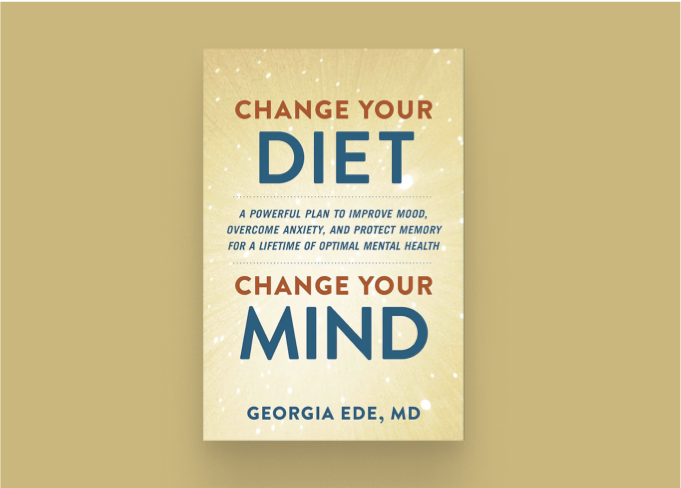
A powerful plan to improve mood, overcome anxiety, and protect memory for a lifetime of optimal mental health.
Read more
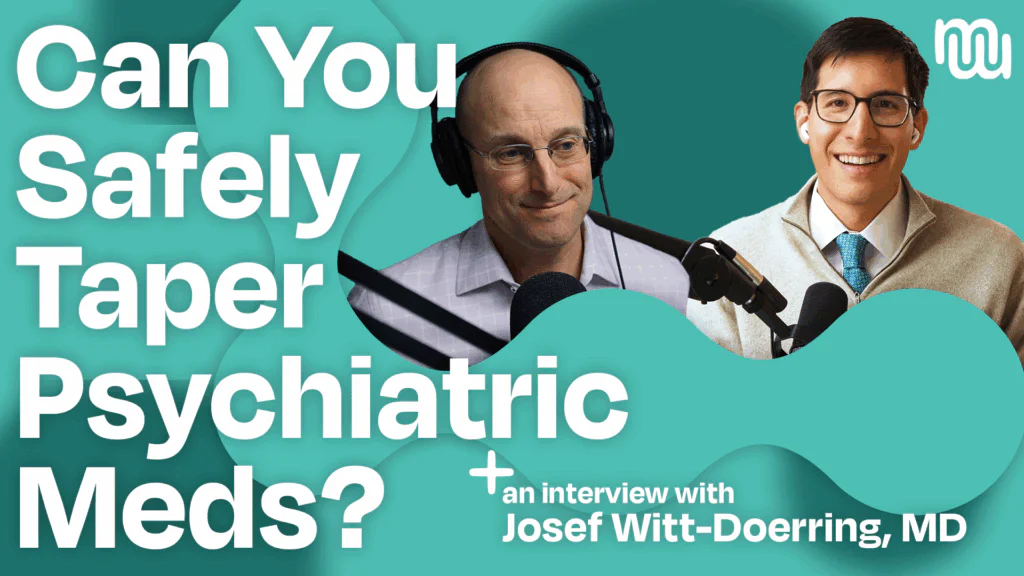
Psychiatrist and former FDA insider Dr. Josef joins Dr. Bret Scher to unpack deprescribing psychiatric medications—how to taper SSRIs, antipsychotics, and mood stabilizers safely (5–10% monthly, patient-led, often with liquid/compounded doses), avoid withdrawal, and address root causes with metabolic and ketogenic therapies. Real patient stories, practical taper protocols, and a fresh look at antidepressant “chemical imbalance” myths make this a must-hear for anyone navigating psychiatric meds and metabolic mental health.
Learn more
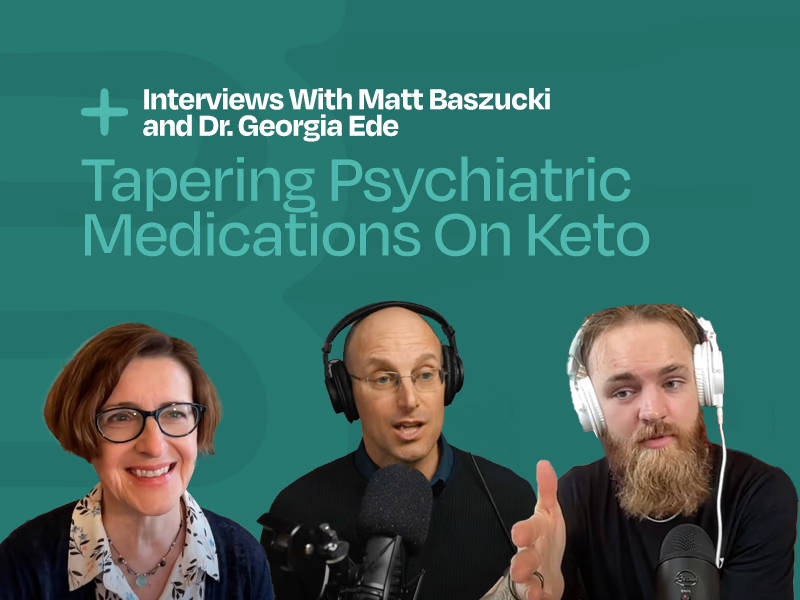
When starting a ketogenic diet or initiating therapeutic nutritional ketosis for treating a psychiatric illness, careful management of your medications is critical. It’s important to work closely with…
Learn more
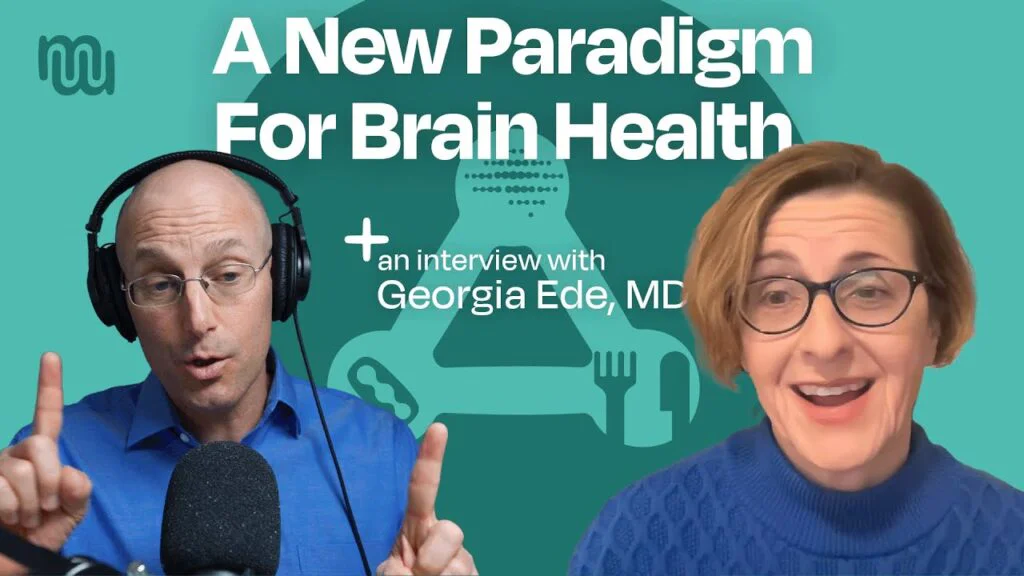
Harvard-trained psychiatrist Dr. Georgia Ede joins Dr. Bret Scher to cut through “brain superfood” hype and lay out a science-first framework for eating to improve mood, reduce anxiety, and protect memory. Drawing on clinical experience and rigorous evidence, Ede explains how unstable blood sugar and chronically high insulin drive brain inflammation and oxidative stress—and why restoring healthy metabolism (sometimes with lower-carb or ketogenic strategies) can sharpen thinking and stabilize emotions. She clarifies common nutrition myths, from the limits of observational food studies to the debate over seed oils and saturated fat, and makes the case for whole-food patterns—including some animal foods—to supply essential brain nutrients. Practical takeaways include using continuous glucose monitors, simple labs, and symptom tracking to personalize your plan. If you want clear, actionable guidance for lifelong brain health—beyond clickbait and diet wars—this episode is your roadmap.
Learn more
A powerful plan to improve mood, overcome anxiety, and protect memory for a lifetime of optimal mental health.
Read more
Psychiatrist and former FDA insider Dr. Josef joins Dr. Bret Scher to unpack deprescribing psychiatric medications—how to taper SSRIs, antipsychotics, and mood stabilizers safely (5–10% monthly, patient-led, often with liquid/compounded doses), avoid withdrawal, and address root causes with metabolic and ketogenic therapies. Real patient stories, practical taper protocols, and a fresh look at antidepressant “chemical imbalance” myths make this a must-hear for anyone navigating psychiatric meds and metabolic mental health.
Learn more
When starting a ketogenic diet or initiating therapeutic nutritional ketosis for treating a psychiatric illness, careful management of your medications is critical. It’s important to work closely with…
Learn more
Harvard-trained psychiatrist Dr. Georgia Ede joins Dr. Bret Scher to cut through “brain superfood” hype and lay out a science-first framework for eating to improve mood, reduce anxiety, and protect memory. Drawing on clinical experience and rigorous evidence, Ede explains how unstable blood sugar and chronically high insulin drive brain inflammation and oxidative stress—and why restoring healthy metabolism (sometimes with lower-carb or ketogenic strategies) can sharpen thinking and stabilize emotions. She clarifies common nutrition myths, from the limits of observational food studies to the debate over seed oils and saturated fat, and makes the case for whole-food patterns—including some animal foods—to supply essential brain nutrients. Practical takeaways include using continuous glucose monitors, simple labs, and symptom tracking to personalize your plan. If you want clear, actionable guidance for lifelong brain health—beyond clickbait and diet wars—this episode is your roadmap.
Learn more