Get the latest on metabolic psychiatry. Subscribe.


Listen, Watch & Subscribe on:



Don't Call It Bipolar Disorder with Hannah Warren
Listen
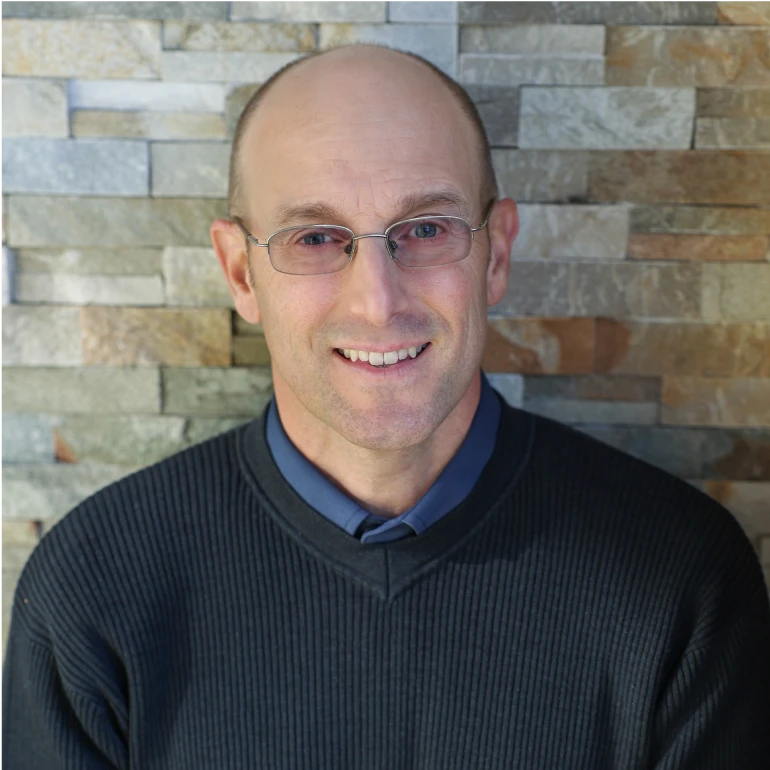
About the host
About the guest

Bret:
Welcome to the Metabolic Mind Podcast. I’m your host, Dr. Bret Scher. Metabolic Mind is a nonprofit initiative of Baszucki Group where we’re providing information about the intersection of metabolic health and mental health and metabolic therapies, such as nutritional ketosis as therapies for mental illness.
Thank you for joining us. Although our podcast is for informational purposes only and we aren’t giving medical advice, we hope you will learn from our content and it will help facilitate discussions with your healthcare providers to see if you could benefit from exploring the connection between metabolic and mental health.
Welcome back to Metabolic Mind, a nonprofit initiative of Baszucki Group where we focus on the intersection of metabolic health and mental health and metabolic therapies, like ketogenic therapy as treatment for mental illness. I’m Dr. Bret Scher, and today we’re going to share a pretty inspiring personal story of someone treating their own serious mental illness bipolar disorder with ketogenic therapy.
And really, we’re going to do a few of these because this is our north star in Metabolic Mind, in Baszucki Brain Research Fund. What we want to do is provide the scientific, the practical, the clinical information and fund the research that’s going to help individuals transform their lives, to live full and vibrant lives despite having a diagnosis of a serious mental illness.
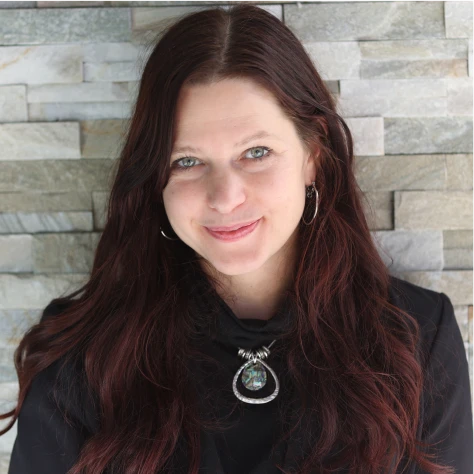
And Hannah Warren is one such individual. She truly is a shining star. And I’m going to read a little bit from her website, radiantbeast.com, where she says, “I’ve experienced three severe psychotic breaks that required hospitalization. I was diagnosed with bipolar I disorder, and repeatedly told I had a lifelong chronic illness.
After discovering the work of Dr. Christopher Palmer, a Harvard psychiatrist and author of Brain Energy, I implemented metabolic therapies that put my neurometabolic dysfunction into remission.” And there’s a lot there, but I love that last part, neurometabolic dysfunction into remission. And we’re going to talk about that with Hannah.
You’re going to hear her personal story, and you’re going to hear how she sees her diagnosis of a mental illness maybe differently and how the terms we use really matter. It’s really interesting to hear her, and I really appreciated having this discussion with her. Now also, I should mention this interview was done at the 8th Global Symposium on Ketogenic Therapies put on by the International Neurologic Ketogenic Society.
And this was cool because it was a meeting, mostly an international meeting, mostly of like scientists, researchers, clinicians. But there were a handful of people there who had used ketogenic therapy to treat their serious mental illness with Hannah being one of them. So, I hope you enjoy this interview with Hannah Warren.
But also, please remember our channel is for informational purposes only. Nothing that we’re giving here is medical advice, and we’re not establishing a doctor patient relationship. Anytime you change your medications or lifestyle as a medical intervention, it could be potentially dangerous.
So, make sure you talk to your clinical team before making any changes. Now with that, let’s get on to this really inspiring and enjoyable interview with Hannah Warren.
Hannah Warren, thank you so much for joining me here today.
Hannah:
Thank you for having me.
Bret:
Yeah, so we’re The Global Ketogenic Therapeutic Symposium here in beautiful Coronado. And this is a wonderful conference because it’s all about sort of the science and the clinical applications of ketogenic therapies.
But you’re not a scientist. You’re not a researcher. But you’re here representing people with lived experience of using ketogenic ketosis as a therapeutic intervention. So, I want to hear about your personal experiences as much as you feel comfortable sharing with us. So. If you could go back to when you were first diagnosed with bipolar disorder and how you were being treated and what led you to ketogenic therapies.
Hannah:
Absolutely. And before I share that, I also wanted to say how amazing it is to be here. Learning from others and hearing about the Charlie Foundation and Matthew’s Friends was such a reminder of the important role we have as advocates, as patients and families, and how much that can really drive innovation and science.
So, I think that’s reassured me that the devoting so much time to this movement is really important because I have something unique to share from a patient perspective.
Bret:
That’s so valuable right there because the researchers are doing research. And the clinicians just want to practice medicine.
But really, what it comes down to is your perspective. Like what is helping you? Because that’s the end goal, is to help people exactly like you and only millions of people.
Hannah:
Yes, and that’s the other driver is just the countless number of people suffering. And what I went through, I think, is typical for a lot of people.
And that when I was diagnosed after having my first severe psychotic episode, and was told repeatedly, you have no choice to but to be on medication for the rest of your life. This is a lifelong chronic illness. Your quality of life will probably never really be the same. After taking antipsychotics, within six months, I put on over 70 pounds.
Bret:
Seventy pounds?
Hannah:
Yeah.
Bret:
Six months?
Hannah:
In six months. And actually, after my very first episode, they didn’t tell me at that time that, after six months, I could try going off the medications. There was a chance it could be a fluke and not bipolar disorder. So initially, I did try that. I experimented. I took my medication for six months.
I went off of it ,and I had put on all that weight. And then it was about a year that I actually managed to lose all the weight I had put on. I was exercising. Eating what I thought was a healthy diet, which was a vegan whole foods diet. Then. I had a relapse episode, of course, not surprisingly, and they said, this is a chronic, lifelong illness.
That’s when they were like, you have no choice but to take medication for the rest of your life. I started taking the medication again, put the weight right back on, which you can imagine how discouraging and depressing that was after working so hard to lose it.
Bret:
Yeah.
Hannah:
And then I stayed stable and was consistently on the medication for about seven years.
Bret: So really, a tug, like a tug of war, the medications are working. They’re, preventing relapses. They, quote unquote, working. But you have to live the life of having gained 70 pounds and side effects with the medication. So, what were you attempting?
Hannah:
Yeah, and I should say, it wasn’t just the weight gain.
Obviously, that was difficult for me because I was someone who really liked to be active, to be out in nature, to be jogging, exercising, but I lost all of my energy. And then, on top of that, there was persistent brain fog and fatigue. I really felt like I couldn’t think creatively. I’m someone who’s always enjoyed the arts, and now I’m writing for you guys.
I feel like I’ve gotten that part of my cognition back that was gone for so long. But it was really a very diminished quality of life. Like seven years that I just felt basically numb, I wasn’t able to at all enjoy and savor life the way that I used to prior to my diagnosis.
Bret:
And unfortunately, this is a story that we hear all too often. That the medications, yes, they can be lifesaving, but yes, they absolutely have adverse effects.
One of which is exactly like you described it, brain fog, numb, not having the same enjoyment and comes down to quality of life. Like sure, you don’t want to be manic and psychotic. That is definitely not good for quality of life and can end disastrously.
Hannah:
Yes.
Bret:
But then when you talk about chronic therapy and lifelong treatment and lifelong living, you want to be able to enjoy life and live.
So, what changed for you?
Hannah:
So, here’s the other reason I’m so passionate right now. Like at the beginning of my diagnosis, which was about a decade ago, when I was 28, if I would’ve been given the message then that there’s a possibility of trying these metabolic therapies that could actually lead to remission and long-term healing.
And you’re going to have to make some sacrifices to follow through with a certain lifestyle, I would’ve been ready for it right then and there. And I think what drives me absolutely crazy is when you hear people decide for patients that this is too difficult or something people shouldn’t try, I think it should always be an option, and people should be able to make the choice for themselves.
For me, it’s been a very, it’s almost elegantly simple. I do not find it difficult. It’s almost hard for me to believe that the solution is this simple.
Bret:
Yeah. I definitely want to get into that about how people say it’s too difficult in your experience, but first, how did I learn about it?
Yeah. How’d you even find out it was a thing?
Hannah:
Alright. It was in 2021, I had actually, it’s interesting, I had been doing some metabolic therapies without knowing it. I had gotten really into some extended water fasting, and I felt a great benefit from that, and I was doing that on an ongoing basis.
I started working at this organization that was into like self-development and women’s empowerment. Had a lot of holistic health things, and I was inspired by that. And I had this thought, it’s been seven years. I’ve been stable on this medication the whole time. Maybe I’m fine now? I should really try going off of this.
I meditate a lot. I exercise. I’m doing this fasting that’s making me feel wonderful. So, I decided to stop taking my medication. And it was about eight months, and then I started to get hypomanic without, of course, really seeing the symptoms. And within a year, I had a full blown psychotic episode.
It was interesting, though, because I will say that typically you hear that each consecutive episode gets more severe, and my third episode was by far the least severe of all that I had. And I wondered if some of that was due to continuous fasting that I had been doing because I had already started to lose weight from that and feel better.
But that was a full blown psychotic episode. I was hospitalized for, I think, about three weeks. I got out of the hospital, and I basically thought I’ve had it. Like, I am willing to suffer an episodic illness, and at least be able to enjoy some moments of life as opposed to just being on these medications and always feeling numb.
I was thinking, would it have been better if Van Gogh had decided to be medicated and never painted? Like, of course I didn’t want, it can be lethal. I didn’t want to die by suicide when I was manic. But at the same time, I was just starting to get my life back and feel better again off of medication, losing the weight, getting my creativity back.
And then, of course, had that episode. So, I thought, I’m done. I will deal with it if I have to, but I can’t live in that limbo state any longer.
Bret:
So dramatic. That shows how just depressing or how like impactful it is to have that blunting of your emotions and your creativity that you’re willing to you deal with a three week hospitalization and a psychotic episode, which has to be just so scary and traumatizing in many ways. That you’re willing to deal with that to not have to live that life. That just really
Hannah:
I had it twice with the first relapse episode I had. And the second one, it was like that year where again, I felt parts of myself coming back.
I felt more like a whole person.
Bret:
Yeah.
Hannah:
So I, at that point, decided I wasn’t going to do it any longer. But I thought, maybe there’s some alternatives out there that I’m not aware of? And I just started to research. I saw some different things about supplements, but I wasn’t sure what to believe.
And then, I discovered the work of Dr. Christopher Palmer and the Brain Energy Theory of mental illness, and especially, I think with my background and the benefits I saw from fasting, and I was familiar with the idea of autophagy. I didn’t understand mitophagy, mitochondrial biogenesis, but even the idea of autophagy and I felt this healing power.
Like, whenever I did these extended fasts, which could be like a week long. I was really into water fasting. So, it was very easy for me to see why his theory made sense, and I did feel like there was a healing power in it. And the idea that a ketogenic as a fasting mimicking diet could keep you in that state for an extended period of time.
And I just thought this could be the key that I’m looking for that will sustain that and create long-term healing. And it’s exceeded all of my expectations because, of course, there was some fear involved that I don’t know if these therapies are going to work.
Bret:
Right, and so you already alluded to how it’s not difficult at all. But when you’re starting and you’re unsure if it’s going to work, you’re maybe a little trepidatious about even starting it.
How was that process? Was that challenging for you?
Hannah:
I don’t think that the process was not extremely challenging. It was a little challenging because I am a dairy-free vegetarian. So, obviously, it felt very restrictive when I first started because I just was, it made choosing things at a restaurant a lot easier because I’m lucky if I can find one or two menu items that I can actually eat.
So, that was good. But when I started it, I think like most people, I do really well for a week, and then I’d have a craving and indulge in something. But after a month or so, I was able to like really continuously be in ketosis. Oh, I will add, I already had metabolic flexibility, which was an advantage from all the fasting that I had done.
So, it was easier for me to get into ketosis. So, I think that was helpful.
Bret:
And were you checking, were you monitoring like finger sticks or?
Hannah:
I did. I got a Keto Mojo. Of course, knew the urine strips, like you can only use for so long fat-adapted. So, it’d be better to check the ketone levels in my blood. And that was actually really helpful for me, especially as a vegetarian who eats a lot of vegetables. Because when I was initially trying to like limit and count carbs, it seemed like I could barely eat anything.
Bret:
Sure.
Hannah:
But then when I checked my ketone levels, I could eat more vegetables than I thought I would be able to and still stay in a good level of ketosis.
Bret:
Yeah, now as part of your creative outlet, and you’ve been writing to educate others and share your experience. And so, one of the pieces you wrote, which has gotten a lot of very positive feedback, has been you don’t want to call it bipolar disorder anymore. But it is now in your mind, in very well-phrased in metabolic brain disorder.
So, tell us about the difference, and why you think it’s important to phrase it that way.
Hannah:
Okay. For me, it’s really important to reframe my illness as neurometabolic dysfunction.
Because it really underlies that there is a physiological, brute cause of this illness that can be treated directly. I think so often the tragedy with people experience mental illness is it becomes a part of their identity. They feel like they somehow cause themselves to become ill, that it was in their heads.
And when I realized that there’s such an effective intervention, these metabolic therapies that are actually creating healing. That really emphasizes that this is a physiological problem. It’s rooted in the body and especially I think from a patient perspective, it gives you back your sense of agency.
It’s like this is something, my illness was not me. In fact, I’m going to kick my i’s ass like I’m stronger than my illness. It gives you that power over something that made you vulnerable and weak for a long time.
Bret:
So empowering, whereas like you said. If they said this is lifelong, you’re going to take your medications life lifelong.
How disempowering is that? So, really completely different way of looking at it.
Hannah:
It is, and I have to say, every morning I wake up, and I never take my agency for granted. Every day that I wake up, and I know I’m in conscious, I have conscious control over my decisions. And a lot of them, I know how they’re going to impact my life. That there are positive things I’m doing, like my meditation practice, my jogging.
Even today, before the conference started, I got up early and went for a jog and did my meditation. It’s something, it’s become an integral part of my life, and it’s had such a positive impact.
Bret:
And I’m glad you mentioned that because we talk, it’s a ketogenic therapy conference, so we’re talking about ketogenic therapy.
That’s one piece of the puzzle, a very important piece, but one piece of the puzzle. So, you’ve already mentioned a couple others, from exercise and meditation. And so tell us what else you focus on for metabolic health and just like a comprehensive treatment program.
Hannah:
Meditation and journaling have been a big part of my healing process.
I think a lot of it is about using positive language to frame your experiences and to motivate behavior change. I thought, actually, your interview with Martin Picard was so interesting when he was talking about the impact on your perspective on things, and how that literally affects your biology, affects your mitochondria.
Bret:
Right.
Hannah:
So, I think framing is really important. I also thought that was interesting in the neurogastronomy lecture that they did, talking about how the language that we use to describe food, and it affects how we interpret, how we perceive, flavor. I think framing is everything. When you’re framing things to say that you had a neurometabolic brain dysfunction, that you have metabolic therapies that you can use to empower and heal yourself using that language.
I’ve heard other people now. It’s amazing to watch the movement spread, and to be one of the first people really implementing these in metabolic psychiatry. To see so many more people having these amazing stories of remission and how empowering that language is. People being able to say, I am in remission.
Bret:
Yeah, it really is. I’m so deeply into this. And when I read your article on your blog that we published on our website, even I was like, wow, that just makes so much sense. Why do we do that? I hadn’t really thought about it quite in that way, that really framing it in a way that gives agency and empowerment is so important.
Yeah.
Hannah:
I will say, though, seeing Iain Campbell here, like when I met him, the passion he exudes when he talks about bipolar disorder, and he makes it look so cool. Made me want to reclaim a little bit of the bipolar label. So I’ve got to be like, I have more neurometabolic dysfunction, but it was diagnosed as bipolar.
Bret:
So, it’s important so people seem connected. So, people with bipolar disorder can say, oh wait, that’s me she’s talking about.
But I don’t have to be divine by my illness. This is something I can control because it’s got this root cause of a neurometabolic condition.
Hannah:
And even though some people argue that all mental illness is a result of metabolic dysfunction, right? So, it could be any diagnosis that you have that you could still say you have experience of metabolic dysfunction. I think particularly for someone who’s experienced psychosis, whether it’s bipolar, schizophrenia, schizoaffective disorder, it’s especially empowering.
Because I think psychosis really has a way of obliterating your sense of self for a while because you feel, I can’t speak for everyone obviously, but bouncing back from that, it makes you question everything you think you know about reality. To be able to completely lose track of yourself the way that you do when you experience something like that.
Bret:
Yeah, I could really imagine how difficult that must be. And again, to be willing to accept that, to not have to live the life that you’re living with the medications. Again, just speaks to how powerful that is and how far you’ve come. Now, the other article you’ve written, or one of the other articles you’ve written, is seeing how you don’t want to think about the ketogenic diet, and the effect it’s had on your weight or your body image. And that’s not what you want people to hear.
Yeah. So tell
Hannah:
I think it’s more’s just a concern for other people. I think the diet ,mentality, the diet industry can have a very negative impact on mental health. So, when I think we talk about empowering people who may be struggling, the last thing we want to do is add this component of shame. And there are people in the low carb and keto community, I’ve heard say things that I think are very judgmental and an outdated view to me of obesity and the things that people are struggling with.
We know a lot about metabolic dysfunction. That we can’t call people lazy or assume that they’re just making all the wrong food choices. I want to take that level of judgment out of it. And I think also as a mental health advocate, just having a language of empowerment, again about framing, and letting people feel that sense of agency and a positivity around their own body.
Bret:
Yeah.
Hannah:
So, for me, a lot of it with exercise and everything, is about how much I enjoy that experience and just wanting to encourage the positive things about that rather than ever making anyone feel bad about themselves. Because I don’t think that leads to positive action.
Bret:
Makes a lot of sense.
Yeah, and it’s less about what you look like on the outside and more about how you’re feeling on the inside for the metabolic health, mental health and personal advocacy kind of perspective, too, which is really important.
Hannah:
Yeah, exactly. Exactly, I mean with the diet, I never could have stuck with something like that just for vanity’s sake, especially I think the hardest thing, I guess, when we talk about the challenges is the social aspect of it.
It’s very rare there’s a work function where there’s anything I can eat. So. I’m always the awkward one not eating, but that’s okay. It’s a small price to pay.
Bret:
So, tell us a little bit about what you do eat. Let’s get down to the practical nature of it. Because again, people might say, oh, that ketogenic diet thing is too restrictive. It’s like yeah, you can’t define that for me. Because for me, it’s totally different for you as a doctor or whatever.
But from my perspective, I think it’s really easy because I can eat steak and chicken and fish and just that makes it easy. That’s the majority of your meal, but you’re a little, it’s not quite as easy for you. So, give us an idea.
Hannah:
Right, so you know, I don’t eat a lot of plant-based meats. I eat like minimally-processed tofu that I’ll fry, but I eat a lot of vegetables and creamy dressings that I make at home, homemade mayo. I do eat eggs. I don’t eat dairy. Incorporating eggs because, originally, I was vegan, but I started to eat family farm eggs and that’s been a staple in my diet and has been really helpful.
But I eat nuts and some berries.
Bret:
Yeah, alright.
Hannah:
And I lived in India for a while. I don’t think we should I get into that? But yeah, I like a lot of ethnic food and a lot of flavorful foods. So, I use a lot of spices and I think that’s a fun part of cooking as well. Just focusing a lot on flavor, spices.
Bret:
That is one of the challenges I would say though about ketosis is eating out for ethnic foods with sauces and flavors because they have sugar. So, you got to be careful.
Hannah:
So, i’m talking more about homemade but right.
Bret:
When you have the ability and the drive to make it at home than, yeah.
You can make good stuff. I’m sure.
Hannah:
One of the things I really love about doing the ketogenic diet is some of the things that Gary Taubes talks about in The Case for Keto. That it is very satiating for me. I feel a lot less of an addiction to food. So, it’s healed my relationship with food in a lot of ways, which means I actually enjoy the experience of eating more.
Bret:
Yeah.
Hannah:
And I guess there’s a component of that may have to do with my illness and weight gain, too, because I think when you’re in deep depression post mania, there’s a lot of self-soothing and kind of emotional attachment there, like maybe an unhealthy addiction of kind of sorts.
Bret:
Yeah.
Hannah:
So.
Bret:
You see, you can eat food as like an emotional, self-soothing, but then, sure, beat yourself up over it because you see that you’re gaining the gaining weight, right? So it’s really.
Hannah:
And it’s such a bad cycle because then you have the metabolic effect of the medication. So, you’re overeating to soothe yourself.
Your metabolism is already impacted. So, you’re just putting on that weight really fast.
Bret:
Yeah. Yeah.
Hannah:
And, then it’s, and then, of course, you’ve lost your sense of self and identity. Your body’s changing in tandem with that. So, I feel like there’s a whole crisis right at that point.
Bret:
Now, I’ve already referenced the article and the blog you wrote for us that we published on our website, and it’s gotten quite a response.
A lot of people really reaching out in a very positive way. So I’m curious, is how you feel about that response and what that means to you?
Hannah:
It makes me so happy to be able to play a role in this. When I first started and discovered the concept of metabolic therapies, I was trying to find success stories, and I really couldn’t find anything.
And I think as this movement gains momentum, we’re going to have so many people sharing what they’ve been through to inspire one another and give them that encouragement, help them to see what they’ve been through in a new way, and to be able to play any type of role in that. Give anyone inspiration on a journey that could transform their lives as much as it has transformed mine is amazing.
Bret:
Yeah.
Hannah:
I really, it’s been game changing for me, and I know it has the ability to do that for so many people.
Bret:
Which in a way takes a lot of courage, right? There’s the risk of being labeled as the bipolar girl, the crazy girl, or whatever.
Hannah:
Unfortunately, I have cats, too. So, it’s cat lady.
Bret:
Yeah, unfortunately, yeah. I’m sure there’s a bit of your brain that says there’s that stigma there.
Hannah:
But it’s also, I have to admit, I was thinking of another article idea. I’ve got a list for you.
Bret:
Oh, great.
Hannah:
One of them, one of them was thinking about wanting to write a article, something like, don’t Call Me Brave or Quit Calling Me Brave.
Bret:
Okay.
Hannah:
Because it reminds me, I wish, I need to look up the exact quote, but Mindy Kaling, you know the actress, she’s like a size 10 and she wore a tight dress and she was talking about how annoying it was, people kept calling her brave for wearing that. And she’s like, this is so stupid that people are calling me brave for, because she was relatively healthy. She just wasn’t a size zero like in Hollywood.
And sometimes, I feel like it is ridiculous to keep calling people brave for having a physiological problem. Like, why is this so much more stigmatized than other illnesses? Like, I think we’re seeing widespread impact of like metabolic dysfunction that people argue can be due to various things, whether it’s pollution or big food, and it’s manifesting in different ways.
For some people, diabetes, some people cancer. Some people, unfortunately, it impacts their sense of self. But once you’re able to reclaim that and realize this was a physical problem all along that we just didn’t know how to treat the root cause properly.
Bret:
Right.
Hannah:
Then you’re liberated from that and you realize there was nothing wrong with me. It was just an illness.
Bret:
Yeah, we don’t call people brave for talking about their type II diabetes.
Hannah:
Yeah, exactly. And it’s, I guess, initially there was a little bit of that fear. What if I lose people for my life for sharing what I’ve been through? And then I realized, those people are not worth having in my life if they don’t understand that.
Not only because it’s a very closed-minded perspective at this point, it’s also stupid. If you don’t understand that this physical problem, you’re not getting in. I don’t really need you. Handle yourself, take care.
Bret:
Yeah.
Hannah:
I think I want people to stop needing to call it brave.
It shouldn’t be brave. It should be, we’re spreading the word about the true cause that this illness, which is physical.
Bret:
Yeah. That’s so powerful. And with your voice and Iain Campbell and Matthew Baszucki and so many others, I think we’re starting to see the tide turn. And that yes, you realize what this is, that it is almost like any other, and it doesn’t have to have the stigma that it has had for so long.
And it’s because people, like you’re sharing your journeys that makes that possible.
Hannah:
And it’s interesting, too. I think it’s been a gradual incline for me of continuing to get better and better. I feel like the neuroplasticity, you’re just continuing to get your, I feel like I’m rediscovering parts of myself.
I didn’t even realize I had lost, and it’s just an incredible journey. One thing I think that it’s interesting about metabolic therapies and incorporating things like meditation is we get to a point I think where sometimes you’re even more in control of your thoughts and your attitude towards the world than somebody who’s never been through that challenge.
Bret:
Yeah. Wow. That’s really, powerful. I can’t thank you enough for taking the time to sit down and just share your experience and your wisdom with us. It’s been so wonderful. And if people want to find out more about you, obviously, your blog at Metabolic Mind. But where else can they go to learn?
Hannah:
I also recently created a website just that links to my writing in the Metabolic Mind blog as well as the Brain Energy Magazine. I have been collaborating with Dr. Christopher Palmer as a volunteer for about a year now, which has been an incredible experience as well. So my website is radiantbeast.com. as you might expect, there’s a story behind that. It’s more of a metaphorical title. Thank you, yeah. So, people can go there to find different samples of my writing in both Brain Energy Magazine, Metabolic Mind, and I definitely am looking forward to collaborating more.
Bret:
Wonderful. Thank you so much.
Hannah:
Thank you.
Bret:
Thanks for listening to the Metabolic Mind Podcast. If you found this episode helpful, please leave a rating and comment as we’d love to hear from you. And please click the subscribe button so you won’t miss any of our future episodes. And you can see full video episodes on our YouTube page at Metabolic Mind.
Lastly, if you know someone who may benefit from this information, please share it as our goal is to spread this information to help as many people as possible. Thanks again for listening, and we’ll see you here next time at The Metabolic Mind. Podcast.
Listen, Watch & Subscribe on:

Radiant Beast explores metabolic healing and spiritual growth, reframing psychosis as an altered state of consciousness. When the Altered State Finds You First Altered states of consciousness are…
Read more

Though I was diagnosed with bipolar 1 disorder more than ten years ago, I no longer use this diagnostic label to refer to my illness. Instead, I have…
Learn more
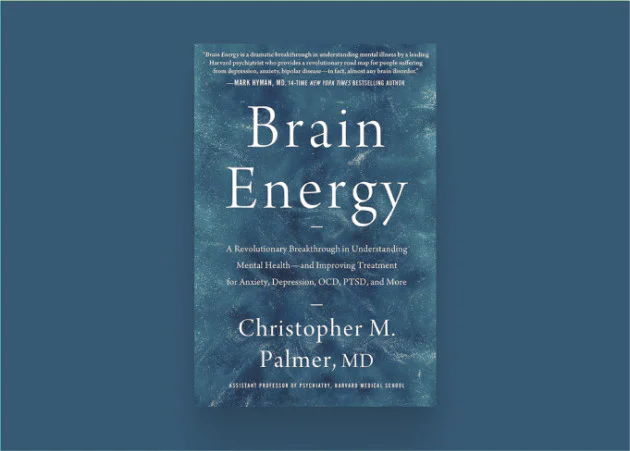
Harvard psychiatrist Dr. Chris Palmer outlines a new understanding that unites our existing knowledge about mental illness within a single framework.
Learn more
Radiant Beast explores metabolic healing and spiritual growth, reframing psychosis as an altered state of consciousness. When the Altered State Finds You First Altered states of consciousness are…
Read more
Though I was diagnosed with bipolar 1 disorder more than ten years ago, I no longer use this diagnostic label to refer to my illness. Instead, I have…
Learn more
Harvard psychiatrist Dr. Chris Palmer outlines a new understanding that unites our existing knowledge about mental illness within a single framework.
Learn more