Share your story. Help someone else start theirs. Share Now


Listen, Watch & Subscribe on:



14 Keto Myths Debunked
Listen
About the host

About the guest


Beth:
It’s quite a learning curve for some people because I’m telling them, listen, you’ve got to eat fat. They’ve been avoiding fat all their lives. You’ve got to put salt on your food. They’ve been avoiding salt all their lives, even though they don’t know that they’ve been getting a ton in processed foods. So, it is a huge learning curve.
Bret:
Welcome to the Metabolic Mind Podcast. I’m your host, Dr. Bret Scher. Metabolic Mind is a nonprofit initiative of Baszucki Group where we’re providing information about the intersection of metabolic health and mental health and metabolic therapies such as nutritional ketosis as therapies for mental illness.
Thank you for joining us. Although our podcast is for informational purposes only, and we aren’t giving medical advice, we hope you will learn from our content and it will help facilitate discussions with your healthcare providers to see if you could benefit from exploring the connection between metabolic and mental health.
Are you considering starting a ketogenic diet or ketogenic therapy but concerned about what you see online or hear from others about nutrient deficiencies, about the risk of gout or bone density problems or acidosis or even eating disorders and social isolation and on and on? There can be a laundry list of things you can read about concerns with ketogenic diets.
While I’m joined by Beth Zupec-Kania, who has over 30 years of using ketogenic diets as therapeutic interventions. And she gives us her perspective on this whole laundry list of the ones I mentioned and more about how maybe some you do need to be concerned about and steps you can take to address them and how some are misconceptions. So here’s the interview with Beth Zupec-Kania.
Well, Beth Zupec-Kania, welcome back to Metabolic Mind. Thanks so much for joining me again.
Beth:
Thank you for having me.
Bret:
Yeah. I’m excited to really get into a lot of the details about the, maybe concerns with, ketogenic diets. What’s real, what’s maybe a misconception, what are some of the, nuances, and you are the perfect person I think to talk to about that.
But before we get into the details, please just tell the audience, in case they don’t know, who you are, just who are you and why I picked you to talk to today.
Beth:
I’m a registered dietician nutritionist, and I’ve been working with ketogenic therapies for over 30 years, about 20 years with pediatric epilepsy, and then past 10 plus years with many different disorders including, cancer and other, neurological disorders, migraine headache.
Mental health has been a big change in the past three or four years that I’ve been working with. And then metabolic genetic disorders, that’s my specialty because I did a lot of that with pediatrics. And that’s a whole interesting field because people are born with a genetic metabolic effect, and the diet can make a huge difference in their health.
The hard part is that they’re on it for their entire life at some degree. So, I followed people since they were babies and now they’re adults. So that’s a bit of my background.
Bret:
Yeah, and like I said, that’s why I think you’re just the perfect person to talk to about this.
There aren’t many people who can say they’ve been involved with ketogenic therapies for 30 years, but also spanning the lifespan from the babies to the adolescents to the adults. And I think that part, that perspective, is so important because I think a lot of the concerns about ketogenic diets maybe come from the pediatric population.
And one of the questions we have to say is, does that translate to adult populations and different formulations of the diet? So, we’ll get into all those details, but I think that might be a theme. So, let’s jump in right away to the first concern that I see all over the internet, in different articles on Harvard Health, and even one in like Chicago Medical School about ketogenic diets are going to lead to nutrient deficiencies, vitamin B, thymine, folate, calcium, iron, magnesium, vitamin D, right? You see this laundry list of nutrient deficiencies with a ketogenic diet. Is that a concern?
Beth:
Yes. So I’m glad you brought up. The research in pediatrics, because that is probably where a lot of that stems from, but first I’m going to back up and say, deficiencies versus insufficiencies of someone’s diet. We don’t really know really if people have deficiencies unless we go on a hunting trip to do blood work, and that’s generally not done. But the claims are that the diet is widely deficient in many nutrients.
And I know that comes from pediatrics because this is where we have used the classic ketogenic diet. The four to one ratio is what I used for several years before I realized that we didn’t have to be that strict. And what a four to one ratio means is the 90% of the calories in the diet comes from fat.
That means 10% allocated to protein and carbohydrates. So, we’re talking about less than five grams a day of carbohydrate. How do you possibly meet B vitamins and other vitamins in less than five grams a day? It’s impossible. So, I know this is where that’s stemming from. We’ve evolved from those days of even using the classic ketogenic diet, even in children to much more liberal diets that are lower in fat, higher in carbohydrate and protein. And they still need to be supplemented because, not just due to concerns of the limited source, and maybe variety of food, but also just the food supply. That’s another concern here is our food is probably not as healthy as it once was.
So, it makes sense to supplement nutrients that are likely deficient and a good nutritionist can figure that out just by looking at what people are eating. And a multivitamin with minerals and trace minerals is a common choice for supplementing somebody on a ketogenic metabolic therapy.
Bret:
Yeah, and it seems when it comes to B vitamins, the cereals are all fortified with B vitamins. So for a high carb diet, especially a processed food diet, you need those grains and cereals that are fortified with B vitamins. But where else can you get those if you’re not going to eat fortified grains?
Beth:
One of the best places is green leafy vegetables. That’s about the most nutrient dense and low carbohydrate food that you can include on a ketogenic diet. And it’s very rich in fiber. There’s some Omega-3s. So, I encourage everyone to have a raw salad every day of some leafy greens. And it doesn’t have to be spinach, it can be a mixture of arugula, spinach, baby lettuce leaves so that it’s interesting.
But you know that is a great way to get B vitamins and vitamin A and even vitamin E and even some Omega-3. Nutrition still counts. Food quality still counts. And the term well formulated ketogenic diet is referring to this selection of foods to optimize nutrients and fiber and feed your gut microbiome. These great nutrients that real food has.
Bret:
Yeah. And that’s why I think it’s so interesting that, someone would say, oh, if you’re not eating these fortified grains, then you’re not getting your B vitamins without realizing there’s so many other places you can get them. And same thing so you know calcium and vitamin D. Well, if someone’s eating dairy, then they’re getting that.
So, it just boggles my mind that somebody would say a ketogenic diet is by default deficient in calcium and vitamin D. And then, of course, iron if you’re eating meat, like where do these things come from?
And does it all, I guess you started by saying it came from that four to one ketogenic diet. So, do those have any relevance at all to the modern day ketogenic diet that most people are eating?
Beth:
No.
Bret:
Okay.
Beth:
Unless they’re on these classic diets, and we did, we do supplement children still on a ketogenic therapy who are, let’s say, on a more liberal ketogenic therapy because even though they may be getting dairy, they’re probably getting heavy cream, which is not the richest source of calcium.
And even if they’re eating a little bit of cheese, they can’t have a lot of cheese because there’s carbs in cheese because it comes from milk. We still supplement children, but calcium is one of those minerals that we don’t tend to supplement adults with because their bones are done calcifying and giving them calcium might not be a good idea.
And there’s actually research that shows that supplemental calcium in adults could be negatively impacting their health.
Bret:
All right. Yeah, so I think that’s really helpful about the nutrient deficiencies and really that does seem to be a misunderstanding just about the ketogenic diet in general.
So I’m glad you mentioned the microbiome because there is this perception that you need to be eating a high carb, high fiber diet to have a healthy microbiome. And yet we see people making tremendous health gains by having low carb and low fiber diets. Not that low carb has to be low fiber, but we see people on low fiber diets having incredible health gains.
So, how do you fit that into the microbiome changes and the concerns that you have to have high fiber for our healthy microbiome.
Beth:
Yeah, so here’s another one of those myths. High fiber diets have not really been well researched. It’s more based on, I guessing, and looking at the mix of a high carb diet, I have plenty of people getting less than 10 grams of fiber a day who have daily bowel movements, and the recommended fiber intake is 30 grams of fiber a day.
You know that’s a huge disparate amount. But what I have come to learn is that there’s a lot more than fiber that affects your microbiome. And one of these is prebiotics. This is a new area of research and there’s non-fiber prebiotics, and olive oil is a rich source, extra virgin olive oil in particular of polyphenols.
And the one in particular in olive oil is called oleuropein, and this feeds gut microbiome and makes healthy gut. And you can get a lot of olive oil on a ketogenic diet. And there’s other sources of polyphenols. The dark green leafy vegetables, other vegetables, even sesame oil has some polyphenol in it.
So, what science is now turning to is that it’s not just fiber, it’s these non-fiber polyphenol sources of nutrients that microbiota like to consume and that makes healthy bowel movements. And one thing I learned recently, hopefully this isn’t getting too graphic, but two-thirds of the weight of your stool is actually bacteria.
Not food stuff. Yeah, two-thirds, that’s huge. So, we want people to have health, excuse me, we want people to have healthy digestion, daily bowel movements. And I’ve been able to work with people to achieve this just by adjusting their intake to better choices. The green leafy vegetables, maybe drinking more fluids, getting magnesium in one of their multivitamins, or even a separate supplement, using herbal remedies, such as, senna teas.
So, there’s quite a few options, and we don’t have to use laxatives. I think people should not depend on laxatives because they really aren’t good for your gut microbiota at all. People tend to get dependent on them. So, in fact, I take people off of laxatives. There’s one laxative, in particular, that seems to be quite popular, and that’s MiraLax.
And it used to be a prescription many, years ago, and then it went over the counter. And I see it in many intake forms that I review before I start working with people. And I always approach people with, listen, I have a lot of experience getting people off of this and getting them onto healthier plant options, what do you think about this?
And, by and large, most people find it’s pretty effective to get off of a laxative and to rely on food sources or herbal remedies to help manage their just digestion.
Bret:
Yeah. And, so you mentioned having a bowel movement once a day, but one thing I always like to point out is that just because you’re not having a bowel movement every day, doesn’t by default make it constipation. That there’s a difference between having a perfectly normal bowel movement every two or three days versus being bloated and having pain and discomfort, and that’s the borderline of constipation. Do you find that comes up a lot, that people come saying, I’m constipated, this is terrible, but they’re really just having a normal bowel movement every couple of days?
Beth:
Yes. In fact, I have on my intake form, a whole section on bowel movements because I want to know how frequently and whether they have loose stools, diarrhea, constipation, how frequently, and then the color of their stools. I’ve learned to ask because we want to make sure people have a healthy source of bile in their gallbladder before we start pushing fats. And I’ve come across this several times, where I’ve been able to find out in advance before going on keto that people are already reporting that they’re, if their stools are pretty pale in color, and I’ll say that’s not normal, you might not be making enough bile. Please get this checked out with a gastroenterologist before we start going towards keto because you’re going to get into trouble or you may get into trouble if we start pushing fat. And if they’re really anxious to get going, I might just say, let’s just start with some MCT oil, which does not use bile acids, but is a good way to get them going and a little bit of fat in their diet, and that makes them happy to have something to work on. That’s moving towards keto.
Bret:
So, you mentioned bile acid. So, let’s talk about the gallbladder. So, people who have had their gallbladder removed, there’s this perception that they can’t have high amounts of fat. And whereas I’ve seen people without their gallbladder tolerate keto perfectly, just maybe have to go a little bit slower in the transition. So, I’m curious what your experience is with that as well.
Beth:
I have found the same. So it always is a red flag to me when I see that there’s a diagnosis of a gallbladder removal. But then I ask the same question, what color are your stools? And when your gallbladder is removed, you actually have a little sack that your body brilliantly creates as the new little pocket for bile acids. So, you compensate and you have this ability to still make bile, still store it away and use it.
And I think stool color is absolutely the question that has to be asked because that really tells you if they are making or not making bile. I had somebody recently told me that sometimes their stools are completely white. I’m like, whoalright. You really need to get into a gastroenterologist soon because that’s not normal.
That is really not normal, and they’re following basically a low fat, fat-free diet with occasional consumption of a little bit of butter here and there. So, it’s important to sort that out before somebody starts. But absolutely, people that have had their gallbladder removed can do keto.
Bret:
Yeah, good. That’s great. Okay, let’s get away from the gut for a little bit here. And so next, let’s talk about sleep disturbances. A lot of people will report when they start with a ketogenic diet that they have trouble sleeping. So, how do you approach that?
Beth:
Yeah, I have seen this, I’ve heard this report.
I just was with 10 people who I helped initiate a ketogenic diet. I was with them for two weeks, and I ate with them every day. And so I heard all the complaints of keto flu, which only about half of them had. But there were two people in particular that had sleep issues, and one of them, it was hunger.
He was waking up hungry, and he knew, he is like, I’m just hungry. I’m like, okay, we could fix that. You just need to eat more, and this was an unrestricted ketogenic diet. I was not calorie controlling at all. But he was trying to be so cautious that he was not indulging himself. And also, he was experiencing ketosis early so his appetite was not robust like it had been.
This is a guy that was always hungry. He had about 60 pounds to lose, and he was losing weight fast. In fact, a little bit too fast. I had to talk to him about slowing that down. So, his was hunger, and I saw that a lot working in pediatrics, that kids would wake up hungry. And so that was the sort of the impetus behind fat bombs.
Let these kids eat more when they’re hungry. We don’t need to over restrict. And in the old days of keto, it was calorie restricted, and this is why kids did not grow well. They were on calorie restricted ketogenic diets for two or three years and you took them off and their height popped up, and they grew to their optimal height.
This is exactly what happened to Charlie Abrams. He’s over six feet tall, and he was on a diet for five years. So he was a good example of that. But, so I saw that in kids and I’ve seen it sometimes in adults. So, I think that’s one reason. I think another reason is more hormone related and maybe thyroid hormone related.
What seems to be transient, it’s in most people that I’ve worked with, like after a couple weeks, that settles down and then they start reporting, they sleep better. So, I think that’s part of the transition into keto. And if it’s not, then I think that’s when we need to start advocating to look at thyroid hormone levels and see if that’s maybe involved.
Bret:
Yeah, I think that’s a good point to look for other causes, some hormone related causes. And then the other thing that I’ve seen and used is having people back load their carbs. So, if you’re going to have 30 grams of carbs during the day, maybe have half of that later in the day, rather than spread out throughout the whole day or even add a few more carbs at the end of the day.
And that can help with sleep. I don’t know the exact mechanism. Maybe it has to do with stress hormones, I don’t know. But I’ve seen that work. Do you have experience with that as well?
Beth:
Yeah, I, think that’s where snacks, these fat bombs and snacks, come in and fat bombs are not all fat.
They’re actually a mixture of a little bit of carb, protein, and mostly fat. I have found that if people, if you give them permission to have a snack in the evening, you know that kind of is comforting. They’re used to, many people are used to, having something before bedtime anyways, but that seems to help.
Whether it’s psychological or not, or hormonal, I don’t know, but it seems to help.
Bret:
Okay. And now what about a keto rash? That’s another one that some people report, this sort of diffuse rash generally on over their chest, although it can present in different ways, that can be pretty itchy and can be troubling for people getting into ketosis.
What’s your experience with that?
Beth:
Yeah, I’ve looked into this because I’ve had a few people, apparently it occurs more in women and it’s tends to be located in the trunk areand it also in younger people versus older or elderly people. So, that’s been true in the situations that I have seen. There is a, Dr. Berg who I found, looked into this and I don’t recall, I think he’s a dermatologist, but he related it to a B vitamin deficiency and potentially vitamin A and vitamin D, which I think makes sense, that it could be related to that. I encourage people to start their supplements, soon after we get going or even before we get going on the diet.
And I like to look those over to make sure they’re not getting a chunk of carb in them, and that it’s a quality supplement. But it could be that I’ve also had somebody who had, it was actually a dairy allergy. They were not used to consuming dairy other than butter. And then now they’re putting cream in their coffee and eating cheese.
And their body wasn’t used to it. So they had this little reaction that subsided over time. And then I had one person where they were blaming the diet. We found out it was a change in laundry detergent. So Yeah.
Bret:
You always have to have your detective hat on you. You can’t just make assumptions.
So, that’s good to know. Okay, another concern that comes up, and I think maybe more so recently because of some recent publications about it is the risk for bone density. And the way I see this is there was a study showing increased markers of bone turnover, but I don’t believe there’s ever been a study showing actual decreased bone density or increased risk of fractures.
And frequently, I see the opposite. So how do you approach people who are concerned about their bone density starting a ketogenic diet?
Beth:
Yeah, if I hear that concern, I encourage people to go get a. DEXA scan done because really this the best way to do one at baseline. But I can tell you from pediatrics, we did DEXA scans.
If anybody was on the diet more than three years, most kids were off in three years, but plenty were because of these genetic metabolic disorders or they kept having seizures. When we tried to take them up, we would do an a DEXA scan and they were fine. They were fine. So I want to believe that bone mineralization occurs in childhood.
Mostly by the time you’re 30, you’re done building bone. You could definitely lose it, but you’re done building it. So, I want to believe that the mechanism is not tip towards bone loss, although there is an exception to that. If anybody is taking anti-seizure medications, which many are used in mental health and migraine headache, those interfere with your bone mineralization. They can cause osteoporosis on their own. Those are the people that I worry about. And so those are the ones that you’ve got to make sure they’re getting a good source of vitamin D, vitamin K, not necessarily a calcium supplementation, but they do need to be followed make sure they’re not in a state of acidosis, and that’s when, a state of acidosis would encourage loss of calcium out of their bone. That’s where I’ve seen osteoporosis in a lot of children that have been on anti-seizure medications for years.
Bret:
But that has to do with the medication though, not the diets.
You just have to make sure that they’re getting what they need because of the medication. Yeah, that makes sense. Now, you mentioned acidosis. So, there is a concern that ketogenic diet is an acidic diet and you’re going to put people in a state of acidosis, which could leach the calcium out of the bones.
What is your, feeling about that?
Beth:
Yeah, so I don’t think the ketogenic diet is an acidic diet. I think if you’re on a ketogenic diet and you’re on a medication that causes acidosis, such as Topiramate, Zonisamide, maybe that gets exacerbated and, because I’ve seen that, I think those people need to be watched carefully.
They need to be on a buffer or evaluate to see if they can de-prescribe the medication, if they’re getting good results from keto. So, that’s where I see the problem. I’ve only seen Acidosis, besides that situation in people who are undernourished, who are not taking in enough calories, right?
So this is a state of malnutrition. The body is starting to break down its own lean mass, and that puts them in a state of acidosis. I’ve seen that a couple of times with really very impaired people who are not able to eat enough to keep their energy levels intact.
Bret:
Yeah. That’s important to recognize.
And then, of course, the concern with ketoacidosis, which a lot of people just associate ketosis with not understanding they’re completely different things. But when you’re in ketoacidosis, as the name applies, you’re in a state of acidosis. But for 99.9% of the people in ketosis, it’s different.
And you’re not going to pick up acidosis in the blood unless there’s a mitigating factor, like you’re saying with the medication, so that’s really important.
Beth:
Yeah, I’ll add to that when I was working in pediatrics and we would start up a child who was admitted urgently and put into the intensive care unit with nonstop seizures.
So, what they would do is put these children into a , to put them asleep, right? And if they couldn’t get those seizures under control in a few days, we would often start keto through a feeding tube, right? So these are usually people that have been fasted for days. They’re just getting IV nutrition.
So, now they’re fasted and I’m starting keto very gradually. I would see acidosis in these kids until they got them up to their full calories and then that would self-correct. So, I know it can occur in a fasted state. Again, that’s related to malnutrition. In a very fasted state, you might see this acidosis, but it’s not relative to being on a diet regularly and eating your full diet.
Bret:
And then another great point, if you just Google, can the keto diet cause acidosis? You may get a hit that says yes because of that exact circumstance you just talked about, which is completely different than people eating an ad-lib ketogenic diet. So, a very good point to make there.
So, another common one that people can experience are leg cramps, especially evening leg cramps after transitioning into ketosis. So, how do you approach that?
Beth:
Yes. So, I know that going low carb or keto causes your aldosterone, your kidney hormone, to excrete less, and that causes this natriuresis, in other words, a diuretic effect.
So you, your body, lets go of fluid and with that goes sodium and maybe and chloride, right? And if you don’t correct that, potassium is going to follow because your cells are going to start breaking down and potassium is intracellular. So, you’re now, you’re losing sodium chloride and now you’re losing some potassium and magnesium.
So, the first cure of this is to make sure you’re taking in a good amount of salt. You need to salt your foods on keto. And if you’re not salting your foods, you need to take an electrolyte supplement. And almost everybody that I’ve talked to prefers just to salt their foods. I say get your special salt shaker on the table by where you sit so you don’t forget to salt every meal.
Sometimes, it’s a teaspoon a day. It seems like a large amount, but a teaspoon is really what the recommended amount of sodium is for an adult. It’s just that on a mixed high carbohydrate diet, you’re getting a lot more sodium in processed foods especially. So, if you’re getting away from processed foods because they’re high in carb and you’re eating more whole foods, which are naturally low in sodium, we need to add salt to our foods to bring that back up because you’re losing it for the reasons I just mentioned.
So, sodium, definitely and so with salt, you’re getting sodium and chloride and potassium. For some people, and there’s a salt called light salt, which is potassium, sodium, and chloride. You get all three minerals in one salt. And I have some people using that because the sodium chloride wasn’t enough, the salt wasn’t enough.
Their potassium levels are a little bit low, and just as a precaution. Getting that potassium in as a supplement is helpful, too, to prevent that level when their blood dropping.
Bret:
And then what about magnesium supplementation? Do you use that as well to help with the leg cramps?
Beth:
Yeah, I think magnesium can be helpful too when it’s involved in so many mechanisms in the body, including bowel management, brain health. It’s just everything. And my favorite way of getting people to take magnesium is getting them to eat like half of an avocado every day. Because not only getting magnesium, you’re getting a Omega-3 and vitamin E and fiber and other nutrients. If you can’t, if you don’t have access to them or they’re super expensive and you’d rather spend it on a supplement, then take a supplement. It may prevent those cramps, and help be helpful in other ways.
Bret:
And now another big one is just keto flu, and that’s probably the most commonly talked about one. So, how do you help people understand the risk of the keto flu and how to get through it?
Beth:
Yeah, so I think I tell everybody that keto flu is definitely a possibility, but most of the symptoms are preventable.
And people will listen because I’ll say, listen, you, could take two weeks off of work and recover from keto flu, or you can go to work and deal with some minor stuff. But the symptoms are usually related to mineral loss and dehydration, right? Headache, feeling lethargic, muscle cramps. And so taking salt during that process and drinking plenty of fluids is really important.
I’ve had some people who’ve actually experienced hypoglycemia during keto startup, and part of that is that when they’ve gone from high carb to very low carb, they’re cutting out a whole bunch of calories. And when they haven’t really learned to increase their fat significantly.
They aren’t replacing those calories. So, they’ve had a huge reduction in calories, and they can get hypoglycemic. So, it’s a good idea to have a monitoring tool, either a continuous glucose monitOr a glucose meter. And there’s some glucose meters that also have ketone strips that go with them.
So those are pretty common for keto. But so it’s good to have that as a backup or safety net to know is it just a low glucose? And that’s an easy fix. You just eat right. Eat some carb, eat some berries, or eat your meal and it’ll bring it back up.
Bret:
I think some people are surprised though, but exactly how much they have to drink and how much salt they have to take.
Because they’re probably not used to salting their foods. They’ve been told not to salt their foods. That salt is dangerous. Yes, but now all of a sudden that they’re not getting the ultra-processed foods, and the salt from that, they can easily become salt deficient.
Beth:
I know, It’s quite a learning curve for some people because I’m telling them, listen, you’ve got to eat fat.
They’ve been avoiding fat all their lives. You’ve got to put salt on your food. They’ve been avoiding salt all their lives, even though they don’t know that they’ve been getting a ton in processed foods. So it is a huge learning curve. And for this reason, I put together a two-sided little PDF. I’d be happy to share it with you if you want to use it as a download.
Because I give it out to people. And I worked on this with a dietician that works in cancer research at UCLA. But we wanted to really condense form to show people these are the symptoms and this is what you do to avoid it. And, I think it’s really, that people have to sit down and review this a couple times as they’re going through this process to know that most of this really is preventable.
Bret:
Yeah. And I like little tricks about even like sipping on pickle juice.
Beth:
As long as it is like dill pickle juice, not sweet pickle juice. Because my husband would pick the sweet pickles and there’s a huge difference, right? Dill pickles are fermented. You have to buy them in the refrigerator section.
The stuff on the shelves is probably just vinegar and sugar preserved pickles, right? So, there’s a big difference there. Some people like to use bone broth, that’s very soothing. Another side effect or adverse effect I think of going through the keto initiation, is the emotional change that people go through.
And I don’t think this gets talked about a lot, but I do feel that people grieve about certain things. And it’s something that I bring up that I noticed that people don’t offer this, but if I bring it up, like you want to talk about how hard it is to give up certain things that were your comfort foods.
That a lot of people will eat ice cream at night before they go to bed. That’s a huge habit here in the Midwest that most people have been doing that since childhood. And then all of a sudden, what do I do instead of ice cream? What about my glass of wine? Like these little things they have to either find a substitute for which is what I recommend.
Like we got to find a substitute for you to help you get over this, or they’re just sad about it for a long time, which is, that’s not helpful.
Bret:
Yeah, that’s a great point. I love the idea of finding a substitute, like not saying too bad you just have to do without it, but instead helping them find something else.
You mentioned like fat bombs or other just low carb or more natural snacks that they can have instead. Or even just some fizzy waters and seltzer water to just to give them something pleasant in their mouth. And yeah, there are lots of other options, so I think that’s good.
Fellow mental health clinicians and healthcare providers, you now have access to a suite of free CME lectures on metabolic psychiatry and metabolic health. Each of these CME sessions provide insight on incorporating metabolic therapies for mental illnesses into your practice. These CME sessions are approved for a MA category one credits.
CNE nursing credit hours and continuing education credit for psychologists, and they’re completely free of charge on mycme.com. Now, back to the video.
Now, a lot of people also have concerns about how ketosis is going to affect their exercise performance or their athletic performance, and personally, I think this is a challenging one to talk about.
Because are we talking about the person who’s walking for half an hour a day or going to the gym, or the person who’s doing high intensity interval training, or the person who’s competing and trying to be at the top end of performance. There’s this whole spectrum where we talk about exercise performance, but how do you counsel people about exercising ketosis?
Beth:
Yes, I have him get Jeff Volek’s book because he wrote a really great book about keto for the athlete. I’m blanking on the name at the moment, but I know you can Google his name and athlete and you’ll find it. But yeah, this is one that I think people have to sort out on their own.
Because I’ve seen such variations in remedies for what people have done. Just for the casual exercise person, of course, what I emphasize are all the things we talked about with keto flu. You’ve got to increase your fluids and you’ve got to increase your minerals. And for them, I think really they’re the ones that need to take an electrolyte supplement because to get all the salt in, was it potassium chloride, magnesium, just take an electrolyte salt in your beverage, and then you’re going to get both things in one. Particularly for people in warm climates, who are perspiring but may not look sweaty. But the other thing is our energy, and I think this is the part that people really have to figure out on their own.
I have people that feel like they have to have a snack. They’re doing any kind of endurance activity, it’s almost like carb loading. But they’re not carb loading because they’re doing keto. So, like fat bomb loading to keep their energy up. And, they’re just burning up a lot of energy they need.
And if they’re lean, they really need just more calories. And most of that’s going to be fat, but also some protein is good and carb and I have lots of recipes. I guide them to. The Cherry Foundation has great recipes for fat bombs, and some of them are savory, they’re not all sweet. But yeah, it, really depends on how long they’re doing the exercise, how intense.
I’m working with a guy who was going to be a football player, and then he decided not to. And he’s like a linebacker size guy, and keto was really helping him with his mental health. And he started losing a lot of weight. I mentioned him before he started losing a lot of weight.
I’m like, listen, guy, you’ve got to eat more calories. You’re just losing this too fast and I don’t want you to be burning through your lean muscle. In fact, he wanted to build muscle. For him, our solution was to take an essential amino acid supplement in a like beverage once a day just to make sure he’s getting his amino acids on top of his keto meals.
So, he was doing that before he went and did weights. And there’s some research to show that’s really beneficial for muscle tissue to have a dietary source of amino acids soon before you exercise. So, that was a solution for him. And that’s not something I usually recommend to anybody.
Bret:
But I think you often do hear, oh, it’s been proven that keto reduces athletic performance. And I think as you’re saying, it is just much more nuanced and detail than that. And you can’t just make that statement and Dr. Volek’s book, The Art and Science of Low Carbohydrate Performance is a great resource to start with for sure.
So, one concern with ketogenic diets is what happens to uric acid and with uric acid, the risk of gout or kidney stones. So, what’s your experience with that?
Beth:
So, I definitely have seen uric acid levels go up, and this is in pediatrics where we were doing regular blood work, and we would find out all these things that we had to go on a fishing trip to learn.
Why is this happening? I have never seen uric acid kidney stones. I have seen the calcium type kidney stone with medications that can cause kidney stones to Topiramate that I mentioned before. Again, with great caution, if I see those medications on anybody’s intake form, my flag goes up. And I discuss this could be a situation where we need to talk to your doctor about potentially reducing those medications or just getting evaluated.
I did have one child who was on one of those medications. He was on Topiramate. We started keto and within a week the parents were calling saying he’s screaming in pain, and they brought him in and they did a scan. His bladder was full of stones, and they had been sitting there. It’s just that with the increased fluid for keto that I was pushing.
Now the stones were moving and that’s where the pain was. He was in excruciating pain from trying to pass a kidney stone. So, the diet didn’t cause the stones. They were already there. We certainly just precipitated the pain by increasing his fluids, which may have prevent if he was doing higher fluids before it. They may have prevented the stones.
Bret:
Yeah, I think those are both really good perspectives about the uric acid and then about the kidney stones, in general, that other causes we have to be very aware of. And it’s common for uric acid to go up, albeit transiently, and then come back down and that doesn’t seem to lead to a higher risk of gout.
Yeah, and really interesting perspective about, not people will just react and say, oh, your uric acid is up. That’s dangerous. Hang on is it? Or is it a normal compensatory mechanism that’s all going to work itself out? And when you see hundreds or thousands of people with a ketogenic diet like you have, I’m sure that’s something that comes up frequently.
Beth:
Yeah. And uric acid can just go up with fasting, right? On its own can go fasting. So you know, that’s just a mechanism your body is breaking down. Maybe a little bit of protein of its own protein. When you’re in a fasted state, it causes the uric acid to go up. You’re not at risk for anything because it’s going to compensate. It’s going to come back down.
Bret:
I want to touch on a couple more here in the time we have left. So, one that when I read, I just have to do the palm on my forehead, that it will lead to, a ketogenic diet will lead to social isolation and eating disorders. That gets a chuckle out of me. But I come from the perspective of working with people with this every day.
So what, how do you react to that?
Beth:
Yeah, you do have to develop a thick skin when you’re doing your diet. But keep in mind that probably 50% of people are on some kind of special diet due to an allergy intolerance, et cetera. So, it’s not that unusual anymore to be on a diet, and I think. And this is, again, a good conversation to have with when I work with somebody is let’s talk about how you’re going to handle family situations.
Because you need to let them know and you need to be firm and assertive about it because somebody might want to sabotage you, what you’re doing by bringing you something sweet or something you can’t have.
And then about eating disorders, we’re actually finding that a ketogenic diet can be very beneficial for treatment-resistant anorexia nervosa and other kinds of eating disorders. So there’s, I was involved with a pilot of five women. This is published and that led to a study at UCLA in teenagers.
So, there are some important work being done on changing the metabolism of people who have an eating disorder, and it’s very, probably very similar, to other mental health disorders where the brain functions that can function beautifully with some ketones and behaviors can change. So, I would not be, I’ve never seen any of the children that I’ve worked, with develop an eating disorder.
I know people are worried about it. That’s one of the things that parents will ask. What’s going to happen to my kid when we’re off this diet? Are they going to be able to eat carbs? And of course they’re going to be able to eat carbs. They won’t refuse them. And I’ve never seen any child develop an eating disorder because of being on strict keto, even the 90% fat keto, we’ve not had this, issue at all.
Bret:
Yeah, that’s such a good point about the eating disorder and the not being connected. And then the social isolation part. I really like what you said that. Probably half the population is on some form of a special diet. So, why would this diet be any different for social I isolation than others?
Except that the stuff that we know we shouldn’t be eating. Like the process, then the sweets and the desserts and all that. The stuff we know we shouldn’t be eating. That is unfortunately such a part of society. How can it be abnormal to say, no thanks, I, don’t want to eat that?
That just says so much about our society as well. Yeah. As disturbing in so many ways.
Beth:
Maybe just to say, if you are undertaking a ketogenic metabolic therapy and you live with people, it’s a good idea to talk to them about it either before you start or while you’re on it to share why you’re doing this.
And I think what people usually find is that other people will be more supportive and they may even join you. And if they don’t want to join you, they may help you by preparing things that, like keto bread. Or if anyone says, can I do anything for you? Give them the recipe for keto banana bread or something.
Because if people are truly willing to support you, they’ll love to do that for you. And I’ve seen that happen many times where people are doing this on their own, feeling burdened by living in our culture that does not cater to low carb diet. And they can use some help, right?
So don’t be afraid to ask people around you to help you.
Bret:
So, another thing that I hear that is maybe a misconception is that keto is just an excuse to eat bacon and butter. And if you want to be in ketosis, you’ve got to eat your steak, you’ve got to eat your bacon, you’ve got to eat your butter. How do you respond to that?
Beth:
Yeah. So that is, that’s a total myth. And I have very few people that eat bacon regularly. Maybe steak regularly, but maybe not bacon. So let me step back and just say, ketogenic diets really refer to the macronutrient distribution of a diet, the fat, protein, and carb. We can style that diet to somebody who’s carnivore.
Somebody who’s vegetarian, even vegan, it’s a little harder, but we can do it. Or Mediterranean, that’s more of a popular approach. But when people come to me, they don’t usually name the style of diet. They’re on it really, it’s not necessary to name it. I do intake on people. I want to see what they eat over a course of three days.
And I might notice that they’re not eating red meat, but I don’t have to say, oh, you’re vegetarian or you’re partially vegetarian. I just work with whatever their preferences are, their food allergies and tolerances, making sure that I know what that might be. And these days it seems like almost everybody has something that they can’t tolerate or that just doesn’t agree with them or that they don’t like.
So you see it can be applied to really any diet, even halal, kosher, allergies. We can make it gluten-free. Casein-free. The classic ketogenic diet was gluten-free just by nature of being so low carb. It was gluten free. So that’s been used over a hundred years, but we really can tailor it to any allergy diet style, intolerance preference, and make it in an individual therapy that works for that person.
Bret:
Yeah, it’s a great perspective. It’s any diet that gets you into ketosis, and it doesn’t have to be one way, but can be so many different ways, and I really appreciate that perspective. I think this has been a really good discussion about a number of concerns that people see online or hear about ketogenic diets.
And your perspective is so helpful that maybe some of these we need to think about and address. But a lot of them are misunderstandings of what a ketogenic diet is and how people respond to it. But so important to get educated by somebody like you who is an expert in this and has been doing it for so long.
So, before we go though a couple last questions. Like where can people follow you to learn more and are there other resources you like people that you like to send people to?
Beth:
Yeah, so I have to say I don’t have a large social media presence only because it’s like beyond my ability to do that.
On top of maintaining a couple of large databases, I help manage the. Charlie Foundation website. I have a keto diet calculator platform for calculating medically used ketogenic diets. And it just one more thing that I would not be able to stretch myself to. So, I don’t have a large social media presence.
I do have a website and it’s just my name, Beth  Zupec-Kania, and I think Metabolic Mind is one of my favorite websites to send people to because it’s really a beautiful website that they’ve developed and they keep adding resources to it. You’ll find me on there somewhere, and Georgia Ede has a website.
Chris Palmer is a psychiatrist as well, who people need to know about and follow. Matt Bernstein, who also is not very much on social media, but he’s another trailblazing psychiatrist. He’s actually joining me at a conference for dieticians this fall, October 12th, to speak to the American Dietetic Association Group about keto for mental health.
So he’s going to, he’s going to be blasted all over social media platforms in the nutrition world. So, yeah, those are the, off the top of my head, some great resources. There’s a lot of keto cookbooks out there. However, I am disappointed that many of them. Low carb, but they’re not necessarily keto.
Yeah. But I think wait for mine. My book is coming out soon.
Bret:
That’s great. I can’t wait for that. We’ll be happy to promote it. And those names you mentioned are certainly some of my favorites and some of the trailblazers really putting out great information and we’re happy to, share all their information.
But as with you, just such a pleasure to have any opportunity to talk to you and tap into your wisdom and your experience. So thank you so much and I look forward to meeting up with you again.
Beth:
Oh, you’re so welcome. Thanks for having me.
Bret:
Thanks for listening to the Metabolic Mind Podcast. If you found this episode helpful, please leave a rating and comment as we’d love to hear from you.
And please click the subscribe button so you won’t miss any of our future episodes. And you can see full video episodes on our YouTube page at Metabolic Mind. Lastly, if you know someone who may benefit from this information, please share it as our goal is to spread this information to help as many people as possible.
Thanks again for listening, and we’ll see you here next time at. The Metabolic Mind Podcast.
Listen, Watch & Subscribe on:
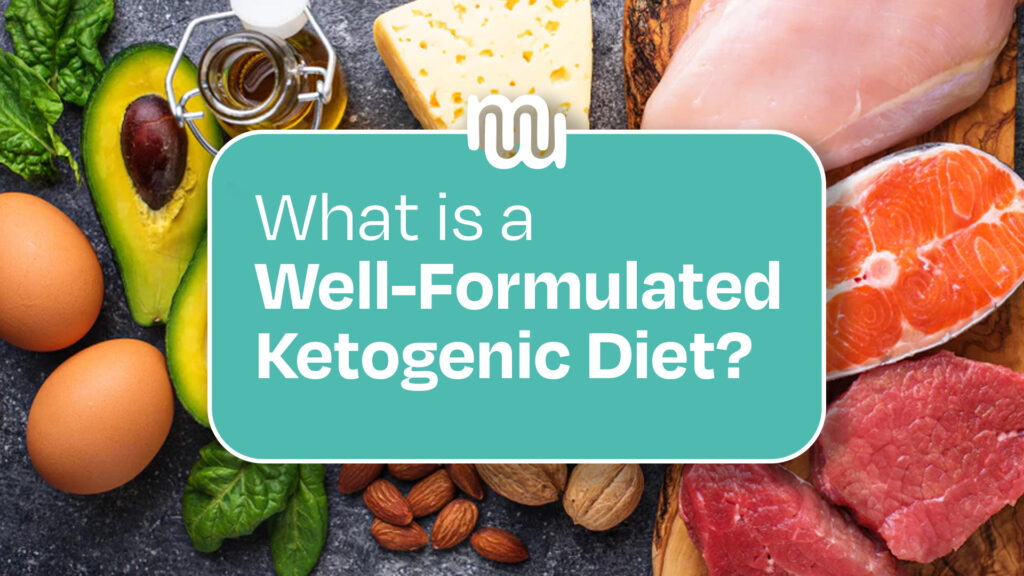
A Practical Guide to the Ketogenic Diet, Why Formulation Matters, and How a Nutrient-Dense Approach Can Unlock Its Full Therapeutic Potential. As research continues to uncover the therapeutic…
Read more

A ketogenic diet consisting of low-carb, high-fat foods may ease the symptoms of serious mental illness and reduce weight gain and other side effects. Read more here!
Learn more
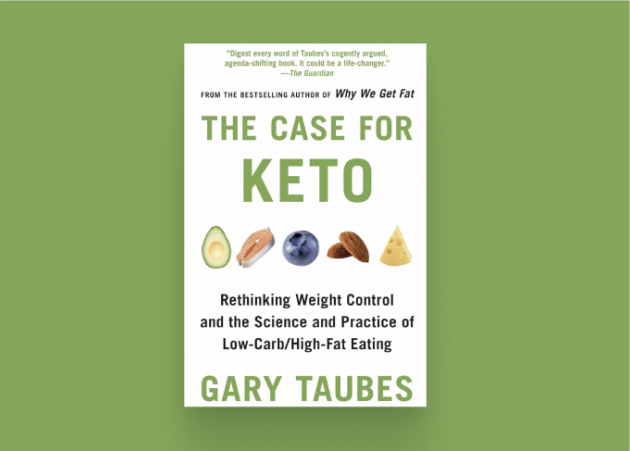
For fifty years, the medical establishment has preached the same rules for losing weight: restrict calories, eat less, and exercise more. Yet in that time, obesity in the United States has skyrocketed.
Learn more
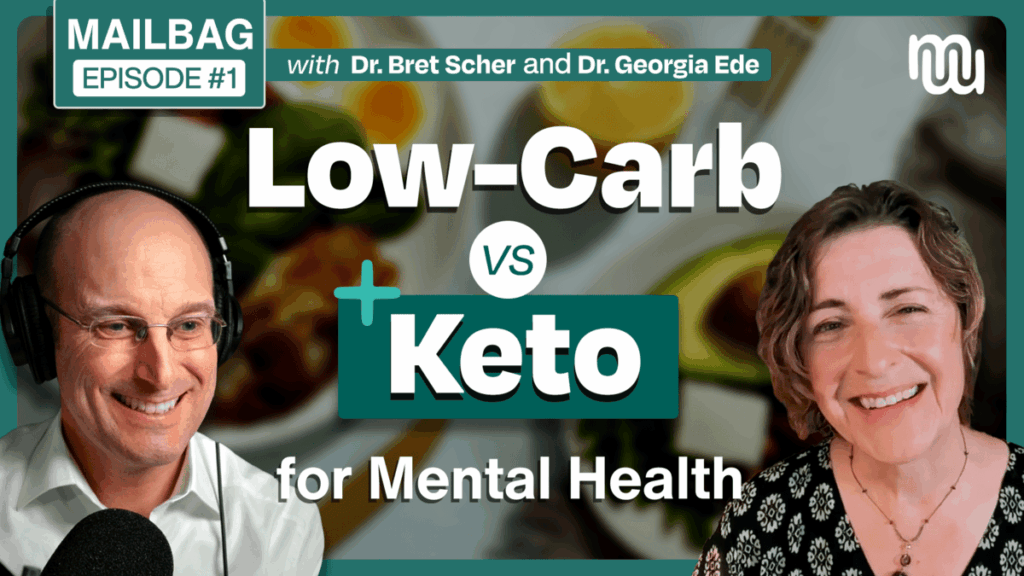
What’s the difference between a low-carb diet and a ketogenic diet, especially when it comes to mental health? In this premiere Mailbag episode, Dr. Bret Scher (Medical Director at Metabolic Mind) and Harvard trained psychiatrist Dr. Georgia Ede answer some of the most common questions they receive about ketogenic diets specifically for mental illness.
Learn more
A Practical Guide to the Ketogenic Diet, Why Formulation Matters, and How a Nutrient-Dense Approach Can Unlock Its Full Therapeutic Potential. As research continues to uncover the therapeutic…
Read more
A ketogenic diet consisting of low-carb, high-fat foods may ease the symptoms of serious mental illness and reduce weight gain and other side effects. Read more here!
Learn more
For fifty years, the medical establishment has preached the same rules for losing weight: restrict calories, eat less, and exercise more. Yet in that time, obesity in the United States has skyrocketed.
Learn more
What’s the difference between a low-carb diet and a ketogenic diet, especially when it comes to mental health? In this premiere Mailbag episode, Dr. Bret Scher (Medical Director at Metabolic Mind) and Harvard trained psychiatrist Dr. Georgia Ede answer some of the most common questions they receive about ketogenic diets specifically for mental illness.
Learn more