Get the latest on metabolic psychiatry. Subscribe.


Listen, Watch & Subscribe on:



What’s the connection between Depression, antipsychotics, and suicide risk?
Listen
About the host

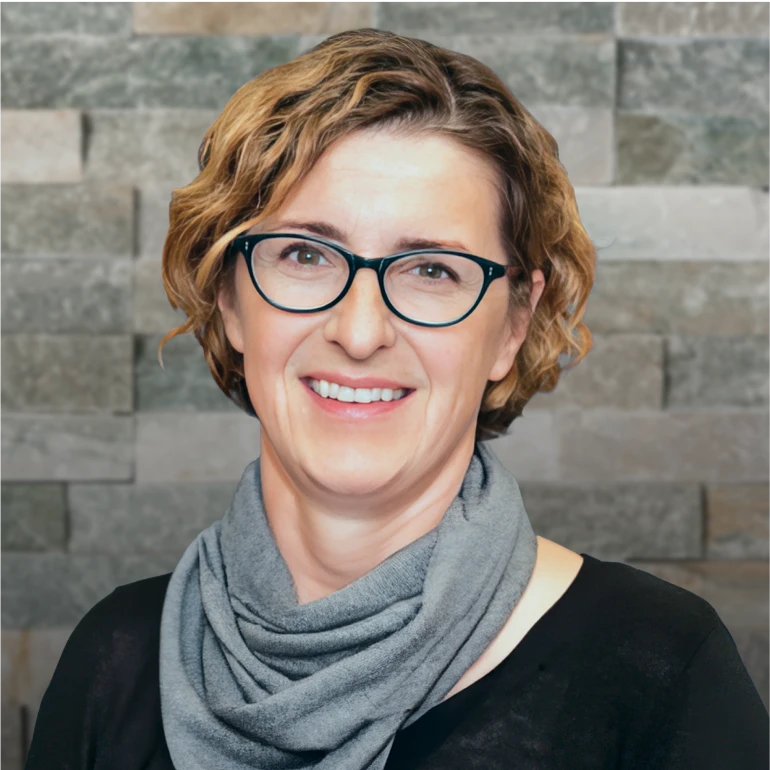
About the guest

Georgia:
Is it really treatment-resistant depression or is the treatment simply not the correct treatment for the depression?
Bret:
Welcome to the Metabolic Mind Podcast. I’m your host, Dr. Bret Scher. Metabolic Mind is a nonprofit initiative of Baszucki Group where we’re providing information about the intersection of metabolic health and mental health and metabolic therapies such as nutritional ketosis as therapies for mental illness.
Thank you for joining us. Although our podcast is for informational purposes only, and we aren’t giving medical advice, we hope you will learn from our content and it will help facilitate discussions with your healthcare providers to see if you could benefit from exploring the connection between metabolic and mental health.
If you or someone you love has treatment-resistant depression, this may be for you. I’m joined by Dr. Georgia Ede, and we review a really important new study that looks at people who have treatment-resistant depression, are already on two antidepressants, and then are either given a third antidepressant or an antipsychotic, and what happens to their suicide risk and their all cause mortality.
And the results may be a little surprising from what’s previously believed by many clinicians. But more importantly, we talk about what is treatment-resistant depression. Why are there maybe so many people who fall into this category, and what are some of the treatment options, and maybe even some of the better treatment options besides antipsychotics?
So I’m really pleased to be joined by Dr. Georgia Ede to go over these details. So I hope you enjoy this interview. Before we get started, but please be aware, the study is about suicidality. So we talk about suicidal ideations and death by suicide. So please be aware of that in case that is something that is triggering for you.
Dr. Georgia Ede, welcome. Welcome back to the Metabolic Mind.
Georgia:
Dr. Bret Scher, pleasure to be back.
Bret:
And this is an exciting interview. We’re going to talk about a very important study, but also we’re going to plant a little teaser here to just say that this is going to be the first of many videos and interviews and podcasts between the two of us as we explore together the world of metabolic, psychiatry, ketosis, nutrition and health, in general, in the near future. So I’m really excited to get started with you on that. So, thank you.
Georgia:
I am, too. I’m really excited about it. I look forward to many wonderful discussions and hopefully very helpful to viewers.
Bret:
Yeah. So, for this first one, we’re going to kick it off with this really interesting study. So the study is called Anti-Psychotic Therapy and Suicide Risk in Patients with Treatment-Resistant Depression, Target Trial, Emulation Framework Study. So, whole lot of words there for the study title. I always wonder if people have a competition, like, how long can we make our title?
Do you, would you win points from getting a longer title? But basically, if I can try and just boil this down to set the stage of what this study is, they did chart reviews. They looked at people who had been on two different antidepressants and did not have what they call optimal symptom relief.
So, then patients were either added on a third antidepressant or an antipsychotic medication and they tracked those individuals to see who had more or less suicidal ideation, suicidal death, and all cause mortality. So, that’s the bones of the study. But let me ask you before we even get into this.
Why would they do this study? And what’s the background of why they would want to look into this?
Georgia:
The reason why researchers might do a study like this is because it’s very common for psychiatrists to have this experience where a person comes in with depression and you prescribe an antidepressant, it doesn’t work very well.
Maybe it doesn’t work at all, or the person doesn’t tolerate it, and so you move on to a second antidepressant. And perhaps it doesn’t work very well, and then you don’t know what to do. What do you do after that? And so it’s becoming increasingly common for psychiatrists to turn to antipsychotic medications, either to add an antipsychotic to an antidepressant or to switch from an antidepressant to an antipsychotic.
And there’s this term and that is in the title of the paper, treatment-resistant depression, which is, sometimes used in research studies to describe people who have quote, failed two antidepressants, in a row.
And in this study, you had to have failed quote two antidepressants within, a period of a year. And you had to have been on each antidepressant for 28 days. And so the reason why this study is potentially important is because they were trying to understand the researchers, trying to understand whether the risks of prescribing an antipsychotic are worth the supposed benefits of prescribing an antipsychotic for treatment-resistant depression.
Bret:
Yeah. And I was interested to read in the study, they referenced prior studies that did suggest a lower risk of suicidal ideation and suicidal attempts for people who were prescribed antipsychotic medications, although they said they were small studies and not well controlled.
And so it was more of like a suggestion than a proof. So they looked to see that. And I like how you said, if the risks of the antipsychotics are worth it, right? Because this study really focused on suicidality. But let’s face it, antipsychotics are not a very clean drug and it’s not like they’re going to cure your depression and help your, potentially help, suicidality without other significant side effects. So, what are just, some of the main concerning side effects when someone starts an antipsychotic medication?
Georgia:
Yeah, so the antipsychotic medicines, they’re called antipsychotics, but they’re used for lots of different things.
They’re used for anxiety. They’re used for agitation. They’re used for insomnia. They’re used for treatment-resistant depression, not just psychosis. They’re used as mood stabilizers. They’re really used for a wide variety of conditions. And some of the problems, so many psychiatrists prescribe these medicines fairly frequently, but the problem with them is even though they can be helpful. I’ve personally seen antipsychotics be very helpful in many cases.
For example, one of the metabolic downsides of antipsychotics are that some of them can increase glucose and insulin levels within minutes to hours of the first dose. And so these medications are associated with very much higher risk of high blood glucose levels and therefore, eventually, type two diabetes, obesity, cardiovascular disease and everything else that comes along with poor metabolic health.
And these medicines do shave years off people’s lives when they’re taken for long periods of time, and they impair quality of life as well. Because one of the main reasons why people don’t like to take antipsychotics, even if they’re helping, is because they tend to cause quite a bit of stubborn weight gain.
And so that even if you were feeling, even if it’s helping your depression somewhat, now you don’t feel very good about yourself because you’ve gained 50 pounds. So, there are a lot of downsides to antipsychotics even when they do help.
Bret:
Yeah. So really important to understand that trade off.
And I feel bad we’re using the term antipsychotics as if they’re all one thing, but what are the, give us the examples of the main two or three antipsychotics that are used in this setting for treatment-resistant depression.
Georgia:
So, in the United States, there are four antipsychotics that are now FDA-approved to treat what’s called treatment-resistant depression.
And one familiar example, the generic name is Aripiprazole, the brand name is Abilify. Another medication familiar to a lot of people, the generic name is Quetiapine, and the brand name is Seroquel. The long-acting version of Seroquel, Seroquel XR, is approved for treatment-resistant depression.
And so those are two of the four. The other two are newer medicines, one is Brexpiprazole or Rexulti, and the fourth is Cariprazine, I always can never pronounce that, which is also known as Vraylar. So there are four antipsychotics that have been FDA-approved for treatment-resistant depression.
That doesn’t mean that they’re the only ones that could potentially be useful. It just means that those are the ones where the pharmaceutical companies have invested in, applying for, and trying to get approval for this particular indication.
Bret:
Okay, thank you for that. That’s helpful. So now, let’s just fast forward to the results.
So interestingly, they found when they first looked at the data, there was no difference in suicide deaths between the two treatment groups. But it did appear that those on the antipsychotic medication had fewer suicide attempts. Then they controlled, and this is where the statistics get into this, the clone sensor weight approach.
So, basically, they controlled for the timing of the medications because the antipsychotic medication tend to be added earlier than the third antidepressant. So, when they controlled for that, the bottom line is there was no difference in suicidal attempts or suicidal deaths.
But there was a small increase in total mortality. So, now we’re flipping this around and saying not only does it not protect you from suicide attempts, but it may actually increase death from other causes. So, how do you make sense of the results and put that into context of your practice?
Georgia:
So, as a clinician reading this paper, i’m looking for information that can help me make better decisions for my patients. And if we take the results of the study at face value, which is a big, if there are many limitations of the study that we don’t have time to go into today, but if we were to take the results at face value, then what this would say to me as a clinician is if I had been under the impression that prescribing an antipsychotic, but let’s say I have a patient who has not responded well to an SSR, I like Prozac, and then I try different medicine, such as venlafaxine or Effexor, and that also has not been very helpful.
My next step, if I was thinking that, and especially if this is a person who is at risk for suicide because they’ve had a history of suicidal behavior or suicidal ideation, I might think, maybe this, maybe prescribing an antipsychotic is not going to help them, is not going to give them any additional protection from suicide risk.
And perhaps I had been under that impression before that. And so perhaps I might have thought that, yes, the person may gain weight, they may have a higher risk of heart disease, they may develop type two diabetes, but at least they’re not going to die by suicide, or at least they might be plagued by suicidal ideation in years to come.
So, now I’ve got a different, I have a different equation to be looking at, to be weighing those two things against each other. If these medicines really don’t make a significant difference in risk for suicide, then maybe it’s not worth prescribing these medicines because of these metabolic side effects.
Now, suicidal thinking and suicidal death is not the only symptom of treatment-resistant depression. So, this is a situation where I, as a clinician, I may still reach for, depending on the circumstances, I may still reach for an antipsychotic and try that medicine depending on the circumstances.
And if it helps with many other aspects of the depression, even if the study has told me it’s not going to protect the patient, not going to reduce their risk for suicide, it may still, in that clinical context, still be worth using the antipsychotic. You have to still make that individual risk-versus-benefit calculation on a case-by-case basis for every patient you’re working with.
But if this study, if these findings are valid, it changes the balance of that equation. It changes the way I’m thinking about that decision.
Bret:
Yeah. And that’s really important to point out that there are so many other things that you are treating or looking for benefits from. This was very limited in its scope for suicidality, which obviously is very important in all cause mortality, which is very important.
But there’s so much more behind that. They didn’t look at the HAM-D or the MADRS or other measurements of depression symptoms. They didn’t look at quality of life. They didn’t look at so many other things.
So, I guess those questions remain unanswered based on this study alone. So, you would use your clinical judgment on whether to use the medications for those symptoms? Potentially, but not for the express purpose of reducing suicidality, especially in light of the potential side effects that you mentioned.
But now I think the bigger question is, what other options are there? And if you have somebody who you’ve tried two antidepressants and you’re a clinician and you’re like, oh, they’re not getting better, i’m stuck, I need to find a different medication. Do you or are there other ways? And, of course, I’m leading the witness, but tell me about how you would approach this about medications? Lifestyle? What are other options besides adding an antipsychotic medication?
Georgia:
Yes, and it brings us back to this term of treatment-resistant depression and is it really treatment-resistant depression or is the treatment simply not the correct treatment for the depression? And as we in the metabolic psychiatry world are discovering, and quite joyfully so, is that medications are not the only option for any for depression whether it’s treatment-resistant or not, medications are not the only option and we have. We can either add metabolic therapies to medications, which may be helping partly. We can even use metabolic therapies unless there’s an emergency situation. For example, we can offer metabolic therapies to people who are suffering from depression as an alternative to medication, if the clinical circumstances warrant that.
And what’s nice about this is that, and when I say metabolic therapies, I’m specifically, I’m talking largely about ketogenic diet. For example, dietary and lifestyle interventions that reduce insulin levels, reduce glucose levels, improve metabolic health, improve brain metabolism, reduce inflammation, reduce oxidative stress, reduce insulin resistance, target all of these deeper drivers of brain malfunction, which are causing, which are associated with all these symptoms of depression. So, most psychiatric conditions, including depression, increased levels of oxidative stress and insulin resistance and inflammation and so forth and the changing lifestyle, using diet, exercise, et cetera, improves metabolic health improves therefore brain metabolism and total brain health and can help with depression.
And we know this because we have studies that have shown, and including one that I co-authored in 2022, where if you have somebody with treatment-resistant depression, and they’re not responding to antidepressants, they’re not even responding to antidepressants plus antipsychotics. And you add the ketogenic diet to that medication mix, people’s depression improves, their metabolic health improves, and they’re often able to reduce the amount of the number of medications that they’re taking or the dosage of medications that they’re taking.
So if you provide this metabolically healthy foundation for the brain, that’s a much better starting place. If you’re not taking medicine yet, and it’s a wonderful adjunctive treatment, an add-on treatment, if you’re already taking a medicine that isn’t helping as much as you’d hoped it would.
Bret:
Yeah, that’s a really good perspective. And I think that’s really an important take home that when someone is labeled with that treatment-resistant label, I love how you said, is it the treatment’s just not working? Or is it just, is it the wrong treatment that is not targeted to maybe the root cause or an underlying cause? Or does it need an augmentation from more intensive lifestyle treatments and how that can dramatically change things?
And we saw that in the study that you and Dr. Danan published, which I think was so powerful. Are there other takeaways that you want people to learn from this study or to walk away with?
Georgia:
Yeah. I think the study, one of the things I think was really, as we said, the study has many limitations, but one of the strengths of the study was, this study came from, I think you may have mentioned from The Taiwan National Health Insurance Registry, which includes something like 99% of the Taiwanese population. So they know, and they have the data on how many people died by suicide, how many people were taking an antidepressant, followed by another antidepressant, followed by an antipsychotic because the National Health Insurance System tracks all of that information. So, it’s a very robust, it’s very robust in terms of its numbers. And I think one of the things that’s interesting to me is how many people, when you look at this study, there were 40,000 people in each arm of the study. It was a retrospective trial where they looked back over the records right from 2009 to 2020.
40,000 people they could put in each group because. There are so many people in just the small country of Taiwan who have this treatment-resistant depression. What does that tell us about the usefulness of the treatments that we think of as first line?
Bret:
Yeah, that’s pretty shocking. That’s pretty shocking for a small country like that to have that many people with treatment-resistant depression. That really stands out.
Georgia:
Couldn’t that perhaps mean that the first, the first line treatments, the things that we think are supposed to work, couldn’t that mean that the treatments are failing us?
That the treatments are not the correct treatments. That they’re not working nearly as well as they should.
Bret:
It doesn’t mean they won’t work in anybody. They will work in some people, but to assume that is the correct treatment for everyone clearly seems to be a little misguided and shortsighted.
Georgia:
If antidepressants are the best treatment for depression, you wouldn’t have 80,000 people not responding to two antidepressants in a row. And so all this means to me is that we need, we need another path forward. And so in addition to the medicines, which yes, do help some people, I’ve seen antidepressants help people.
I’ve prescribed antidepressants and continue to prescribe antidepressants for more than 25 years. So, I am not anti antidepressants. I am just for improving the landscape in terms of options for people, and improve and advocating for treatments, lifestyle-based treatments, which are extremely low risk, extremely high potential benefit, that can go to the deeper drivers of depression and improve brain health, regardless of whether you’re taking medicine or not.
Bret:
Yeah. I think that’s a great way to take a bigger look at the whole picture of what this study represents. And again, maybe a little foreshadowing that we’ll have a series of Alternative options for treatment-resistant depression, where we can explore different options and see how they stack up so that people don’t think the only option is one more drug because it’s clearly not the case.
So I really appreciate you joining me to discuss this important study and really putting it into perspective, both for clinicians and patients, for how to walk away with this. So thank you so much.
Georgia:
Thank you very much.
Bret:
I want to take a brief moment to let our practitioners know about a couple of fantastic free CME courses developed in partnership with Baszucki Group by Dr. Georgia Ede and Dr. Chris Palmer. Both of these free CME sessions provide excellent insight on incorporating metabolic therapies for mental illness into your practice. They are approved for AMA category one credits, CE nursing credit hours, and continuing education credits for psychologists, and they’re completely free of charge on mycme.com. There’s a link in the description. I highly recommend you check them both out.
Thanks for listening to the Metabolic Mind Podcast. If you found this episode helpful, please leave a rating and comment as we’d love to hear from you. And please click the subscribe button so you won’t miss any of our future episodes.
And you can see full video episodes on our YouTube page at Metabolic Mind. Lastly, if you know someone who may benefit from this information, please share it as our goal is to spread this information to help as many people as possible. Thanks again for listening, and we’ll see you here next time at the Metabolic Mind Podcast.
Listen, Watch & Subscribe on:
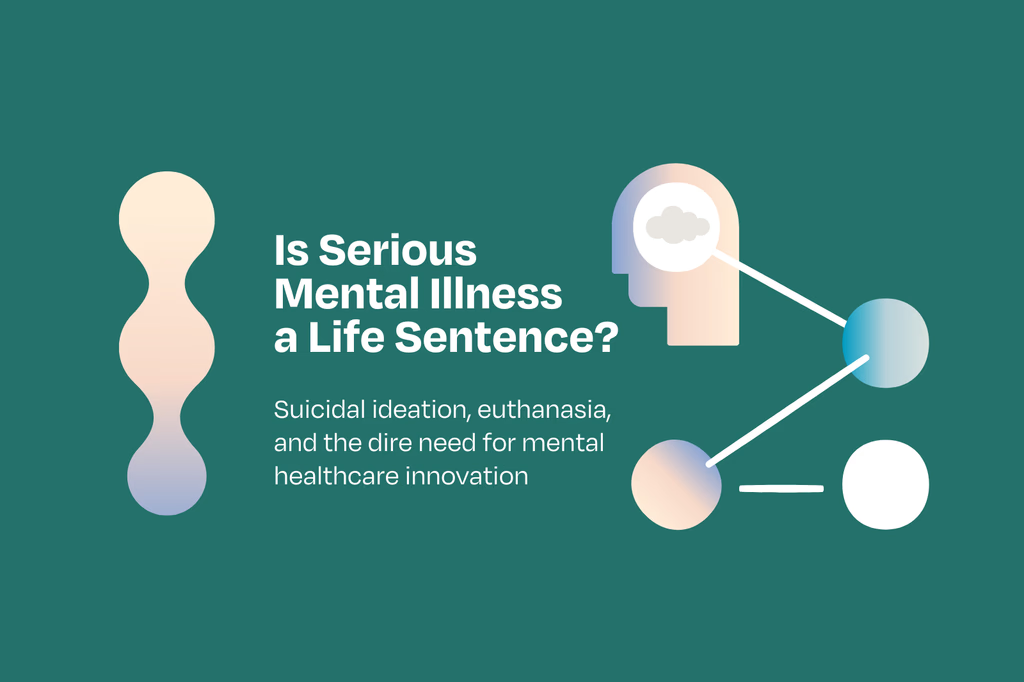
Have you ever woken up and felt like you were no longer yourself? As though overnight, your identity slipped through your fingers, leaving behind a person you didn’t…
Read more
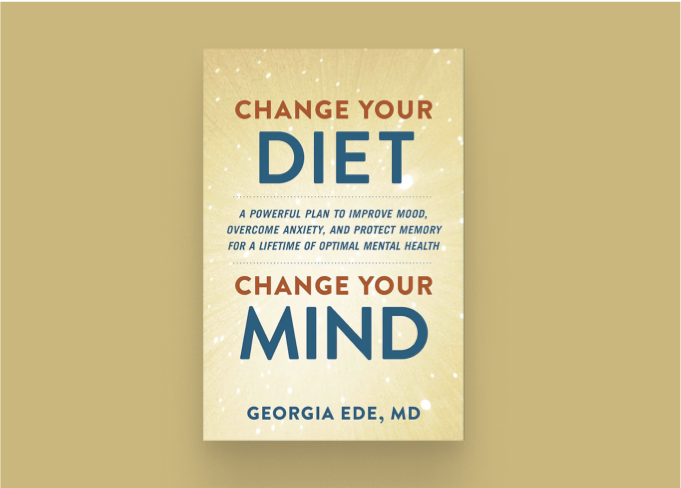
A powerful plan to improve mood, overcome anxiety, and protect memory for a lifetime of optimal mental health.
Learn more
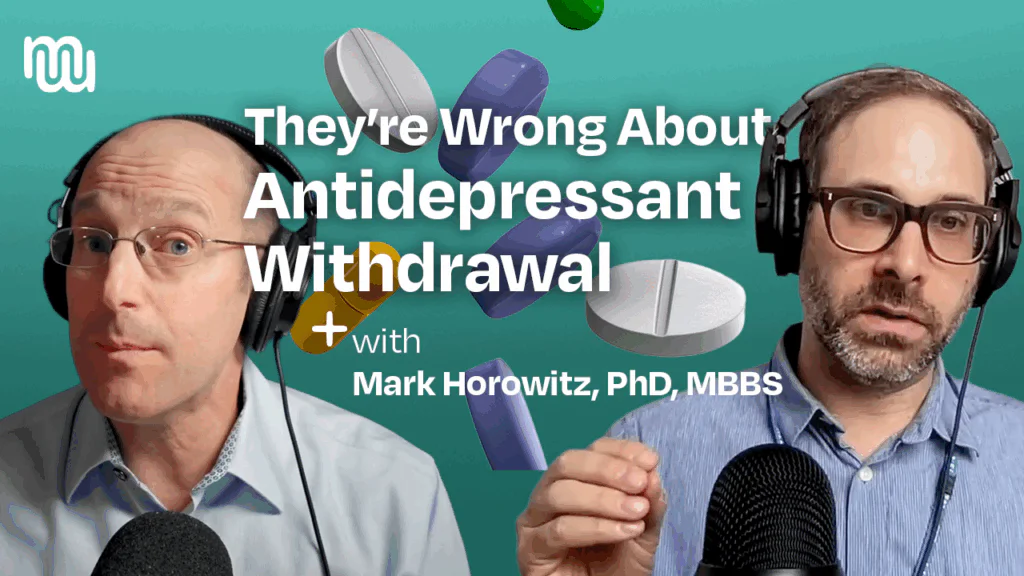
Does psychiatric medication withdrawal exist — or is it just a myth? For anyone who’s lived through it, the question alone can feel insulting. Psychiatric drug withdrawal is real. While the experience varies widely, for many, it’s not “brief and mild” as many guidelines state it is. It can be intense, destabilizing, and often misunderstood. One of the most painful challenges is trying to determine whether what you're experiencing is withdrawal or relapse.
Learn more
Have you ever woken up and felt like you were no longer yourself? As though overnight, your identity slipped through your fingers, leaving behind a person you didn’t…
Read more
A powerful plan to improve mood, overcome anxiety, and protect memory for a lifetime of optimal mental health.
Learn more
Does psychiatric medication withdrawal exist — or is it just a myth? For anyone who’s lived through it, the question alone can feel insulting. Psychiatric drug withdrawal is real. While the experience varies widely, for many, it’s not “brief and mild” as many guidelines state it is. It can be intense, destabilizing, and often misunderstood. One of the most painful challenges is trying to determine whether what you're experiencing is withdrawal or relapse.
Learn more