Get the latest on metabolic psychiatry. Subscribe.


Listen, Watch & Subscribe on:



What Do Adenosine, Forests & Keto Diets Have to do with Brain Health?
Listen
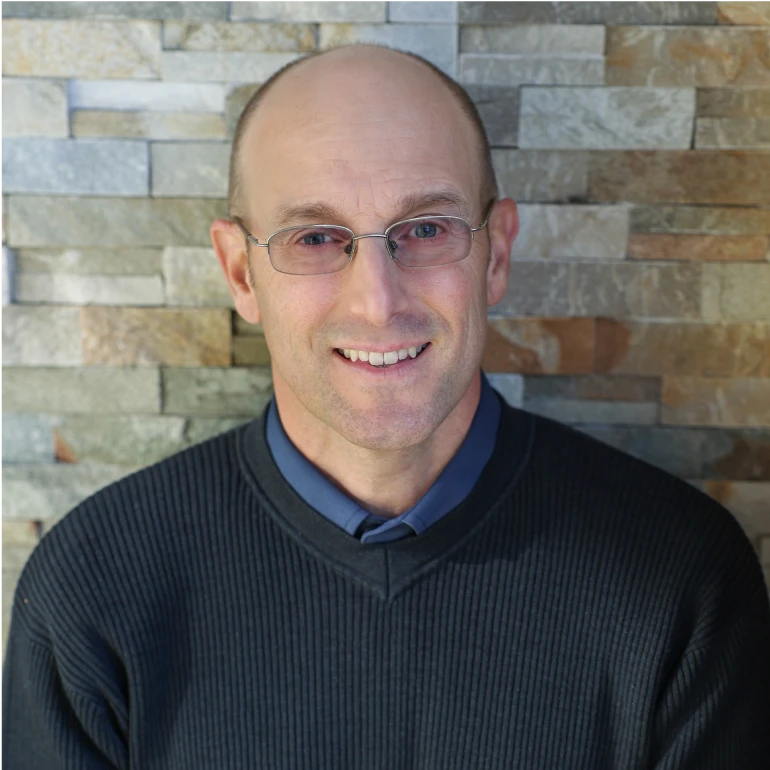
About the host
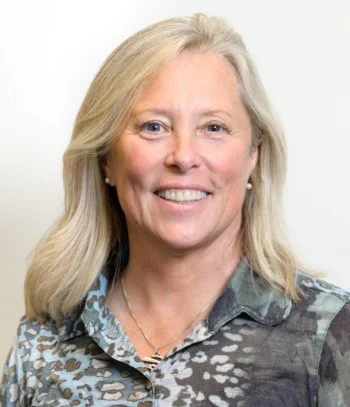
About the guest

Bret:
Welcome to the Metabolic Mind Podcast. I’m your host, Dr. Bret Scher. Metabolic Mind is a nonprofit initiative of Baszucki Group where we’re providing information about the intersection of metabolic health and mental health and metabolic therapies, such as nutritional ketosis as therapies for mental illness.
Thank you for joining us. Although our podcast is for informational purposes only and we aren’t giving medical advice, we hope you will learn from our content and it will help facilitate discussions with your healthcare providers to see if you could benefit from exploring the connection between metabolic and mental health.
Welcome back to Metabolic Mind, a non-profit Initiative of Baszucki Group where we focus on the intersection of metabolic health and mental health and metabolic therapies, like ketogenic therapies as treatment for mental illness. I’m Dr. Bret Scher. Today, we’re continuing with a series of interviews we did at the 8th Global Symposium on Ketogenic Therapies, and today it’s with Dr. Susan Masino.
Now, I love reading her titles because she is a Professor of Neuroscience and Psychology at Trinity College, and she’s also the Charles Bullard Fellow in Forest Research at Harvard Medical School. That’s a pretty cool combination that neuroscience, psychology and forest research. But so, she’s got what she says is this dual life that she lives.
But she’s trying to bring them together to show how forestry nature, how that is so important in mental health, but also the research she’s doing about adenosine, and what adenosine teaches us about ketogenic therapy. So, she’s a fascinating individual doing incredible work in this field. So, I was really pleased to sit down with her for this interview to talk about her work and talk about how this applies to potentially using ketogenic therapies to help people with mental illness and how nature fits into this whole puzzle now.
But also, please remember our channel is for informational purposes only. We’re not providing individual or group medical or healthcare advice or establishing a doctor-patient relationship. Changing your lifestyle or medications to treat certain medical conditions can be dangerous if done without proper supervision.
So, please consult with your healthcare provider first. But with that, I hope you enjoy this interview with Dr. Susan Masino.
Dr. Susan Masino, thank you so much for joining me here at the ketogenic therapeutics conference.
Susan:
Thank you for having me. It’s so exciting to be here.
Bret:
Yeah, you gave a great talk this morning that I want to get into some of the details about because I find it so fascinating. But briefly, just give us a brief background on who you are, where you are, and why you’re here as a speaker today.
Susan:
Sure, I’m a professor at Trinity College and my official title is Professor of Applied Science. My PhD’s in biology, and I’m primarily a neuroscientist. And I actually got into the ketogenic diet as a research area via my work on adenosine as a molecule that’s evolutionarily conserved and important for so many things.
So, I am an unusual case in the ketogenic diet world because I came to this really through basic science.
Bret:
Yeah, I find that so interesting because people can come from different areas. And so your talk today had quite a bit to do with adenosine, but also this concept of ketogenic diet as a therapy, which is what this whole conference is about, but how it’s multi-faceted or multi-modality, which as you said, doesn’t fit the single lock and key approach that we do so often with drugs.
Here’s this one mechanism, this one problem. Let’s address it with this one intervention. But that concept of ketosis is different. So, tell us a little bit about that.
Susan:
Yeah, this is something that has been an evolution in my scientific thinking as well. Because when I started working in this area, everyone’s question was what is the mechanism?
And I think, both from my perspective as a systems neuroscientist and my work on adenosine, I know that there’s so many different things that can be going on. And I think of the ketogenic diet as a whole box of puzzle pieces, and you don’t know which puzzle pieces are going to be critical for addressing different conditions.
And so it’s actually, I think, super powerful to have such a pleiotropic, multi-mechanism therapy that’s not toxic, right? So, it’s just a matter of, do you have the right puzzle pieces and the right size puzzle pieces to address the things that are going awry?
Bret:
Yeah. And from a patient perspective, right?
The patient doesn’t care why it works as long as it works, right? But from a, maybe from a clinician or certainly a researcher perspective, a lot of them would be very dissatisfied with that. So, how do you, as a researcher, try and like bridge that gap between the research not being completely clear on the mechanism, like in boiling it down to what’s important for the patient?
Susan:
That’s an interesting question. I almost feel like I have the best of both worlds because I feel like I’m able to take that holistic point of view and not get unsettled by it. But at the same time, I think my work on adenosine has provided a really key mechanism in how the ketogenic diet can work because adenosine is involved in energy, which is critical for everything.
It’s involved in signaling in neuronal activity, which is critical for addressing epilepsy and many conditions, which are characterized by abnormal activity. And it’s also involved in epigenetic changes. So, if you want a reverse disease or cure disease, kind of unraveled dysfunction, you need to promote some long-term changes.
So, just that one mechanism itself has multiple opportunities.
Bret:
Then, how do you connect ketosis with adenosine? What’s the connection there?
Susan:
This is how, this is my backstory of how I came to it through my basic science, is I was really interested in trying to understand how adenosine is regulated.
Because adenosine is neuroprotective. It stops seizures. It’s regulating neuronal activity all the time. But you can’t give adenosine as a therapeutic molecule because it’ll stop your heart. And that’s considered an unacceptable side effect in drug development.
Bret:
Yeah, I understand that.
Susan:
So, I was looking at how could adenosine be regulated in the brain, and through a bunch of work on physiological conditions that altered adenosine. Changes in temperature, changes in pH oxidative stress.
A whole bunch of experiments that I did using kind of physiological manipulations. I came upon an idea that ketone-based metabolism could increase adenosine, and I didn’t know that there was a ketogenic diet. So, I was trying to work on this hypothesis to increase a molecule that I knew was profoundly neuroprotective, able to stop any kind of seizure.
Not knowing that ketone-based metabolism is the foundation of a diet that does exactly that. So, that’s how I got into it. It’s has been a very exciting opportunity as a scientist.
Bret:
Yeah, so interesting that you can’t give adenosine as a drug, but you can give things that can maybe improve the endogenous adenosine that already exists and the function of it.
And then that can be a mechanism, but again, not the one and only mechanism but a mechanism. So yeah, I like how you tied that together. That you have the best of both worlds because you came from a mechanistic standpoint, but you still understand the pleiotropic effects of it.
Susan:
Yes.
Bret:
Yeah, exactly. Yeah, so another part of your talk, which I found fascinating, was the preconditioning for a stroke or to, I can’t describe it as well as you can. So, tell us about that because I found that so interesting.
Susan:
Yeah, I tried to introduce that concept at this meeting to try and talk about how adenosine or ketone-based metabolism can be like a platform for better resilience and health.
And that’s the foundation for a phenomenon called preconditioning, where if there is an insult that’s a minor insult, having that happen could then be protective against a subsequent bigger insult, like a stroke or some kind of tragic thing. You’d be protected from that by this prior insult.
And the interesting thing is you could have a change in temperature that would then protect you from a stroke. Or you could have a metabolic poison, slight dose of a metabolic poison, that would then precondition you and protect you from a subsequent insult. So, there’s almost cross-pollination, cross-support in this general preconditioning mechanism and adenosine is pivotal in preconditioning.
That’s one of the essential mechanisms in preconditioning. And there have been recent papers that have started to come out about ketogenic diet also being something that can help with preconditioning, both with preserving behavioral and motor function, and also reducing the size of the area affected by the stroke.
And showing that adenosine was critical to that preconditioning caused by a ketogenic diet. So, I almost think if you get your system preconditioned like this, you’re able to withstand any, almost any kind of insult that might happen. And that’s a really powerful thing to think about in promoting and curating your own brain health and resilience.
Bret:
And that really frames the discussion instead of a treatment reacting to something that’s happened, but almost like a prevention to use it pre-emptively to protect. Yeah, and I think that’s so important.
Susan:
Yeah, and that’s really how I’ve started thinking about my work. I know that most funding is for disease.
But the reason why I really started to get focused on brain health is the better brain health you have, the less vulnerable you’ll be to disease, or the slower the progression would be, to the disease. Or perhaps, you can prevent it entirely or reverse it?
Bret:
Yeah, but again, it comes down to how does that filter to the clinicians and then to the patients as something that, yes, we should try?
Yes, something is going to be beneficial. And yes, is safe. Where do you think we are in that spectrum? What’s it going to take to get to that level where it’s more widely accepted?
Susan:
I’ve been thinking about for a long time how to make low-carbohydrate ketogenic approaches, and this idea about brain health, more real community-based as a tool in the toolbox for people who care about their brain health, which is hopefully everybody.
And how to make it more accessible to people, literally, in their communities. And so, I have some ideas about that I want to explore, and maybe that will be a way to make it more accessible for people who are open-minded about trying it. Because I think if we relegate this to people who are then at the doctor to have a serious problem that needs to be unraveled.
It’s just a limited number of people that have access and or have a terrible condition, right? We want everybody to have better brain health, and I think we need to get it more widespread. Teach people how to do this in communities and just make it a lot more accessible.
Bret:
Yeah, I think that’s a really good discussion about ketosis, its relationship to adenosine, the mechanisms we know and the many mechanisms that also can occur. And then, how to get that information out there. But then, transition to something seemingly very different, but actually related.
You talked about your double life, so to speak.
Susan:
Oh, yes. Yes.
Bret:
That not only are you a scientist doing all this research, but you’re also very involved in the environment, in forests and trees and the impact that can have on mental health. So, tell us a little bit about that and the connection there.
Susan:
Yeah, so in my kind of quest of, what are the tools in the toolbox to promote brain health? And I know from being a college professor, spending time in nature is so important to my students. It was so important to me growing up. There’s been so much research coming out on that, and I did a fellowship at Harvard a few years ago that was joined between Harvard Forest and Harvard Medical School, trying to look at what’s the quantified evidence for benefits, what conditions might they help, et cetera?
So, that kind of got me into a very interdisciplinary approach to try and optimize climate benefits, biodiversity benefits, health benefits, clean water, preventing flooding. What are the ecological lifelines that we all need for all of these different benefits, and how can we identify them and get them protected?
So, I really, wrote a very seminal paper a few years ago on proforestation, and it was a collaboration with a climate scientist and an ecologist, basically. And we said, we need to identify what are suitable natural areas that we allow all these benefits to occur. So, of course, we need some areas for resources. And we need farms. And we need parks.
We need all these different things, but we need a strategic plan to identify the ecological lifelines that we all need. It’s almost, you know how farmers will save their seed corn, right? This intact ecology that gives a full spectrum of species and molecules above and below ground and allows things to move around is like our common treasure and our common seed corn.
And you don’t eat your seed corn. You don’t do experiments on your seed corn unless you’re really in bad shape. That’s my mission now is to combine all of my values to try and help make a strategic recipe. Really, like how could an area determine, what are the key lifelines that they really need?
Bret:
Yeah, and it’s so interesting. On the surface, it could seem like they’re so different. Like they’re completely unrelated, like you said. No, they actually are related because the more time you spend in nature, the better it is for your brain health overall. So, there is that connection backed by science, which I think is so fascinating.
So, there really is this connection, but even if you took them individually, they’re both so worthwhile to pursue. But when you see that there’s a connection between them, it’s even bigger.
Susan:
And I’ve seen this escalating in my students, the mental health crisis, which we’re all very aware of, and everyone should have access to a place that they can fall in love with and just know that it’ll be there for them.
And I feel like it’s a real opportunity to reduce loneliness and all of the kind of anxiety and depression that people feel for so many different reasons. And so to address brain health and prevent mental illness, we really need all the tools in the toolbox. And here’s a tool that would help with so many other things at the same time. So that’s, I think, the power.
Bret:
And that is a great perspective because when you talk about ketogenic therapies, and that can have such a profound impact, but it doesn’t affect everything. It’s not going to impact loneliness, excuse me, loneliness necessarily.
And it’s not going to do the same as if you’re out in nature. But by combining those, and again, tools in the toolkit that you can use.
Susan:
Yeah, so that would be my dream to have, I don’t know, a place where we could put all these tools together and really help people and use that as an opportunity to educate people about what are these low cost ways that you can curate your own brain health.
Because ultimately, we need to get preventative about these problems.
Bret:
Right? Do you want to take the expensive medications with side effects when the problems already happened, or institute the lifestyle in environmental changes that can make it impact now?
Susan:
Yeah, do you want to spend your time in the doctor’s office or spend your time outside?
Bret:
Found. Sold. Outside.
Thank you so much for joining me. I really appreciate it. If people wanted to find out more about you or learn more about your work, where would you direct them?
Susan:
You could probably just Google me at Trinity College or Google me on Google Scholar or PubMed. My papers are on there and actually have a number of my talks on forests and brain health and nature that are also online that people might want to check out.
Bret:
Great. Thank you.
Susan:
Great. Thank you so much.
Bret:
Thanks for listening to the Metabolic Mind Podcast. If you found this episode helpful, please leave a rating and comment as we’d love to hear from you. And please click the subscribe button so you won’t miss any of our future episodes. And you can see full video episodes on our YouTube page at Metabolic Mind.
Lastly, if you know someone who may benefit from this information, please share it as our goal is to spread this information to help as many people as possible. Thanks again for listening, and we’ll see you here next time at The Metabolic Mind Podcast.
Listen, Watch & Subscribe on:
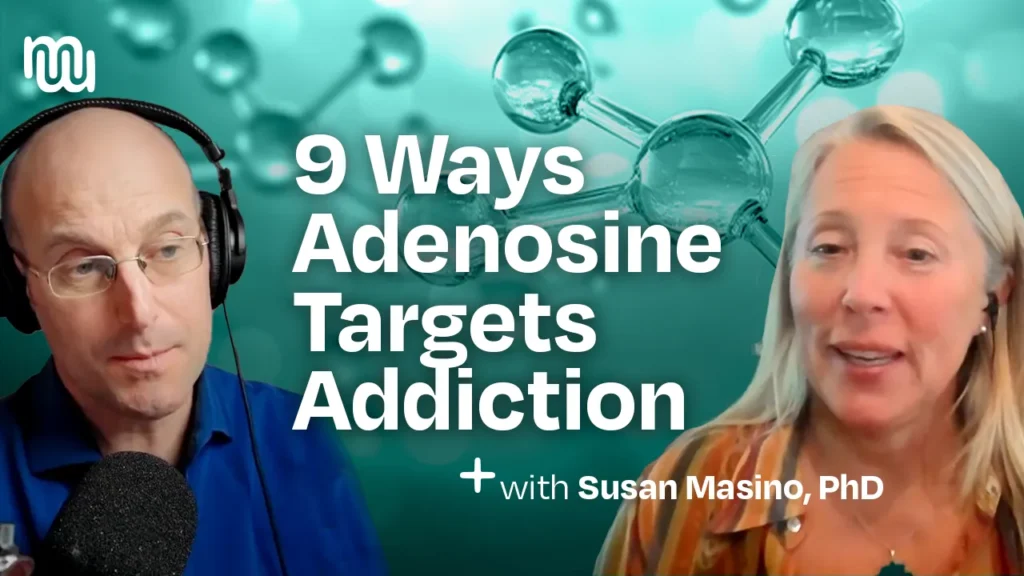
Can adenosine and a ketogenic diet help treat addiction? New research explores the powerful role of adenosine, dopamine, and metabolic health in addiction, and how dietary strategies could support recovery.
Read more
In this video, we delve into a hotly debated topic: Does a ketogenic diet impact cortisol levels and adrenal health? While some claim that sustained ketosis could lead…
Learn more
This Metabolic Mind episode features psychiatrist Dr. Nick Fabiano on why the gym staple creatine may also benefit depression. He explains how creatine supports brain energy (ATP/phosphocreatine) and reviews emerging evidence showing faster, greater antidepressant responses when added to SSRIs or CBT. The discussion covers practicals—typical dosing (5g/day), safety, supplement quality—and open questions about optimal dosing, diet context, and pairing with exercise. Listeners get a balanced take on who might consider creatine and what to discuss with their clinicians.
Learn more
Keto Mojo is a brand of blood ketone and glucose monitoring kit designed for individuals following a ketogenic diet. It provides a convenient way to track ketone levels…
Learn more
Can adenosine and a ketogenic diet help treat addiction? New research explores the powerful role of adenosine, dopamine, and metabolic health in addiction, and how dietary strategies could support recovery.
Read more
In this video, we delve into a hotly debated topic: Does a ketogenic diet impact cortisol levels and adrenal health? While some claim that sustained ketosis could lead…
Learn more
This Metabolic Mind episode features psychiatrist Dr. Nick Fabiano on why the gym staple creatine may also benefit depression. He explains how creatine supports brain energy (ATP/phosphocreatine) and reviews emerging evidence showing faster, greater antidepressant responses when added to SSRIs or CBT. The discussion covers practicals—typical dosing (5g/day), safety, supplement quality—and open questions about optimal dosing, diet context, and pairing with exercise. Listeners get a balanced take on who might consider creatine and what to discuss with their clinicians.
Learn more
Keto Mojo is a brand of blood ketone and glucose monitoring kit designed for individuals following a ketogenic diet. It provides a convenient way to track ketone levels…
Learn more