Get the latest on metabolic psychiatry. Subscribe.


Listen, Watch & Subscribe on:



Keto For Alzheimer's: A Treatment Whose Time Has Come
Listen
About the host

About the guest


Bret:
Welcome to the Metabolic Mind Podcast. I’m your host, Dr. Bret Scher. Metabolic Mind is a nonprofit initiative of Baszucki Group where we’re providing information about the intersection of metabolic health and mental health and metabolic therapies, such as nutritional ketosis as therapies for mental illness.
Thank you for joining us. Although our podcast is for informational purposes only and we aren’t giving medical advice, we hope you will learn from our content, and it will help facilitate discussions with your healthcare providers to see if you could benefit from exploring the connection between metabolic and mental health.
Welcome back to Metabolic Mind. I’m your host, Dr. Bret Scher. Metabolic Mind is a nonprofit initiative of Baszucki Group where we focus on the intersection of metabolic health and mental health and metabolic therapies, like nutritional ketosis as therapies for mental illness. Today we’re going to kick off a series of videos diving deeper into the topic of therapeutic nutritional ketosis as a treatment for dementia and specifically Alzheimer’s dementia.
Nutritionist, Amy Berger, literally wrote the book on using nutritional ketosis as a treatment for Alzheimer’s disease called, The Alzheimer’s Antidote. She joins us today to discuss two new studies that were recently published, and how they fit into the overall scientific environment surrounding ketogenic therapies as an option to treat dementia.
She’s been called a source of sanity in the sea of nutritional madness, and frequently talks about keto without the crazy. And she’s also the co-author of, End Your Carb Confusion, along with Dr. Eric Westman. You can find her at toitnutrition.com or on Twitter at TuitNutrition. But before we get to the interview, please remember our channel is for informational purposes only.
We’re not providing individual or group medical or healthcare advice or establishing a provider patient relationship. Many of the interventions we discuss can have dramatic or potentially dangerous effects if done without proper supervision. Always consult your healthcare provider before changing your lifestyle or medications.
All right, so now let’s get on with the interview with Amy Berger. So Amy, we heard about you in the introduction. And we heard you really know, you do a lot of different things within the world of keto, and one of them was writing this book about Alzheimer’s disease and the potential use for nutritional ketosis as a treatment for cognitive decline in Alzheimer’s disease.
So, I’m curious, of all the things, why did you pick that to write about?
Amy:
It’s actually a funny story. I have no family history of Alzheimer’s at all. But I had been eating a low carb diet myself for a few years, mainly for the purpose of weight loss.
And I read the book, Good Calories, Bad Calories, which I’m sure many of the listeners and viewers here are familiar with. And Gary Taubes had a chapter in that book that focused on cancer, dementia and aging. And it was the first place I had ever heard about a potential connection between glucose, insulin and Alzheimer’s.
And not having a family history, it was oh, that’s interesting, whatever. it wasn’t that fascinating to me at the time. But a few years later, when I was in graduate school for nutrition and I was looking for a thesis topic, and I was still eating low carb all those years.
I said, let me go back to that Alzheimer’s thing and see is there even enough research on it. I was going to do a literature review. Is there even enough research for me to do this? And when I started looking on PubMed and on all the other search engines, I could not believe how much there was.
And this, we’re talking now, this was 2011, so this is already a decade ago, and there was so much. The phrase type III diabetes, I think, was already being used at that time, brain insulin resistance. And I said, oh my goodness. I’ve already been learning about low carb and keto diets for a long time.
How is this the first time I’m really seeing about, why is this not on the six o’clock news? And so, I wrote my thesis about the brain energy problem and the potential use of ketogenic diets in Alzheimer’s. And after I graduated, I said, I have to get this out to the world. Otherwise, this is going to sit on my professor’s desk, and no one’s ever going to see it.
I expanded upon what I wrote in school and made it into a book, and I self-published it. And I was just really lucky that a publisher actually found it, and offered me a book deal. I didn’t have to get an agent or do a book proposal, but there was the more, the merrier as far as I’m concerned with low carb and, keto books.
But there were no books about this at that time. There were plenty of books about weight loss and diabetes, but there was nobody really talking about the brain at that time. Now, there’s more, but not back then.
Bret:
And I think you really hit it that people were hungry for this. That’s why the book publisher wanted it because they knew there was a demand for this.
Because we’ve heard the statistics that are just devastating about how many people are suffering from Alzheimer’s disease, and frankly, the cures or the treatments rather are terrible. Like all this money and drug research have really come up with next to nothing to dramatically delay or improve the symptoms of Alzheimer’s disease.
So, people are really looking for something desperately. And so, I think that’s why your book really resonated with so many people. Ah, here’s something that could help that we haven’t heard of. As with anything though, as with many nutritional interventions that haven’t been rigorously studied in 10,000 people in randomized controlled trials because the pharma money isn’t there, and we’ve heard about all that.
But as with many situations like that, there’s a lot we know, and there’s a lot we don’t know. So, if you were to summarize what we know about nutritional ketosis for Alzheimer’s, what’s the the elevator pitch, the one minute summary about what we know?
Amy:
I don’t know if this is a minute, but the main problem in the Alzheimer’s brain is a fuel shortage. The brain is not getting enough fuel, and the fuel shortage is specific to glucose. So, we have neurons that are not receiving enough energy. So, of course, they are malfunctioning, of course, they’re starting to atrophy. And we also know for certain that ketones can replace that fuel, at least to some extent. Maybe not a hundred percent, but if the main problem is that there is an energy gap, we can use ketones to fill that gap, at least a little bit, which is more than, like you said, more than any pharmaceutical drug does.
That is the main thing. This is an energy shortage in the brain and ketones, whether they come from a ketogenic diet or exogenous ketones, they can at least give a little bit of energy to these starving cells.
Bret:
Yeah, and there was a paper published recently that sort of looked at the mechanisms of how nutritional ketosis can work for dementia, for Alzheimer’s disease.
Really talking about the different fuel source with ketones, decreased neuroinflammation, and decreased oxidation. So, when you look at the mechanisms, what strikes you? It’s the fuel source, of course, like you mentioned, but what strikes you as the other potential impacts of the mechanisms there?
Amy:
For me, definitely, like you said, the main thing is that if, to use simple terms, if the brain is starving to death, which that’s really what it is, let’s give it some fuel. So, that’s number one. But when we use the phrase, brain insulin resistance or type three diabetes, okay. That sort of automatically implies there’s something going on with glucose and insulin.
And so, to whatever extent that type II diabetes or metabolic syndrome and chronically high insulin, even in the absence of diabetes, to the extent that any of those is actually an underlying cause of Alzheimer’s or a major contributing factor, then a ketogenic diet can actually be thought of as a disease modifying diet.
It’s not just that the ketones are giving you fuel. It’s that we are actually correcting the hyperinsulinemia, the hyperglycemia, the inflammation, like any of these other things that might actually be causing the problem. Then, at least the diet is going to address some of those underlying causes. Not to mention, I mean there’s so many other mechanisms.
There’s potentially more GABA in the brain. There’s potentially more, the mitochondrial biogenesis, if the problem is that we don’t have enough energy, let’s create more little energy factories. And I don’t know if they’ve shown this in humans, but in animal studies, ketogenic diets increase mitochondrial biogenesis, the making of new mitochondria.
So it’s a ketogenic diet it. There are so many different things that might be contributing, and it’s hard to say which it is. It’s probably a lot. It’s not won all by itself.
Bret:
Yeah. And so many great points to talk about there. So again this review article that I just mentioned, also talked about mitochondria. And I think that’s so interesting because mitochondria is a big topic at Metabolic Mind, and about nutritional ketosis for mental illness, thanks in large part to Dr. Chris Palmer and his book about brain energy focusing on mitochondrial function.
The same thing holds true for dementia and Alzheimer’s disease because it’s all about brain energy, or not all about but a big part of it, is about brain energy, whether you’re talking about mental illness or dementia. And I really like how you brought up that it’s not just the ketones in the brain. It’s also the metabolic dysfunction, the insulin resistance, which makes it so interesting and so complicated to study.
Because then are we talking about just giving ketones with MCT oil or exogenous ketones, or are we talking about an entire keto diet maybe supplemented with MCT oil or exogenous ketones? And that’s one thing that can actually complicate the scientific field because we don’t have one protocol.
There’s not one thing to do. There are a number of different ways to study it. And I guess isn’t, this isn’t a question, this is just me babbling. So, sorry about that. But I find that interesting that it does complicate things. But the other part then, you talked about GABA.
So, there’s another study that came out recently that looked at the gut microbiome and how that changed for people with cognitive decline or without, starting what they called a modified Mediterranean ketogenic diet versus an American Heart Association low fat diet. And they found a difference in the microbiome as it related to GABA.
And so the conclusion was this could be potentially beneficial for Alzheimer’s disease. Now, that can be a confusing study for people because on the one hand, the headlines would be like, modified keto diet improves Alzheimer’s disease. No, they didn’t really study those outcomes. It was a surrogate with the microbiome.
So, I want to get your opinion, and your take on this study, and, what you took away from it. What do you think it contributes to what we know or don’t know about keto and dementia?
Amy:
Yeah, first, can I just go back real quick to something you said before? You weren’t just babbling, you brought up something really important, which is, it’s hard.
It does make it complex to study the diet. And that’s why so much of the research on this has not used a ketogenic diet. It’s used MCT oil or some type of blended MCT-type of drink. Because at least then, the researchers can isolate the only thing we changed, is we gave these people MCT oil. Whereas, when you change somebody’s diet so radically, so many other things happened that you can’t say the outcome we saw was because of this, when 20 different things happened.
So, that’s an issue. But so this study, I didn’t love it, but I want to first say I’m glad that anyone is studying any of this at all. I’m glad that people are trying to dig deep and look for answers elsewhere because, like you said, the existing drugs are almost useless. They are very disappointing. They’re not that effective, not at all.
I call myself a microbiome skeptic. I just am not so sure whether the gut biome is the cart or the horse. So, to the extent that the gut biome is going to be associated with any changes in cognitive function or anything else. Is it the gut? Is it those particular strains of bacteria and those particular proportions that are causing that change? Or are those changes in the biome reflective of an overall change in metabolism?
And, what stood out to me the most from that study was the table of the different characteristics of the participants. And I think there was only 20 something people in it. It was a small study. But if you look at the relative insulin levels, the insulin levels between the group with mild cognitive impairment versus the people with normal cognition. The insulin levels and the people with MCI were more than double.
So we’re starting, they had much higher insulin levels. The A1C was a tiny bit higher. They had much higher BMI, and the body mass index is a very flawed metric. But as a whole, this group was heavier and their triglycerides were much, much higher. So, what stands out to me far more than any of the data they gathered about the biome is that the radical differences in metabolic health between these two populations.
Bret:
That’s a great point.
Amy:
And they didn’t even comment on that.
Bret:
That’s fantastic.
Amy:
That was not even really mentioned.
Bret:
Yeah.
Amy:
And a drawback of the paper is that they also didn’t specify what exactly these people ate. Now, it may have been in some supplementary material that I didn’t see there, but we don’t know. What we know, they were following a modified Mediterranean-type of ketogenic diet versus, I think it was, a low fat American Heart Association diet, but we have no idea what they actually ate. We don’t even know the compliance level. Yeah.
Bret:
Yeah, that’s a great point, and I love how you picked up on the insulin. The difference in insulin levels, which is so key.
And also that the A1C was not that much different, which just shows if we’re looking at glucose and A1C, we are missing the picture. And that’s something you and I have both talked so much about in the past, that insulin levels are so key. And I think you’re right, looking at a microbiome specific study, is it the cart or the horse?
And for me, the much more impactful studies are the studies that, like Dr. Matthew Phillips did, which actually measured cognitive outcome activities of daily living, quality of life on a 12 week crossover, ketogenic diet study. Like those are the studies that are more impactful for the person and for me, as a clinician.
But when it comes down to looking at mechanisms, and why does this work and could it be the microbiome? Could it be the inflammation? What’s your take? Are those as important or are those necessary?
Amy:
I am by no means an expert on the biome. So, in my non-expert opinion on that particular thing, my hunch is that’s not the driving factor here.
I think, I really think, it’s the brain energetics now. It’s well possible that the microbiome is affecting the brain energetics. So that, and I sense that’s something they were hinting at in the paper, what effect might these different microbial strains be having on this overall cerebral metabolism?
But I don’t think that this is where we are going to find the answers that we need.
Bret:
Yeah, well said. Now, the one thing that I am thankful for with these papers is it brings this topic back into the discussion. It seems like these topics sort of wax and wane, and like people get excited and talk about it. And then it fades from the press, and people don’t talk about it quite as much.
And then a new study comes, out and people talk about it. And then it fades again. So, what do you want? What do you think the take home should be, though, for the average person who wants to either do everything they can to prevent Alzheimer’s disease, or they have a loved one with mild cognitive impairment? And what do you want them to know about nutritional ketosis, and what they can do?
Amy:
It’s like you said, and I’m so glad you said it. There’s a lot we don’t know yet, but that doesn’t mean we don’t know anything. We do know a fair bit, and one thing we do know is that there is a brain energy shortage. And by giving the brain some ketones, we can potentially correct that a little bit. And most people do have at least some improvement.
Maybe not back to cognitively normal, but a noticeable improvement. And so, to any extent that somebody already afflicted with this can follow a ketogenic diet, it’s difficult. It’s hard enough for somebody who’s young and healthy and cognitively intact to stick to this when we live in a carb-centric world.
So it can be hard enough, let alone now take someone who’s elderly, who’s belligerent, who’s forgetful. But to whatever extent they can follow a ketogenic diet, especially with family support, with lots and lots of caregiving to monitor that, there is hope here. There’s potential.
And that’s what I wish more people knew, that there is some hope. There are really promising things being done. A lot of it by the Baszucki family in their philanthropy in this field. And the fact that if you go to the Alzheimer’s Association website, I haven’t been there in a while, but the last time I looked, there wasn’t one word about this brain energy shortage. Not one word.
And to me, that is the single most important thing that anyone dealing with this needs to understand, that is fundamentally what this disease is. And we have ways to close that little fuel gap a little bit. And I just, not to harp on it too much, but I do think that a ketogenic diet is going to have certain effects that just the exogenous ketones alone won’t.
But for somebody who’s not going to follow a ketogenic diet, then giving them the ketones from the outside, or MCT oil, can at least temporarily support their cognitive function. But I don’t, the diet just has so many more wholesale effects that just the ketones don’t.
That concludes our interview with Amy Berger. And as you can see by her approach, that’s why she’s so good at keto without the crazy, right?
That’s so why she’s so good at sanity in a sea of madness. She really has a good, a very good, and calm perspective on things, which I really appreciate. But remember, this is the first in a series of interviews we’re doing. So please, come back to Metabolic Mind to see the rest of this series as we dive deeper into this whole concept of ketosis as a treatment for dementia.
There is quite a bit of overlap between dementia and mental illness, and that’s why it all comes full circle. So, we’ll see you here again next time at Metabolic Mind. Thanks for listening to the Metabolic Mind Podcast. If you found this episode helpful, please leave a rating and comment as we’d love to hear from you.
And please click the subscribe button so you won’t miss any of our future episodes. And you can see full video episodes on our YouTube page at Metabolic Mind. Lastly, if you know someone who may benefit from this information, please share it as our goal is to spread this information to help as many people as possible.
Thanks again for listening, and we’ll see you here next time at The Metabolic Mind Podcast.
Listen, Watch & Subscribe on:
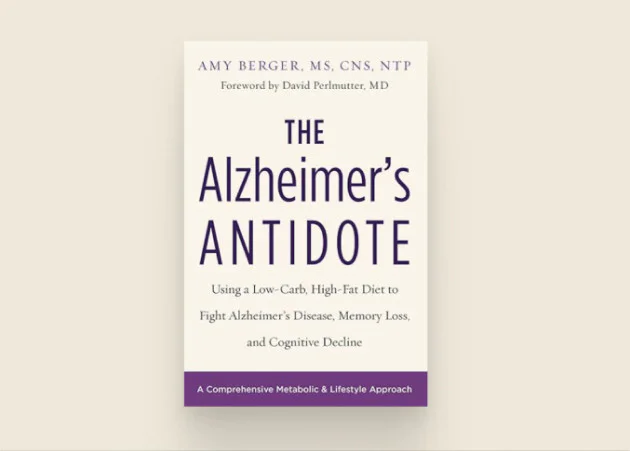
Amy Berger’s research shows that Alzheimer’s results from a fuel shortage in the brain.
Read more
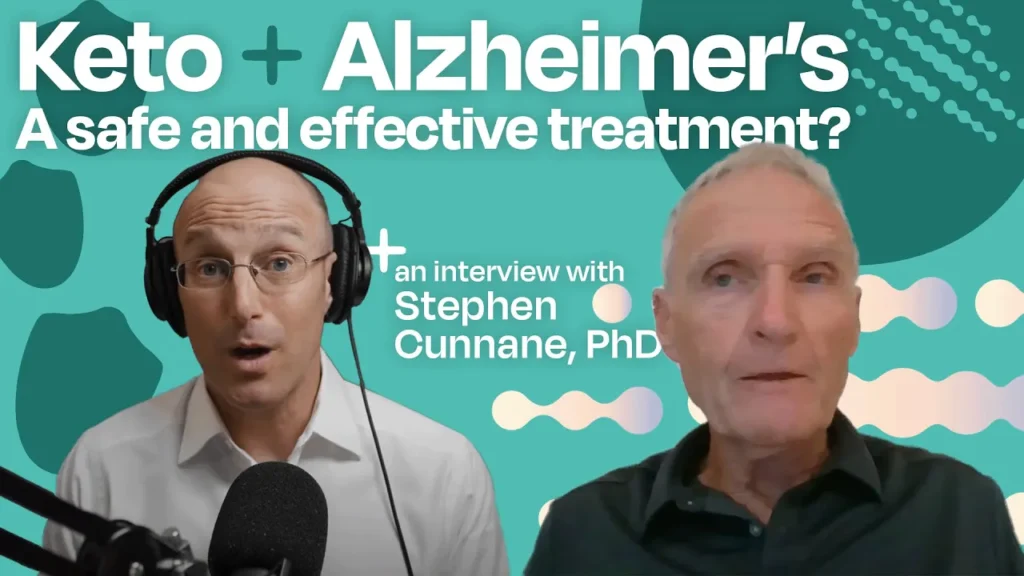
In this Metabolic Mind episode, neurologic researcher Dr. Stephen Cunnane explains how ketones act as an alternative—and often preferred—fuel for the aging and Alzheimer’s brain when glucose uptake falters. He shares PET imaging data, results from a 6-month MCT trial in mild cognitive impairment, and why ketogenic and ketone-based therapies could help preserve cognition in neurodegenerative diseases, especially when combined with exercise and modest carbohydrate restriction.
Learn more
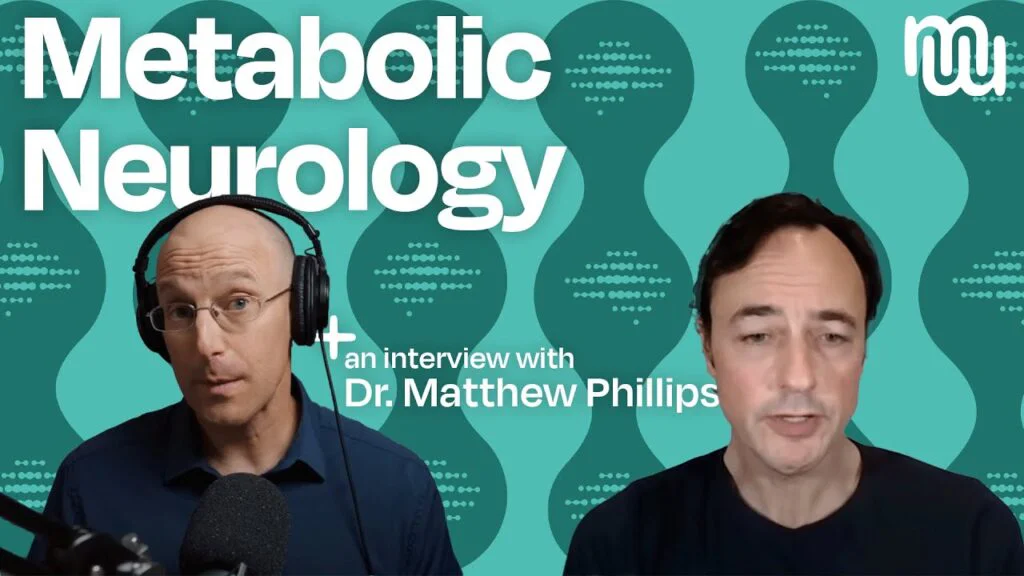
In this Metabolic Mind episode, neurologist and researcher Dr. Matthew Phillips explains why metabolic strategies like ketogenic diets and intermittent fasting may be some of the most powerful tools we have for neurodegenerative diseases such as Alzheimer’s and Parkinson’s. He shares clinical trial results showing improved function and quality of life, unpacks how restoring mitochondrial and brain energy metabolism works, and makes the case for shifting neurology toward metabolic, patient-empowering care.
Learn more
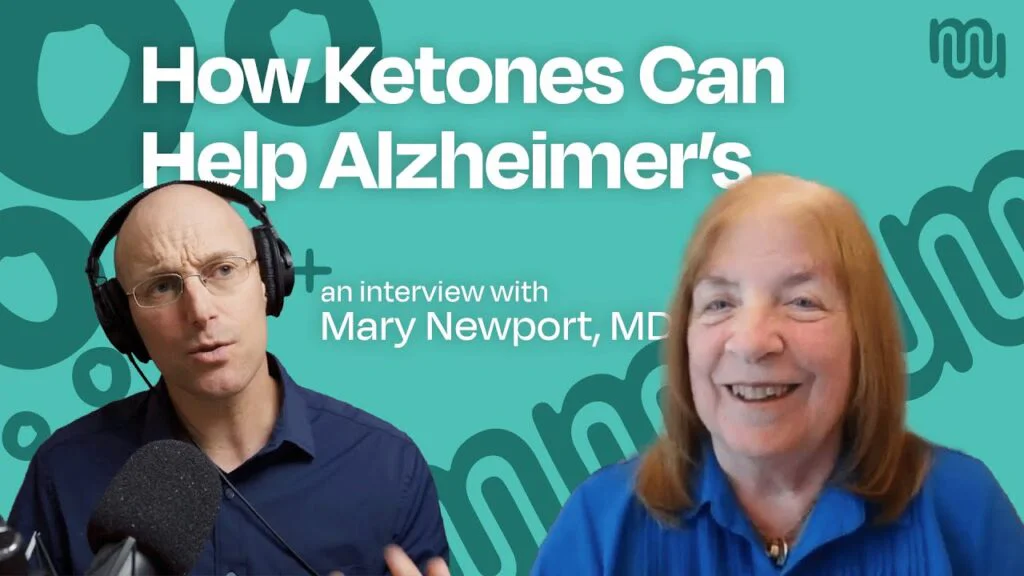
In this powerful Metabolic Mind episode, neonatologist Dr. Mary Newport shares how she used coconut oil, MCT oil, and ketogenic strategies to help her husband with early-onset Alzheimer’s disease. She explains the science of brain insulin resistance, why ketones can act as an alternative fuel in dementia, and how targeted nutritional ketosis led to dramatic—though not curative—improvements in his cognition, mood, and daily function. This inspiring story highlights the emerging role of ketogenic diets and ketone therapies in Alzheimer’s care and healthy brain aging.
Learn more
Amy Berger’s research shows that Alzheimer’s results from a fuel shortage in the brain.
Read more
In this Metabolic Mind episode, neurologic researcher Dr. Stephen Cunnane explains how ketones act as an alternative—and often preferred—fuel for the aging and Alzheimer’s brain when glucose uptake falters. He shares PET imaging data, results from a 6-month MCT trial in mild cognitive impairment, and why ketogenic and ketone-based therapies could help preserve cognition in neurodegenerative diseases, especially when combined with exercise and modest carbohydrate restriction.
Learn more
In this Metabolic Mind episode, neurologist and researcher Dr. Matthew Phillips explains why metabolic strategies like ketogenic diets and intermittent fasting may be some of the most powerful tools we have for neurodegenerative diseases such as Alzheimer’s and Parkinson’s. He shares clinical trial results showing improved function and quality of life, unpacks how restoring mitochondrial and brain energy metabolism works, and makes the case for shifting neurology toward metabolic, patient-empowering care.
Learn more
In this powerful Metabolic Mind episode, neonatologist Dr. Mary Newport shares how she used coconut oil, MCT oil, and ketogenic strategies to help her husband with early-onset Alzheimer’s disease. She explains the science of brain insulin resistance, why ketones can act as an alternative fuel in dementia, and how targeted nutritional ketosis led to dramatic—though not curative—improvements in his cognition, mood, and daily function. This inspiring story highlights the emerging role of ketogenic diets and ketone therapies in Alzheimer’s care and healthy brain aging.
Learn more