New Results: First RCT for Schizophrenia & Bipolar Disorder. Learn more.


Listen, Watch & Subscribe on:



Is It Safe for Me to Do a Keto Diet?
Listen
About the host


Bret:
Do you have concerns if you can safely eat a ketogenic diet or start ketogenic therapy? Maybe you’ve been told you can’t eat a ketogenic diet because you’ve had either your gallbladder removed or you have a history of gout or kidney disease, or you’ve had weight loss surgery, or you have heart disease or elevated LDL.
It turns out that in most of these circumstances it’s perfectly safe to eat a ketogenic diet, although some conditions may require extra clinical supervision. So, let’s get into the details.
Welcome to the Metabolic Mind Podcast. I’m your host, Dr. Bret Scher. Metabolic Mind is a nonprofit initiative of Baszucki Group where we’re providing information about the intersection of metabolic health and mental health and metabolic therapies, such as nutritional ketosis as therapies for mental illness.
Thank you for joining us. Although our podcast is for informational purposes only and we aren’t giving medical advice, we hope you will learn from our content and it will help facilitate discussions with your healthcare providers to see if you could benefit from exploring the connection between metabolic and mental health.
Ketogenic therapy, usually based on a ketogenic diet, can be a powerful medical intervention to treat a number of different medical conditions and even put many into remission. These include type 2 diabetes, insulin resistance, seizures, and various mental health disorders, such as bipolar disorder, schizophrenia, severe depression, and more.
But as with any medical treatment, there are some caveats, right? Like first, ketogenic therapy isn’t the same thing as simply following a keto diet. So, you can watch our prior video to learn more about the important details of what defines ketogenic therapy. And second, not everybody responds the same way to ketogenic therapy.
So, it’s important to work closely with an experienced clinician when starting out. But third, many people may have been told by well-meaning physicians, dieticians, or other healthcare personnel that they can’t eat a ketogenic diet because of certain medical conditions. Now, unfortunately, most healthcare professionals don’t have much experience with ketogenic therapy and haven’t been taught about the details.
Thus, many of the assumptions about who quote unquote “shouldn’t” eat a ketogenic diet can be incorrect and misleading. So, let’s review some of the most common ones so you can review with your healthcare team if ketogenic therapy might be safe for you. But please remember our channels for informational purposes only.
We’re not providing individual or group medical or healthcare advice or establishing a provider patient relationship. Many of the interventions we discussed can have potentially dangerous effects if done without proper supervision. So, consult your healthcare provider before changing your lifestyle or medications.
And in addition, please recognize that people may respond differently to ketosis and there isn’t one recognized universal response. Let’s start with a real common concern that some doctors have that say, you absolutely cannot eat a ketogenic diet, and that’s, you had your gallbladder out so you can’t eat all that fat.
in a way, this one, I guess you could say it makes sense because if someone tries to eat a high-fat meal right after having their gallbladder out, they’re going to be sorry. And they’re probably going to have significant diarrhea. But experts in this field are very clear that most people, almost everybody, can slowly ramp up their fat consumption over the course of a few weeks, and their bodies perfectly adjust to the higher fat content without a gallbladder.
The liver still makes what’s called bile acids, which helped digest the fats. It just doesn’t have to pouch to store it. So, the fat digestion still takes place, although slightly in a different way. And we’ll link to some resources in the description that go into much more detail so you can learn more about this.
But rest assured, most people can still follow a ketogenic diet even if they don’t have their gallbladder. And similarly, some people who’ve had bariatric or weight loss surgery are told they can’t eat high-fat diets, and they often take the gallbladder out at the time of weight loss surgery. But the answer is the same.
If someone slowly increases their fat intake over a few weeks, they usually adapt just fine. In fact, many weight loss centers are using ketogenic diets and weight loss surgery together as part of their treatment protocol. And given the potential nutrient deficiencies after weight loss surgery, it’s really important for someone to get adequate natural proteins and fats.
How about gout? Many people are told they can’t eat meat or high-protein diets if they have gout. So, the first point of clarification is that a keto diet doesn’t have to be a high meat or high-protein diet. Plenty of people follow a vegan or vegetarian keto diet. But when someone is in ketosis, here’s the thing, their uric acid level may increase temporarily.
For someone with a history of gout, higher uric acid levels may predispose them to a recurrent attack. So, it may be important for that individual to work with their healthcare team to monitor and potentially lower uric acid levels over the first four to eight weeks of ketosis. But after that time, most evidence suggests that the uric acids levels return to normal.
And in fact, there’s actually an indication that the improved metabolic health and insulin sensitivity may lower the risk of gout over the long term. So again, having gout is not a contraindication to ketogenic therapy. It just requires a little extra attention. Alright, and what about the risk of a ketogenic diet to someone’s kidney health?
Again, most of the attention is on high-protein diets, which a keto diet doesn’t have to be. Now, it is true that there’s evidence that decreasing proteintake can slow the decline of severe kidney dysfunction, but there’s absolutely no evidence that lower protein diets are beneficial for normal kidney health, for people with normal kidney health or mild or moderately reduced kidney function.
In fact, Dr. David Edwin presented results from his clinical practice demonstrating improved kidney function for those starting ketogenic therapies. And studies from Verta Health and Dr. Thomas Weimbs show similar effects that ketogenic therapy can actually be beneficial for kidney health. Finally, one that’s near to dear to my heart, is if someone is told they can’t eat a keto diet because they have high cholesterol or a history of heart disease.
Now, we did a prior video addressing how keto doesn’t cause or increase the risk of heart disease, and we have a whole section on cholesterol. So, please watch those videos for more detail. But the short answer is that there’s no evidence that ketosis increases heart disease risk and, in fact, multiple studies demonstrate improved metabolic health with reduced overall calculated cardiac risk.
So, it’s a myth and a misinterpretation of the data to suggest that keto is by definition bad for your heart. And the same thing applies for LDL. The majority of people who eat a ketogenic diet see either no change or a net improvement in their LDL cholesterol.
It’s the minority who see an increase in LDL. And if someone does have an increased LDL, it’s usually accompanied by improved metabolic health. But furthermore, there are multiple strategies to address elevated LDL if that’s indicated. So, it shouldn’t be a contraindication at all just because someone is told they have high LDL cholesterol or heart disease.
Instead, by working closely with their healthcare team, they can make a more informed individualized decision monitor for any potential concerning changes and make a plan to address them, if needed. Now this list is not meant to be exhaustive, and we can go into more detail about each of these conditions in future videos.
There are likely many other reasons that people have been told they can’t start ketogenic therapy or eat a ketogenic diet. So, leave us a comment, let us know if we left any out that maybe you’ve experienced and maybe we can create future videos to address those. Thanks for listening to the Metabolic Mind Podcast.
If you found this episode helpful, please leave a rating and comment as we’d love to hear from you. And please click the subscribe button so you won’t miss any of our future episodes. And you can see full video episodes on our YouTube page at Metabolic Mind. Lastly, if you know someone who may benefit from this information, please share it as our goal is to spread this information to help as many people as possible.
Thanks again for listening, and we’ll see you here next time at the Metabolic Mind Podcast.
Listen, Watch & Subscribe on:

Emerging evidence indicates that ketogenic therapy can help treat mental illnesses such as depression, bipolar disorder, schizophrenia, anorexia, and others. But some may question whether it is safe….
Read more
This Metabolic Mind episode with Dr. Bret Scher explores the safety of long-term ketogenic diets. Addressing common myths about nutrient deficiencies, heart risk, and eating disorders, Dr. Scher explains why well-formulated ketosis can be sustainable and beneficial for mental and metabolic health, particularly in people achieving remission from serious conditions.
Learn more
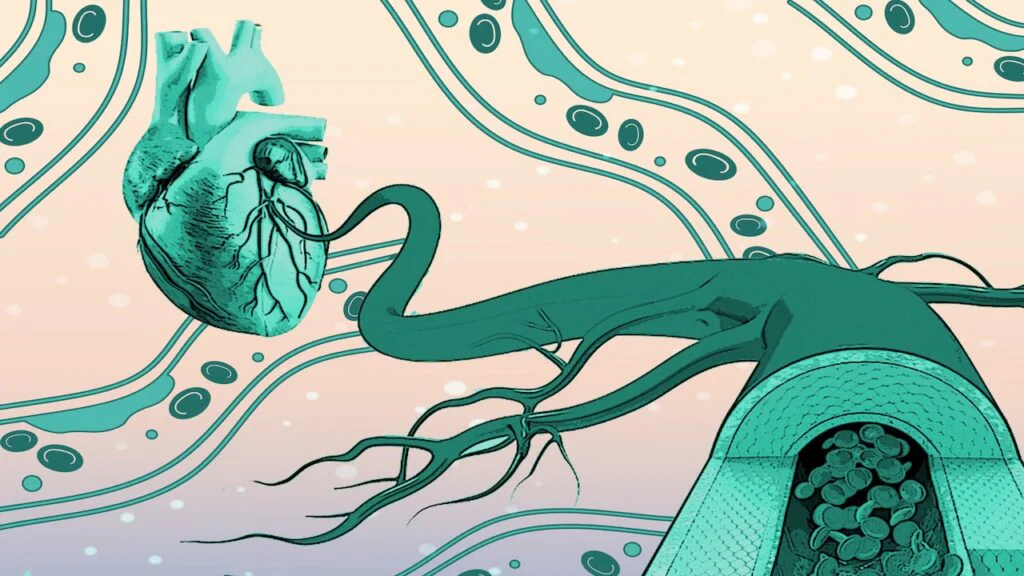
Have you wondered if there is a better way to predict the risk for heart disease than using LDL cholesterol? It turns out, there is. Discover why coronary…
Learn more
Sensational headlines about health topics are everywhere these days. For example, one recent headline claimed that the keto diet will increase your risk of heart attack. Is this…
Learn more
Emerging evidence indicates that ketogenic therapy can help treat mental illnesses such as depression, bipolar disorder, schizophrenia, anorexia, and others. But some may question whether it is safe….
Read more
This Metabolic Mind episode with Dr. Bret Scher explores the safety of long-term ketogenic diets. Addressing common myths about nutrient deficiencies, heart risk, and eating disorders, Dr. Scher explains why well-formulated ketosis can be sustainable and beneficial for mental and metabolic health, particularly in people achieving remission from serious conditions.
Learn more
Have you wondered if there is a better way to predict the risk for heart disease than using LDL cholesterol? It turns out, there is. Discover why coronary…
Learn more
Sensational headlines about health topics are everywhere these days. For example, one recent headline claimed that the keto diet will increase your risk of heart attack. Is this…
Learn more