Get the latest on metabolic psychiatry. Subscribe.


Listen, Watch & Subscribe on:



Can a Ketogenic Diet Help Treat Cancer?
Listen
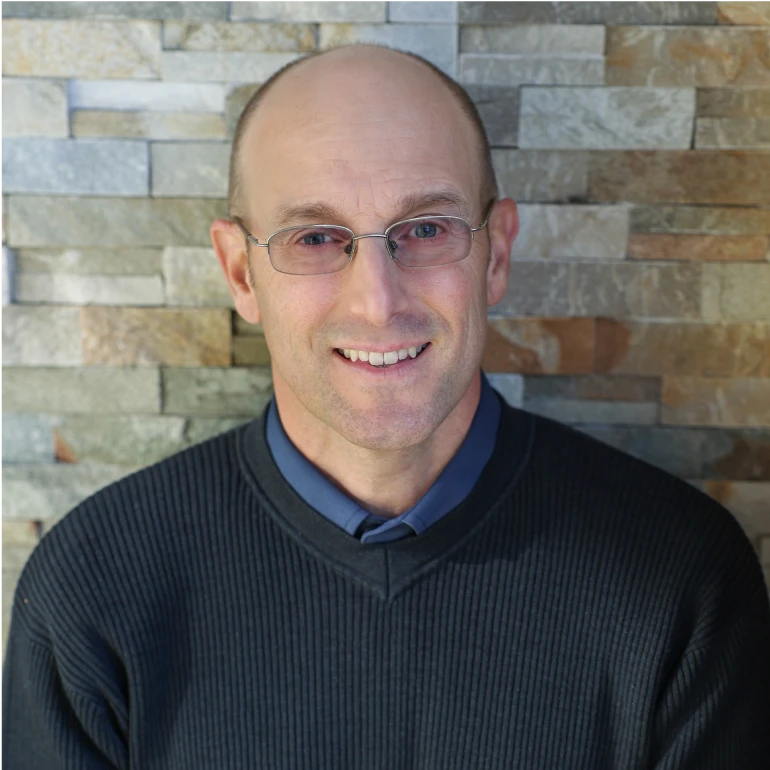
About the host
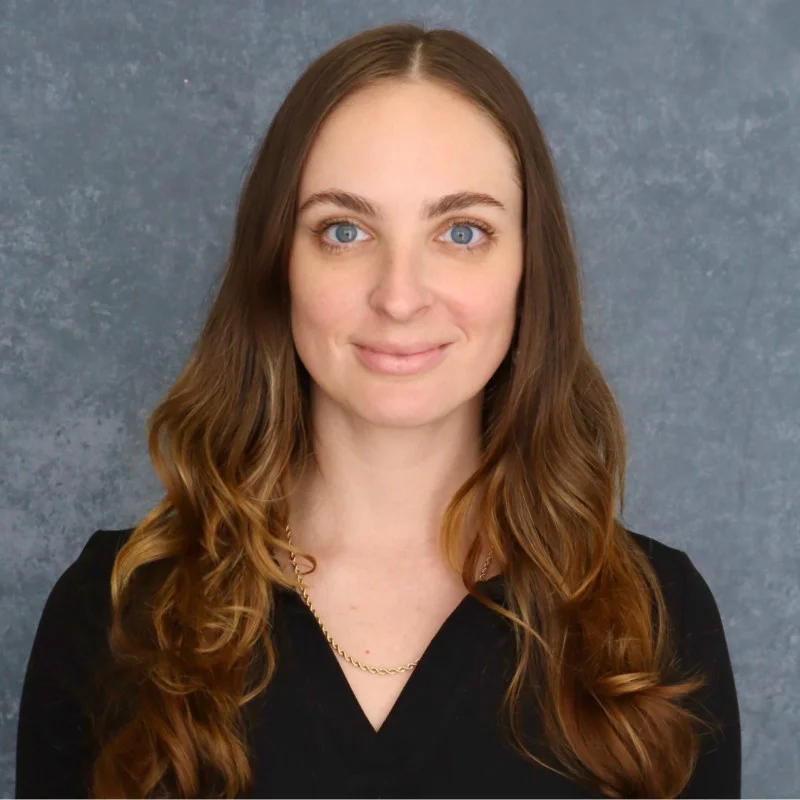
About the guest

LJ:
Cancer is really like a tree. You’re not going to kill it by cutting off one of its branches. You have to really hit it from a multitude of different ways. And so, if we think about diet as being one of the branches, yes, it’s super important. It’s one of the pillars, but we also have to use other methods to really make sure that we’re controlling it.
Bret:
Welcome to the Metabolic Mind Podcast. I’m your host, Dr. Bret Scher. Metabolic Mind is a nonprofit initiative of Baszucki Group where we’re providing information about the intersection of metabolic health and mental health and metabolic therapies, such as nutritional ketosis as therapies for mental illness.
Thank you for joining us. Although our podcast is for informational purposes only and we aren’t giving medical advice, we hope you will learn from our content and it will help facilitate discussions with your healthcare providers to see if you could benefit from exploring the connection between metabolic and mental health.
Could a ketogenic diet help treat cancer well? We’re learning a lot about this, and the answer is probably yes. Now, what types of cancer, and what do we mean by treat, right? Treating the tumor and treating the patient, which is really important. And today I am joined by LJ Amaral to discuss these different aspects.
Now, LJ is a registered dietician, and she’s certified in nutrition oncology. And she’s a Researcher at Cedar-Sinai, and she was the author on a recent publication looking at ketogenic diets for treating glioblastoma or very serious and progressive brain cancer. And one of the things I really like about L J’s message is that, yes, we’re treating the cancer, but we’re also treating the patient.
We’re treating the individual, and that’s a really important concept to think about when you talk about treatment success. Now, you know what cancers might ketosis be good for? How does it work? What are some of the concerns? Where are we in the level of evidence? It’s early, but LJ really helps explain a lot about the concepts, and what the future might bring.
Now for LJ’s study, it was keto, in addition to standard-of-care. And again, none of this is medical advice. All this should be discussed with your healthcare team, but it’s starting to look like ketosis and nutritional interventions certainly could have a role in cancer therapy. So, I hope you enjoy this interview with LJ Amaral, where we discuss this further.
Many of the interventions we discuss can have potentially dangerous effects have done without proper supervision. Consult your healthcare provider before changing your lifestyle or medications. In addition, it’s important to note that people may respond differently to ketosis. And there isn’t one recognized universal response.
Hi LJ. Thanks so much for joining me at Metabolic Mind.
LJ:
Thanks for having me. I’m excited to be here.
Bret:
Yeah. And I’m excited to talk to you about your paper, about using a ketogenic diet as an adjunctive treatment for glioblastoma-type of brain cancer, and about keto and cancer. In general. And in a way, it’s a little strange, right?
We’re Metabolic Mind. We talk about metabolic and ketogenic therapies for mental health for brain-based conditions. Glioblastoma certainly is a brain-based condition, but we’re also, branching out to talk a little bit more about other avenues of ketogenic therapy for metabolic health, for other conditions, like cancer.
So, this will be really our first discussion about that. And when people say, how does ketosis work? Quote unquote work for treating mental illness, you could boil it down and say, okay, the primary focus is probably more efficient energy production. But then, there are other things, right?
Neuroinflammation, GABA and glutamate and just the ketones, themselves, and improve metabolic health. There’s this constellation of things. So, if I were going to ask you the same thing, how does keto work for cancer? A very broad question. How would you answer that?
LJ:
Yeah. The exact same way.
Yeah, it’s extremely nuanced. And of course, there are multiple factors that are playing into the efficacy of the diet, and how it works in terms of augmenting or working in synergy with standard-of-care treatment. but really, it’s a number of different ways that it’s working.
The metabolic effects, in terms of reducing glucose and overall energy, having a more efficient use of energy. Perhaps even sparing muscle protein. I think a lot of people are looking at that for cancer and cachexia, and then, the inflammatory part of it. We’ve done some case theory where people have actually improved their fatigue while on chemotherapy and radiotherapy for their their cancer.
So, I think it’s biotrophic as well for the cancer field.
Bret:
Yeah, and in your answer, thinking it also really depends on how we define work, right? I said that very generally on purpose, right? You can’t say it works for cancer or it works, right? There are certain stages, certain circumstances where it will have, different effects.
You talked about one of them, like with treating cancer, it’s not just about making the tumor go away. It’s how is the person doing? How is the person responding to their treatment? So, that was interesting. That you talked about maintaining muscle, not having cachexia, quality of life.
So, do you see that sort of differently than treating the tumor or is it all the same?
LJ:
I like to think of it as all the same because from my perspective, especially coming from a nutritional standpoint, and I’m looking at the person as a whole, I think it’s really important to treat the patient as a whole.
And so making sure that they are getting not only the benefit from perhaps reducing their cancer, also the benefit of maybe they have better mental health or less anxiety. Or they’re sleeping better, they’re able to exercise more, keeping up with those ADLs, or activities of daily living, I think, are just as important as reducing the tumor.
Bret:
Yeah, and that’s a really good point. And when we talk about keto for cancer, we’ve got to be honest, right? It’s early stages of research, early stages of clinical experience, but something nobody was talking about, I don’t know, 20 years ago or whatever. Even a decade ago, hardly anybody was talking about.
Right?
LJ:
Yeah.
Bret:
Yeah. So it’s made.
LJ:
I started this a decade ago, and I was like a pariah, I suppose, because I’m a dietician, and I’m telling people to eat high fat. And a lot of people were not interested in hearing what I had to say, especially because there aren’t a lot of studies or there isn’t a lot of clinical research out there that’s backing the use of this diet, especially within the context of cancer.
But I think, if you want to make change, you have to do something different.
Bret:
And so, it seems like Dr. Thomas Seyfried has been doing this probably the longest as anybody I know. And even then, though, not so long in terms of the history of cancer therapy. So, this other thing that’s really interesting though is about tumors, and how they use glucose.
But really can’t use ketones. And it depends maybe on the tumor and the specifics, but that’s like a very broad way of saying it. But this general concept of the Warburg effect, can you describe that, sort of mechanism a little bit?
LJ:
Yeah, absolutely. So, the Warburg Effect is a really well-known theorem that was created by Otto Warberg in the 1920s.
He’s a noble laureate, and basically, in his research, he found that cancer cells versus normal cells use an abnormal amount of glucose and produce a very inefficient amount of energy when compared to normal cells. So, normal cells are able to produce a large amount of energy with a very small amount of glucose.
And cancer cells basically do the opposite. They use a large amount of glucose to get a very little amount of energy or ATP. It becomes this like fixation. A lot of people like to say that there’s like this increased affinity for glucose as the primary fuel source for tumors. I don’t think that we have a lot of evidence out to say that specific tumors can use ketones as an alternative energy source.
But I think that’s also something that needs to be elucidated because I think there are some studies that in in certain types of cancer, fat may not be appropriate or high fat diets may not be appropriate.
Bret:
And that’s, it certainly complicates the discussion.
We can’t talk about cancer as if it’s one thing exactly. Breast cancer is different from melanoma is different from pancreatic cancer is different from lung cancer is different from brain cancer. So, let’s focus specifically on glioblastoma. So ,maybe define what glioblastoma is and then we can talk specifically about keto, and the effect of glioblastoma.
LJ:
Sure, yeah. So, glioblastoma is a stage four brain tumor. it’s very unique. And it’s considered a rare brain tumor, even though, I think, John McCain brought a lot of light to it because he, unfortunately, passed from it. Beau Biden, a lot of people from his army platoon or troop, ended up getting glioblastoma. Yeah, it’s nasty tumor. Unfortunately, there aren’t a lot of treatments for it.
And the prognosis is pretty poor. So, it’s one of those things where, I think, a lot of people become very discouraged when they get this diagnosis because there really isn’t a lot of hope out there in terms of treatment and quality of life once you get diagnosed.
Bret:
Yeah. So, standard treatment is chemotherapy, radiation.
LJ:
And surgery, if possible.
Bret:
Yeah, and the treatment and the resolution of the tumor is difficult and poor. But so is quality of life, though. A brain-based tumor, it can really impact quality of life in a lot of different ways.
Like you said, it’s the both, it’s the survival, but it’s the quality of life while you’re surviving as well. And they’re both not so good with glioblastoma, huh?
LJ:
For the most part, in my experience, a lot of people haven’t been so lucky in terms of getting their diagnosis and having pretty debilitating symptoms and having to continually manage them.
I have a running joke with some of my patients that they describe it as a whack-a-mole situation where it’s like you’re like always battling something that’s popping up. And yeah, it can create a lot of the stress. And so, I think, if there’s anything that can not only help their tumors but also help them feel better or help them get through treatment better while they’re still maintaining some sort of normalcy is imperative, especially if they have a limited time.
Bret:
Now, you know there’s been research in case reports on keto for different types of cancers, but it seems like the most common tends to be, or at least the most common that we read about in the literature, seems to be glioblastoma.
LJ:
Yeah.
Bret:
So, is there something specific about glioblastoma that makes it maybe more amenable to a ketogenic intervention?
LJ:
Yeah, I think glioblastoma is a very interesting type of cancer to use as like the poster child for using keto as an adjunct to their treatment. I think a lot of patients, even though keto has been used for refractory epilepsy in pediatrics for the same amount of time that Otto Warburg has been around using the Warburg theory, people do have a lot of seizures from their tumors, with glioblastoma. Whereas, of course, epilepsy is a different mechanism within the neurotransmitters.
So, there are differences in the neurotransmitters as well for patients who have glioblastoma versus normal patients. I think that there was the idea that, hey, maybe we can also help them control their seizures with this diet, and then, yeah, you see the different effects later on. Oh, the patient is feeling better. Or maybe, I remember there was one case study that I looked at when I first started this 10 years ago, of an Italian woman in her sixties, who went on an all water fast with glioblastoma.
And that, basically, also started the idea of, hey, maybe we can use this in the critical setting. I know Dr. Seyfried has been around since the 90s doing this in the basic science or the in vivo, in vitro setting. I think that there’s been the most preclinical evidence and then the most anecdotal evidence for this tumor situation.
And it’s been very interesting to see the evolution of it, in terms of not being used at all or having these really scarce case series to now, we have a randomized, multicenter phase two clinical trial that’s funded by the American government.
Bret:
Yeah. So tell us a little bit about this, the design and the main findings of your trial.
LJ:
So, we had in total about 17 patients, who completed our phase one trial. So, it was a single center study looking at brand new diagnosed glioblastoma patients, adults only. They had to be within three months of their initial diagnosis, and then they went on a 16 weeks supervised ketogenic diet, a classical ketogenic diet.
And then, we collected a bunch of different metrics on these patients, and we looked at quality of life. We looked at Fitbit because we have them wear a Fitbit. I looked at their ketone and glucose numbers because they use KetoMojo. So, we had that, the ability to actually check if they were adherent to the diet through their ketones.
And also, of course, like double-checking with their medications. A lot of them, I think about half of them, were on steroids, and we do note that in the paper as well. So, that affects people’s ability to stay and maintain ketosis. And they were, unfortunately, considered medically necessary for those patients.
Bret:
Yeah, I was really curious about that because you’re, one of the things that’s talked a lot about for ketogenic therapy for cancer is the GKI, or the glucose to ketone index, which when you’re on steroids, that kind of goes out the window because glucose is going to go haywire. Tell us about the GKI, about its theory in cancer, and about how maybe it wasn’t so impactful in your study?
LJ:
Yeah, we had a difficult time. I think it’s also difficult because there isn’t a necessary, or there isn’t a defined, threshold for ketosis or GKI within the oncology population. I know, in general, we want to between a two and three, the GKI for cancer patients, I think, Seyfried is, he’s published that. But because we have the steroids and these people are going through chemotherapy or radiation or they had surgery, they have massive brain swelling, really debilitating symptoms.
They may have had seizures continue despite being on the diet, physical issues. There were some things that we just couldn’t get around, unfortunately. And we really needed to use them for them to start feeling better.
Bret:
Yeah. So I guess I should rewind for a second. GKI, glucose to ketone index. So, basically, just the glucose divided by the ketones in millimoles.
So, they’re both in millimoles. And then, the thing about the steroids with a brain tumor, there’s a lot of swelling around it. And edema and swelling in the brain. There’s not a lot of room for it to go. It can cause a lot of problems. So, the steroids can help reduce that more so than breast cancer and colon cancer and lung cancer. You don’t see the same use of steroids as you do in brain cancer.
So, that’s the difference there. But so, let’s get into some of the results though. The first result, like you said, it was a small study, but a feasibility study. And everybody was in ketosis more than 50% of the time. So, check that box, right? A lot of people would say, they’re going through chemotherapy and radiation.
They’re not going to feel well. They’re not going to be able to stick to a diet. They’re not going to be able to do it. But no, you didn’t see that. You saw the opposite, huh?
LJ:
Yeah. Listen, I was a main dietician for the study. I worked with every single patient who went through. I was very encouraging.
That’s also like my nature. I’m a very positive person. I like to find the silver linings. And I’ve worked in cancer for 11 years. And I find that, not for everyone, but for a lot of people, they really appreciate that hope and that positivity. And I think, for a lot of these patients, it was really just amazing to see that they could have ketosis for more than 50% of the days. Getting a lot of encouragement, but also the benefits from that, too. So we saw a really big increase in overall survival and progression-free survival, even though we weren’t powered for that. But also, we saw increases in physical activity, feelings of well-being.
We didn’t have a lot of adverse events, which a lot of people think, hey, they’re on chemo, radiation and an extreme diet. They’re not going to feel good. They’re not going to want to eat. They have GI distress. Yes, that is the reality of the situation for some people. But we can also mitigate that. There are ways to make it work, and still maintain your ketosis.
Or maybe we work with them and say, okay, if you’re really not feeling good, maybe we use X, like Zofran or ginger tea? Or on this one day, we put up a little bit more of your carbs and then the next day, we’ll push more of your fat? So, it was a lot of, personalized titrating.
But I think the important message from this study is really, you can do this. Patients can do this. They want to do this. And I think it’s imperative from a healthcare professional standpoint, that we are supporting these patients and not having them be out on their own on an island doing this without any supervision or support.
Bret:
Yeah, that’s crucial about the support aspect of it. Now, and you listed a number of the findings. Now, without a control group, it’s hard to have a comparison, but like you said, you’ve been doing this, how your gut tells you how the average person responds. And does the average person feel worse and have low energy?
And would you say it’s the opposite for the average standard-of-care treatment?
LJ:
From what I saw, yeah. I think that there were massive improvements with our keto patients versus their control, or historical counterpoints or counterparts. So yeah, I do think that they did have a benefit, There’s this caveat where what I’ve seen is very similar to immunotherapy where there are some responders and quote unquote non-responders. So, I had a handful of patients, not a lot, but certainly a small subset of patients, who had a really difficult time not only entering and maintaining ketosis, but just not feeling well on the diet.
And then, having that like exact 180 where we had patients with amazing ketones, really low glucose, fantastic physical activity, sleep, overall feelings of well-being only on the diet. And after the 16 weeks, patients had the option of either continuing on or doing their own thing. And a lot of patients ended up continuing on the diet, and the few patients who wanted to do their own thing, ended up telling me, I actually didn’t enjoy eating this way anymore.
Or it didn’t make me feel good. Or I actually, I had one patient, she went to Pinkberry two days after she went off the study, and she had a seizure.
So, I think for some people, it can be very telling whether you have a response or not, when you kind of experiment and do some trial and error and see, as I get off, how do I feel?
Bret:
And yeah. And looking at some of the other results you listed, the progression-free survival at 12.9 months and the overall survival at 29 months, which again, with no comparator.
But then, in the paper, you also listed that a comparison study showed progression-free survival of 6.9 months and overall survival of 14 months. So, you can’t do the direct comparison, obviously, because different patient population and so forth. But gosh, just that alone should raise everybody’s ears a little bit and say this, maybe this is something we should look into more?
And, of course, Dr. Seyfried did had published a study recently looking at 18 patients, looking at those who adhered to the diet and those who did not adhere to the diet, and there was a drastic difference in 36 months survival. 66% for those who adhered, 8% for those who didn’t adhere. Now, that could be self-selection, but you put these two together for a patient population that, like you said, the treatments aren’t great.
And you should, everybody should want to be studying this. So, you mentioned there, you have a stage two trial. So, tell us about your upcoming trial.
LJ:
Yeah, so you keep mentioning a control group, which is amazing. So, we just got an RO1 from the NIH last year. I guess maybe it was two years ago now.
So, we’re looking at a phase two. So, we’re actually looking at efficacy this time. Phase one was the feasibility. And then, this one is looking at efficacy. We’re open at Cedar-Sinai, St. John’s, Providence St. John’s in Santa Monica. We’re open at UCSF in San Francisco. We’re open at Duke.
And we are about to open at Wisconsin, I believe. So, it’s looking at the ketogenic diet, the same one that we did in the phase one, but our window of time now is much smaller. So, you have to be brand new diagnosed. You cannot have started chemotherapy or radiation in order to qualify for the study.
So, we’re trying to get patients before they start their chemotherapy and radiation to really tease out, is this diet related and is it really synergizing with their treatment or not? So, I think we have like about a week buffer for patients. So, if they started their chemotherapy and radiation, which is six weeks long, if they’ve only done the first week, then they can qualify for the trial.
So, we’re looking at the ketogenic diets three-to-one versus an American Cancer Society diet. So, it’s considered like a high-fiber diet, which is the opposite. High fiber is considered high carbs, but it’s the most or the most studied. And it’s the most well accepted, I think, for most solid tumors. And that’s another caveat of brain tumors.
We don’t have a lot of nutrition-related studies because it’s considered like a rare tumor versus say, breast cancer, which is the most common cancer amongst women. That’s heavily studied, especially within the context of nutrition. So, just another caveat, but really the study is powered to look at whether or not the ketogenic diet is actually showing a difference in overall and progression-free survival between patients, not only within our center but across the country.
Bret:
Yeah, I think that’s so great. LA, San Francisco, North Carolina, and Wisconsin. So, four different geographic areas where people can participate in this study. That’s fantastic.
Fellow mental health clinicians and healthcare providers, you now have access to a suite of free CME lectures on metabolic psychiatry and metabolic health. Each of these CME sessions provide insight on incorporating metabolic therapies for mental illnesses into your practice. These CME sessions are approved for AMA category one credits, CNE nursing credit hours and continuing education credit for psychologists, and they’re completely free of charge on mycme.com. Now back to the video.
But now, I want to put this in perspective a little bit. Like I remember talking to some oncology friends, friends of mine, who are oncologists and talking to them about this. And they’re like, yeah, we usually just say, eat whatever you can. We just, do whatever you can to not lose weight.
If that means going to Dairy Queen to get your slushy or whatever it is, the ice cream and everything, just whatever you can eat. And here, you’re putting people on a quote unquote, weight loss diet. Keto is thought of a weight loss diet. So, how do your nutrition colleagues, dietician colleagues, how do they respond to this when they hear about it?
LJ:
Yeah. it’s been interesting. I think in the beginning, it was really, I felt like a salmon swimming upstream. Like it was really difficult. I found, like people thought, like I was, which like I understand it, it’s not something that has been done before or even and been considered. And frankly, I can’t even take credit for this.
All of this was started because I had one 40-year-old ,patient who had I want to do keto. And he had a glioblastoma, and it was my first job. And I was like, I’m not going to let you do this alone. And he really started this whole process. Shout out to Dave Shavok.
He’s amazing and has changed so much for so many different people. I do love that. Yeah, I went off on tangent.
Bret:
No, that’s okay. That’s okay. It’s also this concept that, we need to realize this is not a weight loss diet. If you have a lot of weight to lose, it’s an effective weight loss diet.
But if you don’t, if you don’t, it’s actually not a weight loss diet. And it’s a medical intervention that changes your metabolism, changes your fuel utilization. If that’s what people need to realize. If you don’t have weight to lose, you’re not going to lose it. And there’s, with the protein and fat that you’re eating it, it’s actually probably a good thing in a situation where you otherwise would be losing weight because people tend to eat the carbs, the comfort foods, the easy foods.
And probably don’t eat as much of protein and fat, which is probably what they need when they’re experiencing cachexia and weight loss. It is so interesting when you the quote unquote, truth, you don’t call it truth, is the exact opposite of the perception. So, do you think it’s going to be a while before nutrition as a whole catches onto this concept?
LJ:
I don’t know. I think you have a really good point. I have had patients though where they were lean to begin with. And then we put them on the diet, and they have lost weight. Weight that they didn’t have to lose. And, that can be difficult. But then, we also have to think about the other side of the picture where we’re getting patients, who may have been extremely active before they got diagnosed.
And then now, they’ve had surgery. They’re recovering. They’re not allowed to pick up more than five pounds. Swelling, edema, and they’re not working out or being active now for six weeks. You’re losing a ton of muscle. So, if I’m putting you on the diet, it may not just be that the diet is making you lose weight, but there’s also other processes that are happening that you know are making you lose weight at the same time.
But I think that’s also why you have to work with someone while you’re on cancer-directed therapy, if you’re going to do, like a really hardcore ketogenic diet. And I’m not saying like you’re doing like a one-to-one, like you’re matching your protein and your fat to your carbs. I’m talking like you’re really prioritizing fat.
You’re having fat bombs. You’re putting MCT oil or olive oil on certain things. You’re really working on getting that ratio up. There are ways to make it so that it’s not, you’re not just eating gobs of butter. You can make it so that you’re still getting nutrients, like you’re still getting the dark leafy greens, or the healthy fats or the good proteins or nuts. We can make it so that you’re not just swapping a processed food for another processed food just because the macronutrients are different.
That’s not the type of ketogenic diet that I would subscribe to. And it’s not something that I think, that would confer a benefit. So, I think it is really important that it’s really augmented to the patient so that it’s giving them a health benefit and not making their health worse.
Bret:
Yeah, very good point. And that’s why it’s so important to work with an expert, like yourself. Now, everybody, not everybody’s going to have access to you ,of course. But there are lots of coaches and dieticians, even if they’re not familiar with the cancer space, can help with the ketosis space.
Then, hopefully, coordinate with the cancer team to get a coordinated treatment. But also in your study, it was the diet was added to standard-of-care. So, by no means is there a recommendation, forget the chemo, forget the radiation, the diet’s going to take care of everything. No. Definitely not.
LJ:
Yeah, we want to hit it. And I love using this analogy. I think most chronic diseases are this way, but I can only speak to cancer because that’s what I feel the most comfortable in. Cancer is really like a tree. You’re not going to kill it by cutting off one of its branches.
You have to really hit it from a multitude of different ways. And so, if we think about diet as being one of the branches, yes, it’s super important. It’s one of the pillars, but we also have to use other methods to really make sure that we’re controlling it .And also, like we said in the beginning of our talk, that we’re also treating the body and trying to minimize and mitigate the amount of damage that conventional chemotherapy or radiation or cancer treatment can create.
Bret:
Yeah, And and that is, I think, that’s really one of the biggest take homes. People say chemotherapy’s poison. Yeah, it is. It’s poison for the cancer. It’s poison for the cancer. But yeah, but can also be poisoned for the rest of your body. So, you want to find whatever you can do to minimize the effects on your body, maximize the effects on the tumor.
And if a ketogenic intervention could be part of that, then by all means, it should be studied and could be considered. Which leads to another question about fasting. So, not just ketosis but or ketogenic diet, but fasting, which can also induce ketosis. There’s been a lot of talk about using that, maybe strategically, around the time of chemo or around the time of radiation.
Is that something that you’re familiar with?
LJ:
Yeah, I think there are a lot of different studies that are looking at timed fasting like you’re saying. There are some protocols where they have the fasting happen the day before, the day of chemo and then the days after.
Cedars also has a study looking at fasting-mimicking diet for prostate cancer. The bottom line is really, we don’t have protocols set up yet for these patients to follow. And I think that is really important. We don’t know exactly how effective it is, especially within the context of brain tumors.
If you fast for, let’s say 18 hours or 20 hours, or you’re fasting two hours or four and after, I don’t know how that affects the typical patient. But I do know that a lot of patients do like using it as an adjunct to their ketogenic diets. And I’m all for supporting patients on whatever individualized journey that they want to go on, as long as they know, try to stay hydrated during that time.
Look out for the signs and symptoms of hypoglycemia. Know how to treat them. And then, we have to, obviously, make sure that we’re watching weight, and what they’re eating within the smaller window of time. That they’re eating and making sure that they’re meeting their needs to avoid any detrimental weight loss or muscle loss, especially.
Bret:
I can’t thank you enough for taking the time to join me today. And congratulations on your publication and starting the next phase of the study, which I think is great. It’s clear we’re just at the starting point here, and I think there’s going to be so much information coming.
And anything that can give people hope for a better quality of life and better survival, like we need to double down, and we need to learn more about it and research it. So, thank you for doing that work. If people wanted to learn more about you and the work you’re doing, is there someplace they can go to learn more?
LJ:
Yeah, I used to be online. I’ve recently cut that out of my life. But I’m on ResearchGate. I’m on LinkedIn. You can email me. I’m old school. But, yeah, I think it’s imperative that we find things for patients to do that not only give them hope, but also advocacy. And give them control of their own outcomes and give them something that they can do to provide their own hope and positivity when they need it.
Bret:
Yeah. Great. Great. Thank you so much. Thank you.
Thank you for watching. If you want to see more, check out these recommended videos. Also, if you haven’t already, don’t forget to subscribe to our channel to stay up to date with our content and help us expand the movement. And if you want to sign up for our newsletter, access our resources, read the latest research, or check out the THINK+SMART framework, click here to visit our website.
See you on the next video. Thanks for listening to the Metabolic Mind Podcast. If you found this episode helpful, please leave a rating and comment as we’d love to hear from you. And please click the subscribe button so you won’t miss any of our future episodes. And you can see full video episodes on our YouTube page at Metabolic Mind.
Lastly, if you know someone who may benefit from this information, please share it as our goal is to spread this information to help as many people as possible. Thanks again for listening, and we’ll see you here next time at The Metabolic Mind Podcast.
Listen, Watch & Subscribe on:
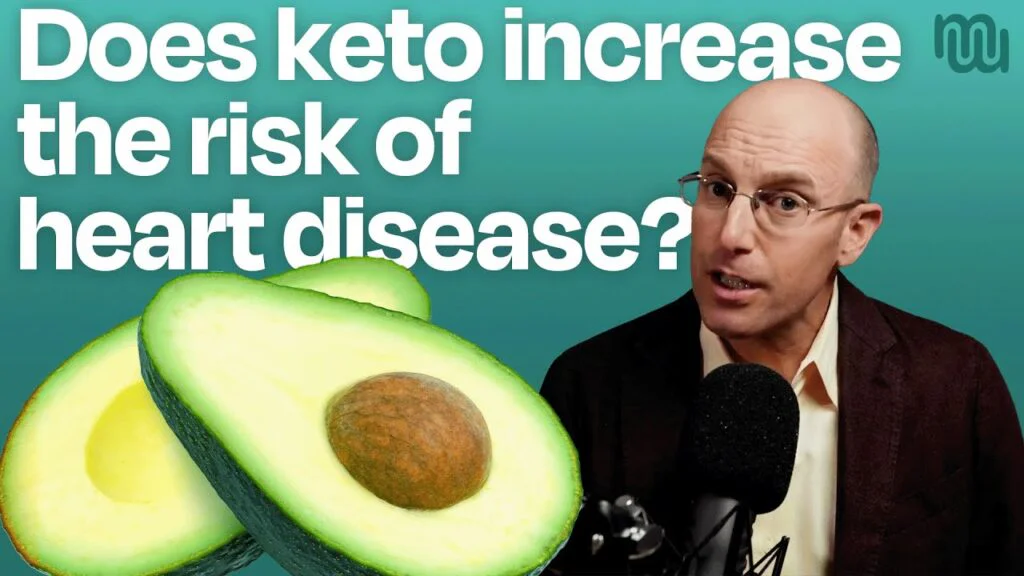
In this Metabolic Mind episode, Dr. Bret Scher breaks down whether nutritional ketosis increases cardiovascular risk and explains why common claims about keto and heart disease are not supported by evidence. He clarifies that no clinical trials have ever shown ketogenic diets to increase heart attacks or strokes, and that the observational studies often cited against keto do not involve people in nutritional ketosis and are plagued by poor data and healthy-user bias. Dr. Scher also discusses how LDL cholesterol should not be interpreted in isolation, why full metabolic health markers matter more, and what current research reveals about lean mass hyper-responders who experience large LDL increases on keto. This episode offers a clear, science-based look at how to assess cardiac risk while using nutritional ketosis therapeutically for metabolic, neurological, or psychiatric conditions.
Read more
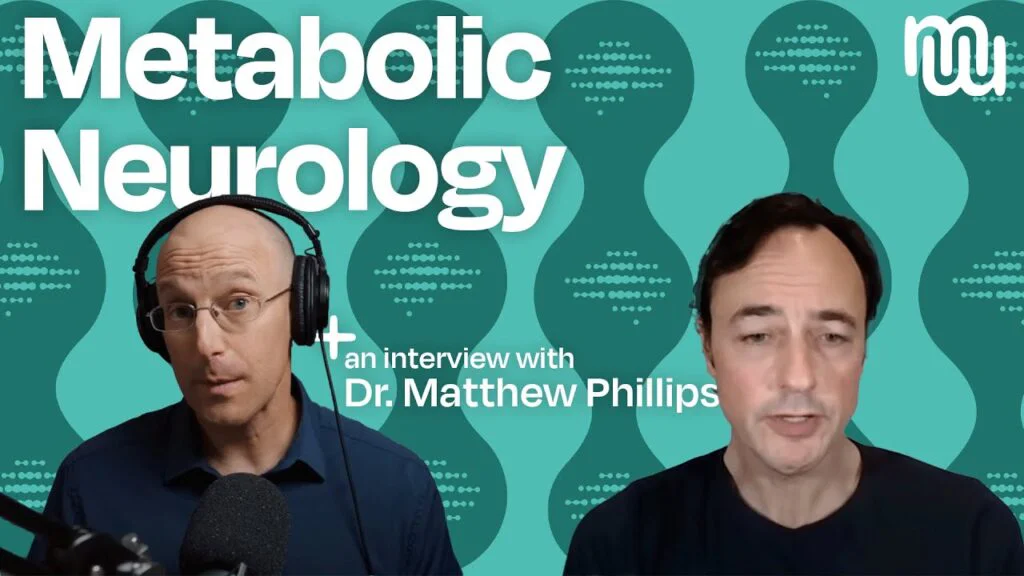
In this Metabolic Mind episode, neurologist and researcher Dr. Matthew Phillips explains why metabolic strategies like ketogenic diets and intermittent fasting may be some of the most powerful tools we have for neurodegenerative diseases such as Alzheimer’s and Parkinson’s. He shares clinical trial results showing improved function and quality of life, unpacks how restoring mitochondrial and brain energy metabolism works, and makes the case for shifting neurology toward metabolic, patient-empowering care.
Learn more
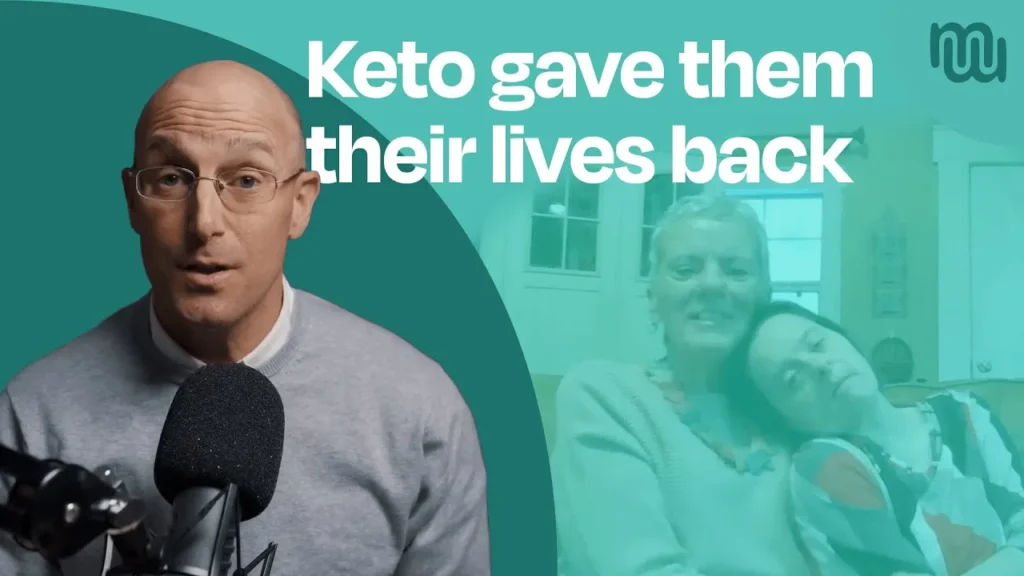
In this emotional Metabolic Mind Podcast episode, Dr. Bret Scher shares the extraordinary recovery of Susie, a woman with Down Syndrome and early-onset Alzheimer’s whose severe cognitive decline and daily seizures reversed dramatically after starting a ketogenic diet. With insights from her mother Mary and Dr. Annette Bosworth, the episode explores how nutritional ketosis can improve brain function, reduce seizures, restore cognitive skills, and transform family life. This powerful story highlights the growing scientific interest in metabolic therapies for dementia, epilepsy, and neurodevelopmental conditions.
Learn more
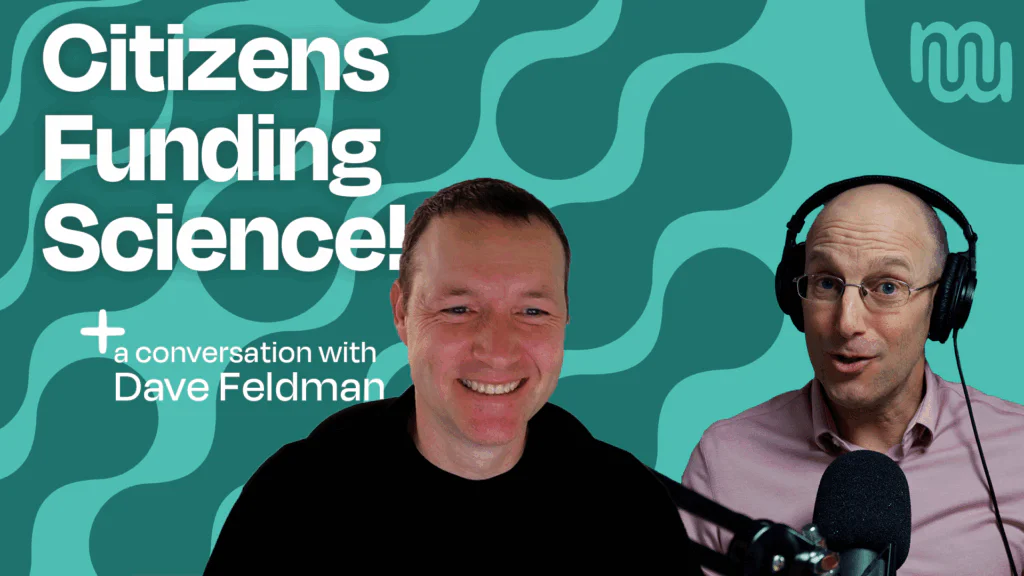
Engineer-turned-researcher Dave Feldman recaps the Collaborative Science Conference, a community-funded, charity-driven event advancing lean-mass hyper-responder research and a more collaborative model of science. Hear how crowdfunding, citizen science, and academic partnerships are reshaping studies on LDL, HDL, triglycerides, and ketogenic diets—and what’s coming next.
Learn more
In this Metabolic Mind episode, Dr. Bret Scher breaks down whether nutritional ketosis increases cardiovascular risk and explains why common claims about keto and heart disease are not supported by evidence. He clarifies that no clinical trials have ever shown ketogenic diets to increase heart attacks or strokes, and that the observational studies often cited against keto do not involve people in nutritional ketosis and are plagued by poor data and healthy-user bias. Dr. Scher also discusses how LDL cholesterol should not be interpreted in isolation, why full metabolic health markers matter more, and what current research reveals about lean mass hyper-responders who experience large LDL increases on keto. This episode offers a clear, science-based look at how to assess cardiac risk while using nutritional ketosis therapeutically for metabolic, neurological, or psychiatric conditions.
Read more
In this Metabolic Mind episode, neurologist and researcher Dr. Matthew Phillips explains why metabolic strategies like ketogenic diets and intermittent fasting may be some of the most powerful tools we have for neurodegenerative diseases such as Alzheimer’s and Parkinson’s. He shares clinical trial results showing improved function and quality of life, unpacks how restoring mitochondrial and brain energy metabolism works, and makes the case for shifting neurology toward metabolic, patient-empowering care.
Learn more
In this emotional Metabolic Mind Podcast episode, Dr. Bret Scher shares the extraordinary recovery of Susie, a woman with Down Syndrome and early-onset Alzheimer’s whose severe cognitive decline and daily seizures reversed dramatically after starting a ketogenic diet. With insights from her mother Mary and Dr. Annette Bosworth, the episode explores how nutritional ketosis can improve brain function, reduce seizures, restore cognitive skills, and transform family life. This powerful story highlights the growing scientific interest in metabolic therapies for dementia, epilepsy, and neurodevelopmental conditions.
Learn more
Engineer-turned-researcher Dave Feldman recaps the Collaborative Science Conference, a community-funded, charity-driven event advancing lean-mass hyper-responder research and a more collaborative model of science. Hear how crowdfunding, citizen science, and academic partnerships are reshaping studies on LDL, HDL, triglycerides, and ketogenic diets—and what’s coming next.
Learn more