The last several decades have seen a sharp and unsettling rise in mental health issues among teens. While the pandemic gave these numbers an undeniable spike, the crisis has been building quietly since the early 2000s[*].
According to the WHO (World Health Organization), one in seven teens across the world experiences a mental disorder, including anxiety, depression, OCD, bipolar disorder, or eating disorders. Even more sobering: suicide is now the third leading cause of death for people aged 15 to 29[*].
For teens struggling with their mental health, the default response is usually medication or psychotherapy. While some people have success with these approaches, research shows that around 40-50% of people don’t respond to medication, particularly in depression. Psychotherapy can also vary in its effectiveness, depending on the individual, the provider, and the specific circumstances[*][*].
But what often gets overlooked is the role of something as fundamental as diet. Food shapes the brain just as surely as therapy or pharmaceuticals (if not more so), and when that link is ignored, treatments can fall short or even cause more harm than healing.
This article explores how our modern food system may be a hidden driver of the teen mental health crisis, and how a therapeutic ketogenic diet could help restore brain metabolism and shift the trajectory.
Could Ketogenic Therapy Improve Teen Mental Health?
Ketogenic diets have gained popularity for weight loss and metabolic health, but many people don’t realize the diet was first developed to treat the brain, specifically in adolescents. In the 1920s, Dr. Russell Wilder designed a ketogenic diet to help kids with epilepsy, and it worked. Over the past century, therapeutic ketogenic diets have consistently stopped seizures, even when medications failed.
Interestingly, the same brain characteristics that contribute to epilepsy, such as neuroinflammation, oxidative stress, and impaired glucose utilization, also underlie many mental disorders.
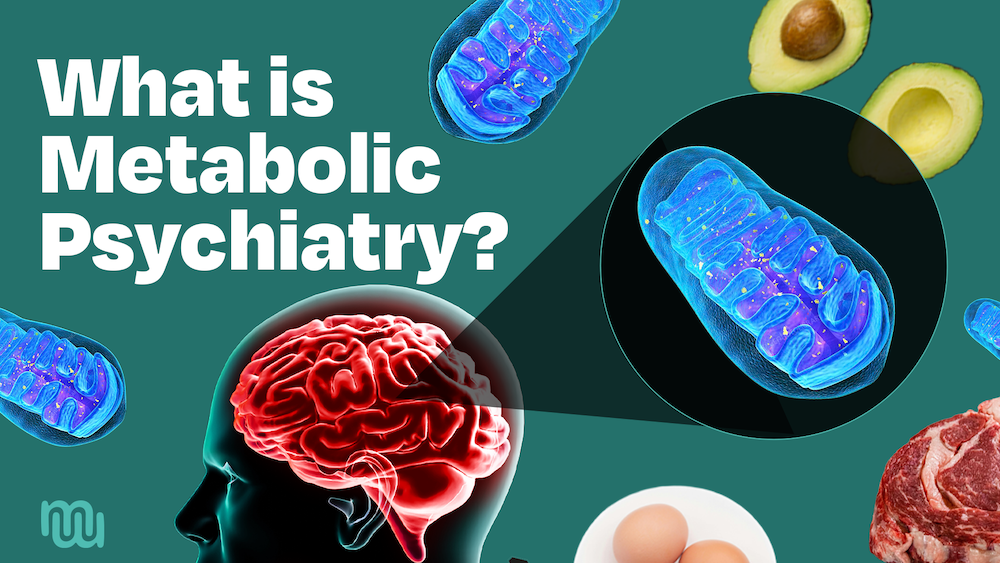
Now, with a global mental health crisis unfolding, researchers are revisiting this history of epilepsy treatment. They’re asking: if food can calm seizures, could it also calm psychiatric symptoms? From depression and anxiety to bipolar disorder and schizophrenia, nutrition is emerging as a potential lever for brain health. Out of this work has grown a new field called Metabolic Psychiatry, and within it, a new approach to treatment: ketogenic therapy.
Adolescence is a challenging time for many young people with increased social, societal, and academic pressures. It’s also a critical window of rapid brain and body development, shaped by profound hormonal, neurological, and emotional changes. Some mood swings are expected, but this biological turbulence makes teens especially vulnerable to mental health conditions.
At the same time, the teenage brain is uniquely receptive to treatment. Because many teens still eat at home, families can play a hands-on role in supporting diet and lifestyle changes. That means early intervention has the potential not just to ease symptoms but alter the long-term trajectory of mental health, opening the door to a healthier and more hopeful future.
How exactly does a ketogenic diet influence mood and brain function? To answer that, we need to look first at what goes wrong in the brain’s energy systems, and how ketones may help restore balance.
Why Brain Fuel Matters: Ketones, Glucose, and Mental Disorders
Emerging research in metabolic psychiatry shows that many psychiatric conditions, including depression, bipolar disorder, schizophrenia, ADHD, and anxiety, share several common threads related to how the brain makes and uses energy.
Key factors include:
- Glucose hypometabolism: In depression, for example, parts of the brain struggle to use glucose (sugar) for energy, especially regions that regulate mood.
- Insulin resistance: Even when the rest of the body processes insulin normally, the brain may not. This energy block is a driver of nearly all chronic disease and is linked to poorer treatment outcomes.
- Inflammation: Higher levels of immune chemicals can disrupt mood and cognition.
- Low BDNF: This protein helps brain cells grow and connect. When it’s low, the brain struggles to adapt and regulate mood.
- Neurotransmitter imbalance: Too much excitatory glutamate and too little calming GABA can fuel anxiety and mood instability.
- Mitochondrial dysfunction: The “power plants” of the cell can’t keep up with energy demands, leading to fatigue, stress, and impaired brain signaling.
A ketogenic diet may help by shifting the brain’s fuel supply. Instead of depending only on glucose, which can be unreliable when brain energy metabolism is impaired, the brain uses mostly ketones, (produced in the liver from fat): a cleaner, more stable energy source that can bypass dysfunctional energy pathways.
But ketones do more than fuel the brain; they can also:
- Calm neuroinflammation
- Protect mitochondria, boost their function, and promote new growth
- Restore balance between neurotransmitters glutamate and GABA
- Boost BDNF for resilience and learning
This is why a ketogenic diet, long used to treat epilepsy, is now being studied as a promising tool in psychiatric care. For teens and adults alike, it may offer a biologically grounded way to restore brain energy and stabilize mood, addressing mental health at its root, especially when standard treatments fall short.
Potential Benefits of Keto for Teen Mental Health
Mental health challenges don’t happen in isolation. There’s a constant back-and-forth between life stress and biology. Trauma can strain the brain’s energy systems, and when those systems falter, symptoms like anxiety and depression often worsen.
Among the many benefits that a ketogenic diet can offer for teens, clinicians using ketogenic therapy often observe that once brain energy is stabilized, the psychological work of healing becomes easier. Patients have more capacity to engage in therapy, process trauma, and rebuild resilience because their neurometabolism is no longer working against them.
Anders Sørensen, a Danish clinical psychologist and researcher with a PhD in psychiatry, explains, “Obviously, if you’re on a wrong diet and you don’t treat your body very well, it will send symptoms to you. And good luck doing psychotherapy on that purely.”
Metabolic Mind’s Medical Director Dr. Bret Scher, adds “That’s why we don’t just want dieticians and psychiatrists to understand metabolic psychiatry and ketogenic therapy. We also want therapists and counselors to understand it because the two can work so synergistically together.”
With that foundation in mind, let’s look at some of the psychiatric conditions most commonly seen in teens, and how ketogenic therapy may play a role in prevention, treatment, or even remission.
Bipolar Disorder
Bipolar disorder is marked by dramatic swings in mood, from manic highs to crushing lows. But in teens, the picture can be subtler. Early symptoms often look like sleep problems, irritability, excitability, attention issues, risk-taking, or anxiety[*].
Research suggests that disruptions in mitochondrial function, brain energy metabolism, and inflammation may play a central role in these shift[*][*][*]. Because ketogenic diets directly affect those systems, they may help stabilize mood in bipolar disorder.
One reason involves neurotransmitters. GABA acts like the brain’s brake pedal, calming activity, while glutamate is more like the accelerator. In bipolar disorder, the balance between these two often tilts toward overstimulation. Studies show that ketosis may help restore this balance, reducing instability[*].
In a pilot study of 20 people with bipolar disorder, participants followed a ketogenic diet for 6 to 8 weeks. The results pointed to both brain and body benefits. Ketone levels were linked to improved mood, energy, and reduced anxiety and impulsivity. Brain scans showed lower levels of glutamate and glutamine—changes that may protect against the overactivity seen in bipolar disorder. Participants also lost weight and saw improvements in blood pressure and BMI[*].
In another four-month pilot study of people with both metabolic syndrome and bipolar disorder, ketogenic therapy not only reversed metabolic issues but also improved psychological symptoms in 79% of participants[*].
Early clinical results in adults, together with the well-documented effects of ketones on brain function, have sparked growing interest in how ketogenic therapy might benefit adolescents. Building on this momentum, two pilot studies are now underway, investigating its potential in teens living with bipolar disorder.
The first, funded by Baszucki Group, is a 16-week collaboration between UCLA Health, the University of Pittsburgh Medical Center, the University of Cincinnati School of Medicine, and the University of Colorado.
About 40 participants ages 12-21 with bipolar I, bipolar II, or unspecified bipolar disorder are receiving ketogenic therapy alongside standard mood stabilizers. All meals are provided, and participants work with dietitians, psychiatrists, and psychologists, while independent evaluators track mood, quality of life, and metabolic measures.
The second study, Ketogenic Therapy in Action, is led by Elizabeth Errico of the Children’s Mental Health Resource Center. This year-long program is following eight participants ages 6-17 with bipolar disorder, combining education, peer support, and family consultations. Although the study is still in progress, early reports from parents indicate a significant improvement in the quality of life for their children, as well as a reduction in symptoms without the harmful side effects often associated with medications.
Together, these studies are testing whether ketogenic therapy is both practical and effective for teens with bipolar disorder—a critical step toward expanding safe, science-based options for young people’s mental health.
You can explore more about the benefits of ketogenic therapy for bipolar disorder, as well as a full timeline of research on its use across a range of mental health conditions, on our Bipolar Topic Page.
ADHD
Another interesting area of research is the impact of a ketogenic diet on ADHD. Key markers of ADHD include hyperactivity and impulsivity, which are believed to be the result of unstable neuronal activity in the brain. Neuroinflammation is also strongly associated with ADHD[*].
Because ketones provide a steadier fuel for brain cells, early research suggests that a ketogenic diet could help calm overactive neurons, reduce inflammation, and balance key neurotransmitters. Together, these effects may help stabilize attention and behavior in ADHD[*].
Interestingly, a study conducted in rats showed that following a ketogenic diet could alleviate symptoms of ADHD via the gut-brain axis by positively influencing the gut microbiome[*].
And a randomized controlled trial is now underway at the University of Oxford, testing the ketogenic diet for ADHD and depression. The 16-week study is comparing a medical ketogenic diet with a control diet based on the NHS Eat Well Guide.
The trial is led by Ally Houston, who began using ketogenic therapy in 2016 to manage his own ADHD, seasonal depression, and anxiety. Within weeks, he experienced profound improvements that inspired him to co-found the metabolic psychiatry platform MetPsy and advocate for more clinical research.
Backed by a crowdfunding campaign (with donations matched by Baszucki Group), this trial aims to deliver rigorous evidence on whether ketogenic therapy can serve as a safe, effective intervention for ADHD and mood disorders[*].
Anxiety and Depression
Research shows that in the general population, those on a ketogenic diet are less anxious and depressed, and tend to have lower emotional stress[*]. Why is this?
Depression and anxiety are both linked to metabolic disturbances like insulin resistance, along with inflammation, and oxidative stress, all of which can be addressed with a ketogenic diet.
A compelling example is the Ketogenic Intervention in Depression (KIND) study, led by Dr. Jeff Volek, Dr. Ryan Patel, and PhD candidate Drew Decker at The Ohio State University. This research offers early evidence that a well-formulated ketogenic diet (WFKD) may support young adults with major depressive disorder (MDD).
In this first peer-reviewed pilot of its kind, 24 college students followed a ketogenic diet for 10-12 weeks; 16 completed the study, maintaining ketosis 73% of the time. Results appeared quickly; after just two weeks, participants saw a 37% reduction in depression symptoms and nearly double the improvement in wellness. By the study’s end, depression scores improved by 71% on average.
Most notably, 100% of participants who completed the trial experienced clinically significant improvements, highlighting the potential of ketogenic therapy as a powerful, multi-dimensional intervention for depression[*].
This research is supported by several case studies and clinical reports further underlining the impact of diet and metabolic health on anxiety and depression.
In a recent case study, a 47-year-old woman with lifelong treatment-resistant depression showed remarkable recovery using ketogenic therapy. Supported by a care team, micronutrient supplementation, and group coaching, in just eight weeks, her depression score dropped from 25 (severe) to 0 and stayed there for months. Her anxiety also resolved, and she reported significant improvements in mood, energy, and mental clarity[*].
In a case series published in Frontiers In Nutrition in May 2024, three individuals with anxiety and depression experienced complete remission of major depression and generalized anxiety within 12 weeks on the ketogenic diet[*].
And finally, a 2022 retrospective study explored the use of ketogenic diets in adults with severe, treatment-resistant mental illness, including major depression, bipolar disorder, and schizoaffective disorder.
Thirty-one hospitalized patients followed a ketogenic diet limited to 20 grams of carbohydrates per day alongside standard psychiatric care.
The results were striking, with depression scores dropping by roughly 70%, and psychosis symptoms improving by nearly half among those with schizoaffective disorder. Participants also saw significant improvements in weight, blood pressure, blood glucose, and triglycerides[*].
Schizophrenia and Schizoaffective Disorder
Research on ketogenic therapy for schizophrenia in teens and adolescents is still extremely limited, but emerging evidence suggests it could be highly beneficial.
A recent case study highlights the remarkable recovery of a 17-year-old female diagnosed with schizoaffective disorder. Despite conventional treatments, she continued to experience profound symptoms, including hallucinations, severe anxiety, and suicidal ideation, that placed her at high risk.
Under medical supervision, she began a ketogenic metabolic therapy protocol, modifying her diet to target brain energy metabolism. Within just six weeks, her psychotic symptoms resolved completely, and her suicidal ideation and debilitating anxiety lifted. And these improvements were not fleeting, at a 24-week follow-up she remained in remission, with a stable mood and restored daily functioning[*].
This case underscores the potential of ketogenic therapy to serve as a powerful, biologically grounded treatment for severe psychiatric disorders, particularly when standard medications fall short or introduce harmful side effects.
Eating Disorders
Eating disorders have long been a serious concern in adolescents—but since the COVID-19 pandemic, rates have surged dramatically among children and teens ages 6 to 18[*]. This rise highlights the urgent need for new and effective treatment approaches.
Although research is still in its early stages, emerging evidence suggests ketogenic therapy may offer real promise for anorexia. Data from a pilot trial and several case studies show that when patients followed a ketogenic diet, they experienced marked reductions in anxiety and meaningful improvements in overall mental well-being. Furthermore, most were able to maintain weight, and in some cases even gain weight with a reduction of intrusive thoughts about food[*][*].
In one case report, a 38-year-old woman diagnosed with PTSD, ADHD, binge-eating disorder, bipolar II, depression, anxiety, and premenstrual dysphoric disorder participated in an eight-week structured ketogenic therapy program with ongoing support for 24 weeks.
By week 12, standardized scores for depression, anxiety, PTSD, and binge eating all dropped to zero. Every psychiatric symptom resolved, alongside marked improvements in focus, emotional regulation, and daily functioning.
In her words: “All my mental health symptoms have improved significantly. While I still have difficult moments, I feel so much better equipped to deal with them. I have a sense of well-being now which ensures I can function well each day regardless of my mood[*].”
Another case report documents the first known recovery from chronic anorexia nervosa using a ketogenic diet followed by ketamine therapy. The patient, a 29-year-old woman who had struggled with severe anorexia for 15 years, experienced complete remission after adopting a ketogenic diet and then receiving a short course of titrated IV ketamine infusions.
Her recovery included full weight restoration and the disappearance of restrictive behaviors, compulsions, and body-image obsessions.
While the precise synergy between ketogenic therapy and ketamine remains unclear, this case offers a powerful proof of concept: targeting both metabolic and neurochemical pathways may open new avenues of hope for patients with enduring, treatment-resistant anorexia[*].
OCD
Early-onset obsessive-compulsive disorder (OCD) is one of the most common psychiatric conditions in children and adolescents, affecting an estimated 1% to 3%[*].
While robust clinical trials on ketogenic therapy for OCD are still lacking, several case reports suggest it may hold promise. One striking example comes from a 22-year-old Harvard student diagnosed with OCD and generalized anxiety disorder at age 4, though symptoms had appeared as early as 18 months with compulsive object alignment. At age 9, a turning point came when dietary changes unexpectedly eased his OCD behaviors.
By 15, he discovered that a ketogenic diet provided the most consistent relief. Within two weeks, ritualistic behaviors stopped, leaving only occasional intrusive thoughts. Symptoms returned quickly with dietary lapses but resolved again when the ketogenic diet was resumed.
Today, he follows a ketogenic regimen of meat, eggs, dairy, vegetables, nuts, and low-glycemic berries, and his Yale-Brown Obsessive Compulsive Scale (Y-BOCS) score has improved from 27 to 4, reflecting near-remission[*].
Another case study documented the first clinical use of a ketogenic diet in a patient with both obsessive-compulsive disorder (OCD) and ulcerative colitis (UC), showing complete remission of both conditions within 12 weeks.
The 37-year-old woman followed a personalized whole-food ketogenic plan under medical supervision. Within three weeks, her ulcerative colitis entered full remission, and by week 12, her OCD symptoms dropped to zero on validated clinical scales. And as a much-welcomed bonus, she also experienced significant weight loss (−12.2%), reduced visceral fat, and major gains in resilience and self-compassion[*].
Implementing Ketogenic Therapy for Teens
Adolescents aren’t just smaller adults. Their brains and bodies are in rapid transition, with unique hormonal shifts, evolving lifestyles, and complex emotional needs. As Dr. Lori Calabrese, psychiatrist at Innovative Psychiatry, put it:
That’s why she believes metabolic interventions in teenagers can be especially powerful, and why the right approach is crucial. From family involvement to teen buy-in, here are the strategies that make ketogenic therapy most effective for adolescents.
Engaging the Whole Family
For Dr. Calabrese, success always starts at home. If parents and siblings commit to the process alongside the teen, the diet becomes a shared effort rather than an isolating prescription.
“It’s actually about getting the whole family on board—both parents, or in a split household, both parents aware and able to consent. That’s the first thing.”
When the family changes the way they eat together, teens feel supported rather than singled out, which helps ward off feelings of deprivation or isolation.
The Cook family is an excellent example of this. After years of navigating Genevieve’s complex psychiatric diagnoses—and facing their own chronic health struggles—mom Kristina made a bold decision to change the way the entire family ate. She didn’t isolate the effort to her daughter’s care; instead, they embraced ketogenic therapy as a united front. Over time, each family member experienced profound improvements, safely transitioning off medications, stabilizing moods, and reclaiming a sense of calm. What began as a crisis became a turning point—and a testament to what’s possible when families heal together.

Engaging Your Teen Directly
But family alone isn’t enough. Engagement from the adolescent is critical:
“With medicine, you don’t always need buy-in. But with this, getting an adolescent excited about this kind of treatment is really key to getting it to work.”
Dr. Calabrese shared that often, true buy-in happens once parents step out of the room and the teen is asked directly what they want for their future. “What if we could give you a way back?” she asks them. Many are already exhausted by failed treatments or hospitalizations, making them open to trying something new.
Taking Learning Style into Account
Another unique consideration: how each teen learns.
“Some kids respond better to visuals, others to written instructions. Understanding their learning style is going to be really important because we want them to succeed long term.”
That might mean visual meal plans, hands-on cooking, or app-based tools. The goal is empowerment—helping teens understand their own metabolism and the signs their body gives them.
Genevieve, just 11 years old, says she can feel the difference when she eats too many carbs. Secretly snacking on Cheerios at school left her with lower ketones and irritability during the week, only to feel like a different person by the weekend when her ketones rebounded. Once she connected the dots, realizing, “that’s why I feel that way,” the choice became hers. Within days of cutting out the extra carbs, she felt like “a whole different human.” Since then, she hasn’t had a single manic episode or hallucination, with her family supporting her every step of the way.
Tapping into Professional Support
Dr. Calabrese emphasized the importance of a skilled dietitian or other ketogenic therapy professionals:
“More so than any other patient group, adolescents need a really good dietitian. They’re growing, they have sports, hormonal changes, and social lives we have to account for. We can help them ‘ketofy’ what they eat with friends, so they don’t feel left out.”
Practical guidance matters here, turning family favorites into keto-friendly meals, planning ahead for pizza nights or school events, and avoiding common pitfalls of “fake keto” products that don’t actually support therapeutic ketone levels.
Can Teens Stick With It?
Skeptics often argue that teenagers won’t stick to a restrictive diet. But Dr. Calabrese disagrees:
“I’ve seen them stick with it. Once they feel well, they don’t want to go back. They learn where their threshold is and very often, they decide it’s not worth it to lose that progress.”
Some even become the inspiration for their peers. As she noted, “When a young person comes off meds and feels better, their friends all want to know: what did you do?”
This commitment was echoed in the recent KIND Study at The Ohio State University, which tested ketogenic therapy in young adults with major depression.
Of the 24 students who enrolled, 16 completed the full 10-12 week intervention. Among the eight who discontinued, seven withdrew for reasons unrelated to the diet itself. Only one participant cited the dietary changes as the reason for stepping away.
It’s also worth noting that for some, the burden wasn’t the diet; it was the study. Showing up for visits, completing regular assessments, and participating in cognitive testing added layers of responsibility to already packed schedules.
Despite these challenges, those who completed the study maintained nutritional ketosis 73% of the time, as measured by daily ketone testing—an impressive level of adherence, given the demands of student life.
These results suggest that ketogenic therapy is not only feasible for college students with depression but also potentially empowering, particularly when structured support, education, and flexibility are part of the process.
Final Thoughts: A New Era in Teen Mental Health Treatment
Pilot trials, RCTs, and case studies are no longer isolated signals; they’re beginning to form a pattern. Across conditions like bipolar disorder, schizophrenia, ADHD, depression, and anxiety, ketogenic therapy shows consistent promise across all ages. What was once considered a fringe idea is gaining traction at leading institutions like UCLA, Stanford, Oxford, and Ohio State University.
The therapeutic use of a ketogenic diet for adolescents is nothing new. For over a century, evidence has continued to demonstrate the profound effects of ketones on the brain and body. Today, that legacy is being extended to psychiatric care, with modern research reaffirming what clinicians observed nearly 100 years ago: stabilizing brain metabolism can transform lives.
For teens in particular, the implications are profound. Adolescence is a window of extraordinary brain plasticity—an opportunity not just to ease symptoms but to change life trajectories. If metabolic interventions can stabilize mood, restore energy balance, and enhance resilience at this stage, the payoff could last a lifetime.
The next phase of research will need to answer big questions:
- How do we best adapt ketogenic therapy for different metabolic profiles (e.g., insulin-resistant vs. insulin-sensitive, mitochondrial dysfunction, inflammatory subtypes)?
- What level of ketosis is needed for therapeutic benefit, and how flexible can teens be without losing progress?
- Can we scale these interventions safely across schools, clinics, and family homes?
- And critically, how does ketogenic therapy compare head-to-head with other dietary approaches like Mediterranean or DASH in improving teen mental health?
While much work remains, the direction is clear. We are moving toward a future where food is no longer an afterthought in mental health care, but a central part of the treatment plan. For families and teens navigating the crisis of adolescent mental illness, that shift represents not just another option, but real hope.
What steps can you take from here?
Get the Free THINK+SMART Email Course: Join the THINK+SMART community to start building your personalized metabolic mental health plan with access to a free eBook, interactive worksheets, and a guided email course. Engage at your own pace, when the time feels right for you and your care team.
- Visit Our Youth Mental Health Hub
- Children’s Mental Health Resource Center
- Peer Family Support
- Join the Metabolic Collective
- Browse Our Clinician Directory
- Explore the KIND (Ketogenic Intervention in Depression) Study