Share your story. Help someone else start theirs. Share Now


Listen, Watch & Subscribe on:



Upcoming Research Study: Ketogenic diet for Anorexia Nervosa
Listen
About the host
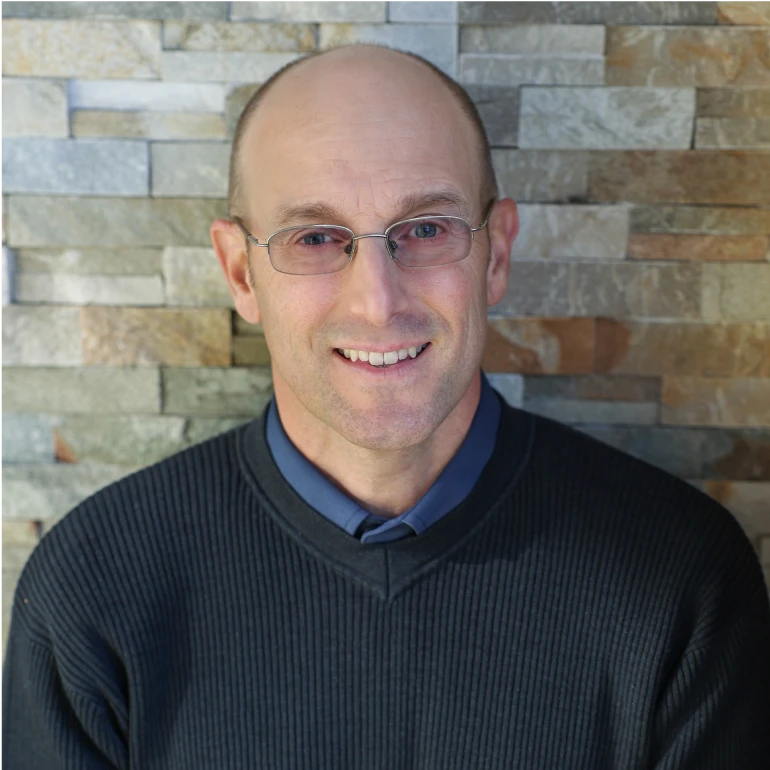
About the guest


Bret:
Welcome to the Metabolic Mind Podcast. I’m your host, Dr. Bret Scher. Metabolic Mind is a nonprofit initiative of Baszucki Group where we’re providing information about the intersection of metabolic health and mental health and metabolic therapies, such as nutritional ketosis as therapies for mental illness.
Thank you for joining us. Although our podcast is for informational purposes only and we aren’t giving medical advice, we hope you will learn from our content and it will help facilitate discussions with your healthcare providers to see if you could benefit from exploring the connection between metabolic and mental health.
Now, real quick before we get to the interview, please remember our channels for informational purposes only. We’re not providing individual or group medical or healthcare advice or establishing a provider patient relationship. Many of the interventions we discuss can have potentially dramatic or dangerous if done without proper supervision.
So, always consult your healthcare provider before changing your diet, your medications, or any of your healthcare interventions. So now, let’s get to this interview. And I think it’s really important, a number of concepts he talks about. And one thing that I think helps frame it is, anorexia is a dual pronged disease.
You can think about there’s the weight loss, which is the physically very dangerous and potentially life-threatening condition. But there’s also the thought process side of it. And one fuels the other. And so, Dr. Frank’s going to talk about that in his interview. But I just wanted to preface it as I think that’s an important distinction. But now, let’s get into this interview with Dr. Guido Frank.
Dr. Frank, I really appreciate you coming back on to talk to us today. And in the intro, I referenced our other video and interview with you about the pilot study that you helped write up, along with some of the others, Dr. Calabrese, Dr. Scolnick and others. But I wanted to take a step back with you now and talk to you about the scope of the problem, or the scope of the issue, with eating disorders and anorexia, and the high mortality rate and the current level of care. And what it gets right, what it gets wrong, what sort of is needed.
And then through that discussion, we’ll transition a little bit into the talk about nutrition and nutritional ketosis. I know that’s a big topic to start with, but if you could give us a summary of that, I think it would really help set the stage for the rest of the discussion.
Guido:
Yeah. Thank you so much, Bret, for this opportunity, again. Eating disorders are very common in the population, and anorexia nervosa is one of those eating disorders associated with severe emaciation and has one of the highest death rates among all psychiatric disorders. And while the problem has been known for quite some time, you really have no biological treatments for anorexia nervosa.
We have a set of behavior treatments. Of course, when somebody’s underweight, there is the needs to re-feed and so forth, if you allow me this term, or nutritional rehabilitation rather. But the problem, I think, is really finding out about mechanism and finding out new treatment directions to help those folks.
And i’ve been doing behavioral and brain imaging research for quite some time. I’ve been also trained in psychotherapy. So, I’m very unbiased when it comes to what treatment might work, whether medication, whether behavioral, things like that. But I think we are a bit at a standstill in how can we really support these behavior interventions with improving biological mechanisms that might be reinforcing the illness.
We have been working off a model, when we think about, there are usually certain triggers that make a person change their eating behavior. And that can be manifold. That can be somebody who just wants to get better in soccer, exercises more over summer, eats maybe a little bit less, and then three months later, that person has anorexia nervosa.
There are other people who learn in health class that certain foods are not good for you. They have maybe a family history of heart attacks or metabolic problems, and then they get nervous, right? And then they want to do the right thing, and then they cut out certain foods. And then, all of a sudden, they have a severe eating disorder.
Others are maybe overweight, want to lose some weight. Others, they have been maybe abused. They feel uncomfortable in their body, and then they change their eating behavior. What they have in common is while they come from so different directions, if you wish, many of those then develop eating problems, such as anorexia nervosa.
And that, I think, makes one think what are maybe common biological threads that those individuals share? And from a sort of cognitive conscious perspective, what all of those folks share is that they have negatively biased to food, right? Because there’s something they want to change about their eating.
But what really happens is when you lose a lot of weight, when you restrict and then your weight goes down, you lose muscle mass. You lose probably brain mass as well. There will be a reinforcing process that gets set in motion probably by a change in how the dopaminergic system works, and how dopamine receptors affect your thinking. But that’s probably not everything about it.
Another big aspect is that what we have learned is that folks with eating disorders, they tend to be, they’re hard workers. They usually do well in school. They tend to be perfectionistic. They’re very into doing the right thing in many ways. But if you are really motivated doing things the right way, you might also be more anxious.
And when you are more anxious, that creates stress And an extension arm of our model is now that stress probably interferes with brain homeostasis, probably with brain metabolism. And just to give you a little story on this side. So I had an outpatient clinic in the past, and what I noticed was every August, several of my patients relapsed.
And what happens in August? School starts, right? So, supporting the notion that stress, that’s even unrelated to shape and weight and eating-related issues, really seems to be a driver of the eating disorder. And so, I’ve been thinking this about this for a long time. And then, I was fortunate to learn about metabolism in psychiatric illnesses and got involved in this paper that you mentioned.
And I’ve been thinking a lot about that. And there is good animal research that would support that when you are having a very high stress level. Then, this might interfere with your glucose metabolism in the brain. And when you have a lot of stress and you work very hard, the brain, however, needs more glucose.
So, think about somebody who really works hard, wants to do the right thing. You need more glucose in the brain. And you may have noticed that yourself, you work on a project, right? And you see yourself maybe eating something extra because you need some additional food for your brain, but think about it.
You are vulnerable that this high stress interferes with how your brain actually can utilize the sugar, right? And that’s then where the problem might come in. And on the other hand, if you restrict, if you lose weight by not eating as much, then your body uses up your own resources. And you create ketones, keone bodies that the brain can use for energy usage.
However, of course, if you keep doing that, then you deprive yourself, and you might kill yourself by self-starvation. And I think that’s where using ketogenic diet-related therapies might be really, extremely helpful in normalizing, supporting a energy homeostasis in the brain so people do not get into these stress states.
Which then may help with anxiety, depression, and in our case, eating disorder behaviors.
Bret:
Yeah, you can definitely see your true colors as someone who really loves the mechanisms, and the research of the mechanisms coming out, in the way you answered that. You really connected the dots well on why you think that, why you think it happens in terms of eating disorders and energy regulation, and how ketones can help regulate that.
But at its core, nutritional ketosis is still thought of as a diet, as a restrictive diet. And we’ve heard through a number of our other interviews and videos that restrictive diets are contraindicated in anorexia and eating disorders. But now, that whole concept is starting to change with reframing this as therapeutic nutritional ketosis, of changing the fuel of the brain, of changing the body’s metabolism and the brain’s metabolism.
So, I’m just curious from your standpoint, because I want to hear about the study that you’re doing, that you’re proposing to study this in more detail. But has there been resistance and did you have some internal resistance about this concept of using a diet to treat anorexia? And having to get over that to realize that it’s not just a diet, but it’s a therapeutic intervention.
Guido:
Yeah, that’s a really great point. I think, first of all, we have to change maybe our thinking in this context, a diet perspective, from a losing weight perspective to a actual medical intervention perspective. I think we really have to change our thinking, or how we conceptualize this intervention.
We call it therapeutic ketogenic diets to make it clear it’s not about weight loss, but it’s about a therapy. And think about you have an illness, and you need to take a certain medication. Not everybody needs to take that certain medication. Only certain people and for a certain amount of time.
And I think about the ketogenic diet intervention a bit similarly. It is, I think about it as, a potentially highly impactful and helpful intervention for somebody, who is vulnerable to certain metabolic changes. Let’s say, especially when you lose weight, especially when you are high stressed and so forth.
Of course, the worry is that if somebody who is underweight and takes a diet, that person might lose even more weight. And so, how we have, so there are different ways how you can, that I think it’s important to look at it. First of all, the diet is meant to sustain the weight.
The amount of nutrition, of energy you take in, clearly is designed that you have enough calories if you wish. That you have enough energy that you do not lose weight. And in the study that you mentioned, I get to it in a moment, it is a criterion of continuation of the study that people do not lose weight.
So, it’s designed for that purpose. But the other important aspect is to, as we are very cognizant about this potential problem, we want to be very safe. And for the study, we want to recruit and include individuals who are actually not underweight anymore. At that point, those folks have been underweight or were underweight at some point.
They have partially recovered, at least, weight wise, yeah. They’re at least at the lower threshold of normal. However, those folks are still highly preoccupied with shape and weight. They are concerned about weight gain because these thoughts and cognition, they’re so ingrained. And I often ask my patients, so how much are you preoccupied?
How much do you think about every day about shape and weight and things? And people often say the whole day. All day long, I’m preoccupied. And that’s exactly a symptom, that’s exactly behavior where we have absolutely no good treatment for, where we have absolutely no good intervention.
And so, we recruit individuals who still have all the anorexia nervosa symptoms, except for the currently severe low weight. And we want to address this concern. But again, folks, if they’re interested, they go through a screening. They get consented. Everything runs through the University of California, San Diego.
They have baseline assessments with myself. They would have lab testing to make sure that liver, kidney, and so forth, are doing well. And then, folks would get enrolled in the study. The study also involves weekly meetings with a dietician. And that person very closely monitors the foods, are actually provided.
So, we have a commercial provider of those foods. So, it wouldn’t cost the individual anything to buy those foods. And then, we have weekly assessments for weight, for ketosis. How much somebody has gotten into the state of ketosis where the body then really, instead of using sugar, uses ketone bodies for energy generation?
Bret:
So, is this a single arm study where everybody gets nutritional ketosis, or is there more than one arm?
Guido:
That’s correct. That’s a single arm study. it is very hard to come up with a control intervention for. Somebody would not know whether that person is in the therapeutic ketogenic diet intervention or not.
But on the other hand, over the past 50 years, let’s say that anorexia nervosa has been really in people’s minds and people have been researching this, there has been no good treatment. And many treatments that have been tried to treat these cognitions, they have not been overly successful.
These thoughts are extremely hard to control. I would think if you respond to the ketogenic diet intervention, it is not likely that somebody would just respond out of a placebo effect. I highly doubt that. And I also should qualify something I said, there are no good treatments out there.
That’s not quite correct because we have good behavior interventions, but they are just very limited, let’s put it that way. And I think we need a biological arm to support those.
Bret:
Makes sense. So, how many people are you looking to recruit and how long is the study intervention?
Guido:
Yeah, so we look to include 40 individuals. They have a two week ketogenic diet induction, after the screening processes. And then, they would go through 12 weeks of full ketogenic diet with weekly visits and checkups. And see how people are doing, that their mood is all right and so forth.
They meet so with the dietician, the psychiatrist, the peer counselor. And then, we assess over time how a person’s behavior, in terms, especially in terms of thoughts, cognitions, feeling around eating, shape, weight, and improve. And what I’m, what I started to think is, whether the restriction state creates a almost an addictive factor.
You lose weight, and you have these ketones that get released. And you want to have more of those because you feel they are helpful for your energy. You feel having more energy, literally. And I’m hoping that the ketogenic diet with providing these ketones through the meals, that folks then feel similarly relieved in a way.
And they do not need to restrict anymore because they get the therapeutic dimension, the medicine, if you wish, in that case through their foods their diet.
Bret:
And is this a virtual study or do people have to be local and present in San Diego?
Guido:
So. This will be, a study where people can largely do it virtual. For the initial assessment, we probably will have a person come to our lab.
We have been working with our institutional review board on that, but they didn’t feel very comfortable with all virtual. So we, at least, want to meet with folks in the beginning at the first visit. So, we can take a weight in person.
We do the labs here, and things like that. However, to make this as easy as possible, we can do this largely via Zoom or other approved platforms. And people get a scale, for instance, mailed to them where they can take weights every week, and they don’t see the weight. So, we just get that uploaded to our system, and that we have a means of looking into people’s weight trajectory. They’re not losing and things like that.
Bret:
So, a 40-person, 12-week study. Now, obviously, building upon that five person pilot trial that was published so this is a very logical next step. Now, I know this is hypothetical and asking you to look into your crystal ball, but assuming it shows a beneficial effect and it is a positive intervention, do you think that would be enough to say time to change clinical practice and time to use this as a therapeutic intervention more broadly?
Guido:
I would think it’s a crucial step to support that this is an important intervention. I think this will be a crucial step to create momentum and awareness in a larger group, compared to the pilot study, to make a case that there is something to this intervention. And by the same time, I think in parallel, what we really need is a deep understanding.
What is the pathway from changing your diet to changing behavior? What is in between? What happens in the brain, especially, that you can think differently about shape and weight? That you can think differently about all these eating disorder-related behaviors that you do not have this desire, this need to restrict? That it’s easier to eat normally again.
And so, I think that will be key to identify these metabolic mechanisms as a biomarker and mechanistic problem in those disorders. And I think as soon as we identify reliably a mechanism, then we can build our models and how we look at anorexia nervosa, in our case, from a much, much different and broader perspective.
And in addition to the traditional neurotransmitter systems that will look, how do metabolic factors come into play here? And that will also have really important, broader implications of other psychiatric disorders because there’s a lot of overlap, a lot of comorbidity. And one can expand a lot on that as well.
Bret:
Yeah, I just find this whole area fascinating to really be at the forefront of watching how science and medicine changes. Basically, start with a hypothesis. Start with case reports, then the small pilot study. Then, you build on it with a bigger study. Then, you also have to look at the mechanisms. And then, you put that together, the clinical outcomes with the mechanisms to maybe study it further. All building towards a safe and hopefully effective, wider application of care.
But in the meantime, there are people who need help now, who want help now. So, to have to carefully give advice or give recommendations of what people can try now as we’re learning more, it really is seeing this field grow right in front of us, which is pretty fascinating. And you’re right on the forefront of it.
So if someone listening wants to get involved in this study or has a loved one that they think might be good for this study, how do they contact you to find out if they’re a candidate?
Guido:
Yeah, so we will have a link on our website. And we’ve also publicized that the study is currently still on the institutional review board review.
The university makes sure that everything is safe. That goes through several review panels. And we hope that by August, at the latest, we can really get started with this study. So, we will publicize that on the UCSD website. And we’ll also use public social media platforms to publicize the study, how to get enrolled and so forth.
Bret:
Sorry, your microphone got muffled there. Did you say it was August? What was the date?
Guido:
August one. August one.
Bret:
August one. Okay, very good.
Guido:
Perspective date, we were hoping a little faster. But it just takes a while until all these processes that need to be in place, that they’re taken care of.
Bret:
Now, when someone hears about a study like this and someone hears case reports, especially for a condition, like anorexia, that doesn’t have great treatment. Where we’ve heard people, a lot of them, use the term give up hope, and they’re looking for something. A lot of people want to grab onto something and say, oh, this could work.
I’m going to start it tomorrow. So, we also have to say that we’re doing this research to prove it’s safe and effective, both very important. So ,what kind of safety advice would you give to the person listening and saying, is that something I can do now?
Guido:
I would rather discourage from that because we don’t, to be fair, we don’t know exactly in larger groups how it works.
That’s why we need really larger groups of individuals. I think our pilot data are very promising, but I really want to emphasize caution. Also, in the purview of the potential, if you don’t do it right, you might lose weight and things like that, which might be more to your detriment. So, I really want to urge caution, and rather see to get into a clinical trial because there we are very cautious and careful to make sure that there are no safety problems coming up.
So, I would really like to encourage folks to get into the clinical trial and not do that at home without proper supervision.
Bret:
Very good. I look forward to having another interview with you sometime. Hopefully, in the not too distant future where we talk about the findings of this study, and what the implications might be.
So, thank you for all your work. And thank you for the taking the time to join us here at Metabolic Mind.
Guido:
Thank you so much for having me. It’s always a pleasure.
Bret:
Thanks for listening to the Metabolic Mind Podcast. If you found this episode helpful, please leave a rating and comment as we’d love to hear from you.
And please click the subscribe button so you won’t miss any of our future episodes. And you can see full video episodes on our youTube page at Metabolic Mind. Lastly, if you know someone who may benefit from this information, please share it as our goal is to spread this information to help as many people as possible.
Thanks again for listening, and we’ll see you here next time at The Metabolic Mind Podcast.
Listen, Watch & Subscribe on:

University of California San Diego has begun enrolling participants in a clinical trial evaluating ketogenic therapy for the treatment of anorexia nervosa. The study is supported by a philanthropic gift from Baszucki Group.
Read more

Learn how the new AnorExit program is pioneering the medically supervised use of ketogenic therapy for anorexia by combining expert nutrition guidance, peer support from someone in long-term recovery, and coordinated care with physicians and therapists. In this Metabolic Mind episode, dietitian Denise Potter explains why nutritional ketosis, once considered inappropriate for eating disorders, may actually help correct underlying metabolic and psychiatric factors when applied safely in a structured, multidisciplinary setting. This discussion explores early case-study success, the science behind ketosis, and how individuals can explore this emerging therapeutic option under expert supervision.
Learn more

This Metabolic Mind episode shares the remarkable recovery of Caroline Beckwith, who battled severe anorexia nervosa for more than fifteen years and found lasting remission by combining a medically supervised ketogenic diet with ketamine infusions. After years of ineffective standard treatments, obsessive exercise, and even substance use, shifting to therapeutic nutritional ketosis changed her brain chemistry, quieted the relentless anorexic voice, and allowed her to rebuild a full life. Her story challenges the assumption that all restrictive diets are dangerous in eating disorders and instead positions ketogenic metabolic therapy, when carefully supervised, as a promising new option for people with anorexia who have lost hope.
Learn more

A Practical Guide to the Ketogenic Diet, Why Formulation Matters, and How a Nutrient-Dense Approach Can Unlock Its Full Therapeutic Potential. As research continues to uncover the therapeutic…
Learn more
University of California San Diego has begun enrolling participants in a clinical trial evaluating ketogenic therapy for the treatment of anorexia nervosa. The study is supported by a philanthropic gift from Baszucki Group.
Read more
Learn how the new AnorExit program is pioneering the medically supervised use of ketogenic therapy for anorexia by combining expert nutrition guidance, peer support from someone in long-term recovery, and coordinated care with physicians and therapists. In this Metabolic Mind episode, dietitian Denise Potter explains why nutritional ketosis, once considered inappropriate for eating disorders, may actually help correct underlying metabolic and psychiatric factors when applied safely in a structured, multidisciplinary setting. This discussion explores early case-study success, the science behind ketosis, and how individuals can explore this emerging therapeutic option under expert supervision.
Learn more
This Metabolic Mind episode shares the remarkable recovery of Caroline Beckwith, who battled severe anorexia nervosa for more than fifteen years and found lasting remission by combining a medically supervised ketogenic diet with ketamine infusions. After years of ineffective standard treatments, obsessive exercise, and even substance use, shifting to therapeutic nutritional ketosis changed her brain chemistry, quieted the relentless anorexic voice, and allowed her to rebuild a full life. Her story challenges the assumption that all restrictive diets are dangerous in eating disorders and instead positions ketogenic metabolic therapy, when carefully supervised, as a promising new option for people with anorexia who have lost hope.
Learn more
A Practical Guide to the Ketogenic Diet, Why Formulation Matters, and How a Nutrient-Dense Approach Can Unlock Its Full Therapeutic Potential. As research continues to uncover the therapeutic…
Learn more