New Results: First RCT for Schizophrenia & Bipolar Disorder. Learn more.


Listen, Watch & Subscribe on:



Tapering Psychiatric Medications Safely: Insights with Dr. Josef
Listen
About the host
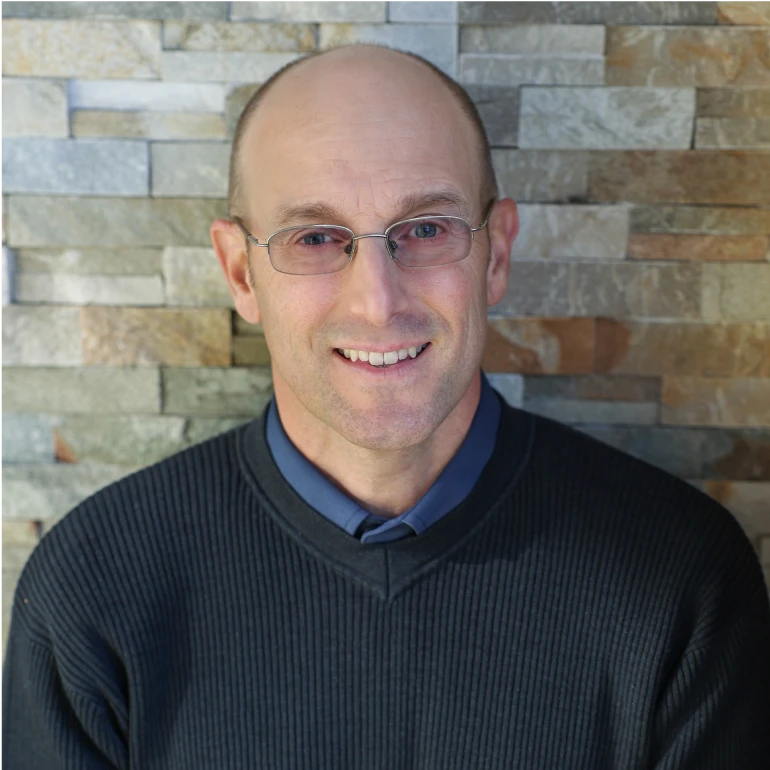
About the guest


Josef:
Gosh, if it does work for you, it completely changes your life. It’s not just less side effects. Like with Trudy, it was like, I’m going to a group home, and now it’s like I’m going to medical school. It can just be, it just gives someone, it can give people a completely new lease on life.
It’s just remarkable.
Bret:
Welcome to the Metabolic Mind Podcast. I’m your host, Dr. Bret Scher. Metabolic Mind is a nonprofit initiative of Baszucki Group where we’re providing information about the intersection of metabolic health and mental health and metabolic therapies such as nutritional ketosis as therapies for mental illness.
Thank you for joining us. Although our podcast is for informational purposes only and we aren’t giving medical advice, we hope you will learn from our content and it will help facilitate discussions with your healthcare providers to see if you could benefit from exploring the connection between metabolic and mental health.
Dr. Josef is a board certified psychiatrist who specializes in tapering and deprescribing and specializing in psychiatric drug adverse reactions. And he has such the perfect background for this as a clinical psychiatrist, having worked for trial design and safety monitoring in the pharmaceutical industry and having worked for the FDA for drug approval and safety. And he brings all that experience to his clinic of helping people get off psychiatric medications safely and appropriately.
And now relatively recently has started to learn more about metabolic therapies and ketogenic therapies and how that can help the process. So this is a really insightful discussion with Dr. Josef about his approach to antidepressants, psychiatric medications. Before we get into the interview with Dr. Josef, please remember none of this is medical advice.
This is a discussion between two clinicians to maybe help educate you, help you bring this to your clinician, and hopefully educate other clinicians. But any medication adjustment, any lifestyle changes has to be done under the guidance of a prescribing physician because it can be very dangerous, even life-threatening, to do this too quickly on your own.
But as you’ll hear from this interview, when done appropriately and with clinical guidance, it certainly is something that can be done safely. But the key is with clinical guidance. Thank you.
All right, Dr. Josef, thank you so much for joining me today at Metabolic Mind.
Josef:
Bret, it’s so good to be here.
Bret:
Yeah, and I’m really interested to talk to you because you have, I guess you could say, a unique perspective about the field of psychiatry, about the medications used in the field of psychiatry.
One that’s not always so popular, I guess you could say, with mainstream psychiatrists. So, I definitely want to get into that. But also you have a very unique background, both as a clinician and having worked in the pharmaceutical industry and the FDA. So, give us a little bit about your background and how you got to the point where you are today.
Josef:
Yeah, so I guess for context, the point where I am today is I’m a psychiatrist who only works in de-prescribing. So, I help people come off psychiatric medications, and that’s all I do. And how did I get here? Because I did come from a very, I think, conventional background. I trained as a physician. Then, I went into psychiatry residency at an academic institution.
I was at Baylor College of Medicine down in Houston. And I’d say the reason I help people come off medications is, I actually have a lot of questions about how helpful they are for people and the risks of being them long-term. And that’s been an ongoing concern for quite some time.
When I, you know I went into psychiatry because I love understanding what makes people do well emotionally, what makes people thrive, what makes people sick. That was what I’ve always been interested in, from being a teen and then the things I used to read. And so when I went into medical school, I, thought, wow, psychiatry, what a blessing.
I could combine my love of medicine and my love of psychology into one field, psychiatry. And I can help people in that way. But, quickly, I think after leaving medical school and going into residency, gosh, it was not what I expected at all. I quickly learned that the way we were treating people in psychiatry was just not what felt intuitive to me at all. I think, intuitively, I felt that when someone had a mental health problem, let’s just stay with depression, you would be looking at why they’re unhappy. Like what are the stresses going on in their life? How can we help?
How can we help these people address them? What are the reasons, you know, that they’re upset? And I didn’t see a lot of that in conventional psychiatry. And I’m sure this isn’t a shock to people listening to this. Because if you’ve just seen a family medicine doctor or a psychiatrist, maybe you’ve had this experience as well where you essentially get asked a couple of questions about your symptoms, or maybe you even fill out a questionnaire, and then they offer a medication. And implicit within that is that there’s something genetically wrong with your brain, and that this medication, it is the solution. And that intuitively felt wrong to me. I think from the beginning, I was just like, this doesn’t really make sense. Why are we just helping?
Why are we just using these medications? Why aren’t we spending the time to get to know people and figure out what’s the root cause of what’s going on with them?
It bothered me for a long time, and I think I suppressed it. And I think I went fully over to the biological model, and for a while, I was able to convince myself, yeah, depression, bipolar, schizophrenia, all of these things, these are mostly genetic conditions. And we just, we really just have to manage them with medications.
It just kept nagging away at me, and I just said, there’s got to be something better than this. And because I was very curious about that, I came across a lot of other critical psychiatrists in the space who were saying, actually, there’s a lot of problems with the way we think about mental illness as being genetic and also with the treatments.
And it threw me into a dark place where I was like, now I don’t know what to believe. There’s a group of people saying that we’re completely overmedicating people, and we’re actually doing them harm. And there’s other things that we could be doing. And then all of my professors are saying, these are evidence-based safe treatments.
And so I’m in my residency, and I don’t know what to believe. And so, I became really interested in psychiatric research because I figured I had to get to the bottom of this myself. And so, I started doing a lot of drug safety research because that was the other, because the question I had was, is there really that much harm to just giving these medications out so liberally in these short visits?
Like I was saying, and the way I wanted to answer that question is by understanding risk really well. And so I started to publish on drug side effects, drug risks. And through that work, I ended up going to the pharmaceutical industry as a drug safety officer, getting to learn how the drug companies characterize the risks of the drugs.
And then I also went to the FDA as a medical officer and the Division of Psychiatry to be at the epicenter, and look at all of the drug safety issues coming in and see what the evidence basis is behind getting psychiatric drugs onto the market. And that was an odyssey for me. And I was, that chapter of my life lasted about three years, but I came out of it actually siding with the psychiatrist who were saying that these medications really are overprescribed. They’re not as safe as people seem to think they are.
And I was able to make up my own mind having seen the inside of the drug companies and the FDA and understanding what went into the clinical trials.
Bret:
That’s what I think is so unique about your story that you have that so many different touchpoints and different, being able to see it from different perspectives.
From the pharmaceutical perspective, from the pharmaceutical industry perspective, from the governmental regulation perspective, and from the clinical perspective, which is very unique. I’m sure you understand how you unique it is to be able to see things from such detail from those perspectives.
And in the end, you came out saying, I want to help people get off these medications, but it’s very easy to say black and white. We’ll take antidepressants. Antidepressants work or antidepressants don’t work, right, like very black and white. I don’t know, my take is it’s not so black and white. So, I’m curious for you, too, like they do something, they have a role, but maybe their role has just been way overblown?
Would you agree with that statement or how would you characterize it?
Josef:
There’s nothing really wrong with any of the psychiatric medications. The problem really comes down to what we tell patients about them and what we teach the other physicians about how they help people. And for a long time, staying with the antidepressants, the narrative was that they’re correcting a chemical imbalance.
And that’s how originally I was taught. They’re correcting serotonin imbalances or some doctors say, they’re helping with BDNF, brain derived neurotrophic factors. And we’d always be, the way these drugs would be described as helping people would be through these biological ways.
And there is a significance to that, and I’m going to lay that out. The significance to explaining how an antidepressant works at a biological level is that it can make people feel like it’s correcting something wrong in the brain. And I want to contrast that against what I think is the only logical position to understand these drugs.
And that is that they just work through drug effects. that they’re not like a diabetes drug that’s correcting, it is not like insulin diabetes, where there’s a clear defined problem that it’s fixing. And because you’re fixing that clear, unique problem, all of the problems stemming from that illness are going to go away.
That’s not how any of the psychiatric drugs work. We’ve never identified any unifying pathology or chemical imbalance or deficit in any of these conditions. But the drugs work, and by work, I mean they have a clear effect. I’ve taken multiple psychiatric medications. I’ve been on benzos, I’ve taken antidepressants. And I’ve used them for 10 years.
So, I know, I use them with patients for 10 years. So, I know what it feels like to be on these drugs. And I also know what my patients feel on the drugs, and they have drug effects. They have clear drug effects, and they vary. But, in general, if you’re taking serotonergic antidepressants, it’s somewhat of a calming effect, and an emotionally blunting effect.
And that can be really therapeutic for some people, especially if someone is highly anxious. And so, to take a drug and to experience that calming, that can result in a reduction in suicidal ideation. It can result in an improvement in functioning for some people. But when you acknowledge that, you actually have to acknowledge that these drugs, unlike the diabetes drug that just fixes the biological problem at its core and everything’s fine.
If you acknowledge that it’s working through drug effects, you have to start acknowledging that there’s collateral damage. For instance, there is collateral damage to blunting someone’s emotions. It can make them emotionally distant in their relationships with people. It can mute their drive, and it can cause some personality changes.
And we never talk about that. and they can be experienced as quite negative for some people. A lot of people come to my practice now, and they just say, I feel like I’m faking my emotions. I feel like I’m inauthentic. Things are happening around me, and I’m putting on this face, but I’m not really feeling anything.
You have to acknowledge that side of things. That you are, in fact, drugging someone. And you are trying to use the drug in a therapeutic way to help them, but there is collateral damage to that. The other issue is that we start dealing with issues of tolerance, and now this is the thing that no one really talks about, which I think is the biggest issue.
When it comes to psychiatric medications is that these drugs wear off in a large number of people. Clinically, anywhere from 6 to 24 months after I start someone on an SSRI, a good proportion of people are not going to be feeling that drug effect anymore. it’s going to wear off.
They’re going to need a and, when that happens, you’re stuck in a situation where you have to either increase the dose to get the same effect ,and so on and so forth. Or you leave it alone, but the drug’s not working. And they just have a drug on board that’s causing side effects, or you have to withdraw them and then you pulling them off the drug.
They’re having withdrawal side withdrawal effects, and then they’re dealing with the problems that got them on the drug in the first place. And that’s a really, that’s a bad outcome for a lot of people. I don’t think a lot of people would really want to sign up for that. And sure, it doesn’t happen to everyone.
There are stories out there with lots of people who’ve been on these medications for decades ,and it’s just hit the right spot for them that they’re not fully adapted to it and it’s working. But, oh man, are there a lot of people out there, and I would say more than half by far, these drugs they wear off, they need higher and higher doses and you end up in a situation where people accumulate drugs.
Before you know it, they’re on 5 or 6 different medications. The types of side effects that they’re having become more complicated. Some people will even have manic episodes sometimes because they’re on a cocktail of medications. It gets misdiagnosed and before you know it, the person is really sick, and it’s completely drug related.
Bret:
Yeah, I want to go back to your analogy about the diabetes medication because I think it’s so interesting. Because on the one hand, you could say how it’s different, but the other hand, it’s very similar because if you’re giving insulin to someone with diabetes, you’re trying to mask the symptom of high blood sugar.
Just if you’re giving an antidepressant, maybe you’re trying to mask some symptom, but neither one gets to the sort of the etiology, the root cause of what, why the blood sugar’s high, or why someone is feeling symptoms of depression. So, I think that’s such an interesting analogy because it does work both ways.
But like you’re saying, each one has a role, right? You don’t want to walk around with a blood sugar of 300. That’s really dangerous. So, the insulin has a role in bringing it down, at least in the short term, or temporizing it. And the same for antidepressant. If someone’s suicidal or just very seriously depressed, then maybe the antidepressant has a role.
But it shouldn’t be the end of treatment. If I can put words in your mouth, there’s treating to be safe, to get the blood sugar down in a safe level, to get it so you’re out of the hospital and you’re no longer having suicidal thoughts. But that’s different from thriving and living your life to the most, and that’s where other treatments need to come in.
So, when you see that in your clinic that someone isn’t optimally treated, that someone is probably having side effects from the medication and emotionally blunted, but hasn’t really gotten to the root cause. it’s such a huge question, but like how do you think about, okay, now we need to target this and find a way to get this person back on track to what I think is the best treatment for them to live their life fully?
Josef:
Yeah, I think that in some ways, mental health can be simple, but treating it can be incredibly hard. It’s simple in the way that it is actually very intuitive. What makes a lot of people unhappy? Not struggling at work; not doing work that you like; being in a dangerous, abusive environment; having relational stresses; being physically unhealthy.
And so that’s where I start looking at. I start looking at life hardship, and I start looking at physical health. And then really once you’ve, because for each person, and for each person it could be something different. You could have someone who has sleep apnea and they have terrible, their sleep quality is terrible and they have anxiety and depression.
That’s a very specific treatment. You could have someone who’s really shy, and they’re struggling to form relationships with people and they’re lonely. They don’t even need like a traditional mental health professional. They just, they might need like a coach who could teach them some social skills.
You’ve got someone who may be struggling to connect with a partner because there’s some interpersonal dynamics they learned when they were growing up. Seeing an interpersonal therapist to learn about empathy and to learn how to put yourself in someone else’s shoes, that could be the treatment for them.
Then also, I know we’re on the Metabolic Mind Podcast. You could have someone who is having dietary problems. They look physically unwell. They’re overweight. The food that’s going into their body isn’t nourishing them. And I think that’s especially relevant when you come across people who say, I don’t know where this came from because you get two stories in mental health.
You get, I went through a divorce and I got put on this drug, or I moved town and I was lonely and I got put on this drug. But then you have some people who just say it just slowly crept in, and I just started feeling lethargic and terrible. And then I was just sick and none of the treatments worked.
When I hear that, I used to think a genetic illness, severe genetic underlying illness. Time to bring out the gun, the big guns, and we’ll use the meds. Now, when I hear that, I say, what’s going on with their diet? Because I think until you address diet with those people, you cannot, I think, in good conscience say that there’s something wrong with that person’s brain or their genetics. Because I’ve seen many people now come off decades of psychiatric medications with dietary interventions, and it hasn’t been keto the whole time.
I’ve seen people go gluten-free, who didn’t even have GI symptoms, come back from bipolar disorder diagnoses and completely come off meds after two decades. It’s just remarkable some of the dietary interventions, and the impact it can have on mental health.
Bret:
Yeah, it is impressive what you can see, and I actually want to circle back on that.
So, we’ll talk a lot more about nutrition and ketosis or other dietary interventions. But first, I want to say, we’ve talked mostly about antidepressants at this point, but I’m curious to get your viewpoint on how you see antidepressants, antipsychotics, mood stabilizers, right?
The whole breadth of psychiatric medications, do you see them similarly in terms of their effect or lack of addressing the root cause? High potential for side effects that isn’t discussed enough, long-term effects? Do you see them all in the same bucket or do you see them differently based on their class of medication?
Josef:
No, I see them all in the same bucket. And in that, they all work, they all clearly have drug effects, which can feel therapeutic for people when they’re having these crises. With all of them, you’re still dealing with the issue of tolerance. We’re dealing with the problem of putting a drug into our body that disrupts our neurochemistry, which controls our neurochemistry. It isn’t controlling just our emotions, it’s controlling the physiology of our entire body.
It’s involved in our cardiovascular system and our immune system and our GI system, and our body hates that. And so it pushes against it, and people adapt to the drugs. Eventually they wear off, and so you end up in that same position. Some, so many people end up in that same state where they, where the drug effect is wearing off, and they need more of it over time.
The other issue is there’s so many different stories out there with these medications, and they’re all valid. You have some people who, this drug saved my life. I’ve been on it for three decades. I’m not coming off. It’s the greatest thing ever. And you have people whose lives are just destroyed by them.
And part of the issue with the evidence base behind psychiatric medications is we have, because our studies are about 12 weeks long, at least the double blind portion of them, we don’t really know how they affect people over the long run. We’re talking about safe and effective for three months, and so the rest of it just ends up being this kind of black box, this question mark. Are you going to be a lucky one? Where it’s going to work indefinitely for you and it’ll be a good fit? Or are you someone who’s going to slowly start to feel worse and run out of options? True for the drugs.
Bret:
Yeah. that’s a really interesting perspective. So, now getting back to what you were talking about nutrition though, which can play such a powerful part in many ways.
I’ve seen on your Twitter, your X feed, that lately you have been posting a little bit more about ketogenic therapy, about ketogenic diet. I’m curious, what was your first experience of using ketosis? To help either de-prescribe, and I want to get also more into the tapering and the de-prescription specifics.
But first, what was your sort of, your first experience with ketosis as a treatment for mental illness or as an aid to help people de-prescribe?
Josef:
It, so it actually found me is, what happened. So, I because I work in psychiatric deprescribing, I have staff. I have staff that help me just support the patients.
They’re with counseling as they come off the medications. And one of my coaches, Trudy, her story was that when she was, I think 17 years old, and she had a trauma history, and we’ve talked, and it’s okay to talk about this. We’ve talked about this on my YouTube channel multiple times.
But she had a trauma history, and she was put on antidepressants. And she was on an antidepressant for a while. Then she got diagnosed with bipolar disorder and then she, I think there were some psychotic symptoms in there, she got put on antipsychotics. And then eventually, she had multiple rounds of ECT, and she was completely disabled, almost placed in a group home.
And she was sick for, I think, 20 years until she tried to come off Strattera, which is an ADHD med. It’s like an any, like an SNRI antidepressant. And she came off, and she had a what? She had something called a protracted withdrawal injury, which is a specialty of what I work on.
People who have a really hard time coming off these drugs, when that happened to her, when she came off the drug and had this severe withdrawal reaction, she became acutely aware of drug side effects and it cracked open a door for her. And she said, how could something that’s meant to be helping me have hurt me so badly?
And so she started questioning the medications that she had been taking, and she discovered dietary interventions. And she stopped gluten, was what she did. I think she was 37 at that time. She’d been on it for about two decades and her symptoms completely went away when she stopped gluten.
And over the course of three years, she was able to come off all of her psychiatric medications, and she was able to return to work. And it never came back, this depression and this depression that needed ECT, multiple rounds of ECT in the past, multiple psychiatric hospitalizations.
It just vanished completely. And we, we’re working together now. She’s been off medications for five years, and she’s returning to medical school. She’s back in college, she’s doing prerequisites. It’s crazy, but this was someone’s life who was completely derailed for 20 years because of a missed dietary thing.
And so that was the first thing that happened. And then another coach joined, actually, Neseret. And maybe she’s even, you’ve even spoken to her because I think she won one of your research awards, and she had, yeah. And so her story, she had bipolar diagnosis, was on medications for 10 years, used the ketogenic diet and came off.
And so for me, I was just having these, because I was in the space of trying to get people off these medications. I’m like, who can help me? I need to find these other people who have come off and then I’m going to have them support my patients. And I just kept on saying, oh, I came off after a decade because of the dietary change here.
And then I started having people come to the clinic. I started having people say, hey, there was this young girl that recently joined earlier on this year. And she again, Trudy, was on psychiatric medications as a teen, and then it just spiraled out of control.
And she was diagnosed with schizoaffective disorder, oso, multiple psychiatric hospitalizations, ECT, and she was on clozapine or Clozaril, which is essentially the apex predator of antipsychotics. It’s the kind of the biggest hitter, most sedating. It’s the, if you’re on, if you’re on Clozaril, people have pretty much run out of ideas in terms of how to help you.
And she, so she was on this medication and she was in her mid twenties, and she came off using a paleo diet. And so gluten-free, dairy-free. And she did that, and it disappeared. And so people just kept on coming to me and just saying, hey, I’m coming off decades of medications, changing my diet.
And at that point, it was impossible for me to ignore. And so I went and I started talking to Georgia Ede. I went and did her course. And now it’s just a routine thing that we do in our practice. Everybody, especially the people with metabolic problems, and and the people who say, hey, I have depression and it comes out of nowhere or I’ve got psychotic symptoms or bipolar. Everyone is getting these dietary interventions now because, and they may not work for everyone.
I don’t think I have enough experience to say, this is the fraction of people it’ll work for. Gosh, if it does work for you, it completely changes your life. It’s not just less side effects, like with Trudy. It was like, I’m going to a group home and now it’s like, I’m going to medical school.
It can just be, it just gives someone, it can give people a completely new lease on life. It’s just remarkable.
Bret:
Yeah, those stories are incredible. And like you said, just how life changing they are, but also frustrating that you had to learn about it from someone you were working with or from a patient or you didn’t learn about it from your training or from your CME courses.
So all of that, the landscape seems to be changing, but so wonderful that this was brought to you and you were able to embrace it. Now the downside though is people, like you were saying, you don’t, it doesn’t work for everybody. And it’s not going to be as easy as it is for some people. But do you find, in general, that using ketogenic therapy helps with the tapering and the de-prescription process?
Because it can be a very difficult process, especially for the patients. Do they have drug potentiation? Do they have withdrawal effects? Or do they have a recurrence of their symptoms? It can be a complicated sort of mix to try and figure out. And some people find that ketogenic therapy can help with that.
So, I’m curious just to get your experience with that.
Josef:
Yeah, I, think it depends. For some people, I think just cutting out gluten just seems to have a remarkable effect on them. So. We bring them up from this, kind of paleo-whole foods diet, and sometimes that helps a lot.
And then when you get to the ketogenic diet. Listen, I think the ketogenic diet just in general makes people feel better, not everyone but a lot of people. I’ve done the ketogenic diet myself, but what I do notice from my patients and what I noticed for me as well, is you actually have a lot more stable mood on it.
You don’t have like food cravings as well. I feel like you eat less. And I just, and so I think people. They, I know it’s not meant to be a weight loss diet, but what I see is people tend to lose weight on it, and they seem to like that a lot. And then I feel like their mood is a lot more stable and the, and these are just people without mental health problems as well.
It’s just, an interesting intervention to just, I think just bring you off that sugar rollercoaster where your insulin is like spiking and then your adrenaline is spiking as the blood sugar crashes. And yeah, I do think most people, j just feel good, especially if you’re coming from a diet where you’re eating a lot of refined carbohydrates and sugars.
And, you’re riding that rollercoaster.
Bret:
Yeah, and that’s what’s so interesting as we’re learning more about research. Is it just the eating better approach, right? Like getting rid of the junk food, stabilizing your insulin a little bit. And it’s clear, that can help. But then what about going that next step and actually adding ketones to the brain and does that add even further?
So, that’s what a lot of the upcoming research is looking at. So, I’m curious for you as a clinician, the clinical impact you can have versus what the research shows. Like some people say, I’ll try it when there’s a randomized controlled trial, or I’ll try it when it’s in the guidelines versus here’s a patient in front of me, maybe I should try it anyway to see if it can help?
How do you frame that in your clinical and research and scientific mind, right? All these minds coming together to try and help this patient in front of you.
Josef:
I don’t need randomized controlled trials to do things, but I think I’m different because I’m so disenchanted with just what passes as high-quality research just in mainstream psychiatry because I do think a lot of the antidepressant clinical trials, I think they’re, honestly, I think they’re like, marketing a lot of it.
I don’t think it’s really helpful. I’m pretty cynical in that respect. So, I don’t need randomized controlled trials like for something to have, if I can see something in front of my face and then I see it enough. And then I also, there’s a really solid scientific rationale behind it. And a lot of these things I try for myself as well.
Like I’ve done a ketogenic diet and so I’ve experienced those benefits. And so, for me, I don’t need the, I don’t need the clinical trials to do it. I’m just confident just having seen it in so many people at this point, and just knowing that there’s theoretical benefit and knowing that it’s not just me.
It’s people all over the world who are noticing this, different researchers of different walks of life, maybe people like me who weren’t even interested in dietary therapies until it hit them in the face. And so, to me, that’s enough.
Bret:
Yeah, that’s a great perspective.
And, it’s also fantastic. The setup that you have in your clinic, that you have the coaches who can work with the patients on a regular basis. And you as the psychiatrist, you can manage the medications, but getting off medications is not always so easy. You hear stories online that people get off their medications and do great, and then you hear stories that some people can never really get off their medications and really, and struggle to do so. I’m curious how you advise people when they come to see you and they say, I’m having these side effects, I want to get off my medications. Like how do you counsel them about how to go about doing it and what the success might be and what to look for? Yeah. What’s that, what’s that meeting like?
Josef:
Sure, so the first thing that comes to mind is like, why do you want to get off the medication? So, that’s the first question I ask. And usually it’s because I don’t feel well. So, the person is suspecting that there’s something about being on the medication that’s just, they’re sedated.
They don’t feel like this themselves. They feel dissociated, or they feel irritable and on edge. And so the first thing that you do is you look at all the medications, and you have to identify, is there a drug here that’s potentially causing this effect that’s making you feel unwell? And then the next part is you have to pick a speed, right?
So, depending on the seriousness of the side effect, now some side effects can be so severe, you’re going to pull them off the drug within a couple of weeks because it’s so risky. I think about something like akathisia where someone is pacing a lot. That can be a life-threatening side effect, but sometimes it’s really benign.
it could just be like, I’m just not feeling that great now. For that person, I would do a, I would start with a slower taper for them because you’re always balancing these two things on a seesaw. It’s like on here, it’s like the risk of the drug effect, and here it’s like the risk of withdrawal.
And so you know, if there’s not a lot of risk from the drug effect, then the risk of withdrawal is therefore higher. And so you’re going to be moving slower. Now, if there’s more kind of risk of the drug effect, then you’re going to be moving faster. So, you really have to decide. You have to make that assessment.
The way I taper after that is patient led. And so what that means is, I typically will, let’s say that we have a non-serious side effect going on. I would start someone at a taper in 5 to 10% reduction, per month. And then I would just check in with them every two to three weeks.
Hey, how are you doing? If they’re doing fine, I increase the rate by 5%. And then check in with them in two to three weeks. How are you doing? Fine. I increase the rate again, and eventually we might get someone up to say 10 to 15% a month. They, my goal is that when someone tapers with me is that they have no loss in function.
It’s okay to experience mild withdrawal symptoms. But if they get to the point where you’re not able to work or they’re impacting your ability to care for your family, you’re moving too quickly. And so that’s the kind of barometer that I have. And so when I start to have someone say, Hey, I’m at 15%.
I had to take a day off work this week or two days off work this week because I couldn’t sleep, my insomnia was getting really bad. That’s a sign to me to say, okay, we are going to go back to the previous dose. We’re going to let you sit there for a couple of weeks and then our next reduction is going to be smaller.
And it’s, that’s the way I taper them. So, we’re always moving at the fastest rate that’s safe for them and still allows them to be functional. And all of my adjustments are just based off withdrawal symptoms, and for me, that seems to have worked really well. And most people tend to be able to come off between one to two years, if they’ve been on these medications for several years.
Bret:
Now, from a practical standpoint though, decreasing by 10%, 15% is challenging to do if you have a big pill that you have to cut in half or cut in quarter. So, do you make use of compounding pharmacies or liquid medications? Or what are some of the, like the practical things that you can do to help with that?
Josef:
So, I use a lot of liquid medications, especially to finish off a taper. Now, I think you can only really safely cut a tablet into about quarters if you’re using a pill cutter. And so what that means is, let’s say someone is on 50 of Valium. For those in the audience, 50 of Valium is a pretty big dose of Valium.
And so with 50 of Valium, it might be really easy to just lower by one milligram of Valium every two weeks. And that’s, you could just do with that with tablets and you might be fine tapering down with tablets until you get to around maybe five milligrams of Valium. And at which point, if you were to drop by a milligram, oh my God, that’s a 20% reduction.
That might hit. And so what I tend to do is at the higher doses, I’ll taper people down on tablets, and as they start to get to the lower dose range, where there’s a quirk about the pharmacology of the psychiatric medications where at the lower dose range, they, it’s almost like they become less sticky.
And so as you make reductions at that lower range, the drug disengages from the receptor at a much, at a much higher rate. And let’s say you could have, going from 50, 50 of Valium to 49 of Valium, that may feel like nothing. But going from 5 Valium to 4 of Valium, that may cause a huge shift in receptor occupancy at that lower dose range.
And the bottom half of the drug taper is much trickier. People run the risk of tapering too quickly by mistake and having withdrawal symptoms then. And so what I do in my practice is at that lower range is I’ll convert people onto a liquid medication now.
The great thing about psychiatric drugs is you can practically convert them all to liquids with a few quirks. One being Pristiq and Cymbalta, which you would have to, those are special psychiatric medications that have a capsule around them that you can’t tamper with because it shuttles the drug through the acid risk, rich stomach environment into the small intestines.
And you need a special capsule so it doesn’t affect the drug. And so those ones don’t come in liquid formulations because the drug would hurt them. Because the stomach acid would destroy the drug. But with those ones, you can put people on Effexor, which can be compounded into a liquid.
And so there are some quirks where if someone’s on Pristiq or Cymbalta, you could put them on Effexor and you could still use liquids. So, essentially, all of these medications can be liquified. When you get to that bottom dose range, you can grab a liquid version from your CVS or Walgreens. Most of them come in manufactured liquid versions, or you could get one compounded.
And the benefits of liquefying it is you could then draw your dose up with a syringe. And there’s lots of like great one ml syringes that just give you so much precision over your reductions at that level. And so I think that tends to be the best way to finish a drug taper is with a compounded liquid.
Bret:
Yeah, that is, that’s fantastic practical advice on how to do this. And interestingly, in a way you could say like, why do we, this is going to sound wrong, but like, why do we need you? Like a physician, a psychiatrist, who is trained to start a medication should be trained to taper that medication, if it’s not working or having side effects.
But it seems like that’s not the common practice that, like you’re saying, it tends to be add another medication or increase the dose or not so much the tapering or the de-prescription. That seems to be very foreign to a lot of clinicians and it doesn’t always make sense that it should be.
So we need someone who specializes in it like you. So why is that? Why is the medical and pharmaceutical world structured this way where it is a rarity to find someone who is comfortable helping people get off their, psychiatric medications?
Josef:
So I think, what happened was, and you know this is one of the problems I think with the pharmaceutical industry is, they have a agenda. Surprise, surprise to anyone. They have an agenda to make, to make people see their drugs in the best possible light, especially doctors. And so, when it came to things like the antidepressants when they came out, there were a lot of these consensus panels, which were published.
And the conclusions of those was that, and this is what I was taught, that was that antidepressant withdrawal is mild and self-limiting and can usually be done in a couple of months. And so that was, these were all doctors on this panel who were involved in the clinical trials. They were already pretty pharma-friendly because they helped them get the drugs onto the market.
And so when they put them together and they came up with this conclusion, the drug companies took this report and they pretty much gave it to every single medical school, talked about it at conferences, brought it out to dinners. And so they really spread this message that psychiatric drug withdrawal, it’s mild and self-limiting.
You can do it quite quickly. It’s not a problem. And the truth is for some people, it can be like that because coming off these medications is not challenging for everyone for reasons I don’t understand. Some people can stop them quite quickly, and their brains are very elastic and they just snap back into place sometimes even within a month or two.
And they just go on with their life even after being on the drug for 5 to 10 years. So, a lot of doctors, they do see these patients, but that’s not everyone. And so they are a fraction of people and their brains for whatever reasons, they just need a lot more time to readjust to the drug.
But because all the doctors have been told that it’s easy, they end up just reducing it by what the tablets come in. Okay, we’ve got like a 20, a 10, a 5, and then half the 5 and stop. And there’s just a big group of people where that doesn’t work.
Bret:
Yeah, so then they would say at that point, it’s not working. You need the drug clearly. So. We can’t come off it as opposed to reassessing the method of which they’re de-prescribing. So, I think that’s a good point. When the message is it’s easy, and it’s not so easy, you tend to not want to do it and you give up because they say it’s not working.
That’s a really good perspective.
Josef:
Yeah, and that’s a terrible thing because there’s lots of people out there who us stuck on a drug that they don’t want to be on. And they’ve been kind of gas, gaslit you could say or just given the wrong information. Told that they have a brain problem, but they’re just experiencing withdrawal.
And the other thing you kind of asked me before, why does someone like me need to be around saying these things? It’s because, it’s just an unpopular message. if you are someone who’s trying to make doctors see these drugs in the best possible light, that’s like a scary thing to think about.
Oh my god, some people, it takes them a year or two to come off these things. That’s, that will make people think twice. That’ll make doctors think twice. That’ll make the patients think twice, and they don’t want that message out there.
Bret:
And then also to get back to the analogy of the diabetes medication.
Like taper to what? Okay, we want to stop your insulin. If you haven’t made any other changes to control the blood sugar, you can’t stop the insulin. So, same sort of thing I guess could be said for psychiatric medications. I had a great interview with Dr. Lori Calabrese, and she said she used to either taper to another medication or taper to good luck. But now she can taper to ketogenic therapy and more metabolic and lifestyle interventions, a more sort of holistic intervention when that tends to be successful.
So, I guess that’s the same thing from the physician standpoint. If you think tapering is going to be easy but taper to what? What’s going to take that place? And that’s where metabolic therapy is, lifestyle intervention can be one potential realm. Again, maybe not for everybody, but for some people who it works for could be life changing and help taper as well.
Do you see it that way, too?
Josef:
Yeah, I do, for some people, yeah, it’s clear cut. Yeah, I got on this drug during a divorce and my life is better now. Taper to nothing. You’re probably going to be okay. But for the person who’s just, I just don’t, I don’t know why I feel this way, you can’t.
Someone who has a psychotic illness, someone who has some schizophrenia or some bipolar going on, that’s pretty serious. You have to take it as something and that’s where metabolic therapies are the rock that you must turn over, I think, before you just park a patient on this drug for decades.
Bret:
Yeah, this has been a very enlightening conversation. I really appreciate your perspective, and I’m sure people are going to want to know more about you and about your clinic. And so I know you’re on YouTube, you’re on X, you’ve got a website. So, where would you direct people to go to learn more about you?
Josef:
Yeah, sure. I guess I’d say probably YouTube is our biggest platform. And so that would just be Dr. Josef, and that’s spelled in the German way, so it’s J-O-S-E-F, not PH. And so we’re putting out a lot of content and interviews there. Like you said, we’re also on X, TikTok, Instagram. And our practice website is taperclinic.com and that’s T-A-P-E-R clinic.
And we’re all over the place. So, if you’re in the US and you are looking for a specialty practice for drug tapering, that’s has a holistic view of getting to the root cause. We do functional medicine, we do metabolic therapies and we combine that with drug tapering. And so if that is of interest to you, you can go to the taper clinic website and you can see our coverage areas. And we’re all over the us.
Bret:
Wonderful, thank you so much again for joining me and for sharing your wisdom with us. It was wonderful.
Josef:
It’s a pleasure to be here, Bret. Thank you for having me.
Bret:
Thanks for listening to the Metabolic Mind Podcast. If you found this episode helpful, please leave a rating and comment as we’d love to hear from you.
And please click the subscribe button so you won’t miss any of our future episodes. And you can see full video episodes on our YouTube page at Metabolic Mind. Lastly, if you know someone who may benefit from this information, please share it as our goal is to spread this information to help as many people as possible.
Thanks again for listening, and we’ll see you here next time at the Metabolic Mind Podcast.
Listen, Watch & Subscribe on:
When starting a ketogenic diet or initiating therapeutic nutritional ketosis for treating a psychiatric illness, careful management of your medications is critical. It’s important to work closely with…
Read more
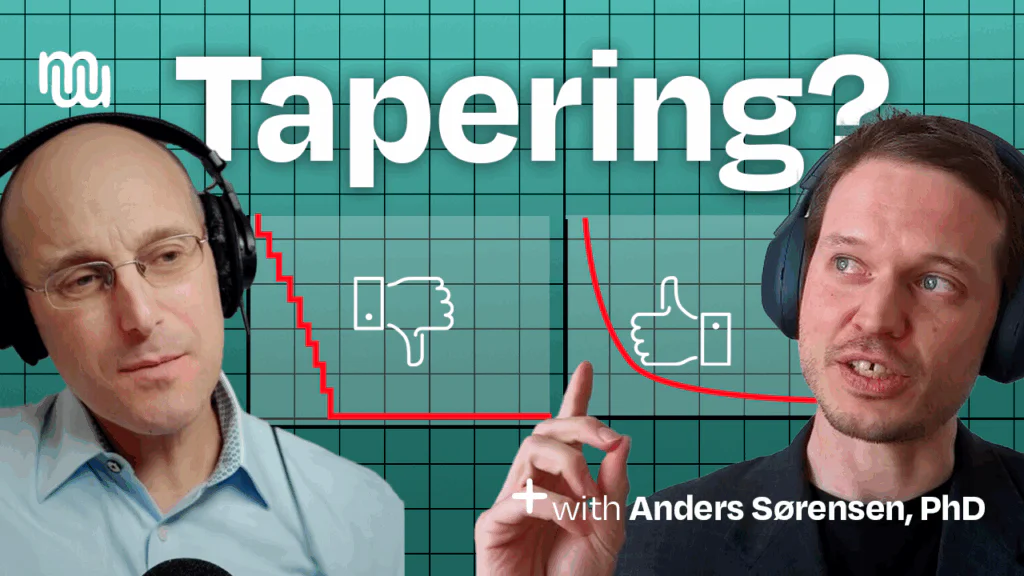
Have you ever thought about stopping psychiatric medications? Maybe you have tried it. If so, you’re not alone. Many individual across the world have considered or tried stopping their psychiatric medications and success is variable. The withdrawal from psychiatric medication tapering can be incredibly complex, and doing it safely requires both medical and psychological support.
Learn more
Does psychiatric medication withdrawal exist — or is it just a myth? For anyone who’s lived through it, the question alone can feel insulting. Psychiatric drug withdrawal is real. While the experience varies widely, for many, it’s not “brief and mild” as many guidelines state it is. It can be intense, destabilizing, and often misunderstood. One of the most painful challenges is trying to determine whether what you're experiencing is withdrawal or relapse.
Learn more
Is it really treatment-resistant depression or are we using the wrong treatments? In this episode, Dr. Bret Scher is joined by psychiatrist Dr. Georgia Ede to examine a new large, population-based analysis on the use of antipsychotics versus third-line antidepressants in people diagnosed with treatment-resistant depression, and what effect that has on suicide risk.
Learn more
When starting a ketogenic diet or initiating therapeutic nutritional ketosis for treating a psychiatric illness, careful management of your medications is critical. It’s important to work closely with…
Read more
Have you ever thought about stopping psychiatric medications? Maybe you have tried it. If so, you’re not alone. Many individual across the world have considered or tried stopping their psychiatric medications and success is variable. The withdrawal from psychiatric medication tapering can be incredibly complex, and doing it safely requires both medical and psychological support.
Learn more
Does psychiatric medication withdrawal exist — or is it just a myth? For anyone who’s lived through it, the question alone can feel insulting. Psychiatric drug withdrawal is real. While the experience varies widely, for many, it’s not “brief and mild” as many guidelines state it is. It can be intense, destabilizing, and often misunderstood. One of the most painful challenges is trying to determine whether what you're experiencing is withdrawal or relapse.
Learn more
Is it really treatment-resistant depression or are we using the wrong treatments? In this episode, Dr. Bret Scher is joined by psychiatrist Dr. Georgia Ede to examine a new large, population-based analysis on the use of antipsychotics versus third-line antidepressants in people diagnosed with treatment-resistant depression, and what effect that has on suicide risk.
Learn more