First Ketogenic Therapy for Anorexia Nervosa Trial. Learn more.


Listen, Watch & Subscribe on:



New Alzheimer’s Trial Reveals Surprising Insight on Brain Health
Listen
About the host


Bret:
Another day, another drug failure for treating Alzheimer’s. But this one is a little different from all the rest, and perhaps leads us with a new direction to help find an effective treatment. Over the last couple years, GLP-1 medications, like semaglutide, best known for weight loss and treating diabetes, they’ve been studied for something entirely different.
Could they slow or even reverse Alzheimer’s disease? And early research raise some excitement, and it made sense after all. There’s this growing consensus that Alzheimer’s dementia has roots in metabolic dysfunction. But now, a new announcement suggests the story might be more complicated than we’d hoped.
So first, the initial excitement. A couple years ago, researchers published early association studies hinting that people taking semaglutide might have slower cognitive decline, or even lower risks of developing Alzheimer’s. One key study followed large groups of people with type 2 diabetes and found that those using semaglutide seem to have better outcomes related to dementia risk compared to those not using it.
But here’s the important part, right? Those were observational studies, not interventional studies, not randomized controlled trials. And we always talk about the weaknesses of observational studies. They can show a correlation, but don’t prove cause and effect. But the idea did make sense.
GLP-1 drugs improve metabolic health to some degree, and even can lower inflammation to some degree, right? And metabolic dysfunction, especially insulin resistance in the brain, is strongly linked to Alzheimer’s. So, scientists hoped that improving metabolism with GLP-1s might also improve cognition.
But a brand new announcement from Novo Nordisk, the drug maker of semaglutide, delivered some tough news. As reported by the drug company, a major clinical trial they were doing testing oral semaglutide in early Alzheimer’s disease failed to show any meaningful benefit on cognition or daily functioning.
In other words, the drug did not work to slow the progression of Alzheimer’s symptoms. And this is another good example of why it’s important to test observational findings with randomized studies whenever possible. And this forces us to ask a big question, are metabolic improvements from medications alone not enough?
The GLP-1 class of medications clearly can help people lose weight. And at least in the short term from what we’ve seen, improve metabolic health and maybe even inflammation. But Alzheimer’s is a complex disorder. So, if semaglutide doesn’t help, it raises the possibility that maybe some research had been discussing for years.
Maybe simply in improving metabolism is not enough to reverse cognitive decline once it is started. Weight loss and better glucose control may support many aspects of brain health, but that doesn’t necessarily fix some of the deeper problems, like damaged neurons with impaired glucose uptake and mitochondrial dysfunction, which can all lead to reduced brain energy supply.
And that’s a big thing that is found in dementia and cognitive decline as well as many serious mental illnesses. So, this brings us to an important point. Maybe the brain experiencing dementia needs an alternative fuel source? So, one of the earliest and most consistent findings in Alzheimer’s research is the fact that brain becomes less able to use glucose for energy, sometimes even decades before symptoms start.
But here’s what’s remarkable. Even in those conditions, the brain can still use ketones extremely well. That’s the quote unquote alternative fuel source. And that’s where ketogenic diets and ketogenic therapy come into the conversation. So, early studies suggest that nutritional ketosis may improve cognitive function, improve energy metabolism, and daily functioning in people with cognitive impairment or early as Alzheimer’s.
And some studies show improved brain energy on PET scans, better memory scores, improved attention in processing and reduced brain inflammatory markers. Now, let’s be clear, the research is early with small studies, and it’s nowhere near as heavily-funded as these drug trials, which is the unfortunate reality as ketogenic diets aren’t backed by billion dollar pharmaceutical companies.
There’s no patent, no blockbuster medication, no financial incentive for large trials. You get the idea. But you look at the billions of dollars that have been spent for Alzheimer’s drugs that have really come to no fruition. So, maybe we need to start spending more time and attention on these lifestyle and nutritional interventions?
And the scientific rationale is strong. If the brain can’t use glucose, give it another fuel. And ketones can provide exactly that. So, where does this leave us? The failure of semaglutide in Alzheimer’s, of course, doesn’t mean GLP-1 drugs aren’t useful at all.
They can be helpful for weight loss, for sure, and diabetes and metabolic disease, especially when combined with successful lifestyle strategies and sustainable strategies. But it does suggest that fixing metabolism alone with medications may not reverse Alzheimer’s once it’s underway. To truly make progress, we may need therapies that improve metabolism.
Yeah, but also directly fuel the brain, and reduce chronic inflammation and support the mitochondrial health. So, ketogenic therapy has the potential to do all of that. So, as drug trials continue, we should also be investing in and paying attention to metabolic and ketogenic nutritional approaches. They may never get the funding of pharmaceuticals, but they deserve the spotlight just as much, if not more, because Alzheimer’s is too big of a challenge to ignore any tool that may help.
If you want to learn more about ketogenic therapies for dementia and Alzheimer’s, you can start with our YouTube playlist where we explore the work from Dr. Stephen Cunnane, Matthew Phillips, Mary Newport and others. So, thank you for watching.
I’m Dr. Bret Scher, Medical Director of Metabolic Mind, a nonprofit Initiative of Baszucki Group. And if you found this helpful, please and subscribe and share it with others you think may benefit from hearing this message. And please leave us a comment as we love to hear your thoughts and your experiences.
So, thanks again. We’ll see you next time.
Listen, Watch & Subscribe on:
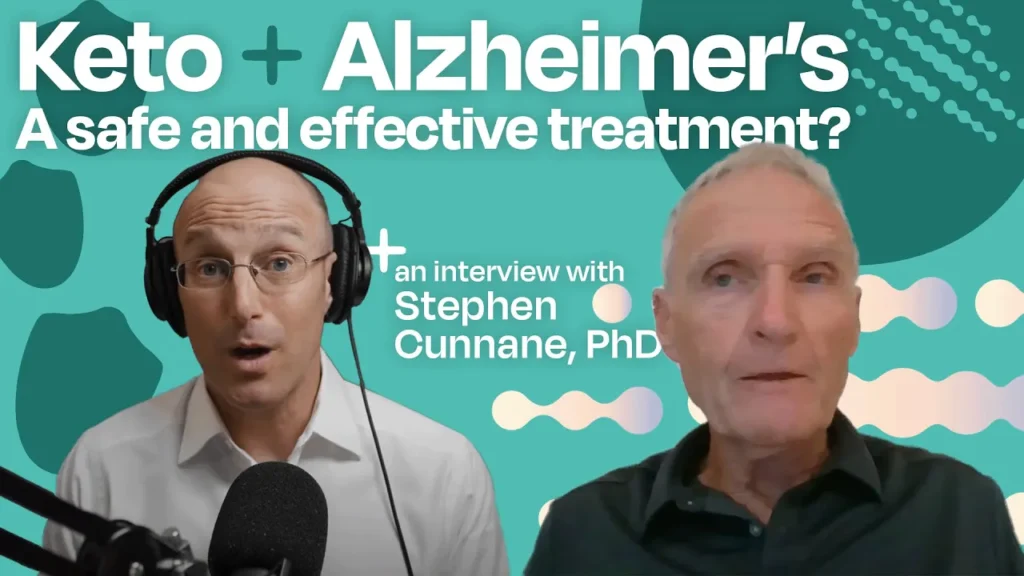
In this Metabolic Mind episode, neurologic researcher Dr. Stephen Cunnane explains how ketones act as an alternative—and often preferred—fuel for the aging and Alzheimer’s brain when glucose uptake falters. He shares PET imaging data, results from a 6-month MCT trial in mild cognitive impairment, and why ketogenic and ketone-based therapies could help preserve cognition in neurodegenerative diseases, especially when combined with exercise and modest carbohydrate restriction.
Read more

In this wrap-up episode, Dr. Bret Scher compares GLP-1 medications such as Wegovy and Ozempic with ketogenic therapy for metabolic and mental health. Experts discuss benefits, risks, and why lifestyle interventions—especially ketogenic diets—should come first, with GLP-1s serving as short-term bridges to lasting wellness.
Learn more
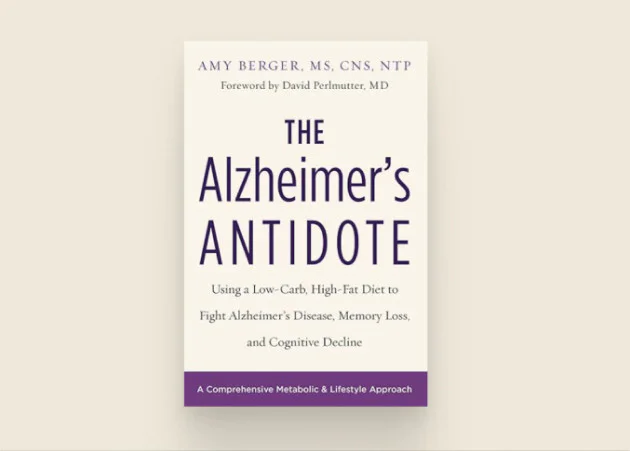
Amy Berger’s research shows that Alzheimer’s results from a fuel shortage in the brain.
Learn more
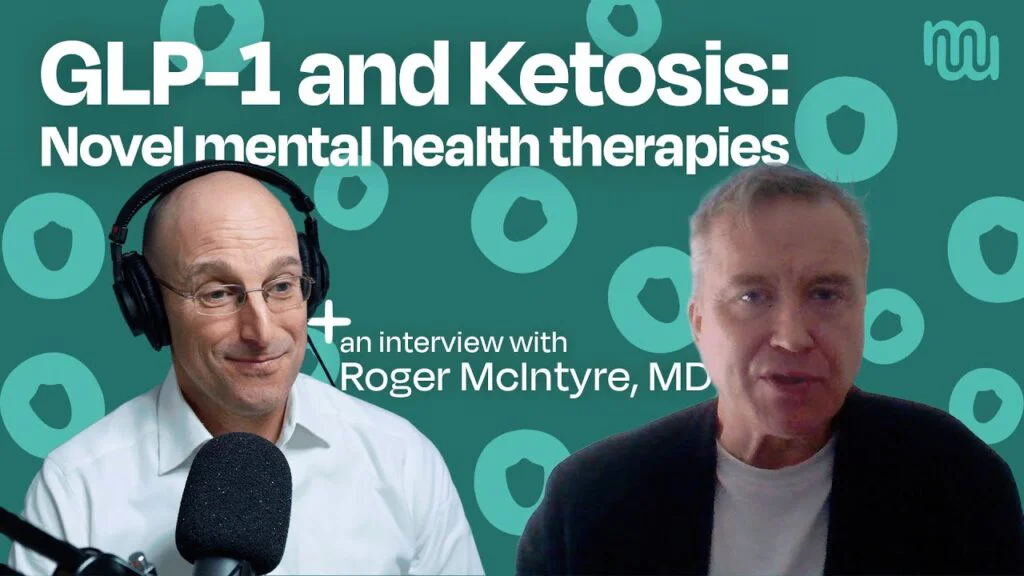
Can weight-loss drugs help the brain? In this Metabolic Mind episode, Dr. Bret Scher interviews Dr. Roger McIntyre—Professor of Psychiatry and Pharmacology at the University of Toronto—about GLP-1 receptor agonists (e.g., Wegovy, Ozempic) and ketogenic therapy in mood disorders. Dr. McIntyre explains why psychiatry’s spotlight is moving from simple neurotransmitter theories to brain energy and cellular metabolism, and how GLP-1s might aid mood both indirectly (better metabolic health) and directly (GLP-1 action in brain circuits). He draws parallels with nutritional ketosis, noting overlapping effects on inflammation, insulin signaling, mitochondria, and neural networks. While optimistic, he stresses staying within current GLP-1 indications and building high-quality clinical trials for both medications and keto before broad psychiatric adoption. The takeaway: a future of “brain-protective” care that integrates meds, diet, sleep, exercise, and psychotherapy—shifting treatment toward resilience and offering real hope for people with depression and bipolar disorder.
Learn more
In this Metabolic Mind episode, neurologic researcher Dr. Stephen Cunnane explains how ketones act as an alternative—and often preferred—fuel for the aging and Alzheimer’s brain when glucose uptake falters. He shares PET imaging data, results from a 6-month MCT trial in mild cognitive impairment, and why ketogenic and ketone-based therapies could help preserve cognition in neurodegenerative diseases, especially when combined with exercise and modest carbohydrate restriction.
Read more
In this wrap-up episode, Dr. Bret Scher compares GLP-1 medications such as Wegovy and Ozempic with ketogenic therapy for metabolic and mental health. Experts discuss benefits, risks, and why lifestyle interventions—especially ketogenic diets—should come first, with GLP-1s serving as short-term bridges to lasting wellness.
Learn more
Amy Berger’s research shows that Alzheimer’s results from a fuel shortage in the brain.
Learn more
Can weight-loss drugs help the brain? In this Metabolic Mind episode, Dr. Bret Scher interviews Dr. Roger McIntyre—Professor of Psychiatry and Pharmacology at the University of Toronto—about GLP-1 receptor agonists (e.g., Wegovy, Ozempic) and ketogenic therapy in mood disorders. Dr. McIntyre explains why psychiatry’s spotlight is moving from simple neurotransmitter theories to brain energy and cellular metabolism, and how GLP-1s might aid mood both indirectly (better metabolic health) and directly (GLP-1 action in brain circuits). He draws parallels with nutritional ketosis, noting overlapping effects on inflammation, insulin signaling, mitochondria, and neural networks. While optimistic, he stresses staying within current GLP-1 indications and building high-quality clinical trials for both medications and keto before broad psychiatric adoption. The takeaway: a future of “brain-protective” care that integrates meds, diet, sleep, exercise, and psychotherapy—shifting treatment toward resilience and offering real hope for people with depression and bipolar disorder.
Learn more