Announcing the new McLean Center for Metabolic Psychiatry Learn more.


Listen, Watch & Subscribe on:


Aggressive LDL Lowering: Who Benefits?
Listen
About the host


Bret:
This is Metabolic Mind Bitesize. I’m Dr. Bret Scher. Should we be treating LDL? I can’t answer that question. Nobody can answer it like that. But what about in whom and how aggressively? Now, those are better questions. And they’re prominent questions in the world of metabolic health, including fields like metabolic psychiatry.
But really, they’re pertinent to just about everyone. And two new trials help us better understand that question, but maybe not in the way the headlines proclaim. So, you see two major trials just released. They studied aggressive LDL lowering in two completely different populations. So, one showed it saved lives. The other didn’t.
It didn’t extend life at all, even though it lowered LDL and reduced cardiac events. So, they had the same therapeutic goal, I guess you could say, but different results on the outcomes that really matter most. So, if you care about living longer, living better, metabolic health, or just making sense of your own lab work, this is worth understanding.
So, the first trial is called VESALIUS-CV. And the patients here were mostly in their 50s and 60s, and they had serious vascular disease. So, to get into the trial, you had to have multi-vessel coronary disease or peripheral arterial disease, like in your legs or your carotids, advanced diabetes with significant small vessel disease affecting the eyes and the kidneys.
So, these are, by definition, some of the highest risk individuals for dying from a vascular related event. So, on top of maximum statin therapy that they were already taking, they received a PCSK9 inhibitor that drives LDL dramatically lower, often below 30 milligrams per deciliter. And the question the trial was asking was, does LDL that low actually save lives in people this sick?
And it turns out, it did. So, over five years, the all-cause mortality, so death from any cause, improved. Not just fewer heart attacks, but fewer deaths. So, the absolute reduction was 0.6% over five years, which gives you what’s called a number needed to treat of 166. That means roughly treating 166 people for five years results in one fewer death.
Now, it’s a big number, right? So, some may dismiss that as modest, and I understand why. So, for many different endpoints, it is pretty modest. But stop and think about what endpoint we’re actually talking about. This isn’t preventing a hospitalization or avoiding a stent. This is who lives and who dies.
And when that’s at stake, I’ve got to say, the number still gets my attention. But here’s where the picture kind of changes. So, the other trial is the STAREE trial. It was published in the New England Journal of Medicine, and it studied a different population. These were adults around 75 years old. So they were older, and they didn’t have known cardiovascular disease. So, they were at lower overall cardiac risk despite being older.
Now, they were randomized to a high-dose statin therapy or a placebo for six years. Now, in the statin group, what’s called the MACE, or the major cardiac events, dropped by about a half a percent per year. So, that number needed to treat over six years is about 37. So, that includes minor heart attacks, stents, things like that.
But then, if we look at what didn’t change, so overall mortality, who lives, who dies, no difference. Hospitalizations, no difference. And disability-free survival, so meaning living independently with intact cognition, there was no difference. So, for perspective, when, I don’t know, when I ask elderly patients what they’re most afraid of or what they’re most interested in preventing, it’s not necessarily a hospitalization or a stent. It’s losing their independence, right?
It’s losing their memory. It’s becoming a burden to the people they love. So, here’s a medication that lowered LDL in these trials, reduced the cardiac events, and still left them no more likely to stay sharp and independent than the people taking the placebo. And it makes sense, if we step back and think about it. When we realize that in this population, this older population with lower cardiovascular risk, 80% of the deaths came from cancer, frailty, neurocognitive decline.
So, lowering LDL is a cardiovascular intervention that didn’t impact the greatest risk in this population. Now, remember, like I said, they were lower-risk individuals from the cardiac perspective. They hadn’t had heart attacks or stents, and that’s a different group of people. So, we need to keep that into perspective.
And it’s not to say that preventing a heart attack is unimportant, but it’s prioritizing treatment, right? Prioritizing expense and the potential risks towards what has the biggest impact, something this trial didn’t demonstrate. And of course, no trial is perfect. So, we have to say 50% of the people stopped the drug at five years, which tells us something right there. And there was some crossover from the placebo group.
So, we have to be cautious about that as we, I don’t know, if we start to change practice patterns or recommendations based on this study. It’s not as strong as it would look from the headlines. Okay, so here’s what I take from these two trials together, and you’re probably going to already get this conclusion.
The presence of vascular disease, not age and not an LDL number in isolation, is the primary driver of whom we treat and how aggressively we treat. Because LDL isn’t the disease, vascular disease is. So, when someone’s in their 50s or 60s has multi-vessel vascular disease, their arteries are the dominant threat.
So, aggressive LDL lowering, alongside aggressive treatment of metabolic dysfunction, insulin resistance, overall lifestyle, that makes complete sense. And the data says it can save lives. But when someone is older, 75 with fewer risk factors, their biggest threats, cancer, frailty, cognitive decline, are unlikely to respond to aggressive LDL lowering, as was demonstrated in this trial.
That’s a completely different conversation, and here’s why this is important. Because when trials are done, usually in younger individuals that don’t demonstrate a mortality benefit, then the argument often is that the benefit will continue over time. And eventually, over a longer period of time, will demonstrate a mortality benefit.
Now, that’s an assumption. Now, it may be a reasonable one, but it is an assumption nonetheless. But when we’re talking about an older population, we can no longer make that assumption. And this really matters because when trials show even a modest reduction in cardiac event, the instinct in medicine is to expand treatment, right?
Lower the threshold, broaden the guidelines, treat more aggressively. So, for patients, again, with severe established vascular disease, that instinct is probably right and makes sense. But I hope we don’t apply that same instinct and that same rationale to older patients at lower cardiovascular risk. Not because I don’t want them to be healthy. Obviously, I do. But because applying a population-level reflex to an individual patient who may not benefit, who may experience side effects, who is already managing multiple medications likely, that’s not addressing what they need most.
So, I see this every day, right? If someone in their 70s starts a ketogenic diet, ketogenic therapy for cognitive benefits, there’s a chance their LDL may go up. Obviously, not everybody, but some see their LDL go up. And this discussion helps put that into perspective and realize treating the number may not have the benefit that they care about most.
But if that same patient is in their 50s or 60s and they already have existing vascular disease, completely different conversation, right? So, can we treat or should we treat LDL? Depends. And I know a lot of people don’t like that answer. But hopefully, this gives you a framework on how to see it.
Listen, Watch & Subscribe on:
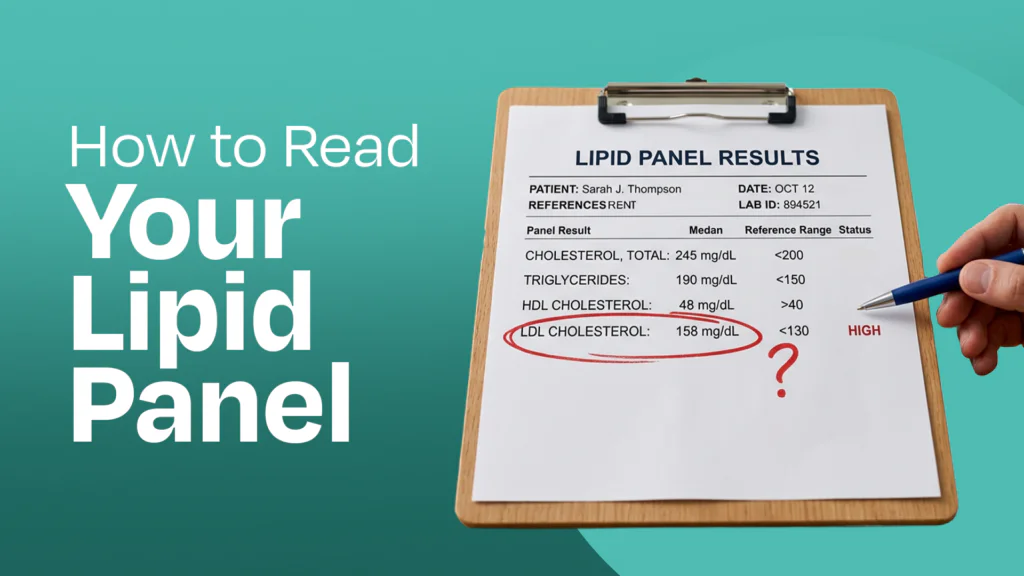
You open your latest lab results and see your LDL highlighted in red. Your stomach drops. You haven’t even met with your doctor yet to go over the…
Read more
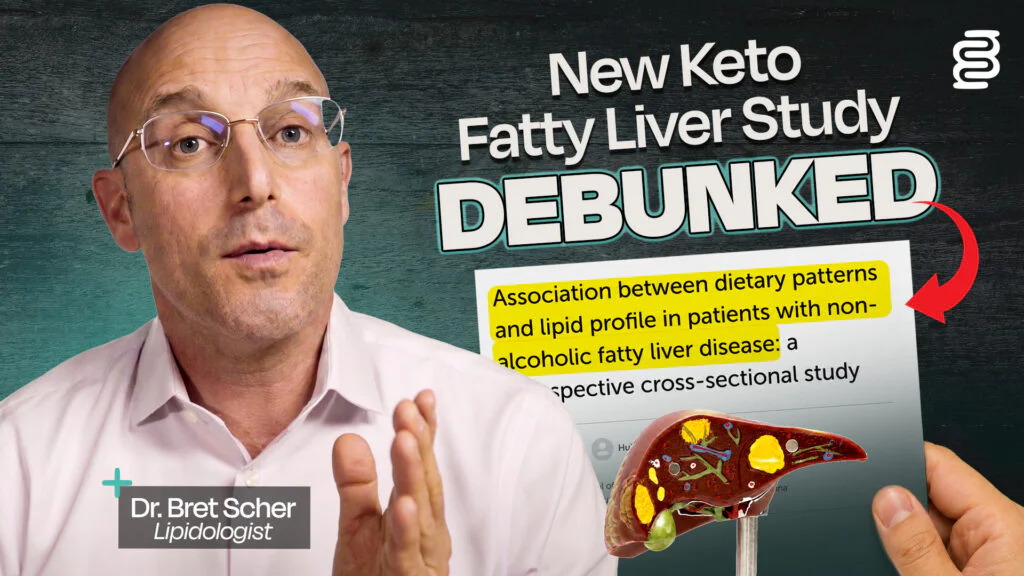
In this Metabolic Mind Bitesize episode, Dr. Bret Scher tackles a new study claiming ketogenic diets worsen fatty liver disease, a finding that appears to contradict prior research showing keto helps treat fatty liver. He breaks down why this retrospective cross-sectional study from China is deeply flawed, from never verifying ketosis to ignoring reverse causality and baseline differences, then contrasts it with a much stronger body of randomized controlled trial evidence showing the opposite conclusion.
Learn more
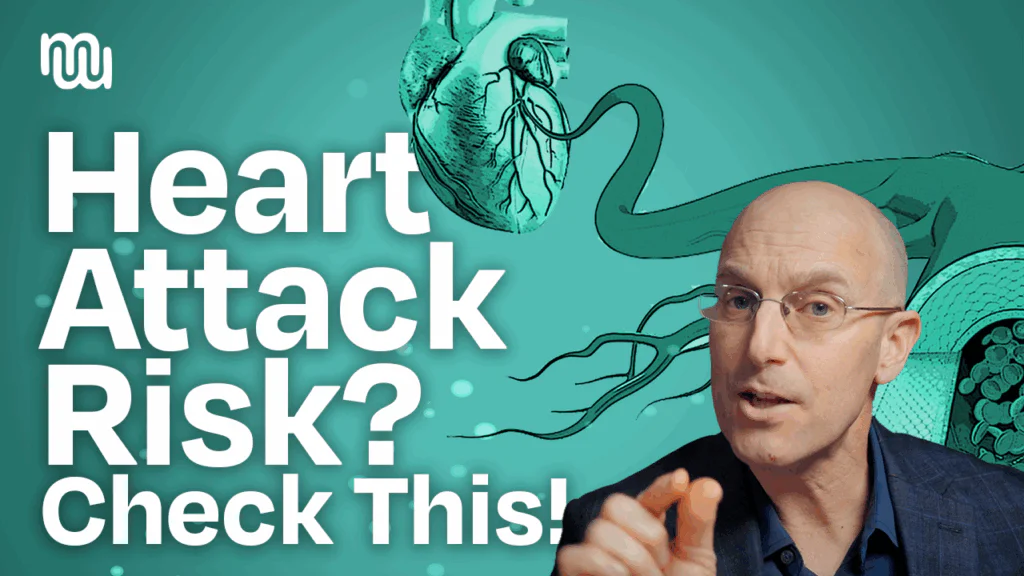
Why should we rely on a blood test to assess heart disease risk when we can see the disease itself? Transcript: Introduction to Carotid Intima-Media Thickness test (CIMT).Have…
Learn more
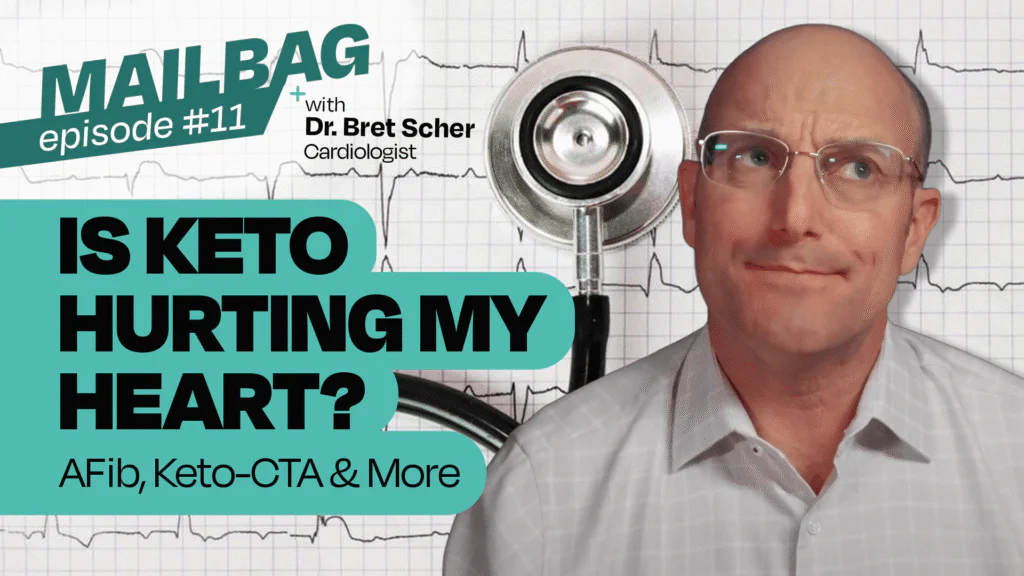
Dr. Bret Scher and producer Erica tackle listener questions in this Metabolic Mailbag episode, covering whether keto helps or hurts AFib risk, concerns over the controversial KETO-CTA study's flawed initial data, and practical troubleshooting for someone experiencing low energy and brain fog despite strict adherence to keto. They wrap up with a stepwise approach for safely raising ketone levels when standard adjustments aren't working.
Learn more
You open your latest lab results and see your LDL highlighted in red. Your stomach drops. You haven’t even met with your doctor yet to go over the…
Read more
In this Metabolic Mind Bitesize episode, Dr. Bret Scher tackles a new study claiming ketogenic diets worsen fatty liver disease, a finding that appears to contradict prior research showing keto helps treat fatty liver. He breaks down why this retrospective cross-sectional study from China is deeply flawed, from never verifying ketosis to ignoring reverse causality and baseline differences, then contrasts it with a much stronger body of randomized controlled trial evidence showing the opposite conclusion.
Learn more
Why should we rely on a blood test to assess heart disease risk when we can see the disease itself? Transcript: Introduction to Carotid Intima-Media Thickness test (CIMT).Have…
Learn more
Dr. Bret Scher and producer Erica tackle listener questions in this Metabolic Mailbag episode, covering whether keto helps or hurts AFib risk, concerns over the controversial KETO-CTA study's flawed initial data, and practical troubleshooting for someone experiencing low energy and brain fog despite strict adherence to keto. They wrap up with a stepwise approach for safely raising ketone levels when standard adjustments aren't working.
Learn more