New Results: First RCT for Schizophrenia & Bipolar Disorder. Learn more.


Listen, Watch & Subscribe on:



A New Hope for Depression: The Power of Ketogenic Therapy
Listen
About the host


Bret:
Welcome to the Metabolic Mind Podcast. I’m your host, Dr. Bret Scher. Metabolic Mind is a nonprofit initiative of Baszucki Group where we’re providing information about the intersection of metabolic health and mental health and metabolic therapies, such as nutritional ketosis as therapies for mental illness.
Thank you for joining us. Although our podcast is for informational purposes only and we aren’t giving medical advice, we hope you will learn from our content and it will help facilitate discussions with your healthcare providers to see if you could benefit from exploring the connection between metabolic and mental health.
If you’re living with depression, you are not alone. Millions of people around the world struggle every day with symptoms that can make simple moments feel heavy and overwhelming. For some, antidepressants or therapy bring relief. And for many others, they help only partially or even not at all. When you’ve tried what you’re told should work and you’re still suffering it, it can be exhausting and confusing and deeply discouraging.
That’s why researchers and clinicians are beginning to look beyond traditional approaches and explore new ways of understanding depression, including how metabolism and brain energy play a role, and the potential role of ketogenic therapy as a breakthrough treatment. At Metabolic Mind, we now have an entire hub page dedicated to ketogenic interventions for depression.
And it’s amazing to think that when we started Metabolic Mind, there was growing clinical experience for ketogenic therapy for depression but no published trials. Now, the evidence page continues to grow. And now, we have another new publication from Dr. Elisa Brietzke and her colleagues. They conducted a small pilot study with impressive results that’s adding to a wave of data showing that ketogenic diets may be a feasible, safe and effective adjunctive treatment for depression.
So, this pilot study tested a fully remote 14-week medically supervised ketogenic diet in people with moderate to severe depression. Eight out of the 11 participants completed the intervention, and all maintained ketosis throughout the study. And the results were really striking. Seven of the eight who completed the study experienced remission of depression symptoms based on the standardized rating scales. Not just improvement, but clinical remission in almost all the completers.
And they also reported significant reductions in anxiety and anhedonia. Anhedonia is the loss of pleasure in previously enjoyable activities, which is very common in depression and often does not respond to medications. So, seeing improvement in this area is very encouraging. And while this study was small single arm pilot, it showed that a ketogenic diet can be feasible, well-tolerated and associated with meaningful clinical improvement in depression symptoms.
And this study adds to another important study that we’ve talked about before published in Translational Psychiatry, called The KIND Trial, from the team at Ohio State University. They studied a well-formulated ketogenic diet as an adjunctive therapy for major depressive disorder in college students. So, in this 10 to 12-week intervention, 16 of the 24 students completed the whole dietary program and achieved nutritional ketosis for most of the study.
And in them, depression symptoms decreased by roughly 70% with improvements beginning within just two to six weeks with all subjects showing significant improvement. Participants also reported a nearly threefold increase in overall well-being and improvements in cognitive function compared to baseline.
So, these two studies show that ketogenic diets are not only feasible in people living with depression, but may produce substantial symptom improvements when used alongside standard treatments. And these individual trials align with a recent larger meta-analysis published in JAMA Psychiatry. We’ve also talked about this in another video, but this study reviewed 50 individual studies on ketogenic diets and mental health outcomes.
Now, these weren’t necessarily depression studies, but they all measured mood outcomes. And the review found that the ketogenic diets were associated with small to moderate improvements in depressive symptoms in randomized clinical trials. Randomized trials, right? But the strongest effects were seen in the interventions where they actually verified ketosis or where the carbohydrate intake was truly low below 30 grams.
And that makes sense as those participants were more reliably in ketosis compared to the other studies. So, all these findings are early and promising, but not yet definitive, right? Most studies so far are small open-label or pilot studies that don’t prove cause and effect. Yet, they certainly suggest that ketosis could be a very effective intervention.
And larger randomized controlled trials are being planned as we speak. But the question remains, what do we do for people now? People who aren’t responding to standard treatment as they had hoped, or who are looking for more help now and looking to get their lives back. So, the growing clinical experience and emerging data suggests that ketogenic therapy is a treatment clinicians can consider right now as add-on treatment to standard of care.
It may not be right for everyone. But it is something that should at least be considered and discussed in the right clinical scenario. So, if you want to learn more, I encourage you to go to our HubPage at metabolicmind.org/resources/topics/ketofordepression. Or see how others have used metabolic therapies to improve their mental health at our THINK+SMART page.
And if you have questions or comments, we would love to hear from you. So, please let us know in the comment section. Thank you for watching. I’m Dr. Bret Scher, and we will see you here next time at Metabolic Mind, a nonprofit initiative of Baszucki Group. Thanks for listening to the Metabolic Mind Podcast. If you found this episode helpful, please leave a rating and comment as we’d love to hear from you.
And please click the subscribe button so you won’t miss any of our future episodes. And you can see full video episodes on our YouTube page at Metabolic Mind. Lastly, if you know someone who may benefit from this information, please share it as our goal is to spread this information to help as many people as possible.
Thanks again for listening, and we’ll see you here next time at the Metabolic Mind Podcast.
Listen, Watch & Subscribe on:
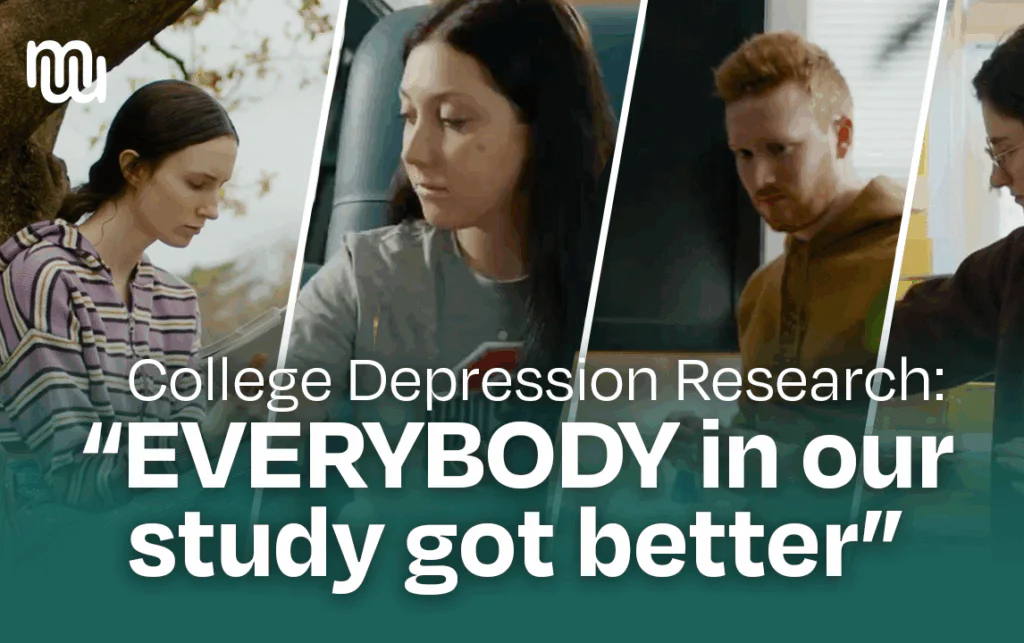
The promise of ketogenic therapy for treating mental illness is accelerating with the newly published findings of a pilot study at The Ohio State University, which showed remarkable…
Read more
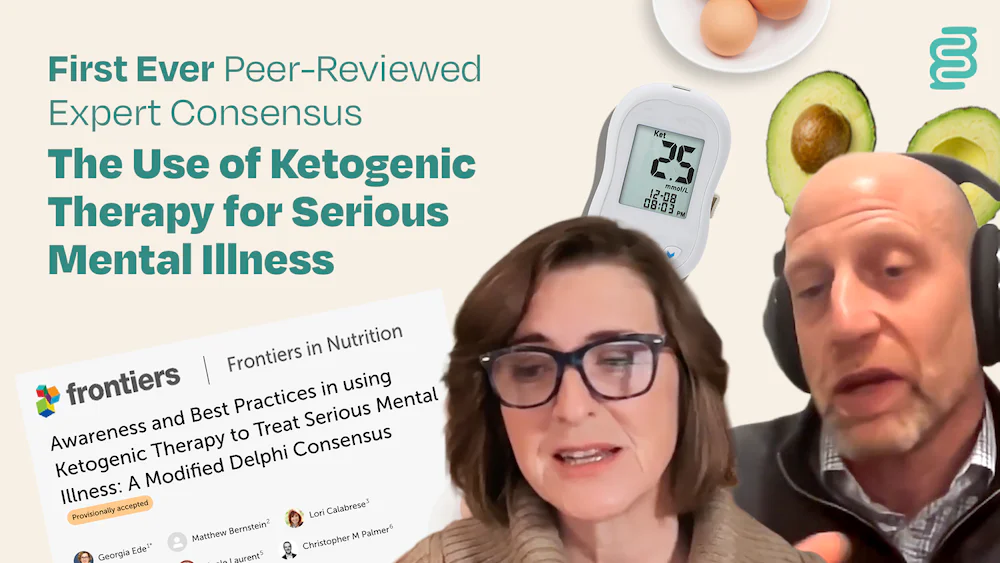
A new expert consensus published in Frontiers in Nutrition marks a significant milestone in the field of metabolic psychiatry. Developed through a rigorous Delphi process, this document offers…
Learn more
The last several decades have seen a sharp and unsettling rise in mental health issues among teens. While the pandemic gave these numbers an undeniable spike, the crisis…
Learn more
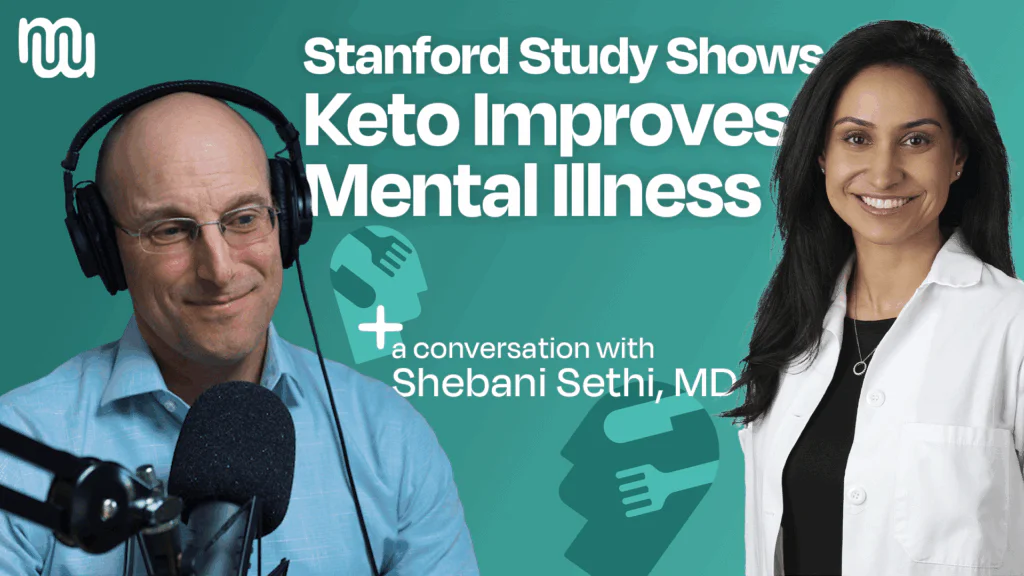
Stanford psychiatrist Dr. Shebani Sethi joins the Metabolic Mind Podcast to discuss her landmark pilot trial showing that a ketogenic diet led to 75% recovery and complete reversal of metabolic syndrome in patients with schizophrenia and bipolar disorder. She explains how improved energy, sleep, and reduced psychotic symptoms transformed participants’ lives, highlights the study’s strong adherence and safety, and explores the growing promise of ketogenic therapy as an adjunctive treatment for serious mental illness.
Learn more
The promise of ketogenic therapy for treating mental illness is accelerating with the newly published findings of a pilot study at The Ohio State University, which showed remarkable…
Read more
A new expert consensus published in Frontiers in Nutrition marks a significant milestone in the field of metabolic psychiatry. Developed through a rigorous Delphi process, this document offers…
Learn more
The last several decades have seen a sharp and unsettling rise in mental health issues among teens. While the pandemic gave these numbers an undeniable spike, the crisis…
Learn more
Stanford psychiatrist Dr. Shebani Sethi joins the Metabolic Mind Podcast to discuss her landmark pilot trial showing that a ketogenic diet led to 75% recovery and complete reversal of metabolic syndrome in patients with schizophrenia and bipolar disorder. She explains how improved energy, sleep, and reduced psychotic symptoms transformed participants’ lives, highlights the study’s strong adherence and safety, and explores the growing promise of ketogenic therapy as an adjunctive treatment for serious mental illness.
Learn more