Get the latest insights on the science of metabolic psychiatry. Subscribe.


Listen, Watch & Subscribe on:



Treating Anorexia with Keto
Listen
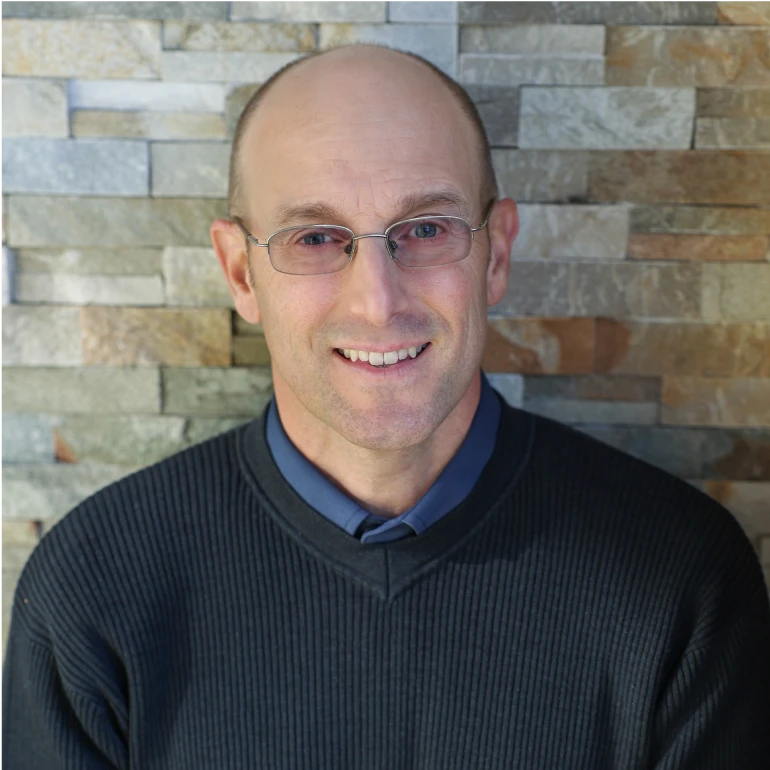
About the host
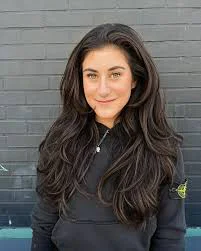
About the guest

Bret:
Welcome to the Metabolic Mind Podcast. I’m your host, Dr. Bret Scher. Metabolic Mind is a nonprofit initiative of Baszucki Group where we’re providing information about the intersection of metabolic health and mental health and metabolic therapies, such as nutritional ketosis as therapies for mental illness.
Thank you for joining us. Although our podcast is for informational purposes only and we aren’t giving medical advice, we hope you will learn from our content and it will help facilitate discussions with your healthcare providers to see if you could benefit from exploring the connection between metabolic and mental health.
Caroline:
A lot of people think, ha, like it’s insane to give anorexic people a diet and food restrictions knowing that this is something that people use for weight loss.
It felt a lot less scary than the meal plans that treatment centers give me. I was like, okay, like worst that happens is I’ll lose weight. That doesn’t seem that bad. After sticking with it for a while, there was one day that I saw my friend, I went to her apartment to go for a walk, and it was raining. And she was like, oh, do you want to just hang out and sit down?
And it wasn’t hard. Like in that moment, I didn’t have anxiety. It was just like, actually felt like, my immediate response was just like, yes, this is what I want to do. And it was, and we spent the whole day. I wasn’t exercising and able to talk. And then after that day, I was like, Alright, this is working.
Bret:
Welcome back to Metabolic Mind, a nonprofit initiative of Baszucki Group where we share information and resources at the intersection of metabolic and mental health. Today, we’re sharing another inspiring interview focusing on nutritional ketosis as a potential treatment for anorexia nervosa. As I mentioned in our last video with Michelle Hearn, just saying those words gives me chills for multiple reasons really.
Because first, eating disorders and anorexia have the highest mortality of any psychiatric illness, and standard of care treatments are far less effective than we would hope. And as a result, thousands of individuals with eating disorders often give up hope for recovery and struggle through decades of ineffective treatment.
And the second reason is that we frequently hear that any restrictive diet, and they have to put those in air quotes, is contraindicated for someone with an eating disorder. Not just unhelpful, but potentially dangerous and contraindicated. But now, we’re learning the opposite may be true for some people with eating disorders, and that’s because nutritional ketosis is far more than just a diet.
It’s a medical intervention that changes our metabolism, and it changes our bodies and brains physiology. And as you’ll hear in this interview, nutritional ketosis can help some people on the road to recovery. So today, we’re going to hear from Caroline Beckwith, and her lifelong battle with anorexia. She has a dramatic story of food deprivation in decades of unsuccessful standard of care therapy. And as you’ll hear, she was at the point of giving up.
She says she felt stuck, and her eating disorder was inescapable. But fortunately for her, she has a loving and brave aunt, Dr. Barbara Scolnick, who helped Caroline begin nutritional ketosis therapy combined with ketamine infusion treatment, which finally quieted the voices, and helped Caroline recover from anorexia.
Her journey led to a pilot study successfully using nutritional ketosis and ketamine infusions on five individuals with anorexia. We have a full interview with three of the study’s authors, including Caroline’s aunt, Barbara, which I encourage you to go back and watch or listen to. And we’re going to get to the interview here with Caroline, but before we begin, please remember our channels for informational purposes only.
We’re not providing individual or group medical or healthcare advice or establishing a provider patient relationship. Many of the interventions we discuss can have dramatic or potentially dangerous effects of done without proper supervision. Consult your healthcare provider before changing your lifestyle or medications.
Therapeutic nutritional ketosis, or simply starting a ketogenic diet, is a powerful health and medical intervention that can change your body’s metabolism and can dramatically alter brain function, medication levels, sleep patterns, energy levels, and other physiologic functions.
If you have a psychiatric diagnosis, behavioral health symptoms, or take medications for a psychiatric condition, you should not start a ketogenic diet alone. Instead, consider starting a therapeutic ketogenic intervention with careful monitoring from your healthcare provider or an experienced clinician.
We hope you’ll share this information with your healthcare provider and discuss whether therapeutic ketosis is an appropriate, safe and potentially effective intervention for you. Okay, now let’s get to this amazing interview with Caroline Beckwith.
So Caroline, I had the pleasure of interviewing your aunt, Barbara, and hearing about this case report that she put together with Dr. Lori Calabrese and Dr. Guido Frank. And the way she tells the story was it started as a labor of love. Thanks to you, really, and the journey that you were on, and how you helped her get into this field and see what was possible.
So, I want to hear from you to go back in your history and when you started having symptoms of anorexia, when you started experiencing that, and hear from you. What was going on?
Caroline:
Alright. So, starting from the beginning, it’s a long story. But yeah, so I became anorexic when I was 14, going on 15. And I ran cross country. It was a very short timeframe of like, I was normal and a kid and then became anorexic in a month, basically. So, I was running cross country at the time.
It was fall of sophomore year, and I wanted to like go on a diet. Like I did have that idea I wanted to go on a diet and lose a couple pounds. I felt like I didn’t think I was fat at all. I thought I looked like too muscular. That was my feeling. And obviously, everything being that age was like overwhelming and scary.
And it felt like just, it just felt like a great idea. We didn’t think there was anything wrong with it. No one told me that there was any risk of becoming anorexic. I didn’t even know what that was. So, I started going on a diet. And then, I had read about diets. I was 15. I was like a kid reading about diets. And then, just thought like, why not just not eat?
That seems so much easier than all of this. And I didn’t know how to cook, and it was just like, that seemed too overwhelming. So, that seemed like the solution, or it didn’t strike me as dangerous or crazy to do. It just seemed like a shortcut. And so. That’s what I did. And then, within a couple weeks, it was out of control.
And I didn’t, I sensed it, but I didn’t, I obviously didn’t know how hard it is to get out of. I just thought like, alright, this feels uncomfortable and not in my control, but I’ll definitely stop when I want to. This is still what I want to be doing. It took years to realize that, like that did. I didn’t realize that for a really long time.
I didn’t realize that until after going to treatment and getting out, and then being like, this isn’t stopping. And I listened to what everyone told me in treatment, and I did. I thought if you go to treatment, okay, this is where it ends. This is where they get you better. And that wasn’t the end for years after that.
Bret:
So ,what do you mean by treatment? What were some of the things they tried to help you with?
Caroline:
So, I went, so this was sophomore year when this started. At the end of junior year, I went to Johns Hopkins in-patient. And I had gone, I had tried the Maudsley Method with my parents. I went to this outpatient place in New Jersey, where it was just, it was like three days a week, you eat in a group.
I cut all these corners. I brought 40 calorie bread instead of the bread that they wanted me to eat. And it was just this game. And I felt then I was like, I know this is crazy. Like I’m not following the rules. This isn’t going to work because I’m not doing what I’m supposed to be doing.
But then, when I went to in-patient, it was a relief of okay, there’s no way to cut any corners. And I’m just going to follow the rules, and see like if I’ll actually get better. And so, I gained weight, like I gained enough weight to come out. I didn’t leave the same weight I was before all this started.
I was still underweight. I came out into like senior year in high school, and everyone told me like, you’re better. You’re back to being a healthy weight. And I thought, I like knew in myself that I wasn’t, but it was just this confusing. Everyone’s telling me I am. So, I guess this is what I’m supposed to be like, and this is what being better is.
It doesn’t feel like it.
Bret:
So, what was not better? Was it still your thoughts? Or tell us more about what was not better?
Caroline:
Yeah, I don’t, like not everybody says that they heard a voice. And I think at the time, I wouldn’t have said I heard a voice. But looking back on this entire thing, I definitely heard a voice.
Like I’d wake up in the morning and have these rules of how much to exercise before I do anything else. The first thing to do is burn a certain amount of calories. And that wasn’t me, I don’t think like that now. And it sounded like my voice and it felt like my thoughts, but they weren’t. So, that’s how I still felt like when I got out of treatment. I still felt like that. I woke up in the morning and exercised every single day. And it was like not over. And the fear that I had came true of that. Like I’m a heavier weight now, and it’s still here. And this is like absolutely unbearable.
Not that it made it worse. But that time, getting out was really hard because you’re just like placed back in the world, and told that you’re normal. And that’s was not the experience.
Bret:
Yeah, did you have like ongoing therapy or ongoing medications during that process?
Caroline:
I took Lexapro, and that was it.
And therapy, yeah, I mean I went to after in-patient, there was intensive outpatient. And then, I came home, and then I saw a therapist once a week, and that was it. Otherwise, I was just back in high school.
Bret:
And were you still running cross country?
Caroline:
What did I do senior year? I did, I still ran. But I mostly, I went to the gym.
I had my license. I could drive. And then I would, then that was totally, I would cut class and just go to the gym. That became the next thing.
Bret:
Yeah, and actually, I should ask, during this whole process, how low did your weight get?
Caroline:
So, I started off at one, I think I weighed 140, maybe it was like high 130s?
And then, I went down to, so in like low 90s. and I had two seizures before going to Johns Hopkins, which wasn’t like, I know you didn’t ask about this. But at the time, that didn’t scare me at all. That was like the peak of, to my mind was not there at all.
It was just like, it was just like, whatever happens, happens. I did not care. And then, after all this, I felt wow, that was really scary. And not, I felt I know I should take better care of myself. I felt like this need to, but there was no structure of how to. It was, I like wanted to get better, but there was no path of how to do that.
Bret:
So, a number of people that we hear from who battled anorexia say it was something that they control. And their life seems so out of control. But this was something that they could control. Did you feel that or was it a different? A different tug or a different pull for you?
Caroline:
Yeah, I’ve heard that a lot, too. And I’m not sure how to think about that. Because I think at the very, very beginning, for like two weeks, it felt like that. Like I get, like that was the start of this good feeling coming from that, of I’m successfully losing weight. And I had never done anything like that before.
So, that was like the reward of feeling like you have something in your life that’s in your control, but it was such a short time. And two weeks out of 15 years, just not like overall, it didn’t feel like it was in my control. And it didn’t feel like the whole rest of the time. There was no like positive feeling from controlling what I ate.
Because it was just, the rules were coming to me. I wasn’t making them.
Bret:
The rules of what to eat were just coming to your brain, is that what you’re saying?
Caroline:
Yeah.
Bret:
So you had no control over it, so for you it was the opposite actually, which is interesting. And it just shows how it can cloud your thinking, too. To have two seizures and be like, eh, no big deal, and not be worried about them.
Just really shows how it really had clouded your thinking. And how long was it until you were able to get some perspective and be like, okay, this is dangerous? This is something I need to change, this is going to be harmful. What point was that?
Caroline:
It was a really long time. So this, and I remember that, like this happened when I was 15. And I was in, I went to school in Wisconsin. Like I dropped in and out of schools a lot. So, I was 26, I think, 25 or 26, when I was in school, and I had maintained. I was anorexic the whole time, but I wasn’t in treatment. Everything was okay. And then, being away from home and being in school, It like all came back.
I lost a lot of weight again. I was down to 103 pounds or something. It was just the same thing all and like a whole nother round. And that’s when I thought, this clearly doesn’t go away. Like I thought, I still had held onto this feeling of like, when I really want this to go away, I’m going to do it.
And then, that’s when I realized, that is not possible.
Bret:
Yeah. So, just like when you got out of the in-patient treatment, you felt that you were going to be normal. And it was going to go away, and it didn’t. And then, it came back again in college. So then, it was like, really, this is not going to go away. So, what was your next step?
What could you do to try and gain some control?
Caroline:
I drank and did drugs for a long time, and that helped in a way. Like overall, I obviously wish none of this happened. But I don’t look back on that and think, wow, that really made everything worse because it did not make anorexia worse.
it gave me like another thing to focus on. And it felt, it just felt like the same feeling of anorexia, of you don’t have to think about anything. You’re just following rules on autopilot, is the same feeling of addiction or like any of that. It’s just like, you wake up in the morning, and this other thing in your mind tells you what to do. And there was like relief in that, and that it wasn’t.
The one I had known for so long, it was like a different new thing, telling me what to do. So, that was, that’s the only thing that I found any relief from. And then, that obviously, that’s not sustainable. And then, it became this cycle of realizing that it’s either, like I could drink and use drugs and have the anorexia be quieter, or get sober and be anorexic.
There was no other anything. There was, so there was no, there was no relief.
Bret:
Yeah, to have those as your only two options, that’s got, it’s got to be so difficult and so frustrating. And how’d you break out of that?
That seems like a cycle that would be so difficult to break free from.
Caroline:
Yeah, so that’s how, you talked to Barbara, but that’s how we did it. I’ve got, I went to different treatment for substance abuse, and I had gone to treatment. So, this is now, I was 29, and I had a year of sobriety.
Like I got out of treatment, stayed sober. This was all right before COVID. Basically, was back to being anorexic because that’s what happened. I like knew that was going to happen. And it was just, had been so many rounds of this, and I had spoken to my aunt throughout this whole time. We’re really close.
She’s my mom’s identical twin, and who she, I knew that she had been studying and trying to find some way to help me. And I think that she had told me, I think that she had told me different things at different times that I just couldn’t hear. Like she gave me suggestions that I was never able to listen to.
And this time was just like, alright, like I’m turning 30. This is going to be half of my life. I felt like I really don’t want this to be more than half of my life. It would feel even more hopeless. I like didn’t want that to happen, of turning 30, and then it’s like, then the rest of your life is just adding onto this.
Then I only had 15 years of being free. And so, she suggested trying the keto diet. And I didn’t know, I did, I knew about every diet because in my free time I would read like nutrition information and read about diets. So. It wasn’t like unfamiliar. \But she had told me to try that. I think that she had before, and I just didn’t want to. And was just like, I’m not, I don’t, this is not going to work.
But it felt like more, I just felt like I got to do something. And I trust her more than anybody, and I’m going to try this. And the first thing, like the, I had truly only been eating peanut M&Ms. And sucking on them, and spitting out the peanut. And just eating the chocolate as my breakfast, lunch, and dinner for a really long time leading up to this.
And so that was like where I was. And sometimes ice cream, but nothing else, like the ice cream or peanut M&Ms, and so she was
Bret:
So, go from that to eating like meat and cheese and eggs. That’s got to be really hard. That’s got to be like a, yeah, a really scary transition. So what were you thinking as you were starting to eat these things?
Caroline:
I just thought, I just, the comfort of going on a diet. Like a lot of people think, ha, like it’s insane to give anorexic people a diet and food restrictions. But obviously, I was really restricted. It wasn’t like food restrictions were new to me, like having, so that wasn’t, that didn’t matter.
And then the knowing that this is something that people use for weight loss felt a lot less scary than the meal plans that treatment centers give me. I was like, okay, like worse that happens is I’ll lose weight. That doesn’t seem that bad. So, that felt more doable. And I just, it was like this, the same way that you have to get sober or do any of these things is like, just do this 100%. And I’m just going to start, and try my best to get through the day and not let being scared of being fat stop me.
And I thought this anyway. If I ate in a two, like one, one extra package of M&Ms, I would think I’m going to wake up fat the next day. So, it’s not It’s not like that feeling was only came from doing this, but It definitely was heightened of eating a new, eating new foods.
I would have so much anxiety waking up in the morning and thinking I’m fatter.
Bret:
But you kept going. So, despite those feeling, you able keep going.
Caroline:
Like that didn’t happen, at least the way I thought it would. Was, I gained weight over time. But it was subtle enough that even I could manage it, which I didn’t think I would be able to do that.
Bret:
Yeah, and what did you notice in terms of your thoughts? You said the voice, you know that in retrospect, you heard a voice, and you had thoughts that were pervasive about restriction. And so, when you started eating more fat, more protein, whole foods, the keto diet, did you, what happened to your thoughts?
Caroline:
Yeah, so at the beginning, I was really, I was, obviously, really nervous. And I thought, like looking back on all of this now, It was all moving forward, but it felt scary. And I, when I was like 15, 16, before going to treatment, I like measured. I like would go like this around my arms like 100 times a day.
And then I stopped doing that in treatment. Like they successfully knocked that out of me. And then, when I started eating keto, I started doing that again because I was so scared of gaining weight. I was like, I need some way to make sure I’m not fat. And then, like that, I was like, this can’t be good.
I don’t know. I haven’t done this in 10 years. And this is like back to old habits. And maybe it’s crazy, but I just kept going. I was like, alright, whatever this is, I’m just going to measure my arms again and I hope that this gets better. And then after sticking with it for a while, I felt, it was like I would talk to Barbara, and we would check in about it. And there was one day that I saw my friend, and normally, I could only hang out with people if it was like, if we would go for walks.
That was the only thing I could do. I couldn’t sit in someone’s apartment ever. And I went to her apartment to go for a walk. And it was raining, and she was like, oh, do you want to just hang out and sit down? And it wasn’t hard, like in that moment, I didn’t have anxiety. It was just like, actually felt like my immediate re response was just like, yes, this is what I want to do.
And it was, and we spent the whole day. I wasn’t exercising and able to talk. And then, after that day, i was like, alright, this is this is working.
Bret:
Yeah. So then, so at some point though, you went from not only eating a ketogenic diet, but then to also seeing Dr. Calabrese and getting ketamine.
So, tell us about that.
Caroline:
Yeah, I had been doing, I had been doing the diet, and then Barbara told me, I have another idea for you. So, she sent me this study about, that was like in, from 1999, that was giving ketamine infusions to patients with anorexia, that were in in-patient treatment. And it was different than how it is now.
Like it was a much higher dose, and they were, it was like eight hours. And I read it, and so I just couldn’t believe it. Because I had never read anything. I’ve read so many memoirs of people that say, and then one day. I just got better. And it’s just like, how did you get better? I don’t understand.
And this was like a drug, and they got better and it felt like. I had never seen anything like that. This is like an actual thing I can do, and then there’s hope that is better. So, she sent me that and was like, I think this can work for you. And so that’s how, and then that’s how we got in touch.
She got in touch with Dr. Calabrese because she had a link to this same study on her blog, and she like wrote a question, like do you think ketamine can also work for people with anorexia? And so Barbara knew that she knew of it, and that’s how that happened.
Bret:
Yeah, so fast forward now. Like what are you doing now and how are you doing and what are you eating and what’s your life like?
Caroline:
So, my life is really good. I’m still not anorexic. I haven’t been at all, I’ve been 100% not. Every morning, I’ve woken up and not been told what to do. I think things. like after doing keto for a long time, I started to have dessert, and want to, and after COVID, I wanted to, I like go out to eat.
And I thought for so long, I thought if I’m not anorexic anymore and people invite me out to dinner, like I’m going. And then, during COVID, I never got that opportunity. So it kind, so finally I wanted to do that, and it’s been okay. Like I think that it is easier being in ketosis.
Like it, this is, it doesn’t torture me to not be, and it’s fine. But it just, it is, I feel like I thought more clearly and wasn’t, like I can get, I will get obsessed with anything I touch. And this can turn anything into an addiction. And I felt like more, like safe from that, eating stricter and now I don’t, and it’s fine.
But I, so like, I don’t know. That’s like the compromise. I want to have a whole, like a full life and not say no to opportunities. I didn’t do anything for so long.
Bret:
So, when you’re at home preparing meals, do you only eat keto at home and then when you’re out you’ll eat dessert.
Caroline:
Yeah. At home, I do.
Bret:
Okay.
Caroline:
Yeah, I never bought groceries really before trying this. So this is, so starting eating keto has been my only, it’s just easy to do at home. I got in the habit, and that’s what it is. But going out to eat, I don’t really, but I’m not, I don’t order like pasta and stuff.
Bret:
So, and what’s your, and what’s your exercise routine like now?
Caroline:
I exercise a lot. I don’t do any, I basically don’t do any cardio. I just lift weights. So, I used to go on the elliptical machine for three hours every single day, seven days a week. So, haven’t done that. Won’t step on an elliptical machine. So yeah, I lift weights. I just went on a bike ride yesterday for the first time since it was, so I haven’t all winter. But in the spring and summer, I bike.
And yeah, I think too, I like think about all this. I try to keep it all in check, and check in, is this okay? Would it be okay if I don’t do this? Today is everything, this is going to torture me. And I think it’s all like, nothing’s torturing me.
Bret:
Good, that’s great. Now, sharing your story can be very uncomfortable. But you, obviously, seem very comfortable discussing this.
What do you hope other people will hear from this or learn from you?
Caroline:
I hope that people can be like, hopeful that they can get out of this. I feel like, I like how I said, I never, I don’t want to sound like obnoxious, but like I never met anyone or heard anyone say that they actually got better in like a convincing way.
Never. I always felt, and either that everybody’s lying, but it just didn’t make sense to me. Or I felt like you don’t have anorexia the same way then or something. Because I know, I knew that it was not possible. It was just like, how could you do this? And I’m so stuck. It felt impossible.
So, I hope that hearing this, people can feel like they can do it, too.
Bret:
And what about those who say no, it’s too restrictive? You can’t focus on restricting food with someone with an eating disorder. It just doesn’t work. It’s too dangerous. How would you counsel them about that?
Caroline:
I think I’ve talked about this with Barbara because we’ve gotten so many people say that.
I think, I think that anorexia is just a set of rules. That’s what it was, indefinite amount of rules, new ones every day. And the idea that treatment centers have like, that I’ve heard and been told is eat in moderation. And eat when you’re hungry, and stop when you’re full.
And here’s a meal plan where that includes a dessert. And that was completely, I wasn’t ever hungry or full. There was, that wasn’t even in my mind. So, that felt so out of the realm of possibility of what I was ever going to be able to do. So, I feel like having guidelines, like replacing the structure with a new, healthier structure. I feel is the only way that makes sense.
Like saying get rid of all these rules and just intuitively eat is just, there’s no way anyone with anorexia knows how to do that.
Bret:
That’s such an important concept. Yeah, what we think might work for the general population is just not going to work for someone with anorexia.
So, replacing a healthier set of rules with an unhealthier set of rules certainly seems like a good approach from the way you phrased it. So, I just want to thank you for taking the time to speak with me today and for sharing your story. And I hope people do take away exactly what you said, and that they can learn from this. There’s hope. And there’s something to try.
So, thank you.
Caroline:
Yeah, thank you.
Bret:
Again, I have to say it again. I get chills hearing these amazing stories of recovery. Stories like, Caroline’s and Michelle’s, who we previously released. They demonstrate how we need to change the way we see a keto diet. Because nutritional ketosis is unlike any diet in that it changes our brain chemistry and physiology, and through that has the potential to benefit many different psychiatric conditions.
I believe we’re really at the forefront of a dramatic change in psychiatric care. So, stay tuned for more inspirational stories and reviews of the science surrounding metabolic and mental health. And although please remember, this is for informational purposes only. And although there’s great enthusiasm about treating eating disorders with ketosis, it still to be done carefully under the guidance of an experienced clinician.
And we have to admit, there’s still a lot we don’t know. So, please don’t try this on your own, okay? We need to be safe. Thank you again for watching, though. I’m Dr. Bret Scher. Please leave a comment, click the thumbs up and subscribe, if you thought this was helpful. And we’ll see you here next time at Metabolic Mind.
Thanks for listening to the Metabolic Mind Podcast. If you found this episode helpful, please leave a rating and comment as we’d love to hear from you. And please click the subscribe button so you won’t miss any of our future episodes. And you can see full video episodes on our YouTube page at Metabolic Mind.
Lastly, if you know someone who may benefit from this information, please share it, as our goal is to spread this information to help as many people as possible. Thanks again for listening, and we’ll see you here next time at The Metabolic Mind Podcast.
Listen, Watch & Subscribe on:

Learn how the new AnorExit program is pioneering the medically supervised use of ketogenic therapy for anorexia by combining expert nutrition guidance, peer support from someone in long-term recovery, and coordinated care with physicians and therapists. In this Metabolic Mind episode, dietitian Denise Potter explains why nutritional ketosis, once considered inappropriate for eating disorders, may actually help correct underlying metabolic and psychiatric factors when applied safely in a structured, multidisciplinary setting. This discussion explores early case-study success, the science behind ketosis, and how individuals can explore this emerging therapeutic option under expert supervision.
Read more
Baszucki Group today announced the launch of the Metabolic Mind Fresh Start Award to empower individuals who have fought hard to win back their mental health. The Award honors the courage, strength, and resilience of individuals who have implemented ketogenic therapy to treat a serious mental illness. Awardees will receive a one-time prize of $10,000 to help them reach their goals.
Learn more
THINK+SMART is a community-inspired resource that provides a framework for ketogenic and metabolic strategies like those that have helped our son and so many others recover mental wellness.
Learn more

University of California San Diego has begun enrolling participants in a clinical trial evaluating ketogenic therapy for the treatment of anorexia nervosa. The study is supported by a philanthropic gift from Baszucki Group.
Learn more
Learn how the new AnorExit program is pioneering the medically supervised use of ketogenic therapy for anorexia by combining expert nutrition guidance, peer support from someone in long-term recovery, and coordinated care with physicians and therapists. In this Metabolic Mind episode, dietitian Denise Potter explains why nutritional ketosis, once considered inappropriate for eating disorders, may actually help correct underlying metabolic and psychiatric factors when applied safely in a structured, multidisciplinary setting. This discussion explores early case-study success, the science behind ketosis, and how individuals can explore this emerging therapeutic option under expert supervision.
Read more
Baszucki Group today announced the launch of the Metabolic Mind Fresh Start Award to empower individuals who have fought hard to win back their mental health. The Award honors the courage, strength, and resilience of individuals who have implemented ketogenic therapy to treat a serious mental illness. Awardees will receive a one-time prize of $10,000 to help them reach their goals.
Learn more
THINK+SMART is a community-inspired resource that provides a framework for ketogenic and metabolic strategies like those that have helped our son and so many others recover mental wellness.
Learn more
University of California San Diego has begun enrolling participants in a clinical trial evaluating ketogenic therapy for the treatment of anorexia nervosa. The study is supported by a philanthropic gift from Baszucki Group.
Learn more