New Results: First RCT for Schizophrenia & Bipolar Disorder. Learn more.


Listen, Watch & Subscribe on:



Why People with Mental Illness Die Younger—and What We Can Do About It
Listen
About the host
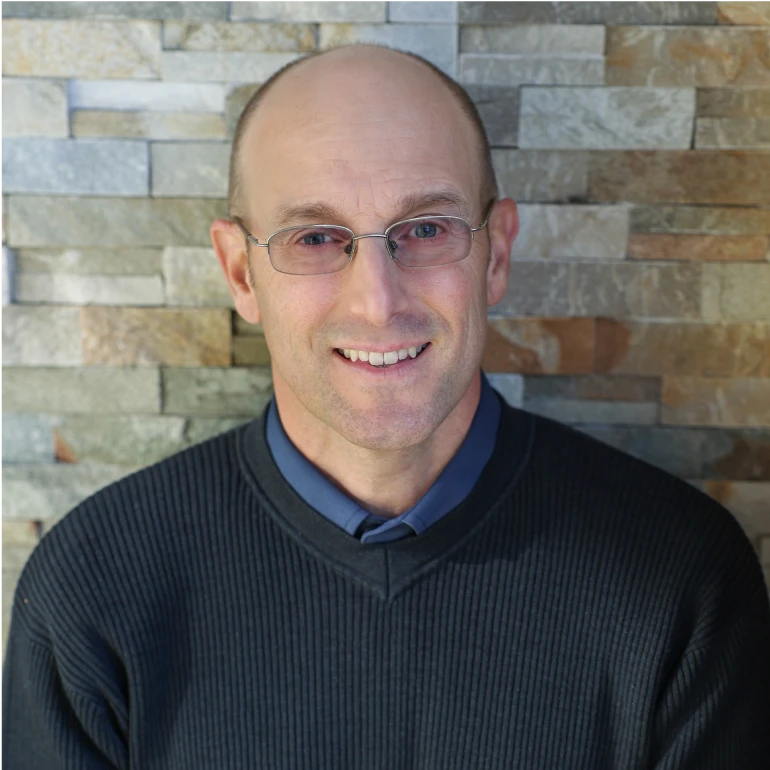
About the guest

About the guest

About the host
About the guest
About the guest

Margaret:
The leading cause of mortality in people with severe mental illness, it’s not suicide, for example. It’s actually cardiovascular disease, which shaves off 20 years of life. And then, as Sharmili was alluding to, it’s not something that’s simple, right? It doesn’t happen because of a single factor. It’s quite complicated.
Bret:
Welcome to the Metabolic Mind Podcast. I’m your host, Dr. Bret Scher. Metabolic Mind is a nonprofit initiative of Baszucki Group where we’re providing information about the intersection of metabolic health and mental health and metabolic therapies, such as nutritional ketosis as therapies for mental illness.
Thank you for joining us. Although our podcast is for informational purposes only and we aren’t giving medical advice, we hope you will learn from our content, and it will help facilitate discussions with your healthcare providers to see if you could benefit from exploring the connection between metabolic and mental health.
Someone living with schizophrenia, bipolar disorder, or depression has a much higher risk of dying prematurely than their peers. And not just from the psychiatric symptoms themselves, but from the cardiometabolic consequences, the metabolic dysfunction, and in resulting cardiac disease. And this is really an unmet need over the past decades that has existed, but hasn’t been addressed nearly as well as it should or could be.
Today, I’m joined by two experts who are doing something about this. They’re publishing research, publishing guidelines and really promoting the need for us to understand, diagnose and treat the metabolic consequences of psychiatric care. So I’m joined by Dr. Margaret Hahn, who’s a clinician scientist in the schizophrenia Division at the Center for Addiction and Mental Health, and a professor in the Department of Psychiatry at the University of Toronto.
She has published extensively on the glucose dysregulation that occurs with psychiatric care. and she has a lot of wonderful thoughts about how psychiatrists really need to take the lead for diagnosing and treating the metabolic consequences of psychiatric care. And I’m also joined by Dr. Sharmili Tharanajah, who is a physician and Research Associate at the Clinic for Psychiatry, Psychotics and Psychotherapy at the University Hospital in Frankfurt. And she also has published extensively on this topic, having co-authored with Dr. Hanh, an extensive review and approach for patients with both depression and obesity and metabolic dysfunction.
So, this is a really a critical discussion for patients and for clinicians to better understand the metabolic consequences of psychiatric care, and more importantly, what we can do about it. So, I hope you enjoy this interview with Dr. Margaret Hahn and Dr. Sharmili Tharanajah. Many of the interventions we discuss can have potentially dangerous effects of done without proper supervision.
Consult your healthcare provider before changing your lifestyle or medications. In addition, it’s important to note that people may respond differently to ketosis, and there isn’t one recognized universal response.
All right. Maggie and Sharmili, thank you so much for joining me today at Metabolic Mind.
Margaret:
Yes, it’s great.
Sharmili:
Thank you, Bret, for inviting us.
Bret:
It’s great to see you both, and especially now, you’ve both been very productive. You’ve had a number of publications, a lot centering on this concept of psychiatric treatment and the downside with a cardiometabolic risk that ensues for a lot of the treatments that we have as our first line go-to treatment.
So, I want to get into the papers you’ve published and the findings and what it means for clinical practice and future research. But first, give us a little bit of your background, and what got you interested in researching this field or getting into this field in the beginning.
So, Maggie, let’s start with you.
Margaret:
Yeah. When I was doing my training in psychiatry as a resident, I was on the in-patient ward. Actually, the first episode psychosis ward, which included very young individuals, late teens, early twenties. And people were being treated with our psychotropic medications, like antipsychotic drugs, in particular.
And I was seeing this immense weight gain development of like early metabolic syndrome, and people who shouldn’t have these types of side effects. Nobody was doing anything, and the field of psychiatry at that time didn’t know what to do. So, when I went on to do post-doctoral and PhD training, this was like a topic that was very near and dear to my heart.
And I’m glad that the field is progressing at, I think, what is a rapid pace now as compared to how things were a decade ago.
Bret:
Yeah, I think we should get into more of that, about how things have changed. But it is remarkable how a decade ago, it was that’s what happens with these medications, and you just got to live with it and without really addressing it.
There are reasons for that, but we can get into all that. But that’s great to hear. So ,thank you for that background. How about you Sharmili? What got you involved in this field?
Sharmili:
Yeah, so I’m a trained neurologist and psychiatrist. And I really started studying medicine because I was like fascinated by the complexity of the brain, by the complexity of behavior.
And I did my MD thesis was on schizophrenia patients. So, we know from epidemiological data from our clinical practice that there is this high comorbidity between metabolic dysregulation, obesity and psychiatric disorders for very many years. But there is hardly any mechanistic studies, and there are growing now, but we really lack mechanistic studies. And also, like clinically direct applications of this.
So, that really got me fascinated about this topic.
Bret:
Yeah. That’s great. So Maggie, tell us a little bit about the field as you’ve seen it. You’ve already talked about how it’s progressed, but tell us about how the research has progressed, and especially the research that you’ve done, that you’ve learned and how it’s maybe changed sort of your thought about this.
Margaret:
Yeah. And just to add to the background, like we know as well that the leading cause of mortality in people with severe mental illness, it’s not suicide, for example. It’s actually cardiovascular disease, which shaves off 20 years of life.
Then as Sharmili was alluding to it, it’s not something that’s simple, right? It doesn’t happen because of a single factor. It’s quite complicated. We have lifestyle factors related to the illnesses, access to healthy diets, reduced activity, high smoking. We have genetic factors. I think it’s been established over the past decade, and we’ve known this for longer, that there’s like a biological link, in particular, between type II diabetes and severe mental illnesses.
And then, there’s this reduced access to medical care, that I think both of us will speak to, where there’s this historical silo working between medical specialties and psychiatry. Then finally, adding fuel to the fire are the psychotropic treatments that we use, which with really few exceptions cause significant metabolic problems, including further elevation of risk of insulin-resistance and type II diabetes beyond like that intrinsic risk.
And the worst offenders, or at least the best studied offenders of this risk, are antipsychotic medication. What’s interesting about antipsychotic medications is, I think, clinicians see this like pronounced weight gain, right? So, some people will gain, like double their body weight, literally, with these drugs and for sure.
We know that weight gain is a leading risk factor for insulin-resistance that then can lead to type II diabetes. These drugs are lifesaving medications, but they have a huge metabolic burden. With my colleagues, what we decided to do, and this work was co-led by my very talented post-doc, Dr. Emily Smith and my two very close collaborators, Dr. Sri Mahavir Agrawal, who’s in Toronto, and Zach Freyberg, who’s in Pittsburgh. So, we did a systematic view and meta analysis, and we wanted to look at a very broad population.
So, we looked at all severe mental illnesses. We also included healthy controls, and our inclusion criteria were basically any study that was a blinded, randomized control trial or RCT, and it had to have a control group. So, antipsychotic or placebo.
And that was the rationale for the study.
Bret:
And important to point out that you included well over a hundred studies with almost 36,000 patients. So, this was a pretty broad, pretty big study for this specific topic. And they were randomized controlled trials.
So, not just association studies, but randomized controlled trials and vary in length. But it was that, really I think, elevates it in terms of its place in the literature. And let’s jump into it. So, what’d you find about the disordered glucose regulation?
Margaret:
So not surprisingly, we expected this antipsychotic use was significantly associated with change in all of our primary outcomes. So, that included fasting blood glucose, insulin, hemoglobin A1C, as well as our secondary outcome, which looked at the percentage of individuals who converted from normal glucose metabolism to either pre-diabetes or type II diabetes.
And then, we also did subgroup analyses, which kind of was interested in this waking independent effect of these drugs. What we found is that regardless of the anti-psychotic type, which we looked at based on known weight gain hierarchies or treatment duration. So, short-term or long-term studies that did not impact dysglycemia risk, which suggested that these effects can occur early on, and regardless of the weight gain liability of the antipsychotic agent.
We also found that this effect occurred regardless of the mental health diagnosis. So, it had the same negative effect across all the severe mental illnesses. So, schizophrenia, bipolar disorder, major depressive disorder, as well as healthy controls. It was independent of age, previous antipsychotic exposure, or use of other psychotropic medications, like mood stabilizers and antidepressants.
Bret:
Yeah, so many important take homes from all that, and first is actually great for just resetting our mindset that we call these medications antipsychotics. But they’re not just used in schizophrenia. They’re used as like mood stabilizers and bipolar disorder. They’re used as add-on treatment for treatment-resistant depression.
So, they’re used across the board, which I think is really important just to set that expectation of what we’re talking about. But the weight gain independent effect, sort of the dose and duration independent effect, like those were all, I think, really important take homes because you can always think as long as you’re not gaining weight, you’re probably not going to have a problem.
Or if you’re on the lowest dose for a short period of time, you’re probably not going to have a problem. Like it could totally make sense that someone would think that about the medications. But your study seems to say, no, actually, you could have metabolic issues despite that, which makes it that much more important to say we should be testing metabolic health.
We can’t just go by weight gain. So ,would you say that’s the big clinical take home from this?
Margaret:
Yep. Yeah, absolutely. And I should add that, so there’s probably, and we found this also like when we did our like correlations. So, there’s this weight gain independent effect, right?
But when you correlate weight gain, and you look at glucose dysregulation, there’s probably an additional effect. So, it’s a double whammy, right? So, you have these direct, probably acute effects, that are important because like you pointed out, that informs clinical monitoring, right? And then you have these over the long-term waking gain effects, which add to the complexity and add to the burden.
And then, of course, add stigma, lower self-esteem. And then, I think, Sharmili will talk to that when she talks to the second paper that we’re going to talk to. But yeah, so I think it informs metabolic monitoring exactly the way you said it that’s reflected in our guidelines. For example, the integrate guidelines on schizophrenia we published.
These are international guidelines published in Lancet Psychiatry as well. And it also, I think, and like you said, monitor individuals early on more frequently regardless of whether they’re gaining weight or not, for parameters of glucose metabolism and also lipid metabolism.
Then, of course, it has implications for practice and interventions as well.
Bret:
Yeah, and I would argue, just like I do across metabolic health, in general. It’s not just fasting glucose, which is probably what most people are going to monitor, but they should be getting fasting insulin, HOMA-IR, hemoglobin A1C, maybe even CGMs.
Like the more monitoring you can do along those lines, the sooner you’re going to catch a problem, and then be able to address it. And so, you could argue anybody starting one of these medications or even anybody with one of these primary diagnoses, should be having that type of tracking. But I’d say, it’s probably the minority right now.
But you have hope that might change.
Margaret:
Yeah, of course. And there’s also like issues of scope of practice, right? Who monitors, who treats? And I think what we’re coming to is that as psychiatrists, we should feel more comfortable screening and managing these side effects. As a case in point, with like my, one of my primary focuses is schizophrenia, where, you know, with antipsychotic treatments, we feel very comfortable managing extra parametal side effects, which arguably is much more complex medications than some of the metabolic agents we can speak about in metabolic interventions.
We have at our disposal, and I think this is coming out in guidelines as well, where you know the prescriber and the psychiatrist should be the central coordinating figure to catch these side effects, and then intervene. And then, loop-in specialists, as needed, too, because obviously, we can’t specialize in everything and do everything.
But it speaks to collaborative care and interdisciplinary care.
Bret:
Yeah, that is so important because it’s so easy to say, not my job, not my department, and hope somebody else is going to address it. But that frequently means it falls through the cracks and nobody addresses it. So, it’s so important to be proactive about it as the prescriber.
I hope more people hear that because that’s really important. But Sharmili, let’s bring you in here because you are one of, one of the papers that you wrote, Clinical Management of Major Depressive Disorder with Comorbid Obesity, speaks a lot to some of the similar topics. But now we’re talking about depression, not talking about schizophrenia, and talking about the combination of obesity, which frequently goes with metabolic dysfunction and depression, more as like a holistic, approach.
And of course, Maggie, you were involved in this paper as well. But Sharmili, tell us about the background of this paper. What led you to write this? And then, we can get into some of the key findings.
Sharmili:
And it really connects to what Maggie has just said. So, what we really want to highlight is that our conclusion is not to disregard antipsychotic or antidepressant medication.
So, that’s not the conclusion. These medications are lifesaving and really needed. But what we really call for is more metabolic control, metabolic management, and it should be, and we really want to equip the psychiatrist with this training. So, they should be, they should feel comfortable in like screening for this in treating metabolic dysregulation because, as Maggie just said, our patients are dying of cardiovascular events, right?
So, this is a real risk, and a real problem that we face in psychiatry. And so, that’s why we think that psychiatrists should be really equipped to be able to monitor this and directly treat these conditions. And as Maggie has correctly said, that during the review, we have talked to patients, people with lived experiences, and what they have come up with repeatedly was the double stigma.
So, psychiatric diseases mean a stigma. And then, being obese and having a psychiatric disease is even more stigmatizing. And what they always say is, if I go to endocrinologist, internal medicine person, they will say, it’s your depression that is the problem. So, if we treat the depression, everything else will be better.
And if you go to the psychiatrist, they won’t care about your obesity and about all the problems that you face with that. So, that’s why, I think, patients really need and advocate for them, but also a person who feels responsible for taking care of both. Because so on the one hand, we know that antidepressants, antipsychotics, and the depression, itself, increases obesity risk dramatically.
But on the other hand, we also know that obesity also reduces treatment to antidepressants. So, people who are obese respond less to classical antidepressants, but also to like enhanced therapies, just like ECT. Also here, the treatment response is reduced if you are obese. So, it’s really in our interest to improve the metabolic health to also improve mental health.
Bret:
Why do you think that is? Why do you think the treatment response is less?
Sharmili:
So, we are more and more learning about this, right? But what we’ve found out is also that insulin-resistance really reduces treatment response.
And we think that it has to do with, you have a disrupted brain energy metabolism. So, we have increased energy in the body. There’s increased glucose level. But on the other hand, if you look into like brain energy metabolism, you can see, for example, a dysfunction in mitochondria, more oxidative stress.
So, there are like more structural changes that happen in the brain the periphery, that could really interact with the treatment. Writing this review, we really saw this clinical need and thought, okay, let’s give something that you can directly apply. And that’s why we really recommended to screen for weight gain early on.
To screen for obesity, to have a metabolic profile that should be screened by the psychiatrists themselves. So, looking into lipid profile, looking in insulin, glucose regulation, to look into blood pressure. And also, how treatment responses is this patients do we have to escalate the treatment?
We use antipsychotics often for antidepressive treatment, as well, if we want to escalate the treatment. But could we probably also go on and do rather therapies like ECT, TMS therapy or also esketamine therapies that has been shown to be weight neutral. Then also, look into other possibilities and also include them, just like psychotherapy that is focused on these problems, which is, could be emotional eating, binge-eating.
So, why are people eating more? Is it just because of the medication, or are there other problems why people are eating more? Look into physical exercise. There is the effects for physical exercise. I was surprised how big they are. And it’s hardly used. And of course, the fear is that depressed patients won’t be able to follow physical exercise.
But from studies, we can show that actually depressed patients are able to follow these treatments. And just like doing physical exercise, 30 minutes, five times a week could be highly beneficial both on metabolic health, but also mental health. And particularly for this body-soul exercises like yoga, for example. There is evidence that even shorter durations can be effective.
So, I think, and if you want to, if you want your patients to follow a physical exercise, be as concrete as possible. Really prescribe the physical exercise. Indicate them toward physiotherapists, and make sure that they really follow the physical exercise. And then, other aspects are, of course, dietary interventions. So I think they’re very low. The low hanging fruit is just advise patients on diet, and make them sure that they know like soft drinks consumption is not beneficial for your health, which is the most obvious thing, right?
And then, if that works out, then give them like more dietary recommendation. Then, we could also do dietary intervention. We talked about ketogenic diet, and these kind of things, which have been shown to be beneficial in psychiatry conditions. And then, of course, the last step is also to have like metabolic drugs or weight loss medication, like GLP-1 analogs. Consider them early on if you think that weight gain and obesity is really a problem in your patient.
Margaret:
Prevention as well.
I think, like in the field of schizophrenia at least, we’re strongly advocating for prevention strategies as well, at least in the context of antipsychotic treatment. Because again, the dysregulation happens so quickly. And when someone has gained 50 pounds, a 100 pounds, they’ve developed insulin-resistance or type II diabetes, it’s much harder to get an effect.
So, at least for older medications, like Metformin, which has been around for 70 years, we now advocate in new guidelines that patients can be offered that, especially if they’re at risk for some of these side effects. So, Metformin co-therapy in the field of schizophrenia and antipsychotic medications.
There’s also now five RCTs that have looked at the older glucagon-like peptide one receptor agonists, and they show modest weight loss effects. No, mental health adverse concerns, which I think is important. And now, there’s I think Sharmili is also pretty excited about this, but there’s the newer GLP-1 receptor agonists.
So, the weekly injectables, semaglutide, and then the dual agonist tirzepatide. And with semaglutide, we’ve had two RCTs published that just came out by our Australian and Denmark colleagues. And they’re showing very impressive weight loss as well as improvements in glucose lipid parameters.
And again, no concerns about adverse mental health effects. So, I think, combining the field of dietary interventions, lifestyle interventions. And again, if that doesn’t work for some, also considering very early interventions with some of our bigger guns. And arguably, I think ketogenic diets, I think, are very exciting area where there’s a number of clinical trials that hopefully will be published soon, which may have a dual benefit on psychiatric symptoms as well as metabolic outcomes.
Bret:
Yeah, I think that last point is so important. If there’s a treatment that addresses both the psych, the underlying psychiatric symptoms and the metabolic consequences, that’s a pretty impressive treatment. And so far, that seems to be what we see from ketogenic therapy.
But obviously, as you said, what we’ll learn a lot more, but definitely something that could be potentially used just as adjunctive therapy to standard of care. And Sharmili, to circle back to what you said about how patients with depression and obesity or and metabolic dysfunction have less response to standard treatment.
I think that just shows how the one-size-fits-all treatment does not work. Everybody doesn’t have a serotonin deficiency as the primary cause of their depression, or they have confounding causes as well that also need to be addressed. And I think, that’s such an important point for people to realize that you can’t just go by the guidelines of drug A, drug B, if it doesn’t work.
That’s all we got without addressing the underlying metabolic dysfunction. So, I think that was so important. But so, let’s talk about, gosh, there’s so much to talk about because we brought up so many different things. But let’s talk about exercise for a second because there is this concept of saying, oh, it’s so easy.
All you got to do is get out and start moving. And yes, in randomized controlled trials and in studies, people who enroll in studies, it shows it’s doable. But we hear from a number of people that, I’m not, I just can’t get off the couch. I can’t motivate to do it. So, how do you do in a stepwise fashion to get that person in a place where they’re more likely to exercise?
Is it addressing the diet first? Optimizing medication doses first? Is it therapy first? Is there like a hierarchy that can make it more apt to be successful?
Sharmili:
Yeah, that’s a ques good question. And even we as healthy people know how difficult it can be, right? To start doing regular exercise.
And the good news is so that all these things interact with either each other, like sleep, food intake and exercise highly interact with each other. So, if we improve physical activity, even from my studies, we know that food preference changes so then that high-fat diet, for example, becomes less attractive.
So, that I think, so just starting at some point already makes all of these points easier. And just looking into physical activity, as you said, I think the advice is really to start small. Don’t use the escalator, but use the steps. For example, don’t sit all the time, but walk in between. Just go for a walk every day.
Go with a friend for a walk. This could be just a beginning. And once when you think, okay, the patient is seeing the effects, then you can do really exercise, which is like structured physical activity. This could come next. Don’t start with the most difficult thing first.
Bret:
Yeah. I love how you said go for a walk with a friend.
Yeah. Because I think bringing in others accountability partners, support partners. Being part of a community in a group so important by itself, and then the tie that into physical activity, I think is so important. Yeah. And so, you both have brought up ketogenic diets, which I think are really showing a lot of promise.
Of course, I’m some biased about that. But when you talk about dietary interventions, it seems like you said, cut out the soda, cut out the fruit juice, cut out the extra sugar, the ultra-processed foods, go towards a Mediterranean diet. That’s like standard advice. And I think there’s no question if people adhere to that, it is better than the alternative of the standard American diet.
But when we talk about changing our brain metabolism, providing ketones for the brain, improving metabolic health, bypassing insulin-resistant blocks that cells aren’t creating enough energy because of insulin-resistance. When you talk about that, it seems to open up this whole new world.
So, I’m curious what you both think about the role of ketogenic therapy now as a dietary intervention. Should the majority of psychiatrists at least be considering it for their patients? Or some would argue, we need more evidence first. But it’s a dietary approach, not a drug. So, let’s hear from both of you. Maggie, you first, where do you think it stands in terms of recommendation hierarchy for patients in their dietary approach?
Margaret:
I think it’s a very exciting field because, first of all, antipsychotic medications and other psychotropic treatments don’t work for everyone, and they have a lot of them carry this metabolic burden that we’ve heard about.
And often, patients get frustrated, and they often just want to come off of these treatments. And they do go off of them and relapse. So, we need something else. I think, there’s probably no harm in patients trying the ketogenic diet if they’re interested in it. And certainly I recommend that to some of my clients who, for example, don’t respond to Metformin or GLP-1 receptor agonist.
There’s challenges, there’s challenges with food costs, right? And food security for some of our people ,who are socially disadvantaged, because healthy food is more expensive and often, the carb-based diets are a lot cheaper than the healthy protein, healthy fat-based diets.
And so, I’m very much looking forward to the trials that will be coming out that look at mental health symptoms and metabolic outcomes. And if we see promising effects, maybe that will somehow promote integration of some of these approaches into care and support, into some of these approaches into care?
Bret:
Yeah, it’s a good perspective. I have to point out, I did a very fascinating interview with Moira Newiss, at least I was fascinated by it, about a case study of someone she worked with, who actually was in and out of homelessness and in and out of shelters, and was able to maintain basically a ground beef-based ketogenic diet and used it as treatment for his schizophrenia symptoms.
So, it shows that it certainly can be done in low socioeconomic circumstances, of course, can be more challenging than just going to 7-Eleven and buying potato chips and bread and whatever but certainly doable.
Margaret:
Yeah. And that’s a field that we need to develop, as well, is approaches for these types of dietary interventions that can be feasible and letting us think a bit creatively on how to implement these in people who are disadvantaged.
Bret:
Yeah. Sharmili, let me ask you then a little bit more about GLP-1s and ketogenic diets and how you see them being different, being the same synergistic, how to use them together or differently? What’s your opinion on those two?
Sharmili:
Yeah, I mean there was one important point that Maggie just pointed out.
It’s fuel for the neurons, right? And we know that obesity and insulin-resistance can lead to reduced food for the neurons. So, that’s why I think ketogenic diet is super interesting so that we give, have a different fuel, for the neurons, which are lacking fuel. But we know that, particularly for people with insulin-resistance, it can be really hard to get into a ketogenic state.
So, here probably also in the beginning, GLP-1 analogs could be helpful to reduce binge-eating to get into a more insulin sensitive state. And then, adding on ketogenic diet, which could be continued later on because, of course, we know from GLP-1 analogs, they work as long as you take them. But as long as you don’t, as soon as you stop them, you will regain weight, almost all of the weight that you have lost. So, we need a strategy for the time after the GLP-1 analog so to persist on these effects. So, that’s why I think particularly this combined therapy is highly attractive, particularly for our patient groups.
Bret:
Yeah. Now, I really like the way you said that. Because I think we don’t think about that enough, planning for the future, especially when a third or less of patients remain on the GLP-1s after a year. So, we really do have to plan for that.
Fellow mental health clinicians and healthcare providers, you now have access to a suite of free CME lectures on metabolic psychiatry and metabolic health. Each of these CME sessions provide insight on incorporating metabolic therapies for mental illnesses into your practice. These CME sessions are approved for AMA category one credits, CNE nursing credit hours, and continuing education credit for psychologists, and they’re completely free of charge on mycme.com. Now, back to the video.
Let me ask you the practical question. Can a psychiatrist manage all this?
Sharmili:
I’m sure we can. We are managing the most complicated organ from my point of view, which is brain. And like behavior and psychosis and all of these exciting things, right? And from this point of view, we should be able to manage metabolic health.
There are like clear guidelines. There is, everybody learns it during medical school. I think we have to reactivate it, and we have to make it a focus. We have to make it, we have to get it into the training of all psychiatrists. We have to raise awareness, and that’s why it’s really nice that these papers that we have just published was also like we are published in these high-impact journals.
So, I hope that really increases awareness for these topics. And also to show that it’s not only about metabolic health. But metabolic and mental health highly interact with each other and cardiovascular risk is a real risk for all of our patients.
Bret:
And what do you think, Maggie? When you look at the practicing psychiatrists out there, who are not doing this right now.
What do you think the hurdle is to get them to adopt this and start practicing it?
Margaret:
I think it’s a lot is comfort level. And that comes back to what Sharmili said, that we have to integrate this into training. Just like we teach psychiatry residents to manage extra parametal side effects, we should do the same for the leading cause of mortality, which are the cardiometabolic risk factors.
Yes, and time is another, I think, factor, right? When you see a patient who presents from a mental health perspective, and you have 30 minutes to see them, then metabolism may not be on your list of priorities. But having said that, bringing someone back or having an attached metabolic psychiatry clinic, which is, for example, what we have, in Toronto, where people can be referred and again, these collaborations.
And also, I think, teaching family physicians, who may also not feel comfortable managing metabolic comorbidity in someone who presents with mental health complexities. So, it does come back to education and training and also disseminating results, and studies and guidelines. And so, I think it’s doable, and I think the field is moving in that direction, which is quite exciting.
Bret:
And going on podcasts and sharing to the world about your studies.
So, thank you both for doing that. So, I think it is so important that you’re out there talking about it because we need more people to hear about it and we need patience to hear about it. To then, bring it to their doctors, too, right? There’s two ways to learn. There’s the top down from the guidelines and the education for clinicians.
And then, there’s the bottom up educating from patients, which we got to be honest, we hear a lot about with ketogenic therapy, with metabolic health people asking for that. So, I think that’s another way physicians can learn. But again, I, really appreciate all the work you’re doing getting these studies published, getting these papers published,. And then, joining me today to talk about it.
if people want to learn more about you, about your research, about your institutions, where can they go? So Maggie, let’s start with you. Where can people find more about you?
Margaret:
I’m embarrassed to say, but I’m not on social media. But you can find me at the Center for Addiction Mental Health website, including my email address. And also at the University of Toronto, Department of Psychiatry website.
Bret:
I think there’s something to be said that someone who specializes in mental health is not on social media. I think there’s a connection there. it’s probably better for your mental health than not be, but how about you, Sharmili?
Sharmili:
It’s almost the same for me. So, please have a look at the website of the Goethe University, Frankfurt, that you’ll find my email address, and don’t hesitate to reach out.
Bret:
Wonderful. Wonderful. Thank you so much, and hopefully, we’ll circle back again in the future to hear more from you.
Margaret:
Thank you so much.
Sharmili:
Thank you, Bret.
Bret:
Thank you for watching. If you want to see more, check out these recommended videos. Also, if you haven’t already, don’t forget to subscribe to our channel to stay up to date with our content and help us expand the movement.
And if you want to sign up for our newsletter, access our resources, read the latest research, or check out the THINK+SMART Framework, click here to visit our website. See you on the next video. Thanks for listening to the Metabolic Mind Podcast. If you found this episode helpful, please leave a rating and comment as we’d love to hear from you.
And please click the subscribe button so you won’t miss any of our future episodes. And you can see full video episodes on our YouTube page at Metabolic Mind. Lastly, if you know someone who may benefit from this information, please share it as our goal is to spread this information to help as many people as possible.
Thanks again for listening, and we’ll see you here next time at The Metabolic Mind Podcast.
Listen, Watch & Subscribe on:
An online community led by Lauren Kennedy West for people using metabolic therapies to treat their mental disorders.
Read more
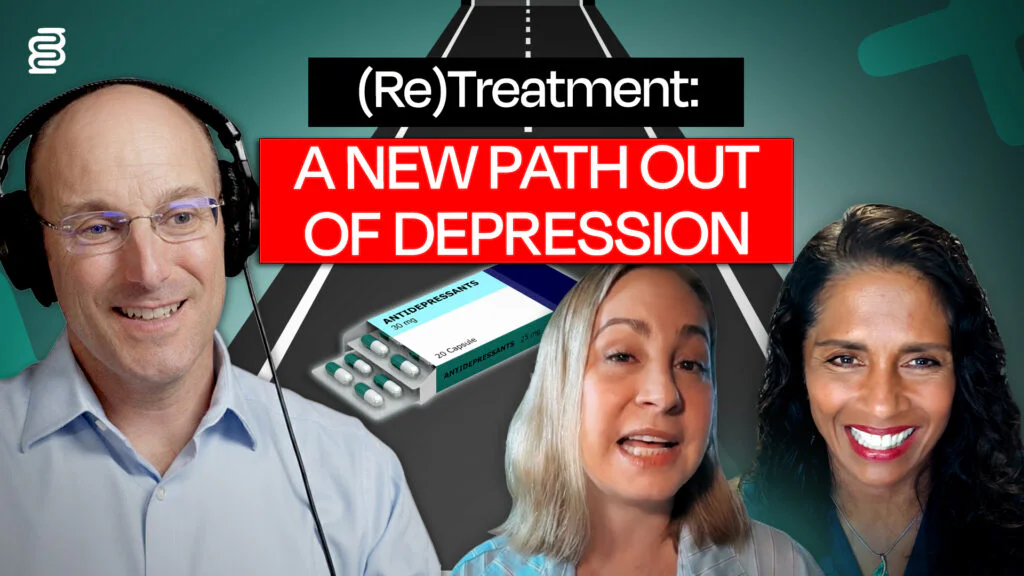
The Metabolic Mind Podcast features Silvia Covelli and functional medicine psychiatrist Dr. Achina Stein discussing the Healing Depression Project, an immersive retreat designed to address root causes of chronic and treatment-resistant depression. They explore how functional medicine testing, therapeutic ketogenic nutrition (gluten- and dairy-free), sleep repair, morning light exposure, daily walking, meditation, and intensive psychodrama can work together to reduce symptoms. The conversation highlights why a one-size-fits-all, pill-only approach often falls short, shares early outcome data and follow-up insights, and offers practical priorities for people seeking sustainable depression recovery through metabolic and lifestyle strategies.
Learn more

Could a shift in brain metabolism unlock better outcomes for schizophrenia? Discover how ketogenic therapy is reshaping our understanding and treatment of serious mental illness.
Learn more
In this Metabolic Mind episode, Dr. Bret Scher explains why nutritional ketosis is a safe, natural metabolic state and not to be confused with life-threatening diabetic ketoacidosis. He breaks down how the body alternates between burning glucose and fat, how ketones fuel the brain, and why ketogenic therapies are emerging as powerful tools for improving mental health. This clear explanation helps viewers—and their clinicians—understand the science behind ketosis, its safety, and its potential benefits for conditions like bipolar disorder, depression, and schizophrenia.
Learn more
An online community led by Lauren Kennedy West for people using metabolic therapies to treat their mental disorders.
Read more
The Metabolic Mind Podcast features Silvia Covelli and functional medicine psychiatrist Dr. Achina Stein discussing the Healing Depression Project, an immersive retreat designed to address root causes of chronic and treatment-resistant depression. They explore how functional medicine testing, therapeutic ketogenic nutrition (gluten- and dairy-free), sleep repair, morning light exposure, daily walking, meditation, and intensive psychodrama can work together to reduce symptoms. The conversation highlights why a one-size-fits-all, pill-only approach often falls short, shares early outcome data and follow-up insights, and offers practical priorities for people seeking sustainable depression recovery through metabolic and lifestyle strategies.
Learn more
Could a shift in brain metabolism unlock better outcomes for schizophrenia? Discover how ketogenic therapy is reshaping our understanding and treatment of serious mental illness.
Learn more
In this Metabolic Mind episode, Dr. Bret Scher explains why nutritional ketosis is a safe, natural metabolic state and not to be confused with life-threatening diabetic ketoacidosis. He breaks down how the body alternates between burning glucose and fat, how ketones fuel the brain, and why ketogenic therapies are emerging as powerful tools for improving mental health. This clear explanation helps viewers—and their clinicians—understand the science behind ketosis, its safety, and its potential benefits for conditions like bipolar disorder, depression, and schizophrenia.
Learn more