New Results: First RCT for Schizophrenia & Bipolar Disorder. Learn more.


Listen, Watch & Subscribe on:



The New Protein Guidelines Reignited the Plant vs. Animal Debate
Listen
About the host


Bret:
Welcome to the Metabolic Mind Podcast. I’m your host, Dr. Bret Scher. Metabolic Mind is a non-profit initiative of Baszucki Group, where we’re providing information about the intersection of metabolic health and mental health and metabolic therapies, such as nutritional ketosis as therapies for mental illness.
Thank you for joining us. Although our podcast is for informational purposes only and we aren’t giving medical advice, we hope you will learn from our content and it will help facilitate discussions with your healthcare providers to see if you could benefit from exploring the connection between metabolic and mental health
Many of the interventions we discuss can have potentially dangerous effects if done without proper supervision. Consult your healthcare provider before changing your lifestyle or medications. In addition, it’s important to note that people may respond differently to ketosis, and there isn’t one recognized universal response
Should we all be eating more protein or are we already getting enough? There’s a debate happening right now about this in the world of nutrition, and it could change what ends up in your grocery cart and eventually on your plate. A recent PBS article argued that the new federal recommendations to effectively double the current protein recommendations are unnecessary, and that they’re only going to push people towards eating more junk food.
Now, as a cardiologist, I want to explain why that take is misleading, and why the new protein recommendation is actually a smart move for your health, if it’s done the right way. So, let’s start with the old rules because understanding where that number came from is really important. So, for decades, we were told to eat 0.8 grams of protein per kilogram of body weight, specifically per kilogram of what scientists called reference body weight or ideal body weight.
Not like ideal as in a judgment, but as a medical definition. But here’s the part most people never hear, that number was never designed for optimal metabolic health. It was designed around something called nitrogen balance. Nitrogen balance is the amount of protein your body needs basically to avoid losing muscle.
That’s the floor, not the ceiling. And it was calculated for healthy adults without elevated metabolic demands. So, I asked AI to help me come up with an analogy for this because I’m not so good at analogies, and I like what it came up with. It said it’s like putting just enough gas in the car to keep the engine idling. But if you actually want to drive it, then you’re going to need more.
If you want to grow, train, stay strong, age well, you need more than the minimum. And that’s what these new dietary guidelines are trying to address. So, why are some experts pushing back? The concern, I guess, is reasonable on the surface. Critics worry that if we tell people to eat more protein, they’ll reach for protein-fortified processed foods, protein bars, protein cereals, protein snack foods.
And we’ve seen that playbook before. When plant-based eating became trendy, the market flooded with ultra-processed fake meats. Packaged products that were healthy because they were plant-based, but they were anything but healthy. So, the concern is fair. I get where they’re coming from. But it’s also not a reason to avoid protein, but a reason to get the message right.
Here is what the new protein recommendation actually means in practice. Eat more whole foods, both plant and animal. Real protein comes from eggs, chicken, meat, fish, beans, lentils. These are the foods that deliver the protein your body needs, along with nutrients that come with them. And the critics are right that a processed product doesn’t become healthy just because it has protein on the label. But the answer to that problem is better food literacy, not a lower protein target, right?
Now, let’s talk about what the science actually shows because this is also really important. Research and clinical experience consistently demonstrate that protein intake in the range of 1.2 to 1.6 grams per kilogram of body weight, reference or ideal, supports, I’d say, three things. First, satiety. Protein helps keep you full. And when you’re full, you’re far less likely to reach for those sugary processed snacks that drive metabolic dysfunction.
Second, body composition. More protein helps your body preferentially burn fat and preserve muscle, right? Especially when paired with some form of resistance training, which doesn’t have to be much. And that’s not a small benefit, right? That’s one of the most important levers we have for long-term metabolic health.
And third, metabolic function. Higher protein intake supports better glucose control, improved insulin sensitivity, healthier body composition. And as a cardiologist, those are the outcomes I care deeply about for my patients. And for certain groups, the case is even stronger. Teenagers who are still growing, athletes in training, and older adults trying to maintain mobility all have higher metabolic demands. And for them, getting even more protein is essential.
So, one more thing worth addressing, though, much of the pushback comes from the plant-based advocates, and that makes sense. While plant proteins can have a place in a healthy diet, there is a practical reality. Well, plant proteins have less bioavailable protein per calorie of food and weight compared to animal sources.
So, to hit a meaningful protein target from lentils and beans alone, you’re going to have to eat an enormous quantity. And that becomes challenging for a lot of people, and that may have something to do with this plant-based pushback about higher protein goals. But once we acknowledge that animal foods can absolutely be part of a healthy, evidence-based eating pattern, that protein goal becomes much more easily to obtain with real, whole foods.
So, I think here’s where we land. The new protein recommendation is absolutely sound, 1.2 to 1.6 grams per kilogram of reference body weight. The science supports it. The clinical logic supports it. And for most people, it represents a meaningful upgrade to how they think about food and long-term health.
But how we get there matters. Don’t look for protein in a bar or a wrapper or a packaged product. Look for it in whole foods, animal and plant sources, eggs, fish, poultry, meat, legumes. Real food that your body knows how to use. So, here’s what I want you to take away from this. A number on the federal guideline is only as useful as the context around it.
The old 0.8 gram recommendation was never about metabolic thriving. It was about not declining, and we can do better than that. So, if you found this helpful and you want to keep learning about how food affects your brain and body, certainly visit us at metabolicmind.org. That’s the kind of evidence-based practical information that we hope to share.
So, thank you for watching, and we’ll see you here next time at Metabolic Mind, a non-profit initiative of Baszucki Group.
Thanks for listening to the Metabolic Mind Podcast. If you found this episode helpful, please leave a rating and comment as we’d love to hear from you. And please click the subscribe button so you won’t miss any of our future episodes. And you can see full video episodes on our YouTube page at Metabolic Mind.
Lastly, if you know someone who may benefit from this information, please share it as our goal is to spread this information to help as many people as possible. Thanks again for listening, and we’ll see you here next time at the Metabolic Mind Podcast
Listen, Watch & Subscribe on:

Explore metabolic therapies with Steven who put his bipolar 2 disorder into remission. Discover tips for beginners & pros on diet, lifestyle & wellness.
Read more
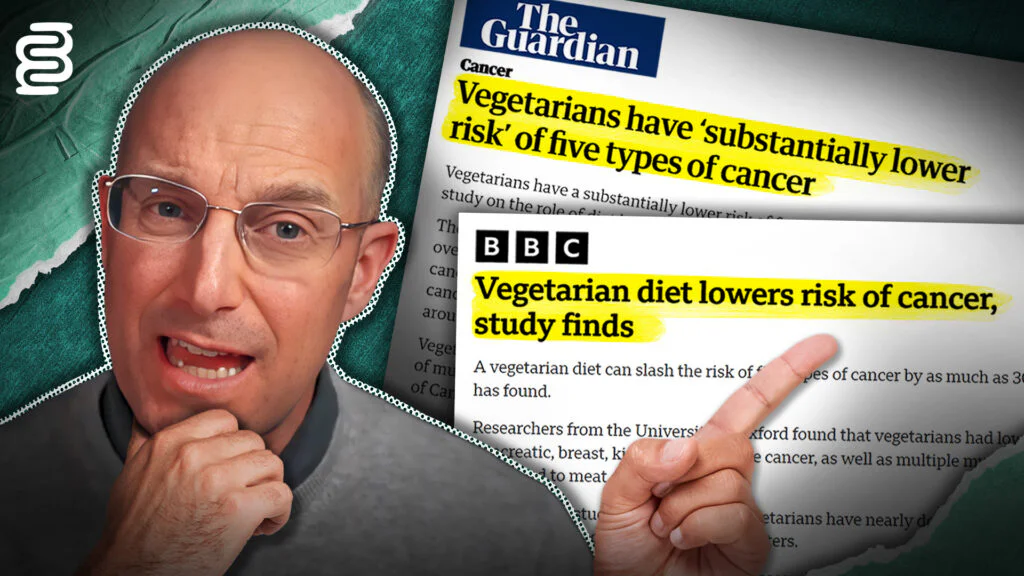
In this episode, Dr. Bret Scher examines two recent studies and highlights key limitations in their observational data, arguing that overall diet quality, calorie intake, lifestyle, and metabolic health may tell us far more than simply labeling meat as “bad” and plants as “good.”
Learn more
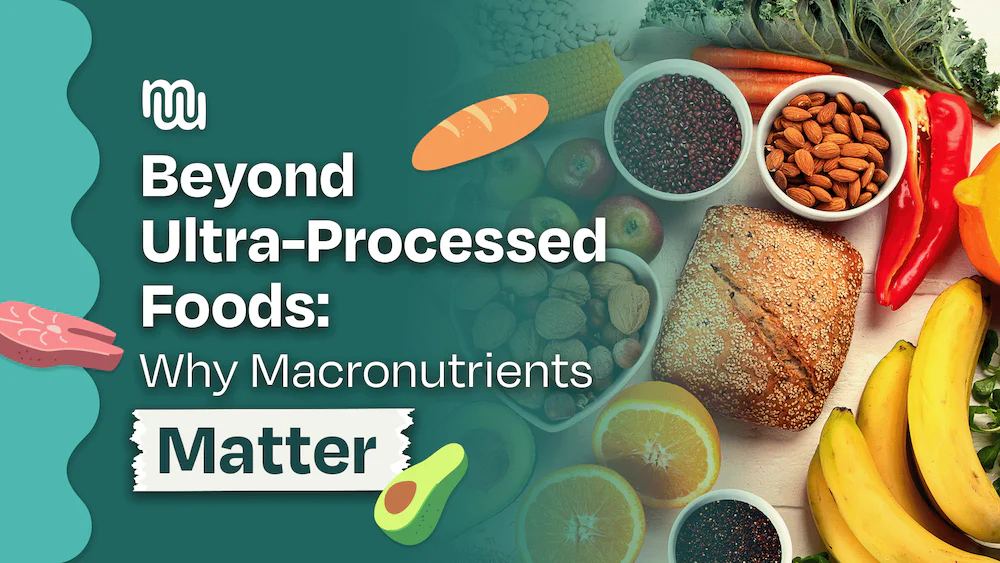
The question of whether most ultra-processed foods are metabolically harmful is no longer up for debate. This food category, which includes some of the most obvious dietary offenders…
Learn more
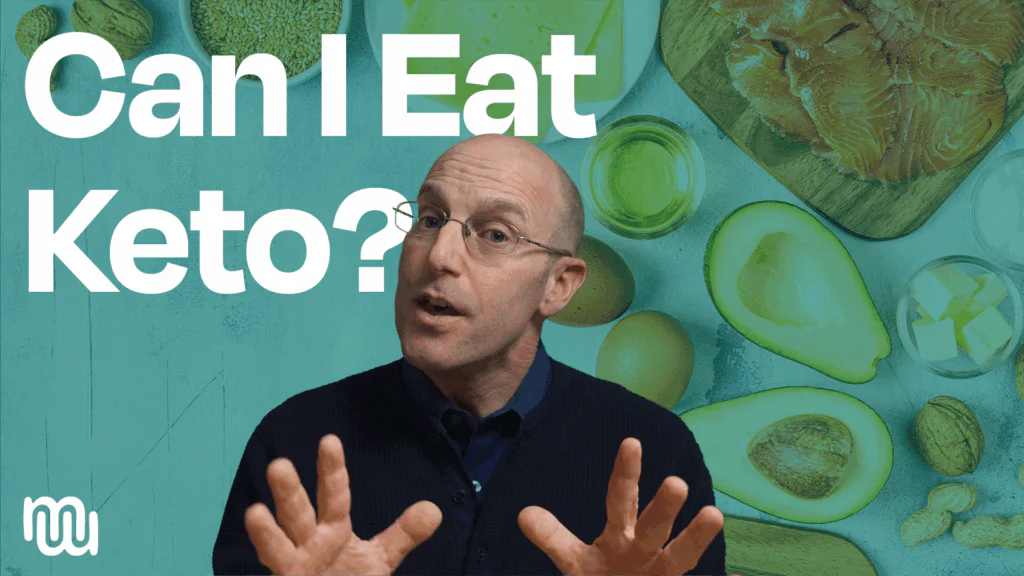
Worried keto isn’t safe with no gallbladder, gout, kidney issues, bariatric surgery, or high LDL? This Metabolic Mind episode explains why ketogenic therapy is often safe—and sometimes beneficial—when supervised: how to ramp fat without a gallbladder, manage early uric-acid changes, balance protein for kidney health, and individualize plans for cholesterol and heart disease.
Learn more
Explore metabolic therapies with Steven who put his bipolar 2 disorder into remission. Discover tips for beginners & pros on diet, lifestyle & wellness.
Read more
In this episode, Dr. Bret Scher examines two recent studies and highlights key limitations in their observational data, arguing that overall diet quality, calorie intake, lifestyle, and metabolic health may tell us far more than simply labeling meat as “bad” and plants as “good.”
Learn more
The question of whether most ultra-processed foods are metabolically harmful is no longer up for debate. This food category, which includes some of the most obvious dietary offenders…
Learn more
Worried keto isn’t safe with no gallbladder, gout, kidney issues, bariatric surgery, or high LDL? This Metabolic Mind episode explains why ketogenic therapy is often safe—and sometimes beneficial—when supervised: how to ramp fat without a gallbladder, manage early uric-acid changes, balance protein for kidney health, and individualize plans for cholesterol and heart disease.
Learn more