New Results: First RCT for Schizophrenia & Bipolar Disorder. Learn more.


Listen, Watch & Subscribe on:



Q&A: Are Thyroid Changes on Keto Normal? T3, Bone Health, Cannabis & More
Listen
About the host

About the host


Bret:
So whoosh, there’s a lot to talk about for thyroid. So, how do you want to start this one? Does medical marijuana, or I would just say marijuana, in general, impact the ketogenic diet for mental health? Your body’s producing ketones, but we can also ingest ketones. So, is it important how much is from which?
Welcome to the Metabolic Mind Podcast. I’m your host, Dr. Bret Scher. Metabolic Mind is a non-profit initiative of Baszucki Group, where we’re providing information about the intersection of metabolic health and mental health and metabolic therapies, such as nutritional ketosis as therapies for mental illness.
Thank you for joining us. Although our podcast is for informational purposes only and we aren’t giving medical advice, we hope you will learn from our content and it will help facilitate discussions with your healthcare providers to see if you could benefit from exploring the connection between metabolic and mental health.
Many of the interventions we discuss can have potentially dangerous effects if done without proper supervision. Consult your healthcare provider before changing your lifestyle or medications. In addition, it’s important to note that people may respond differently to ketosis, and there isn’t one recognized universal response.
We’re back for another mailbag episode where I’m joined by Dr. Georgia Ede so we can answer your questions. So Georgia, thank you so much for joining me again.
Georgia:
Thanks for having me back, Bret.
Bret:
Of course. And we love getting these questions. And people can submit them by going to our website, metabolicmind.org/questions.
And while they’re there, they can also sign up so that they’re kept up to date for our latest videos and the latest science and the latest personal journeys and all the information we have at Metabolic Mind. And then, of course, they can also submit questions on YouTube and X and LinkedIn and any other place that they’re finding us.
So, we’ve done a number of these, but the questions keep coming in, which is really fantastic. And this time we had, I think, maybe four questions about thyroid. So, clearly a hot topic. So, let’s jump in with that one. So, lhinckle13, a couple were anonymous, one was just Julie, all about thyroid. So, I’ll read some of them, summarize some of them.
Can a ketogenic diet help improve hypothyroidism, and can it eventually allow for a decrease or removal of medications? Another is, what’s a good approach to ketogenic therapy for people with hypothyroidism as sometimes lithium might trigger this? Another one says they’re two months into a carnivore diet and their TSH went from two to four, and they developed some hypothyroid symptoms.
They had pre-existing non-autoimmune hypothyroidism. So, with TSH elevation and a T3 decrease, the diet is helping their mental illness, but they’re concerned about their thyroid. And then, “I want to try a ketogenic diet, but I’ve heard it can disrupt thyroid function and possibly induce hypothyroidism.”
So one, can it induce hypothyroidism? Another one says, actually, is it good for hypothyroidism? And another one says, “What happens if your TSH is going up and you develop some symptoms?? And then you can also throw in there the medication part with lithium. So whoosh, there’s a lot to talk about for thyroid.
So how do you want to start this one?
Georgia:
We can just start with talking about the reason why we’re getting a lot of questions about ketogenic diets and thyroid hormone levels and thyroid problems is that the ketogenic diet can have an effect on thyroid hormone activity. And for a long time, people used to think that it was that the ketogenic diet was causing hypothyroidism, slowing the metabolism down.
This is actually not what’s happening. So, levels of T3 can actually run a little lower on a ketogenic diet, but it usually does not mean that you’re developing hypothyroidism. So, what we think is happening is that cells require less thyroid hormone on a ketogenic diet because metabolism, cell metabolism is becoming more efficient and cells are becoming more responsive to thyroid hormone so the body doesn’t need to produce as much.
So, there are two ways you can tell the difference between healthy reduction in T3 levels and clinically concerning hypothyroidism. And so, one way is that in the healthy case, T3 levels will be lower, but TSH, thyroid stimulating hormone levels, will remain normal, in the normal range. And this TSH comes from the brain.
So, if your brain thinks your thyroid activity and metabolism are sluggish, it’s going to make more TSH to stimulate the thyroid gland to make more thyroid hormones. So, TSH will rise into the abnormal range. And the other way is to check for symptoms of hypothyroidism. So low energy, weight gain, constipation, dry skin, depression, feeling cold.
These are signs of sluggish metabolism, and people on a ketogenic diet whose T3 levels are going down, they usually feel the opposite. They usually feel like their metabolism is improving, not worsening. They have more energy. They often lose weight. Their spirits lift, and that’s all very reassuring. It doesn’t mean that you shouldn’t be careful though and keep an eye on everything because there can certainly be exceptions.
But for most people, starting a ketogenic diet is not going to cause thyroid problems. But if you have pre-existing thyroid disease, especially if you’re taking thyroid medication, additional monitoring, medication adjustments might be needed. I’m a psychiatrist. I don’t adjust people’s thyroid medications myself. But I’ve had a few patients taking thyroid hormone who have developed symptoms of excessive thyroid hormone activity. Not low but high. Higher thyroid hormone activity after they switched to the ketogenic diet, and they’ve needed to have their thyroid hormone dosage lowered to accommodate for that adaptation.
Bret:
Yeah, that’s a great overview. So, let’s talk about some of the specifics of these questions then. So, as you just mentioned, a couple cases where people have actually probably improved their hypothyroidism and were able to wean off medications. But interestingly, I would say those are anecdotes that has not been studied. That’s not a common or expected occurrence.
So, one person asked specifically could a ketogenic diet help with their hypothyroidism? And right now, I wouldn’t say it’s used as a treatment for hypothyroidism. It’s like a quote-unquote “side effect” that you may find but wouldn’t be a primary indication. Would you agree with that?
Georgia:
I agree 100%.
So, and I’ve even had patients with hypothyroidism. Most cases of hypothyroidism are autoimmune. And so, there are often other factors going on that need to be addressed, and some of them we don’t even fully understand. And I can remember one case especially. I must have worked with this guy for almost a year.
He had hypothyroidism. He developed it. He’s otherwise very healthy, developed hypothyroidism in his 30s. We did the ketogenic diet. We did a carnivore diet. We made sure the ketone levels were nice and high. We did all kinds of troubleshooting. It did nothing for his hypothyroidism. He found other approaches helpful but not the ketogenic diet.
Bret:
And what about the person who specifically mentioned lithium as a potential trigger for thyroid dysfunction? How does that change your approach, if at all?
Georgia:
Yeah, so it doesn’t really change my approach. It just means that I monitor things more closely. Anybody who’s taking medication like lithium, I’m going to just be monitoring them more closely.
So lithium, and unfortunately, not an uncommon side effect of lithium, it can impair thyroid function, and that’s because lithium and iodine look very similar to the body. And so the thyroid gland is trying to make thyroid hormone using iodine. But sometimes, it’s going to grab onto a lithium instead and try to insert that.
It’s going to make an inactive form of thyroid hormone. That’s one of the ways that lithium can impair thyroid function. And so, people taking lithium, over time, they have an increased risk of hypothyroidism. The ketogenic diet is, could potentially be, helpful in that it does help your body, in many cases, require less thyroid hormone. But it’s not going to change the fact that the lithium is toxic to the thyroid.
Bret:
Now, another individual in one of these questions was a little bit different than what you said because you said T3 can go down. But TSH usually stays stable, and there are usually no symptoms. But this individual said their T3 went down, their TSH went up, and they had symptoms. So clearly, it seems like something is going on with clinical hypothyroidism.
Now, was it due to the diet or was it due to something else or different components of the diet? How do you assess that?
Georgia:
This is not a common case, but it certainly could occur. And I believe that it did occur for this person. We have no reason to question their experience.
So, when I hear something like that, I think, okay, It sounds like unless something else was also changed. That the ketogenic diet must have, because the timing sounds like it was around the same time, the ketogenic diet may be what’s causing the hypothyroidism. But I wouldn’t, I would be very surprised if it were the being in ketosis in and of itself.
I would more look at, again because so many cases of hypothyroidism have to do with inflammation and immune problems, that there’s something about the way they built that diet. Something in that diet that is aggravating their immune system. And I don’t know what it could be. It could be many different things, but, that’s where I would look first.
I would look to potential culprits in the food choices as opposed to being in ketosis, which as far as we know, doesn’t cause problems for thyroid hormone activity.
Bret:
Yeah. That’s a great point. And when you experience something that’s a little unusual and not routine, that’s where it really does help to have an experienced clinician to help troubleshoot because it’s a little bit different than the general advice you’re going to get.
Georgia:
Yeah.
Bret:
Great. I think that really covers the thyroid part pretty well. And as you said, it’s a very common concern. So, if you have other specific questions about thyroid, let us know. But hopefully, that covers it. But Julie, who had asked about thyroid, also said another concern is that an animal-based ketogenic diet might cause higher uric acid levels, putting bone density at risk, especially in post-menopausal women.
Would you speak to this?
Georgia:
I would. Thank you, Julie. So much of Julie’s question, most parts of her question, come from very common claims that diets high in animal protein are bad for bone health. So, those claims have been refuted very soundly in the scientific literature. So, protein is good.
Protein of any kind, animal or plant, is good for maintaining healthy bones because protein is a major structural component of healthy bone architecture. So, an animal protein is especially good because protein from animal food is of higher quality than from plant foods, and that just means that it contains all essential amino acids.
So, these common claims about animal protein being bad for bone health come from nutrition epidemiology guesswork. These are studies that are based on untested theories about diet and health. So now, this protein is, as we said, very important to growth and maintenance of bone. Now, this other piece is about the acid, the uric acid.
So, while protein metabolism does generate acids, including uric acid that needs to be buffered by calcium and eliminated by the kidneys, the body compensates by increasing calcium absorption from the diet, not by removing it from the bones. And another really cool thing to know about uric acid, because uric acid is a byproduct of protein metabolism, is that insulin resistance impairs the body’s ability to eliminate uric acid from the blood.
So, if you go on a ketogenic diet, that’s going to help you with your uric acid metabolism. But I think one of the best pieces of evidence to cite when somebody asks a question like this is the National Osteoporosis Foundation published a large systematic review and meta-analysis of 16 randomized control trials.
Not epidemiology guesswork, but actually clinical trials that concluded there is no evidence that higher protein intake had adverse effects on bone health.
Bret:
Yeah, that’s a great summary. And then, the other specific point about uric acid, as you were describing the mechanisms of excretion through the kidney, is that there can be a transition period where initially uric acid will go up, you could say, because the kidneys haven’t caught up or the calcium hasn’t caught up or whatever the case may be for the mechanism. But it tends to be temporary.
And there are studies showing this. Dr. Volek and Dr. Phinney have published studies about this, that the uric acid goes up and then goes right back down to normal. So, if you check it within the first week or two, you might get a little concerned. If you check it a month later, whatever, it usually is back to normal.
So, not to ignore it, but to understand that there’s usually that kind of bimodal approach.
Georgia:
That is such a good point because so many other things during that transition phase, the body’s trying to find its new equilibrium, and it’s adjusting and adapting and pathways are changing and everything.
For a few weeks, things can be, things can be a little topsy-turvy, right, adjustment. But then, things improve. And so, the same is true with cortisol and bone health. So, high cortisol levels can cause problems for bone health, can weaken bones. And cortisol levels, in at least in some versions of ketogenic diets for the first few weeks, can go up. But then, they come back down.
And so, it’s another one of those things where, depending on where the science is coming from and how the study is conducted, you can have different findings that make people worried. More worried or less worried.
Bret:
All right. This next one is very timely. We’ve heard a lot of information in the news and on social media about medical marijuana or just marijuana use, in general, and impact on mental health. Possible increasing risks for different psychiatric diagnoses and symptoms, but this specific question is, does medical marijuana, or I would just say marijuana, in general, impact the ketogenic diet for mental health?
So, not just about its impact on mental health, but specifically, as it relates to ketosis.
Georgia:
Yeah. So, this is a really interesting question because there’s almost no research on this topic. But there’s a couple of things that we can say with certainty. So, one is that we know, everybody knows, this is not news, cannabis causes cravings for carbohydrates. And so, it can make it much harder, and there are plenty of, there’s plenty of anecdotal evidence out there online, which you can see in different forums about people talking about this. But also in my own clinical experience.
Unfortunately, cannabis use, especially non-medical cannabis use, is very common. And so, I worked in college settings for many years, and lots of my students, unfortunately, were using this drug. So, cravings for carbohydrates are a problem because it makes it harder. It kind of cancels out at least or can fight against the natural appetite control that so many people enjoy from a ketogenic diet.
So, it’s reducing that benefit, if you will. But then, the other piece, and this is just my own kind of common sense of thinking about it, Any drug that alters brain chemistry is going to make it harder for your body to adapt to any healthy lifestyle change you make. You really want to give your cells a chance.
You want to free them up of substances so that they can do what they need to be doing. The fewer toxins and drugs you put into your system, the easier it will be for your system to adapt to these healthy lifestyle changes that you’re making. So again, there’s not a lot of research in on this topic. So, those are a couple of things that I can think about to say about it.
Bret:
Yeah. And I think that actually might dovetail nicely into this next question because it brings up this question of, if you’re using medical marijuana to treat a condition and you’re using ketosis to treat a condition, and in a way they’re at odds, are there other ways you can help yourself with ketosis?
CityGalna4518 asks, “When aiming for a specific ketone level, say 2.0 millimoles per liter, is it important how much is from endogenous production and how much stems from exogenous supplementation or MCT oil or so forth?” So, when you’re eating the ketogenic diet, your body’s producing ketones, but we can also ingest ketones.
So, is it important how much is from which?
Georgia:
Okay, so City Gal, it really depends on why. Why are you aiming for 2.0 millimolar? And there, I assume, there are many good reasons why you’re doing that. Now, assuming that you’re aiming for 2.0 or in that range because they don’t stay the same all the time, assuming you’re aiming for 2.0 for mental health reasons, the brain is going to appreciate those ketones and be able to use them for energy regardless of where they’re coming from.
But there are many other reasons why it matters where they come from. So, ketones can come from three places. They can come from fat from your body. They can come from fat from your food. And they can come from ketone and ketogenic supplements, like MCT oil and ketone salts. So, if you’re trying to lose weight, you obviously want to at least some of your ketones to be coming from burning body fat.
But if your main focus is mental health, certain supplements certainly can raise ketone levels and those will energize the brain. But supplements are no substitute for being in an internal state of ketosis through diet and lifestyle because supplements can’t normalize glucose levels, and they can’t lower insulin levels.
And both of those problems can continue to compromise brain health and total body health. Not to mention, most supplements only last a couple of hours or so. So, they can’t support ketosis overnight, for example, which is when much of brain healing is taking place. Really, only a ketogenic lifestyle can normalize glucose, lower insulin to the fat-burning point, and generate ketones naturally from inside the body around the clock for free. And that’s what you want.
Bret:
Excellent. Great answer. And I should also say actually to everybody listening out there, I am really looking forward to an interview I’m going to do with Dr. Dom D’Agostino about exogenous ketones. I’m just going to ask him to give me a masterclass on exogenous ketones. So, if you do have questions specifically about exogenous ketones, let us know, and I’ll bring them up with, Dr. D’Agostino as well because he’s an expert in all things exogenous ketones.
But this was great. I think these were really important questions that clearly are on the top of people’s minds. So, thank you everybody for submitting your questions. And Georgia, thank you so much for joining and for your thoughtful answers, as always.
And I look forward to having you on again where we can talk about, where we can answer more questions and help people more with what’s top on their minds. So, thank you.
Georgia:
Yes, please overwhelm us with your questions.
Bret:
All right, we’ll see you next time.
Georgia:
Bye.
Bret:
Thanks for listening to the Metabolic Mind Podcast.
If you found this episode helpful, please leave a rating and comment as we’d love to hear from you. And please click the subscribe button so you won’t miss any of our future episodes. And you can see full video episodes on our YouTube page at Metabolic Mind. Lastly, if you know someone who may benefit from this information, please share it as our goal is to spread this information to help as many people as possible.
Thanks again for listening, and we’ll see you here next time at the Metabolic Mind Podcast.
Listen, Watch & Subscribe on:
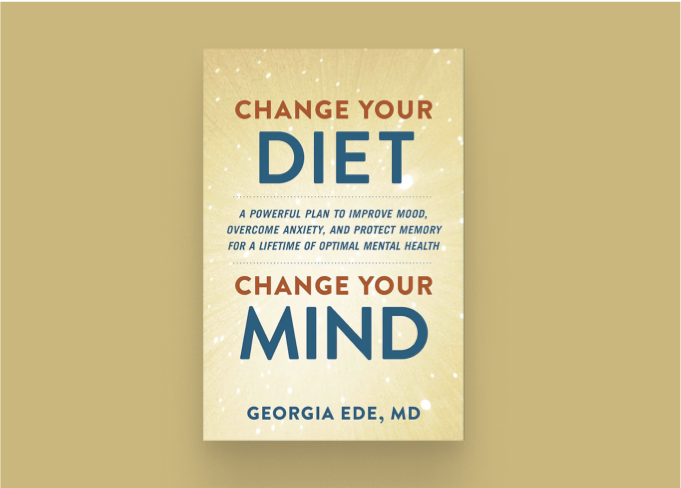
A powerful plan to improve mood, overcome anxiety, and protect memory for a lifetime of optimal mental health.
Read more
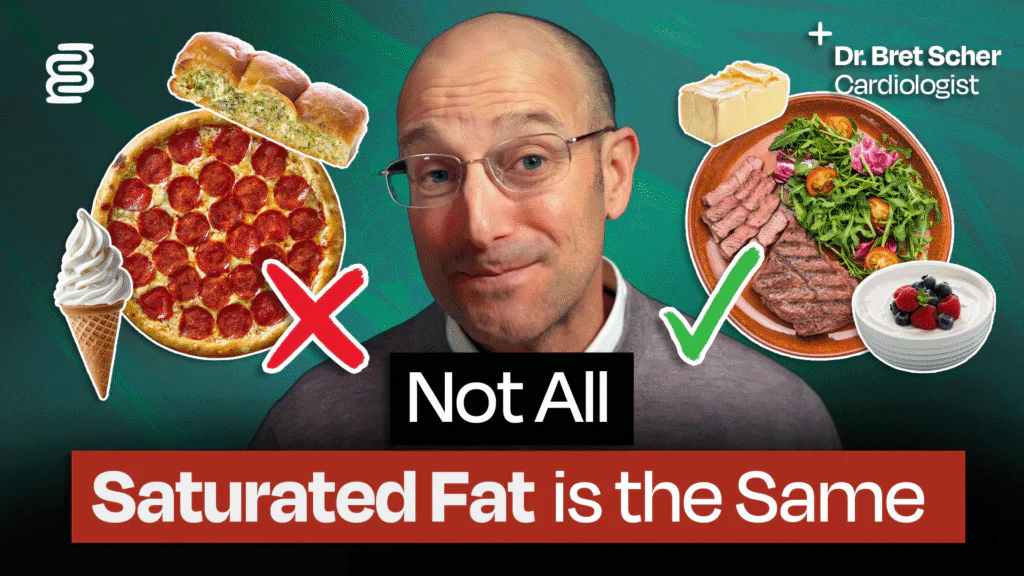
In this Metabolic Mind episode, Dr. Bret Scher analyzes the latest dietary guidelines and the science behind saturated fat. He reviews observational studies, randomized trials, and keto research to explain why saturated fat from whole foods may not be harmful in a low-carb context, and why focusing on overall diet quality and metabolic health matters more than strict saturated fat limits.
Learn more

During high school, Matthew Baszucki suffered from insomnia and panic attacks. By 19, he was diagnosed with bipolar disorder and despite taking numerous medications, progressed into mania. Like Laura…
Learn more
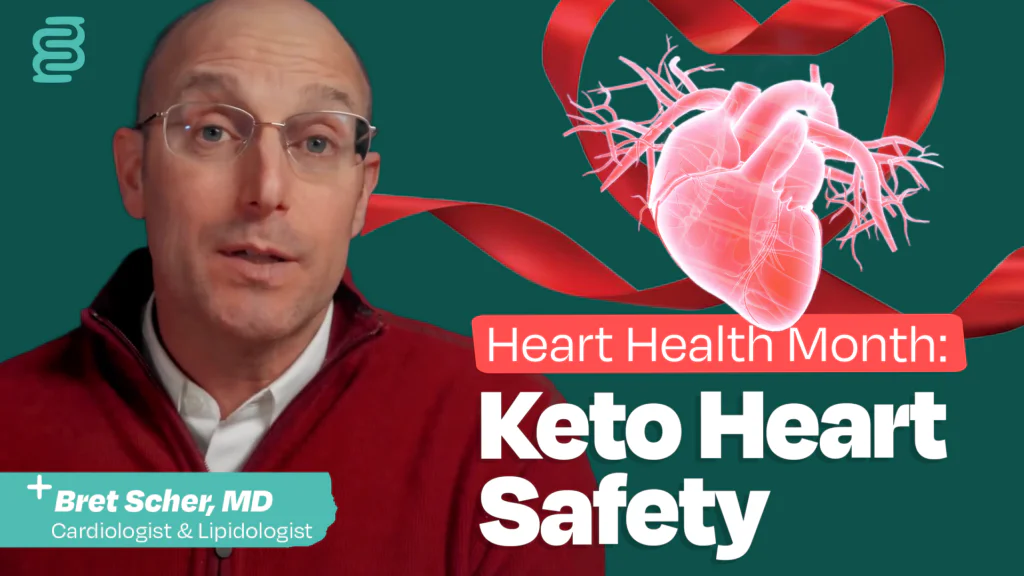
In this Metabolic Mind episode, Dr. Bret Scher addresses the claim that ketogenic diets are bad for heart health. He explains why many studies misrepresent keto, how cholesterol responses vary, and how ketogenic diets can improve key markers like triglycerides, HDL, insulin resistance, and blood pressure. Learn why metabolic health is central to heart health and how keto may play a role.
Learn more
A powerful plan to improve mood, overcome anxiety, and protect memory for a lifetime of optimal mental health.
Read more
In this Metabolic Mind episode, Dr. Bret Scher analyzes the latest dietary guidelines and the science behind saturated fat. He reviews observational studies, randomized trials, and keto research to explain why saturated fat from whole foods may not be harmful in a low-carb context, and why focusing on overall diet quality and metabolic health matters more than strict saturated fat limits.
Learn more
During high school, Matthew Baszucki suffered from insomnia and panic attacks. By 19, he was diagnosed with bipolar disorder and despite taking numerous medications, progressed into mania. Like Laura…
Learn more
In this Metabolic Mind episode, Dr. Bret Scher addresses the claim that ketogenic diets are bad for heart health. He explains why many studies misrepresent keto, how cholesterol responses vary, and how ketogenic diets can improve key markers like triglycerides, HDL, insulin resistance, and blood pressure. Learn why metabolic health is central to heart health and how keto may play a role.
Learn more