Announcing the new McLean Center for Metabolic Psychiatry Learn more.


Listen, Watch & Subscribe on:


“Live It, Launch It!” — A New Way to Train Clinicians in Metabolic Psychiatry
Listen
About the host
About the host

Deanna:
Evidence-based treatments are not always in mainstream care. After the four weeks, they went up over two standard deviations on the mental health scores. People did have mental health and physical health benefits.
Bret:
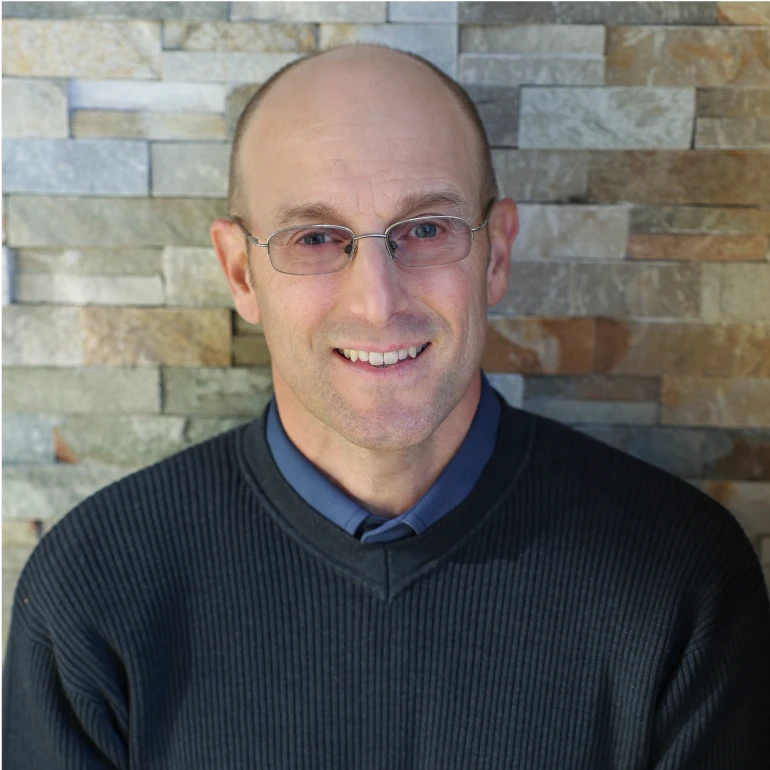
Welcome to the Metabolic Mind podcast. I’m your host, Dr. Bret Scher. Metabolic Mind is a non-profit initiative of Baszucki Group, where we’re providing information about the intersection of metabolic health and mental health and metabolic therapies, such as nutritional ketosis as therapies for mental illness.
Thank you for joining us. Although our podcast is for informational purposes only and we aren’t giving medical advice, we hope you will learn from our content and it will help facilitate discussions with your healthcare providers to see if you could benefit from exploring the connection between metabolic and mental health.
So you’ve heard ketogenic therapy can be helpful for various mental illnesses, various psychiatric diagnoses, but you’re just not sure. It’s something you’ve never had experience with so you don’t think you’re really the right person to talk to a patient about it. What do you do? That’s what this interview is about.
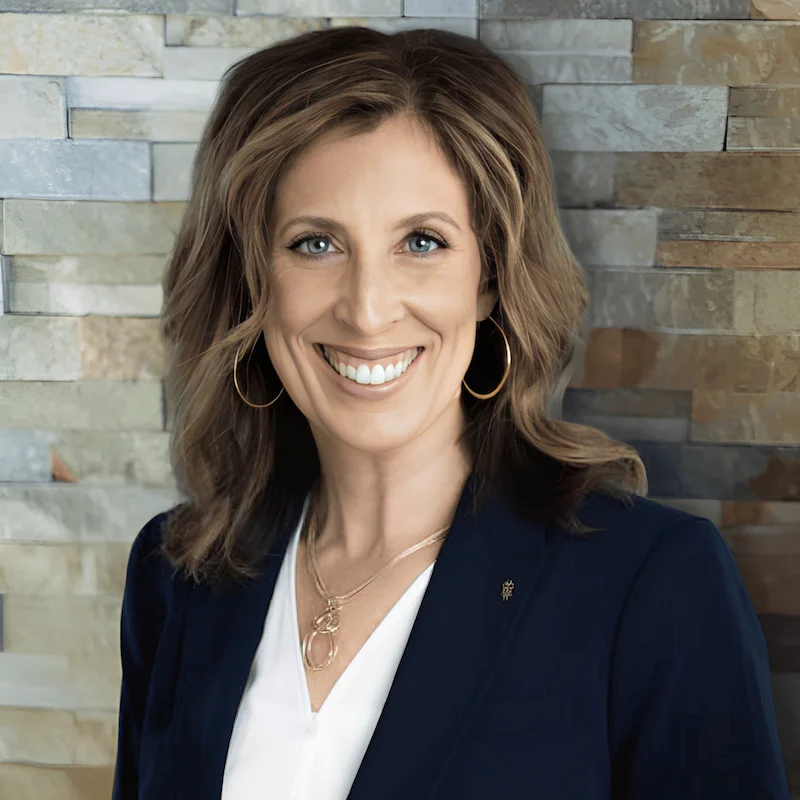
Because Dr. Deanna Kelly, who’s a doctor of pharmacy and a clinical professor of psychiatry at University of Maryland, she had the same thought. One of her main goals is improving access for clinicians to then improve access to their patients and improving comfort in clinicians. So she started Live It, Launch It!
She wanted a group of 40 clinicians to learn about ketogenic therapy. To learn about starting a ketogenic diet, and then to actually do it. So she joins us today to talk about this study, about the results, and about the next steps and what this can mean for helping clinicians become more comfortable with ketogenic therapy.
And hopefully, if you are a patient or a loved one and you want a physician to learn about this, maybe you can direct them to Live It, Launch It! to learn more. And maybe they could be a participant in a future cohort. Who knows? So here’s the interview with Dr. Deanna Kelly. Many of the interventions we discuss can have potentially dangerous effects if done without proper supervision.
Consult your healthcare provider before changing your lifestyle or medications. In addition, it’s important to note that people may respond differently to ketosis, and there isn’t one recognized universal response.
Dr. Deanna Kelly, welcome back to Metabolic Mind. It’s great to see you again.
Deanna:
Hi, great. Thanks so much for having me.
Bret:
We had you on before where we talked about sort of the concept of your Live It, Launch It! paper and your Live It, Launch It! intervention. So I’m excited to now have you back to talk about the results.
So in a minute, we’ll have you lay out kind of what motivated you to do this, what the intervention was, and then talk about these exciting results. But before we do, as I like to do, let’s start with what is one thing you think mainstream medicine gets wrong that you really wish were different?
Deanna:
There’s lots of things, unfortunately. But I think one, I think one of the things that, and it spearheads into this, is that I just, I feel like evidence-based treatments are not always in mainstream care. And so I think a lot of times we get stuck in treatments that have been used for a while. And I think that as new treatments evolve and as new evidence unfolds, and as we get more data around new treatments, I think that getting those into the hands of providers sooner is really important.
And a lot of my career has been around that. And so I think that’s just one thing where we stay too much in the past and we don’t move forward at the pace as new science unfolds, unfortunately.
Bret:
That’s a really good point, especially a provider who’s been in practice for a while doing something for a while. They’re comfortable in what they’ve done. And then when new things come, there is like a discomfort of broadening your scope, of learning something new, of trying something different, even if it is evidence-based.
So you can see that little bit of hesitation. But the result could be patients not getting the latest care, the best care, the care that’s most directed towards them. Yeah, I think that’s a really good point. Yeah, thank you for bringing that up.
Deanna:
Of course.
Bret:
So you’ve spent a lot of your career sort of addressing that. And one thing that, I guess it’s related in a way, that this whole Live It, Launch It! campaign that you’re doing to introduce clinicians to: what is it like to live in ketosis, to eat a ketogenic diet, to experience ketosis? And then by experiencing that firsthand, does that make you more adept, more comfortable, more likely to implement it in your patients?
So that’s how I would phrase it. So what really inspired you to do this and how did you set about doing it?
Deanna:
Yeah. No, this takes us back a little while. So I’ve been in the field about 30 years as a clinician doing, as a pharmacist scientist as well doing research.
And it’s been about 30 years of trying to work on new treatments and finding evidence-based treatments to move into care sooner. And one of the things in my career that I’ve really focused on has been the medication clozapine. And clozapine is a superior drug for treatment-resistant schizophrenia, which is right in the mainstay of the work that I do.
And I started off with clinical trials and we did outcomes research. We did large database studies. We did long-term mortality studies. We did a variety of types of studies. I’ve published over 70 publications around this medication, and so did a lot of other people in the field, and we’ve been pushing for its more widespread use.
But despite it being a medication that we know, it has side effects, et cetera, too, and we can talk about, but despite it being a medication that has a good evidence-based, superior treatment, it has been underutilized. And it continues to be underutilized despite us having good information.
And so I’ve spent a lot of my career trying to find out, why do people not use an evidence-based medication? Why do people have trouble incorporating it into care? Why are people resistant? Why do people hold back? Why do people use other things besides this? Why are they leery to give a patient this opportunity or the family to even talk about this?
Like, why don’t they? And really it comes down to this idea of not feeling that competent. There’s lots of, there’s lots of knowledge out there. There’s so many CME programs, and those are all good. And some of them are really good, some of, there’s some great opportunities for education.
But despite having education, if you didn’t train, if you didn’t feel like you ever got to get a chance to dig in or work with your mentors around it, people felt they were not competent to do it. And I even still talk to physicians, even though in the state of Maryland, when I say, would you be interested in thinking about this medication?
And they’re like, “I’m just, I don’t, I just don’t know how to use it. I don’t feel confident that I could do it.” And that’s where this sort of, this sort of grew out of this idea, is that I’ve watched this is over my career, and something that works really well still not be adopted for the reasons of just and lots of reasons.
But one of the main reasons is just not feeling like you could actually jump in and do it or have the actual like skill set to do it. Very excited, for another treatment modality that could be very life-changing as well. Watching that unfold and being worried that we could end up in that same spot, that we have a whole line of good evidence, clinical trials will continue to emerge.
We might have the data, but then we could have therapists, clinicians, psychiatrists, psychiatric nurse practitioners, everyone saying, “I don’t know enough. And even if I learn this, but I just don’t feel competent.” So it really stemmed out of that. Like why don’t we move that sooner? Let’s just take that earlier and understand as the evidence emerges. Let’s start to begin to have the competence-building at that same time so people become more prepared.
And this is why we thought of coming up with the idea of let’s have more of an experiential learning. Let’s live it. And we had a lot of interest in it.
Bret:
Yeah, I love the idea. And the way you described it just makes so much sense. And with the medication, like you It’s not the same sort of thing, but it would almost be like having an intensive training program on how you manage the medication. How prescribe it, and manage the side effects, et cetera.
Only this, since it’s a nutritional intervention, they can do it themselves. So they learn firsthand how to do it, which I think is so awesome. And great that you had so much interest in it. That’s one of the things I think was really cool because I remember when you were recruiting, you filled up like really quickly, didn’t you?
Deanna:
Oh, absolutely. So we started last, I think the end of August of last year, just around, right around this time, and we opened it up. It was really a pilot study where we were going to accept 30 people or up to 40 maximum, and we really just put it out there on some social media. And within two weeks, I think we had filled.
We had people calling, “Can we be part of this project?” that was really exciting to have a lot of interest.
Bret:
Yeah. That’s really exciting, and shows the growing interest in this field, which I think is so amazing. And at Metabolic Mind and Baszucki Group, some of the things we’re trying to do is think about how can we break down the barriers so more clinicians are comfortable instituting ketogenic therapy, and this is just such a perfect example of what to do.
So you had 40 people, and what did you do? You basically had them start a ketogenic diet and see what it was like? And tell me more.
Deanna:
Yeah. So it really was a two-part, study. So what we did is we gave people a month to engage in experiential asynchronous learning. So we had a four-hour program that they could jump online and learn about.
And so there were four different modules that contained the nuts and bolts of ketogenic diets from how do you use it, what is it, to why should be used in mental health. So we had those four hours and people had to complete that within a month. And then, within that month period, they had to, at baseline and endpoint before that, before they had engaged in that, they filled out questionnaires and self-assessments about competence and also their ability to talk to patients around ketogenic diet as well. And then filled out those evaluations and assessments again at the end.
And then after that period of time, we did a group cohort where everybody joined in the same week. And everybody that moved on to the diet phase were then, we did it together. And we had weekly sessions led by a dietician where we all talked about how was this going. And I actually participated to be part of it so I understood how everyone was experiencing this as well.
So myself, I’d experienced it as well, but I got to understand like what kind of questions. These are busy practitioners, right? These are psychiatrists, physicians, pharmacists, therapists, nurses, psychologists, et cetera. And they’re like when they got together, like there’s that camaraderie of understanding like, “Okay, what are you doing?
What am I doing wrong? How can I fix this?” You know, et cetera. And it just became a four-week session after that. And that was the experience. And after people finished, they again filled out assessments to see how competent they were in engaging and or being able to use this for their own patients.
Bret:
Yeah. So what are some of the highlights of what you found? I’m curious to see what the survey showed and what the compliance was at the four weeks and all that. What’d you find?
Deanna:
Yeah. No, this was really exciting. So as you would imagine, there was a lot of interest. But as you would imagine, most people rated on average very low on their competence.
Their competence in not only just using the ketogenic diet but all domains. How do I think about macros? And how do I think about like what the side effects are, or what patients should I try? Or what are actually the outcome measures? So people rated themselves very low. And after the four weeks, we used a competence measure where we were looking at a 0 to 100 scale, like 100 millimeter visual analog scale. Like how competent are you? And then, how competent are you afterwards in your ability to engage, to be able to do this?
And then, we also did the same kind of questions around shared decision-making because they’re going to have to be able to talk to their patients. Not just them do it, but eventually, talk to their patients. But how comfortable then and confident are you to be able to talk to your patients about these discussions?
And so the scores went up dramatically. Mean scores raised from about a 19 to 20, very low scores, up to about a 68 to 70 range after they had education. But that’s a 68 to 70. If you think about that’s like, “Okay, you learned and you learned a bit. But you still aren’t in this area of ‘Oh, I could master this.'”
And so after people then participate in the diet, these mean scores of competence and confidence in doing this went up to about 85 to 90. And so then people were in the range of saying “You know what? I feel like I can do it now.” But once they lived it, they were then into this range, a very high range, of feeling competent and being able to either prescribe it, recommend it, or use it.
But everybody felt like they could really handle it and do it. So that was great.
Bret:
Yeah. That’s really interesting. So about 20 to start. And then about around a 70 after the four weeks of education. And then up to about a 85, 90 after four weeks of living it. Yeah.
Deanna:
Yeah, absolutely.
Bret:
And you think about how many people get the education and then stop right there. And maybe even not the same degree or intensity of education that you gave them.
So most people maybe who haven’t actually done it are probably 40s and 50s, maybe 60s at most, right? So you could see how someone wouldn’t be comfortable doing it.
Deanna:
Even when I give a talk to a crowd, like at Grand Rounds or an education program, I’ll say, “You’re all still sitting there looking at me like, ‘Oh, this is great.
I love the science. This is something I really want to try, but I still don’t know how I would do it.'” And that’s what everyone says. They’re still like, “Can you give us more? Like, how do, what’s my first step? What would I, first thing I do? How do I get this? How do I get that?” And then being able to live it, you can say, “I got this.”
It’s like I think I feel much more confident in saying, “Here’s how I got started. Here’s what I experienced.” And I bet patients will like that too as they engage with a healthcare provider who understands.
Bret:
Absolutely. Yeah, and it’s the simple stuff that maybe you wouldn’t think about ahead of time.
Oh, do I really have to get the crackers out of the pantry so I’m not tempted by them, right? Just getting that out. And what do I do if I’m not hungry, or what do I do if I am hungry? How do you add, what snacks do I reach for? And like, all these little things that maybe you don’t think about if you’re thinking more big picture about ketogenic therapy that are just are so important.
So you went through it. Was there something that surprised you personally, or something that really stuck with you personally about this?
Deanna:
Yeah. One thing I did note is that people respond very differently. And it’s sometimes, it’s very easy for some people. And it’s more challenging for others to get into ketosis.
And what our data shows is that people were able to get into ketosis in the first week and then maintain ketosis. These are not patient populations. These are practitioners in the clinics. Busy practitioners. So people got into ketosis quite easily. It was very easy for me.
I was in ketosis in three days. And then, I just maintained it the whole time. But there are other people that said, “Oh gosh, I’m having trouble getting to the .5.” And then, when we had group sessions, we could talk about here’s what I did, or maybe we could think about raising fats a little more and decreasing protein just a tad.
Or here’s some recipes that might help you get a little higher. But we all used the Cronometer app during the time period. We actually looked at people’s micronutrients and what they were eating beforehand and then after. What’s really cool is that micronutrients, despite going into high fats, really stay similar.
And so, people are getting a nutritious diet. And that is a question people ask ask is, “Can you eat healthy?” And people were still having the nutrients that they need. And in this study, what we did see is that people did have mental health and physical health benefits despite being fairly healthy at baseline, too.
So there was, for a variety of reasons, not only learning it for your own patient’s good, but also having some benefits and being able to see that. That allows me to say to my patients, “Here’s what I really benefited, to myself.” And people love hearing that. But that’s what surprised me is that it was so easy for me. But some people, it’s a little bit harder. Yeah.
Bret:
Yeah. And that really sets up a perfect example, like especially that you had the group support, right? Because this I guess in a way could be a negative if someone like, “Oh, it was so easy for me to get in ketosis. It’ll be easy for you, too.” Right? If they’re counseling a patient that way.
But to have the experience of others, that not everybody had it so easy. That’s even more valuable to be like, “Look, I got into ketosis pretty easy, but it’s not the same for everybody. So here are the things you might want to look for in case you can’t get into ketosis that easily.”
Deanna:
You’re absolutely right.
And I think all directions, we all learned from each other as we had these conversations. And that was, that’s really important. And I can even say to my patients, that’s exactly what you said is, “We realize that this can be challenging to start. Some people it’s going to be really easy.
We’re going to get you, we’re going to get started. And then, here’s what I’ve learned from working with others who are doing it.” So yeah, absolutely.
Bret:
Yeah. So I know you’re writing other papers, and we have lots of data to go through. But if you can talk to us about some of the benefits people saw, I think that’d be really interesting.
But also some of the concerns people had, or maybe if they didn’t feel so good. Was there just a couple things that stood out in either direction?
Deanna:
Yeah. No, what was interesting is we did a sort of a general mental and physical health questionnaire, called the PROMIS. It’s a standard in the field, but it looks at mental health and physical health. And it’s normed to general population, means and norms.
And so the population that participated in this study were right about the average American, like numbers that are seen on mental health. But what’s interesting is after the four weeks, they went up over two standard deviations on the mental health scores. And so despite having normal mental health scores, and so both in physical health and mental health, these improved.
And we see lots of comments like people, anxiety, fogginess was gone. People who had mentioned of having some history of maybe some trauma or PTSD symptoms, like symptoms, that might have improved. And it’s just, there’s a gamut of improvements people said that I didn’t expect to see this.
And where we would’ve classified this as a normal, I’m putting this in quotations, “healthy population,” there’s still room for everyone to feel a lot better. And that’s exciting too because people could say, “I don’t have a mental health condition. Like I have a little bit of stress.
I’ve been busy.” But that’s the majority of people came into it, like that average person. And came out saying, on average, “I feel really good. And I feel better physical health-wise. And so that was one of the exciting, that’s one of the exciting findings of it, too.
Bret:
Yeah, that’s super interesting, right?
You don’t know any different until you experience something different, right? You just think it’s the way things are, and the way things will always be, until you experience something different. And this is something different. And it’s always one of those questions. So much of the research is on serious mental illness, on schizophrenia, bipolar disorder, major depressive disorder, even anorexia.
But we get questions all the time, will it help, X, Y, Z condition? Will it help more mild symptoms? And even if there’s not a lot of research, there sure is a lot of anecdotal experience and clinical experience. And yes, it can, like you said, just the brain fog, the cognitive sharpness, the elevated mood.
Even if it’s just a little bit. If you notice it, it makes a difference.
Deanna:
Yeah. And we had, yeah, and we had on average, about a five-pound weight loss. And again, in a sample that was not needed to lose weight. So a couple people even like say, “I upped my calories because I didn’t need to lose additional weight.”
So even in a population that just wants to lose five or 10 pound, et cetera, you still have some of that weight loss. But I think it’s also driven by a lot of these metabolic findings. Like the glucose, on average, still significantly decreased. Insulin still went down.
People were in a really healthy ranges overall. There’s some hints that despite having an average population, means that you can have these health benefits that are wide-ranging. So that’s great.
Bret:
Yeah, so everybody felt more comfortable doing it and they saw personal health benefits- in, in the way they felt.
So very impressive.
Deanna:
And then, mainly it’s in the first week, and then goes down after that. So we do see things like some constipation, some urinary or some extra urination, et cetera. We do see a couple of people who get the, who have the keto flu, but that, we mitigated that.
We really hydrated. We talked about electrolytes, et cetera. But what I did notice in our healthy population, which is interesting, is that some of the super athletes, like the marathon runners, the mountain bikers, et cetera, they had some additional side effects at the beginning.
So I think we needed to get up their calories, et cetera. And because we often don’t see super exercisers in the clinical populations, and so I think that’s just important to learn that. Not everybody’s body is exactly the same. And so we had to make some adjustments for people who are super exercisers.
And yeah, just some of the kind of things we learned as we went through a general population group.
Bret:
Yeah, and doctors Volek and Phinney, they’ve been studying ketosis and athletic performance for decades, and they’ve shown that there really is an adjustment period, especially for higher-end athletes.
For the average person, maybe not so much. But for higher-end athletes, there is an adjustment period that can last for weeks or months even. So yeah, that’s really important to notice. Was there an option, like at the end, are you going to stay in ketosis? Are you going to keep doing the diet? Or was that an option?
Deanna:
So we just have reports of some people saying that they were going to continue. We didn’t have a question, per se, that said, “How long are you going to continue?” But we did have, we had lots of people write in the qualitative questions like, “I’m going to continue this. I’m really excited to do this.
I saw more benefit, and I was surprised.” Some, not every single person said that, but some people certainly had said that. So that was one of the things. And yeah, and people are going to continue to be on. We’re interested in moving this to the next phase and do a Live It, Launch It! 2 to take some of the things that we’ve learned and take some of the feedback we got from people on what they’d like.
Interestingly, there were some people that said, “I would like to do it longer than four weeks because I want to see what additional benefits I’m going to get.” And there were many people. We did this thematic analysis on all of our qualitative data, and that’s some of the findings that people said they wanted to, some people wanted to continue longer, for example.
Bret:
Yeah. Now, important to clarify ,this isn’t a randomized controlled trial. You’re not comparing it to something else. We can’t say it works better or worse than other interventions. But just the fact that you were trying to help people understand it so that they could institute it with their patients. And then, oh by the way, they also felt all these other benefits is super interesting.
So what would it take to scale this to other institutions, to other medical practices that are interested in engaging in metabolic psychiatry and ketogenic therapy with their patients so that their providers can learn more of it? Do you, is there a path to scale this?
Deanna:
Yeah, I think so. I think that our team has really been meeting together. We’re meeting with implementation scientists talking about this. I’d really like to make sure we hone in and have the best sort of training program up front. We had some feedback that maybe a few things should be changed in these modules, and a few other ideas that were put in there.
So I’d like to make sure we have a really good training program. I think that’s just step one. And not just our group, but as a field, that we decide this is some of the best knowledge that we put together in most succinct area for learning and then maybe have, and take this to test it in many other sites or a few other sites to start with and maybe have a national registry that we can join in.
People can start these cohorts at different sites, and we have a few cohorts that we try because the next steps are going to be important to look at outcomes. And so now that we can scale this, I think the next step is to look at, okay, after we did this, what are some of the touch points that are important?
Like how many conversations are you starting to have in your practice? How many times are you referring now to make sure you get a dietician? How many times are you implementing yourself? How many times are you following up with people? Like how are you implementing it then after you learn it?
Or are you just taking it. And I’m not going to learn it again? But some people, because of scope of practice mainly, some people are going to jump right in and say, “Hey, look, I’m a therapist. I don’t prescribe it myself, but I’m going to find doctors with me. I’m going to get you and I’m, as we meet, I’m going to make sure you’re connected, and we’re going to talk about it too so I can help you.”
Some are going to say, “Let me get you referrals, and I’m going to tell them what’s really important. And I now I know enough.” And some are going to say, “I am going to prescribe this for you.” So there is going to be differences in that, but all people play a piece of the whole mental health multidisciplinary team.
And so from every angle I think, letting people have this opportunity to participate is going to be good. But then look at those touch points. And so those are some of the outcomes I’d look to look at next. So we’re going to hopefully scale this up as I Live It, Launch It! 2. And then, hopefully, that’ll lead us right into being able to launch this with others in different training programs nationally or even internationally.
Bret:
Yeah, I’d love to see like residency, psychiatry residency programs, require four weeks of ketogenic Live It, Launch It! That’d be awesome. That’d be so amazing.
Deanna:
I know it would be fun. But I tell you, like there was a lot of great feedback and the qualitative data looks really good. People gave us a lot of feedback saying that the, a lot of people said one of the most important pieces of it was actually living it and was doing it.
And now they, and we see that objectively in the data. But when you ask people, the majority say, “Yeah, that was one of the most important pieces to help me.”
Bret:
A very unique and clear goal and well-executed venture here with some really interesting results. And a big promise for the future, too, of what it can do and how it can influence practitioners.
We will definitely link to the paper. So I could see patients going to see their doctor and their doctor having no clue what they’re talking about and just saying, “Read this paper by Dr. Kelly and her colleagues and it’ll get you started.” So any last words about this? And then, of course, where can people find you if they want to learn more?
Deanna:
Yeah. They can follow me on LinkedIn or Instagram. So LinkedIn, just my name, Deanna Kelly. They can follow. I do post a lot, and I do like to also link to a lot of the metabolic community. So I like to try to share other people’s work, and they’ll be able to find us there. You can find me on X at Prof Deanna K, and then Instagram at drdeanna.kelly.
So you can find me there. And I’m just really excited for what the future holds with this. I think we have a lot of clinical trials that are just starting to come out that are going to add to the data that we already have. And so I want us to be ready. And I want the field to be ready as we hit this point where it’s evidence-based and we’re ready to go. And I don’t want people to be left out and practitioners saying, “I don’t know what I’m doing here.”
I want people to be able to say, “Hey, look, I don’t know what I’m doing, but let’s get trained. And actually, it’s not going to be a big deal. We’re going to get benefit. We’re hopefully get some benefits.” And so we have this dual benefit as we learn and we participate, and then help our patients be able to implement and then be able to talk to them about how to implement it as well.
So I’m excited what the future holds.
Bret:
Great. Thank you so much. Really appreciate you coming on to share all your exciting information with us. Thanks.
Deanna:
Thanks, Bret. Appreciate it.
Bret:
I just love this whole concept and the whole idea that Dr. Kelly came up with. And then, implementing it and studying it.
And it really sets a great example of how clinicians can have sort of barriers to things that they’re not super comfortable with. So even if it could potentially help a patient, if they’re not personally comfortable with it, whether it’s a drug or whether it’s a lifestyle intervention, they’re much less likely to use it or recommend it.
But experiencing themselves really can increase that likelihood or at least the perceived likelihood. So I liked how she talked about now the next step is really monitoring how many times have you talked to a patient about it or implemented it with a patient, right? Have you taken that next step? But that first step that she looked at just does it increase your comfort level dramatically increased and sounded like it was a lot of fun and a good experience for a lot of these clinicians.
So I think it’s just a great example of an innovative way to study lifestyle change, and I’m glad she did it. And I look forward to the next steps that she has and see how we can scale this to even more people. So hope you enjoyed this. I thought it was a great interview with her.
I really appreciate her perspective, right? Thanks for joining us. We’ll see you here next time at Metabolic Mind. Thanks for listening to the Metabolic Mind Podcast. If you found this episode helpful, please leave a rating and comment, as we’d love to hear from you. And please click the subscribe button so you won’t miss any of our future episodes.
And you can see full video episodes on our YouTube page at Metabolic Mind. Lastly, if you know someone who may benefit from this information, please share it as our goal is to spread this information to help as many people as possible. Thanks again for listening, and we’ll see you here next time at the Metabolic Mind Podcast
Listen, Watch & Subscribe on:

Explore metabolic therapies with Steven who put his bipolar 2 disorder into remission. Discover tips for beginners & pros on diet, lifestyle & wellness.
Read more
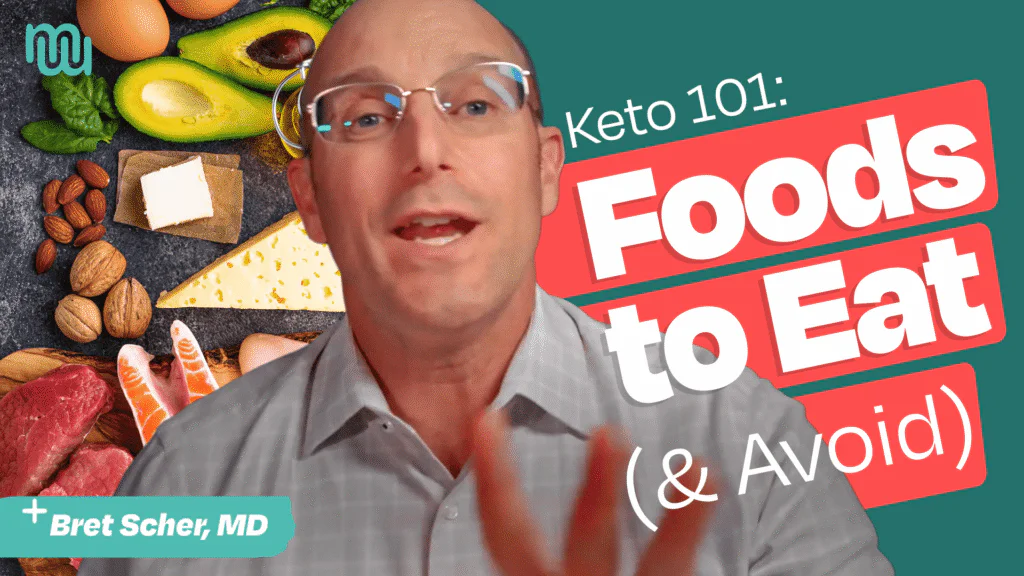
Dr. Bret Scher walks beginners through the practical basics of starting a ketogenic diet, covering which foods to eat and avoid, sample meal ideas, and keto-friendly snacks. He explains why he prefers describing foods as "compatible" with ketosis rather than strictly "keto" or "not keto," and emphasizes that lifestyle factors like sleep and stress also play a role in achieving and maintaining ketosis.
Learn more
Depression is a complex, often life-altering condition that impacts how a person thinks, feels, and moves day to day. And while many treatments exist, far too many people…
Learn more

“For the first time in years, I felt like my brain was finally running on the right fuel,” said one of the participants in a new pilot study…
Learn more
Explore metabolic therapies with Steven who put his bipolar 2 disorder into remission. Discover tips for beginners & pros on diet, lifestyle & wellness.
Read more
Dr. Bret Scher walks beginners through the practical basics of starting a ketogenic diet, covering which foods to eat and avoid, sample meal ideas, and keto-friendly snacks. He explains why he prefers describing foods as "compatible" with ketosis rather than strictly "keto" or "not keto," and emphasizes that lifestyle factors like sleep and stress also play a role in achieving and maintaining ketosis.
Learn more
Depression is a complex, often life-altering condition that impacts how a person thinks, feels, and moves day to day. And while many treatments exist, far too many people…
Learn more
“For the first time in years, I felt like my brain was finally running on the right fuel,” said one of the participants in a new pilot study…
Learn more