New Results: First RCT for Schizophrenia & Bipolar Disorder. Learn more.


Listen, Watch & Subscribe on:



Keto 101: Beginner’s Guide to Meals, Snacks, and Carb Limits
Listen
About the host


Bret:
Welcome to the Metabolic Mind Podcast. I’m your host, Dr. Bret Scher. Metabolic Mind is a non-profit initiative of Baszucki Group, where we’re providing information about the intersection of metabolic health and mental health and metabolic therapies, such as nutritional ketosis as therapies for mental illness.
Thank you for joining us. Although our podcast is for informational purposes only and we aren’t giving medical advice, we hope you will learn from our content and it will help facilitate discussions with your healthcare providers to see if you could benefit from exploring the connection between metabolic and mental health.
Many of the interventions we discuss can have potentially dangerous effects if done without proper supervision. Consult your healthcare provider before changing your lifestyle or medications. In addition, it’s important to note that people may respond differently to ketosis, and there isn’t one recognized universal response.
A ketogenic diet as part of ketogenic therapy can be helpful to treat a number of medical conditions, from type 2 diabetes to fatty liver to depression and bipolar disorder. But if you’re new to a ketogenic diet, one of the first questions is what should I eat, right? So today, I’m going to walk you through the basics, foods to eat, foods to avoid, sample meals, snack ideas, and how to know if you’re actually reaching ketosis.
So, the goal of the ketogenic diet is to shift your body from burning primarily carbohydrates for fuel to burning mostly fat and ketones. To do that, most people aim to keep carbohydrates around 20 to 30 grams per day. And for reference, the standard American diet is around 300 grams of carbs per day. So, it’s quite a difference.
That means your diet will mainly consist of healthy fats, moderate amount of protein, and low carbohydrates, like low-carb vegetables. So, let’s start with foods that work well on a ketogenic diet. And remember, a keto diet can fit a variety of patterns, like carnivore, Mediterranean, vegetarian, or even vegan.
So, you can pick the foods that fit best with your way of eating. So first, protein-containing foods, like beef, lean or fatty cuts, chicken breast or chicken thighs with the skin left on, pork, fish, seafood, eggs, or tofu. These are all low carb, healthy fat versions of protein-containing foods.
And next, there are other healthy fats, which become your main energy source. So, of course, the natural fats from the protein-containing foods I just mentioned plus olive oil, butter or ghee, avocado and avocado oil, coconut oil, olives, full-fat dairy, and even some nuts. Then, add low carb vegetables, like spinach, broccoli, cauliflower, zucchini, asparagus, leafy greens, bell peppers, and other above ground veggies.
And in limited amounts, you can add low-sugar fruits, like raspberries and strawberries. Now, some think of a keto diet as limiting, but I just listed a lot of foods. So, it’s not that limiting. But of course, there are a number of foods that you should limit or avoid. These are foods that are high in carbohydrates that can quickly push you out of ketosis.
So, just about any sugar or sweets, bread and pasta, rice and grains, even the healthy whole grains, potatoes, other root veggies, most packaged snack foods, high sugar fruit, like pineapple, bananas, dates, or any dried fruit. And of course, sugary drinks. Now, some companies make keto-friendly products to mimic these foods, but those are sometimes hit and miss. And in my opinion, should be avoided, especially in the beginning as someone is transitioning into ketosis.
But now a quick nomenclature break. Now, I don’t like to say whether a specific food is keto or not keto, but rather I refer to foods as being compatible or not compatible with ketosis. For instance, a handful of strawberries and cream could be part of ketosis, but a whole bowl of strawberries could kick someone out of ketosis.
So, are strawberries a keto food? It depends. But they are compatible with a ketogenic diet. So, but as long as the focus remains on whole foods that are low in carbs and nutrient dense, most people do well with ketosis. So, as an example, a day of eating on keto might look something like this.
So, for breakfast, four scrambled eggs cooked in butter with spinach, onions, and avocado. Simple, delicious, and low carb with only about four or five grams of net carbs, depending on how much spinach and onions, et cetera. So, for lunch, a large salad with grilled chicken, olive oil, feta cheese, avocado, and mixed greens.
Also about five grams of carbs. And then, for dinner, salmon with pine nuts, roasted broccoli and cauliflower cooked in butter topped with olive oil. Again, about five grams of net carbs and delicious. Meals like these keep carbohydrates low while providing enough fat and protein to keep you satiated and feeling great.
Now, most people on a ketogenic diet find they no longer feel the need to snack. But if you do choose to snack, some good keto-friendly options include cheese slices, hard-boiled eggs, olives, a handful of macadamia nuts, celery with cream cheese, or full-fat plain Greek yogurt with a few berries. But it’s also important to remember that food is not the only factor that affects ketosis.
Sleep, stress, physical activity can all influence your metabolism. So, while choosing the right food is the biggest factor for ketosis, that doesn’t mean you can ignore the rest of your healthy lifestyle habits. So, in summary, starting a ketogenic diet doesn’t have to be complicated. Focus on reducing carbohydrates, eating adequate protein, using healthy fats for energy, choosing whole foods, and monitoring your progress.
And remember, ketosis is a metabolic process that takes time. Be patient with your body as it adapts. With the right approach, keto can become a sustainable and effective way to support your metabolic health. And if you want to know more about ketogenic therapy as a treatment for psychiatric diagnoses, like depression, anxiety, bipolar disorder, schizophrenia, and more, please see our content at metabolicmind.org or our videos here on YouTube.
And if you want to learn from others about their personal journeys, check out our THINK+SMART page, where individuals share their successes and challenges with ketogenic and metabolic therapies. And remember, if you’re using ketosis to treat a medical condition, please work with your healthcare team. And you can watch our content that helps better understand how to talk to your clinicians about ketosis and even how to find practitioners who can help.
So, thank you for watching. I’m Dr. Bret Scher, and we will see you here next time at Metabolic Mind, a non-profit initiative of Baszucki Group. Thanks for listening to the Metabolic Mind Podcast. If you found this episode helpful, please leave a rating and comment as we’d love to hear from you. And please click the subscribe button so you won’t miss any of our future episodes.
And you can see full video episodes on our YouTube page at Metabolic Mind. Lastly, if you know someone who may benefit from this information, please share it, as our goal is to spread this information to help as many people as possible. Thanks again for listening, and we’ll see you here next time at the Metabolic Mind Podcast
Listen, Watch & Subscribe on:
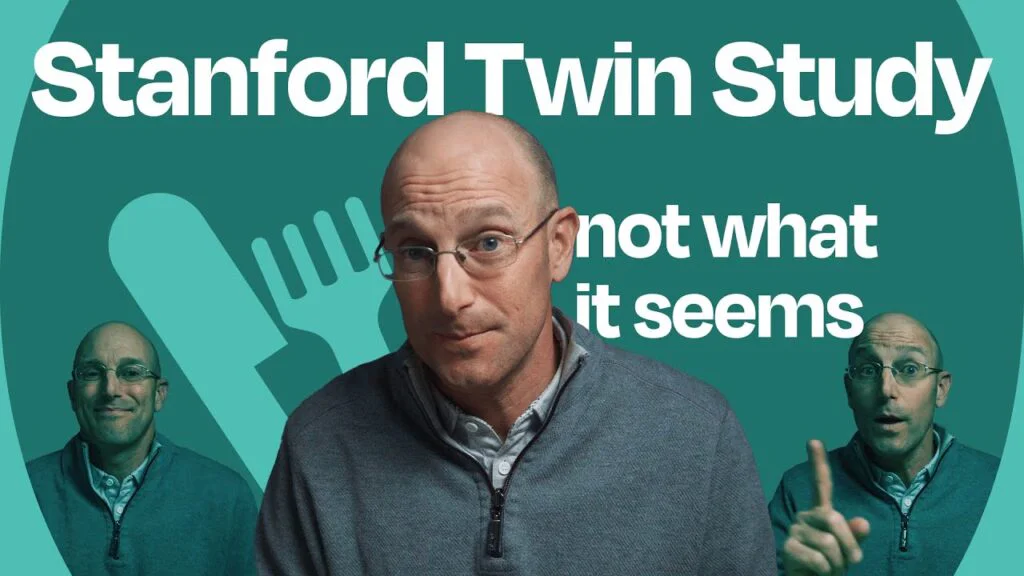
Dr. Bret Scher unpacks the Stanford Twin Study comparing vegan and omnivore diets, revealing why the media’s claims that “vegan is healthier” oversimplify the science. In this episode, he explains the study’s design limitations, short duration, and focus on two high-carb diets, noting that calorie differences—not food type alone—likely drove the results. The discussion challenges popular narratives around plant-based diets, explores issues of sustainability and long-term health, and invites Stanford researchers to collaborate on a new, more comprehensive trial comparing vegan and ketogenic diets to advance nutrition science and public understanding.
Read more
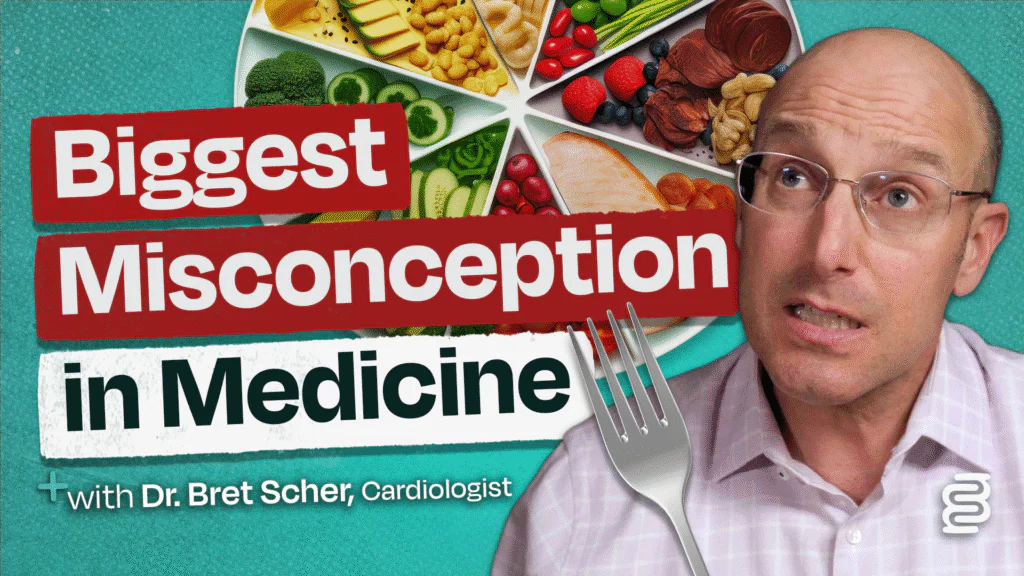
Dr. Bret Scher challenges the idea that one low-fat, high-carb diet works for everyone, arguing it rests on weak evidence and has hurt collective metabolic health. He explains that people respond differently to different diets, and for those with insulin resistance, low-carb and ketogenic approaches can be especially effective. Rather than one "best" diet, the episode calls for personalized nutrition that helps each person find a sustainable approach that works for them.
Learn more
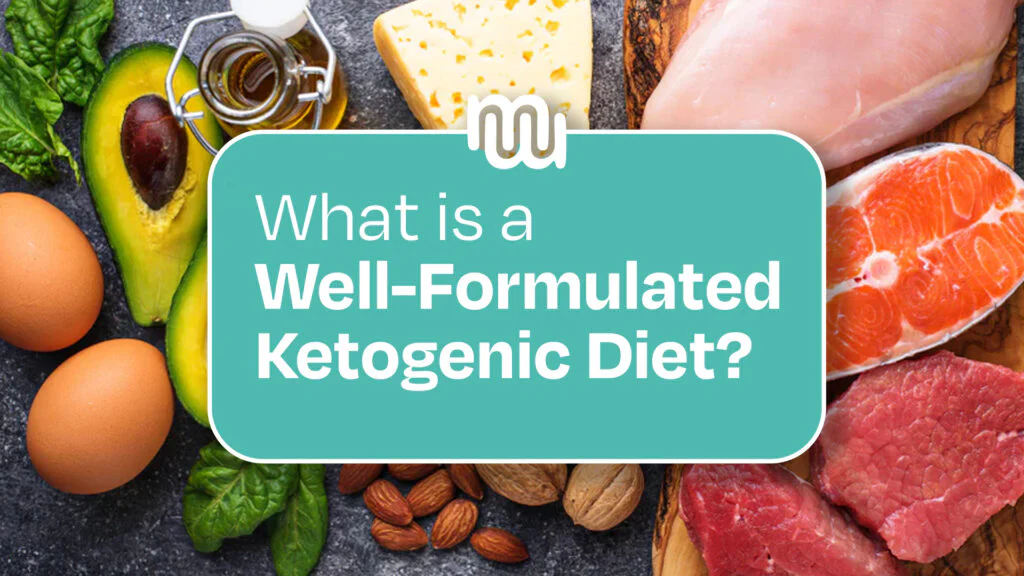
A Practical Guide to the Ketogenic Diet, Why Formulation Matters, and How a Nutrient-Dense Approach Can Unlock Its Full Therapeutic Potential. As research continues to uncover the therapeutic…
Learn more

As mental health challenges grow more complex, a new approach—metabolic psychiatry—is gaining momentum by targeting the brain’s metabolic health through interventions like the ketogenic diet. Read more here!
Learn more
Dr. Bret Scher unpacks the Stanford Twin Study comparing vegan and omnivore diets, revealing why the media’s claims that “vegan is healthier” oversimplify the science. In this episode, he explains the study’s design limitations, short duration, and focus on two high-carb diets, noting that calorie differences—not food type alone—likely drove the results. The discussion challenges popular narratives around plant-based diets, explores issues of sustainability and long-term health, and invites Stanford researchers to collaborate on a new, more comprehensive trial comparing vegan and ketogenic diets to advance nutrition science and public understanding.
Read more
Dr. Bret Scher challenges the idea that one low-fat, high-carb diet works for everyone, arguing it rests on weak evidence and has hurt collective metabolic health. He explains that people respond differently to different diets, and for those with insulin resistance, low-carb and ketogenic approaches can be especially effective. Rather than one "best" diet, the episode calls for personalized nutrition that helps each person find a sustainable approach that works for them.
Learn more
A Practical Guide to the Ketogenic Diet, Why Formulation Matters, and How a Nutrient-Dense Approach Can Unlock Its Full Therapeutic Potential. As research continues to uncover the therapeutic…
Learn more
As mental health challenges grow more complex, a new approach—metabolic psychiatry—is gaining momentum by targeting the brain’s metabolic health through interventions like the ketogenic diet. Read more here!
Learn more