Announcing the new McLean Center for Metabolic Psychiatry Learn more.


Listen, Watch & Subscribe on:


How to Build a Vegetarian Ketogenic Diet for Mental Health
Listen
About the host

About the host


Hannah:
I was really excited when I was asked to participate in the Vegetarian Low-Carb Lifestyle course, a partnership between Nutrition Network and Metabolic Health India. People are often really shocked to hear that I follow a vegetarian ketogenic diet having the misconception that plant-based keto is either extremely difficult or even impossible.
In reality, it’s entirely doable. I’ve been eating this way for over five years now. Not only has it completely transformed my life by putting my bipolar 1 disorder into remission, but I find it both sustainable and satisfying. It’s my pleasure to share the details of my approach in this course. My module, Vegetarian and Vegan Keto for Metabolic and Mental Health, is one of 10 provider-facing segments covering vegetarian therapeutic low-carb strategies, from treating diabetes and autoimmune conditions to endurance, muscle building, women’s health, and more.
Whether you’re a practitioner, coach, or an individual exploring plant-based ketogenic therapy, you won’t want to miss this one-of-a-kind course. My entire segment is published in full right here on Metabolic Mind, and you can access the complete program using the QR code or the link in the description.
I really hope that you will enjoy this presentation and find it both helpful and inspiring.
Bret:
Welcome to the Metabolic Mind Podcast. I’m your host, Dr. Bret Scher. Metabolic Mind is a non-profit initiative of Baszucki Group where we’re providing information about the intersection of metabolic health and mental health and metabolic therapies, such as nutritional ketosis as therapies for mental illness.
Thank you for joining us. Although our podcast is for informational purposes only and we aren’t giving medical advice, we hope you will learn from our content and it will help facilitate discussions with your healthcare providers to see if you could benefit from exploring the connection between metabolic and mental health.
Please remember that our channel is for informational purposes only. We’re not providing individual or group medical or healthcare advice or establishing a provider-patient relationship. Many of the interventions we discuss can have potentially dangerous effects if done without proper supervision.
Consult your healthcare provider before changing your lifestyle or medications. In addition, it’s important to note that people may respond differently to ketosis, and there isn’t one recognized universal response
Hannah:
My name is Hannah Warren. I’m the Community Engagement and Advocacy Manager at Metabolic Mind. We are a non-profit dedicated to amplifying the scientific advances, clinical wisdom, and personal stories of metabolic psychiatry. But before I was an advocate, I was an individual looking for more effective treatments for my own psychiatric symptoms.
My full story of recovery is beyond the scope of this presentation, but I’ll share a couple of interviews and the resources for anyone who would like to hear more about my personal journey. To summarize, my experience with bipolar I disorder was severe. I endured three full-blown manic psychotic episodes that required hospitalization, and two incredibly challenging periods of deep depression and suicidal ideation that each dragged on for over a year and that I really barely survived.
While traditional antipsychotic medications did end up keeping me stable for long periods of time and out of the hospital, that stability came with really devastating costs, including serious cardiometabolic side effects. I gained over 70 pounds, but I also struggled with cognitive impairment and felt like my emotions and creativity were completely blunted.
So while the medication allowed me to maintain stability and work and live independently, my quality of life was severely diminished. In 2021, I began treating my bipolar I disorder with metabolic therapies. These treatments didn’t just manage my psychiatric symptoms. They really restored me to my true self.
Today, I have been in medication-free remission for over five years. Not only am I stable and free from the side effects of medication, meaning I have back my full depth of emotions, my creativity, and my cognitive function. I also feel like I’ve experienced profound post-traumatic growth, and my life is really better than it has ever been before.
I will speak in detail on the individualized goals and kind of varying outcomes that people have when it comes to medication management and the necessity of working with a clinical care team in order to ensure safety. For me, the experience of putting my bipolar disorder into remission completely transformed the trajectory of my life, and it inspired me to want to raise awareness of metabolic psychiatry for others.
In 2022, I got the opportunity to volunteer for Dr. Christopher Palmer, who is a pioneer in metabolic psychiatry. He is the founder and director of the Metabolic and Mental Health Program at McLean Hospital. He’s also an assistant professor of psychiatry at Harvard Medical School. And in his groundbreaking book, Brain Energy, he proposes that mental disorders can be understood as metabolic disorders affecting the brain. This book has received international recognition.
Through my volunteer work with Dr. Palmer, I eventually got introduced to the incredible team at Metabolic Mind. And I’m so grateful I’ve been able to turn my passion into my profession and was able to start a full-time role with them as Community Engagement and Advocacy Manager near the end of 2023.
And in that time, really my passion has only grown stronger, not only because I continue to maintain this remission and this improved quality of life, but also because I’ve had the opportunity to speak to hundreds of other individuals who have experiences that mirror my own. People who have put serious mental illnesses into remission and totally transformed their lives by using metabolic therapies.
I have enjoyed working with this wonderful team at Metabolic Mind to help craft a number of resources that can help individuals, families, and clinicians looking to explore metabolic psychiatry today, including our free metabolic program for mental health, THINK+SMART. All of these resources are things I would have loved to have at the beginning of my own journey.
In this presentation, we are going to explore metabolic psychiatry and the scientific mechanisms of ketogenic therapy all through the lens of lived experience. We’re going to walk through how individuals need to work with their care teams. And then, we’re going to do a real deep dive into the specifics of vegan and vegetarian approaches to ketogenic therapy.
Mostly, I just want to start out by being incredibly clear that being vegetarian or vegan is not mutually exclusive to ketogenic therapy. They can be done in perfect harmony and really confer meaningful benefits for both metabolic and mental health. Personally, I had to learn the hard way that my whole foods vegan approach prior to discovering ketogenic therapy, which was high in starchy vegetables, beans, legumes, healthy, grains, did not actually serve my metabolic or mental health.
This, in my mind, wasn’t because of the vegan approach itself, but for me personally, because of the carb load and this underlying metabolic dysfunction driving my bipolar 1 symptoms that I wasn’t even aware of at the time. I was incredibly lucky that I discovered there are these whole food vegan and vegetarian approaches to ketogenic therapy that have allowed me to heal my metabolic dysfunction and thrive and totally put my bipolar 1 symptoms into remission.
In this presentation, I will share strategies to help you navigate vegetarian and vegan ketogenic therapy, covering the nitty-gritty of foods. Things like fat and protein sources, macronutrient targets, supplementation, tracking, and the often underestimated component of positive mindsets that I think are really critical to help ensure long-term sustainability with this approach.
And so whether you’re a clinician, a health coach, or an individual looking to heal, this course is designed to empower you to approach meat-free ketogenic therapy with confidence and enthusiasm. The exciting field of metabolic psychiatry is rapidly evolving. The underlying premise is that metabolic health and mental health are inextricable, and that most symptoms of psychiatric disorders can be tied to metabolic dysfunction.
I want to start by explaining that there is a difference between metabolic therapies and ketogenic therapy, or what some refer to as ketogenic metabolic therapy, in that metabolic therapy is an umbrella term referring to a really wide array of interventions that can improve metabolic health. Things like optimal sleep, exercising, avoiding harmful substances, like drugs and alcohol, that can harm metabolic health.
One can do metabolic interventions without actually implementing ketogenic therapy. However, ketogenic therapy is an extremely powerful metabolic therapy that can be a cornerstone intervention for many individuals. But it’s also really important to note that it is not a silver bullet. Most of the individuals I’ve had the privilege of speaking to who have been successful with ketogenic therapy actually approach their metabolic health very holistically, balancing numerous routines to maintain their well-being.
That’s why Metabolic Mind’s free metabolic program for mental health, THINK+SMART, that I mentioned earlier, includes resources to help individuals create a personalized roadmap to use with their clinical care team. That includes both their own tailored, personalized approach to maintaining ketosis as well as building a holistic routine of complementary metabolic strategies.
So when I speak to the scientific basis of ketogenic and other metabolic therapies through the lens of lived experience, I’m reminded actually of one of my early experiences, one of my first experiences sharing my success with this intervention with a friend. So I told him about this miraculous transformation. How for me, following a vegetarian ketogenic diet and having a healthy routine that included things like intermittent and extended fasting, exercise, meditation, avoidance of harmful substances, and good sleep hygiene, allowed me to put all of my psychiatric symptoms into complete remission and to maintain my stability without psychotropic medications.
His response was that the fact that good nutrition and these positive routines helped my bipolar 1 disorder was really just common sense. From that experience, I learned immediately that I needed to totally change my framing and my explanation of metabolic therapies because if, quote-unquote, “good nutrition” and “a balanced healthy routine” were enough to put my symptoms into remission, I actually never would have gotten sick in the first place, let alone suffered for almost a decade.
When I had my first episode of manic psychosis back in 2012, I actually appeared to be a metabolically healthy individual. At the time, I was on a full scholarship to get my master’s degree in London. I ate a whole foods vegan diet, exercised regularly, and was a disciplined individual with a positive mindset and a meditation routine.
I was not overweight and really had no signs of metabolic dysfunction of any kind. Individuals who may not have any external signs can still be experiencing underlying metabolic dysfunction, such as insulin resistance impacting the brain, which is something that can’t be reliably measured. So it’s important to emphasize that anyone who’s struggling with unresolved psychiatric symptoms is still a good candidate for metabolic therapies, whether or not there is any indication that they have poor metabolic health.
But going back to this friend’s comments, I reflected a lot on the nuance I wanted to strike when explaining to newcomers the benefits of ketogenic therapy. What occurred to me was the need to emphasize that a ketogenic diet is not about just simply good nutrition as such. While things like whole foods and micronutrients are of course important, what makes ketogenic therapy unique is that metabolic shift into the state of ketosis, switching from burning glucose to burning fat for fuel.
I realized that my explanation needed to really call out that ketogenic diet is a powerful neurological intervention that has profound medication-like effects on the brain and body. Many people watching will likely already know that the ketogenic diet was actually invented to stop seizures in individuals with treatment-resistant epilepsy, highlighting that ketosis actually changes neurotransmitters.
For me, discovering that the state of ketosis was therapeutic was sadly not common sense at all. I had never heard anything of the sort in my own journey of trying to understand how to eat a healthy diet, let alone to understand holistic treatments for my bipolar 1 disorder. While sometimes I hear people say that ketogenic therapy is hard, to me, it is honestly really elegantly simple. Unbelievably simple compared to what I went through, what I suffered and endured from side effects of antipsychotic medications.
I find the diet itself simple, satisfying, and sustainable. While I encourage those who are interested to delve much deeper into the fascinating emerging science behind this treatment, I like to really focus on the fact that one does not need to understand all the complexities of the mechanisms in order to find transformative benefits from metabolic therapies.
Overall, the mechanisms being explored for better understanding why ketogenic therapy can be so effective as a transdiagnostic treatment for psychiatric conditions, include both the role of impaired glucose metabolism and impaired mitochondrial biology as well as looking at the role of oxidative stress, inflammation, and neurotransmitters, specifically the role of GABA and glutamate.
Of note is also that the benefits of ketogenic therapy are likely pleiotropic, not due to any one mechanism in isolation, but a number of mechanisms working together. It’s also really important to acknowledge that many of these proposed mechanisms are largely inferred from studies done in animal models or in vitro studies done in a lab on cells.
However, there is immense hope both because the mechanistic theories are highly compelling and also because of all of these promising individual testimonials and case studies that are really growing exponentially. As well as the four pilot trials and two randomized control trials that have already been completed looking at ketogenic therapy for psychiatric conditions and showed really promising results.
There are also over a dozen trials that are currently underway. So if you would like to stay up-to-date with the science, you can actually check out our comprehensive research database on the Metabolic Mind website that is kept up-to-date. New results are shared there as soon as they are published. For those who want to dive deeper into the scientific basis tying metabolism to mental health, there are three main resources that I would start with.
And those are, of course, Brain Energy, by Dr. Christopher Palmer as well as Change Your Diet, Change Your Mind by Dr. Georgia Ede. Additionally, on Metabolic Mind’s website, we have links to free continuing medical education courses in metabolic psychiatry. There’s one that’s particularly fascinating for those who are deeply interested in the mechanisms of ketogenic therapy by Dr. Zoltan Sarnyai, and my lovely coworker at Baszucki Group, Dr. Julie Milder, that I would highly recommend as well.
I have spoken with individuals who had similar experiences to my own with metabolic therapies, but I’ve also spoken to individuals who were actually deemed treatment resistant. For these individuals, nothing, no type of treatment, was working for them prior to metabolic therapies.
In this instance, it’s been incredible to see how ketogenic therapy has actually helped them to reclaim their lives, to go back to work or school after years or sometimes even decades of being totally disabled by their symptoms. You can find all of these inspiring and hopeful testimonials on the Metabolic Mind website.
In all of these interviews, individuals speak to their highly individualized approaches to ketogenic therapy as well as to the other complementary metabolic interventions that have helped them to achieve and maintain recovery. From a dietary perspective, these stories span the spectrum when it comes to a ketogenic approach, all the way from carnivore to completely plant-based vegan.
This really emphasizes that ketogenic therapy is absolutely not one specific diet, but a very versatile dietary approach. There are a few wonderful testimonials from inspiring advocates who use more plant-based approaches, including Dyane Harwood, who has been using a completely vegan ketogenic approach since 2022 for her bipolar 1 disorder, and is now thriving.
Also, Nomhle Nhlapho, who recovered from schizoaffective disorder using a vegan paleo ketogenic diet that she began in 2021. Also, you’ll find Julianne Armijo, who is also a researcher and a nurse practitioner, and she’s been managing her bipolar 1 disorder with a pescatarian ketogenic diet since 2023.
These varied testimonials on our website also reflect a variety of approaches to medication management while on ketogenic therapy. While some people like me have used ketogenic therapy to greatly reduce or completely eliminate psychiatric medications, there are also many individuals who’ve done ketogenic therapy in conjunction with their current medication protocols, changing very little or even nothing at all, and still report transformative impact in terms of symptom reduction and improved quality of life. Individuals approach this form of treatment with their own goals. And really the most important thing is just the subjective assessment on the overall improvement of quality of life.
All of these inspiring testimonials speak to the incredible potential of metabolic therapies. At this point, as the field is evolving, the research being done is investigating ketogenic therapy adjunctively to medications. And it is too early to really understand what determines outcomes for individuals and whether or not someone will be able to use ketogenic and other metabolic therapies as their sole form of treatment, replacing, becoming an alternative for psychotropic medications.
While anecdotal evidence exists in case studies and testimonials, my message from a lived experience perspective is that we know from over 100 years of research in epilepsy that ketogenic therapy is a safe intervention. When an individual is well-informed and has the support of their care team, ketogenic therapy is a relatively low-risk intervention with a potentially incredible upside with many individuals reporting transformative impact. I have spoken to countless individuals who feel the way that I do, that reducing carbohydrates is a relatively small sacrifice compared to the absolutely profound benefits.
While I am personally optimistic that the evolving science will demonstrate this form of treatment can be highly effective for a large percentage of individuals, given the information available today, including promising mechanistic theories, early trials, and the growing number of patient testimonials, I believe it is worth encouraging anyone who isn’t satisfied with their current treatments to try ketogenic therapy for a psychiatric condition.
As I have mentioned before, it is critical to think about ketogenic therapy as having medication-like effects on the brain and body. So just as one would need to work with their care team to add a new medication, they also need to work with their care team when implementing a therapeutic ketogenic diet.
Medications can have a wide variety of interactions with ketosis. One of the most important considerations is a phenomenon known as potentiation. Entering ketosis can amplify the effects of certain medications, and that can intensify side effects. So what this means from a lived experience perspective is that an individual starting ketosis may suddenly actually feel more fatigued, lethargic, brain foggy, and it’s crucial to understand that this actually doesn’t mean the therapy isn’t working.
What it might often mean instead is that their medication has become more potent in this ketone-fueled brain, and they may actually need to work with their prescriber to lower the dose of their medication and reduce that side effect burden. Additionally, shifts in macronutrients and rapid changes in fluid and electrolyte balance can also alter drug absorption and clearance.
So to navigate all of these nuances, I encourage you to visit our Keto and Psych Meds page at Metabolic Mind and absolutely download Dr. Georgia Ede’s Guide to Ketogenic Diets and Psychiatric Medications. It’s a really fantastic resource. Just this year, a landmark paper was published in Frontiers in Nutrition, the 2026 Delphi Expert Consensus on Ketogenic Therapy for Serious Mental Illness, co-authored by Dr. Georgia Ede and Dr. Chris Palmer and other leading clinicians and researchers in the field of metabolic psychiatry.
This consensus established expert-informed guidance for our field, and I’ll be referencing its recommendations throughout the rest of this talk. One of its key warnings is that during the initial weeks of keto adaptation, psychiatric symptoms can temporarily fluctuate or worsen. The consensus explicitly notes an early-stage risk for hypomania, mania, mood swings, or insomnia.
Having care team involvement during this transition can help ensure that early metabolic shifts aren’t mistaken for a treatment failure or allowed to escalate into an unmanaged crisis. While it is critical to work with a care team, realistically, I also want to acknowledge that it is still difficult for most individuals to access specialized metabolic psychiatry care.
We provide a number of resources on how to best pursue ketogenic therapy on the Navigate Your Care page of the Metabolic Mind website. While it would definitely be ideal to have a comprehensive interdisciplinary care team that understands metabolic therapies consisting of a prescriber, dietician, and therapist or coach, this is not yet accessible to the vast majority of patients.
However, many people are still finding success with ketogenic therapy using the resources currently at their disposal. At a minimum, we suggest that individuals find at least one person, typically a dietician or a coach, who can offer specialized support in navigating ketogenic therapy. And then this individual can work with their own care team.
It is important to understand that in this case, the individual will need to be educated on the diet as a powerful medical intervention. And they need to be equipped with resources to advocate with the rest of their care team and especially their prescriber, who if they don’t have specialized training in metabolic therapies, will not understand medication interactions with the ketogenic diet.
This is where a seasoned dietician or coach can also be such an asset, such a tremendously powerful resource, in helping an individual to understand and advocate with their own care team to ensure the best possible outcomes. I would also add that it is important that their care team and prescriber, at the very least, are emotionally supportive of ketogenic therapy, and ideally, open to learning.
As I mentioned before, we have a number of free CMEs, continuing medical education courses, that one’s care team could actually take in order to help them better support the individual. So we would encourage individuals to share this resource with their care team. As part of clinical monitoring, we suggest that individuals get baseline lab work done before starting. And then, that they retest at six to 12 weeks for comparison, followed by testing every 12 weeks or as recommended by their care team.
Of course, labs may need to be done sooner if someone experiences symptom changes or is working to improve an abnormal marker. So as you can see on the screen on the Navigate Your Care page of our website, we link directly to the comprehensive lab requisition sheet we recommend. This covers essential baseline markers, including fasting glucose and insulin, lipids, HbA1c, a comprehensive metabolic panel, vitamins B12 and D, thyroid-stimulating hormone, and carnitine. Now, I’m really excited to jump into the specifics of vegetarian and vegan ketogenic therapy through the lens of lived experience.
First off, I feel it’s really important to highlight that I am not a registered dietician or any type of clinician. This course is really meant to serve as a high-level overview that explains key dietary considerations. Individuals and coaches looking to implement or help someone implement a vegetarian or vegan approach to ketogenic therapy should do a deeper dive.
I really hope that this session serves as a solid launching point and that it gets people excited about further exploration. When people first consider a vegan or vegetarian approach to ketogenic therapy, it might feel intimidating and overly restrictive. But so many things in life, it’s actually less complicated than it seems at first glance.
In fact, I actually argue that vegans and vegetarians might be more primed for a transition to ketogenic therapy. Because if an individual has already shown that they have the discipline and dedication to stick with and maintain a diet that isn’t the cultural norm by choice, they’ve proven that they can adhere to dietary change.
And I would argue that’s a skill that is actually transferable. It’s also important to remember that difficulty level is really relative. So if an individual is already content eating a vegan or vegetarian diet, I’d actually argue that shifting to a ketogenic version of that diet isn’t significantly harder than it is for an omnivore to switch to a ketogenic way of eating for the first time.
But what I would like to pinpoint is that the added complexity of a vegan or vegetarian approach isn’t necessarily that psychological component or the willpower to eat a more restrictive diet, but it is about this kind of intentional budgeting that an individual will need to do to properly get into ketosis with a vegan or vegetarian way of eating.
So every gram of carb that you eat matters. And since most plant-based protein sources and many of the foods carrying those key micronutrients that vegans and vegetarians want to get, also come with a carb count attached, a carb cost that needs to be budgeted for. Getting the most nutritional value out of that limited carb budget is really the central challenge.
But the good news is it’s really not that difficult to overcome with just a little bit of strategy and mindful planning. If one is taking a vegetarian or vegan approach and eating whole foods, they’re going to get a lot of their carbs from fruits and vegetables and healthy protein sources. In this case, it’s okay to keep track of net carbs, total carbs minus fiber, and that’s a safe way to do your budgeting and track your daily intake.
In this section, I’m going to break down what that budgeting challenge really looks like. I’m going to start by talking about why tracking ketones matters. And then I will get into specific foods, looking at macronutrient categories, and then I’m going to end by talking about micronutrients and supplementation.
But before I get started with all of that, I want to share something that’s going to sound a bit of a confession, but I think it’s important and it’s honest. And that’s if I could succeed at this therapy with all of the mistakes that I made starting out, anyone really can. So when I first began ketogenic therapy, there were very few resources available. And I actually desperately searched for specialized help, but I couldn’t find it, in my budget with my insurance.
So I leaned on my own care team, but they didn’t have any expertise in metabolic psychiatry. So frankly, for the first couple of years, I didn’t understand even a fraction of the information that is included in this presentation. And yet, I was successful. My initial approach was really incredibly simple.
I just figured out what foods I could and couldn’t eat, gathered delicious recipes, and stuck to a predominantly whole foods approach, ate intuitively, and watched my ketone levels. That’s it. Of course, now after having worked in this field for a few years and learning from my own trial and error and my own mistakes, I absolutely recommend using an app like Cronometer to track, especially to optimize protein and guard against vitamin and mineral deficiencies.
But I do think there’s a vital lesson here as well both for individuals and coaches helping people with this form of treatment, and that is that metabolic therapies are really a lifestyle that just evolves. When people are starting out, they are going to have different bandwidth, different energy levels, different resources.
So while, of course, tracking is the gold standard that I would highly recommend, I like to emphasize progress over perfection always. I think it is critical to meet people exactly where they are and just encourage them to start taking initial steps in the right direction. While nutritional ketosis begins at .5 millimoles per liter, the 2026 Delphi expert consensus agreed that for many individuals with psychiatric conditions, the greatest symptom improvements typically occur when levels are maintained at 1 millimole per liter or higher.
However, they explicitly note in that consensus that this isn’t a rigid rule and can vary from individual to individual. In my own experience interviewing numerous individuals for Metabolic Mind, I’ve certainly seen first-hand that people can report feeling good at different ketone levels, and they shoot for varying carb limits accordingly.
So there are very few things that I recommend universally when it comes to ketogenic therapy. So much needs to be tailored and individualized. But the one thing that I pretty much recommend to anyone pursuing ketogenic therapy is that they have to test ketones. In this intervention, ketones can be thought of as the medicine.
Actually getting into ketosis is the therapy. So one of the most important things for anyone doing keto, but especially I would argue vegetarians and vegans, is to test ketones and learn about their own unique metabolic responses to different carbohydrate levels. The diet that gets one person into optimal ketosis may not be sufficient for another.
Interestingly, people can eat identical diets and have totally different ketone levels. For anyone approaching ketogenic therapy, I would recommend eating as much whole food as possible. Ideally, over time, one would drastically reduce ultra-processed foods in their diet, or if they’re comfortable doing so, just eliminate them entirely.
I would use the same advice for omnivores. But it is of particular relevance for vegans and vegetarians because in some diets, vegans and vegetarians tend to incorporate high amounts of ultra-processed foods, particularly in terms of pseudo meats and cheeses, that are actually high in artificial and highly processed ingredients.
That being said, something I’ll touch on a couple of times in this presentation, just because it’s so important, is just not to let the perfect be the enemy of the good. There is a role for ultra-processed keto snacks and baked goods, things like artificial meats and cheeses, et cetera, if they help individuals to adhere to the diet and overall see progress and improvements.
But also it’s important to keep in mind many of these foods are hyper-palatable and can cause overeating. And some ingredients like sugar alcohols can also cause an insulin response, and actually knock someone out of ketosis. When consuming these types of ultra-processed foods, it is especially critical that individuals are measuring ketones to at least ensure that none of these foods are interfering with their ketone levels.
Again, in this form of treatment, ketones are the medicine and are essential to achieving benefits. Dr. Ede emphasizes that individuals should pay attention to how consumption of alternative sweeteners impacts their ketone levels. But they should also pay attention to whether or not consuming them has any psychological effect in terms of food noise or excessive cravings.
It’s also important to call out that if one is eating ultra-processed foods, they should not be going off of net carbs because those can be really skewed by things like added sugar alcohols. If one wants to use alternative sweeteners, they may consider just ensuring that they moderate them in order to see optimal benefits from the ketogenic diet in terms of appetite regulation and overall dietary satisfaction.
One subjective thing that I have experienced myself and heard from other individuals on a ketogenic diet is that when you stop consuming overly sweet food, the natural subtle flavors in everything else, vegetables, keto-friendly fruits, herbs, nuts, et cetera, becomes more pronounced. And this is actually one of the great upsides in this dietary approach that can help people feel like the diet really enhances satiety and enjoyment of food in a unique way. Lessening food noise and distracting cravings in a way that other dietary approaches really don’t.
This helps make the diet sustainable and satisfying. The first thing to focus on for someone who is totally new to ketogenic eating and is a vegetarian or vegan is just to understand that many foods that are considered healthy staples from a vegetarian or vegan dietary approach are completely off-limits when following a ketogenic therapy way of eating.
So that includes starchy vegetables, whole grains, most fruits, most beans, and most legumes. However, there are many delicious foods that vegetarians and vegans can enjoy while following a ketogenic diet. So leafy greens, cruciferous vegetables, nuts, berries, and melon in moderation, lupini beans, edamame, tofu, tempeh, and more.
In the resources section of this talk, I’m going to share a list of vegetarian and vegan keto cookbooks that I would recommend, as just finding a bunch of delicious recipes is one of the most critical important first steps someone can take as they’re transitioning to this way of eating. The first vegan keto cookbook that I got and would highly recommend is this Vegan Keto by Liz McDowell.
The recipes are fantastic. But overall, it’s just a great resource for understanding things like supplementation and really all the essentials you would need to know, and I draw heavily on this as a resource in the remainder of this presentation. But as I said, in the resource section, you’ll find even more cookbooks that you can check out.
Now, I’m going to get into the nitty-gritty details and discuss vegan and vegetarian sources of protein, then fat, and then I’m going to talk about supplementation. Protein, so vegetarians and vegans, if they aren’t careful, can become deficient in protein, regardless of whether or not they eat a ketogenic diet.
But with intentional design, it is totally possible to hit optimal protein targets and remain in ketosis on a vegan or vegetarian diet. Vegetarians, of course, have a bit of an advantage because they can eat all of the vegan sources, but they can also draw on things like eggs and dairy products to meet their fat and protein needs.
Some great sources of plant-based protein include tofu, tempeh, edamame, hulled hemp seed, and pea protein powder. And depending on how you mix and match these protein sources, both vegetarians and vegans will want to ensure that they are not only getting enough protein, ample protein, but they are actually getting complete protein made of the nine essential amino acids.
This is more straightforward on a vegetarian diet because dairy and eggs offer complete protein sources. So one should be especially mindful of this if they’re eating a completely plant-based vegan ketogenic diet. An essential amino acid to pay particular attention to on a vegan plant-based diet is l-lysine.
It is available in edamame, tofu, lupini beans, and pea protein powder. While dairy can be helpful for vegetarians because it’s keto-friendly and a good source of calcium and other essential nutrients, fat, and a complete protein, it can be problematic for some individuals. Dr. Ede shares that for some individuals, it causes issues.
It can cause digestive problems and inflammation and exacerbate food addiction and overeating, and even potentially be linked in some to insulin resistance. These negative effects of dairy can actually cause both mental and physical symptoms for some individuals. So Dr. Ede recommends experimenting with going dairy-free for 30 days in order to assess personal benefits.
For me, throughout my journey, I have been primarily a dairy-free vegetarian. So I eat eggs, but stay away from dairy for the most part. I have experimented with incorporating dairy, but for me it tends to lead to weight gain, even when I’m like being intentional about caloric moderation. So I steer clear of it.
And from an ethical perspective, I’m grossed out by factory farming. And it’s harder to get ethically-produced dairy than it is to find ethically-produced eggs. So that’s just a personal preference. But the decision on whether or not to eat dairy, again, is highly individualized and something everyone must figure out based on their own physiology and preferences.
Again to emphasize the positive, even when someone goes totally dairy-free or completely plant-based and doesn’t eat eggs either, it’s totally possible to optimize protein intake. At this stage in my life, I’ve actually never been more intentional about eating ample protein. I’ve gotten very serious about strength training for health span and longevity. And of course, I understand the critical role of protein in muscle building. So when we think about metabolic health, muscle is an active metabolic organ.
Healthy muscle actually leads to overall better glucose regulation. Additionally, protein plays this vital role in satiety and helps lead to greater satisfaction with this way of eating. Our medical director at Metabolic Mind, Dr. Bret Scher, made an informative video on how to establish your protein goal while managing ketogenic therapy.
He talks about how the recommended daily allowance for protein, which is about .8 grams per kilogram of ideal body weight, that is, the recommended body weight for an individual depending on their height and gender. Dr. Bret Scher notes that the recommendation is actually designed just to avoid deficiency, and it is not a recommendation in order to optimize metabolic health.
Keto, of course, is not a high-protein diet. It is a moderate protein diet because too much protein can actually cause an insulin response or promote gluconeogenesis and transforming that protein into glucose. And both of these things can result in kicking an individual out of ketosis. So metabolic health experts recommend getting 1 to 1.2 grams of protein per kilogram of ideal body weight daily and then experimenting from there.
Potentially, depending on one’s own metabolic response, what it does to their ketone levels, how they feel at that ketone level, they might, actually increase that to 1.4 grams per kilogram per day, depending on that individualized metabolic response. Another consideration for vegans and vegetarians is that plant-based protein, other than soy, is also less bioavailable, meaning it is harder for the body to extract and use.
So vegetarians and vegans may choose to eat at a higher end of the protein percentage of a ketogenic diet as long as it doesn’t interfere with their desired level of ketosis. The question of soy safety is heavily debated, but the clinical reality is pretty reassuring. Soy is an exceptional plant-based staple.
It’s a complete protein. It’s highly bioavailable, and it’s low in net carbs. While some worry about phytoestrogens, especially those with existing hormone or thyroid conditions, the broader research is pretty reassuring for the vast majority of people. The more relevant clinical point is that soy contains compounds called goitrogens, which can occasionally slow thyroid function.
But this primarily happens if someone is also iodine deficient. So fortunately, this is pretty easy to manage simply by using iodized salt. But what I highlight again is the importance of individual customization and choice in how people want to go about their dietary approach. So this is part of why we include a complete thyroid panel in our recommended labs.
By monitoring these biomarkers in partnership with one’s care team, they can confidently decide on how they’d want to customize their soy intake based on their own physiology. In order to meet my protein goals, I have a staple that I consume pretty much daily, and it’s just a shake using pasteurized liquid egg whites and pea protein powder. And it packs 40 grams of protein and only three grams of net carbs.
So one could easily make a protein shake with 40 grams of protein and under two grams of net carbs. At Metabolic Mind, in our THINK+SMART Guide where we help people individualize their approach to ketogenic therapy, we encourage individuals to tailor their macronutrient percentages to what works for them.
And generally, ketogenic therapy guidelines aim for 0 to 10% carbs, 15 to 30% protein, and 60 to 75% fat. Vegetarians and vegans will tend to eat on the higher end of the allocated carb percentage. The macros that I generally aim for and seem to be great for me personally are about 10% carbs, you know, coming from those whole food sources, 30% protein, and 60% fat.
So individuals are going to want to tailor their macro composition and may need to dial protein or net carbs up or down. But for me, this composition is helping me build muscle and feel energetic and very satiated from my diet. Now, to move on to sources of fat. Vegetarians have dairy as a source of fat. Butter, ghee, which is clarified butter, eggs, cream, cheese, yogurt. And then there’s totally plant-based sources of fat that both vegetarians and vegans can draw from, and that includes olive oil, avocado oil, coconut oil, MCT oil, coconut milk, avocado, whole avocado, which is delicious of course, and olives.
Also things like nuts and nut butters and tahini. And one will also want to increase consumption of omega-3s. There are some plant-based forms of omega-3s. But again, they are less bioavailable. So vegans can consume things like flaxseeds, chia seeds, hulled hemp seeds, and walnuts. But it’s also recommended to supplement, and you can take an algae-based omega-3 that is vegetarian/vegan.
I am now going to end this section by touching on micronutrients and supplementation. In addition to carefully structuring macronutrient composition, it is really important to pay attention to micronutrients as well. The vitamins, minerals, and phytochemicals that contribute to our physical and mental health.
Both vegetarians and vegans are prone to certain vitamin deficiencies. In some cases, it is possible to avoid these deficiencies through strategically planned meals. It is recommended to structure one’s diet to be as rich in vitamins and minerals as possible. And then to supplement when there’s a deficiency found through lab work, or typically in the case of vegan diets, when it isn’t possible to derive full amount of a necessary vitamin or mineral through diet alone.
And in that case, supplementation is recommended. Some of the common deficiencies for vegetarians and vegans using a ketogenic diet that they will want to mindfully build their menu around or consider supplementing include vitamin B12 and other B vitamins, vitamin C, vitamin D, calcium, iodine, iron, magnesium, potassium, zinc, and as I already mentioned, omega-3 fatty acids.
Again, I would refer you to Liz McDowell’s cookbook. She also talks about some simple approaches to supplementation. A critical thing as we’re thinking about empowering people to be successful with vegetarian or vegan ketogenic diets is ensuring that we are building this for real people and taking into consideration their bandwidth, budgets, and lifestyles.
So the idea of taking a ton of supplements can be really overwhelming. And as someone is getting started with ketogenic therapy, we might need to consider that in how we approach recommendations on supplementation. And this is something that also is not static. That someone’s approach to supplements might evolve through their personal journey with plant-based ketogenic therapy.
Liz specifically shares how she mostly just tries to tailor her vegan keto diet around eating a wide variety of nutrient-rich foods. And then, she takes an omega-3, D, and B12 and an additional multivitamin when she feels it is needed. The Delphi consensus does explicitly emphasize the importance of adequate hydration and electrolyte intake during the initiation and maintenance of ketogenic therapy.
When individuals transition into ketosis, insulin levels drop, signaling the kidney to rapidly excrete water and essential minerals, particularly sodium. This can cause symptoms of what is often referred to as the keto flu: headaches, muscle cramps, fatigue, brain fog, et cetera. In individuals with psychiatric symptoms, these can be mistaken for symptom relapse or treatment failure, causing individuals to get discouraged and want to stop ketogenic therapy.
So supplementing electrolytes is important as one gets started. The THINK guide that introduces how to create a tailored plan for ketogenic therapy provides more details on the exact amount of electrolytes that one will want to consider taking when starting a ketogenic diet. Another important thing the expert consensus highlights is that vegetarian and vegans can also be prone to carnitine deficiencies.
Carnitine is needed for ketone production. So a deficiency can be catastrophic for vegetarian or vegan ketogenic therapy. It can cause one to have low ketone levels even when adhering to the diet and to experience a lot of fatigue. Again, that’s why this is one of our recommended lab tests and is especially important for vegans and vegetarians to monitor those carnitine levels and to supplement as needed.
Something I have personally chosen to supplement just for optimal muscle building is creatine. Vegetarians and vegans are often deficient in creatine, and this is a supplement that has been widely studied and is shown to be very safe. And it can promote muscle building as well as cognitive benefits.
Two additional supplements worth considering for plant-based diets are choline and taurine. Both of these are involved in neurological function and are abundant in animal foods, but scarce in a plant-based diet. Now I’m going to talk about my personal approach. I’m going to share some of my favorite foods and focus a bit on the psychological side of things that has really helped me to make metabolic therapies a lifestyle.
My personal reason for becoming a vegetarian actually goes way back to childhood. I was just three years old when I had that realization for the first time that the meat on my plate used to be an animal. And I told my parents I just never want to eat meat again. And at the time, I think they decided to humor me. And they were pretty certain it was a phase I would grow out of, but I never did.
And so while my personal decision is not a moral judgment on anyone else, I really have never ceased to be just thoroughly grossed out by the idea of personally of eating an animal.
Adult:
So what will you eat instead?
Child:
I will eat whatever there is on the table, but not chicken or meat.
Adult:
Why do you think it’s, why do you think you don’t want to do that?
Child:
Because they’re animals and I like animals.
Hannah:
I love this viral video because it is so like me as a child. Some people might find this surprising, but I actually do think it’s okay for a health coach to respectively share a counter-argument for why someone might consider incorporating meat into their ketogenic therapy approach.
However, I think it’s really critical to honor that many people, like me, are vegetarian or vegan for highly personal, ethical, spiritual, or religious reasons. So the goal really should always be to empower individuals to make their own decisions and approach ketosis with their preferred dietary approach.
If it isn’t clear already, I personally love my dairy-free vegetarian ketogenic way of eating and have zero complaints. Because I have a pretty full schedule, I do aspire to have one meal prep day of the week where I can just prepare everything. And if the recipes aren’t already in Cronometer, I can log them.
And this just helps me so much with consistency and tracking, and it makes it really simple to stick to this way of eating. People often ask me and want to know, “What are the specific foods that you actually eat?” There are so many. So first off, I really love vegetables. There’s only one vegetable I don’t particularly like, and I actually even sort of like it, and that’s water chestnuts.
Otherwise, I eat all the ketogenic-friendly vegetables. Spinach, kale, bamboo shoots, eggplant, zucchini, bok choy, asparagus, Brussels sprouts, all types of mushrooms, celery, cucumbers, things like bell peppers, tomatoes, and carrots in moderation. The list really is infinite. It just goes on and on.
You can hear my stomach growling. I also enjoy preparing veggies in a variety of different ways. Simply roasting them with garlic or making them into stews, soups, curries. I love curry, both Thai style and Indian style. I make a lot of salads with homemade dressings. So things like creamy tahini dressings, nut butter dressings, avocado dressings, or just simply delicious oil and vinegar dressings.
I actually only relatively recently discovered edamame pasta, and I love it so much. It is my favorite keto pasta by far. And even my fiancé and my family love it, despite the fact they don’t eat ketogenic. It’s really high protein, low in net carbs, and minimally processed. I make it in a variety of different ways with low carb marinara and mushrooms or a creamy coconut milk sauce that I like to flavor with garlic, onions, and some vegan cheese flavor, nutritional yeast.
It’s delicious. I make cauliflower fried rice often with Chinese spices, vegetables, and tofu. I do like to make my own keto baked goods sometimes. I absolutely love psyllium husk rolls. They are so delicious when they’re warm right out of the oven. I really enjoy making almond flour waffles with some coconut whipped cream and berries.
I love chia seed pudding. I make homemade granola with hulled hemp seeds, nuts, and coconut flakes that I enjoy eating with almond milk for breakfast. One thing that I think has been really key to my satisfaction with this way of eating is that I love working with different spice profiles. So I like using Indian, Thai, Cajun seasonings, Ethiopian.
I think just making really flavorful foods increases the satisfaction of vegetarian and vegan ketogenic eating. So in summary, I eat a wide variety of tasty and delicious meals. And I actually have more awesome recipes lined up than I have time to cook them. So I really don’t feel deprived at all. Again, I’ve included some cookbooks in the resources. But nowadays, of course, there’s just so much available online through searches.
I personally like to use Pinterest so that I can have a bunch of different boards, and I have so many saved recipes that I find there just through doing keyword searches about vegetarian and vegan keto diets. I think that sometimes individuals actually underestimate the psychological side of sustaining ketogenic therapy.
I now want to focus on a research-backed tool that I think is really important, and that is just positive framing internally. Becoming hyper-aware of one’s inner dialogue and the power of language. I think this is so key for everything in life, and it definitely applies to our diets as well. When I talk to myself internally about my meals, I’m really careful to consciously choose to steer clear of words that highlight restriction.
So I don’t sit down to eat and think, “Here’s my reduced carb, dairy-free, sugar-free meal.” Our brains can hear that language and immediately feel punished. Instead, I choose to focus on the qualities of the food that I love and relish and savor. I talk about how my meals are rich with spices and flavor. I use things like creamy, crispy, caramelized, tantalizing, decadent, whatever the appropriate appealing adjective is for what I’m preparing.
When talking about positive framing and the psychology behind success with ketogenic therapy, it is of course important to acknowledge that people can be starting these forms of treatment from a very dark place and still very symptomatic. So positive framing and behavior change can be extremely challenging.
I will share in the resources some articles I’ve written specifically about these kind of lifestyle and mindset approaches that helped me with behavior change during some of my darkest times. For me, daily meditation was definitely a game changer. I particularly found future self visualization exercises helpful.
So even though I was struggling with so many things at the time, I would picture in detail my future self feeling healthy and energized thanks to following through with behavior change. These exercises really helped me to conjure those positive emotions in the present that really enabled me to adhere to my ongoing behavior change.
I paired that with a regular journaling practice where I would work through and really confront my own self-limiting beliefs and also reinforce my positive framing using positive affirmations. Learning to understand my own psychology and to master my personal mechanics of behavior change hasn’t just helped me to restore my metabolic and mental health.
It’s actually completely transformed how I approach everything in my life today. It has really taught me to make the most of my personal strengths and how to protect and safeguard against my own weaknesses. So one of the first times I shared my story publicly was on the Dhru Purohit Podcast. And there was a comment that someone made on that podcast, and they said, “A vegan who’s angry at the world for all its injustices is diagnosed with mental illness.”
Shocker. So instead of being offended, I have to admit, I actually laughed out loud at that comment and thought, “That’s fair. In a way, that kind of tracks with my experience.” Healing through metabolic therapies, I’ve really come to think differently about my experiences. Following my diagnosis, before I found this form of treatment, I could only really think about what I had endured and really, intrinsically who I was as a person in terms of pathology.
Thanks to metabolic psychiatry, I don’t think about myself that way anymore. Now, I actually think of my bipolar disorder in terms of an energetic sensitivity. I actually had the opportunity to write an article about this for Martin Picard, who is an incredible scientist who has pioneered the field of mitochondrial psychobiology.
I would highly recommend his Substack in general. It’s called The Science and Experience of Energy. So I see this energetic sensitivity both in very literal and physiological terms, like in terms of my sensitivity to glucose and my need for ketones as an alternative fuel source, but I also think of it in a more subjective, emotional sense in terms of being highly sensitive.
So this is clearly evidenced just by my story that I shared of becoming a vegetarian as a three-year-old. Somehow, I just always felt really deeply from a young age, there were so many things I would get troubled by, injustices in the world, that would just deeply upset me. I have definitely seen this pattern in others, too, who have struggled with mental illness.
Through metabolic therapies, I’ve learned to put the right tools and practices in place that help me to manage this energetic sensitivity, this different kind of metabolic hardwiring, so that I can maintain my balance and live the best version of my life. I no longer think of my unique metabolic wiring, this energetic sensitivity, as a pathology.
I actually now think of it as a gift that can be harnessed, but it needs to just be carefully managed with the right metabolic tools. In my free Substack, Radiant Beast: The Open Workbook, which is generously sponsored by Metabolic Mind, I reflect on how my understanding of my psychiatric condition has changed as a result of my metabolic healing journey.
I write about this framing and philosophy as well as practical approaches that have helped me. Things like meditation, breathwork, visualization, journaling, really touching on the wide variety of metabolic tools that I use to regulate and harness my energy. No one has to choose between their personal values and mental and metabolic healing.
By combining plant-based ketogenic therapy with a personalized data-driven approach, tracking macros, hitting protein and micronutrient goals, and working in close partnership with one’s clinical care team, this therapy is safe, accessible, and can be very delicious and satisfying. Thank you so much for taking the time to view this course.
I really hope that it has been helpful to you and that you will stay connected with me and our team at Metabolic Mind.
Bret:
Thanks for listening to the Metabolic Mind Podcast. If you found this episode helpful, please leave a rating and comment as we’d love to hear from you. And please click the subscribe button so you won’t miss any of our future episodes. And you can see full video episodes on our YouTube page at Metabolic Mind.
Lastly, if you know someone who may benefit from this information, please share it as our goal is to spread this information to help as many people as possible. Thanks again for listening, and we’ll see you here next time at the Metabolic Mind Podcast
Listen, Watch & Subscribe on:
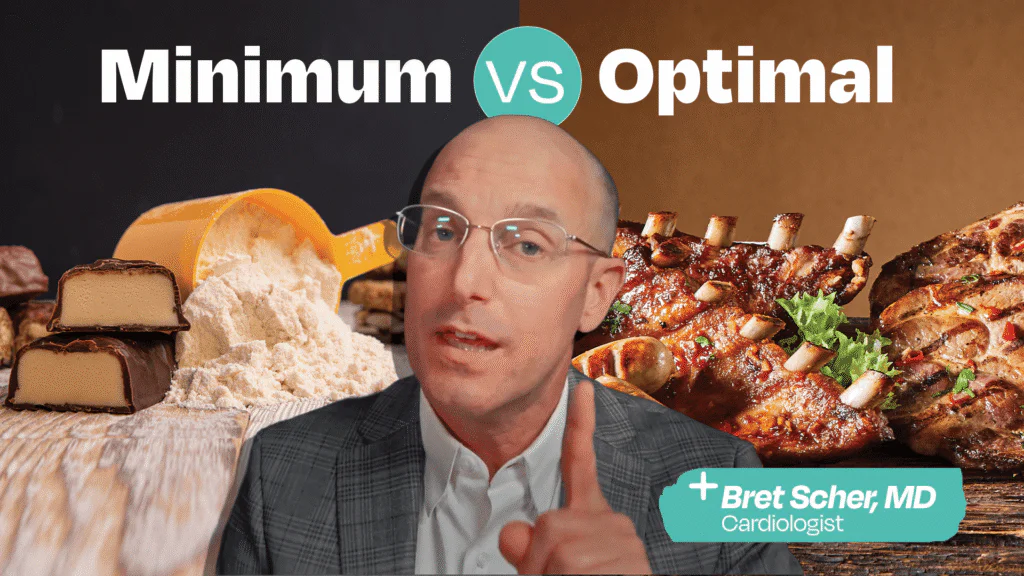
Dr. Bret Scher responds to criticism of new federal protein guidelines that would roughly double current recommendations, arguing the old 0.8 grams per kilogram standard was only designed to prevent muscle loss, not support optimal health. He makes the case for 1.2 to 1.6 grams per kilogram from whole food sources, addressing concerns that higher protein targets might push people toward processed protein products, and emphasizes better food literacy as the real solution.
Read more

(I was excited to be invited to participate in the Nutrition Network and Metabolic Health India collaborative training, Vegetarian Low-Carb Lifestyle. This course includes ten expert-led modules and covers…
Learn more
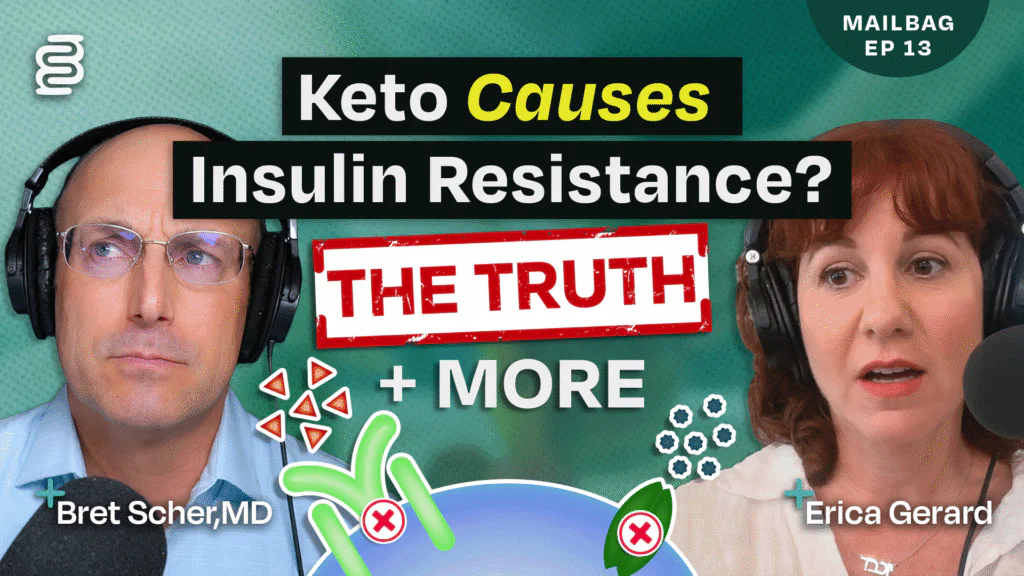
In this Metabolic Mailbag episode, Dr. Bret Scher and producer Erica Girard tackle listener questions on whether deep ketosis causes insulin resistance, why some people struggle to reach ketosis even at very low carb intakes, and whether keto diets harm bone density, before closing with a rapid-fire lightning round rating popular keto products from MCT oil to Quest bars.
Learn more
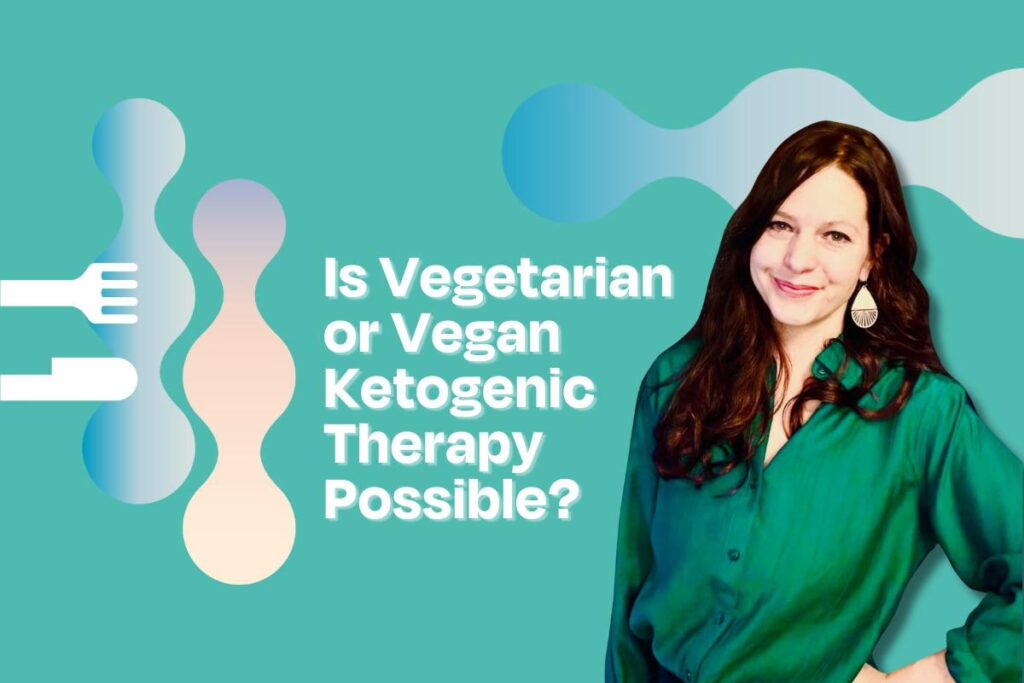
Can vegetarians and vegans use ketogenic therapy as a cutting-edge treatment for psychiatric disorders? People are often surprised to learn that I put bipolar 1 disorder into remission…
Learn more
Dr. Bret Scher responds to criticism of new federal protein guidelines that would roughly double current recommendations, arguing the old 0.8 grams per kilogram standard was only designed to prevent muscle loss, not support optimal health. He makes the case for 1.2 to 1.6 grams per kilogram from whole food sources, addressing concerns that higher protein targets might push people toward processed protein products, and emphasizes better food literacy as the real solution.
Read more
(I was excited to be invited to participate in the Nutrition Network and Metabolic Health India collaborative training, Vegetarian Low-Carb Lifestyle. This course includes ten expert-led modules and covers…
Learn more
In this Metabolic Mailbag episode, Dr. Bret Scher and producer Erica Girard tackle listener questions on whether deep ketosis causes insulin resistance, why some people struggle to reach ketosis even at very low carb intakes, and whether keto diets harm bone density, before closing with a rapid-fire lightning round rating popular keto products from MCT oil to Quest bars.
Learn more
Can vegetarians and vegans use ketogenic therapy as a cutting-edge treatment for psychiatric disorders? People are often surprised to learn that I put bipolar 1 disorder into remission…
Learn more