New Results: First RCT for Schizophrenia & Bipolar Disorder. Learn more.


Listen, Watch & Subscribe on:



6 Clear Signs You Might Have Food Addiction & What You Can Do
Listen
About the host
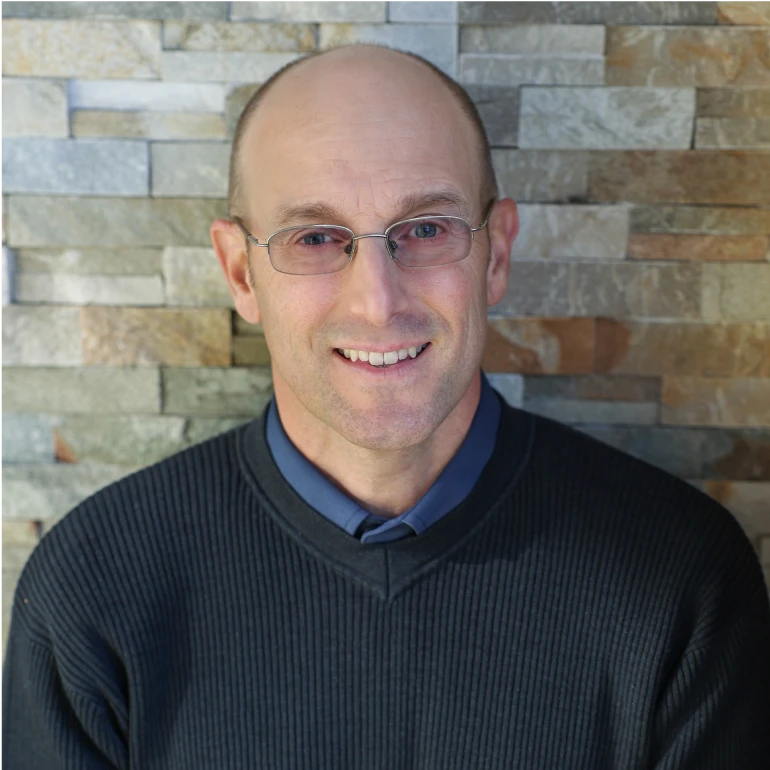
About the guest
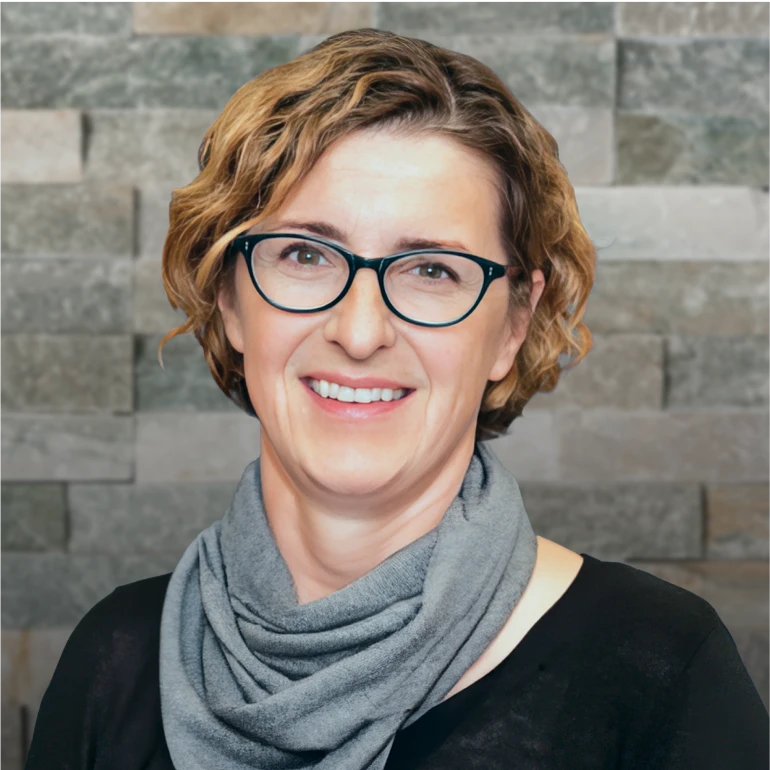
About the guest

About the host
About the guest
About the guest

Georgia:
Nobody sits and just eats tobacco leaves, right? So cigarettes are addictive, not because they come from plants, it’s because the addictive ingredient, nicotine has been concentrated, extracted, concentrated. And then all of these additives have been like sugars and flavorings have been added to make them even more palatable, and then they’ve been made abundantly available everywhere.
Bret:
Welcome to the Metabolic Mind Podcast. I’m your host, Dr. Bret Scher. Metabolic Mind is a nonprofit initiative of Baszucki Group. Where we’re providing information about the intersection of metabolic health and mental health and metabolic therapies such as nutritional ketosis as therapies for mental illness.
Thank you for joining us. Although our podcast is for informational purposes only and we aren’t giving medical advice, we hope you will learn from our content and it will help facilitate discussions with your healthcare providers to see if you could benefit from exploring the connection between metabolic and mental health.
If you’ve ever felt out of control around food, like you just can’t stop. No matter how hard you try, you’re not alone today. On Metabolic Mind, we’re talking about food addiction, what it is, what it isn’t, and how real healing is possible. Whether you’ve battled cravings, shame, or even the cycle of starting over again, this episode’s for you.
Joining Dr. Georgia Ede and myself is Dr. Jen Unwin, a psychologist with over 30 years of experience in the NHS. Who’s become one of the pioneering and leading voices on the clinical syndrome of ultra processed food addiction. She’s written a book, she’s hosted conferences, and she’s helping people understand what food addiction is, what’s happening in our bodies.
And most importantly, the hope for recovery beyond food addiction. So I hope you enjoy this interview with Dr. Georgie Ede and with Dr. Jen Unwin. Many of the interventions we discussed can have potentially dangerous effects of done without proper supervision. Consult your healthcare provider before changing your lifestyle or medications.
In addition, it’s important to note that people may respond differently to ketosis and there isn’t one recognized universal response.
Jen, thank you so much for joining me in Georgia today. It’s great to have you on Metabolic Mind.
Jen:
Oh, it’s a pleasure. Thanks so much for having me.
Bret:
Of course. Yeah. I’m really excited to hear all about, your experience and your great knowledge about food addiction, and how it impacts, people’s health and more importantly than what we can do about it as well.
And, I know Georgia, you’ve had a lot of experience working with this as, as well. So I think we’re gonna have a very, fruitful discussion here. But first, Jen, tell us why you got interested in food addiction, how it got on your radar screen, and how it became such a passion for you.
Jen:
Several strands really as, always, with these things.
I now understand, of course, that I am and have been, a food or sugar addict, all my life. Really, as long as I can remember. As a small girl, I was very interested in sweets and when I could get some sweets. And that, that just carried on into an experience of kind of weight gain and then, all kinds of weight loss.
Attempts, I’m sure lots of people listening are identifying with that themselves. And as part of that journey, maybe it’s about 15 years ago now, I did discover a sort of low carbohydrate ketogenic diet, it was just the next thing to try. and that.
That made a massive difference to me for reasons that we’re probably going to talk about. And then I heard Bitten Jonsson, who we can also maybe talk about some more if there’s time on a Diet Doctor video online talking about sugar diction. And I suddenly thought, “What? That’s what explains my behavior.”
I suddenly understood it. In a much deeper way when I thought of the concept of an addiction, and it also explained a lot of the patient’s behaviors and, what was doubly embarrassing is, of course I’m a psychologist by training and I’ve worked with addiction. I understand addiction as a concept.
I just for all kinds of reasons. Denial, and the fact that it isn’t a recognized condition. I’ve never applied that concept to my own experience or to the experience of patients. But since I’ve started doing that’s, it’s made a world of difference and that’s why I’m now so passionate about.
Spreading that concept and that knowledge and that, what are the effective treatments, for that.
Bret:
Yeah, that’s such an interesting point that here you are as a psychologist and you’ve worked in addiction, but at first you didn’t make the connection between addiction and food addiction.
Because it hasn’t been talked about, yeah, and because it’s not a recognized diagnosis. So Georgia, actually, let me bring you in here. So how do we differentiate then, food addiction from just disordered eating, emotional eating, and why isn’t it, you know, a diagnosis. So why don’t you start, and then we’ll go over to Jen to hear perspective as well.
Georgia:
So there is no such thing currently as an official diagnosis of food addiction or sugar addiction or refined carbohydrate addiction or ultra processs food addiction. According to the current DSM five and to the current international classification of diseases, and the World Health Organization, these beasts do not exist.
And yet we see them every day right in front of our very eyes. And we even many of them, we struggle with personally, ourselves, and our own lives. Dr. Jen Unwin and I are very good friends. We have had many conversations about this. We both identify as having these issues going all the way back to our childhood.
We both see them in our clinical work every day. And as Jen likes to say, if it walks like a duck and quacks like a chicken and it’s a duck. And so people with these people, self-identify, people know, when they have these conditions, they will come in and say. I’m a carbo holic, I’m a sugar addict.
I’m a food addict. They will tell me before I even start, doing an official, evaluation of whatever it is. They’ve come in to see me with. Many people already know that they struggle with these things. But one of the reasons why, Jen’s work is so important is that most people blame themselves.
Most people think that these issues are within their control, that it’s just a lack of willpower, that this is somehow a failing on their part. They just need to work harder at it. They just need to be stronger. And this is not. They’re never given a biological explanation of what’s going on, and therefore they’re never given the tools that they need in order to be successful in dealing with the problem.
So if we can’t point to, if we can’t identify the problem specifically, we wanna get to what is the addictive substance or substances that people are, becoming addicted to. Then how do you know what abstinence, looks like? How do you know what it is you’re supposed to cut down on?
How, what, So you’re not gonna have a fighting chance unless you have. Some real biological information to share with people.
Bret:
Yeah. And that’s a really important point that, we’ll definitely get into, like what is the addictive substance? but before we get into that, so, a lot of people will say, yeah, when I’m really emotional, I’ll overeat, or, I just, I’ll have moments where I binge and eat more than I want.
In those moments, I feel like I can’t control myself, but that isn’t quite food addiction. So Jen, how do you differentiate food addiction from those types of behaviors?
Jen:
Yeah, absolutely. And of, course all human behaviors on a continuum. There are people who struggle from time to time or have certain kind of difficulties, but we’re what we’re really talking about in terms of a sort of clinical entity of.
Ultra-processed food addiction is a set of symptoms that just completely aligns with what we understand to be substance use disorder in, as Georgia was saying, that the ICD and the DSN. So for example, if we take the six criteria that the World Health Organization use in the ICD to diagnose, substance use disorder.
We think about, do those things apply to food related behaviors, the sort of things that Georgia and I have experienced. number one symptom is, compulsions to eat certain foods that are so strong, cravings and compulsions are so strong, you can’t resist them, which is what people often describe.
The second one is tolerance, which is needing more and more of the substance to get the same effect. And people describe that with foods, just having to eat more and more sugary or refined carbohydrate or ultra-processed foods to get that effect that they’re looking for.
The third symptom is a sort of neglect of other things in life over time. And again, we all completely understand that, say with alcohol and drugs, that people start to neglect maybe work or family or hobbies. But you do see that in people’s behavior with food as well. That the, getting of the food, the eating of the food and the sort of recovering from it starts to occupy people’s minds and behaviors for a lot of the day. The fourth one is a loss of control of the amount of the substance. And really this is one that so many people will recognize with ultra-processed food that, you say to yourself, the family’s having pizza. I’m just gonna have one slice ’cause I’m trying to be healthy.
And then, one slice leads to 10 and leads to a bucket of ice cream. Then, the fifth symptom is withdrawal. So if you try and cut it out, do you get either sort of physiological or psychological symptoms, like gastrointestinal symptoms, maybe headaches, maybe shakiness, but also, maybe anxious feelings may be poor sleep, these typical sort of things that people describe. And then the sixth symptom is continued use despite knowledge of harm. that’s so typical in our patients with type two diabetes and that’s. They know full well that it’s not a great idea to eat refined carbohydrates and sugary foods, and yet they feel powerless to stop that they know it’s doing them harm, that they carry on.
So there’s those six symptoms and to meet the criteria of. prob a probable diagnosis of a substance use disorder, you’d need three outta six.
Bret:
Yeah. So as you’re listing these off, I’m sure people listening are, so many are going check, check, Especially the one that you where, you mentioned inability to control it.
And I imagine that’s what’s so frustrating for people and. this feeling of almost helplessness around it. so is that something you see often hopeless and
Jen:
helpless? Oh yeah, absolutely. It’s a hallmark of the thing where people are ashamed, they hide it, they hide it from the, their families.
They’ll hide the, have secret stash of the food. You’re so embarrassed. They trying to hide it in the bin. So nobody sees the rappers, the feel. Like you say, hopeless and helpless about anything ever being different. Because usually like me, they, tried, every, scheme that comes along, that every new regime that pops up.
Bret:
And so we’ll definitely get into some of the strategies to help with this. But first I wanna go back, Georgia to what you said, until we have an understanding of sort of what the addictive substance is or how to, better define it to what. Then it’s gonna face challenges of becoming a diagnosis.
So I started this conversation by saying food addiction. Jen, you said ultra-processed food addiction, Georgia, you’ve thrown in sugar addiction, refined carb addiction. So what is it?
How do we decide what this is?
Georgia:
This is the great debate of our time. So trying to understand, I think this is part of what interferes with the ability to get this, these problems recognized as official mental health disorders is that there is no consensus around what the addictive substance or substances.
And, so there have been debates at multiple conferences and workshops around this. And, there’s an argument to be made that many different elements of the ultra processing process, the process of processing food additives and flavors and textures and ultra refining and concentrating and so forth, and even the packaging and coloring can.
Make foods ultra palatable and virtually impossible for many people to resist. So it makes it difficult to pinpoint one particular ingredient. I personally, think that the easiest ingredient to hang our hats on are the refined carbohydrates, because they are the.
Ingredients that produce that dopamine signature, that sharp spike in glucose that gives you that sharp, unnaturally high glucose spike. Unnaturally steep, and then the unnaturally steep spike in dopamine that you can get from any other kind of addictive substance when it’s concentrated. The problem that a lot of critics point out about pointing to sugar, for example, or flour as an addictive substance is, it comes from food and we need food.
And of course the brain is going to look for these things, but just like any other addictive substance, if you eat it in nature, if you’re eating a banana, if you’re eating a potato. And you never get exposed to ultra concentrated, ultra refined sources of refined carbohydrate, that have, had their fiber stripped away, their water removed, et cetera, then, you may never become addicted to those things.
But once you’re exposed to the ultra concentrated high amounts of these ingredients in unnatural amounts, it’s really the dose and the delivery and the quick absorption rate that make them addictive. There’s a wonderful presentation by Dr. Ashley Gerhart, who’s one of the scientists in this field.
Who says, nobody sits, and just eats tobacco leaves, right? sig cigarettes are addictive, not because they, come from plants and, it’s because the addictive ingredient, nicotine has been concentrated, extracted, concentrated, and then all of these additives have been like, like sugars and flavorings have been added to make them even more palatable.
And then they’ve been made, abundantly available everywhere. And then you smoke them and that gives you that. Ultra rapid delivery of nicotine into your bloodstream. So I think, sugar really blurs that line between food and drug just enough that it makes it very difficult to get everybody on the same page about whether or not it’s addictive.
Bret:
What do you think, Jen? Do you agree or do you have any areas to push back on that or change?
Jen:
yeah. No, I mostly agree with all of that. We did, so we made a submission to the WHO to have. essentially food addiction recognized as an addictive disorder in 2022. And we got a response back.
Obviously we weren’t successful, we weren’t particularly surprised about that, but it was interesting to see what the, response was from the WHO so we could address those issues. And one of the things that they said was that there’s no consensus, which is absolutely right and remains contentious.
But we did a consensus exercise that we’ve just published in Frontiers in Psychiatry, involving 40 experts from 10 different countries who were clinicians, researchers, academics who were working in this field. Georgia was one of them, I think. Yes, I think so. She’s nodding yes. And the consensus that 37 could agree, and in fact, I know for a fact that one of the others has since changed their mind, but we published it so it was too late. So 38 essentially of those experts could agree around the term ultra processed food use disorder, if you like. So all processed food addiction, because as Georgia says, that kind of points the finger where the finger needs pointing, which is these very refined foods that are high in refined carbohydrates, and sugars and these sort of colorful foods and colorful packages that just hijack the reward center basically.
Now that, obviously we have. Quite a bit of evidence for sugar as a culprit for lighting up the brain in the same way as other addictive substances giving us that big sort of hit of dopamine, which isunnatural to the way that we’ve evolved. So I totally agree with what Georgia said is we’re trying now to encourage people to use that term and to publish papers using the term ultra-processed food addiction. Because if we don’t all get behind one term, I think it allows the naysayers to say that they can’t even agree of blah, blah, blah. All the sort of smoke and mirrors that happened exactly with cigarettes in the past so that people weren’t able to recognize the harmful nature of that refined substance and to, and so that, there was appropriate sort of public health action.
Bret:
And it makes a lot of sense to have to agree on the definition and agree on the substance because people need to know what do I avoid?
Do I need to avoid homemade lemonade, right? Which is not ultra processed, but has sugar in it, or even a homemade cookie, which is not ultra process, but has sugar in it. So do you think it, for now we’re kinda getting into the treatment a little bit, does it have to be like avoid all sugar, avoid anything with sugar in it?
Or can it be avoid the ultra processed formulated products that have sugar in it?
Jen:
Again, obviously there’s a spread of experience and every person will find their sort of unique abstinence, if you like, but it’s nearly always sugars, refined grains and ultra processed food. I don’t think I’ve found someone who was a true sort of food addict who was able to get into a solid recovery without avoiding all sugars, refined grains and ultra-processed foods.
That seems to be the sort of the bottom line really. And I, personally would probably chuck sweeteners in there as well because I see them as ultra process because they usually chemical or even if it’s something like Stevia. Again, we’re back to this issue of people were chewing on Stevia leaves.
Yes, but they weren’t having this refined white powder, which has this intense sweetness and that if, Georgia, you were saying if you weren’t a food addict, we haven’t got to that point, then probably you can cope with a bit of stevia and not lose control of your behavior.
But for people who’ve already rewired the brain for food addiction then to oftentimes when they’re exposed to sweetness, then those sort of behaviors of the cravings and the sort of, compulsions to eat will rear the head again. So that would be my sort of, basic program.
Bret:
Yeah. Georgia, what do you think about artificial sweeteners beause they don’t raise glucose, like you mentioned before about the refined carbs and the sugars, but they can still trigger the brain. Do you find that they act similarly?
Georgia:
It depends on the person. And in, clinical experience, there are people who are very triggered by sweeteners, whether they’re natural or artificial because that sort of starts lighting up your reward system. And other people who find them very useful, certain types of sweeteners anyway, very useful in following their recovery plan, and this is where some personalization comes in and getting to know oneself and where one needs to draw the line for themselves.
So some people find them a really useful tool. For others, they are a slippery. And then different sweeteners can behave differently for different people, too, and this question just circling back to this really interesting point you made a couple of minutes ago, Bret, about homemade lemonade that kids are selling on the sidewalk that’s not ultra processed. So how do you know where to draw the line? And if you call this an ultra processed food addiction that isn’t homemade lemonade, fine. And this is exactly the kind of problem that we run into all the time. And I would just point out that crystalline sugar does not exist in nature.
You can’t walk through the forest or a field and find a little pile of sugar. That’s just not how it works. You have to extract it, and it takes an awful lot of labor to extract it from cane, from sugar cane. So it is a processed in ingredient that is not found in a significant amount in nature.
And this is where it can be useful for people to understand what a whole food actually is. Because we talk all the time about whole foods principles and whole foods principles are very powerful. But most people, let’s say you walk into a Whole Foods grocery store, I don’t think you have these in the UK, Jen, but you probably have something similar, sort of natural food stores much of what’s in a Whole Foods grocery store is not a whole food, not whole foods, but they all, because it’s natural, it’s organic, it doesn’t have anything added to it. But, there’s tons of products in a Whole Foods grocery store that contain sugar, flour and vegetable oil, and all kinds of added in ingredients.
Whether they’re, even if they’re natural, they’re still additives, and so they’re not whole foods. And this is where children, this, I hope we talk about children because, jen, you were talking about the brain getting rewired. The addictive brain is rewired. We would never expose intentionally or in good conscience, never expose a child to nicotine or alcohol or caffeine because the developing brain is very vulnerable to addiction.
But yet we feed, we encourage children to eat, sweets and sugary foods and starchy foods all day long and this is once the brain becomes addicted to a substance, it becomes very difficult to change that pattern of behavior.
Bret:
Yeah. Jen, are you seeing this more and more often in teens? Yeah. In kids, yeah?
Jen:
Yeah, could not agree more. I think the evidence is that, in terms of the prevalence of food addiction, yeah, it’s it’s as high now in in kids as it is in adults. And the kids that are coming through now, of course, have had that environment all their lives.
Whereas, people my age, we still were brought up on a mainly whole food, home cooked diet, that’s not the case with kids now. And yeah, it’s a little bit terrifying, what’s coming down the line, I think for children? Yeah. it’s incredibly impactful.
And, yeah, sugar is the only substance that kids have access to, which is psychoactive. As Georgia was saying, we wouldn’t ever dream of giving them, even caffeine. Particularly, we wouldn’t give small kids usually, certainly not nicotine or alcohol. But yeah, we all go the other way with the sugar and because the kids love it so much because it’s so rewarding.
It’s seen as cute, unfortunately. For those of us who understand this issue, it’s just it’s just painful to watch those people laughing at those videos of, you only have to Google kids for babies first ice cream and, you see these babies cramming ice cream in there.
In their mouths and it’s, everyone’s laughing, but it’s, yeah, it’s it’s not, gonna be funny really in the long run.
Bret:
I think a big part of the problem though is a lot of people may be making the decisions or a lot of people who are doctors and they say, I can eat potato chips and stop, or I can eat cookies and stop and I’m not addicted to it.
And just, like we can say some people can drink alcohol and not be addicted to it, but there is that concept that’s not really a thing because it’s not universal. And how do you argue against that?
Jen:
I just say, like alcohol. Yeah. So I think it’s about 10%, isn’t it?
Of the adult, population who have a substance use disorder with that, with alcohol, have that sort of level of a problem, and but we don’t deny that that exists. So I would say it’s exactly the same. So it’s 14% of the general population who have this problem with, let’s say, ultra processed food or sugar refined carbohydrates.
I think it really beholds every clinician to understand this condition, to look out for it, to be able to have a sensitive conversation with someone about it. And then know, either what sort of basic advice to give or where to refer our people on. And this is why we’re campaigning to have it recognized by the WHO and Ashley Gayle Hart in the States is campaigning to get it in the DSM because I think until we do that, there will be this, “well, it doesn’t exist. It, really, does exist.” It’s everywhere and people are, struggling more, and more, and they, we’re just prescribing more and more drugs for a condition that, can be, we know, because of the search that, that we’ve published, can be significantly helped by the right sort of nutritional advisors Georgia was talking about, but also seeing the problems through this addiction lens so that we add that addiction piece into the treatment. And we educate people about what’s going on in their brain and it’s not their fault even though it’s their sort of responsibility to, once they know that, to get the support and make the right choices.
Georgia:
Yeah, I think it’s so interesting. The flip side of that is that many clinicians themselves are also dealing with this problem and, it’s hard to recognize it. It’s hard to acknowledge that this is a problem if you really want to continue eating these things yourself, and if you acknowledge to yourself or your patients that these foods are actually they’re not good for anybody; they’re really not foods to begin with. Nobody should really be eating them, including the clinicians themselves. That’s a tall order. This is the way most people are living now. Most people are eating these foods multiple times per day, enjoying them, and they don’t wanna give them up.
And so I think there is. The vulnerability differences, genetic differences, and then there’s also some denial going on and some attachment going on to some of these products that everybody loves.
Bret:
Yeah, that’s a really, good point. The denial part of it, for sure. but, so now if someone’s listening to this and they, really connect with this and wow, you are describing my experience.
But I just can’t quit every time I try to quit. Treatment is, stop eating them. it’s not that simple. I can’t just stop eating it. So, how do you start someone on their healing journey? What are the keys to help people get over this?
Georgia:
that’s the subject of Jen’s research. She’s done some of the best studies in the world on this.
Yeah.
Jen:
I think, support is massively impor important. I think if people. Can get into a group program. we know that from other addic addiction problems, that having that sort of, here’s these other people who’ve suffered just like me, and it’s okay for me to say, I’ve got something out the being and ate it because they’ve done that, too.
There’s no need to feel ashamed and you have that lovely support and that accountability. So I think part of it. I think the other part is this education about the brain that we’ve touched on, the effect that these foods have on the reward system in the brain and how that sort of gets super lit up in those of us who have that vulnerability as Georgia says, that can be a genetic thing.
There’s also, we haven’t really talked about the sort of trauma aspect, but we know that people who maybe had early or even later trauma actually are more vulnerable, too. To these substance use problems a lot of education about the brain and about why an abstinent food plan and working out that individualizing that and working out the person’s individual abstinent food plan is so important.
And why, abstinence is the key. And then, it’s about trying to support ’em to keep going in that. And that’s why groups are so good because people are so brilliant at supporting each other and keeping each other going. And then the other thing is, this idea of, there’s no such thing as failure.
Because I think people have failed so many times in their own eyes. They’ve failed to stick to the plan. So we talk about the process of getting into recovery as that it’s a process. You will slip up, you will make mistakes, it’s how you respond to those slip ups and how you can learn from. What was it about that situation? What can I do differently next time? Or maybe it was a holiday or particular sort of family situation. How would I do that differently next time so that I don’t fall into that trap again? And having that sort of learning mentality rather than pass fail.
Because addicts are very black and white in their thinking often and to have these sort of categories of right or wrong, pass or fail. But I think if we can think of it as a learning process, that recovery is a process that we’re in for the rest of our lives.
And what we’re learning what works for us as individuals and George’s recovery is different from man is different from Hiedi that I work with. Yeah. So we did with some colleagues in North America and in Sweden, we each tried a sort of, it was a real food, low carbohydrate plan with all the education about the brain with group support and with relapse, planning and, all of this that I’ve just talked about.
And, in completers we got 62% of the group. Of the patients into remission from food addiction and, the, yeah, the result at one year, so it wasn’t just straight after the program. Everybody’s doing fine at 12 months, many of the patients that were come out of the severe food addiction category, they looked like they had no food addiction.
And yeah, so you can treat addiction and you can treat food addiction.
Bret:
Yeah, so the combination of diet and support over 60% remission at one year is remarkable, really remarkable. Yeah. So, Georgia in your experience, what is the most effective diet for addressing food addiction and why?
What is happening with the change in the diet?
Georgia:
Yeah, so as Jen was saying, everybody’s plan is going to be personalized to their own vulnerabilities and, I think I do agree that refined carbohydrates are a major factor for just about everybody with addictive eating patterns and so removing that substance and the most effective, efficient way to do that, is with a low carbohydrate diet. And, even better in my experience, is a ketogenic diet where you’re actually not just limiting carbohydrate, but making changes to your dietary plan that actually get you into ketosis and get you burning more fat and less carbohydrate for energy.
Then your cells are getting, they’re looking for less carbohydrate and they’re, they can draw more on your fat stores, whether that’s from your body or from your plate. And then you’re really fundamentally changing. Your metabolic operating system over to more fat and less sugar, and that’s gonna be good.
Your cravings are gonna go down. Your hormonal signaling is gonna work better when you’re eating foods that are keeping your blood sugar and insulin levels too high and putting you on this rollercoaster of insulin and glucose. And it’s not just insulin glucose that are going up and down, it’s many chemicals in the brain that are going up and down.
There are stress hormones going up and down, blood pressure hormones coming down. Appetite and satiety hormones going up and down. Everything is being destabilized from within simply by having the wrong information about what a healthy breakfast is supposed to look like. So if you have a bowl of cereal for breakfast, or a bagel, or a muffin, or a juice, or a smoothie.
It’s off, really. You can throw yourself, your internal chemistry off for the rest of the day. It’s gonna be a real struggle for you. And so for most people, getting the refined carbohydrates out is number one. Getting, low carb might be step two, ketogenic might be step three. There’s a different degrees of, metabolic intervention, but then there is another layer if, that doesn’t work well enough, there are some whole foods.
That some people find difficult to control, and that’s a di a different level of personalization. So for some people it’s nuts. For some people it’s dairy, that sort of thing. And but, beginning with that metabolic foundation, quieting everything down by getting yourself off that glucose and insulin rollercoaster is, really useful because if you can do that, you’re going to need so much less willpower.
Than you ever thought. most people say, I can’t give up those things because I can’t imagine getting through a day without them. and that’s true of people who are attached to alcohol. They can’t imagine going for a day without drinking. And it’s not easy the first few days. But once you get, once you’ve made that shift, after a week or two, it becomes so much easier because the substance isn’t driving your craving for more of that substance.
Kinda cleaning that, cleaning that, cleaning your plate of these things, getting to the other side and then personalizing if you need more help beyond that. So it really is understanding which types of foods and ingredients you personally have difficulty controlling your intake of.
Bret:
Yeah, I really like how you talked about though, a dietary intervention that actually changes your metabolism and changes your fuel source and how that impacts it. Yeah. So I think that is key.
Jen:
I think it’s a really good point about people understanding that addiction model and that once you are through the withdrawals, things get a lot easier. I think you need, to give people that expectation. Otherwise they do three days and they feel so bad and, so low and grumpy and their family are saying, oh God, just such a grouch, and and they’re not sleeping.
Bret:
You’re such a grouch here, just have some carbs so you’ll feel better.
Jen:
Just have some, yeah, have this chocolate bar. There are families that, yeah, they do. Or they do literally give people carbohydrate and chocolate to eat. But yeah, it’s if people can understand some withdrawal syndrome and they need to really push through, probably till day eight, day nine, but before that physiological withdrawal is over and then they start to get the benefits.
And I think once you’ve got someone to that point, even once, and they start to, the lights come on, it’s Iain Campbell talks about when he went keto and he was on the bus and it was like someone had plugged his brain back in. You do literally get that moment where, you suddenly start to feel this sort of cheerful and energetic and the cravings are leaving you.
And I think if we can just get people to that point, even once they then have that motivation to try and stay. Stay there if they do have a wall, they know how great they felt, when they were abstinent in, they’ve got that, motivation to get back to it.
Georgia:
Most people have been eating this way, eating these substances every day of their lives since they were small children. So they just can’t imagine their lives without these substances, and it is hard. Very hard. If you are addicted to these things, to even go a day without them. And so most people have never tried to go more than a few days without them and really have the information and the tools and the rules that they need to follow to get to this much happier, healthier place, and they don’t realize how much easier it can be if they, once they get to another side, if they’ve never experienced that, it’s hard for them even to believe that it’s possible. And, it doesn’t really, it doesn’t need to be that hard. It just, you’ve got to get through, as Jen was saying, you need the support and the information and the time to make that shift.
And once you’re on the other side, then you can see this. Wow. I’ve just walked past a pastry shop and not thought about pastry. That’s, interesting. Who am I? And people always don’t recognize themselves when they are in this different metabolic, it’s a different state of mind.
And it’s like wearing a suit of armor, it’s not perfect. the storage can still get you if in certain places. You’re not gonna be complete. This is with the support and the ongoing education and the relapse prevention all comes into play. You’re gonna need, just like any addiction, ongoing support, it’s a lifelong vulnerability.
You’re not gonna just pooof, it’s gonna be disappear. You’re gonna have a real fighting chance.
Jen:
Yeah. We should say, of course, for anybody listen is thinking of doing this and going cold turkey, please, if you’re on medication, make sure you talk to your healthcare providers before you, you do that, you shouldn’t quit or refine carbohydrates and sugars If you are on medication for diabetes, blood pressure meds, probably some mental health meds. I don’t know, Georgia can advise on that. You’re probably going to need to have those cut down quite rapidly. People see incredible improvements in blood pressure and blood sugars, and if you are still on the medication, those things can go a little bit too low.
It’s a great thing to do, but make sure you’re doing it with support.
Bret:
That’s such an important point. And, I’m glad you brought up medications because there’s medications you have to be cautious with if you’re on, but also this concept that can’t a medication just help with this food addiction?
And now there’s this new kid on the block with the GLP ones and some people are probably saying, why would I have to change my diet and do all these, crazy restrictive diets as people sometimes think of a keto diet when all I have to do is take a GLP one. So Georgia, what are your thoughts about the rise of GLP one agonist medications like Ozempic, Wegovy, Mounjaro, et cetera, as treatments for food addiction and carb, processed carb addiction.
Georgia:
Yeah. they’re, they can be very useful tools and I think it’s wonderful for people to have options, but not everybody has the luxury of being able to access GLP ones and everybody can afford them.
They’re not available everywhere and the other thing is that is this, really the solution, the long-term solution to the problem of we’re eating all the wrong foods and making ourselves very ill mentally and physically ill, we’re just gonna medicate our way out of that problem? So we’re gonna give kids ice cream cones and sugary cereals and popsicles and potato chips and Doritos with one hand and give them a GLP one injection with the other hand. That’s gonna be our solution? I don’t think that’s a good long-term solution. It’s not a root cause solution. The problem is the food, and so for some people, the GLP ones are going to be really valuable. Already have been shown to be very valuable tools to help people get started on their journey if trying to change their lifestyle is too daunting a task.
And so I’m all for, I’m all for personalizing the protocol, especially in the beginning to give people all the support they need to get healthier. But it’s been already being shown in a lovely study by Virta and there’ll be more information coming out about this approach. More clinicians are using GLP ones in this way, using GLP ones as a bridge, using GLP ones as a bridge to getting people the confidence and the benefits the, progress that they need to see to start to feel confident and move forward to changing their lifestyle, getting their appetite under control, giving them a head start, taking some of the pressure off of their insulin signaling system. The GLP ones, what they’re primarily doing is they’re bringing your glucose and insulin levels and your appetite hormones into better balance.
Just a ketogenic diet can do, but of course much easier. And the study in Virta Health showed that if you switch people over from a GLP one to a low carbohydrate diet, that they could maintain the weight loss and the. Appetite control that they had gained from the GLP one, but they were able to then stop the GLP one, so it didn’t need to be a lifetime of medication.
Bret:
Yeah, it’s so interesting to see these parallel paths that we’re seeing research for GLP ones for weight loss. We’re seeing research for food cravings, and then we’re seeing research for also addiction, alcohol and other substance addiction and with ketogenic diets, ketogenic therapy.
We’re seeing research for weight loss, for food cravings and for other addictions as well. It really is, not that they’re exactly the same, obviously they’re very different, but there are very parallel paths. So Jen, in your practice, are you seeing people come to you and say, can’t I just take this medication and take care of everything?
Is there like a rising tr trend of that?
Jen:
We’ve certainly, in the, patients that we’ve treated, say in the treatment program, it’s interesting because the GLP ones, when we were gathering that data, they weren’t really available or in the ascendant in the UK. But I, have heard from a few people that, since they’ve become available, they have been trying them.
I think in a way, in strangely, the fact that the GLP ones are working in, they seem to be working in the reward centers, and there is this idea that they’re work working in the addictive parts of, the brain, and they work so well for people’s relationship with food. I think it, in a way proves the point that people’s, some people’s relationships with food is addictive. It’s a way of saying, aha, yeah. Food addiction is real because, these medications that are helping, that’s, how they work, that’s how they’re acting. They’re acting in the reward center to some extent.
So I think it, they actually, adding more weight to the argument. that’s, some of these molten foods are addictive.
Georgia:
And I think one of the downsides of trying to medicate our way out of this problem is that you can take a GLP one and assuming you can access it and tolerate it, you can take a GLP one and your appetite for all kinds of foods goes down, not just for ultra processed foods.
And so then, people can. Whatever they are eating, they may not think it matters, right? So they can just eat, they can still have the same poor eating habits and make the same poor choices because they can trust themselves to a certain extent, not to overeat those foods. So now they’re, it’s kinda a license to eat whatever you want and smaller amounts, and it’s not necessarily going to help you build healthier habits that are gonna support your mental and physical health.
You’re gonna lose weight. But what about your muscle mass? What about your brain health? What about, your, generally speaking, the health of all of your cells? Are you getting enough nutrients? Are you, eating things that are damaging your cells? So it’s, I, had a patient actually who, severe food addiction relapsing over and over again, even on a low carbohydrate, diet.
had lost over a hundred pounds using a low carb diet. Still had some more to go. Lots of medical issues, type two diabetes, cardiovascular disease, all kinds of, medical issues. And again, made tremendous produces, but couldn’t get, couldn’t had hit a plateau, was really struggling with overeating of other foods, not carbohydrates, but protein especially.
And so finally, he’s just really tired of battling this and we had tried every kind of intervention that I could think of together, and we’ve been working together for many years. I said, maybe you wanna consider talking with your primary care about a GLP one. And he did that.
But the fascinating thing about what happened for him was that, he started the GLP one made him, he had some gastrointestinal issues and, after each injection, but he got through those and his appetite did go way down, the fascinating thing was it did backfire because now he thought, oh wow, maybe I can get away with eating these foods that for so many years I’ve had to avoid to be well, and he started slipping back into his old habits. Blood sugar started to go up, and, these addictive patterns start to kick in again. And he thought to himself, now, wait a minute,
I worked really hard with my lifestyle to get off, injected insulin. I was really proud of myself for doing that. And now what am I doing? I’m back on an injected medication and I’m eating it in a healthy, unhealthy way again. So, human beings are complicated and sometimes these things can have unintended consequences.
Bret:
Yeah. So important. I hope people go back and listen to that whole thing again, because it’s not just how much you eat, it’s what you eat and how you fuel your brain. How you fuel your body. Yeah. How you fuel your cells. Still absolutely matters. so important. This has been a, really good discussion, very deep discussion about food addiction, ultra processed carb addiction and where we stand and how to treat it and what it is, and so important for people to understand.
But before we wrap up, one of the questions I think a lot of people have is, where can I go to learn more? I, wanna know what exists out there. So I know there are a number of resources. Jen, you have a wealth of information out there. So where do you recommend people go to learn more about food addiction or about you and your work?
Jen:
Okay, number one we’re very excited about, we’ve got a conference coming up in London on the fourth to the 5th of September. It’s on ultra-processed food addiction and it’s comorbidities, lots of expert speakers on ultra-processed food addiction, but also on these conditions that go along with it, like ultra-processed food addiction and type two diabetes.
How do we deal with that cardiovascular disease? Georgia is gonna be talking on the mental health side. we’ve got piece speakers on cancer and so on. we’re really excited about that. And you can live stream that, conference. For those of you over in the states that don’t wanna make the trip to London, of course we’d love to see you, but if you, can’t make it, then you can live stream that.
And the website for the charity that I work with that are hosting that conference is www.the-chc.org, the-chc.org. And if you go to the conference page there, you can click through to buy tickets from Eventbrite. That’s really gonna be the main thing if people want to.
I’ve written a little book called Fork in the Road, which is on Amazon, and all the profits go to the charity. The CHC that I was just talking about there.
Georgia:
Yeah. The subtitle of Jen’s book, A Fork in the Road, which is a lovely book, wonderful little book, is a Hopeful Guide to Food Freedom.
And I really love that subtitle because it just summarizes it. There’s so many tips and tricks in that book and so many personal stories of people who’ve found a path to recovery. And it is really inspiring, and it’s beautifully illustrated. It’s really sweet and sweet in the best possible way.
And then, the food addiction conference, that the internet, this is the, so what people may not know is that Dr. Jen is quite the pioneer in this space. And so she, last year was the first, the very first international food addiction conference and that she held in London. It was wonderful. It was really like one of the best conferences I’ve ever attended.
And this year, the presentation that I’m gonna give is gonna be called When Food Makes You Hungry, and the, I’m gonna have a special guest, co-presenter, Dr. Albert Dena from Talus, France. And he’s the psychiatrist in France who conducted that wonderful French study that I helped him publish with, people with severe chronic treatment resistant mental illnesses, recovering in many cases with a simple ketogenic, mildly ketogenic diet, and he’s never spoken at a conference before, so he’s gonna be speaking with me. He’s gonna share some wonderful cases from his practice of using, ketogenic diets to treat not just food addiction in children and adults, but all of the other psychiatric comorbidities that come along with that.
Bret:
Thank you both so much. The work you’re doing is so important in helping people realize if they struggle with food addiction, they’re not alone, they’re not broken. This is a real thing and there is a hopeful path to recovery. So thank you both so much. I really look forward to that conference.
Thank you. Fellow mental health clinicians and healthcare providers, you now have access to a suite of free CME lectures on Metabolic Psychiatry and Metabolic Health. Each of these CME sessions provide insight on incorporating metabolic therapies for mental illnesses into your practice. These CME sessions are approved for AMA category one credits, CNE nursing credit hours and continuing education credit for psychologists, and they’re completely free of charge on my cme.com. Thanks for listening to the Metabolic Mind Podcast. If you found this episode helpful, please leave a rating and comment as we’d love to hear from you. And please click the subscribe button so you won’t miss any of our future episodes.
And you can see full video episodes on our YouTube page at Metabolic Mind. Lastly, if you know someone who may benefit from this information, please share it as our goal. Is to spread this information to help as many people as possible. Thanks again for listening, and we’ll see you here next time at the Metabolic Mind Podcast.
Listen, Watch & Subscribe on:

Disrupted metabolism, so-called metabolic dysfunction, is a dangerous condition that has been associated with numerous medical conditions, including mental illness, dementia, diabetes, heart disease, cancer, and more. What…
Read more

A Letter From Our Founder
Learn more
Keto Mojo is a brand of blood ketone and glucose monitoring kit designed for individuals following a ketogenic diet. It provides a convenient way to track ketone levels…
Learn more

The ketogenic diet has gained significant attention for its potential health benefits, but confusion and misconceptions abound. This free guide from LowCarbUSA addresses common concerns about the keto…
Learn more
Disrupted metabolism, so-called metabolic dysfunction, is a dangerous condition that has been associated with numerous medical conditions, including mental illness, dementia, diabetes, heart disease, cancer, and more. What…
Read more
A Letter From Our Founder
Learn more
Keto Mojo is a brand of blood ketone and glucose monitoring kit designed for individuals following a ketogenic diet. It provides a convenient way to track ketone levels…
Learn more
The ketogenic diet has gained significant attention for its potential health benefits, but confusion and misconceptions abound. This free guide from LowCarbUSA addresses common concerns about the keto…
Learn more