“I’m going to start an organic cranberry farm!”
The reactions to my sudden announcement were mixed. Only two years earlier, I had graduated from nursing school and started work as a critical care nurse. Friends and colleagues were curious about my abrupt career pivot. One person asked if I wanted to leave nursing because of the relentless night shifts and unpredictable schedules.
“No, I feel great. SO great and excited! I’m just ready for a career evolution!” I replied.
At the time, my energy was high, and I felt like I could stay awake forever, fueled by coffee and enthusiasm. Anyone familiar with bipolar disorder (a chronic cyclical condition characterized by extreme highs and lows of mood and distorted perception) might recognize what was happening. I was experiencing my first hypomanic episode, although I did not get a bipolar disorder diagnosis until nearly a decade later.
My diagnosis progressed from major depression in my teens to bipolar II in my early 30s, and was eventually “upgraded” to bipolar I in 2022.
For many people, this diagnosis can feel like the death knell for a normal life. However, it can serve as a starting point for a more prosperous, peaceful, and stable life. I learned about why I did the things I did, and why my attempts to “start over” by moving and chasing dramatic life makeovers never truly worked. In the spirit of Thomas à Kempis, “wherever you go, there you are.” These experiences motivated me to move forward, even in times of uncertainty during recovery. In grappling with my own condition, I realized how profoundly sleep, work schedules, and daily routines shaped my health. My search for answers didn’t just help me make sense of my own experience… It launched me into the science of circadian rhythms (the body’s internal biological daily clock). Digging into the science of chronobiology (the study of circadian rhythms) facilitated not just research but also “me-search.” Uncovering what made my own circadian clock tick could help others as well.
Setting the Clock: Circadian Rhythms
The circadian rhythm[*] is the body’s internal clock that runs on an approximately 24-hour cycle. These rhythms govern processes such as sleep and wake times, hormone release, temperature regulation, and daily patterns of activity. The suprachiasmatic nucleus, a structure deep in the brain, helps synchronize these rhythms to environmental cues, mainly light, and especially sunlight. When the circadian rhythm is in sync, it’s easier to maintain sleep, energy, and mental clarity.
Disruptions in these patterns can affect sleep, metabolism, memory, and mood, especially in bipolar disorder.[*] In my personal and professional life, I’ve seen how stress, shift changes, and illness can leave someone exhausted or emotionally unstable. Social rhythms as part of the larger circadian consortium are equally important. The timing of work, meals, and social connections helps anchor us.[*] Consistent routines support mood stability, while their absence can trigger sleep problems and emotional ups and downs. During the cranberry era (hereinafter, “Operation Cranberry”), I was doing my best to keep a stable night shift schedule, living the vampire lifestyle. I believe this consistency helped prevent a full spiral into mania (that would come later), even though it was suboptimally executed. I was fighting an insidious battle against biology by avoiding sunlight, as I was indeed human, not a mythical creature fueled by the blood of cranberries, as I would’ve liked to believe.
Early Birds, Vampires, and Clock Genes: Chronotype and Bipolar Disorder
Current research[*][*][*] in chronobiology highlights the role of chronotype and clock genes in regulating our rhythms. Chronotype refers to whether someone shows a “morningness” or “eveningness” tendency. These tendencies are colloquially referred to as being an “early bird” or a “night owl” (however, day shift nurses often refer to night shift colleagues as “vampires”). These preferences affect sleep, energy, hormone release (especially melatonin and cortisol), and mood throughout the day. Spikes in melatonin and cortisol are associated with sleepiness and wakefulness, respectively.
Additionally, chronobiologists have uncovered “clock genes” that help set these tendencies. If your close relatives displayed behaviors associated with a particular chronotype, chances are that you might follow their patterns. I’m somewhere between an early bird and a night owl, feeling my best waking up around 9 am and going to bed around 12 am. However, unlike some individuals whose chronotype shifts over time, I’ve naturally gravitated toward this pattern since high school.
This perspective helps explain why some people struggle with the extremes of early-morning or night shifts, while others seem more resilient.[*] In healthcare, early morning or late evening start times are often standard, to the detriment of people like me who function best during the in-between hours. Keeping these factors in mind is a crucial foundation for calibrating one’s light-sensitive daily clock. This susceptibility to light and dark is one reason people in the Northern Hemisphere may feel more depressed and sleepier earlier in the day during autumn and winter than in spring and summer. Looking back, I realize that Operation Cranberry was hatched during summertime, when many with bipolar disorder experience hypomanic and manic episodes.
From Moonlight to Sunlight: Lessons from a Hypomanic Adventure
To most, my plans for a cranberry farm seemed whimsically on-brand for my quiet but quirky personality. What I find interesting is that nobody doubted I could actually pull it off. Unless I had to cover holidays or travel during the day, I kept my vampire hours. While the world slept, I was wide awake, poring over USDA regulations, soil science, property zoning, and organic farming subsidies. I was excited to share what I had learned, proud of my expedited expertise. That hypomanic enthusiasm was powerful, sometimes a gift, but also double-edged. Decisions made in that state can have steep consequences. I drained thousands of dollars from my bank account, left behind a stable job with health insurance, and stayed in a relationship that enabled my delusional enterprise.
Reality eventually returned…hard. After four months in the backcountry of Michigan’s Upper Peninsula, I ran out of resources and had to ask for my old job back. I descended into a moderate depression. But amid this humbled state, I found a silver lining: rediscovering my drive to be a nurse and ways to be sustainable about it. I can see, looking back, that burnout had started to set in before I quit, spurred by constant, low-level stress and a draining schedule. For the first time in ages, Operation Cranberry had me awake during the day, receiving full-spectrum sunlight, and I felt good. Not in a hypomanic way, but in a genuine way… the way that a wilted plant does when moved from the corner into a window. This sunlight illuminated my life in a way moonlight never could. Returning to work was easier than I expected. Leadership and peers welcomed me warmly, not with sarcastic Ocean Spray jokes as expected, but with genuine curiosity about my wild adventures, which included a few wolf encounters. Thankfully, no werewolves. The vampire lifestyle was plenty.
Beyond Blackout Curtains: Metabolic Health and Advocating for Institutional Support
Back on the night shift, I tried everything: blackout curtains, eye shades, sunrise alarm clocks. Still, my circadian rhythm wouldn’t stabilize. From my adventure, I realized I needed sunlight, but not too early in the day, or I would tend to nap, disturbing actual nighttime sleep. Many individuals with bipolar disorder display an “eveningness” chronotype, like me; however, recent research[*] suggests that bipolar disorder is characterized by chronotype instability. I know the struggle: even with routines and full-spectrum light exposure, I can’t always keep a steady schedule, especially if there’s a disruption, like traveling. Sometimes, even without a disruption, I just don’t want to sleep, no matter how structured my time is. On those nights, I rely on small doses of supplemental melatonin to help. Working in dim, inconsistent light with nearly zero sunshine made me realize how vital full-spectrum light exposure is at the right time of day, and how few resources exist for shift workers.[*]
In the midst of Operation Cranberry, chronobiology was gaining ground as a serious field of study. Researchers deepened the link between shift work and increased risks for metabolic diseases like diabetes.[*] Metabolic psychiatry was another nascent field. I had heard about intermittent fasting (IF) and realized I often naturally skipped meals during hypomanic or manic phases, although I didn’t connect it to my mental state at first.
IF was said to support cellular health, mood stability, and longevity, potentially through ketone production (fat-derived molecules that provide alternative energy during fasting or low-carbohydrate intake).[*] This meal skipping may have been an unconscious attempt to rein in the horse, so to speak. In graduate school, training to be a nurse practitioner, I learned the ketogenic diet was used to treat refractory epilepsy in children a century before, which I filed away as a fun fact for Trivial Pursuit.[*] But after being diagnosed with bipolar I and prescribed anti-epileptics and antipsychotics, my interest in metabolic health was rekindled. I wondered if dietary therapy, once used for epilepsy in the 1920s, might have relevance for my own treatment.
Leaving night shifts and stressful bedside nursing behind marked the beginning of brain recovery. I also kept thinking about how diet and metabolism are related not just to brain health but to physical health as well. Elsewhere, I share my detailed metabolic psychiatric journey.[*] In short, the ketogenic diet helped normalize cycles I had ignored for years. Menstruation became regular for the first time ever, suggesting a healthy hormonal shift. Although I still struggle to go to bed at a consistent time, I have a healthy sleep latency period (how long it takes to fall asleep after lying down) and am well-rested after 7 to 9 hours of sleep. This is a stark contrast to my experience on a carbohydrate-rich diet, where I would either fall asleep too quickly or lie in bed staring at the ceiling. I either slept 4 or 12 hours, and I didn’t feel well-rested after either. I craved sweets, which would send me to a highly energetic state, followed by an energy crash. This dietary dysregulation contributed to circadian instability, influencing unstable moods, which eventually devolved into periods of hallucinatory psychosis, some worse than others.
To address this seesaw effect common in bipolar disorder, Metabolic Mind developed a holistic framework called THINK+SMART, designed for those with serious mental illness or other cognitive issues.
The basics are familiar: get moving, sleep enough, eat well. What’s different is the focus on personalizing approaches, getting to know your body, and recognizing ketones not just as an alternative fuel source, but as an option to promote healing from the inside out, allowing cells to rest and reset.
While frameworks like THINK+SMART empower individuals to take charge of their health, institutions and work policies still lag. Although it’s critical to have skilled healthcare workers providing care at night, there are more effective ways to promote health among night shift workers.[*] Workplaces can make lower-carb, whole-food options available at night (when cafeterias close) and by providing consistent, adequate full-spectrum lighting to help workers stay alert.[*]
Additionally, encouraging the use of blue-light-blocking glasses on the commute home may help ease the transition to sleep in shiftworkers; however, evidence is mixed depending on the shift one works.[*][*] Other interventions can include things I tried, like blackout curtains, strategic caffeine consumption, white noise machines, and sunrise alarm clocks.[*] Additionally, and perhaps most importantly, is to ensure that workers with highly circadian-sensitive conditions like bipolar disorder are not penalized for needing day shift work accommodations. Work cultures, like nursing, that feature shift work can be unforgiving, looking down on co-workers who show “weakness” and taking prized day-shift spots away from senior staff. This needs to change not only as a cultural shift but also by recognizing it as a federal requirement. Providing reasonable work accommodations is a federal right through the Americans with Disabilities Act (ADA).[*]
Finding Harmony: Lessons and Hope for Change
Living through years of nursing shift work and grappling with bipolar disorder has given me a profound respect for the rhythms of our lives; when biological and social disruptions occur, it can leave us in shambles. Learning about chronobiology and metabolic psychiatry gave me fresh tools and hope. As someone with personal, clinical, and research experience with circadian rhythms, I’ve compiled a list of suggested tips to support circadian stability. And finally, as the holiday season approaches, I’ll happily enjoy my keto cranberry sauce, but I think I’ll leave the farming to the pros.
Suggestions For Supporting Healthy Circadian Rhythms (With Shift Work Considerations)
Build Consistent, Yet Flexible Routines
Aim for regular sleep and meal times, but recognize that setbacks and unpredictability are normal. Show kindness to yourself on off days because your body may naturally struggle to keep regularity.
Create a Restful Sleep Environment
Use blackout curtains, white noise machines, and eye masks during the day to improve sleep quality if you must stay awake at night. Limit melatonin supplementation in dosage and frequency; use it only as necessary, as excessive use can suppress your body’s natural production of melatonin.
Limit Nighttime Light Exposure
Reduce exposure to and the intensity of light and screen use in the hours before you sleep. Blue-light-blocking glasses can help during night shifts or while commuting home.
Optimize Nutrition with Whole-Food, Low-Carbohydrate, or Ketogenic Meals
Food tips appropriate for most individuals include focusing on whole, nutrient-rich foods such as leafy greens, healthy fats (avocado, olive oil, nuts), and moderate protein (eggs, fish, poultry). However, some individuals may require stricter or looser guidelines. Limiting high-carb and processed foods can stabilize blood sugar, reduce late-night hunger, and support steady energy and mood, which is especially helpful for shift workers and those with bipolar disorder. A well-formulated ketogenic diet produces ketone bodies as brain fuel, which may further enhance mood and hormonal cycles. When possible, plan meals and snacks. Consult your healthcare providers and a nutritionist familiar with low-carb and ketogenic diets before major changes.
Stay Active in Alignment with Chronotype
Incorporate physical activity during a time that aligns with your chronotype, preferably at the same time daily. Personally, moderate-to-vigorous physical activity in the middle of my workday helps give me energy, and gentle physical activity before bed helps me sleep.
Advocate for Work Accommodations When Needed
Don’t hesitate to seek shift modifications or other workplace support, especially if you have a circadian-sensitive ADA-covered condition like bipolar disorder.
Track Your Patterns Thoughtfully
Keep notes, especially in the beginning (on paper, in voice memos, or in an app) about your sleep, mood, and routines to recognize helpful changes and catch early warning signs of instability.
Pace Yourself with Change
Implement new routines gradually to avoid overwhelming yourself or triggering mood episodes. Small steps are often the most sustainable.
Stay Curious About New Research
Stay informed about the latest developments in chronobiology and metabolic psychiatry. Continued learning can unlock new strategies to enhance your well-being. Unfortunately, because practice lags behind research, we are our own best advocates when it comes to new evidence.
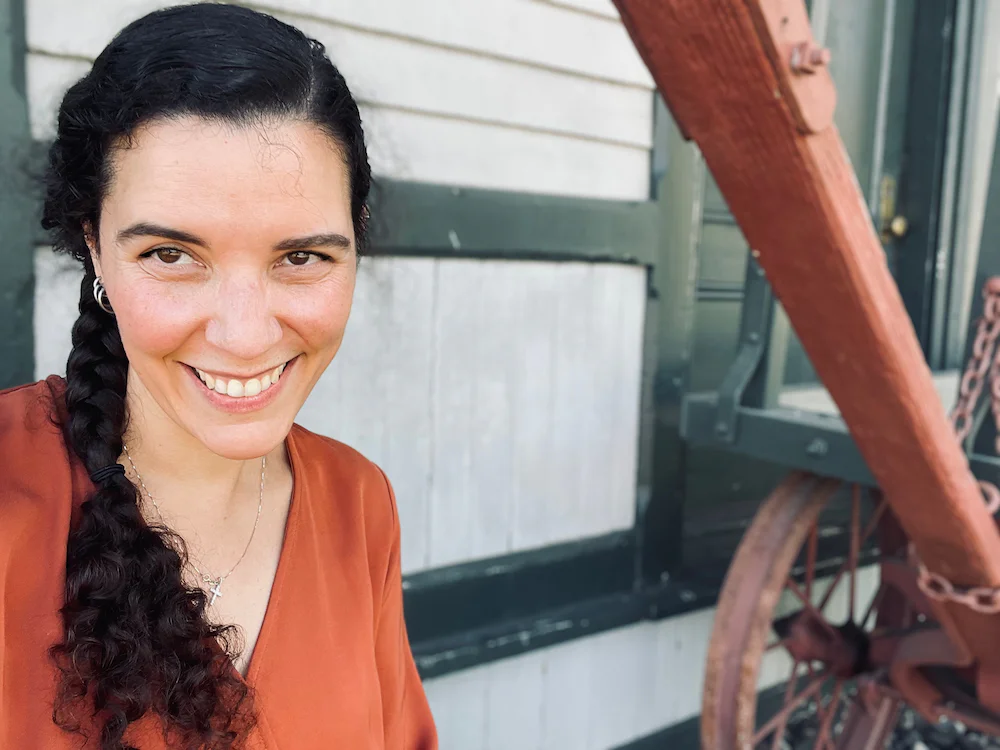
Julianne Armijo is a certified family nurse practitioner and PhD candidate at the University of Michigan School of Nursing. Her research focuses on how sleep patterns and employment status shape the quality of life of adults with bipolar disorder, particularly nurses navigating the demands of shift work. Supported by a research fellowship from the National Institute of Nursing Research, Julianne combines deep clinical expertise with a personal commitment rooted in her own experience living with bipolar disorder.
Over the past decade, Julianne has acted as a nurse leader in cardiac and trauma intensive care units nationwide and has served veterans at the U.S. Department of Veterans Affairs. She currently volunteers as a nurse practitioner at Hope Clinic in Michigan, providing compassionate, holistic care to refugees and underserved communities.
Julianne frequently shares her insights through invited talks, webinars, and publications, bridging clinical perspectives and research to illuminate ways to improve quality of life for those with bipolar disorder. She has a special interest in the emerging field of metabolic psychiatry and advocates for policy changes to better support clinicians living with mental illness.
Passionate about improving mental health care and workplace cultures, Julianne strives to advance understanding, reduce stigma, and foster supportive environments for those managing bipolar disorder.