New Results: First RCT for Schizophrenia & Bipolar Disorder. Learn more.


Listen, Watch & Subscribe on:



The Truth About Saturated Fat: What New Meta-Analysis Actually Found
Listen
About the host


Bret:
Welcome to the Metabolic Mind Podcast. I’m your host, Dr. Bret Scher. Metabolic Mind is a non-profit initiative of Baszucki Group where we’re providing information about the intersection of metabolic health and mental health and metabolic therapies, such as nutritional ketosis as therapies for mental illness.
Thank you for joining us. Although our podcast is for informational purposes only and we aren’t giving medical advice, we hope you will learn from our content and it will help facilitate discussions with your healthcare providers to see if you could benefit from exploring the connection between metabolic and mental health.
Saturated fat is in the headlines again. And yet again, a study demonstrates no significant health risk. Now, that’s not what some people want to hear as that goes against decades of health advice, but it’s important to hear. To realize that advice has probably been misguided. And what’s interesting is that this misguided bias actually shows up in this new study as the paper tries to claim a significant risk to saturated fat, but the data just doesn’t support it.
So for one, this begs the question, if the medical and dietetic institutions are so certain that saturated fat is harmful, why are there so many studies that don’t demonstrate that and fail to reach meaningful conclusions? Perhaps the answer is that because saturated fat isn’t inherently dangerous, and it depends on the type of food which contains saturated fat.
It depends on the rest of the diet, including the carbs, the processing, the total calories. And it depends on the person’s other lifestyle habits, like sleep, exercise, stress management, and other factors that impact metabolic health. And we have multiple videos that explain these important caveats that often get overlooked in the reductive quest of saying saturated fat is bad.
But as long as we pretend that we can isolate the impact of saturated fat specifically, we’re going to continue to design studies that provide no meaningful results. But for the sake of completeness, let’s review this study published December 16th in the Annals of Internal Medicine. And then, we’ll bring it back to this whole concept of what is the government saying about saturated fat, and does this fit in?
So, this paper was a meta-analysis of randomized control trials. So, right away, randomized control trials. So, we know it will be better quality than just the observational studies that are so prevalent in nutrition research. But even then, the downside of randomized control trials is often their shorter duration. And in this paper, they state the follow-up was two to five years. So, some people may question that.
But in the introduction of the paper, they talk about how most of the evidence of harm from saturated fat centers on the rise in LDL, which fortunately they acknowledge is a surrogate marker, right? LDL isn’t the disease; heart disease is. And that’s where the data on saturated fat tends to break down.
And here again, they failed to show a statistically significant increase in heart disease or early death among those who ate more saturated fat despite the small increase in LDL. They found LDL increased between 5 and 12 milligrams per deciliter for those who ate more saturated fat. And we can argue about how clinically meaningful that is, but I think we can all agree that isn’t a very large increase.
But the big finding is that there was no significant difference in deaths, cardiovascular deaths, heart attacks, or strokes over the timeframe. And here, again, is where bias can sneak in, right? Because if you just read the abstract, specifically said that there is quote, “low to moderate certainty that reducing saturated fat intake may result in a reduction in all-cause mortality, cardiovascular mortality, non-fatal myocardial infarction, and fatal and non-fatal stroke.”
Now, that sounds pretty conclusive. But in all these findings, if you look back at the relative risk and the confidence intervals, if you look at the numbers, the confidence intervals all cross one, which means there is no statistical difference. None. Not maybe significant. Not slightly significant, but not significant.
So, the scientifically proper way to state it would be that this study failed to show a significant difference in any of these findings between those who ate more or less saturated fat. So, why did they state it otherwise? I can only conclude that it’s their bias coming through, but I’d love to be wrong and hear if there’s any scientific reason for it.
I just don’t see it. But now what makes this paper somewhat interesting is they tried to separate the findings among those who are at lower or higher baseline cardiac risk. And they are clear that for those at intermediate to low risk, the saturated fat intake was not related to any cardiac outcome. So, that’s a big deal for someone to admit that because it seems to not really be admitted very much.
But those who were at baseline higher risk, reducing saturated fat, and again I quote, “Probably had an important benefit for all-cause mortality and may have an important benefit for cardiovascular mortality, non-fatal MI and stroke.” Important benefit is what they said, but again, it’s a completely subjective analysis because the confidence intervals all cross one. So, there’s no statistical significance.
So, even for those at higher risk, there was no significant difference. And we can talk about the study being underpowered, which is likely the case, but that doesn’t change the scientific fact that there was no difference. Now, I won’t rehash all the points about why it’s silly to claim saturated fat as a whole is harmful for everyone.
As I mentioned, we have many other videos, on that. But instead, I’ll use this paper as yet another example of how the evidence does not demonstrate that saturated fat is harmful despite some attempts at spinning the conclusions to say so. So, does that mean everyone should eat as much saturated fat as they want along with all the carbs and refined carbs and sugars?
No, of course not. That’s the standard American diet that has launched us into this metabolic health crisis we’ve been in for the past decades. But it does mean that the problem is the diet as a whole, not just the saturated fat. So, if someone chooses to eat a whole foods diet, low carb diet that contains natural saturated fat, there is no evidence that this way of eating is harmful.
So, not everyone needs to eat this way, but we absolutely should not be systematically discouraging people from doing so, as there’s no evidence of harm, and quite the opposite. There’s actually plenty evidence of benefit. So, I hope this was helpful to once again see past the headlines and better understand what the science says, and to understand how our restriction on saturated fat is misguided and really harming those who want to eat a healthy low carb diet that naturally contains saturated fat.
So, if this was helpful, please subscribe. And please leave us a comment as we would love to hear what you think about this study or the topic of saturated fat, in general. Thank you for watching. I’m Dr. Bret Scher, and we’ll see you here next time at Metabolic Mind, a non-profit initiative of Baszucki Group.
Thank you for watching. If you want to see more, check out these recommended videos. Also, if you haven’t already, don’t forget to subscribe to our channel to stay up to date with our content and help us expand the movement. And if you want to sign up for our newsletter, access our resources, read the latest research, or check out the THINK+SMART framework, click here to visit our website.
See you on the next video. Thanks for listening to the Metabolic Mind podcast. If you found this episode helpful, please leave a rating and comment as we’d love to hear from you. And please click the subscribe button so you won’t miss any of our future episodes. And you can see full video episodes on our YouTube page at Metabolic Mind.
Lastly, if you know someone who may benefit from this information, please share it as our goal is to spread this information to help as many people as possible. Thanks again for listening, and we’ll see you here next time at the Metabolic Mind podcast.
Listen, Watch & Subscribe on:
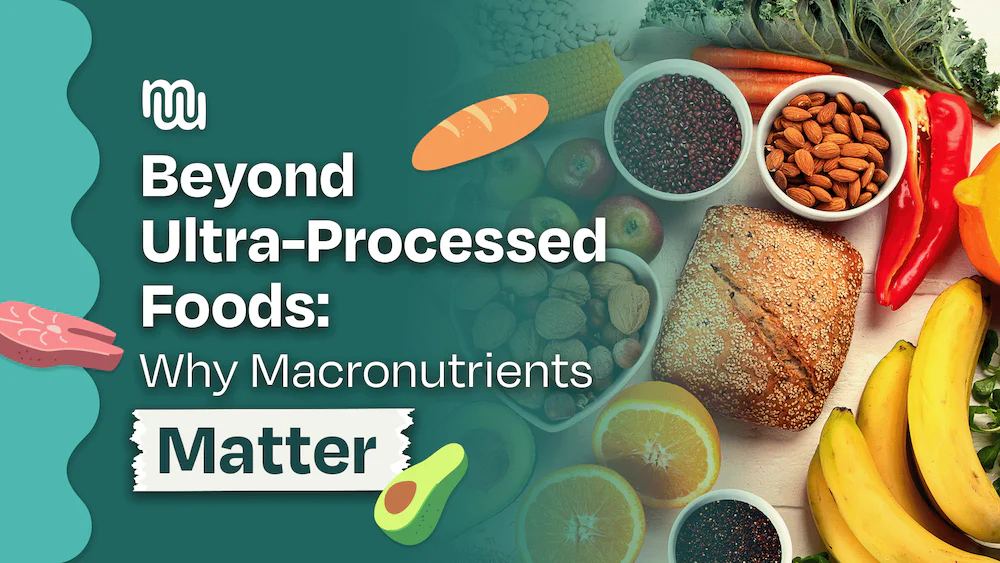
The question of whether most ultra-processed foods are metabolically harmful is no longer up for debate. This food category, which includes some of the most obvious dietary offenders…
Read more
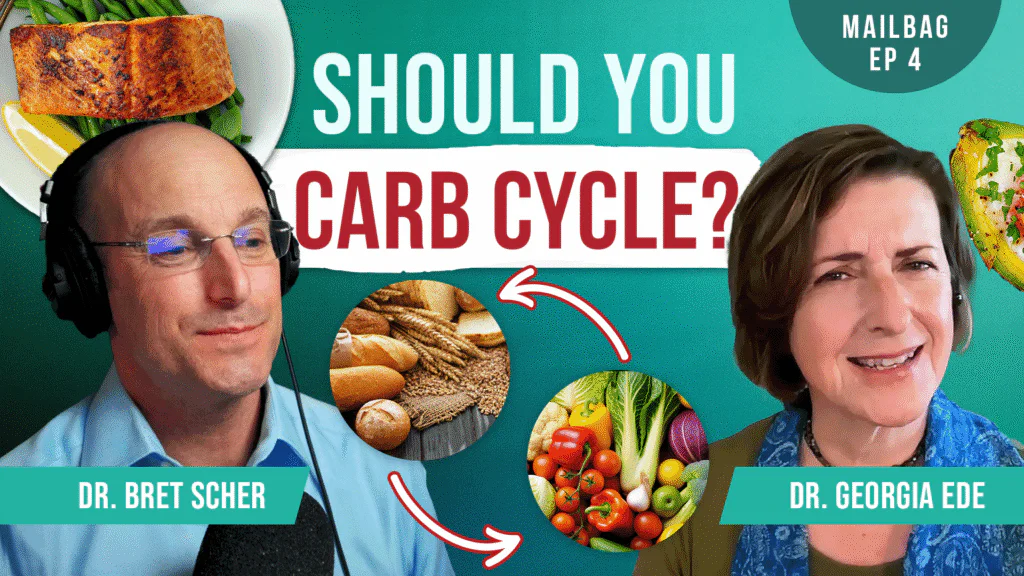
Learn how to build a healthy ketogenic diet with the best fat sources, avoid common keto mistakes, and understand the role of supplements, alcohol, and carb cycling. This expert Q&A explains how whole foods support brain and metabolic health, why processed keto products can be harmful, and how to troubleshoot issues like anxiety on keto.
Learn more
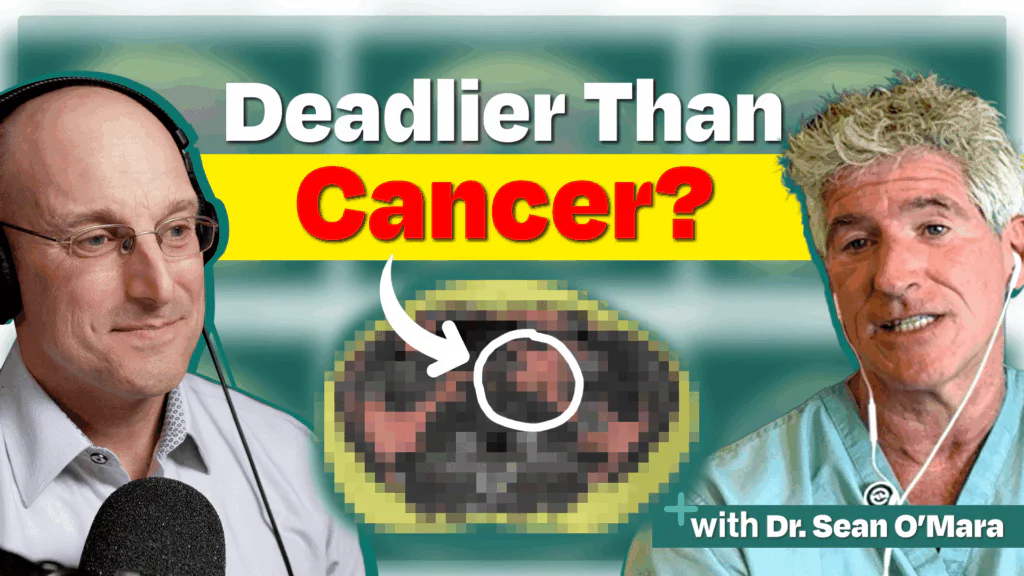
In this episode of The Metabolic Mind Podcast, Dr. Bret Scher speaks with Dr. Sean O’Mara about visceral fat, the metabolically active fat surrounding organs and the heart that may drive inflammation and chronic disease. They cover how visceral and epicardial fat are detected on CT or MRI, why these fat depots are often underreported, and what practical steps may help reduce them, including removing ultra-processed foods, using sprint-based training, improving sleep and stress, and applying a gradual fasting approach. Learn why visceral fat differs from subcutaneous fat and how addressing it may improve metabolic health, cardiovascular risk, and overall healthspan.
Learn more
A cautious, and nuanced editorial about elevated LDL cholesterol while on a keto diet. Read more here!
Learn more
The question of whether most ultra-processed foods are metabolically harmful is no longer up for debate. This food category, which includes some of the most obvious dietary offenders…
Read more
Learn how to build a healthy ketogenic diet with the best fat sources, avoid common keto mistakes, and understand the role of supplements, alcohol, and carb cycling. This expert Q&A explains how whole foods support brain and metabolic health, why processed keto products can be harmful, and how to troubleshoot issues like anxiety on keto.
Learn more
In this episode of The Metabolic Mind Podcast, Dr. Bret Scher speaks with Dr. Sean O’Mara about visceral fat, the metabolically active fat surrounding organs and the heart that may drive inflammation and chronic disease. They cover how visceral and epicardial fat are detected on CT or MRI, why these fat depots are often underreported, and what practical steps may help reduce them, including removing ultra-processed foods, using sprint-based training, improving sleep and stress, and applying a gradual fasting approach. Learn why visceral fat differs from subcutaneous fat and how addressing it may improve metabolic health, cardiovascular risk, and overall healthspan.
Learn more
A cautious, and nuanced editorial about elevated LDL cholesterol while on a keto diet. Read more here!
Learn more