New Results: First RCT for Schizophrenia & Bipolar Disorder. Learn more.


Listen, Watch & Subscribe on:



Rebuilding Trust In Your Body After a Mental Health Setback
Listen
About the host


Nicole:
I like to remind people that their body is actually working with them. Their body actually has the exact same goals that they have for themselves, which is to thrive
Bret:
Welcome to the Metabolic Mind podcast. I’m your host, Dr. Bret Scher. Metabolic Mind is a nonprofit initiative of Baszucki Group where we’re providing information about the intersection of metabolic health and mental health, and metabolic therapies, such as nutritional ketosis as therapies for mental illness.
Thank you for joining us. Although our podcast is for informational purposes only and we aren’t giving medical advice, we hope you will learn from our content and it will help facilitate discussions with your healthcare providers to see if you could benefit from exploring the connection between metabolic and mental health.
Nicole:
So, helping people get back on track on a ketogenic diet after they have gotten off-track usually consists of really identifying what different things happened that triggered them to decide that either it wasn’t okay to keep going or to figure out what got in the way. There’s lots of reasons why people get off-track on a ketogenic diet or start to have difficulties.
There are so many different reasons. One of the big ones that I see that can cause that is social events and social interactions, particularly if they’re eating out. For example, there’s really a lot of imagined or real pressure around what they eat at social events. What it means to say, “No, thank you,” at this time, and there’s very complex social and cultural things going on.
And so really, if that type of situation takes someone off-track, I think that it is really helpful to take a non-judgmental stance and to really investigate with them what they think might have been involved in their decision to go off-track. The other thing I think that gets people off-track on a ketogenic diet is they tell themselves, “I’m never going to be able to eat this or that food again.”
The mindset and the framing that they have around the choices that they need to make to heal their brain with a ketogenic diet really do influence how they feel about these decisions. So, how you frame them. If you frame them in such a way that this just means that I have to deny myself this or that, or if you frame it in a place of if I don’t eat this for a while I might heal.
This might actually give me a quality of life that’s much better than the temporary improvement I imagine that’s going to happen with eating something that is higher carbohydrate. And we really don’t have the research literature yet looking at whether individuals who use this as a treatment for mental illness need to do it lifelong or long-term.
So, we have that data from the epilepsy population, to some degree, but we don’t have it for this population. And so, telling yourself that you’re never going to get to have cake again, even though there’s plenty of really delicious low-carb options for baked goods and things like that, can really set you up to not stay on this diet long enough to realize treatment effects.
I like to remind people that their body is actually working with them. Their body actually has the exact same goals that they have for themselves, which is to thrive. And so, when they get symptoms or when they are struggling with something or struggling to do something, maybe they’re exercising again finally after many years of not doing so, and they’re finding it really difficult. And maybe they’re on a ketogenic diet and they haven’t gotten instant symptom reduction like they were hoping for.
I like to remind them, and I absolutely believe this is true, that their body is actually working towards optimal wellness. And any symptoms that they get or difficulties that they have implementing some of these behavioral strategies, that really is just their body trying to put them back into balance. Trying to get them to the exact place that they’re trying to go. And I feel like that is really important because when people suffer from chronic illness, they really tend to sometimes create a relationship with their body that can cause an extra level of stress.
And we know that stress and chronic stress, and how we see the world and ourselves and others really can affect our brain metabolism, right? And our metabolism. Another mindset that gets in the way of individuals staying on their ketogenic diet is kind of belief system or the use of food as a way to feel pleasure.
So, when people are suffering from cognitive and mood issues, food kind of, especially the food we have in this environment, food really becomes a way to regulate emotions. An attempt to fix a brain chemistry that doesn’t feel good. And what I think people find if they can, if they stay on the ketogenic diet long enough, is they find that their relationship with food and using food, and I say food loosely because I think that people tend to use ultra-processed food quite a bit for mood regulation purposes, but food as we call it today, they use ultra-processed foods, for example, as a way to regulate emotion, but that changes.
And the more you’re on a ketogenic diet and the better you feel, the more you see food as actually something that nourishes your body in such a way that you feel better. And you feel really good, and you don’t necessarily feel the need to reach for those substances that we call ultra-processed food to regulate your emotion.
So, if I have developed a relationship with my body that says, “I can’t trust you. You create symptoms for me. You make it so I can’t do these things. You make it so that I can’t function. You make it so I have trouble regulating.” That really turns it into an adversarial relationship, and it increases stress because you’re wrestling.
You’re wrestling with the signals that go on in your body. And really those signals is your body trying to get to the exact same place that you’re trying to go. And so, reframing these moments and reframing these experiences, I think, are a big part of the recovery process. And having individuals begin to be able to trust their body and their mindset around what their body is trying to do for them and with them, I think can be really helpful.
Bret:
Thanks for listening to the Metabolic Mind Podcast. If you found this episode helpful, please leave a rating and comment as we’d love to hear from you. And please click the subscribe button so you won’t miss any of our future episodes. And you can see full video episodes on our YouTube page at Metabolic Mind.
Lastly, if you know someone who may benefit from this information, please share it, as our goal is to spread this information to help as many people as possible. Thanks again for listening, and we’ll see you here next time at the Metabolic Mind Podcast
Listen, Watch & Subscribe on:
Subscribe to Laurent’s Mental Health Keto Blog: Because you deserve to know all the ways you can feel better.
Read more
Worried keto isn’t safe with no gallbladder, gout, kidney issues, bariatric surgery, or high LDL? This Metabolic Mind episode explains why ketogenic therapy is often safe—and sometimes beneficial—when supervised: how to ramp fat without a gallbladder, manage early uric-acid changes, balance protein for kidney health, and individualize plans for cholesterol and heart disease.
Learn more
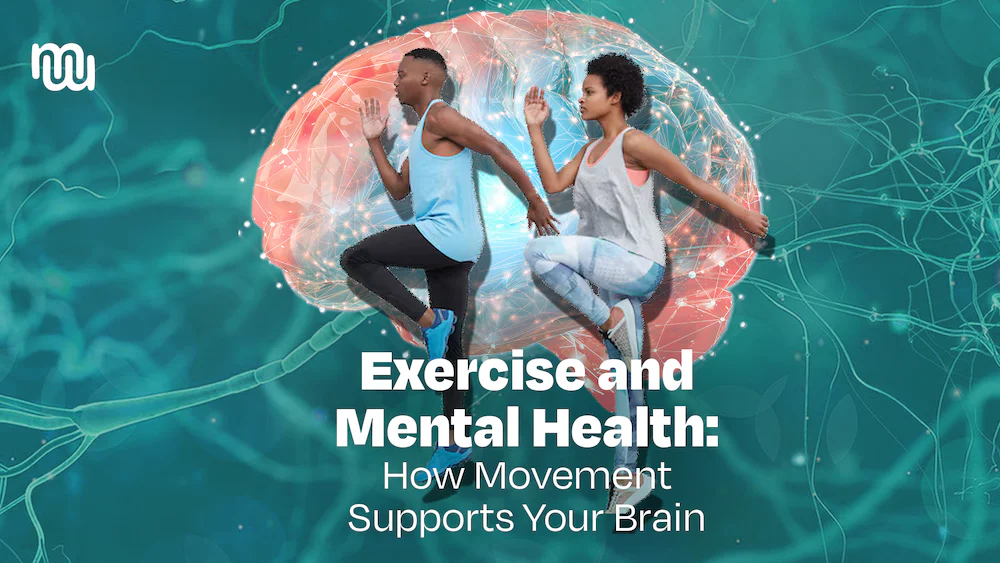
In this article: Most people know that exercise is good for their body, but its impact on the mind is just as powerful. In fact, regular physical activity…
Learn more
Using ketogenic and other metabolic therapies for mental health recovery is powerful. Thousands of people tell stories of suffering for decades without relief, feeling like they’d lost years…
Learn more
Subscribe to Laurent’s Mental Health Keto Blog: Because you deserve to know all the ways you can feel better.
Read more
Worried keto isn’t safe with no gallbladder, gout, kidney issues, bariatric surgery, or high LDL? This Metabolic Mind episode explains why ketogenic therapy is often safe—and sometimes beneficial—when supervised: how to ramp fat without a gallbladder, manage early uric-acid changes, balance protein for kidney health, and individualize plans for cholesterol and heart disease.
Learn more
In this article: Most people know that exercise is good for their body, but its impact on the mind is just as powerful. In fact, regular physical activity…
Learn more
Using ketogenic and other metabolic therapies for mental health recovery is powerful. Thousands of people tell stories of suffering for decades without relief, feeling like they’d lost years…
Learn more