Announcing the new McLean Center for Metabolic Psychiatry Learn more.


Listen, Watch & Subscribe on:



Low-Carb vs. Keto: Why the Difference Matters
Listen
About the host


Bret:
This is Metabolic Mind Bitesize. I’m Dr. Bret Scher. Low-carb and ketogenic diets are constantly used interchangeably in articles, on social media, and even in clinical conversations. And as a cardiologist focused on metabolic health, I’ve got to be honest, that really bothers me because for many patients, that distinction is clinically meaningful. And getting it wrong can lead people to expect results they are simply not going to get from the approach they’re following.
So, let’s clear this up. So, both low-carb and ketogenic eating involve reducing carbohydrate intake well below what you call the standard American or standard Western diet. Both can improve metabolic health. Both are legitimate health interventions, but they work through different mechanisms, you could say, different strengths. And they produce different physiologic states and are appropriate for different clinical goals.
So, understanding the difference makes you a better clinician or helps you as a patient set more realistic expectations. So, low-carb eating. Low-carb typically means consuming under 130 grams of carbohydrates per day. And that’s a meaningful reduction from the 250 to 300 grams most Americans eat daily.
And when those carbohydrates come from primarily whole food vegetables and some fruit while avoiding refined carbs, processed foods, and most grains, then the metabolic benefits are potentially dramatic. Triglycerides can improve. Blood sugar can stabilize. Insulin levels can even come down. Inflammation can improve.
And for many people, depending on their health goals, a well-executed low-carb approach may be exactly what they need. And you may be surprised how much food that still is. For instance, you can have one and a half cups of carrots, three and a half cups of broccoli, three and a half cups of cauliflower, one and a half cups of raspberries, and three quarters of cups of almonds.
All together, that’s around 130 grams of carbohydrates. Now, that’s a lot of food. But here’s the key point. Low-carb does not reliably produce ketosis. You can eat 100 grams of carbohydrates per day, feel better, improve your lab markers, and never shift into the metabolic state of ketosis, and that’s fine if metabolic improvement is the goal.
But if ketosis itself is the therapeutic target, then that could be a problem. So for most people, getting into ketosis typically requires staying under 30 grams of carbohydrates per day. It’s at this level when most people will flip the metabolic switch to go into ketosis. Obviously, there’s some variability, but that’s about on average.
So by comparison, that’s about half a cup of carrots, one cup of broccoli, one cup of cauliflower, half a cup of raspberries, and a quarter cup of almonds. But that’s still a lot of food for that level of carbohydrates And at that level of carbohydrate reduction, the body depletes its glycogen stores and shifts its primary fuel source from glucose to fat, and in the process, the liver begins producing ketones.
Ketones, specifically beta-hydroxybutyrate, become a major fuel source for the brain, the heart, and other tissues. And that is the metabolic shift that doesn’t happen with low-carb alone. So, when it comes to reversing type 2 diabetes and dramatically improving insulin resistance, changing body composition, ketogenic therapy tends to outperform low-carb alone, both in the research and clinical practice.
But the place where this distinction becomes most significant is likely in the brain. Ketosis is not just a metabolic state. It’s really also a neurological one. The brain runs remarkably well on ketones, in some ways better than it runs on glucose, especially for someone with insulin resistance. And we have over 100 years of clinical experience demonstrating that ketones can improve brain function.
Now, the brain can’t use 100% ketones. It needs some glucose. But some studies show it can run up to 50 to 70% of its fuel source from ketones. And ketogenic therapy has been used to treat epilepsy since the 1920s. It remains a frontline treatment for drug-resistant seizures in children today. That is established, peer-reviewed, clinically validated medicine. Not this fad weight loss diet that so many people think it is.
And the emerging evidence goes well beyond epilepsy. So, clinical experience and early research are showing meaningful improvements in serious mental illnesses from ketosis, including depression, bipolar disorder, schizophrenia, and even anorexia. These are conditions where the metabolic and neurological effects of ketosis appear to be doing something beyond simply eating better or moderately reducing carbohydrates.
So, here’s the practical takeaway. Low-carb is a clinically valuable dietary approach for many people. If someone’s looking to improve their general metabolic health, stabilize blood sugar, reduce inflammation, and move away from processed foods, a well-executed low-carb diet can absolutely get them there, anywhere from 50 to 130 grams of carbs.
But if the goal is reversing metabolic disease at a deeper level or treating a brain-based condition, then ketogenic therapy is simply a different level. It’s a different tool. It requires a different level of carbohydrate reduction, produces a different physiologic state, and delivers benefits that low-carb often can’t match.
So what do you think? Let us know your experience with ketosis and low-carb, and what you saw as the differences. And we have so much more content on metabolic and ketogenic therapies for serious mental illness, the emerging research, the clinical experience, what we know and we don’t know, so you can check all of that out at metabolicmind.org.
Listen, Watch & Subscribe on:
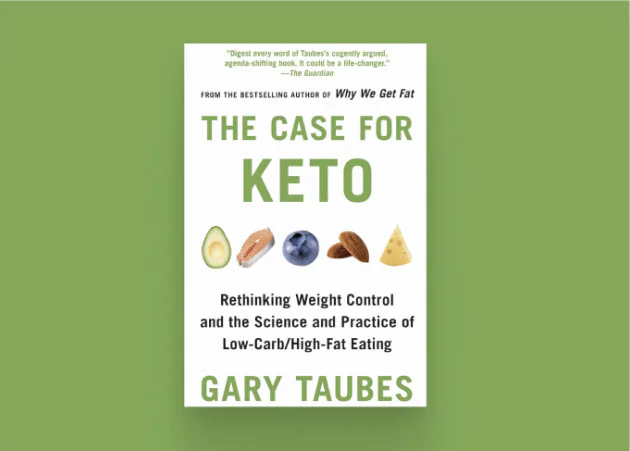
For fifty years, the medical establishment has preached the same rules for losing weight: restrict calories, eat less, and exercise more. Yet in that time, obesity in the United States has skyrocketed.
Read more
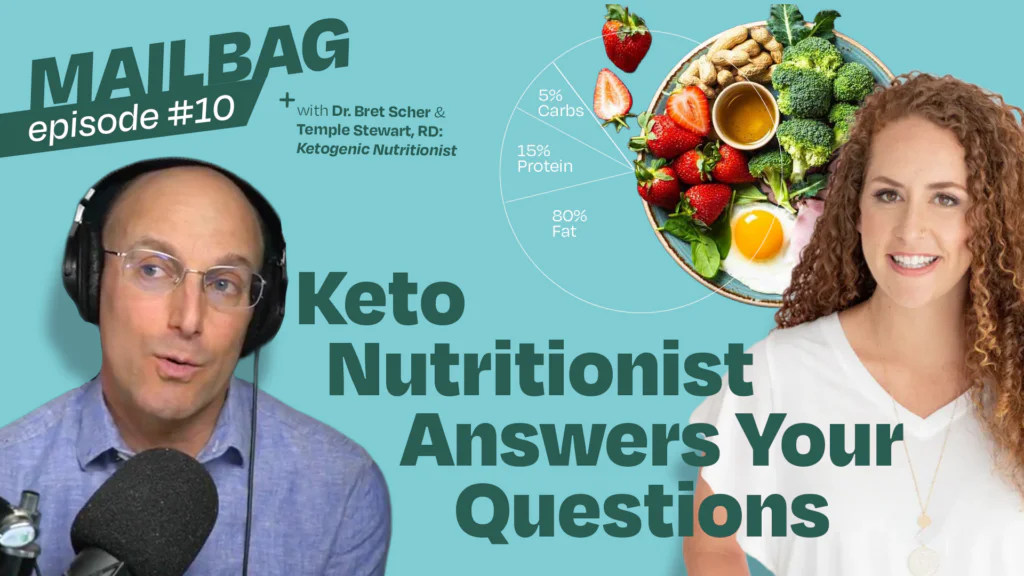
Registered dietitian Temple Stewart joins Dr. Bret Scher for a Metabolic Mailbag Q&A, answering listener questions on managing carb cravings around the menstrual cycle, whether dairy fits into a ketogenic diet, and if vegetarians can achieve deep ketosis. She also shares practical guidance on protein intake to avoid hunger, starting carb targets for beginners, and how to use ketone testing and CGMs effectively without becoming discouraged by the numbers.
Learn more
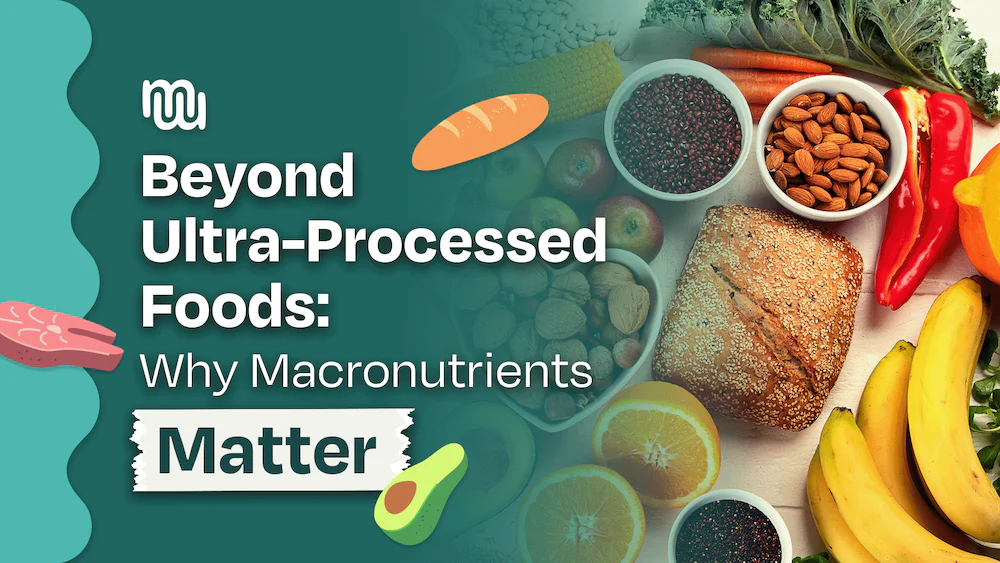
The question of whether most ultra-processed foods are metabolically harmful is no longer up for debate. This food category, which includes some of the most obvious dietary offenders…
Learn more
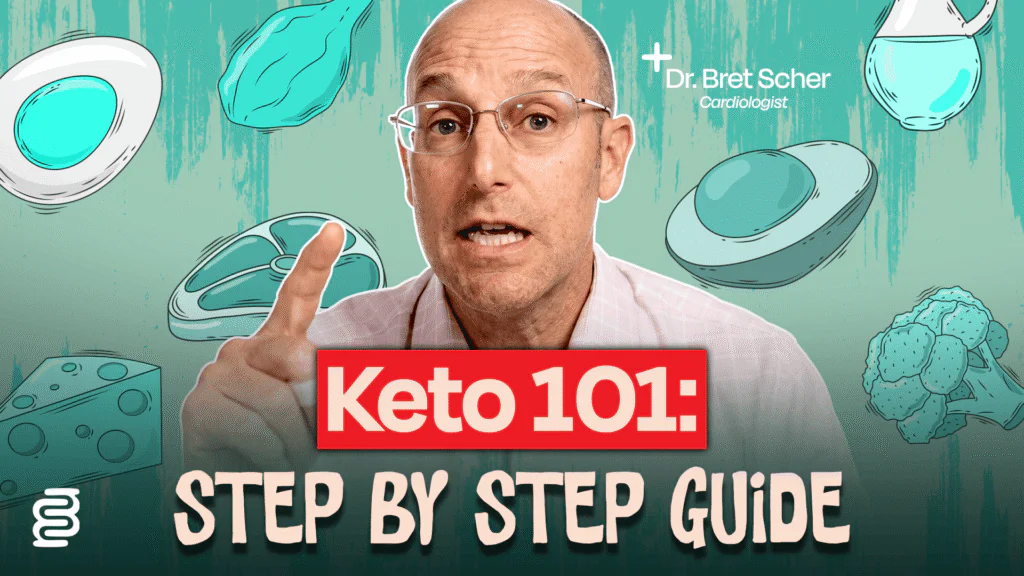
Dr. Bret Scher walks through the basics of starting a ketogenic diet, covering how to set carb, protein, and fat targets, why keto is actually a moderate-protein diet rather than high-protein, and how to avoid the "keto flu" through gradual transitions and proper electrolyte intake. He also explains when and how to test ketone levels and stresses coordinating with a healthcare team if using keto to manage a medical condition or psychiatric symptoms like depression or bipolar disorder.
Learn more
For fifty years, the medical establishment has preached the same rules for losing weight: restrict calories, eat less, and exercise more. Yet in that time, obesity in the United States has skyrocketed.
Read more
Registered dietitian Temple Stewart joins Dr. Bret Scher for a Metabolic Mailbag Q&A, answering listener questions on managing carb cravings around the menstrual cycle, whether dairy fits into a ketogenic diet, and if vegetarians can achieve deep ketosis. She also shares practical guidance on protein intake to avoid hunger, starting carb targets for beginners, and how to use ketone testing and CGMs effectively without becoming discouraged by the numbers.
Learn more
The question of whether most ultra-processed foods are metabolically harmful is no longer up for debate. This food category, which includes some of the most obvious dietary offenders…
Learn more
Dr. Bret Scher walks through the basics of starting a ketogenic diet, covering how to set carb, protein, and fat targets, why keto is actually a moderate-protein diet rather than high-protein, and how to avoid the "keto flu" through gradual transitions and proper electrolyte intake. He also explains when and how to test ketone levels and stresses coordinating with a healthcare team if using keto to manage a medical condition or psychiatric symptoms like depression or bipolar disorder.
Learn more