New Results: First RCT for Schizophrenia & Bipolar Disorder. Learn more.


Listen, Watch & Subscribe on:



Keto 101: Everything You Need to Get Started
Listen
About the host


Bret:
Welcome to the Metabolic Mind Podcast. I’m your host, Dr. Bret Scher. Metabolic Mind is a non-profit initiative of Baszucki Group, where we’re providing information about the intersection of metabolic health and mental health and metabolic therapies, such as nutritional ketosis as therapies for mental illness.
Thank you for joining us. Although our podcast is for informational purposes only and we aren’t giving medical advice, we hope you will learn from our content and it will help facilitate discussions with your healthcare providers to see if you could benefit from exploring the connection between metabolic and mental health.
If you’ve decided to try a ketogenic diet, the first question most people ask is pretty simple: how do I actually start? I guess you’re in the right place because today, i’m going to walk you through the basics of getting started with a ketogenic diet. But first, an important disclaimer. If you’re using the ketogenic diet to treat a medical condition, therapeutic ketosis to treat diabetes, bipolar disorder, epilepsy, or another health issue, you should absolutely do this in coordination with your healthcare team.
Your doctor may not necessarily be an expert in ketogenic nutrition or ketosis, but they still need to know what you’re doing. That’s because changing your diet in a major way can affect medication needs, blood sugar levels, blood pressure, even symptoms related to your condition. So, make sure your healthcare team is aware and involved.
And if you want more information about how to talk to your doctor or how to assemble a healthcare team, see our prior videos about that here at Metabolic Mind. But now, let’s talk about the basics of starting keto. The first and most important step is reducing your carbohydrates. Remember, any diet can be quote-unquote ‘keto’ if the carbs are low enough.
Ketosis is the physiologic state where our bodies transition from burning primarily carbs or glucose for fuel to burning primarily fat and ketones for fuel, which means carnivore, Mediterranean, vegetarian, even vegan diets can all help someone get into and maintain nutritional ketosis as long as the carbohydrates are low enough.
Now, for most people starting a ketogenic diet, a good target is about 30 grams of carbohydrates per day. So, when you’re starting out, it can be helpful to count total carbohydrates rather than net carbs just to keep things simple. So, net carbs are the total carbs minus the fiber. So, as an example, one cup of broccoli has around six grams of total carbs, but three of those are fiber. So, it only has three grams of net carbs.
But when starting out to reduce the complexity, many will stick just with total carbs. After the first few weeks or months of ketosis, now many people will transition to counting net carbs for whole foods because whole food fiber doesn’t significantly raise blood sugar or insulin levels. However, with processed foods, it’s often safer to stick with total carbs since labels and fiber claims can be misleading.
And if that’s, all that’s confusing or seems like a hassle, then you can just stick with total carbs across the board. So, the first rule is simple: keep your carbs around 30 grams per day, okay? Knowing there’s variation from person to person, but that’ll get just about everybody into ketosis. Next comes protein, which is extremely important.
You want to eat enough protein to maintain muscle, improve metabolic health, and help with satiety. So, a good general range is 1.2 to 1.6 grams of daily protein per kilogram of ideal body weight. So, notice I said ideal body weight, not just total body weight. So, I’ll give you some examples. For a 5’4″ woman, ideal quote-unquote ‘ideal body weight’ is about 55 kilograms or 120 pounds.
That means protein would fall roughly between 65 and 90 grams of protein per day. For a 5’10” male, it’s about 80 kilograms or 176 pounds. So, protein intake somewhere between 96 and 130 grams per day. Now, that term ideal, it’s really just this medical reference. It’s not really a judgment on ideal or not, but it’s sort of the medical reference for it.
So, hopefully that’s helpful. But the caveat is that teens, the elderly, and very physically active individuals may require higher protein intake. So, many think of keto as a high-protein diet. But as you can see with the numbers I just mentioned, that’s a total misconception. A ketogenic diet is a moderate or adequate protein diet, not a high-protein diet.
Now, once you’ve set your carbs and your protein, the rest of your calories come from fat, and this is where a lot of people have to shift their mindset. For decades, we were taught to fear fat. But on a ketogenic diet, fat becomes your primary fuel source, and there’s no reason to fear it.
That means it’s perfectly okay to add extra cheese to your meals, enjoy foods like nuts and avocado, cook with butter or avocado oil, and add olive oil to your veggies. Especially in the first few weeks, it’s important to make sure you’re getting enough calories and enough fat because your body is transitioning to burning primarily fat instead of carbohydrates.
Now, over time, if your goal is weight loss, you can gradually adjust the fat intake downward. But in the beginning, getting enough calories makes this transition much easier. And another thing to know is that the faster you push your body into ketosis, the more likely you are to experience something people call the keto flu.
This can include symptoms like fatigue or headache or dizziness, brain fog, and other symptoms. Luckily, the symptoms are temporary, but they can be uncomfortable. So, instead of dropping carbs overnight, some people prefer to reduce carbs gradually over a week or so. Sometimes even a meal at a time, like just breakfast for a couple days. Then, breakfast and lunch for a couple of days,. And finally, every meal.
Also, one of the most important things you can do to prevent this keto flu symptoms is stay well-hydrated and supplement with electrolytes. When insulin levels drop on a ketogenic diet, your kidneys get rid of more sodium and water. So, you need to be intentional about replacing them. That means drinking plenty of water. Like always carrying a water bottle. Always having that bottle with you, and supplementing with sodium, potassium, magnesium.
Electrolytes make a huge difference in how you feel during the transition. Now, one question people often have is if they should even test their ketone levels. Now, I think most people do find it helpful in the beginning as they learn how different foods impact their ketone levels. That doesn’t mean you have to check ketones forever. But in the beginning, I think it can be educational, and you can test ketones with a blood or capillary ketone meters, breath meters, and urine strips.
The blood and capillary meters tend to be the most accurate and what most experts recommend. Everyone’s goal ketone level will be different. But in general, the 0.5 millimoles per liter is the set point for nutritional ketosis. And one of the reasons testing can be helpful because if you’re not seeing adequate ketones, there are a few things you can adjust.
So first, you can consider reducing carbohydrates further since carbs are the biggest factor in preventing ketosis. Second, you can make sure you’re eating enough fat, especially early on when your body’s adapting. And third, if necessary, you can consider slightly reducing protein intake, though it’s still important to stay probably above that one gram of protein per kilogram of ideal body weight to maintain muscle and overall health.
And of course, keep in mind sleep, stress levels, and discuss with your healthcare team if your medications could be impeding ketosis, like corticosteroids or some antipsychotic medications and others. So, to summarize, the basics of getting started with a ketogenic diet are to reduce carbohydrates to around 30 grams per day, eat adequate protein, 1.2 to 1.6 grams per kilogram of ideal body weight, and fill the rest of your calories with healthy fats.
Make sure you’re hydrated and replace electrolytes. And if you’re treating a medical condition or are taking medications, make sure your healthcare team is well aware of what you’re doing. Starting keto doesn’t have to be complicated. With a few simple principles, you can make the transition smoothly and safely.
And if you want to know more about ketogenic therapy as a treatment for psychiatric diagnoses or symptoms like depression, anxiety, bipolar disorder, schizophrenia, PTSD, OCD, and more, please see our content at metabolicmind.org or our videos here on YouTube at Metabolic Mind. And if you want to learn from others, from individuals and their personal journeys, check out our THINK+SMART page where individuals share their successes and challenges with ketogenic and metabolic therapies.
We hope this provides a good starting point for someone to get started with a keto diet.
Thanks for listening to the Metabolic Mind Podcast. If you found this episode helpful, please leave a rating and comment as we’d love to hear from you. And please click the subscribe button so you won’t miss any of our future episodes. And you can see full video episodes on our YouTube page at Metabolic Mind.
Lastly, if you know someone who may benefit from this information, please share it as our goal is to spread this information to help as many people as possible. Thanks again for listening, and we’ll see you here next time at the Metabolic Mind Podcast
Listen, Watch & Subscribe on:

Explore metabolic therapies with Steven who put his bipolar 2 disorder into remission. Discover tips for beginners & pros on diet, lifestyle & wellness.
Read more
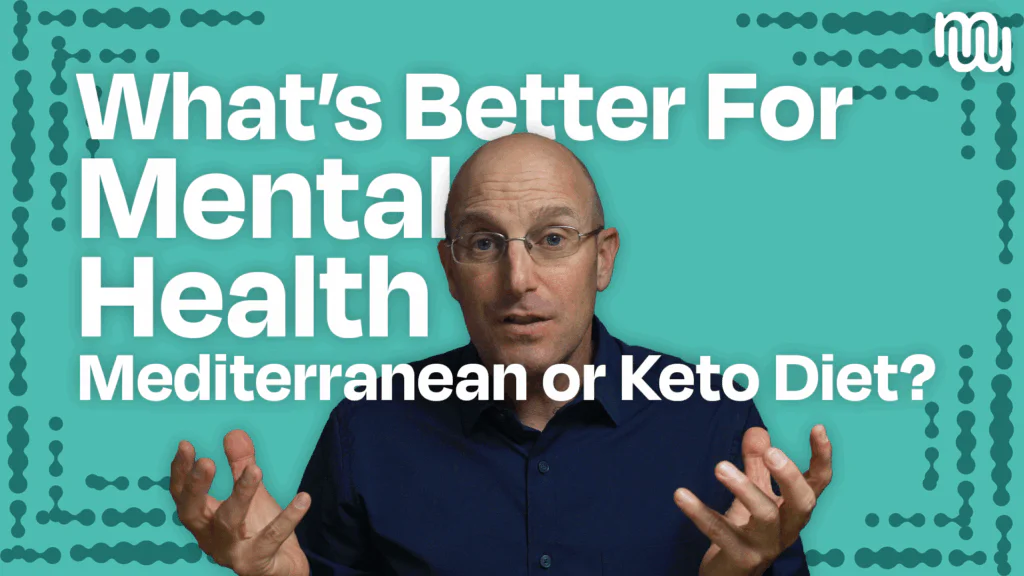
This Metabolic Mind episode with Dr. Bret Scher explores whether the Mediterranean or ketogenic diet is better for mental health. While Mediterranean diets show modest benefits for depression, emerging studies on ketogenic therapy suggest stronger effects for conditions like bipolar disorder and schizophrenia. The discussion highlights shared dietary principles, key metabolic differences, and strategies for integrating nutrition into mental health care.
Learn more
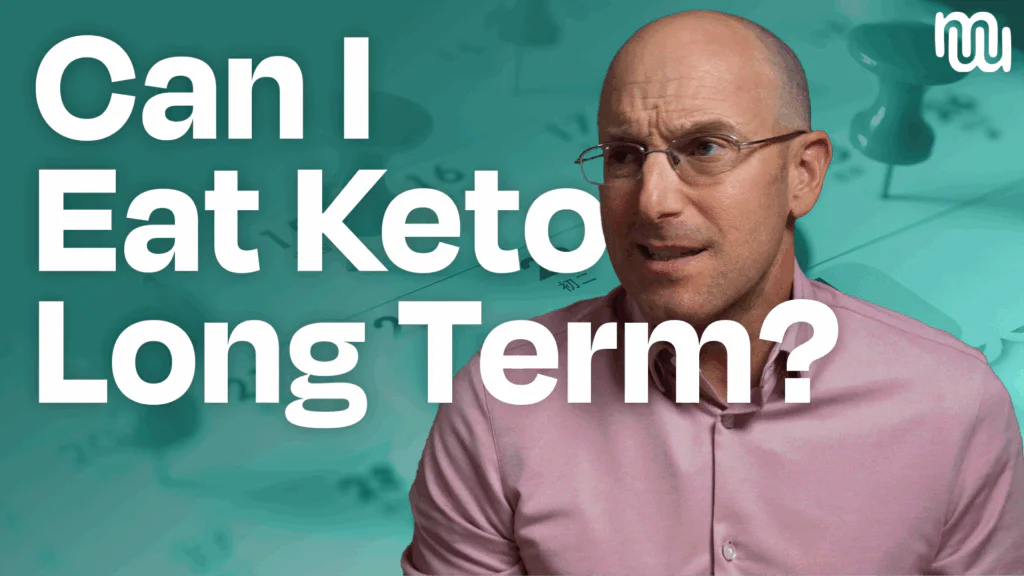
This Metabolic Mind episode with Dr. Bret Scher explores the safety of long-term ketogenic diets. Addressing common myths about nutrient deficiencies, heart risk, and eating disorders, Dr. Scher explains why well-formulated ketosis can be sustainable and beneficial for mental and metabolic health, particularly in people achieving remission from serious conditions.
Learn more

This piece was originally published in The New York Times on March 17, 2026. By Alice Callahan and Christina Caron Maya Schumer, 32, a neuroscientist in Belmont, Mass.,…
Learn more
Explore metabolic therapies with Steven who put his bipolar 2 disorder into remission. Discover tips for beginners & pros on diet, lifestyle & wellness.
Read more
This Metabolic Mind episode with Dr. Bret Scher explores whether the Mediterranean or ketogenic diet is better for mental health. While Mediterranean diets show modest benefits for depression, emerging studies on ketogenic therapy suggest stronger effects for conditions like bipolar disorder and schizophrenia. The discussion highlights shared dietary principles, key metabolic differences, and strategies for integrating nutrition into mental health care.
Learn more
This Metabolic Mind episode with Dr. Bret Scher explores the safety of long-term ketogenic diets. Addressing common myths about nutrient deficiencies, heart risk, and eating disorders, Dr. Scher explains why well-formulated ketosis can be sustainable and beneficial for mental and metabolic health, particularly in people achieving remission from serious conditions.
Learn more
This piece was originally published in The New York Times on March 17, 2026. By Alice Callahan and Christina Caron Maya Schumer, 32, a neuroscientist in Belmont, Mass.,…
Learn more