New Results: First RCT for Schizophrenia & Bipolar Disorder. Learn more.


Listen, Watch & Subscribe on:



Q&A: Keto for Women, Dairy, Net Carbs, PCOS & More
Listen
About the host

About the guest


Temple:
Yeah, it’s the sugar dragon. You put it in its cave, and it might come back. And I think being really aware of what foods cause that for people, I think we have just scratched the surface when it comes to gut microbiome, and what the incredible health benefits coming out of that are.
Bret:
When it comes to PCOS, what is your opinion on ketone levels and how that fits into the treatment protocol?
Temple:
Great question.
Bret:
Welcome to the Metabolic Mind Podcast. I’m your host, Dr. Bret Scher. Metabolic Mind is a non-profit initiative of Baszucki Group, where we’re providing information about the intersection of metabolic health and mental health and metabolic therapies, such as nutritional ketosis as therapies for mental illness.
Thank you for joining us. Although our podcast is for informational purposes only and we aren’t giving medical advice, we hope you will learn from our content and it will help facilitate discussions with your healthcare providers to see if you could benefit from exploring the connection between metabolic and mental health.
Many of the interventions we discuss can have potentially dangerous effects if done without proper supervision. Consult your healthcare provider before changing your lifestyle or medications. In addition, it’s important to note that people may respond differently to ketosis, and there isn’t one recognized universal response.
Welcome back to Metabolic Mind for another Metabolic Mailbag episode, where we answer your questions that you’ve provided to us. And today, we have a special guest. I’m joined by registered dietician, Temple Stewart. And you’ve sent some questions ahead of time specifically for Temple. So, I’m excited to get into those.
But Temple, first, welcome to Metabolic Mind.
Temple:
Yeah, thank you for having me. It’s truly an honor to be here.
Bret:
Yeah, and it’s a pleasure to have you. So, before we get started, why don’t you give us a brief introduction so everybody knows who you are?
Temple:
Yeah. My name’s Temple Stewart. Like you said, I’m a registered dietician.
I’m also a third-year medical student. So, that’s a fun add to the bio. But I’ve been a registered dietician about seven years. I worked clinical for three or four of those. And now, I’m solely private practice working with women on everything from PCOS to losing weight. So, it’s been a wild ride, but a fun journey.
Bret:
That’s great. And being a registered dietician and now focusing on ketogenic diets and ketogenic therapy and being in medical school. I can only think of the amount of information you have thrown at you that you’re like, “I’m not sure that’s actually the way we should be thinking about that.
Maybe we should approach it a different way?” You must just be bombarded with so much that you have to question. So, how’s that going?
Temple:
Yeah, it was very similar to how I felt when I was becoming a dietician. It’s a lot of digging for your own answers. It’s a lot of looking at the newest research.
It’s a lot of questioning, like you said, maybe outdated professors or outdated textbooks. And so, it is, but I like it because it really does make me refine my own knowledge and make me stay up-to-date. And it just is a challenge, but a good one.
Bret:
Yeah, it’s shocking how easy it is, unfortunately, to be complacent and be like, “This is the way things have been.
This is how I was taught. This is how it was practiced. This is how it’s going to be,” and not have that curiosity to dig deeper and stay up-to-date and always learn. it’s clear you have that. So, I am appreciative that you have that curiosity, and that’s going to make you just amazing in everything you do moving forward. So, that’s awesome.
So, let’s jump in with the first question, what are the top three challenges people face when they’re trying to start, maintain a ketogenic diet for whatever reason?
Temple:
I would say, yeah, this is a great question. Number one would be just getting over some of those initial nutrition myths that people are still holding onto so tightly.
There’s still quite a bit of stigma around fat. So, even increasing fat mildly is really hard for people. I think, in general, people are a little bit hesitant to cut out an entire food group, like carbohydrates. So, it’s approaching some of those nutrition myths or things that have been ingrained so deeply, and helping them overcome that.
I think that’s number one. I think sometimes people do have challenges with the macro numbers themselves. Maybe what’s appropriate for someone over here is not necessarily appropriate for them. So, just helping people navigate how low do you need to go to get into ketosis? How high do you need to keep protein?
Things of that nature. And then, I think, just fitting the ketogenic lifestyle to people’s current routines and schedules and fitting their family. A lot of the women that I work with have spouses and children. And so, it’s just navigating daily living and life to help them be most successful without completely overhauling everything and making this something that they just can subscribe to long-term, essentially.
Bret:
Yeah, that last one is so important, and probably one that not enough people pay attention to because the focus is so much on, what do I eat? What can I or can’t I eat, and how do I combine them? And ,then you got to realize, oh, how do I fit this into my whole lifestyle and all these other people in my world and my life?
So, such an important point to make and something that people really should think about ahead of time so they don’t get caught off guard in the middle of it. So, I’m really glad you brought that up. Yeah, so important. All right, here was a question that came in. “I have a question for Temple Stewart.
Could she perhaps share some insights…” Oh, and I should say this is from anonymous. So, I didn’t say the name because they said they were anonymous. “Could she perhaps share some insights about keto and the menstrual cycle? I often crave carbs around that time. And if I eat more carbs, I come out of ketosis.
If I don’t increase my carb intake, I notice my body experiences a lot of stress. Thanks in advance.”
Temple:
Oh, this is a great question, and I really do like this. I find this with a lot of my reproductive-age women. They do still experience the carbs, especially the week before their cycle. I do find it really interesting if you look at the female reproductive cycle of when you’re seeing people being most insulin sensitive versus most insulin-resistant and that natural kind of wave of that as well.
So, I think that definitely comes into play here. What I encourage my clients and what I have found to be successful with them, lots of electrolytes the week before. Lots of magnesium-containing foods, dark chocolate, nuts and seeds, et cetera. Maybe even a little bit of higher fat that week, higher Omega-3s, fish, sardines, things of that nature.
And then, also, be okay with honoring some of those cravings. I keep dark chocolate, 80, 90% in the house. Or maybe that’s the week you make yourself a little bit of a stevia-sweetened or allulose-sweetened ketogenic treat. And just figure out the routine that works for you that week. I would also encourage people to really pay attention to that.
Is that happening month after month so that you can really come to expect what you’re going to feel that week and maybe have a plan A, B, and C to conquer some of those cravings when they do arise? So very common. I think checking multivitamins. Making sure you’re staying on top of magnesium is really helpful there.
Bret:
Yeah. It’s great advice. And again, the be preventive or be proactive rather than getting caught off-guard as part of your advice, again, so important. And if, especially if someone has regular periods. I can see it’s harder if your periods are a little more irregular. But if they’re regular, you know it’s coming, you can prepare for it. And that’s so crucial.
Yeah.
Temple:
Yeah.
Bret:
Great. I’m going to combine a couple questions here. So, from Theodora Pilates. Theodora Pilates, and we had a couple others that were more about dairy. So, we had a Q&A with Georgia and she, with Georgia Ede, and she gave her opinion about dairy. But I’m curious, like, how you see dairy fitting in or not fitting into ketogenic diets. And if it’s different depending on somebody’s goal? And maybe the positives and negatives of dairy as you see it, as it fits into ketosis.
Temple:
Yeah, great question, and I will be open. There were some times in my ketogenic journey that I did limit or eliminate dairy completely for specific reasons. I was PCOS-positive in my early life, and had a lot of acne and things like that. So, I’m very neutral on dairy in terms of what the individual is going through and what their goal is.
I do encourage people to either pay attention to CGM data, check blood sugar, and/or watch the scale, if they are adding significant amounts of dairy. I think the biggest mistake when it comes to keto and dairy is that they overconsume dairy in efforts to meet protein goals or just because they’re missing carbohydrates, and they want something richer in that food group.
And so, dairy gets added quite often, and I will say it sneaks up on people more than they think. And a lot of people don’t realize sometimes you do respond with elevated glucose or respond to that milk sugar. So, I think it depends on the type of dairy. I do encourage my clients to stick to your organic dairy.
I do like sheep, goat over conventionally-raised cow milk, et cetera. And I do encourage people, if you’re going to lean into it, harder cheeses tend to be a little bit easier on the glucose-insulin response versus your skim milk. Of course, that’s like sugar water. So, it really does depend on where you fall and the response you’re seeing.
But I do encourage my clients, especially if they switch to a ketogenic diet and maybe their weight loss is slowing, look at the dairy consumption. Are we having it at every meal? Are we having it at multiple snacks a day? And figure out, okay, should we keep this in or should we keep it in at this amount?
in general, I do think it’s a good lever to pull in terms of lowering, or maybe even eliminating for a time, if you’re trying to see specific goals like weight loss and/or acne reduction, things of that nature.
Bret:
Yeah, and I guess it’s really unfair for me to really pose the question as dairy because cream is different than milk is different than Parmesan cheese is, right?
So they’re all unique and different. So, I’m glad you brought up some of the differences, and especially, the sugar water of skim milk. I think that’s a great way to explain it. Yeah, so and what about like the probiotics and the fermentation of yogurt?
Do you see a specific benefit in that? Or for someone in ketosis, do you think that matters less, or how do you see that?
Temple:
Yeah, I think for sure. I’m a huge fan of fermented foods, in general. I think that they are a missing component of the standard American diet. I think that is a lost tradition in a lot of ways.
Now, obviously, you have to be cautious. There’s the zebra that may have histamine intolerance and things like that we want to be aware of. But in general, I don’t think children are getting enough fermented foods. I don’t think anybody’s getting enough fermented foods. And so, I do encourage kefir. I like some of your fermented dairy products.
I love kimchi, sauerkraut, all of that as well. But yes, I think some of those fermented yogurts. And too, I think it’s interesting that a lot of these different styles of yogurt have started to come on the market. You’ve got Icelandic and Greek and Skyr, all these different. And it’s interesting because you look at the macro composition of a lot of them, and some are extremely high-protein, very low carb.
And so, I say all that to say yes. I think we have just scratched the surface when it comes to gut microbiome and what the incredible health benefits coming out of that are. And so, I do encourage fermented foods, fermented dairy, especially with littles, especially with children, introducing them early, et cetera.
I think there’s going to be massive benefits that we’re just going to keep figuring out as we do more and more research on it.
Bret:
And when it comes to dairy, I know I can say, personally, like my go-to snack is either a full-fat cottage cheese with a few berries or a full-fat Greek yogurt with a few berries.
What’s your go-to snack?
Temple:
100%, I love Painter. I’m on a Painterland Sisters yogurt kick right now. I think they have the best texture, best flavor, but I love cottage cheese. I like a little bit of kefir with it. I’ll put chia seeds or a little bit of stevia, frozen cherries. And so, I think it’s a great way to conquer a craving, especially if you have a little bit of a sweet tooth.
But I’ve also loved all the trending TikTok cottage cheese video. It’s just gotten a little out of control, but it does provide nice variety for people looking for high-protein that’s going to keep moving them in the right direction.
Bret:
Yeah. Great. Okay, here’s another question that’s a little bit related, but a little bit different as well from Counseling ABQ Trainer.
Okay. “Will taking protein down to .8 grams per kilogram of body weight help raise ketones? I would like to give up dairy, but at this low protein level, I can’t take the hunger. And in the past, I’ve lost too much weight and muscle mass. I’ve been eating a couple of tablespoons of butter to help with the hunger.
Thank you both for your wonderful work.” Yada, yada. So, just to summarize the question a little bit more. Taking protein down, will that help raise ketones? But then I’m hungry. So, what can I do to offset that?
Temple:
Yeah. This is an interesting question. I would definitely have some follow-up for this individual of like what, why are you lowering protein?
What is your goal? Is there something you’re trying to treat with higher ketones, therapeutic ketosis? What is it? Are we talking mental health? Are we talking neurodegenerative? I don’t know. In general, I probably wouldn’t have someone go that low protein, especially if they’re lifting, working out, et cetera.
And then, also if they have found that low of a protein goal is causing hunger, I think you’re just setting yourself up to fail long-term. Hunger is very hard to overcome. And so, if you continue to live day in, day out hungry, I think that’s going to end poorly. Again, I don’t know this individual’s medical history, what they’re trying to do. But I would say if you’re hungry, I would up it.
I don’t, in general, I know that’s the recommendation. That’s actually what I was taught in school to calculate, the .8. I have not done that my entire dietician career, I’ll admit that. But yeah, I think she could consider or he could consider adding in fiber, more fat. But again, in my opinion, this would be a case where I would probably just up protein.
Bret:
Yeah. That is so interesting, that talking point of the 0.8 grams per kilogram of reference body weight. And looking back at how that was brought up, it was really to achieve sort of nitrogen balance, or to prevent a negative nitrogen state, where you’re actually losing nitrogen and muscle mass and so forth.
So, the way I look at it is it’s preventing a protein deficiency, which is very different than saying the optimal amount of protein. Yeah, I think evidence is pretty clear the 1.2 to 1.6 is really that sweet spot. Now, if somebody wants to raise their ketones and they want to lower protein to do it, then probably not below 1.2 or 1.0.
And then there are other ways of course to raise ketones. But gosh, the importance of protein is really hard to overemphasize for hunger, like you said, and of course for muscle mass and metabolic health. So yeah, I think that’s a great point of taking a step back and saying, “Why do you want your ketones higher?
And are there other ways you can go about doing it?” And yeah, super important.
Temple:
And I have just to add on to that as well. I have seen some clients when they’re trying to raise ketones in that scenario is maintaining, like you said, the 1.2 plus protein goal. But then, maybe moving dinner up earlier so you have a little bit longer of a fasting window overnight.
I’m not saying skip dinner, but move it up to 3:00, 4:00, or even earlier. Sometimes ,that will help boost ketones. Getting rid of glycogen stores with maybe a HIIT activity or something along those lines may be a way that this individual could implement getting some higher ketones without necessarily causing any protein deficiencies or hunger.
Bret:
Yeah. And if you want other strategies how to raise ketones, you can see the prior Metabolic Mailbags I’ve done with Dr. Georgia Ede because I know this has come up a couple times. So. We won’t rehash it here. Next question from I.AaronFest349. Thank you for the question. “Can you get into deep ketosis below 20 milligram, below 20 grams of carbs on a vegetarian diet?”
So, I’m going to turn this around and make it two questions. One, have you seen success or struggles of people using a vegetarian diet to get into ketosis? And then two, what is usually your starting point for grams of carbohydrates for a ketogenic diet?
Temple:
This is a good question. I will tell you, I will tell you I have had many vegetarian clients trying to get into ketosis, and I will say it is challenging.
It is a challenging thing to succeed at long-term. And so, yes, I think it’s very doable. I just think you have to be really cognizant of what you’re consuming, protein goals, et cetera. I do think it is harder than if you are consuming even minimal amounts of animal products, like eggs, fish, or pescatarian-style or something of that nature.
It is more challenging, and I have had clients struggle staying with it longer term than I have my animal product-consuming clients. And so, that would be the answer to that. And I’m sorry, I forgot the second half of the question.
Bret:
Yeah. Do you have a general starting point for grams of carbohydrates that you recommend?
Temple:
I typically start people at 40 grams total. I do like to start counting total grams. I know that you can count net. But in general, if it’s someone’s first time getting into ketosis, I’ll start at 40 grams and then adjust. I have found that if that individual has been compromised in terms of a type 2 diabetes diagnosis, maybe PCOS, maybe they’re already developing metabolic syndrome, et cetera, sometimes I’ll start at 30 or even 25 depending on the goal.
I have found that some of my PCOS clients do better lower. And so, I really think it depends on the individual, how much muscle mass is that individual carrying? Are they currently relatively active? Are they sedentary all day? So, I think the baseline starting point is 40 grams total. And then, paying attention to what the ketones do by checking blood, et cetera. And then, adjusting from there. But that would be my baseline.
But I’m curious to know yours.
Bret:
Thank you for asking. I try to find where they’re at now, and what their goals are and where their metabolic health is. And so, I think it needs to be adjusted based on that. But if I had to pick a number, I usually say 30 grams to start. But I think it’s important to emphasize that this is a variable number.
So, you start at 30. You check your ketones. You check your blood sugar, where you’re at, and you adjust accordingly. People who are very physically active and metabolically healthy can sustain ketosis at 50 or 75 grams of carbohydrates. Of course, the right type of carbohydrates. And people who are metabolically unhealthy or not physically active may need to go below 20 to start.
There is that range, but I usually pick 30. And I usually want people to start with net carbs. So, total carbs minus the fiber. But often times, you have to get a sense of how much calculations do you want to do, how much do you want to focus on it. And it’s easier to just do total carbs for sure.
So, how do you see that balance between total carbs and net carbs?
Temple:
I agree with that. I think that net carbs has a place. If the individual is already eating a pretty high carbohydrate diet and/or including a lot of those processed foods, I find that sometimes if I count net carbs with them, it ends up being swapping processed food for keto-processed food.
And so, I think if they are open to trying mostly whole foods and switching their carbohydrate consumption to non-starchy veg, whole foods, et cetera, then I absolutely agree with you in terms of net carbs being the way to go. But I do find that if I can help them understand how to count total first, and then, okay, hey, we’re getting a good response, you’re making ketones et cetera, you understand what causes spikes, et cetera, then, net carbs is a great thing to land on, especially in maintenance.
Like I would tell most people that I count mostly net carbs for my own standards, and what I’m paying attention to daily. But I also think it’s a good transition when you have lost the weight or lowered the A1C or gotten your cycle back. It does offer a little bit more variety, and I do think it’s a little less restrictive.
And so, if the individual is knowledgeable, understands how to count carbs, understands what’s a keto-processed food and is going to spike glucose even if it is low net carb. Then yeah, I’ll start with total. But I think you have options, and that’s a great thing, right?
Bret:
Yeah, and I think that’s such a good point about swapping a high-carb ultra-processed to a low-carb ultra-processed.
if that happens, then you still have to be very careful about net carbs because the fiber used in those processed foods is not going to react the same way as in whole food. So, that’s where going total carbs is probably the better way to go. But more importantly, is trying to bring them into more to the whole foods, which is don’t let perfection be the enemy of good. And it’s not that any processed keto product is quote-unquote “bad.”
But certainly moving that direction towards whole foods is probably the better way for most people to go. So, now since you have the PCOS sort of expertise, we always get these questions of what should my ketone level be? How high should it be? What range should it be in?
And if you’re talking about bipolar disorder, schizophrenia, major depressive disorder, right? Then, I think there’s ketone levels really matter. When it comes to PCOS, what is your opinion on ketone levels and how that fits into the treatment protocol?
Temple:
Great question, and I would say it is individualized based on how that patient feels, how quick we get their cycle to return, et cetera.
In general, I’m aiming for a mild nutritional ketosis. It’s very rare that I won’t have a patient respond and regulate their cycle or start getting some of those things back at .67 to 1.5. And so, I keep a probably lower range than your average. I just find that one, it’s easier for my clients to stay on the diet itself when it’s a little less restrictive and maybe a little bit higher protein than your average.
And so, that is what I have done. Now, I will say there have been more stubborn PCOS cases where we have had to purposefully try to raise ketones to get those things back, et cetera. But in general, I’m just aiming for a mild nutritional ketosis. Same thing with my weight loss clients is, I haven’t truly noticed much of a difference in rate of weight loss with very, very high ketones opposed to mild nutritional ketosis.
And then, I’ll also say it depends on has this individual done keto before? Are they relatively fat-adapted, and are we having to do really restrictive things to get those ketones higher? And is it worth pros and cons listed for that person?
Bret:
Yeah. And then what about long-term?
Because we get this question a lot also, if I’m treating my bipolar disorder with a ketogenic diet, do I have to stay on it forever? And of course, research may help ferret that out even more. But right, now the answer seems to be you’re probably safest if you do. And if you want to experiment with changing it, make sure it’s done in close contact with an experienced clinician.
But when it comes to something like PCOS, do you find that once someone regains their cycle, becomes more metabolically healthy, that they can then go to more of a whole foods low carb diet? They don’t need to stay in ketosis? How do you see that sort of long-term play out as they improve their metabolic health?
Temple:
I definitely think, and I encourage in those clients to keep keto as a lever that they are willing to pull when they notice they need it. I teach my clients what to track when it comes to their lab values, when it comes to, “Hey, is your cycle getting dysregulated again? Are you having heavier flows, et cetera?
Is anything off that may suggest that you’re becoming a little bit more insulin-resistant again, et cetera?” I think when an individual learns how to eat and they change their diet completely with PCOS, with insulin resistance, and maybe they start lifting. Or maybe they do a whole overhaul of their lifestyle, then the answer to that question would be yes, I do think that they could maybe land in a lower carb style diet versus very strict ketosis with understanding that, “Hey, you’re always going to need to be a little bit more mindful than Joe Schmo about your glucose levels, your insulin levels, your inflammatory levels because you are at a higher risk for those conditions to pop up again.”
And really trying to teach them what does this look like in peri, what does this look like in menopause, and how important it is to maintain lean body mass to cover that glucose sink. And so, I think it really depends on how compromised that individual is. Are they working with any other comorbidities that might worsen their insulin resistance?
Are they maintaining lean muscle mass? Do they have a good fasting regimen? And I think if they’re implementing some of those other things, then yes, they may be not need to stay in ketosis 100% of the time. But I would say in, general, they are going to have to be much more cognizant of carbs than someone who hasn’t been diagnosed with those conditions long-term.
Bret:
And then, what about individuals who have that sort of carb addiction that they try to, “You know, I’m feeling better. I’m more metabolically flexible. I’ve got my cycle back. I’m going to add back some carbs.” Even like sweet potatoes or some carrots or some higher sugar vegetables, do you find that some people still then go off the rails because they’ve got this addiction that they need to, address?
Temple:
Yeah, it’s the sugar dragon. You put it in its cave, and it might come back. And I think being really aware of what foods cause that for people. For me, it’s like sugary peanut butter. That’s just not something I keep in my house because that’s not something I do a good job portion controlling.
So, I think becoming more and more mindful of food. And if you go out and have a date night and it’s a pasta meal and then that derails you for three weeks. Hey, we may need to rein that in and not do that again or come up with a better plan for after those meals that’s going to keep you successful.
So yes, I think that some people are very all-or-nothing. I think figuring that out about themselves is one of the best things they can do in their nutrition journey is like, “Hey, what really sends me over the edge and how can I avoid those scenarios? And/or can I stretch a little bit of that flexibility rubber band and have carbs now and then as long as I have some barriers or some things put up so that I won’t just totally fall off the rails?” And then, it’s six months down the road with 30, 40, 50 pounds of weight gain back on before they realize it’s a problem.
Bret:
All right. Another question we got is, what about testing? So, do you, how often do you recommend your clients test for ketones? Once a day? Twice a day? Does the time of day matter? How do you advise them there?
Temple:
Yeah. So, I love blood ketone meters. I think it’s a great way to understand if you’re headed in the right direction diet-wise.
I would say a couple times a week once you’ve got the hang of things. Maybe more frequently in the beginning. I typically recommend 30 to 45 minutes post-waking. Give your time, give some time for the body to react. And then, obviously, you’re going to do that on an empty stomach. I would encourage people, too, if they’re not reading ketones, try right before bed.
I don’t think it’s a bad idea, especially if you’re getting discouraged with your morning readings. So yes, I do think that’s a great option. I use Keto-Mojo with my clients. I also honestly think a CGM is not the worst thing to put on. I think it gives you really good feedback. We know that if blood glucose is high, insulin’s high, and ketones aren’t going to be present. So, I think making sure your blood glucose stays relatively stable. CGMs can be a really good biofeedback mechanism that you’re getting real data on immediately.
So yes, I do recommend ketones. I think if you have issues with blood or something like that, it’s okay to use the urine strips. Just understanding that those do become inaccurate after a certain amount of time. You won’t always read positive on those. So, I think you have several options nowadays. I would encourage people not to live or die by the numbers because I think you can still see great results even if you are staying in the lower ketone ranges, like that mild nutritional ketosis.
I don’t want people to get discouraged while the scale’s dropping and their blood pressure’s going down. They’re seeing all these great results. Maybe they’re not in deep ketosis, but they’re still getting good results. So, I think use it as another form of a measurement just like we use the scale as one marker out of many.
Bret:
So, if and when continuous ketone monitors become available, do you think you’ll be a fan and you’ll be recommending them, or will you have concerns about them?
Temple:
No, I think I will absolutely recommend them. For me, the more data, the better. The more data I have on my clients, the better I can help them.
I have found that continuous glucose monitors have shown my clients non-food things that are really worsening their glucose levels; stress, lack of sleep, things of that nature. And so for my clients, it’s like if you can get data, from that sort of thing, let’s use it. I think you get into some trouble if people are getting really discouraged or emotionally shifting based off numbers. But yeah, I will be the first one to throw one on.
So, if you know of anyone, get my name on the list because I would love to wear one and recommend them.
Bret:
Yeah, and I’m glad you brought up, the non-food contributors, because it’s easy to be like, “Ugh, I’m eating the same thing I’m always eating. Why are my ketone levels down? Why is my blood sugar up?
I just don’t get it.” And you forget that you’ve only been sleeping five hours a night and you’ve got a big work project that you’re stressed about or whatever the case may be. And those can really play a big factor. And so, if you’re wearing a CGM, sometimes that can help bring that to light. So, I’m glad you brought that up.
Temple:
Absolutely.
Bret:
Yeah. Now, what about some people’s favorite topic and other people’s not, alcohol? So, some people will say, “If you want to be in keto, you gotta get rid of all alcohol.” But yet, we see these keto-friendly wines, and we hear that you can drink whiskey. And as with anything, it’s a little bit variable.
But what’s your take on alcohol with your clients?
Temple:
So, as a dietician, the dietetic answer would be I believe in nutritional quality of life for clients. And I realize that completely going sober, no alcohol ever again, is just not a reality. On the flip side of that, I would argue that there’s really no good evidence that any alcohol is beneficial to health.
And so, I feel like this one is one of those where if it’s, if you’re able to eliminate it or greatly reduce it, it will benefit your body. It will benefit the amount of ketones you make. It will help with your weight loss. It will help with decisions after a night of drinking, all of those things. I also say if you’re having a couple drinks here and there and it’s very sporadic and that’s something that you enjoy with your spouse or it’s a social, nutritional, quality-of-life thing, do so responsibly.
Understand that it is not something I would do it every night by any means. But I would lean towards some of those keto-friendly alcoholic beverages if I was going to do it. But in general, the health answer is get rid of it all. The nutritional, quality-of-life answer is I get it. It will slow weight loss.
I do find that my clients who have drinks multiple times a night tend to struggle with getting into deeper state ketosis and/or they tend to have slower weight loss. And so, not only that, but it can affect lipid panels and liver enzymes and on and on. So, I think you just have to weigh the pros and cons with that one for sure.
Bret:
And it is interesting. There’s the impact of alcohol itself on the body. And then there’s this downstream cascade effect. So, the decisions you make about what you’re snacking on or how it affects your sleep and how that impacts your glucose, your ketones, et cetera. So, we don’t just have to think about the alcohol itself. But also what comes next from the alcohol.
So, yeah.
Temple:
Exactly.
Bret:
Yeah, very important. Cool. This has been great. I really appreciate you coming on to answer these questions, and talk to our community so they can learn more about ketosis and the sort of the ins-and-outs of it. But I’m curious if you have any last advice. And then, of course, if people want to find you and follow you, where can they do that?
Temple:
Yeah. So, I’m Temple Stewart. I’m on every platform as the.ketogenic.nutritionist. So, I tell everyone, if you have any additional questions or whatever, please DM me. Follow me there. And I think the last bit of advice would be that we just hope you guys are starting where you are. I know a lot of times when you’re listening to ketosis podcasts and things like that it can be overwhelming, especially if you’re not really involved and don’t know all the rules.
But just one step at a time in the right direction is going to eventually lead you to a good place. So, keep digging. Keep figuring out information for yourself, and don’t give up, even if you’ve failed a couple times. It’s okay. We all did. And so, I would just encourage people to just keep making steps in the right direction.
Bret:
Yeah, great perspective. Thank you. And thank you all for joining us for another Metabolic Mailbag episode. Please keep your questions coming, metabolicmind.org/questions, or of course, any of the social media platforms, you can reach out to us there.
Temple:
Awesome. Thank you.
Bret:
Thanks for listening to the Metabolic Mind Podcast.
If you found this episode helpful, please leave a rating and comment as we’d love to hear from you. And please click the subscribe button so you won’t miss any of our future episodes. And you can see full video episodes on our YouTube page at Metabolic Mind. Lastly, if you know someone who may benefit from this information, please share it as our goal is to spread this information to help as many people as possible.
Thanks again for listening, and we’ll see you here next time at the Metabolic Mind Podcast.
Listen, Watch & Subscribe on:
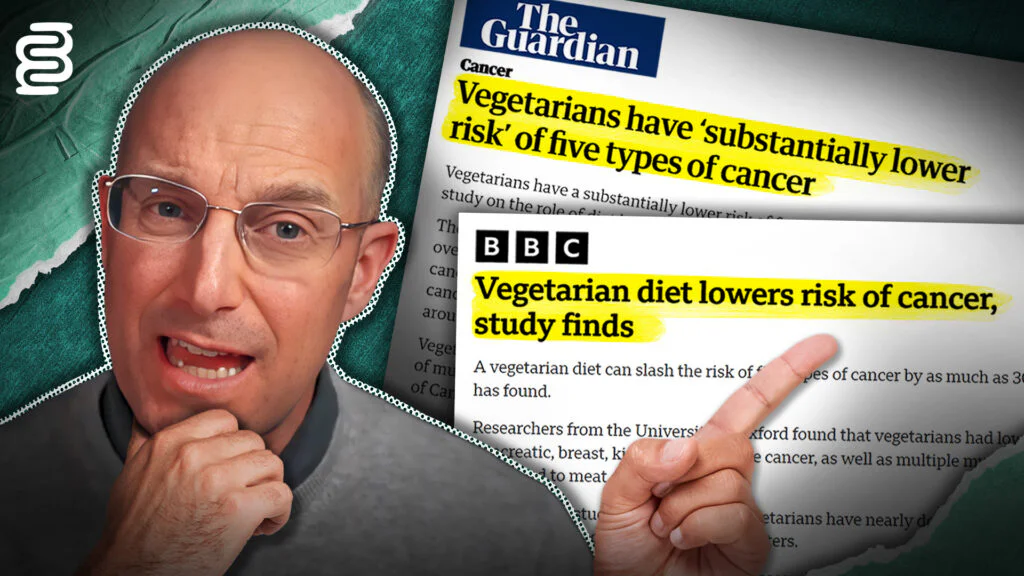
In this episode, Dr. Bret Scher examines two recent studies and highlights key limitations in their observational data, arguing that overall diet quality, calorie intake, lifestyle, and metabolic health may tell us far more than simply labeling meat as “bad” and plants as “good.”
Read more
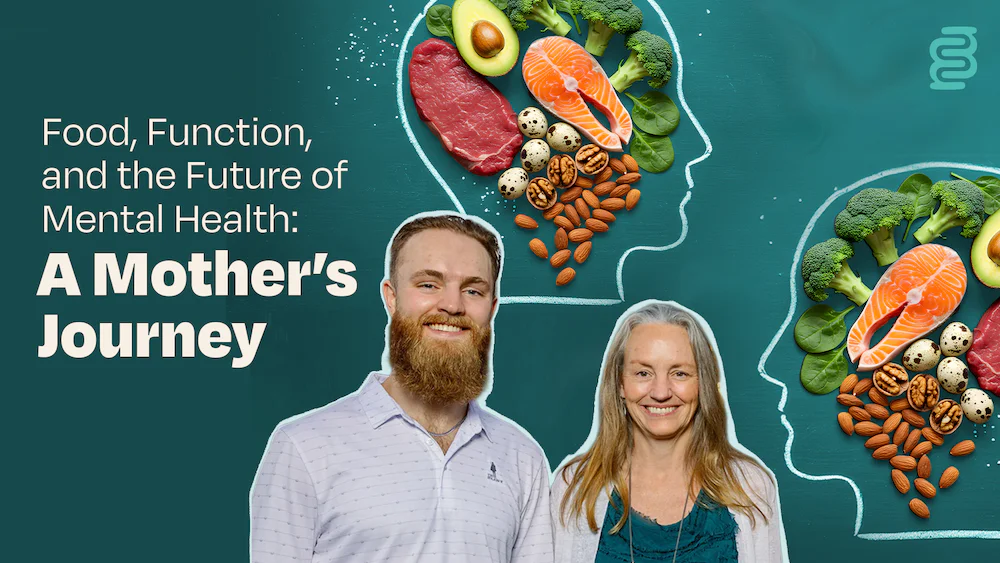
As mental health challenges grow more complex and costly, new solutions are essential. What if one of the most powerful answers isn’t a new drug, but food? What…
Learn more
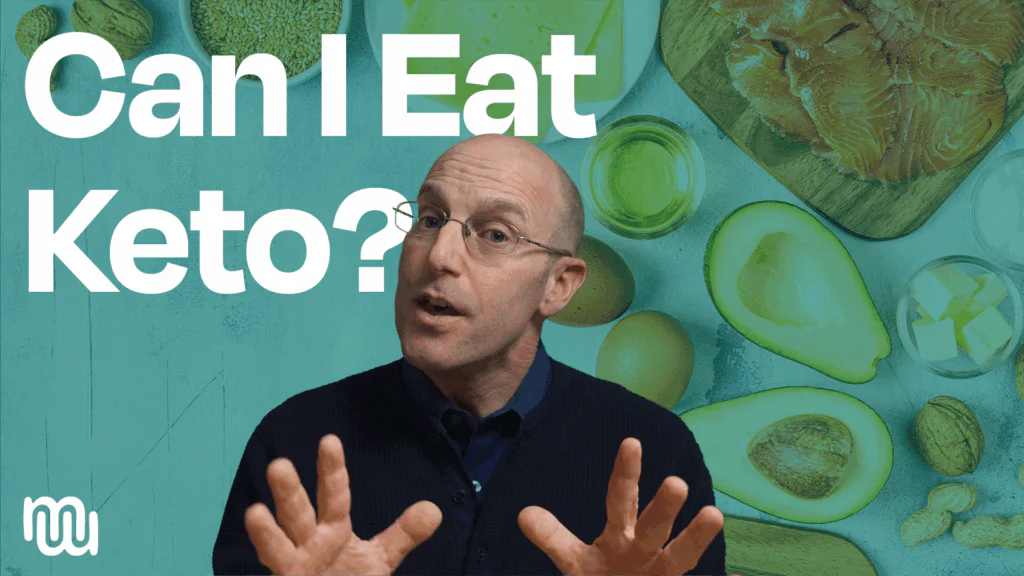
Worried keto isn’t safe with no gallbladder, gout, kidney issues, bariatric surgery, or high LDL? This Metabolic Mind episode explains why ketogenic therapy is often safe—and sometimes beneficial—when supervised: how to ramp fat without a gallbladder, manage early uric-acid changes, balance protein for kidney health, and individualize plans for cholesterol and heart disease.
Learn more

In this episode of The Metabolic Mind Podcast, Dr. Bret Scher speaks with Dr. Sean O’Mara about visceral fat, the metabolically active fat surrounding organs and the heart that may drive inflammation and chronic disease. They cover how visceral and epicardial fat are detected on CT or MRI, why these fat depots are often underreported, and what practical steps may help reduce them, including removing ultra-processed foods, using sprint-based training, improving sleep and stress, and applying a gradual fasting approach. Learn why visceral fat differs from subcutaneous fat and how addressing it may improve metabolic health, cardiovascular risk, and overall healthspan.
Learn more
In this episode, Dr. Bret Scher examines two recent studies and highlights key limitations in their observational data, arguing that overall diet quality, calorie intake, lifestyle, and metabolic health may tell us far more than simply labeling meat as “bad” and plants as “good.”
Read more
As mental health challenges grow more complex and costly, new solutions are essential. What if one of the most powerful answers isn’t a new drug, but food? What…
Learn more
Worried keto isn’t safe with no gallbladder, gout, kidney issues, bariatric surgery, or high LDL? This Metabolic Mind episode explains why ketogenic therapy is often safe—and sometimes beneficial—when supervised: how to ramp fat without a gallbladder, manage early uric-acid changes, balance protein for kidney health, and individualize plans for cholesterol and heart disease.
Learn more
In this episode of The Metabolic Mind Podcast, Dr. Bret Scher speaks with Dr. Sean O’Mara about visceral fat, the metabolically active fat surrounding organs and the heart that may drive inflammation and chronic disease. They cover how visceral and epicardial fat are detected on CT or MRI, why these fat depots are often underreported, and what practical steps may help reduce them, including removing ultra-processed foods, using sprint-based training, improving sleep and stress, and applying a gradual fasting approach. Learn why visceral fat differs from subcutaneous fat and how addressing it may improve metabolic health, cardiovascular risk, and overall healthspan.
Learn more