New Results: First RCT for Schizophrenia & Bipolar Disorder. Learn more.


Listen, Watch & Subscribe on:



Ketosis and Depression: An inspiring personal story from Stanford's Healthcare Innovation Lab.
Listen
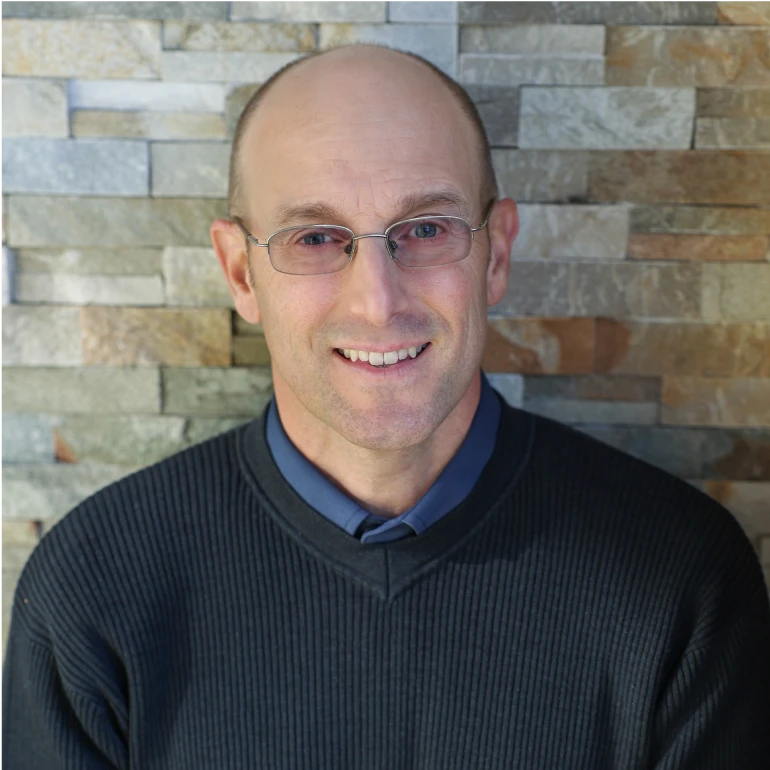
About the host
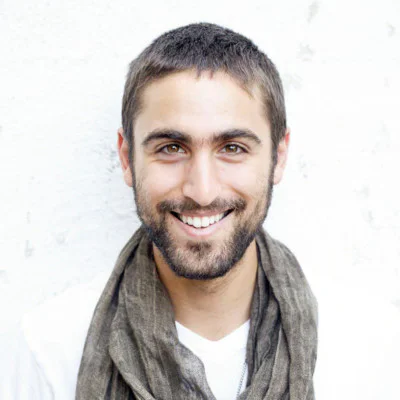
About the guest

Bret:
Welcome to the Metabolic Mind Podcast. I’m your host, Dr. Bret Scher. Metabolic Mind is a nonprofit initiative of Baszucki Group where we’re providing information about the intersection of metabolic health and mental health and metabolic therapies such, as nutritional ketosis as therapies for mental illness.
Thank you for joining us. Although our podcast is for informational purposes only and we aren’t giving medical advice, we hope you will learn from our content and it will help facilitate discussions with your healthcare providers to see if you could benefit from exploring the connection between metabolic and mental health.
Today, we have another dramatic personal story. Ben Rolnik, who’s lived with depression for most of his life, having suicidal thoughts at the age of seven. And just the struggle that he describes of living with depression and never knowing if you’re going to have any energy for the day, or if you’re going to have suicidal thoughts this day.
And how he helped treat himself to the point where he found ketogenic therapy and how ketosis changed everything for him. Where he now, he no longer has to even think if he’s going to have a bad day, or if he’s going to have the energy, or if he can enjoy just the pure pleasure of his 18 month old daughter. That’s gone because now he knows every day he will be able to, and he attributes it it to ketogenic therapy.
And the other part about Ben though, obviously, just any personal story like that is amazing. But Ben is the Director of the Stanford Healthcare Innovation Lab, where they are bridging the gap between technology and medicine and trying to transform healthcare with precision and personalized medicine.
Having had this personal experience, his brain is now thinking, what are the next steps? How do we test and define these phenotypes so we know exactly who’s going to benefit from ketogenic therapy. But also at the same time, he says, look, until we get there, it’s a safe thing. Why wouldn’t people try it?
So, Ben is in such a unique position to bridge the gap of lived experience and thinking about the research, and thinking about how do we help people just like Ben? How do we give them hope, and his life was transformed. How do we transform other lives? So, I hope you enjoy that message from Ben Rolnik.
But first, before we get to the interview, please remember our channel is for informational purposes only. We’re not providing individual or group medical or healthcare advice or establishing a provider patient relationship. Many of the things we talk about, including ketogenic diets or any changes to your medications, can be dangerous if done without proper supervision.
So, please always consult your healthcare provider first before making any significant changes. So with that, I really hope you enjoy this inspiring, and really encouraging interview with Ben.
Ben, thank you so much for joining me today on Metabolic Mind.
Ben:
Thank you so much for having me. I appreciate it.
Bret:
Yeah so, I want to give a little context. We first met because you’re the Director of Healthcare Innovation Lab at Stanford University, working with Dr. Michael Snyder, and we were talking about maybe collaborating on different research ideas.
But then, I hear that you have this amazing personal journey that I think the world should hear about. And fortunately, you were willing to join us today to tell people about your journey. So first, thank you for doing that. And second, where do you want to start about telling us your journey.
Ben:
I got the chills all over my body when you said that and emotional, actually, because I’ve spent so many years suffering, so many years.
And the way that I like to describe it is that, there’s no way to describe that feeling to somebody, that feeling, whatever that feeling really is. And we try to essentially have self-report to find ways to get at those people who are experiencing that feeling.
it really feels like being in hell. And it feels like that the best option is suicide, not enduring it any further. And it is extraordinarily hard to articulate why that is in the moment. But it is such a overwhelming feeling when you’re in that feeling. And I spent many years of my life going in and out of that and trying a lot of things to escape it.
And the way that I like to tell this story is that my mother was never really into like pharmaceutical drugs and like the traditional healthcare system. And for the first, like I would say, 27 years of my life, like the only options that were psychologically available to me were mind-body interventions, like psychotherapy, self-help style work, mindfulness-based work.
And I think that through that time, I really learned how to become functional. We could sit here, and you would never know that I might be dealing with a suicidal depressive episode or something like that. And I could white knuckle my way through having different episodes, but it was like carrying a 500 pound anchor behind me as I walked around.
And yeah, I feel really blessed and fortunate that pain and that suffering inspired me to, first of all, want to get out of it. And then second of all, try to help other people get out of it, too. Because I think that health is really our most important asset. Like I have spent a lot of time around powerful people, wealthy people, famous people, all of that. But when people have all the fame, wealth, whatever in the world, but they’re sick and they’re depressed. What’s the point of all of it? They can’t enjoy it.
Bret:
And yeah, that’s great perspective. Yeah. So gosh, you’ve used such powerful imagery in terms already to give us an insight of how you were feeling. But looking back, what age do you remember feeling this, like weight of depression, as you said?
Ben:
Like one of, one of the earliest memories of this for me was, and it’s a one of those blurry, fuzzy images now. But it was standing in my bathroom at around seven years old with a bottle of Mr. Clean wanting to drink it.
Bret:
Wow.
Ben:
And I don’t remember the feeling then. I just remember that as an episode, and I didn’t do it.
But I’m like, what would drive a 7-year-old to want to do that? I laugh because I have a 16 month old daughter, and I like throw her up in the air and she goes again. And she’s so happy and so cute and all of that. And I’m just like, I’m like it’s always been a fascinating question to me, like what was driving that level of pain?
And so, you could say it started then, and then basically, all the way up until the last few years of my life where I really solved a lot of it. When I really started to go into like biology, and I was able to speak to this expert resource network that I’d found through my time at Stanford.
And with consulting with these deep experts and having a lot of time to go through the literature and just do my own level of biohacking, I made massive progress. And then, much more recently, it’s like turning on the keto fuse was just absolutely curative because I was pretty good like over the last few years.
Meaning again, if I had an episode, I could like white knuckle my way through. Maybe I would just spend a Saturday in bed longer and being like, how do I make it to Sunday? But then Sunday would come around and like things would like recalibrate pretty quickly. I don’t have days like that anymore.
Bret:
Wow.
Ben:
it just, and by the way, I think it’s really important for people to understand that like for who I was in that state, it was hard for me to predict my life in the future. Because I didn’t know, I never knew how I was going to feel a week from now, a month from now. It wasn’t consistency.
And like now, it’s okay. I can fly to a conference in Singapore or to Riyadh or to Dubai, and I’m not even, there’s no thought in my mind that I’m even going to have a bad day. And that was inconceivable to a younger self of mine.
Bret:
Wow. That’s so amazing, so powerful to hear that transformation.
But part of what makes your story so unique is your position, and your access to these experts .And to be involved in health care innovation, and to have this at your disposal and to have the mind to want to research deeply. So, when you said you improved most of it, what were some of the things that you found that you think helped you prior to starting ketosis?
And then we’ll talk more about the ketogenic journey after.
Ben:
yeah, God, so much. so yeah, so, good question. the, way that I break it down now is when I think about suffering and, this is what I was alluding to earlier. There’s lots of ways to define suffering, but it’s if we talked about physical pain, like we don’t really have language for suffering.
So, we could say that I’m depressed or I’m anxious or I feel this or that. But some of these terms are very blurry in terms of what’s actually going on underneath the surface to mechanistically generate that surface-level symptomatic experience. And so, when I think about it, I’m like, okay, so you know, there are two major causes of suffering that I like to simplify in my mind.
There’s psychogenic causes and there’s biogenic causes. And so, when you ask me that question, I’m like, I dealt with all the psychogenic causes. Like I systematically went through everything on the psychogenic side, from past trauma to like cognitive distortions in a CBT sense, to like different types of resourceful ways of thinking and mindset and all of that.
Because we can’t extricate that from, we can’t separate that from what’s going on in the totality of somebody who’s suffering like me, in that case.
Bret:
Yeah.
Ben:
But then, once removing all of that stuff and still seeing that something was still going wrong, then the only thing that was left for me was to realize, okay, there’s some biogenic stuff, too, because like clearly there’s something there.
And in my journey, in particular, what’s interesting is that I actually, like the big turnaround for me there was being diagnosed with ADHD and then getting Adderall. And then finding that, wow, on Adderall, I could really like, those symptoms didn’t quite occur in the same way.
So, in terms of my experience, I made a distinction around the psychogenic causes of my suffering and the biogenic causes. And they get really mixed and intertwined, but you can’t treat biogenic suffering with psychological interventions. Just like you can’t treat biogenic suffering with psychological interventions.
And I think a lot of people, myself included for years, just don’t understand that fundamentally. And if they’re dealing with the types of problems that we’re talking about the ketogenic diet solving, by seeing a therapist to talk about their childhood trauma, they’re never going to get better.
I’m sorry. It’s just not and, I don’t mean that as an insult to those therapists. I actually think that serves a purpose of elevating their consciousness and making them wiser, more effective human beings. But if it’s around that feeling that they’re trying to resolve or cure, yeah, it’s not about psychological trauma. It’s about their biology.
And this is something that like I feel very passionate about because I feel like I spend over 20 years in my life trying to solve a biogenic problem, biogenic suffering with psychological interventions. And they were very effective to some extent, but they never got to like the root cause. And it’s just if I could’ve told my younger self this, it would’ve, I don’t know it, it would’ve changed my life trajectory.
I would’ve suffered way less. So, I was telling you a bit about what I discovered on the biogenic side. So, Adderall was one of the first like psychopharmaceuticals that I really, you know, took that I found incredible kind of relief from, Adderall is an incredibly powerful, molecule, but it also, I call it like a devil’s bargain.
And there’s a lot that people don’t know about Adderall. Like for example, I think there was a research article that I read that basically showed like an eight X increase in the incidents of Parkinson’s and neurodegenerative disorders from long-term Adderall users.
And in my own mind, it makes sense. First of all, the way that you’re diagnosed and prescribed an amphetamine in this country is like shockingly simple. I’ve asked the adult Harvard ADHD scale to hundreds of people. I’ve not met one person that doesn’t qualify for an Adderall prescription here in the US. And so it’s not a very sharp instrument to get into what’s really causing, you to essentially need that medication.
And then, essentially, who really needs it in the first place, blah, blah, blah. But then on another side, it’s also like ravaging your dopamine system and your dopamine neurons. And it’s who I was on Adderall was like, it was incredibly powerful for some of those feelings and like making me like operational and productive despite what was going on, I guess cerebrally.
But I couldn’t match the pace of my wife, for example, like in a relationship basis. I think that this is like actually a great study that someone should do, but seeing how many divorces occur when people go on stimulants.
They end up getting out of resonance with their partners because you know they’re going a hundred miles per hour, and they’ll say they’re going slower. And it’s a complicated dynamic there, but their partner is seeing them like just differently, like it just, they change a little bit.
Bret:
Yeah. So it’s interesting. Adderall clearly had a pretty profound effect on you, but not without concerns, but still with episodes of depression. It sounds like it didn’t completely eliminate your episodes of depression. And so what, I think, what eventually led you to seek out ketosis as another treatment?
Ben:
And, by the way, I don’t want to say, oh, it was just Adderall. I also experimented with SSRIs, and like other different types of interventions. And it’s like everything had its place within the ecosystem. And I’m a huge fan of medications and molecules.
I think humans have done incredible bringing these things to life. Essentially what happened was like, how, do I put it? Like I got off Adderall, I weaned off, which is hard in and of itself, that’s a whole separate conversation that we could talk about.
But then I went into more of the biohacking way. And I had a very deep functional strategy for myself with targeted concentrated nutrients and different like supplemental molecules to help stimulate pathways.
So, like you have, for example, like your L-tyrosine for essentially a production of dopamine and stimulating that with P5P. You know what, there’s a whole deep literature and rabbit hole on that. And the thing is that I got a lot better, like on a functional day-to-day basis, like I was operating at a much, much higher level than I had been previously.
But under episodes of deep stress, and this is where all the pieces start to make a lot more sense. It’s like what happens? Okay, like diet changes. I could end up eating more. It’s a lot easier in our world to eat carbs, like carbs are basically all of our like CPG-style foods. It’s like easier for me to spoon up some like oatmeal that, you know, like I poured hot water into, than it is for me to make a salad and a keto meal and filet of fish and saute it. It’s just, especially when I’m a busy person doing all of this stuff.
And so, I think that like looking back and a lot of this is fascinating because I’ll get in a minute to like even a deeper rabbit hole that I went down for my specific genotype. That to me was like almost confirmatory around why I should be on the ketogenic diet.
Which like, again, if I had known younger, I would’ve experimented with it. I would’ve said to myself, oh my God, this is why I have these up days, and I have these down days. And I’m like not understanding why because I’m thinking to myself, I’m eating healthy.
It’s look like I know that apples don’t really make me feel good, but oranges and bananas and like other things like great. Why not? Let me just load them up because everyone says that these are healthy foods, right? So, I think that there was a lot of that in there where it’s like you combine like high stress, high demand ,and also like having a wife and a newborn baby ,and it all hit a crisis peak for me where I was like, I do not want to be the father for my child who has off days.
Bret:
Yeah.
Ben:
Do you know, I can’t afford that. I could do that as a single guy. I could do that even with a wife. But like with a daughter, she’s not going to understand that I need to take off at 6:00 PM and just close the curtains. Or like during the weekend, I need a serious recovery break like she’s only going to understand, I’m not there.
I’m not available. Daddy doesn’t love me. And then, it’s heartbreaking for me, too.
Bret:
That is heartbreaking.
Ben:
And yeah, and so I was like, I can’t. Like I was determined for my daughter, and for me, too. But she was good motivation. But yeah, like really determined for my daughter to not be that anymore.
Bret:
I love that imagery of you throwing her up in the air and catching her. You don’t want to miss that. That’s like key to happiness in life.
Ben:
And Bret, it’s just I can’t. There are people that are, that might listen to this, that never experience the feeling that I’m talking about.
And they never experienced it on such a variable schedule where they were like, I have no idea what’s wrong with me. Like why is this happening? I feel like I’m doing everything right, and then this will come out of nowhere. And it won’t even come out based on a bad event. It’ll just happen. I’ll be like happy. And then all of a sudden, it’s just like, why am I waking up feeling like I have no energy and that I can’t get out of bed? And it’s just a slog to get through the day.
And I can’t think my brain is foggy. I can’t remember anything. And it just felt like everything was offline. And I was like, it’s not because my life is bad, like it’s not any of that. And I knew enough that it was biological, and I developed a thesis for myself that any feeling that I ever have must necessarily be a hundred percent biological.
It must be because it’s a neurochemical event. Something is happening in my brain to generate me feeling like that. And so, if I could figure out the root cause mechanism and I could attack that mechanism, then I could solve my problem. And so that’s what it became about. But again, I tried a bunch of different things and I was like, these are helping.
But they’re not getting there. And then basically, it hit like kind of a crisis point where I had a lot of stress on my plate. \There was also family stress, too, where it’s just like I had more responsibilities for my daughter, Lela, and my wife was going through stuff ,and then it was like I couldn’t handle it. It was just too much.
And I was like, I need to do something. I need to take another deep stab at this. And that’s actually where I found and read, actually it was during the time of collaborating with you guys and starting that conversation. Because we started I think probably met about a year ago or so.
And like, I knew that you were doing this research, and I knew ketogenic diets were really interesting. And then, basically, I heard about Chris Palmer’s book, Brain Energy. And I was like, let’s tie all these pieces together and let me just go for this, and just see if this does it for me.
And sure enough, like I go keto my first week, I’m like, whoa. I’m like, wait, what? I’m like, this is amazing.
Bret:
Yeah. That quick. That dramatic, huh?
Ben:
Oh, that dramatic. Yeah, exactly. It was like I remember okay, it’s like cutting out the carbs. I forgot the days of the week, but let’s just say it was a Monday, very hard.
Like Monday, Tuesday, maybe part of Wednesday, I’m like struggling. I took a full sick week because, like I didn’t try to power through. I was just like, I’m in a bad state. I need to just, I need to go down and recover here. And I’m like, okay. So, Monday, Tuesday, I’m like, this is going to be horrible.
I’m going to need four weeks. Maybe I need to quit my job? Like maybe I need to rearrange my whole life, yeah. Because I was like, I need to do, so I was like, I cannot live like this for the rest of my life. And I can’t show up like that for my daughter and my family. And then basically, on Wednesday-ish, there’s like this turnaround event where it’s just I pop opened. It’s like the lights came on.
Yeah, and I remember going a little bit slow from that point, being like I’m not going to crank it up too far. But I’m going to like, this is a real signal. And then, I started exercising again that week. And like I hadn’t wanted to exercise for a while because, to me it was like, it was a variable event.
I was like, I’m going to spend energy, and then am I going to get it back the next day? Am I going to feel better? Am I going to feel worse? So, it felt too risky sometimes to have a habitual exercise habit. And then I was like, okay, I’m exercising. That feels great. And then, I just got stronger and stronger and stronger.
And the only kind of bad days that I’ve had, I can directly link to like some carbs that I ate. It’s like, that clear of a signal, even to the point that like, at first my wife was like, let me feed you this carb. Oh, you don’t, like come on, please eat this.
Oh, we’re all eating it. It’s so great. To the point where she was like, you are never eating carbs again.
Bret:
Even she could tell the direct correlation. Yeah. She’s like, oh no. Cutting you off.
Ben:
Really, yeah really. Because it’s that profound. Because like I would tell her, the next day afterwards, I’m like waking up in the morning going, I don’t have energy.
Or like, Lila’s waking up us up at 3:00 AM. And instead of me being able to pop up with energy, and it’s the easiest way to describe it. This word, energy, language in all of this is very important. Again, we don’t have great language to describe the phenomenal, logical, subjective experience that someone has that are going through states that I’m describing.
Before and after keto or with whatever problems I’ve had. But it feels like energy. It feels like now Lila can wake me up at 3:00 AM, I’m ready to go. I’m not like zombie and like thinking like, how do I survive this?
And then worried about the next day. It just doesn’t happen like that anymore. And it also fixed my gut, too. I used to have IBS. Without being too graphic, like I didn’t had solid dodos for like years. It was just became a part of life. It’s like, who has solid doodoos? I just go. And then, it’s wow. That got fixed, too. And yeah. And a lot of stuff, and I think I told you this kind of going into it, that like one of the things that I discovered for myself going down this rabbit hole, because I’m very fascinated. And I think that there’s a lot of kind of work in terms of like personalization in all commercially available genotyping that actually sets thresholds.
Personalized thresholds from everything from like clinical blood lab values to expectations of, you know, maybe things that could explain your symptoms better than any type of clinical blood labs that we have today can explain. And when I went down the rabbit hole, because I’m an APOE4 dual carrier, and Peter Attia talks a lot about this.
I heard him mention that APOE4 people spike a lot, and they spike in like an unusual way to glucose. And I started like investigating this a little bit more about the relationship between APOE4 and insulin resistance. And what I discovered was totally mind blowing.
And like when I went deeper into my genotype, I was just like, whoa, there’s a major smoking gun here that had I known, just as an experimental biohacker when I was younger, I would’ve for sure been like, maybe I should try keto and my entire life would be different?
Bret:
Yeah, did you ever test yourself for insulin resistance?
Because that’s also something that we just don’t do enough of in medicine. We follow fasting blood sugar, hemoglobin A1C, but that just doesn’t even hardly scratch the surface for insulin resistance. So, you like to meddle, you like to test, you like to tinker. So, did you get into that?
Ben:
Yes, you’re giving me the chills all over my body because the big discovery that I made for myself. And when I went into the literature is that cerebral insulin resistance and peripheral insulin resistance are actually not fully correlated. Meaning, you can have cerebral insulin resistance without peripheral insulin resistance.
And so that means that all of those fasting glucose tests that I did and hemoglobin A1C tests that I did, and like I was tested for that, there was no signal there.
Bret:
How about fasting insulin or HOMA-IR? Did you check those?
Ben:
I don’t know if I took that.
Bret:
Yeah.
Ben:
Yeah. Would that have picked it up, you think?
Bret: It might have, so, this disconnect probably has to do with we need more sensitive testing or may have to do with needing more sensitive testing. Because hemoglobin A1C and fasting glucose will catch it, but way late. Like when insulin resistance has been going on for years or even decades in some cases.
Yeah, so part of it is a new paradigm in how we measure and test. Yeah.
Ben:
Yeah, you give me the chills because when I went into the pathophysiology of Alzheimer’s disease, which my genotype is 8 to 12x more likely to develop, it actually is fully relating to cerebral insulin resistance, especially in the hippocampus.
And what blew my mind was that there was one study in particular that showed individuals with that genotype as early as 20 years old, are starting to display the same levels of cerebral insulin resistance as someone with full on Alzheimer’s dementia later in life.
Bret:
At 20 years old.
Ben:
And I was just 20. So, they’re dealing with that for decades before it turns into dementia. And I would complain to my mom, and I would basically be like, why am I losing my memory? What is going on? I can’t remember things the same way anymore. My brain is really foggy and like everyone would just say nah, nah.
It’s is normal, or and I’m like, I’m pretty sure this is not normal. Like my brain is not holding onto things. It’s not grasping things. And I’m like, whoa, I don’t have the hard data on that. But it is to me, like the surest smoking gun and like a hypothesis that is certainly worth exploring much more deeply.
Bret:
Yeah. So, let’s update us though. You talked about when you started a ketogenic diet.
Ben:
Yeah.
Bret:
And how after day three, it was such a dramatic change. How long has it been, and what else has changed or stayed the same?
Ben:
Yeah, thanks. It’s been roughly about six months or so, and what I can say is that it’s like everything is different.
Everything is fundamentally different. And you know what I mean by that is that it’s like my ability to maintain a constant level of high performance is just there. it’s just dialed in. It’s locked in. I don’t drop down. I don’t have bad days. I don’t have waking up at 3:00 AM and like feeling like I’m not going to make it throughout the rest of the day because, it’s just like that stuff is gone.
Even to the point where like I remember, a year ago or so. It’s like the thought on a Saturday of going and taking Lila to the park, and doing fun stuff with her. It was like, what were my choices to like spend time with my daughter or to like rest and recover? And my choice would vacillate between the two.
But like in my mind I was like, I need to rest and recover. Whereas now, that doesn’t exist for me. And I would say the hardest part for me now is, and this is I think probably a really fascinating thing for anyone who’s getting onto this diet is dealing with carb addiction.
Because now I’m an addict, and I have to deal with my addiction to carbs because I know how I react. Like I’ve proven it to myself, what goes on when I overload on carbs. But the thing is, that doesn’t mean that when I look at the pumpkin pie or I’m stressed out or I haven’t slept that much the night before, I don’t, my brain doesn’t scream at me to go eat that those types of foods.
Bret:
Okay. So it, so the cravings and the draw has decreased.
Ben:
Oh, significantly. Yeah. I would say that I manage cravings extremely well. But I do want to make a statement to it that, it’s like that AA adage that like, once you’re an addict, you’re always an addict.
And it’s, I will tell you, hopefully today and for the rest of my life, I’m a sugar addict. I’m a carb addict. I don’t eat them right now, but I am addicted. And the thing is, that if I don’t keep that in front of me. ,Then I probably would make choices that today that would make me feel horrible tomorrow. And then it becomes actually a vicious cycle.
Because then the worse I feel, the more I actually want to eat carbs. It’s a dirty trick in my mind. I don’t know if that’s the same for others, but yeah.
Bret:
That’s such a powerful realization. To have that insight is just so powerful in helping you stay in control. And so, looking back over the past 20 years and the way you felt and the way you’ve cycled, did you ever think you would get to the point where you didn’t have to think about depression or worry about depression?
Did you ever think that would be your life?
Ben:
Not really.
Bret:
Yeah.
Ben:
I definitely visualized it, and prayed for it and hoped for it.
Bret:
Yeah.
Ben:
But my day-to-day reality could not prove to me over a long enough span of time that it was actually possible that I’d truly figured it out.
Bret:
Yeah.
Ben:
And there was a stack that I was on, I would say a year ago or so, that I did think was that. And the thing is that, and it was incredibly healing and incredibly powerful for me, but it wasn’t this, because like I think now at this point, I’m fundamentally convinced that based on my genotype, like I do much better on a ketogenic diet over time.
And I don’t really understand the science well enough now to understand. Like eventually do I go back and I can introduce carbs and not have symptoms? But where I’m at now, I’m like, I would very happily spend the rest of my life fully like eliminating carbs and sugars because the way I feel on the other side of it is just so much more worth it.
Yeah. I get a full life back, like full vitality back.
Bret:
That’s so great to hear.
Ben:
And the work you guys do. The work that you guys do is so important. Oh my God, how many people are being mistreated and misdiagnosed that are like me that just need an intervention like this that would radically change their life?
And instead, they’re going to be put on all the wrong drugs for maybe decades. And they’re going to get worse problems because of that. it’s tragic. It’s really tragic.
Bret:
So, let’s bring your worlds together here, right? We’ve heard your amazing story. But now related to your job, right? Precision medicine, improving healthcare through personalized precision medicine. How do you see a ketogenic intervention fitting in?
And where should we start?
Ben:
So, it’s a really good question. And obviously, we’re asking this question together right now as organizations. And the simple answer is, I don’t know today. What I think, what I hypothesize is that we’re going to discover subtypes. That if we know that you’re one of those subtypes when you’re six months old, we’re going to have a completely different lifestyle recommendation to you than we do to normal kids.
Like your parents will know, they’ll understand. They’re not going to give you kind of corn flakes in the morning, and feed you porridge. It’ll be guiding your entire life as you get older. And then, I think for the people that, you know, are currently in treatment right now for whatever they happen to be in treatment for, and I think this is part of the really mind blowing concept of this. That the way that Chris Palmer describes it is that, it’s like you don’t call like influenza, COVID, pneumonia, whatever.
Runny nose disease, like sore throat disease and like cough disease. You look at what is the root cause of those symptoms, and you treat the root cause. And for so many mental health disorders, we’re not treating the root cause. We’re just basically saying, oh, you have runny nose disease, let’s just treat your runny nose disease.
That endophenotype is continuing unscathed. And I think that’s what we’re discovering. We’re discovering those endophenotypes. We’re really getting to that place of precision medicine and precision care. And so I think that, I think, we’re definitely going to discover those. We’ll for sure discover like those subtypes to the point that if you are one of them, we’re going to say to you, okay, this is exactly what you do.
You’re going to be cured, wipe our hands clean. Now it’s easy, hallelujah. That’s an easy case. The challenge will be having people like get on a diet like this and stick on the, stick to the diet and deal with their addiction. That’s a whole separate story that will also have to figure out because that also requires another way of looking at some of these data and what they need.
And then I think that we’re going to also discover a lot of really fascinating edge cases. And I think that, it’s hard to know right now what those are because part of what makes Mike Snyder’s approach at Stanford and his whole longitudinal multi-baseline profiling shtick. Just so powerful is that there are certain questions that you can’t answer today if you didn’t gather this exquisitely deep data over the last year or two years, three years.
It’s not just about gathering a bunch of deep data. What we’ve learned is that you also have to gather the right data with the right types of annotations, the right types of connection points. So, that when you look back a year from now, you’re not asking yourself like, what is that signal right there?
And you’re, you have no way to analyze it for the level of precision and specificity and subtlety that we really want to deliver, like true personalized healthcare. So, I think that’s what we have the opportunity to do, to really see what are the deep end of phenotypes that generate the symptoms, that this as a treatment addresses.
And then, how do you essentially create the full, just cornucopia of subtypes, so to speak, that might require like one or two or three additional things within their stack, within their treatment protocols that address the totality of their symptoms? So that they get to wake up tomorrow feeling amazing, like having a great life and not worrying about episodes and symptoms and all this stuff that gets in the way.
Bret:
It’s a, it’s a great vision. It’s a fantastic vision, and that’s why I think part of what makes your story so special, not just the amazing personal journey, but having the thought process and the possibility to then take it to the next level and say, this happened to me.
How can I help other people have the same? And how can we identify them? At the same time, having to come up with strategies to not eat your daughter’s mac and cheese or pizza or whatever’s laying around. You’ve got to bring it all together. and so far. you’re finding a way, and I appreciate you sharing that with us.
Ben:
We’re all pioneering this way. I think that the biggest thing that I recognize is that no one should have to suffer like I did. It’s just not necessary. There’s just, there’s no purpose to it. It’s not a good thing. It’s not ideal. And I think that now at this point, it’s like when my endophenotype is really well characterized and known, than anyone who’s kind of like me, it’s this is what they need to do.
And there’s not guesswork about it. We’re not like wondering and scratching our heads. It’s not like you need to go see three specialists, and they all have different opinions. It’s like there’s one ground fundamental truth that we can discover to help people.
Bret:
Yeah.
Ben:
And to me that’s, it’s not that far away. Like I think that, we’re getting close to that place and I think that the people that are struggling today need to know that there’s hope. There really is and to that point, it’s even if what they’re going through right now is hell, and they cannot see a way out of it beyond suicide because they’re just like so overwhelmed by the level of their suffering, and a lack of a positive foreseeable future.
That they’re going to get out of that mindset like that, they will be able to be taken out of that and be back in this heavenly world that we have. And it can happen that fast, too, when they find the right combination of things in the right treatment. And I think what we’re talking about here with keto is incredibly safe.
Like we’re not talking about anything that you know is seriously dangerous. And it’s accessible to anyone today. Doesn’t cost a ton of money. In fact, it could actually end up costing you less money when you do it right?
Bret:
Yeah.
Ben:
And it just has all of the pros. There’s no reason not to have it on the list as like first line protocol.
Bret:
That’s a wonderful vision too, right? It’d be great to phenotype everybody and know exactly who’s going to benefit. But in the meantime, why wouldn’t you try it? Because exactly like you said, I think you summed it up so well, yeah.
Ben:
Yeah. There’s probably performance benefits, too. Like you hear performance athletes that kind of experiment with diets like this.
Bret:
Yeah.
Ben:
And so, it’s it goes beyond just the concept of curing disease and issues and illnesses. But I’m grateful. Look, if it wasn’t for the work that you guys are doing, like I probably wouldn’t have done this. I myself.
Bret:
Oh, you’re giving me chills.
Ben:
Really, it’s so important. I have so much respect for what your entire team and Jan had done, and the pioneering spirit on that, because I’ve been in this world of philanthropy at Stanford, now for a number of years. And philanthropists are really angels on earth.
I don’t, they don’t get nearly enough credit for the work that they do because it’s look, we give a lot of like credit to venture capitalists. Like they scale the business. They became a billionaire, and it’s ooh, it gets our greed thing going.
But the reality is that, like we wouldn’t be sitting here having this conversation. We wouldn’t be progressing the science. We wouldn’t actually be getting to the answers that, fast forward 25 years time from now when my daughter is at school with all of her friends and somebody suffering, like they get a direct answer immediately that cures them.
That doesn’t just mortgage their symptoms and their pain for later, and that’s because of the work that you’re doing. That’s because you guys decided that you’re going to invest your hard earned money in solving this problem and investigating it further, not knowing what’s going to come out of it.
I just think that it takes so much courage, and it’s like a thankless job for in so many ways. Because the people that you help are going to have no idea in a lot of ways that you were the cause of them being helped. But it is, I’m so grateful for you. Like really on the end, yeah, thank you.
Look, I have a life back because of this.
Bret:
Yeah, and that’s the message. That’s what we want people to hear. You have a life back because of this, and others can, too. So, thank you, tremendously. Thank you for sharing your journey, for sharing your message of hope, for helping us trying to connect the dots with the science, the genotype, the phenotype, and just wanting to feel better.
We’ll direct people to your Twitter and your X account at BenRolnik. And great, we look forward to hearing more from you.
Ben:
Hey, great. Yeah, thank you so much. This was fun.
Bret:
Thanks, Ben.
Thanks for listening to the Metabolic Mind Podcast. If you found this episode helpful, please leave a rating and comment as we’d love to hear from you.
And please click the subscribe button so you won’t miss any of our future episodes. And you can see full video episodes on our YouTube page at Metabolic Mind. Lastly, if you know someone who may benefit from this information, please share it as our goal is to spread this information to help as many people as possible.
Thanks again for listening, and we’ll see you here next time at The Metabolic Mind Podcast.
Listen, Watch & Subscribe on:
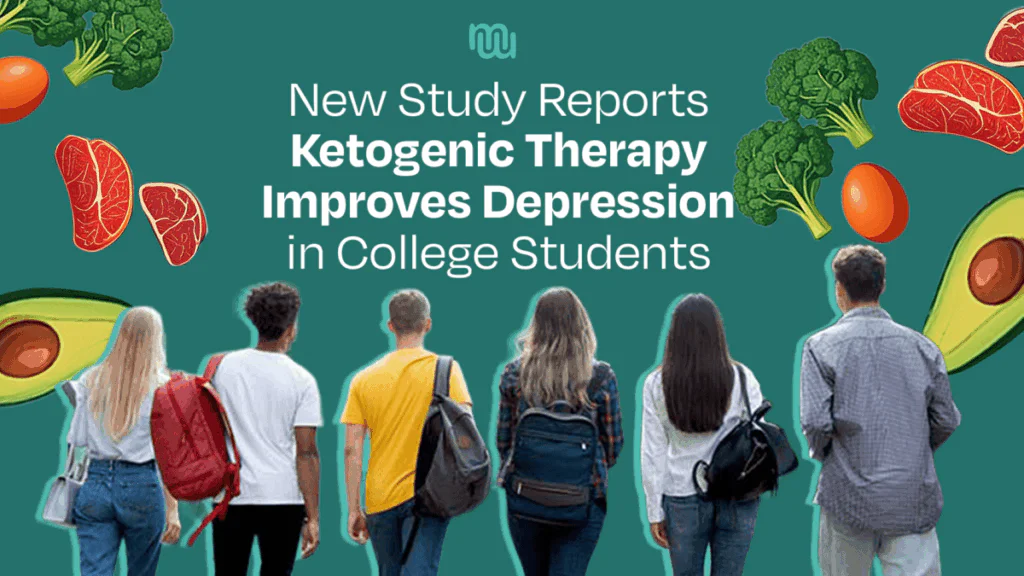
College can be a time of rapid growth, but also intense pressure. For many young people, college is the first time they are setting out on their own….
Read more
Psychologist-researcher Erin Bellamy explains how ketogenic therapy can improve depressive symptoms using a personalized, stepwise path from low carb to ketosis. She details timelines, depression subtypes, and safe coordination with clinicians, plus her new support service at IKRT.org for data-driven metabolic mental health.
Learn more
Swiss clinician–scientist Timur Liwinski is running a 10-week randomized controlled trial testing a medical ketogenic diet for major depression, tracking HAM-D scores alongside metagenomic microbiome changes. With structured nutrition counseling and pragmatic design, the study probes whether species-appropriate, low-carb eating can outperform standard care in metabolic psychiatry.
Learn more
Is it really treatment-resistant depression or are we using the wrong treatments? In this episode, Dr. Bret Scher is joined by psychiatrist Dr. Georgia Ede to examine a new large, population-based analysis on the use of antipsychotics versus third-line antidepressants in people diagnosed with treatment-resistant depression, and what effect that has on suicide risk.
Learn more
College can be a time of rapid growth, but also intense pressure. For many young people, college is the first time they are setting out on their own….
Read more
Psychologist-researcher Erin Bellamy explains how ketogenic therapy can improve depressive symptoms using a personalized, stepwise path from low carb to ketosis. She details timelines, depression subtypes, and safe coordination with clinicians, plus her new support service at IKRT.org for data-driven metabolic mental health.
Learn more
Swiss clinician–scientist Timur Liwinski is running a 10-week randomized controlled trial testing a medical ketogenic diet for major depression, tracking HAM-D scores alongside metagenomic microbiome changes. With structured nutrition counseling and pragmatic design, the study probes whether species-appropriate, low-carb eating can outperform standard care in metabolic psychiatry.
Learn more
Is it really treatment-resistant depression or are we using the wrong treatments? In this episode, Dr. Bret Scher is joined by psychiatrist Dr. Georgia Ede to examine a new large, population-based analysis on the use of antipsychotics versus third-line antidepressants in people diagnosed with treatment-resistant depression, and what effect that has on suicide risk.
Learn more