New Results: First RCT for Schizophrenia & Bipolar Disorder. Learn more.


Listen, Watch & Subscribe on:



Fish Oil Linked to Alzheimer’s in New Study: Cause for Concern?
Listen
About the host


Bret:
Omega-3 supplements are good for our brains, right? That’s been the message for years. This is Metabolic Mind Bitesize. I’m Dr. Bret Scher. But a new study’s suggesting the opposite, that omega-3 supplements may actually accelerate cognitive decline in older adults, especially those with Alzheimer’s disease.
Now, before you throw out your fish oil or conclude that everything you thought you knew about Omega-3s was wrong, let’s talk about what this study actually shows because the details here matter. And as a cardiologist, I think the real story is more nuanced and more actionable than the headline suggests.
Researchers used the ADNI database, which is one of the most comprehensive Alzheimer’s research databases in the world. They matched 273 omega-3 supplement users with 546 non-users and looked at them over five years basically. Now, across three separate cognitive measures, the omega-3 users showed faster decline in their cognition.
Now, that’s a generally concerning signal, and it deserves to be taken seriously, right? But in science, context is everything, and this study has some critical limitations that change how we should interpret these findings. So, it’s actually a pretty weak study that maybe we can’t conclude all that much.
But in a study like this, there are a number of issues. So one, you could say was this just reverse causation, meaning those experiencing more decline maybe had some more urgency to try something and so added the fish oil. Now, they tried to control for that. So, it’s possible, but less likely because they tried to control.
But interestingly, one methodological issue seems to rise maybe above the others in the discussions surrounding this paper, and the authors actually acknowledge it. See, the researchers only asked participants whether they were taking omega-3 supplements. That’s it. Not what brand, not what dose, not for how long, not how often, and not whether the bottle was sitting in a warm cabinet for six months before using it. Not if they were eating fish or anything about their dietary quality, for that matter.
So, you can see there are some huge holes about what they’re eating, what they’re doing, how they’re living that they just did not collect. So, I would contend those are pretty important. But studies have shown that a significant percentage of commercially available Omega-3s or fish oil supplements are already oxidized before they’re even opened. And some research suggests the majority of products on store shelves don’t even meet their own label claims for omega-3 content.
Many show meaningful levels of oxidation at the point of purchase. Rancid fish oil is clearly not the same as high quality DHA and EPA. They’re chemically different products with potentially very different biological effects, and this is what the authors explore as a potential mechanism. So, consuming oxidized lipids does not give you the benefits of Omega-3s and may cause harm.
Now, this study has no way of telling us which these participants were actually consuming, were those Omega-3s rancid or not. So, it doesn’t prove the fish oil was the cause. It’s a question worth asking, but one that the authors want to explore but have no data for. But here’s another point. Again, like I said, they only looked at supplements.
They did not assess dietary Omega-3 intake from whole food sources: salmon, sardines, mackerel, herring, or other fatty fish. And that matters because the observational data on dietary fish tells a consistently different story. Most studies show that people who regularly eat fatty fish as part of an overall high quality diet have better cognitive outcomes as they age.
The brain likely benefits from these Omega-3s. At least, that’s what the literature seems to suggest when they come from food, not supplements. Supplements and whole foods are not interchangeable. The nutrient matrix in a piece of wild salmon is not the same as a soft gel capsule with unclear quality or freshness, et cetera.
So, we should stop treating them as if they are the same. And another hole in the data is, we have to ask, were those supplementing maybe eating less fish, and therefore, they felt the need to supplement? Or did they have a less healthy diet that they were hoping to overcome with supplementation?
We don’t have the data. So, we can’t answer those questions, which just points to the weakness of this study. And interestingly, the authors proposed the biological mechanism for why the supplement group saw more rapid decline, and again, it’s hypothesis, but I gotta say, it’s interesting nonetheless.
So, they suggest the oxidative stress can link to the cognitive decline. So DHA, the primary omega-3 fatty acid in the brain, is highly vulnerable to oxidation. As an unsaturated lipid, it’s susceptible to oxidative damage. So, when DHA becomes oxidized, the breakdown products can actually impair mitochondrial membrane integrity.
Mitochondria, the powerhouse of the cell. It can disrupt the oxidative phosphorylation, the energy transformation. And paradoxically, can worsen the brain energy metabolism that DHA is supposed to support. So, it can create a self-reinforcing cycle of oxidative stress that kind of worsens synaptic and neuron function over time.
As I mentioned, the study doesn’t adequately test that mechanism. But it’s an interesting hypothesis that’s certainly worth investigating, but not a conclusion we can draw. All right. And lastly, like I said, this study was about Alzheimer’s disease. So, we have to wonder if a general cognitive health data apply all the same.
Again, interesting question. All right. So, I know it’s frustrating to go through a study and say, it doesn’t talk about this. It doesn’t talk about this. It doesn’t talk about this, but that’s important to point out. But how do we wrap it all up, and what can we take away from this? It won’t be a surprise that my first take home is prioritize whole food sources.
Fatty fish eaten regularly as part of an overall whole foods, high quality diet. That has the strongest, most consistent evidence behind it for brain health. So, start there. And remember, when it comes to cognitive decline, nutrition is only one part of the lifestyle program. Physical activity, engaging social activities, adequate stress, and brain stimulation are crucial for brain health as we age.
And I had a really good interview with Dr. Tommy Wood, who I really respect, about his book, The Stimulated Mind. So, I suggest you check that out for more insight. He goes into a lot of detail. And when it comes to supplements, if one chooses to supplement, quality and freshness probably matter more than most people realize.
I tell my patients to look for products that are third-party tested for oxidation levels and that it actually meets the claims for EPA and DHA. And once you have them, store them properly. Away from heat. Away from light, all that kind of stuff. And of course, pay attention to expiration dates. But remember, no supplement overcomes poor foundation.
You cannot supplement your way out of a bad diet and an unhealthy lifestyle. Whole foods, adequate protein, healthy fats from quality sources, consistent physical activity, restorative sleep, stress management, meaningful social connections, that’s the foundation that no pill can replace. So, what do you think?
Have you used fish oil supplements? Do you have a favorite brand that checks all the boxes for safety, and honesty, about what they have? So, let us know. And if this was helpful, please like and subscribe. So, thank you for watching. I’m Dr. Bret Scher. For more evidence-based content on brain health and metabolic medicine, you can visit us at metabolicmind.org. And we’ll see you here next time at Metabolic Mind, a non-profit initiative of Baszucki Group.
Listen, Watch & Subscribe on:
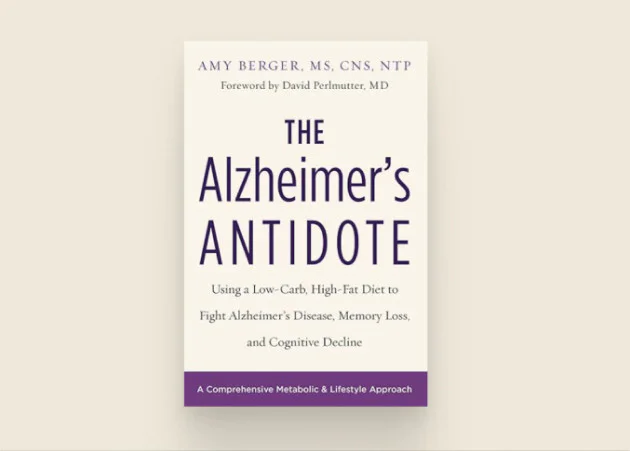
Amy Berger’s research shows that Alzheimer’s results from a fuel shortage in the brain.
Read more
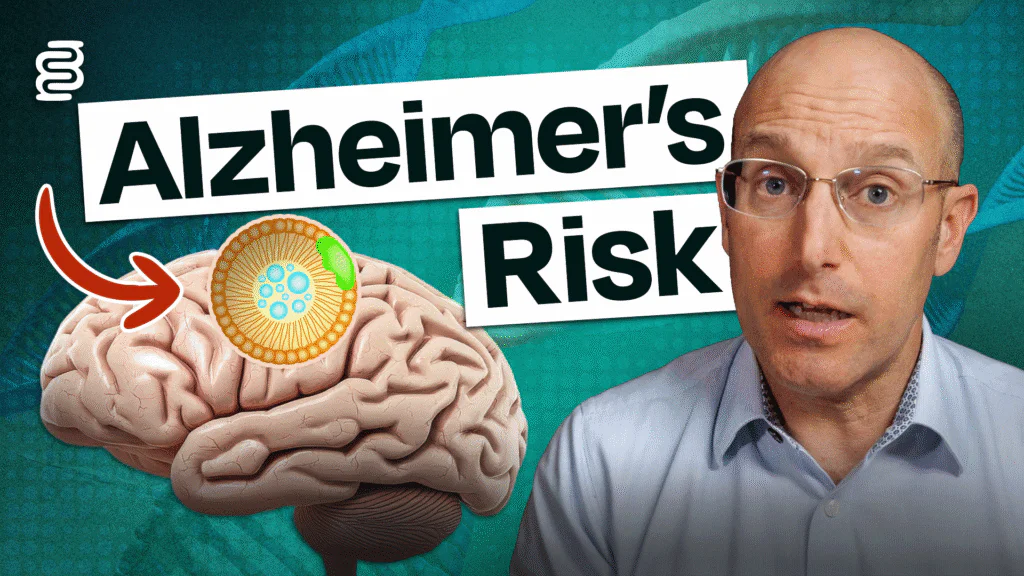
On this episode, Dr. Bret Scher explores what the latest research says about ApoE4, diet, and dementia risk. Despite longstanding recommendations for ApoE4 carriers to limit red meat, emerging data challenges that assumption and raises new questions about how nutrition, metabolic health, and lifestyle may interact with genetic risk for Alzheimer’s disease.
Learn more
How Ketosis, Metabolism, and Timing Could Shape Your Brain’s Future Right now, nearly 55 million people around the world are living with dementia. In the U.S., Alzheimer’s disease…
Learn more
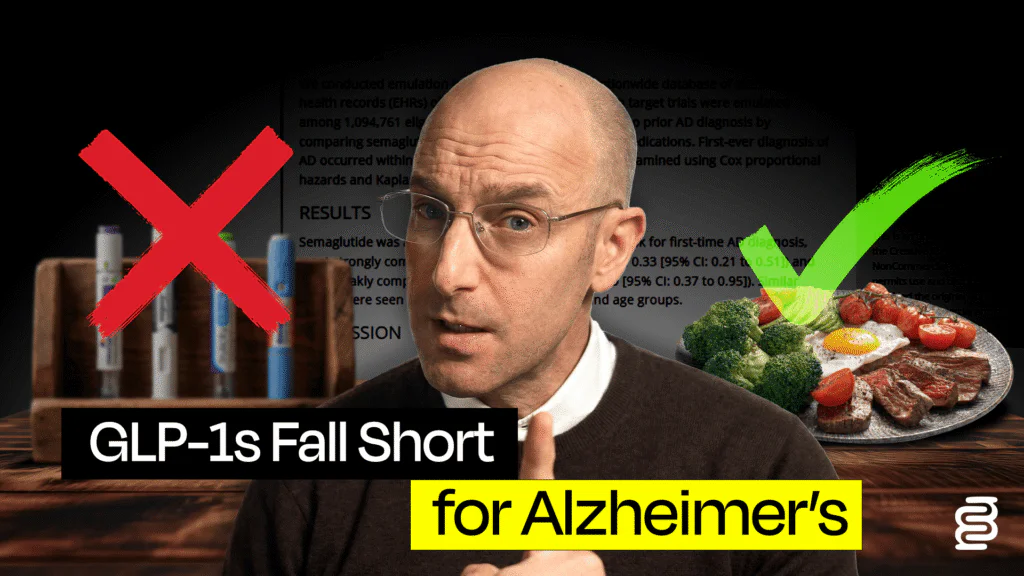
A new clinical trial reveals semaglutide does not improve cognition in Alzheimer’s disease, challenging earlier observational findings. This highlights the complexity of dementia and suggests metabolic improvements from drugs alone may not be enough. Emerging research points to ketogenic therapy as a promising approach, offering the brain an alternative fuel source when glucose metabolism is impaired.
Learn more
Amy Berger’s research shows that Alzheimer’s results from a fuel shortage in the brain.
Read more
On this episode, Dr. Bret Scher explores what the latest research says about ApoE4, diet, and dementia risk. Despite longstanding recommendations for ApoE4 carriers to limit red meat, emerging data challenges that assumption and raises new questions about how nutrition, metabolic health, and lifestyle may interact with genetic risk for Alzheimer’s disease.
Learn more
How Ketosis, Metabolism, and Timing Could Shape Your Brain’s Future Right now, nearly 55 million people around the world are living with dementia. In the U.S., Alzheimer’s disease…
Learn more
A new clinical trial reveals semaglutide does not improve cognition in Alzheimer’s disease, challenging earlier observational findings. This highlights the complexity of dementia and suggests metabolic improvements from drugs alone may not be enough. Emerging research points to ketogenic therapy as a promising approach, offering the brain an alternative fuel source when glucose metabolism is impaired.
Learn more