Announcing the new McLean Center for Metabolic Psychiatry Learn more.


Listen, Watch & Subscribe on:



Dr. Explains: It’s Not the Fat, It’s Not the Processing, It’s THIS
Listen
About the host


Bret:
This is Metabolic Mind Bitesize. I’m Dr. Bret Scher. Every day, you sit down and need to decide what are you going to eat. And hopefully, you’re thinking about, “What’s good for me? What’s better for my health?” And there’s lots of conflicting messages about what is healthy and what’s not healthy, right?
But when it comes down to it, I think there’s probably really one clear decision that we can make that will improve our health. For me, the number one priority is eliminating or reducing refined and processed carbohydrates. So, let’s talk about what they are, what they do to your body, why they matter, and how cutting back can really transform your metabolic health.
So, let’s face it, we live in a time when chronic disease is skyrocketing. Obesity, diabetes, fatty liver, mental illnesses, and heart disease are affecting more people than ever before. But what do all these diseases have in common? At their core, they’re all impacted by poor metabolic health. But metabolic health isn’t just about calories or willpower as we’re often told.
Instead, the types of food we eat, especially the type of carbohydrates, can be a key contributor to our metabolic health crisis all the discussions about. Limiting ultra-processed foods and potentially removing the cap on saturated fats, they’re important discussions to have because all these types of foods impact our health in various ways. But perhaps the most important is limiting refined and ultra-processed carbohydrates.
So, refined carbohydrates include foods made from white or whole wheat flour. Also, sugars and starches and syrups. Things like bread and pasta and cereals, snack bars, granola bars, desserts, even ones that are labeled as heart-healthy, which is a complete abuse of the labeling process if you ask me. But that’s another story.
But here’s the key. These aren’t real foods anymore. They’ve been stripped. They’ve been stripped their fibers and their minerals and their nutrients. And they leave behind this rapidly digested starch that enters the bloodstream real quick and causes the blood glucose to rise rapidly, much more quickly than we would see with whole foods.
And your body responds. It responds by pumping out insulin. Insulin’s the hormone that helps more of the glucose get into the cells. And when blood sugar rises quickly, the body responds with a spike of insulin that can often send the blood sugar on this rollercoaster, dropping too low, which makes us shaky and hunger and anxious, leads you to overconsume even more calories.
So, that’s not about willpower anymore, right? That’s about your biology going awry all from the processed carbohydrates, that rapid absorption. And even worse, when this happens again and again over time all day long, the insulin levels stay high and the body becomes resistant to it, leading to insulin resistance.
That’s when serious metabolic dysfunction begins. Your body can no longer efficiently use glucose or fat for that matter for energy. So, it stores more of it instead. And the result is weight gain and hunger, fatigue, inflammation, and all these things, and eventually, diseases like type 2 diabetes, heart disease, fatty liver, and probably even mental illness.
So again, it’s not about counting calories. It’s not about white-knuckle willpower. It’s about your biochemistry. So, when insulin is chronically elevated, your metabolism becomes stuck in the storage mode. You can’t burn your stored fat, and you convert the excess glucose to even more fat, which eventually is stored around your liver and other organs as visceral fat.
We had a full episode on visceral fat. It was Dr. Sean O’Mara, which I encourage you to check out if you’re interested to learn more. But reducing refined carbohydrates is one of the most effective ways to bring insulin back down, helping you on your path to improve metabolic health and allowing your body to start burning fat for fuel again, the foundation of a healthy metabolism really.
And many lines of data back this up. Trials comparing low-carbohydrate and low-fat diets show that cutting refined carbohydrates leads to better blood sugar, higher HDL cholesterol, lower triglycerides, improved body composition, and other health benefits. And other studies show reducing sugar-sweetened beverages or refined grains can lower the risk of insulin resistance and non-alcoholic fatty liver disease.
And other studies demonstrate that eating higher amounts of carbohydrates are associated with developing heart disease much more than even eating saturated fat, the supposed nutrition devil, right? But there’s even more. Refined carbohydrates also demonstrate biologically addictive properties. They can trigger dopamine receptors in the brain, the same reward chemical activated by illegal drugs and other addictive substances, and this creates a short burst of pleasure followed by a crash in cravings.
So, it’s not just the direct effects they have on your metabolic health. It’s also about the tendency to greatly overeat due to the addictive properties. Again, hijacking the willpower. It’s all about the chemistry. But here’s the catch. It’s not exactly new that we shouldn’t eat high-carb processed junk food, right?
We know that. But the problem is when we promote a low-fat, high-carb diet hoping that we will avoid the refined carbs. Unfortunately, many people following this diet find themselves hungry with real cravings, leading them right back to the refined carbs. So, what should we eat instead? If we focus on real, whole foods across the spectrum, it helps.
Meats, poultry, fish, eggs, dairy, legumes, soy, nuts, seeds, and non-starchy vegetables. Getting adequate protein and not fearing natural fats from whole foods is a proven path to reducing carbs as well as reducing hunger and cravings and improving metabolic health. these foods digest more slowly.
They keep the blood sugar steady. They improve satiety, meaning you’ll stay full longer and, and naturally eat less. And for people who already have insulin resistance, an even lower carbohydrate approach, such as a ketogenic diet, can be especially powerful for restoring metabolic health and restoring metabolic flexibility.
So, the sobering truth is nearly 93% of American adults already show signs of some form of metabolic dysfunction. But the good news is, it’s reversible. Reducing refined carbohydrates doesn’t have to be about deprivation. Instead, it’s about taking control of your biology, stabilizing your energy, and protecting your long-term health and doing so by eating tasty, satisfying whole foods.
So, if you want a simple science-based way to start improving your health, consider cutting back on refined carbs and build your meals around real, whole, nutrient-dense foods. It’s one small change that can make an enormous difference for your metabolism, your energy, and your future. ,So hopefully this message is helpful.
We know dietary changes can be challenging. But if this was helpful, please like and subscribe. And please leave us a comment about what dietary approach helped you improve your metabolic and mental health. Thank you for watching. I’m Dr. Bret Scher. We will see you here next time at Metabolic Mind, a non-profit initiative of Baszucki Group.
Listen, Watch & Subscribe on:
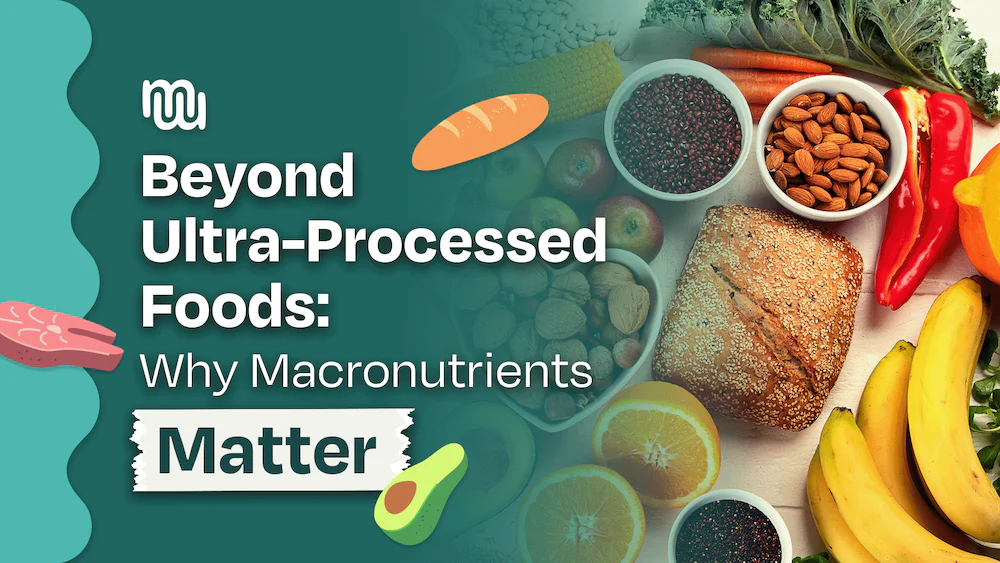
The question of whether most ultra-processed foods are metabolically harmful is no longer up for debate. This food category, which includes some of the most obvious dietary offenders…
Read more
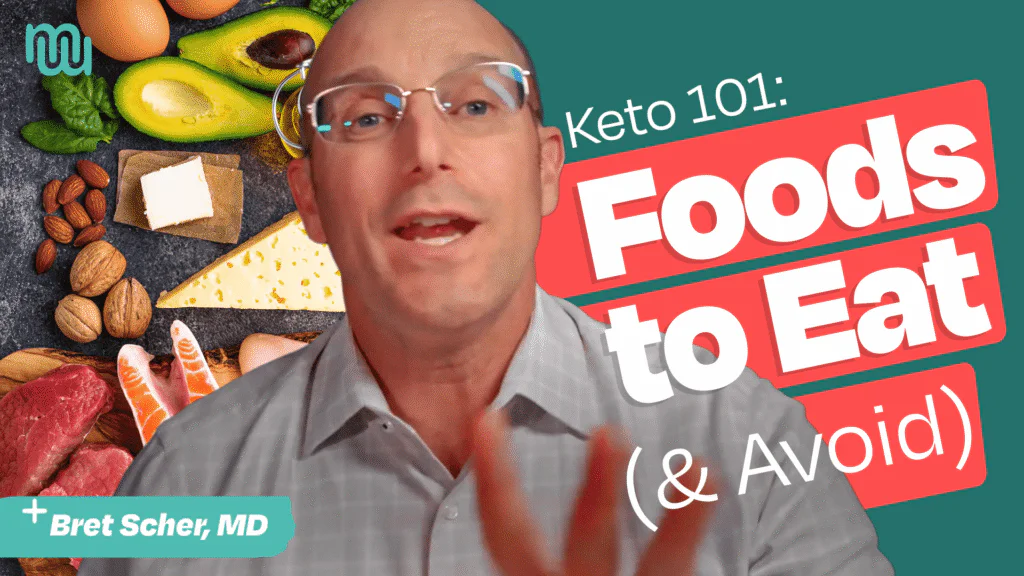
Dr. Bret Scher walks beginners through the practical basics of starting a ketogenic diet, covering which foods to eat and avoid, sample meal ideas, and keto-friendly snacks. He explains why he prefers describing foods as "compatible" with ketosis rather than strictly "keto" or "not keto," and emphasizes that lifestyle factors like sleep and stress also play a role in achieving and maintaining ketosis.
Learn more

Read the full New York Post article here! Desperate for answers, Matthew’s parents — Roblox co-founder David Baszucki and novelist Jan Ellison — turned to Dr. Chris Palmer,…
Learn more
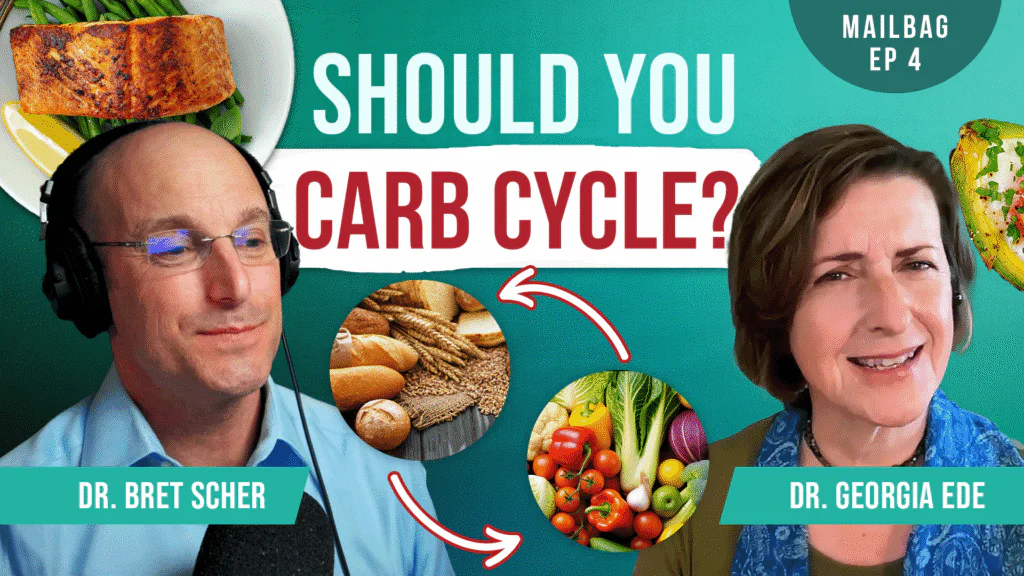
Learn how to build a healthy ketogenic diet with the best fat sources, avoid common keto mistakes, and understand the role of supplements, alcohol, and carb cycling. This expert Q&A explains how whole foods support brain and metabolic health, why processed keto products can be harmful, and how to troubleshoot issues like anxiety on keto.
Learn more
The question of whether most ultra-processed foods are metabolically harmful is no longer up for debate. This food category, which includes some of the most obvious dietary offenders…
Read more
Dr. Bret Scher walks beginners through the practical basics of starting a ketogenic diet, covering which foods to eat and avoid, sample meal ideas, and keto-friendly snacks. He explains why he prefers describing foods as "compatible" with ketosis rather than strictly "keto" or "not keto," and emphasizes that lifestyle factors like sleep and stress also play a role in achieving and maintaining ketosis.
Learn more
Read the full New York Post article here! Desperate for answers, Matthew’s parents — Roblox co-founder David Baszucki and novelist Jan Ellison — turned to Dr. Chris Palmer,…
Learn more
Learn how to build a healthy ketogenic diet with the best fat sources, avoid common keto mistakes, and understand the role of supplements, alcohol, and carb cycling. This expert Q&A explains how whole foods support brain and metabolic health, why processed keto products can be harmful, and how to troubleshoot issues like anxiety on keto.
Learn more