New Results: First RCT for Schizophrenia & Bipolar Disorder. Learn more.


Listen, Watch & Subscribe on:



Dr. Dom D'Agostino on Why Metabolic Health Matters for the Brain
Listen
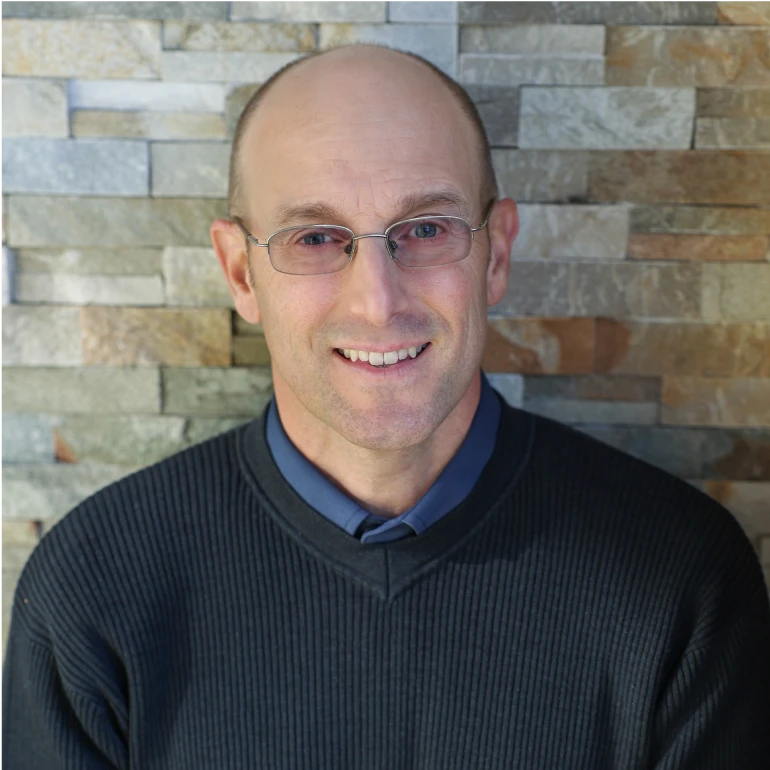
About the host
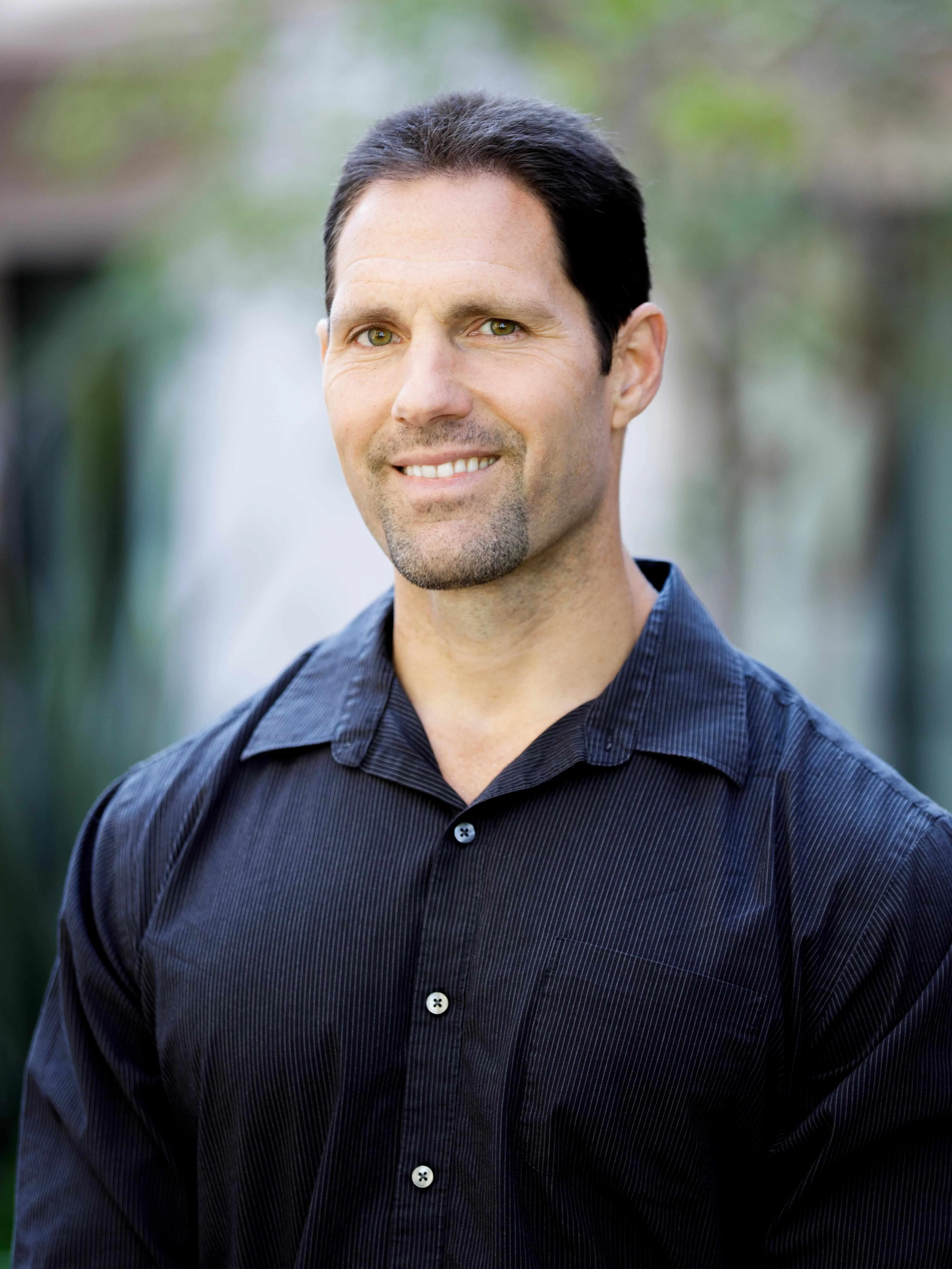
About the guest

Dominic:
We want to convey this idea that metabolic health is the foundation for a healthy physiology. And that healthy physiology is intimately tied to our brain health. So, whatever is healthy for the heart is healthy for the brain
Bret:
Welcome to the Metabolic Mind Podcast. I’m your host, Dr. Bret Scher. Metabolic Mind is a non-profit initiative of Baszucki Group, where we’re providing information about the intersection of metabolic health and mental health and metabolic therapies, such as nutritional ketosis as therapies for mental illness.
Thank you for joining us. Although our podcast is for informational purposes only and we aren’t giving medical advice, we hope you will learn from our content and it will help facilitate discussions with your healthcare providers to see if you could benefit from exploring the connection between metabolic and mental health.
Please remember that our channel is for informational purposes only. We’re not providing individual or group medical or healthcare advice or establishing a provider-patient relationship. Many of the interventions we discuss can have potentially dangerous effects if done without proper supervision.
Consult your healthcare provider before changing your lifestyle or medications. In addition, it’s important to note that people may respond differently to ketosis, and there isn’t one recognized universal response
Dr. Dom, thanks so much for joining me.
Dominic:
Great to be here.
Bret:
Yeah.
Dominic:
Good to see you, Bret.
Bret:
Yeah. So, here we are at CoSci 2025. And we kicked it off last night with the screening of The Cholesterol Code. So, I just wanted to get your overall opinion after watching it. What’d you think of the documentary?
Dominic:
I was blown away by the message and just everything about it. The videography, the content, and I think it resonated across many different domains. Not just clinical management of a disease process, but I think just for the general population. I think it was then very generalizable, even above and beyond the lean mass hyper-responder.
Bret:
Yeah. And I think that’s a great point.
Dominic:
Yeah.
Bret:
You could say the lean mass hyper-responder was center stage, but there was so much more about it.
Dominic:
Yeah.
Bret:
One of which was this whole role of citizen scientists, which is like why we’re here at this CoSci conference is this idea that science can start with the individual and the N-of-1 science. But you are a researcher.
Dominic:
Yeah.
Bret:
You’ve done hundreds, if not thousands, of trials where you go to the IRB, and you have the study design, and you follow your patients or your lab subjects.
How do you compare that research to this N-of-1 citizen science? Like, how do you just make sense of it all as a researcher?
Dominic:
Yeah. Both are incredibly informative, and I think both are also very actionable. And I think the N-of-1 science really resonates with the average person because there are tools out there.
There are, especially now with wearable devices like CGMs, and personalized data, being able to go out and get your own labs and things like that. And everyone is a unique metabolic entity when it comes to their dietary response and their physiological changes that accompany a dietary response so they’re going to have different.
And even diet affects not only our metabolic physiology, but our brain neuropharmacology, and it affects our wellbeing. And the diet, different dietary interventions, may not be for some people. And I think there’s biomarkers that we can track that would help course-correct and guide us to optimal metabolic interventions with dietary.
And I think I’m also excited with the possibility of using diet and drug combinations. I don’t think one cannot necessarily replace the other. And also the use of various nutritional supplements, as you know we research.
Bret:
Yeah. So, I remember back in my medical school training, we were basically taught, randomized control trials is what we’re looking for to change clinical practice and really not pay much attention to the N-of-1, the anecdotal reports.
Now, you have an important role of teaching medical students.
Dominic:
Yeah.
Bret:
So, how do you phrase that with them?
Dominic:
The RCTs historically are the gold standard, but there’s a lot of heterogeneity within randomized controlled trials.
And I think that with emerging technologies and different potential for different biomarkers, I think we have the opportunity to learn from an RCT. Take the general message, and then see if it applies to us based upon our N-of-1 dietary interventions and monitoring and our own blood work.
Bret:
Yeah.
Dominic:
So, I think people really do need to take control and own their own health destiny. And I think as you showed very eloquently in your talk, that metabolic health was the ultimate predictor for cardiovascular health and not your LDL number or status. So I think that’s an important message that we do not really teach in medical school that we need to be.
Bret:
Yeah.
Dominic:
So, that’s what I was telling you. I would love to get your presentation that you just gave to the medical students.
Bret:
That’d be great.
Dominic:
And also this Cholesterol Code movie would, I think it’s an important message that they all need to hear.
Bret:
And thank you for saying that.
Dominic:
Yeah.
Bret:
I think it would be great for medical students to learn more about that. Now again, as your role as an educator and your just extensive research with ketone supplements, what are you teaching your medical students about the potential role for ketone supplements in health in general or in specific disease conditions?
Dominic:
Yeah. I would say I loosely add that to some of the talks that I give because ketone supplementation, there are over 100 clinical trials now in progress and a number, a few randomized controlled trials on cardiovascular health, on brain health and things like that. But the science is still ongoing, but we do have a lot of science on ketogenic metabolic therapies or the ketogenic diet.
I think there’s at least five randomized controlled trials on this therapy. So for nutrition, which we do have a mandatory nutrition course at USF College of Medicine. We do everything from dietary guidelines, which is, I don’t teach that, but that’s taught. We have talks on GLP-1s and also nutritional protocols with GLP-1s. We have talks on bariatric surgery and how one would nutritionally navigate what to eat with bariatric surgery.
Bret:
Yeah.
Dominic: So, we hit all the buckets, but I am as very passionate about the use of carbohydrate restriction and ketogenic metabolic therapies for, obviously, epilepsy and seizure. But also I gave a talk on the cancer as a metabolic disease.
Bret: Yeah.
Dominic: So, using ketogenic metabolic therapies as an adjuvant approach to brain cancer, so which people do have seizures, but as a way using dietary therapies to further augment the therapeutic efficacy of the standard of care for oncology. And I think that’s important, especially as we know these dietary therapies, ketogenic diets, can augment the adaptive immune system to, for example, make checkpoint inhibitors. The PD-1 inhibitors have a more robust immune response to that.
So, this is an emerging field. So, I present the data on that and just show the students where I think the science is going and where I think the science is very important.
Bret: Yeah, so you use the word emerging field, and I think that sums it up well. That there’s definitely evidence, but not the quality of evidence yet that a lot of clinicians or educators look for. So, do you get any pushback that maybe you’re ahead of the curve a little too much, or teaching things that maybe aren’t quite ready for primetime?
Dominic: Yeah, I think what I try to convey is that metabolic health should be like the ultimate priority.
Bret: Yeah.
Dominic:
And the way to achieve that is a combination of nutrition, is probably the biggest lever, and then you have other lifestyle things, like exercise. And that these things, like within our nutrition course, we have Fitness Rx, which is a student-derived USF-certified course or program where the students are interested in the various five pillars of health.
So, we have talks on that. And I think that the whole basis behind us even having nutrition as a mandatory course, and even these offshoots like Fitness Rx, is it came from the bottom up. Being on a curriculum development committee, it wasn’t super favorable to get nutrition into the medical school curriculum because it’s not on the USMLE. But the students wanted it. And then, the faculty convinced the faculty that this should be something that the students should learn about.
And even like nutritional management and how to manage nutrition with different drug interventions, not just the GLP-1s, but what we eat affects drug metabolism. And also, various drugs can impact our nutritional status. For example, our vitamin B12 levels or different Coenzyme Q10, if you’re on like a statin or something like that.
So I think like there’s just a need for that information.
Bret:
Yeah. Now you’ve got your own podcast and YouTube channel doing interviews.
Dominic:
Yeah.
Bret:
And what are some of the things you really want to explore in that channel that to help educate people about?
Dominic:
Yeah. I think we interview a lot of people from the metabolic psychiatry community because we see that as like the vision that’s an emerging, rapidly developing field.
Bret:
Yeah.
Dominic:
And it also applies not just for bipolar schizophrenia and depression, but I think everybody knows someone who has psychiatric illness. And then, across the spectrum, you just have just anxiety.
I think most students struggle with anxiety at some point.
Bret:
Yeah.
Dominic:
So there, it has a very broad interest. And we want to convey this idea that metabolic health is the foundation for a healthy physiology, and that healthy physiology is intimately tied to our brain health. So, whatever is healthy for the heart is healthy for the brain, I think. We at least teach that in our medical school. But I think to take it one step further, that we need to prioritize that through a various modalities. And I think low-carb nutrition is one of them as is exercise. But we also, we do not from our podcast perspective, we try to bring out people that may not always be already out there as an influencer but fresh perspectives.
Like the scientist who just stays in the lab who has not done a podcast yet.
Bret:
Yeah.
Dominic:
We like to recruit them onto there, that have an important message. And I think, I just know, as you know probably too, there’s just so many brilliant PhDs and MDs out there in the trenches doing work that really don’t have a voice.
So, we try to find those people, and then bring them onto the podcast to share. And then, we also host, debates between people. The next debate will be about fructose.
Bret:
Oh, interesting.
Dominic:
This week so we’ll be debating a well-known influencer. And then, an academic expert in the field. And then, seeing how that goes too.
Bret:
Yeah.
Dominic:
Because it’s an issue where there’s a lot of controversy, and we just want some clarity behind the issues that people want important answers to.
Bret:
Yeah. And that one is so important because you can, you look up fructose and you’re going to see fructose is the cause of type 2 diabetes and metabolic dysfunction.
Dominic:
Yeah.
Bret:
And then, you’re going to say, see fructose in natural fruit is completely harmless and have as much as you want.
Dominic:
Absolutely, yeah.
Bret:
So, how does somebody know which one to believe? But then, if you see this debate that you’re going to have, if you can come to some sort of a consensus or pros and cons that could really helpful. I think that there’s a need for that.
Dominic:
And I’m navigating the literature on that from the RCTs to that, and it is very interesting, and I think it has major implications.
Bret:
Yeah.
Dominic:
So, yeah. So, we try to take on controversial subjects, and we try to bring in fresh perspectives that can help enlighten people to the world of metabolic therapies.
And that could be diet, it could be supplement, it could be a drug.
Bret:
Yeah.
Dominic:
So, yeah.
Bret:
And where can people find that? Where?
Dominic:
That would be the Metabolic Link Podcast.
Bret:
Metabolic Link.
Dominic:
And you could get to that through YouTube, or you can go to the Metabolic Health Initiative, which we have an ACCME-accredited platform that has educational content.
Bret:
Yeah.
Dominic:
You can email us too if you want to, if you have a suggestion of this, because a lot of the content that we put out actually comes from suggestions
Bret:
Oh, that’s great.
Dominic:
From social media or people tell us, “Why aren’t you studying this or that?”
Bret:
Yeah.
Dominic:
So yeah, so we get a lot of suggestions, and we try to follow up on that.
Bret:
Yeah. Your commitment to education with both with Metabolic Link and your work at Metabolic Health Initiative is just so evident and so important. So, thank you. Keep up.
Dominic:
Thank you.
Bret:
Keep educating. Keep researching. Keep teaching the world. So, thank you so much.
Dominic:
Appreciate it. Thank you, Bret.
Bret:
Yeah.
Thanks for listening to the Metabolic Mind Podcast. If you found this episode helpful, please leave a rating and comment as we’d love to hear from you. And please click the subscribe button so you won’t miss any of our future episodes. And you can see full video episodes on our YouTube page at Metabolic Mind.
Lastly, if you know someone who may benefit from this information, please share it as our goal is to spread this information to help as many people as possible. Thanks again for listening, and we’ll see you here next time at the Metabolic Mind Podcast
Listen, Watch & Subscribe on:
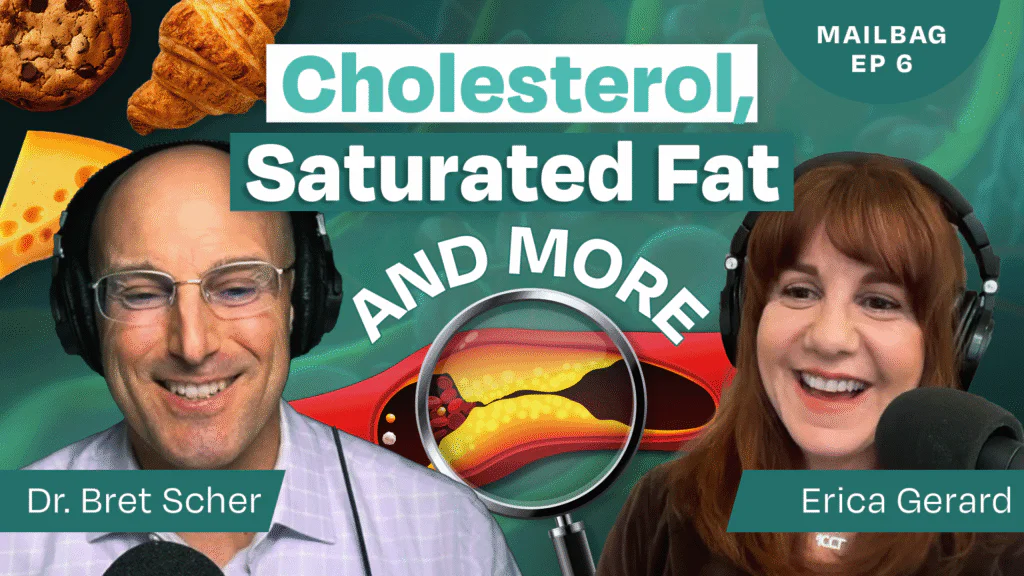
In this Metabolic Mind mailbag episode, Dr. Bret Scher answers common questions about cholesterol on keto, saturated fat, CRP inflammation, gluconeogenesis, and affordable ways to track ketosis. Learn how to interpret LDL changes in context, whether you can do keto without animal fat, what high CRP really means, and when ketone testing matters for metabolic and mental health.
Read more
A cautious, and nuanced editorial about elevated LDL cholesterol while on a keto diet. Read more here!
Learn more
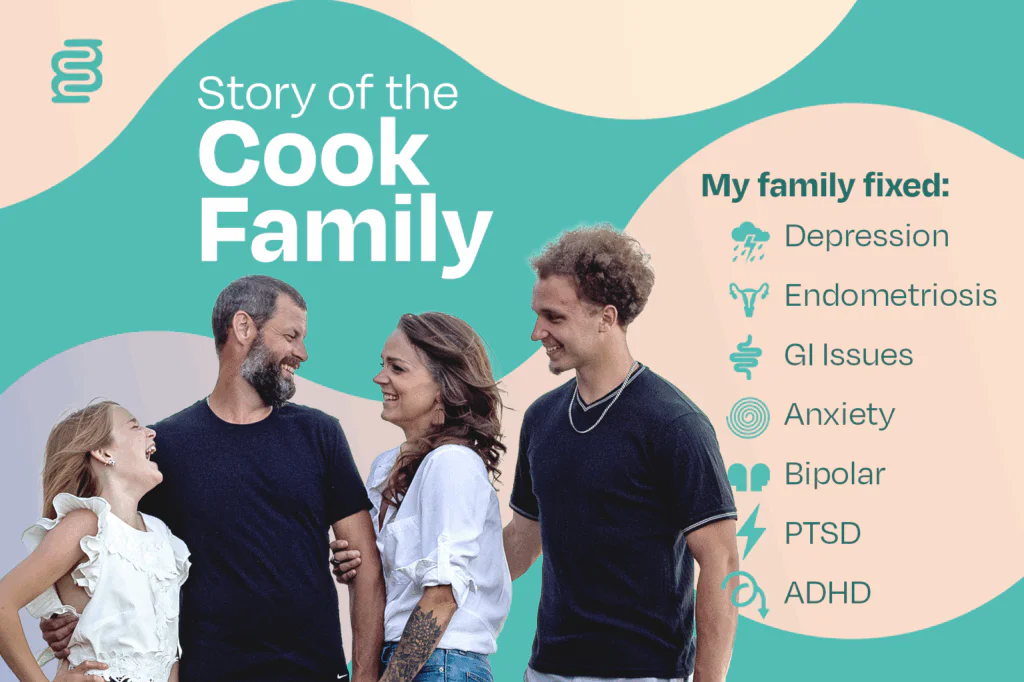
Chronic illness doesn’t just affect individuals; it reshapes entire families. In the United States alone, more than half of adults live with at least one chronic condition [*]….
Learn more
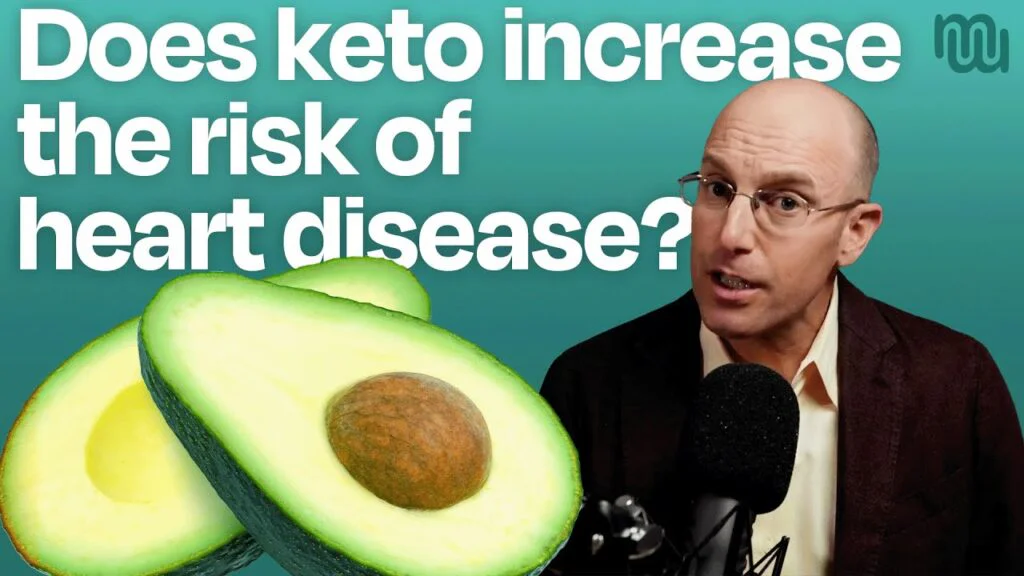
In this Metabolic Mind episode, Dr. Bret Scher breaks down whether nutritional ketosis increases cardiovascular risk and explains why common claims about keto and heart disease are not supported by evidence. He clarifies that no clinical trials have ever shown ketogenic diets to increase heart attacks or strokes, and that the observational studies often cited against keto do not involve people in nutritional ketosis and are plagued by poor data and healthy-user bias. Dr. Scher also discusses how LDL cholesterol should not be interpreted in isolation, why full metabolic health markers matter more, and what current research reveals about lean mass hyper-responders who experience large LDL increases on keto. This episode offers a clear, science-based look at how to assess cardiac risk while using nutritional ketosis therapeutically for metabolic, neurological, or psychiatric conditions.
Learn more
In this Metabolic Mind mailbag episode, Dr. Bret Scher answers common questions about cholesterol on keto, saturated fat, CRP inflammation, gluconeogenesis, and affordable ways to track ketosis. Learn how to interpret LDL changes in context, whether you can do keto without animal fat, what high CRP really means, and when ketone testing matters for metabolic and mental health.
Read more
A cautious, and nuanced editorial about elevated LDL cholesterol while on a keto diet. Read more here!
Learn more
Chronic illness doesn’t just affect individuals; it reshapes entire families. In the United States alone, more than half of adults live with at least one chronic condition [*]….
Learn more
In this Metabolic Mind episode, Dr. Bret Scher breaks down whether nutritional ketosis increases cardiovascular risk and explains why common claims about keto and heart disease are not supported by evidence. He clarifies that no clinical trials have ever shown ketogenic diets to increase heart attacks or strokes, and that the observational studies often cited against keto do not involve people in nutritional ketosis and are plagued by poor data and healthy-user bias. Dr. Scher also discusses how LDL cholesterol should not be interpreted in isolation, why full metabolic health markers matter more, and what current research reveals about lean mass hyper-responders who experience large LDL increases on keto. This episode offers a clear, science-based look at how to assess cardiac risk while using nutritional ketosis therapeutically for metabolic, neurological, or psychiatric conditions.
Learn more