New Results: First RCT for Schizophrenia & Bipolar Disorder. Learn more.


Listen, Watch & Subscribe on:



Coconut Oil and Alzheimer’s: A New Way to Fuel the Brain?
Listen
About the host


Bret:
Welcome to the Metabolic Mind Podcast. I’m your host, Dr. Bret Scher. Metabolic Mind is a non-profit initiative of Baszucki Group, where we’re providing information about the intersection of metabolic health and mental health, and metabolic therapies, such as nutritional ketosis as therapies for mental illness.
Thank you for joining us. Although our podcast is for informational purposes only and we aren’t giving medical advice, we hope you will learn from our content and it will help facilitate discussions with your healthcare providers to see if you could benefit from exploring the connection between metabolic and mental health
Few diagnoses are as frightening as dementia or cognitive decline. Whether it’s Alzheimer’s disease, mild cognitive impairment, or another form of dementia, watching memory slowly fade can be heartbreaking for patients and for families. But when people receive this kind of diagnosis, one of the first questions they ask is fairly simple: is there anything I can do?
And that question has led some research and clinicians to explore an intriguing idea, whether ketones might help support brain function. And short of a ketogenic diet, if something as simple as supplementing with coconut oil could help. One reason this idea has gained attention is because the brain’s ability to use glucose can decline early in Alzheimer’s disease.
Some research feel Alzheimer’s is a kind of brain energy deficit, and there’s evidence to support that. But the brain has another fuel it can use: ketones. And ketones can be produced when the body burns fat. Fat we store, but also the fat we eat. Something like coconut oil that can be converted into ketones relatively quickly. And that’s where some early research comes in.
One of the most widely discussed early observations came from Dr. Mary Newport, a physician who wrote about her husband’s experience with Alzheimer’s disease. After learning about the potential role of ketones in brain metabolism, she began supplementing his diet with coconut oil. She reported improvements in his cognitive function and his daily activities, which she documented and later published.
She also compiled over 200 reports of people experiencing the same thing with their loved ones, and we have a couple videos with Dr. Newport discussing her experiences that I really encourage you to watch. While this is not a controlled clinical trial, her work has helped bring attention to the idea that ketone producing fats like coconut oil might support brain energy metabolism in dementia and improve symptoms.
At the same time, researchers like Dr. Stephen Cunnane, a neuroscientist and metabolic researcher, have been studying how ketones may help fuel the aging brain. His work has shown that while glucose uptake in the brain declines with age and Alzheimer’s disease, ketone uptake remains relatively preserved.
In other words, even when the brain struggles to use glucose efficiently, it can still use ketones. That observation has led to clinical trials studying ketogenic diets, or MCT oils like coconut oil, and other ketone raising strategies as potential therapies to support cognitive function. And some of those early trials have shown cognitive benefits.
Of course, these aren’t randomized controlled trials, and that’s okay. Science has to start somewhere, but it’s a pretty simple intervention. But now, when people hear about coconut oil, some fear that since it’s a mainly a saturated fat, it must be harmful for heart health. But that is not the case at all.
Many studies have not found any clear evidence that coconut oil consumption increases cardiovascular risk or events. And again, we have a video discussing Dr. Newport’s study, her publication, which showed consistent increases in HDL, decreases in triglycerides, and very inconsistent impact on LDL findings that are not consistent with increased cardiac risk.
But the bottom line is that current evidence does not clearly show that coconut oil itself causes heart disease, especially when consumed with an otherwise healthy low-carb diet. But perhaps this is the most important point. When you’re facing cognitive decline, either personally or in someone you love, the reality is that treatment options are still limited. And that’s why many people explore lifestyle strategies that might help support brain health.
Trying something like coconut oil is likely a relatively low-risk intervention with the potential for benefits. For families dealing with dementia, the question often becomes: what do we have to lose? And personally, I find that hard to argue with. Now, it’s important to be honest here. Coconut oil is not a cure for Alzheimer’s disease, and the science is still evolving and very early.
But the research into brain energy metabolism is growing, and many scientists now consider it one of the most promising areas in dementia research, and the future may or may not hold for that. But if you or someone you love is experiencing cognitive decline, it’s always important to work with a qualified healthcare professional when exploring new therapies.
By understanding how the brain uses energy, how different fuels might support brain function, this opens the door to new possibilities. Could coconut oil be one of those possibilities? For many families searching for hope, it’s definitely a question worth asking. Thanks for listening to the Metabolic Mind Podcast.
If you found this episode helpful, please leave a rating and comment as we’d love to hear from you. And please click the subscribe button so you won’t miss any of our future episodes. And you can see full video episodes on our YouTube page at Metabolic Mind. Lastly, if you know someone who may benefit from this information, please share it as our goal is to spread this information to help as many people as possible.
Thanks again for listening, and we’ll see you here next time at the Metabolic Mind Podcast.
Listen, Watch & Subscribe on:
Amy Berger’s research shows that Alzheimer’s results from a fuel shortage in the brain.
Read more
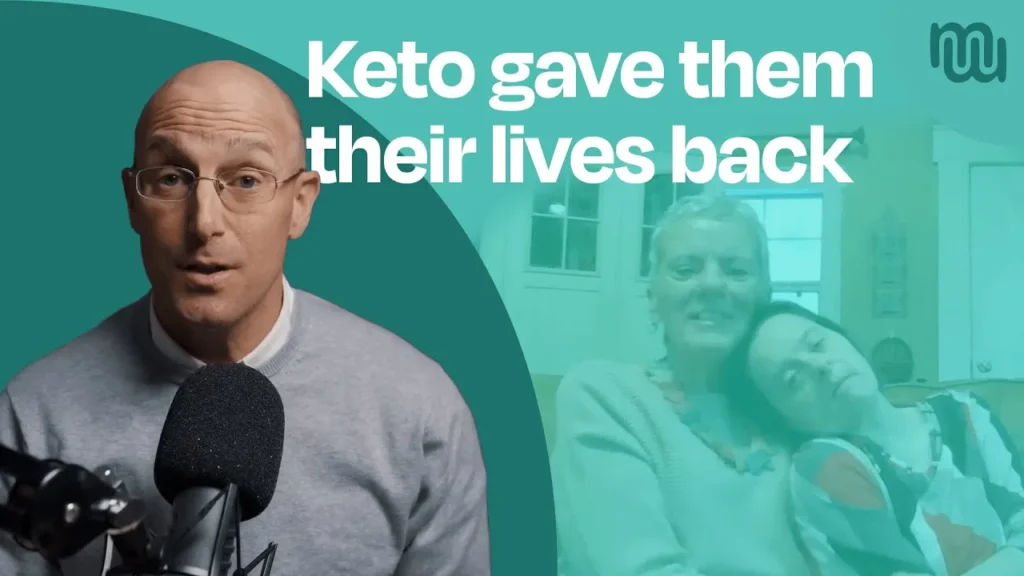
In this emotional Metabolic Mind Podcast episode, Dr. Bret Scher shares the extraordinary recovery of Susie, a woman with Down Syndrome and early-onset Alzheimer’s whose severe cognitive decline and daily seizures reversed dramatically after starting a ketogenic diet. With insights from her mother Mary and Dr. Annette Bosworth, the episode explores how nutritional ketosis can improve brain function, reduce seizures, restore cognitive skills, and transform family life. This powerful story highlights the growing scientific interest in metabolic therapies for dementia, epilepsy, and neurodevelopmental conditions.
Learn more
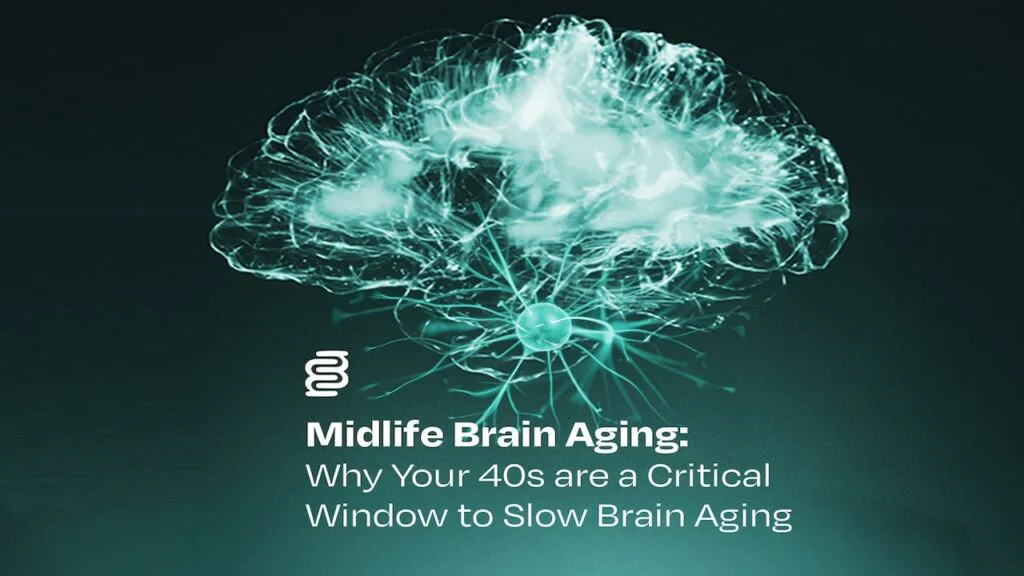
How Ketosis, Metabolism, and Timing Could Shape Your Brain’s Future Right now, nearly 55 million people around the world are living with dementia. In the U.S., Alzheimer’s disease…
Learn more
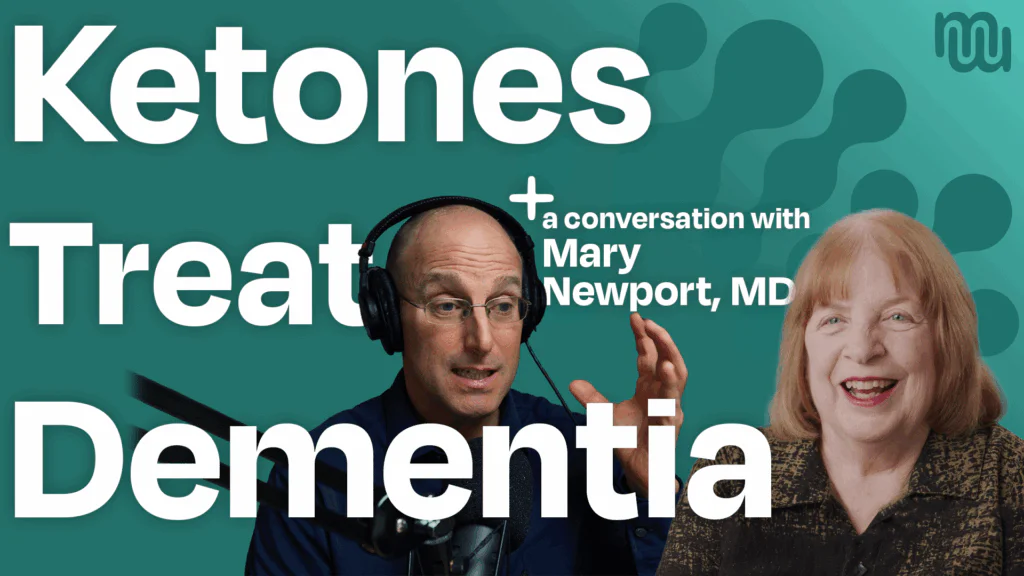
In this episode, Dr. Mary Newport discusses her groundbreaking work using coconut oil and MCT oil to improve dementia and Alzheimer’s symptoms. She and Dr. Bret Scher explore how simple ketogenic strategies may support brain health, reduce inflammation, and offer new hope for patients and caregivers worldwide.
Learn more
Amy Berger’s research shows that Alzheimer’s results from a fuel shortage in the brain.
Read more
In this emotional Metabolic Mind Podcast episode, Dr. Bret Scher shares the extraordinary recovery of Susie, a woman with Down Syndrome and early-onset Alzheimer’s whose severe cognitive decline and daily seizures reversed dramatically after starting a ketogenic diet. With insights from her mother Mary and Dr. Annette Bosworth, the episode explores how nutritional ketosis can improve brain function, reduce seizures, restore cognitive skills, and transform family life. This powerful story highlights the growing scientific interest in metabolic therapies for dementia, epilepsy, and neurodevelopmental conditions.
Learn more
How Ketosis, Metabolism, and Timing Could Shape Your Brain’s Future Right now, nearly 55 million people around the world are living with dementia. In the U.S., Alzheimer’s disease…
Learn more
In this episode, Dr. Mary Newport discusses her groundbreaking work using coconut oil and MCT oil to improve dementia and Alzheimer’s symptoms. She and Dr. Bret Scher explore how simple ketogenic strategies may support brain health, reduce inflammation, and offer new hope for patients and caregivers worldwide.
Learn more