New Results: First RCT for Schizophrenia & Bipolar Disorder. Learn more.


Listen, Watch & Subscribe on:



Can I Try a Medical Keto Diet for Mental Illness Without a Metabolic Psychiatrist?
Listen
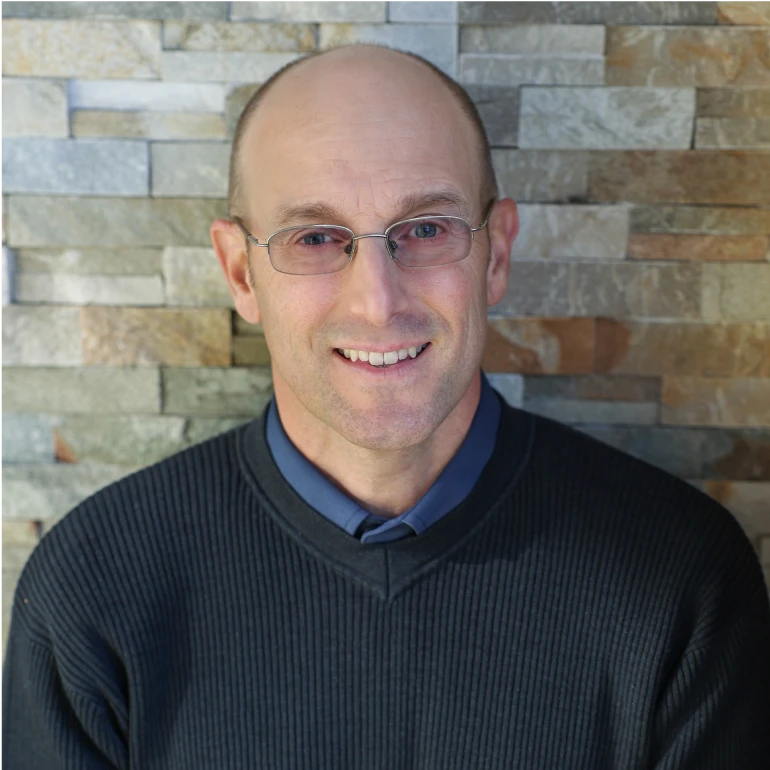
About the host
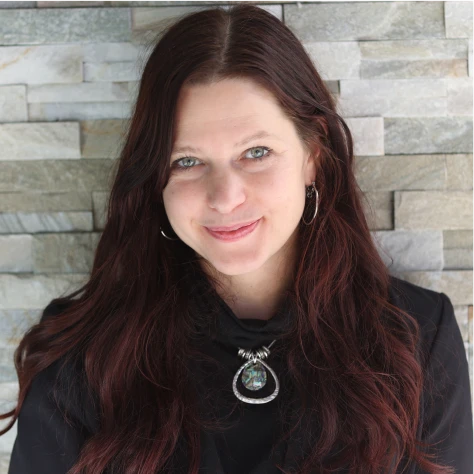
About the guest

Hannah:
Well, I want to recommend everybody work with a clinician because we know that’s the ideal scenario, and we want to mitigate risk. That would be the safest way to do it. I also would feel a little hypocritical having done this myself and having no regrets because, you know, I felt like so much of my life was passing me by because of the state I was in on my medications. And I’ve been able to reclaim my life and my health in a way that I would feel it was hypocritical to say, you know, everybody needs to wait to have the ideal scenario to try this form of therapy because we’re not going to get those years back.
Bret:
Welcome to the Metabolic Mind Podcast. I’m your host, Dr. Bret Scher. Metabolic Mind is a nonprofit initiative of Baszucki Group where we’re providing information about the intersection of metabolic health and mental health and metabolic therapies, such as nutritional ketosis as therapies for mental illness.
Thank you for joining us. Although our podcast is for informational purposes only and we aren’t giving medical advice, we hope you will learn from our content and it will help facilitate discussions with your healthcare providers to see if you could benefit from exploring the connection between metabolic and mental health.
Emerging research and clinical experience indicates that ketogenic therapy can be a lifesaving and life-changing treatment for people living with serious mental illness. But as we say here at Metabolic Mind, it’s something that should be done as part of a healthcare team. As we always say, this channels for informational purposes only.
We’re not establishing a provider or patient relationship or providing individual or group medical or healthcare advice. Things we talk about, like changing your diet, starting ketogenic therapy can be very dangerous if done without clinical supervision. So, always consult your provider. And also, ketogenic therapy doesn’t have sort of one reaction that people have, people may experience in different ways.
So, because of that, we want everybody working with a healthcare team, but what if you can’t find a healthcare team? What if your physician, your therapist, what if they don’t know about ketogenic therapy? What do you do then? Well, Hannah Warren joins me today to talk about her experience and all the resources that are out there, and maybe some different ways to think about this to maybe help somebody who wants to get started and is having trouble finding a clinician.
Because we feel your frustration, and it’s a world we want to change. But we need to realize the world we’re living in now and what can we do about it now.
Hannah, how are you today?
Hannah:
I am doing great, Bret. Thanks. How are you?
Bret:
Good, good. It’s always just a pleasure to be able to sit down and record with you. And I mean, now we’ve been working together at Baszucki Group and Metabolic Mind for over four months now. And first thing I want to do, before we get into all the details of the topic of the day, I just want to check in and so everybody else can check in.
And how are you doing since you made the transition over to Baszucki Group full-time?
Hannah:
Thanks so much for asking. You know, it’s been absolutely a dream come true for me to be able to make my passion, my profession in this way. Before starting with Baszucki Group, I became pretty obsessed with metabolic psychiatry and metabolic therapies because of how much it transformed my life.
And I was doing a lot of work as a volunteer in this space just because I wanted to do everything that I could to get that message out there and help others. And being able to do this full-time has just been incredible. So, I wake up every day grateful for this opportunity and just grateful that this is my life now.
Bret:
That’s wonderful to hear. And I mean, we’re just so pleased and and honored to have you as part of the team and your contribution is, I mean, on so many levels. You can contribute on so many levels, but it’s clear that like that experience what you’ve gone through, what you experienced and being able to share that with everybody else. And then weave that into the science and the clinical practice and our clinical experts, and weave that all together has really helped sort of elevate the content we put out and how we can reach and help people.
And I think one of those areas is sort of the topic of discussion today. One of those areas is what do we do if we can’t find somebody to help us, a clinician, a doctor? Because a lot of our content at Metabolic Mind, we say ketogenic therapy should be done with a clinical team, with experts in this field, with people who are trained and experienced in this.
And some of the comments we get are, I can’t find anybody. What do I do? And that’s a problem. So, how do you weigh-in on that problem to start?
Hannah:
Yeah, I have so much empathy and it’s always difficult for me to read those types of comments because, of course, I was in that situation myself when I first started my ketogenic therapy journey in the summer of 2021. There were really very little resources available at the time. Brain Energy wasn’t even published yet.
Metabolic Mind didn’t have all of these resources available to the public. I was really kind of on my own. And like so many others, I was just searching for any psychiatrist, any clinician really who had training in metabolic therapies to help me. I was willing to drive like an hour and a half or do telehealth.
I couldn’t find anything that was covered by my insurance. And it’s a hard and scary situation to be in because I realized there was some risks entailed. And at the same time, I really felt like this was promising and I wanted to try it, but you kind of feel like you’re your own guinea pig a little bit.
It was a lot of trial and error and feeling like I had nowhere really to go to get my questions answered, which can be really frustrating. So, I understand how challenging it is for so many patients who are just really looking to find someone, but maybe they can’t afford it, they can’t find anyone covered by their insurance?
And, in general, we just know there still aren’t a lot of clinicians trained in metabolic therapies.
Bret:
Yeah, and I mean, we can just, we can feel the frustration coming across in the comments and that people are excited about the concept. But they say, how do I get started? You know, who will work with me?
And it is frustrating and it’s, I mean, not to make it about us, but it’s frustrating to know that there’s a tool out there that we can’t just like give to someone and say, do this. That there is sort of that layer of a barrier that we’d love to break down, if at all possible. Now, I guess, we should start with though, why are we even saying that?
Why do we say you should do it with a clinical team and you should do it with your healthcare providers and give, you know, give, give a background of why it’s so important?
Hannah:
Yeah, and you know, after I kind of figured out how to do ketogenic therapy for myself and started to see a lot of success with it in that first year, initially, when I would meet other people with bipolar disorder, other mental health issues, I would just right away say, oh, you should try ketogenic therapy.
It’s so easy, you know, just do a keto diet. And I didn’t really realize at that point, kind of the risks entailed. It wasn’t until later, around November of 2022, when I actually connected with Dr. Palmer and a group of volunteers he had helping him raise awareness of the brain energy theory that, you know, hearing from him about the risks involved with potentially starting a ketogenic diet and experiencing hypomania or even full-blown mania.
Now, I understand. You know, just like a medication, this is a very powerful intervention. And though we have evidence, you know, that it’s fairly safe. And as Dr. Ede said when you interviewed her, issues like hypomania, manias, are kind of relatively rare, but it is still a very big risk. And as someone who’s had full-blown manic psychotic episodes, of course, I realize how dangerous that can be.
So, that’s always front and center in my mind that I’m sharing this message because I want to help people. I want them to experience this transformation in their quality of life like I have. I would feel absolutely terrible if someone went fully manic. And that can be so dangerous. Really, there can be dire consequences to that.
So, I think it’s always, for all of us, it’s from a place of genuine concern. It’s not just some disclaimer we have to put out there. We tell people that it’s best to work with a clinician because we want to mitigate risk and we understand that there are serious, serious risks involved, right?
Bret:
Right, right.
So, I mean, the risk of hypomania is a big one that we talk about. And like you said, we’ve done the whole video, but there are others, right? If you’re on medications, ketosis can affect your medication levels and it could, you could have to adjust your medication doses. And that’s hard to do on your own.
And not just psychiatric medications. If someone’s on blood pressure medicine or medications for type 2 diabetes that affect your blood sugar, those have to be adjusted as well. So, just like we would say, if you’re using ketogenic therapy to treat your type 2 diabetes, you need to do it with a clinician because of medication adjustments.
So, there are lots of like, I guess, moving pieces that come together. Now, in an ideal world, everybody would have a prescribing physician who is trained in ketogenic therapy. They would have, you know, a nurse work working under that physician, trained in ketogenic therapy. There would be a dietician involved, and a keto coach, all trained in metabolic psychiatry and ketogenic therapy.
That’s not going to happen for the majority of people. Maybe someday it will, we’re going to hopefully change that. But if you look at that paradigm and say like, what is the bare minimum? Like if someone can’t get the psychiatrist, if someone can’t get the team, what do you think is the bare minimum someone needs to get started on this safely and effectively?
Hannah:
It’s such an important question and I feel like, you know, even before answering that, I want to address what you said about like the ideal scenario. Because when we hear frustration from so many people wanting help, and it’s heartbreaking for us, I think it’s important to reinforce that we are envisioning a future where these therapies become more accessible.
A lot of what we’re trying to do at Baszucki Group has that ultimate aim in mind. Like the research that we’re funding, the randomized control trials, all of that is going to help build this more robust evidence-based so that we get that clinician buy-in and patient buy-in that drives demand so that people are able to get the help that they need.
And on top of that, Bret, since getting the opportunity to work with you, I’ve seen your passion for trying to work toward free CME, you know, continued medical education. Courses that clinicians could get, and that’s something that’s going to be achievable, you know, that we’re working towards.
Bret:
Right. I mean you’re absolutely right. I mean, speaking at conferences, getting, online CME clinical education available, having, you know, various training courses pop up and helping support them, this is all part of a bigger plan to have people be able to provide this care for more people. But, unfortunately it moves slowly, right?
It’s not like one day you have it, and the next day it’s widely spread across all of medicine. It moves slowly. So, while that is our goal, and we are definitely working to get there, there’s this interim period where there’s this treatment that can be life-changing for so many people, but also needs to be done safely.
And so how is that done?
Hannah:
And so, like you said, that the bare minimum, as I would say. So what did I do in my my situation, as an example? You know, I couldn’t find help, but I wanted to make the most out of the resources that I did have, which meant I did work with my own clinical care team. I was seeing a psychologist, you know, LCSW, who was very supportive and encouraging.
I explained to her the basic science as I understood it, which, you know, getting a chance to work with you all and learning more all the time. It’s a very complex science. It’s great having the opportunity to learn, but even just with that basic understanding, I could explain why I wanted to try this and felt like it could be a valid form of treatment.
And so I was able to get that emotional support and kind of be monitored in case she would see any symptoms of hypomania, which luckily was something that didn’t happen. But I think it’s critical that anybody trying this should it have a care team in place, whatever that looks like for them, so that they are being monitored for symptoms.
And some of the great resources that we provide can really help people on this journey working with their own care team. For example, you do a whole video and we’ll link to all these resources in the description. But we give a handout that shows all the labs that people will want to monitor throughout their ketogenic therapy.
So having, you know, a doctor that’s willing to run those labs for you, who’s going to be supportive of what you’re trying to do and kind of troubleshoot and look for issues. We also have a video on troubleshooting, you know, why isn’t ketogenic therapy working for me?
So, I would say at the bare minimum, being monitored. And we have also another resource that is great, which is Dr. Georgia Ede’s handout that really will break down some of the research and everything so that you can, you know, once you have the basic understanding, being able to explain it to your care team and why you, why you’re trying it, but also to give them that handout so that they can look and do a little bit of a deeper dive into the science if they’re interested.
You know, we hear a lot that kind of make sure you work with your care team. But I think it’s also important to say, sometimes I do hear stories where people talk about, you know, well, my psychiatrist says this is absolutely stupid and woo woo and will never work. And to me, I think if this is something that you’re sold on from the evidence as you see it, from hearing other lived experience, from looking into the science, you believe this could work for you and substantially improve your quality of life and are dedicated to trying it, I think it’s okay to say, you know, this provider, this care team isn’t for me if they’re not willing to be supportive of you.
I think we do need to be our own advocates and really we’re the client, you know, the medical team, we’re their client. And if they’re not fulfilling our needs or providing the care that we want, it’s okay to say, you know, maybe I need to look elsewhere?
Bret:
Yeah, I think that’s a really good point. And you know, I always like to give the advice that to to approach your physician and say, hey, I’m thinking of doing this experiment for three months, six months, you know, some sort of finite time, and I need your help to make sure I’m doing this safely and effectively and can help monitor me for any side effects.
And, you know, being part of the, that’s what it means to be a care team that you’re working together with your clinician. And I would hope that most physicians would be totally up for that and be like, all right, let’s see. Let’s do this experiment. If they’re not, but it goes kind of right back to what you said, like sometimes you do have to make a change, and that’s not easy to do.
But if they’re close-minded about a nutritional therapy, what else are they going to be close-minded about? Probably lots of other things that may be potentially other treatments that could be beneficial. So, you want someone who’s going to be open to other treatment modalities, not just grabbing anything and saying, this is the greatest thing ever, but be willing to say, okay, let’s see if we can design an experiment to test this to see if it works for you.
So, I think that is really crucial and such a good point that you brought up.
Hannah:
One wonderful resource for anybody who’s looking to do this form of therapy is living well with schizophrenia, Lauren Kennedy’s playlist that she has where, in real time, she’s showing her whole journey of implementing metabolic therapies, including ketogenic therapy.
There’s a lot of basic information that’s educational. Things like how to monitor ketones, kind of showing her shopping list and process, how to make it affordable. It’s just a really wonderful project. And one of the things that people can learn from it, she does not have a metabolic psychiatrist. Again, she’s having to work with her own care team, her psychiatrist and her therapist, who don’t have any training in ketogenic therapy, but she also sees.
The phenomenal, Nicole Laurent, who is just a wonderful resource, who kind of helps inform her prescriber in terms of different ways to taper the medications. You know, we see the whole thing that Lauren goes through in terms of potentiation. So, as Lauren has ketogenic therapy, but be so effective for her, she starts to get more sedative side effects from her medications.
So, slowly those need to be tapered down. Deprescribed, that’s something a typical psychiatrist might not understand. That’s where a keto coach or a really informed dietician can play a role in explaining to the prescriber what that potentiation effect is and how someone might need to be tapered off their medication slowly.
Bret:
Yeah, and so, such a good point, like maybe a coach is all you need, as long as the coach can speak the same language of the prescribing doctor?
Hannah:
Another thing, you know that I think is very important is, of course, like everybody has different means and their ability to afford something like a keto coach or dietician.
Most of these expenses are still out of pocket. So, we have to be realistic that this is also not something everybody can afford. Something that I think can be helpful is just, you know, whatever budget you are able to carve out. I think even having a periodic consultation with an expert like that can be extremely helpful.
You know, if someone, like, say someone like me, they’re really dedicated, they want to do this on their own. So, they end up doing a lot of research, trial and error, figuring things out as they go on their own, you know, with a care team who’s supportive, but maybe it’s not the ideal scenario where they have knowledge of ketogenic therapy.
But when you go through that process and are teaching yourself so much, you can have very specific, targeted questions that you want to ask a consultant, ask a specialist. So, it may be just, you know, every two, three months, you meet for a half an hour or an hour. You’ve carved out a budget for that. And I do think as far as prioritizing spending, I mean, what’s more important of an investment than your own health?
So, if that’s, that could be something worth saving up for. And very useful, even just those periodic consultations when it comes to troubleshooting, if you have those really specific questions in mind.
Bret:
Yeah, such a good point.
Such a good point. And you know, when we bring up the concept of support, sort of support, in general, it also can mean friends and family support. Because the other part of this is as Dr. Ede talks about a lot, you don’t want someone to start ketogenic therapy say, oh, everything’s great, start to adjust medications, and I’m feeling so much better.
Lower your medications more, and then, eventually, fall off of ketogenic therapy and now you’re on maybe half the dose of medications you were on before. And that could present a risky situation. So, what I’m getting at is the other part of support is just maintaining the lifestyle and you don’t need somebody, a professional, necessarily to help you maintain the lifestyle if you’ve engaged friends and family who maybe are doing it with you or an online support group.
So, did those levels of support help you as well in your journey?
Hannah:
Oh, absolutely. I think that’s critical just to have community and people that you can lean on, and definitely, my family as well. I was very open with them about, you know, I’m trying this therapy. It’s new, it’s cutting edge. I really don’t know what to expect.
I don’t know if this is going to work. So, if you could keep, you know, they would’ve anyway, but keep your eyes on me. If you see symptoms of hypomania, let me know. You know, you’ve got to have people there for you. And it’s, that’s always critical.
Bret:
Yeah, to have somebody else monitoring you because you might not always notice it in yourself.
Hannah:
But I like what you pointed out, too, about support groups. I should say as well, on our website, again, we’ll link to this, there’s a support group specifically for ketogenic therapy, run by a wonderful woman named Donika. Which I know a lot of people have leaned on that group where people can go and share their experiences from one another and be, you know, you see a lot of close-knit community.
Because this is probably such an emerging, relatively small field, a lot of people with lived experience as we find on X. Different communities come together and support one another a lot, which is a really wonderful thing to see, can really be one another’s champions and see so many, so much dialogue online with just people giving advice and tips to one another as they pursue that treatment.
Bret:
Yeah, so as the online support grows, that’s going to be such an important asset. One other thing about family support though, and I’m curious if you got this if you go to a big family event and people will be like, oh, it’s okay, you can have the cookies. Look, I made these for you or you can have, look, I made these brownies.
They’re your favorite. Could just have one? Like what’s the big deal? Whereas, if your family knows and is supportive, they would take precautions to make sure that doesn’t happen and that, you know, this isn’t just some cute diet you wanted to try, but a medical intervention that’s changing your life.
Did you experience any of that?
Hannah:
Well, you know, I know you know my personal story, Bret, that I’ve been a vegetarian since I was a child. So, my whole family was used to me having a different diet since I was little, which was kind of convenient because I always ate a little differently than everyone else.
But, of course, then that was even more dramatic when I became vegetarian keto. I think even if they had, I don’t really even remember if anybody ever tried to pressure me on a holiday, but if they did, they realized very quickly it wasn’t going to work. And I was pretty stubborn and committed to this so it didn’t become an issue.
Actually, eventually over time, now my parents, my parents and my nephew are working on ketogenic therapy. He’s for his ADHD, and my parents to control their weight and other health issues. So that’s been really fun because it took a while for them to be inspired to try that, but it means that we’re cooking fun dinners together again.
Bret:
That’s great. Yeah, so it’s a family bonding experience as well. Yeah. So, if we were going to sum this up and someone wants to get started on ketogenic therapy, can’t find a practitioner to help them. Their psychiatrist is, they’re not completely opposed to it, but they just don’t know anything about it and kind of don’t want to be bothered with it.
What is the the one step you think someone could take to really get started?
Hannah:
Okay, I think that something else I really do want to touch on, which I just think is critical, which is that every individual person is different. They have different needs, different approaches. I’ve met now so many people with lived experience who really did decide that they just really had to make a change.
They were desperate, like me, for another form of treatment. They felt like they couldn’t afford to waste anymore of their life. And they were really dedicated to trying this, seeing the potential of this emerging science. But they dedicated themselves to, I’m going to research this, and I’m going to do trial and error and figure it out until it works for me.
And there was a lot of commitment, and this is a form of therapy that today with things being as new as they are and not having a clear cut way to necessarily go about this treatment. I have to be transparent that it is going to take work to figure it out, and there’s different personality types and some people might really thrive on that and be willing to kind of piecemeal their plan together and have this be a successful therapy for them.
There’s other people who really do like things that are a little more black and white, and they want that guidance and that support to feel like they’re very clearly on the right path. Right now is not a time where that’s necessarily available to a lot of people. That would be a personality type where someone really would want to work with a trained metabolic psychiatrist.
So either, you know, if that’s something that they can afford and find right now, I would say that’s someone who really should work with a metabolic psychiatrist. And if not, you know, maybe, maybe that is the kind of person who might want to wait until this becomes more accessible. In the meantime, there’s a lot of ways to improve your metabolism slowly, even if it’s kind of going on a lower carb diet and starting to do other kinds of metabolic therapies that we know are also quite powerful that so many people who’ve been successful do things, like meditation and exercise.
There’s a lot of ways to start improving your life. And I guess part of the reason I say that, too, is my healing journey’s really been quite long because far before I found ketogenic therapy, I did things like starting to, I quit all alcohol and smoking and started meditating and exercising.
So, we’re talking about a journey that started in 2019, and I didn’t discover ketogenic therapy till 2021. But by that time, I was totally ready for it because I had already made all of these other positive lifestyle changes. So, even if someone does feel like they’re the personality type where they’re intimidated by the idea of having to piecemeal their own care plan together, understandably, because it’s not an easy thing to do, you know, there’s other steps they can take.
While I fully believe, you know, and this is from a patient perspective, the science that Baszucki Group is running is rigorous. They’re not going to say they know what the outcome is going to be. That’s going to be determined as the science is done. But from a patient perspective, and seeing as much as I have of other patients with lived experience who have had a transformative experience, I fully believe that the science is going to show this is an effective intervention.
It’s going to show the mechanisms, maybe even find biomarkers, where we can do simple tests that determine who’s most likely to benefit from this form of therapy. So, I think it’s more of a ‘when, not if’ that like this will become accessible.
People will know that this is a valid option in treatment and, hopefully, there’s going to be a lot of clinicians able to help people. So, certain personality types might say, you know, I want to wait till I can get that full support.
Bret:
Yeah. Great way to say it with the different personality types. So, knowing who you are and how you like to approach things is so important.
Hannah:
Right. And so while I want to recommend everybody work with a clinician because we know that’s the ideal scenario, and we want to mitigate risk. That would be the safest way to do it. I also would feel a little hypocritical having done this myself and having no regrets because I felt like so much of my life was passing me by because of the state I was in on my medications. And I’ve been able to reclaim my life and my health in a way that I would feel it was hypocritical to say, you know, that everybody needs to wait to have the ideal scenario to try this form of therapy because we’re not going to get those years back.
You know, now I’ve seen so many other people like me who’ve been successful with this. So, even though I want to be careful, I feel it’s delicate and I want to be balanced. I also want to say, you know, even with not having the ideal resources, there are ways to pursue this, for people who feel that they’re ready to do the research, work with their care team, use the amazing amount of resources that we have available now through Metabolic Mind that can really support them.
And that’s why we’re doing this right now. While funding the research, while working towards training for clinicians. We’re trying our best to have really thorough resources, online videos, articles, links to other resources, like books. There’s so much out there for patients who do want to educate themselves and try this therapy now.
Bret:
Yeah. I mean, it is those personal stories and seeing people just change their lives that motivates us for what we’re doing. But let’s end with a quick kind of rapid fire Q and A from the experience, from the experience of Hannah Warren. So, if you’re doing ketogenic therapy, should you be checking your ketones?
Hannah:
I think, you know, I try to say there’s no, you have to tailor your approach to almost everything. People can choose a different diet. They can go about this in so many ways. The one non-negotiable thing is everybody should be checking to make sure they are actually in ketosis. That is the one indispensable part of this therapy is you have have to actually be in ketosis.
So, yes.
Bret:
Okay. And is there a certain set of macros that you need to follow? Certain percentage, you know, X percentage fat, X percentage protein?
Hannah:
I would say it’s very variable, and dependent on the individual and how they want to approach their diet. So again, I think that’s something that people are going to troubleshoot a little and maybe trial and error to find the macros that work for them.
And I will admit, I haven’t always done things ideally. This worked for me. It put my illness into remission. Later on, I realized I wasn’t getting enough protein, especially now that I’m trying to build more muscles. So, I’m being a little more vigilant about getting my macros right, and especially, getting enough protein.
Bret:
And, so yeah, along those lines then, and you’ve sort of already answered this, too, but do you have to eat, you know, bacon and steak and butter to be on a ketogenic therapy?
Hannah:
Absolutely not for me. I do very well in my vegetarian ketogenic diet. But again, I am realizing that I’m benefiting a lot from making sure I get enough protein, which for me does mean using some natural whole foods protein powders, you know, made from pea protein, stuff like that.
I’m seeing a lot of benefits from making sure I’m getting that ideal amount of protein. But again, people are different. Some people, you know, Diane Harwood, for example, follows a vegan ketogenic diet and is thriving. I’ve heard other people say that it wasn’t until they incorporated meat into their ketogenic diet that they started to feel their best.
So that, again, can vary from individual to individual, but there’s a lot of different ways to go about it. The only key is being in ketosis, right? So, it’s more about reducing carbs than the specific foods you eat.
Bret:
Yeah, and it seems like online, ketosis and fasting tend to go hand in hand a lot. So, do you have to have some sort of intermittent fasting to make this work?
Hannah:
It’s been very beneficial for me, but again, I don’t think it’s necessary. It depends on the individual, and what feels best to them. But I find intermittent, and even some extended fasting, very therapeutic.
Bret:
And then what other metabolic therapies do you think round out the whole treatment plan for ketogenic and metabolic therapy?
Hannah:
I think exercise is really powerful for a lot of people. For me, exercise is a great way to relieve stress and get those kind of endorphins. There’s nothing like a good runner’s high just to put me in a really wonderful mood. So, I always recommend exercise practices, like meditation and positive framing, you know, through journaling or something like that.
Just working on a positive mindset is something I think would benefits everyone, whether or not they’re doing metabolic therapies. Just really vital way to ensure that you have a positive perspective outlook on life.
Bret:
Well, thank you so much for joining me today and for sharing all your experience and your insight with everyone because, as we said, such an important topic to help people understand how to safely and effectively use ketogenic therapy as a treatment option for them.
And we really appreciate your experience and wisdom. I direct everybody to go to metabolicmind.org to read your past blogs, and of course, our YouTube channel to see more videos with you, where you share more of your experiences.
So thank you again for joining me today and we’ll definitely have you back.
Hannah:
Thank you so much for having me. It’s just so inspiring to see so many people who find their way to this therapy and are able to experience a better quality of life. It makes it really rewarding for me to be a part of it.
Bret:
Thanks for listening to the Metabolic Mind Podcast. If you found this episode helpful, please leave a rating and comment as we’d love to hear from you. And please click the subscribe button so you won’t miss any of our future episodes. And you can see full video episodes on our YouTube page at Metabolic Mind.
Lastly, if you know someone who may benefit from this information, please share it as our goal is to spread this information to help as many people as possible. Thanks again for listening, and we’ll see you here next time at The Metabolic Mind Podcast.
Listen, Watch & Subscribe on:
We recommend working with trained clinicians when implementing a medical keto diet, but what are the options if a patient cannot access metabolic psychiatry care? Metabolic psychiatry, a…
Read more

Radiant Beast explores metabolic healing and spiritual growth, reframing psychosis as an altered state of consciousness. When the Altered State Finds You First Altered states of consciousness are…
Learn more

You may have come across ketogenic therapy as a potential option for depression, bipolar disorder, or anxiety, and thought, this might actually be worth trying. But when you…
Learn more
Did you know that thousands of people are already using ketogenic therapy to treat serious mental illnesses and even put them into remission? Transcript: Can Ketogenic Therapy help…
Learn more
We recommend working with trained clinicians when implementing a medical keto diet, but what are the options if a patient cannot access metabolic psychiatry care? Metabolic psychiatry, a…
Read more
Radiant Beast explores metabolic healing and spiritual growth, reframing psychosis as an altered state of consciousness. When the Altered State Finds You First Altered states of consciousness are…
Learn more
You may have come across ketogenic therapy as a potential option for depression, bipolar disorder, or anxiety, and thought, this might actually be worth trying. But when you…
Learn more
Did you know that thousands of people are already using ketogenic therapy to treat serious mental illnesses and even put them into remission? Transcript: Can Ketogenic Therapy help…
Learn more