New Results: First RCT for Schizophrenia & Bipolar Disorder. Learn more.


Listen, Watch & Subscribe on:



The Biggest Mistake in Nutrition Advice
Listen
About the host


Bret:
Welcome to the Metabolic Mind Podcast. I’m your host, Dr. Bret Scher. Metabolic Mind is a non-profit initiative of Baszucki Group, where we’re providing information about the intersection of metabolic health and mental health and metabolic therapies, such as nutritional ketosis as therapies for mental illness.
Thank you for joining us. Although our podcast is for informational purposes only and we aren’t giving medical advice, we hope you will learn from our content and it will help facilitate discussions with your healthcare providers to see if you could benefit from exploring the connection between metabolic and mental health
Perhaps the biggest flaw or misconception in modern nutrition and medicine is this one simple assumption: we already know how everyone should eat. For decades, the dominant message has been remarkably consistent: eat a low-fat, high-carbohydrate diet, reduce calories, and ideally, follow something similar to a Mediterranean pattern.
In doctors’ offices, dieticians’ visits across the country, the approach is often portrayed as the diet for promoting health. Not one strategy among many, but the strategy. And I would contend that approach has created the environment where nutrition advice fails far more than it succeeds. And the result has, unfortunately, been a gradual worsening of our collective metabolic health.
But it’s not like people are just making this up on their own. The discussion is promoted as an evidence-based approach, and that evidence-based halo is what makes it almost like a truth we cannot question. Now, it is, I guess you could say, evidence-based in a way. But we have to remember, evidence isn’t one thing, and there are different strengths of evidence.
Much of the evidence used to support this kind of one-size-fits-all nutritional approach comes from nutrition epidemiology, large observational studies that look for associations between diet patterns and health outcomes. These studies are okay at generating hypotheses, but they do not prove cause and effect. And they are low-quality evidence with major limitations.
We’ve talked about these here at Metabolic Mind many times. But healthy and unhealthy user-bias, incomplete data collection, low effect sizes, and more, all making it near impossible to translate the findings to you as an individual. But beyond the attempt to make low-quality evidence seem definitive, the concept of one-diet-for-all simply doesn’t make common sense.
This isn’t like taking a pill. Food isn’t a single compound. It’s not a drug with a controlled dose. Food is something we live with every single day, and we have to shop for it. We have to prepare it. And perhaps most importantly, we have to enjoy it when we eat it. It has to make us feel satisfied and control our hunger and cravings. And ideally, it will also support long-term health.
But here’s another catch. How do we define health? I would suggest instead of focusing only on the weight on a scale or our cholesterol, we need to get a deeper understanding of metabolic health with things like body composition, better than a scale, fasting insulin levels, triglyceride to HDL ratio, and other markers of insulin sensitivity.
These markers often tell us far more about metabolic and overall health than the number on our scale, right? And when researchers look at these markers, we see that a low-fat, high-carb approach for all, it falls drastically short. Instead, people often respond very differently to different dietary approaches, and we have to acknowledge that.
Healthy whole grains may not be so healthy for those with significant metabolic dysfunction. And for people struggling with insulin resistance, metabolic syndrome, or type 2 diabetes, low carbohydrate and ketogenic diets can be particularly powerful. They can lower triglycerides, reduce fasting insulin, lower blood pressure, and promote fat loss while preserving muscle mass.
They can even put a lot of these metabolic conditions into remission. But that doesn’t mean everyone should follow a ketogenic diet. Of course not. Just as everyone shouldn’t follow a high carbohydrate Mediterranean diet. Different people have different metabolisms, different lifestyles, different preferences, different cultural foods and traditions, and different goals.
But when nutrition guidelines assume there is one optimal diet, people are often told to follow a diet they don’t enjoy, can’t stick with, or simply doesn’t produce the health improvements that they’re looking for. So, let’s take a step back and just rethink the question. What if the goal isn’t one best diet for all, but what if the goal is helping people find the best dietary pattern for them as individuals? One they enjoy that controls their hunger, that supports their metabolic health, and one they can sustain for years, not just a couple weeks or months but for years.
Now, I know what you’re thinking, and I get it. This approach requires more effort. Yes, it does. It means moving beyond one-size-fits-all advice, testing different strategies, monitoring metabolic health markers, having conversations with frequent follow-up, and tailoring nutrition to the individual. But it’s more work, but if the process helps someone improve their long-term health, reverse metabolic disease, and it helps them feel in control of their health, then hopefully, we can agree that extra effort is absolutely worth it.
So, I guess the next question is, how do we enact this change? How do we do this practically so that every primary care doctor, every dietician, every clinician has the knowledge and resources to find the best dietary approach for each individual, or I should say, to help that individual find it for themselves?
I wish I had the answer, but I definitely see that the future can happen. I see it happening through education, policy change, and even maybe app-based tech support. I’m optimistic we can get there. It’s not going yo be easy, but we can get there.
Thanks for listening to the Metabolic Mind Podcast. If you found this episode helpful, please leave a rating and comment as we’d love to hear from you. And please click the subscribe button so you won’t miss any of our future episodes. And you can see full video episodes on our YouTube page at Metabolic Mind.
Lastly, if you know someone who may benefit from this information, please share it as our goal is to spread this information to help as many people as possible. Thanks again for listening, and we’ll see you here next time at the Metabolic Mind Podcast
Listen, Watch & Subscribe on:
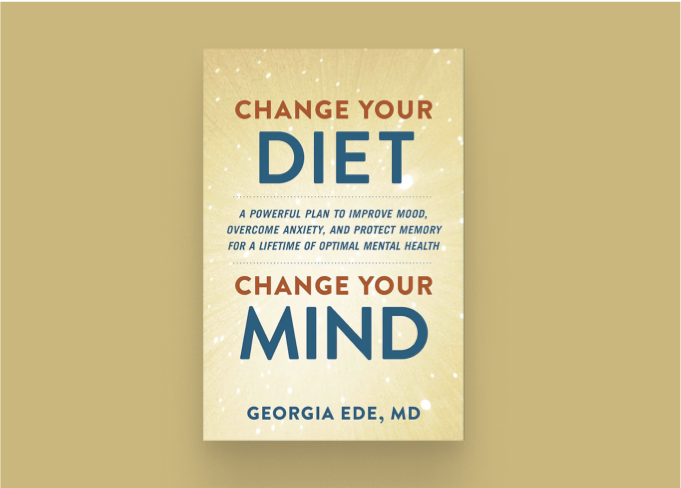
A powerful plan to improve mood, overcome anxiety, and protect memory for a lifetime of optimal mental health.
Read more

On this episode, Dr. Ty Beal introduces his new Nutritional Value Score, designed to account for nutrient density, protein quality, chronic disease risk, processing, and more. He explains why familiar rankings of foods like meat, eggs, whole grains, and processed cereals can change dramatically depending on what a scoring system chooses to measure.
Learn more
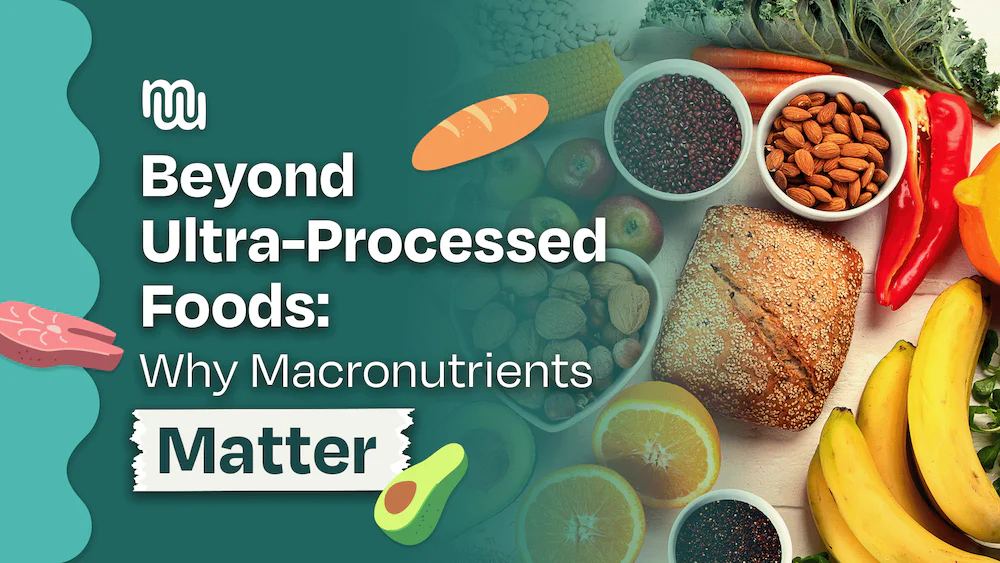
The question of whether most ultra-processed foods are metabolically harmful is no longer up for debate. This food category, which includes some of the most obvious dietary offenders…
Learn more
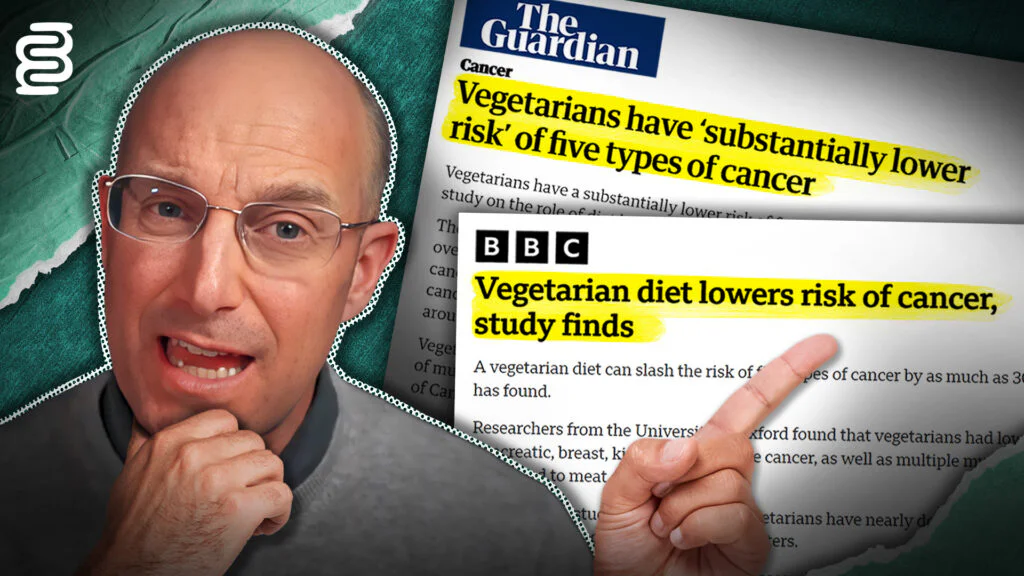
In this episode, Dr. Bret Scher examines two recent studies and highlights key limitations in their observational data, arguing that overall diet quality, calorie intake, lifestyle, and metabolic health may tell us far more than simply labeling meat as “bad” and plants as “good.”
Learn more
A powerful plan to improve mood, overcome anxiety, and protect memory for a lifetime of optimal mental health.
Read more
On this episode, Dr. Ty Beal introduces his new Nutritional Value Score, designed to account for nutrient density, protein quality, chronic disease risk, processing, and more. He explains why familiar rankings of foods like meat, eggs, whole grains, and processed cereals can change dramatically depending on what a scoring system chooses to measure.
Learn more
The question of whether most ultra-processed foods are metabolically harmful is no longer up for debate. This food category, which includes some of the most obvious dietary offenders…
Learn more
In this episode, Dr. Bret Scher examines two recent studies and highlights key limitations in their observational data, arguing that overall diet quality, calorie intake, lifestyle, and metabolic health may tell us far more than simply labeling meat as “bad” and plants as “good.”
Learn more