New Results: First RCT for Schizophrenia & Bipolar Disorder. Learn more.


Listen, Watch & Subscribe on:



Accelerating the Science of Ketogenic Therapy for Mental Health with Julie Milder, PhD
Listen
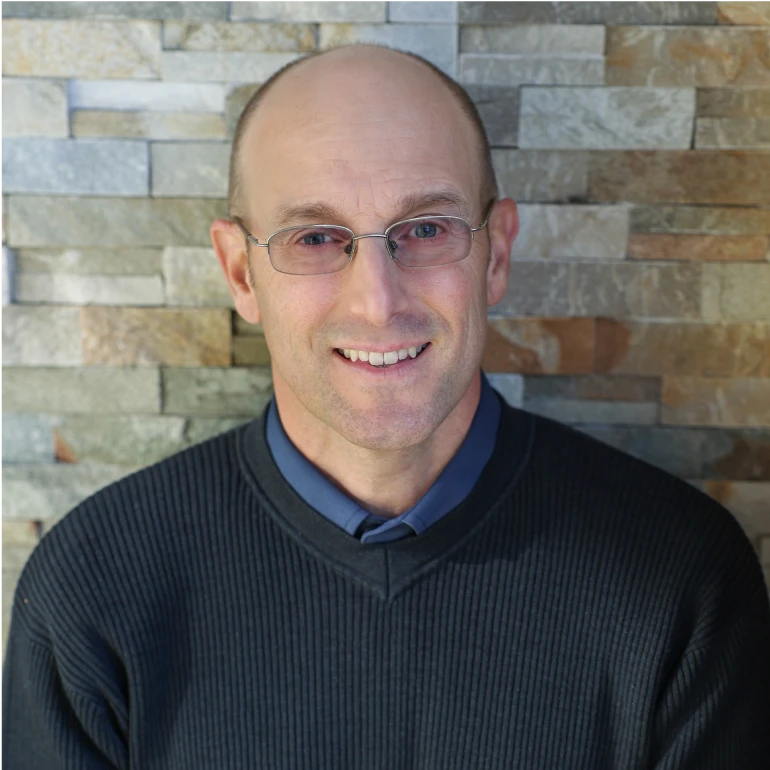
About the host
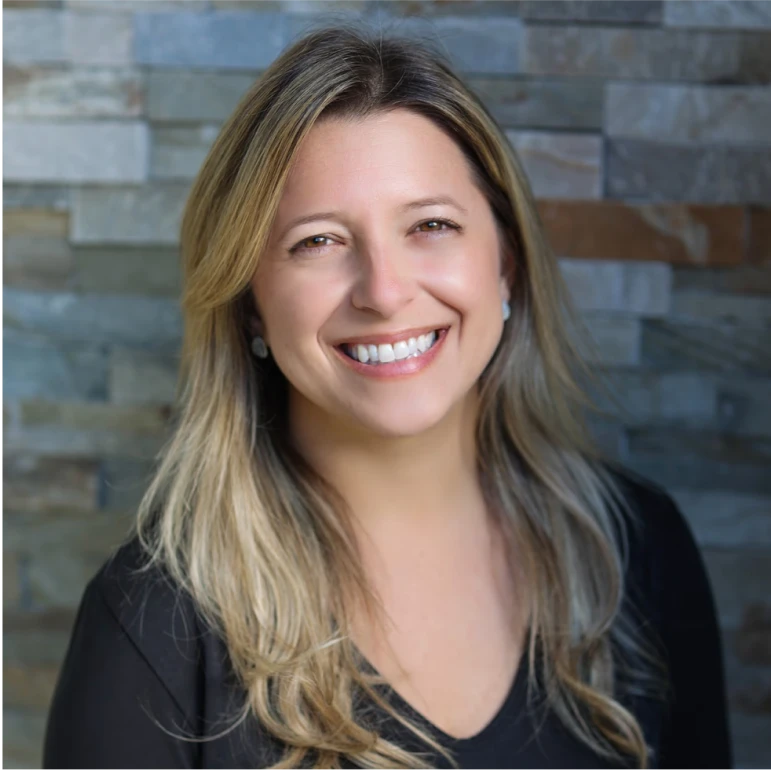
About the guest

Julie:
And so I think it’s really exciting to see not just a growing body of evidence around, is ketogenic diet useful in serious mental illness? But also, scientifically, what is going on that helps us potentially, the big question down the road is how do we predict who is going to be a responder to a metabolic therapy?
Bret:
Welcome to the Metabolic Mind Podcast. I’m your host, Dr. Bret Scher. Metabolic Mind is a nonprofit initiative of Baszucki Group where we’re providing information about the intersection of metabolic health and mental health and metabolic therapies, such as nutritional ketosis as therapies for mental illness.
Thank you for joining us. Although our podcast is for informational purposes only and we aren’t giving medical advice, we hope you will learn from our content and it will help facilitate discussions with your healthcare providers to see if you could benefit from exploring the connection between metabolic and mental health.
The science and the research around the connection between metabolic health and mental health and metabolic therapies, like ketogenic therapies for treatments for mental health disorders, has grown tremendously in the past year. And Baszucki Group Director of Neuroscience, Dr. Julie Milder, joins us to talk about this progress over the past year and what it means and may eventually mean for the treatment of people living with mental health disorders.
Baszucki Group has invested over $10 million in clinical trials of ketogenic therapy for serious mental illness. This includes representing eight institutions, so in total there are 13 clinical trials with over 600 individuals enrolled. The timeline for clinical trials of ketogenic therapy for serious mental illness started in 1965 with a pilot study of the ketogenic diet in schizophrenia.
After that, there were many decades without much activity until Dr. Sethi and her team at Stanford in 2019 started a trial of ketogenic therapy for serious mental illness. Then, in 2021, Dr. Campbell and his team started a study at the University of Edinburgh. And there were also two other studies that year with an anorexia pilot study and another study at Kuopio University Hospital.
Then the following year, in 2022, there were two different studies looking at ketogenic therapy for serious mental illness. And in 2023, there were four more. And again, in 2024, four additional studies. And here you can see a full list of the institutions involved, the number of participants their studies have enrolled and the many different diagnoses that have been included in these studies.
In total, there have been 605 individuals included in clinical trials of ketogenic therapy for serious mental illness. And it’s truly been an international affair with centers ranging from the West Coast of the United States to the East Coast of the United States, also including Canada, Europe, and Australia.
Dr. Julie Milder, great to have you back on Metabolic Mind. Thanks for joining me.
Julie:
Thanks for inviting me back.
Bret:
So, we have the good fortune of working closely together with Metabolic Mind and Baszucki Group. And over the past year, like looking back, it’s been a crazy year. And when we think of everything that’s happened from the neuroscience side, we’ve had studies reported in conferences from Dr. Shebani Sethi and Dr. Iain Campbell.
We’ve just had two big announcements of new studies at McLean and at Pittsburgh. You’ve been busy. So tell us, and not to mention all the studies that are ongoing. So, give us sort of your perspective on how this past year has gone as it relates to the neuroscience and ketogenic interventions for mental health disorders.
Julie:
Yeah, it’s, been quite a year. I think that one of the really cool things is that having joined Baszucki Group when I did, there was so much that was already going on. And so jumping in and getting a handle on the studies that were ongoing and how they were connected, but not formally connected, has been really exciting.
And so the organic nature of this has been, there were a bunch of independent studies going on, and we had already started to bring them together into a community. And now, that community is starting to inform how the science moves forward. So, it’s not just independent researchers or clinicians having an interest and working on it on their own, but now there’s this community that is really rallying around each other and helping make their own research better.
And so having two completed studies that are about to be published, getting that into the literature is really exciting. And then what we’ve done is we’ve taken those pilot studies to inform some larger, more mechanistic studies. So, as you mentioned, the research that’s starting at McLean and at Pittsburgh are clinical trials, but they have embedded scientific questions in them about what is actually happening in the brain, what is happening in metabolism in these individuals as they transition to a ketogenic diet.
And so I think it’s really exciting to see not just a growing body of evidence around, is ketogenic diet useful in serious mental illness? But also, scientifically, what is going on that helps us potentially, the big question down the road is how do we predict who is going to be a responder to a metabolic therapy, and is there something we can learn about these individuals as they participate in this research that helps us better treat people for these illnesses down the line?
And the growing body of evidence scientifically is just, I think it’s going to explode in the next two to five years based on the work that was seeded with just a few small studies. So, it’s been really exciting.
Bret:
Yeah, and I love how you talked about the community. You’ve been so instrumental in bringing together this community so that the researchers aren’t in their silos not knowing what everybody else is doing, but really bringing them together to elevate the whole field and elevate the quality of the studies. So, with you as having that role, though, and helping advise the researchers, too, there’s like this, I don’t know, I guess this juxtaposition of we come at it saying, look, we know in certain circumstances, ketogenic interventions can be life-changing for people.
But at the same time, we need to approach it from a scientific rigor and say, okay, so maybe the science isn’t there yet. So, how do you balance that and help the researchers balance that sort of difference between we want people to be able to benefit now, but we also want to search more scientifically and be rigorous in our scientific endeavors?
Julie:
Oh, it’s such a good question, and I think that part of it is the researchers who are engaging in this now are the people who feel the urgency to do this now. And so, because they want this as an option for their patients, they know they have to engage in some research in order to do that. What’s wonderful about that is that research is embedded in people getting care right now.
And so, there are people being treated through these clinical trials. And so, the more of these studies we get going, the byproduct of that is that more people will get that experience of trying these therapies. And yes, we don’t expect them to work for everyone, but we think everyone should at least have the option of trying.
And so, if that means that we have to do it through a clinical trial primarily right now, that is one way to do it, and the byproduct is we get data. And so we start to learn. And I think that another piece of this is that while our, a big part of what we do is funding these clinical trials, we also hope to start supporting the people who want to embed this kind of therapy in their care.
Because there are those who want to do it sooner, but we’re going to embed research in that so we can learn from that and make sure they’re doing it safely. Make sure they’re doing it with training and mentorship from those who have already been doing this for a really long time.
And so there’s a balance between trying to treat the people that are sitting in front of you right now who need better options, and also learning how to do it in the best possible, safest way. And to understand that there’s also, there might be some people who this is not the right approach for and how do we get to that answer quickly so that we know what to look for when someone starts a therapy like this, to know if it is safe for them, if it might be more effective for them than others?
And so I think we’re trying to do both, and the science is going to take time. And so, I think that’s where that community piece is really important. They are teaching each other, and the experience of the whole is really so much greater than what’s going on in any individual clinic or any individual site. And so, they are feeding that information back to the community to hopefully expedite the research. I will say that even just a little bit of attention that has been brought to some of our clinical trials, we’ve already heard the number of people that are reaching out to participate has skyrocketed, and that is just so amazing to hear.
Because the number one reason clinical trials fail is that they can’t recruit people. So, if we can help them recruit, we will get those trials done faster. And so, the quicker we can get the science done, the quicker we can try and get this message out there about whatever the results show.
Bret:
Yeah, and that’s just such a telling factor, too, like how many people are looking for different and better cutting-edge treatment and think that this might be it. So, people are really looking for it. The whole community is playing such an important role. And I like how you brought up also, though, just studying people’s clinical practice.
That research doesn’t have to be an academic university with randomized controlled trials. It could be just someone providing the care they’re providing, but measuring it. Again, not doing it in a silo. So again, what kind of, I don’t know, what kind of tools or resources or help can we be to, can you be to clinicians out there who want to start treating patients this way, but also want to follow it and be objective about their, when it works, when it doesn’t work, the different markers they’re following, et cetera?
Julie:
We are trying to be that. Ideally, we would have a package of resources like, you want to do this and you want to collect your data. And so, we are working on putting those things together. And so, that I would invite, that if there are people who are interested and don’t know the types of data that would be useful to collect, even clinical data, stuff that they might already be measuring in their patients, but not collecting it, to reach out to us because we have a list of the things that we think are important, and also to use the community.
The community that’s been collected here on Metabolic Mind. And there are experts out there who can serve as resources, and I think that the more that real world data is really important. So, the clinical trial situation, well controlled, right? That’s how keep everything else constant.
Do this one thing and see what that tells us. That is so important. And it is the gold standard and we need to do that research. Also, all those people within a clinical trial will go back to their real world setting when they leave that trial. And so, understanding what real world implementation looks like, the stumbling blocks that people have when they try and do this as a part of their regular life, the kind of support that is likely needed in order to make sure that they are doing it in a way that is healthy and safe and integrating it into their lives. These are all the pieces that are equally as important, if not more, than the eight or 12 week clinical trial where we’re collecting data in a very specific manner.
And so, I do think that real world piece is important. And so, we’re trying to support all of it and help people think through collecting the data of their clinical experience and sharing those stories. Sharing what has worked and what hasn’t. Sharing successes and failures, I think, is going to help the entire clinical community as well as scientific community think through the study and implementation of these therapies.
Bret:
Yeah, so, very well said. Like each level of evidence still has a huge contributing factor. And it may not be the gold standard, but it helps inform how to get to that randomized control trial and helps people. And it helps inform people on how to better take care of their patients, which is so important now.
Now, in your history, in, your experience, you’ve worked in, with pharmaceutical companies, you work with the, I guess, the supplement industry. And now, when you’re looking at research, it’s almost like the deck is stacked against anybody who’s not a pharmaceutical company, who doesn’t have hundreds of millions, if not billions, of dollars to invest in research studies.
So, what does it mean to you to be part of a philanthropic organization that’s trying to counteract that and saying, we want to fund nutrition-based research, which is not really being funded nearly as well as pharmaceuticals?
Julie:
We have such a unique opportunity as a part of this organization to expedite change, expedite science.
I think also as an academic, if it’s academics or from the pharmaceutical industry, things move slowly. And in the academic world, it’s for different reasons than in the pharmaceutical world. But things move slowly and change is slow. And we can’t force science, but we can provide the resources to make things happen faster and to get to answers faster.
And one of the beautiful things about being on the philanthropic side of science is that we don’t have a financial stake in this game. This is not a business that we are trying to get a product to launch in order to make money. We are trying to save lives and. So, we can put our resources into anything out there that we think is going to move that needle.
And we can do it quickly. We can make decisions quickly. We can do it organically when we find something that is opportunistic and interesting and scientifically sound, that we can follow those paths and take risks. It’s that whole thing with high risk, high reward. Also, it’s better to try something and fail fast and move on to the next thing.
And we have the ability to do that because we are flexible. And I find that just so invigorating because it is all about our mission. It is patient-focused. It is treatment first. And yes, let’s get the science there so that we can bring others along with us who are waiting for that science.
Bret:
Yeah, I like how you’re talking about the flexibility and the sort of the creativity and the taking risks.
I just had an interview with Dr. Martin Picard, announcing that he’s the inaugural winner of the $1.5 million Baszucki Prize in Science, and that’s what he said. He said this allows him the flexibility to be curious, to take risks. So, you’ve played a big role in that. First, tell us a little bit about why you chose Dr. Martin Picard and just what it means to you to be able to help someone, give them that level of flexibility in their work.
Julie:
Dr. Picard is just, he is outstanding in every way. He’s a phenomenal scientist. And the way that science usually works is that you get funding for very specific projects. It’s all project-based work.
And so you say, oh, I want to study this one thing. I’ll write a grant to study this one thing. And what ends up happening is that as a scientist, you have to find time and use extra dollars from other little places in order to pursue new ideas.
It’s actually really hard to be innovative and creative in a timely way as an academic researcher because you spend a year going through a grant cycle in order to get a project funded that you’ve already done some of the work for, and you hope that you can then use some of that time on the tail end to explore something new. And so to find someone, like Dr. Picard, who we just are so in alignment with his approach to science and his communication.
He communicates science really well. We want to give him that flexibility. That flexibility to say we have full faith in all the work that you do and your goals of your science. Here is an award that you can use to pursue those crazy ideas, come up with your next big idea because they don’t get that.
There’s no time and there’s no money to really pursue the truly creative stuff when you’re an academic researcher, which is a shame. But it’s the way the system works. Again, we are flexible enough that we can do that. And when we find someone that we think is special in that way and we want to give them that time, then it’s a joy to be able to do that.
I think we all are excited to see what he does with that. Really, the sky’s the limit for someone like Martin Picard in his work.
Bret:
Yeah, yeah. And it’s, I guess on the one hand, you could say it’s a shame that it takes an individual philanthropist to be able to make this type of work and flexibility happen. But the other side, what an amazing opportunity to help further science.
So, what advice would you give to other people who maybe want to fund science, who are philanthropists, who want to get involved? Do you have some advice to give them?
Julie:
I think the best thing to do for, I’ve worked both on the public charity side of science and this is the private philanthropy side of science, is that it’s mission-based.
And so when you have a core mission that you want to make a difference in, it’s a joy to find. And for me, it’s a joy to help find the people to invest in. And I do think that it’s different than the traditional academic funding model, which is really investing in people, the right people who are, who want to be partners in science with you.
It is a great place to start as opposed to starting with maybe one specific, very tiny scientific question as we do in academics. We’re like, oh, this one tiny thing that I want to investigate for the rest of my career and go very deep. But instead, finding the people who align with your mission and investing in them. And also in the young investigators, I think. Is a highly untapped resource for funding these people who are hungry.
They’re hungry for science, and to find the thing that speaks to them scientifically to pursue for the rest of their careers. And they are out there, and they need support. There is so little support to help new researchers get off the ground.
That I would say that’s it’s a really low stakes way of getting into the game. With funding, is finding some really passionate young researchers and convincing them or taking them along on your journey, that this is what they should dedicate their careers to and help them shape that because it’s a huge. It helps them in every way, to have some sort of funding to start their careers.
Bret:
Yeah, that’s such an important point. It really is like a hierarchy in terms of funding and research. So, to be able to help someone not have to scratch and crawl and just beg their way to funding, to be able to get their passion and their research funded is so important.
You’ve already done so much in the past year and helped this community so much by building the community, helping it grow, helping inform the research and fund the research. What do you see as next? If you’re going to look into your crystal ball and see five years down the road, what do you expect this field of research to look like in five years?
Julie:
I hope that it is its own field of research. So, one thing is I think everyone knows that we’re, we are right now, relatively small. When you think about the field, people studying the intersection of metabolism and mental health, it hasn’t really been a thing. And so, really, what we’re doing is we’re bringing fields together, and that, to me, is the most exciting thing because science, medicine, everything is so siloed and so to really make a difference in people’s lives, we need to be bringing disciplines together.
And so I hope that five years from now, metabolism and mental health are seen as two sides of the same thing. And so that what we hope is that metabolic health is considered when someone goes in to see their psychiatrist. That’s a great example of something that right now there’s different disciplines.
It would be so wonderful for all the research that we are supporting, all the research that is going on out there, continues to grow to a place where people understand that, again, the brain is just a part of the whole body and that these things are connected. And so, we should be thinking about both.
And that there is, I think, generally a more whole-person approach to care in ways. Obviously, we’re thinking about it just from this, the psychiatry and metabolic health perspective. But that’s a theme that hopefully will grow, and I hope we contribute to that. And tactically, I think we would love to see multi-site trials.
Right now, we’ve funded single-site studies. They’re smaller, and when you think about that, the levels of evidence that are needed to really move the needle in traditional medicine and traditional science, you need that larger randomized controlled trial. While we continue to do the real world evidence and small pilot studies, I hope that we are able to launch, participate in, help plan, and succeed in at least one multi-site trial.
I think that would really add to the evidence that this is something that should be considered. And whatever we learn, we will learn hopefully again, who it works best for. Contraindications, who potentially should be avoided, and also interesting scientific things along the way about how this might be working, and inform other lines of science.
And I think that metabolic therapies, in general, as we’re here not on our own. It came from a hundred years of work in epilepsy. These types of approaches are being explored in a lot of different fields. And so, whatever we learn in the psychiatry space is going to contribute to potentially other fields thinking about metabolism as a piece of those other diseases, even if that’s not what we are studying.
Bret:
Yeah, it’s been an absolute pleasure to work alongside you, and be witness to all that you’ve been able to accomplish and how you helped this field grow. So, thank you so much for all your work, and thank you for joining us today. And hopefully, we can make this like a regular check-in to see progress and update on all that you’ve been up to.
So thanks again.
Julie:
Thanks so much.
Bret:
Thanks for listening to the Metabolic Mind Podcast. If you found this episode helpful, please leave a rating and comment as we’d love to hear from you. And please click the subscribe button so you won’t miss any of our future episodes. And you can see full video episodes on our YouTube page at Metabolic Mind.
Lastly, if you know someone who may benefit from this information, please share it as our goal is to spread this information to help as many people as possible. Thanks again for listening, and we’ll see you here next time at The Metabolic Mind Podcast.
Listen, Watch & Subscribe on:

Research suggests that metabolic health may play an essential role in mental well-being. After years of therapies, medications, retreats, and self-exploration, Michael, a former nutrition client of mine,…
Read more
Did you know that thousands of people are already using ketogenic therapy to treat serious mental illnesses and even put them into remission? Transcript: Can Ketogenic Therapy help…
Learn more
When countless people are suffering and lives are at stake, why invest time and money in Randomized Controlled Trials? During a question and answer session with panelists at…
Learn more
A powerful plan to improve mood, overcome anxiety, and protect memory for a lifetime of optimal mental health.
Learn more
Research suggests that metabolic health may play an essential role in mental well-being. After years of therapies, medications, retreats, and self-exploration, Michael, a former nutrition client of mine,…
Read more
Did you know that thousands of people are already using ketogenic therapy to treat serious mental illnesses and even put them into remission? Transcript: Can Ketogenic Therapy help…
Learn more
When countless people are suffering and lives are at stake, why invest time and money in Randomized Controlled Trials? During a question and answer session with panelists at…
Learn more
A powerful plan to improve mood, overcome anxiety, and protect memory for a lifetime of optimal mental health.
Learn more