New Results: First RCT for Schizophrenia & Bipolar Disorder. Learn more.


Listen, Watch & Subscribe on:



Growth Mindset for Mental Health: Turning Setbacks Into Strength
Listen
About the host


Matt:
These downturns are an opportunity to learn something. Some people even use the phrase that failures are our greatest teacher.
Bret:
Welcome to the Metabolic Mind Podcast. I’m your host, Dr. Bret Scher. Metabolic Mind is a non-profit initiative of Baszucki Group where we’re providing information about the intersection of metabolic health and mental health and metabolic therapies, such as nutritional ketosis as therapies for mental illness.
Thank you for joining us. Although our podcast is for informational purposes only and we aren’t giving medical advice, we hope you will learn from our content and it will help facilitate discussions with your healthcare providers to see if you could benefit from exploring the connection between metabolic and mental health
Matt: I think the first important thing is that it’s really important to prepare for downs and setbacks. No matter what treatment someone’s using, no matter how good the strategies are, life happens and setbacks occur. Of course, this happens to anyone in life. We all are going to have ups and downs in life, no matter what we’re struggling with. No matter what challenges we have.
So, that’s really the most important thing is we need to expect these to happen. They’re completely normal. To have the mindset that we’re going to learn something every time we solve a problem like this. These are not failures. These are not something to beat oneself up about. Taking that out of the equation really is like almost half the battle, I think.
And then, when someone is in that state where they know this is going to happen, there’s going to be a downturn, they have some plans. Things that they know help them when they’re in a downturn, and that can be really different for different people. Some people know when their mood is going down or their symptoms are coming back, that they know if they get back into their exercise program, that’s going to help.
Or they know they may need to rest and take some time out from life, that’s going to help. Or some people, it’s the opposite. They know that means they really need to connect more with their support network and really reach out and get that support from the people who want to offer that support. People forget when they’re feeling down that there’s people out there that want to help, and they want to offer support.
They often feel like they’re going to burden their friends or their family, but it’s really the opposite. People feel really good about helping, and they want to help. I think a really good tool to practice and prepare for downturns is mindfulness meditation, especially these focus meditations. Let’s say a meditation where someone’s focusing on their breath.
It’s very expected during a meditation like that one’s going to lose focus on their breath. The mind is going to wander. It’s going to start thinking all kinds of other thoughts. And then, one is going to notice that the mind is wandering and bring the attention back to the breath. And I think of that as not a failure.
That’s actually how mindfulness meditation works in many ways. Each time one brings focus back to the breath, that’s like a repetition in the gym. And you get a rep, and the more reps you get, the more you’re actually going to progress. The more you’re learning. The more your brain is benefiting from that exercise.
So, I think that’s a sort of microcosm of the bigger picture of losing one’s momentum, which is going to happen. And just getting used to the idea that then you’re going to figure out how to get momentum back again. These downturns are an opportunity to learn something. Some people even use the phrase that failures are our greatest teacher. So, you know, that’s really the mindset that one is trying to have in all aspects of life, and that’s been studied really well.
This idea of a growth mindset is associated with success in academic environments, and that’s the same kind of mindset we want to bring to mental health recovery. I think that’s really the key is. When someone’s doing well, it’s really important to prepare for the downturns and even crises. Preparing for downturns is a lot about recognizing that they’re happening.
What are the early warning signs that something is not quite right? How many early warning signs is one seeing? Using one’s support network sometimes to help see these early warning signs is really helpful. Really writing out a plan of what one is going to do when the downturns are occurring. Really thinking through what are the things that helped me get out of that crisis originally or helped me get momentum originally.
Do I need to get back to some of those things or are there other things that I know might be helpful for me that I haven’t instituted yet? These are things that I might want to start thinking about to deal with, to institute during a crisis or a downturn. And writing it out is really helpful.
I think there are some tools that people can use. There’s something called the Wellness Recovery Action Plan. People can write out all, fill out their whole THINK+SMART sheet, which has an amazing abundance of tools and resources in there that one can think about. Sometimes, even to the point of talking with trusted family members or friends about the idea of a healthcare proxy.
I’ve seen that be really useful for people. That in the event of a real, true psychiatric crisis, sometimes one loses the ability to make decisions or needs a strong advocate to help with working with that crisis care team, maybe on an inpatient unit. And in the midst of a crisis, sometimes the, unfortunately, the individual’s voice isn’t listened to very well and sometimes the designated healthcare proxy’s voice would be listened to much more.
And that can certainly happen without the healthcare proxy being put in place without that legal aspect. But sometimes, the inpatient team won’t listen unless someone is in a position of decision-making authority. And so, if that healthcare proxy gets designated in advance, and someone says in the event of on an inpatient unit, I want my healthcare proxy involved in all decisions, then that can really help sometimes with making sure one’s wishes are respected and known to that inpatient team.
So, if they had to come off of it for an inpatient stay, I wouldn’t see it as the end of the world, even though I’d prefer they’d be able to stay on it. And we can then resume the diet when they get back out, and they’re feeling up for it and ready again.
Bret: Thanks for listening to the Metabolic Mind Podcast.
If you found this episode helpful, please leave a rating and comment as we’d love to hear from you. And please click the subscribe button so you won’t miss any of our future episodes. And you can see full video episodes on our YouTube page at Metabolic Mind. Lastly, if you know someone who may benefit from this information, please share it as our goal is to spread this information to help as many people as possible.
Thanks again for listening, and we’ll see you here next time at the Metabolic Mind Podcast.
Listen, Watch & Subscribe on:
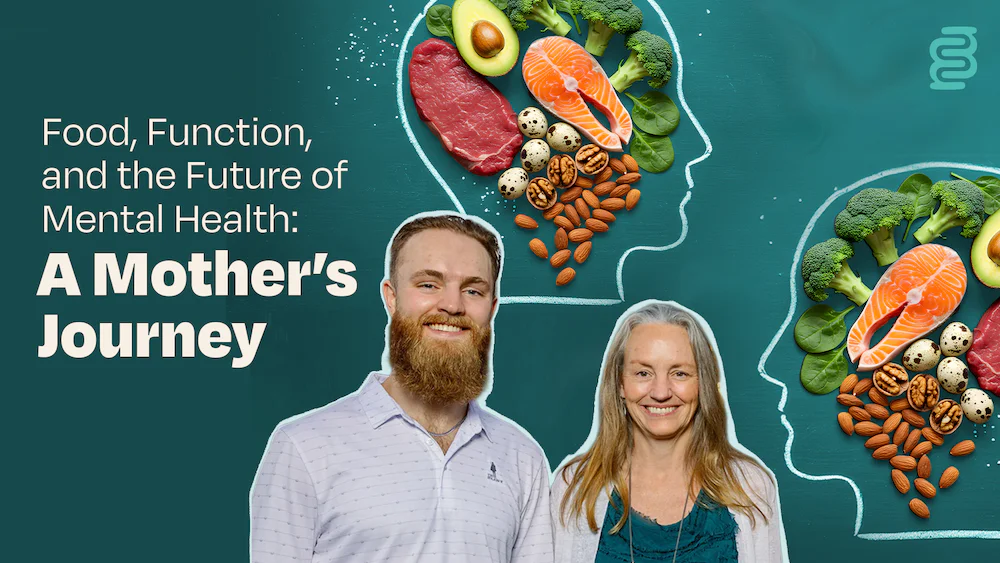
As mental health challenges grow more complex and costly, new solutions are essential. What if one of the most powerful answers isn’t a new drug, but food? What…
Read more
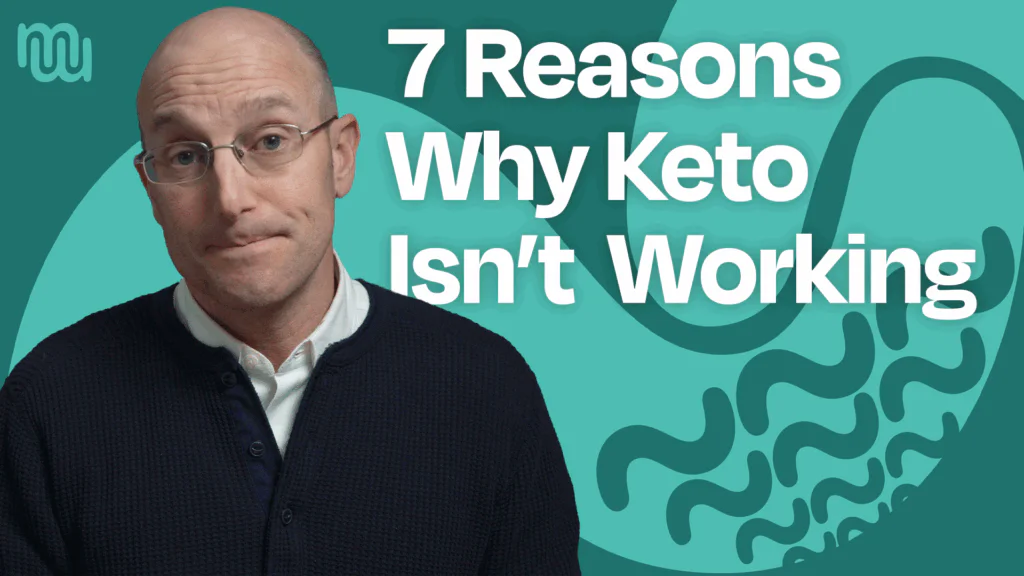
Dr. Bret Scher explains seven reasons why ketogenic therapy may not improve mental health as expected and how to fix them. From optimizing ketone levels and addressing nutrient deficiencies to managing medications, sleep, and stress, this episode of the Metabolic Mind Podcast provides expert insights into making ketosis more effective for mood and brain health.
Learn more
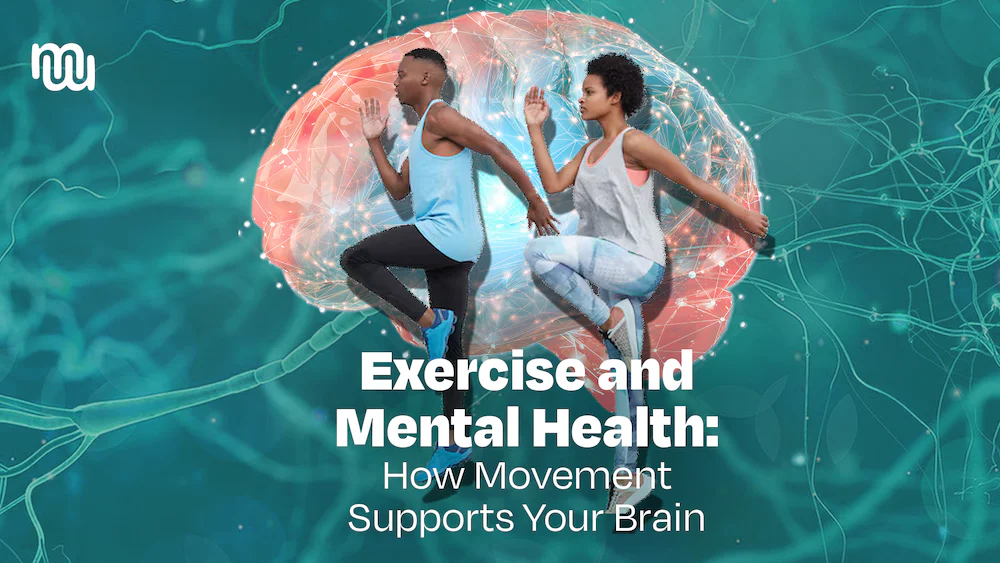
In this article: Most people know that exercise is good for their body, but its impact on the mind is just as powerful. In fact, regular physical activity…
Learn more
The Metabolic Mind Podcast, hosted by cardiologist Dr. Bret Scher and powered by the Baszucki Group, explores the rapidly emerging field of metabolic psychiatry—where metabolic health and mental health intersect. Inspired by Roblox founder David Baszucki’s son recovering from mental illness through nutritional ketosis, the show examines how conditions like insulin resistance, metabolic syndrome, and type 2 diabetes are tightly linked with disorders such as bipolar disorder, depression, and other serious mental illnesses. Featuring scientists, clinicians, and people with lived experience, Metabolic Mind explains how ketogenic diets and other metabolic therapies—long used for epilepsy—may help stabilize brain function and improve psychiatric symptoms, offering education, real-world stories, and hope for patients, families, and clinicians seeking new options in mental health care.
Learn more
As mental health challenges grow more complex and costly, new solutions are essential. What if one of the most powerful answers isn’t a new drug, but food? What…
Read more
Dr. Bret Scher explains seven reasons why ketogenic therapy may not improve mental health as expected and how to fix them. From optimizing ketone levels and addressing nutrient deficiencies to managing medications, sleep, and stress, this episode of the Metabolic Mind Podcast provides expert insights into making ketosis more effective for mood and brain health.
Learn more
In this article: Most people know that exercise is good for their body, but its impact on the mind is just as powerful. In fact, regular physical activity…
Learn more
The Metabolic Mind Podcast, hosted by cardiologist Dr. Bret Scher and powered by the Baszucki Group, explores the rapidly emerging field of metabolic psychiatry—where metabolic health and mental health intersect. Inspired by Roblox founder David Baszucki’s son recovering from mental illness through nutritional ketosis, the show examines how conditions like insulin resistance, metabolic syndrome, and type 2 diabetes are tightly linked with disorders such as bipolar disorder, depression, and other serious mental illnesses. Featuring scientists, clinicians, and people with lived experience, Metabolic Mind explains how ketogenic diets and other metabolic therapies—long used for epilepsy—may help stabilize brain function and improve psychiatric symptoms, offering education, real-world stories, and hope for patients, families, and clinicians seeking new options in mental health care.
Learn more