Announcing the new McLean Center for Metabolic Psychiatry Learn more.


Listen, Watch & Subscribe on:



Simple Tips for Protecting Your Mental Health in College
Listen
About the host

About the host


Bret:
This is Metabolic Mind Bitesize. I’m Dr. Bret Scher.
Georgia:
Your college years can be the most exciting and enriching times of your life, but they can also be extremely stressful and even dangerous to your mental health. I know this firsthand, not only because I was a college student myself many moons ago, but also because I worked as an on-campus psychiatrist for seven years at Harvard University and five years at Smith College.
I’m Dr. Georgia Ede, a psychiatrist with expertise in college mental health, nutrition, and brain metabolism. And I’m here to help you understand why college can be such a high-risk time and what you can do to protect yourself. Serious mental health problems have reached epidemic levels on college campuses, but they’re nothing new.
In the 1980s, when I was a sophomore at Carleton College in Minnesota, on my dormitory floor alone, there was a student with anorexia, a student with depression so severe she couldn’t get out of bed for weeks and had to withdraw from school, and a student who tragically died by suicide. Back then, there were no visible mental health services on college campuses, and nobody educated us or helped us process what we had witnessed.
The college-age brain hasn’t finished developing yet. And developing brains are more vulnerable to stress of all kinds, including the stress of being away from home for the first time, academic pressure, and social stress, for sure, but also something called oxidative stress. High levels of oxidative stress help set the stage for mental health problems of all kinds, from ADHD to depression to bipolar disorder to schizophrenia and just about everything in between.
Oxidative stress means that your brain is flooded with more oxygen-free radicals than its own internal antioxidants can mop up. Oxygen-free radicals run around like little bulls in a china shop, damaging brain cells and throwing brain chemicals out of balance, including some of the very same chemicals that psychiatric medications are trying to rebalance, like serotonin and dopamine.
What causes oxidative stress? The biggest culprits by far are sleep deprivation, alcohol, smoking, vaping, and eating an unhealthy diet. No wonder most college campuses are crucibles for poor mental health. In my 12 years as a college psychiatrist, it was heartbreaking to see so many intelligent, talented, passionate, hardworking young people who should be in peak mental health already, taking two or three psychiatric medications, unable to concentrate and keep up in school, needing frequent crisis appointments for panic attacks, depending on specialized support services to manage on campus, and turning to substances to cope with stress, help them study, or help them sleep.
This is not normal. These are usually warning signs from your brain that it can’t work properly because it’s under attack. The brain has no nerve endings. So when it’s in trouble, it can’t send you pain signals. It just starts malfunctioning. And if you ignore those warning signs, your college career could easily be interrupted by a medical leave of absence or even come to an end because you have to withdraw from school.
It’s no secret that prioritizing sleep and avoiding drugs and alcohol are good for your brain. But many people don’t realize that eating a healthy diet is one of the most powerful levers you can pull to improve your mental health, and often, quite quickly. That’s because if you eat the right way, you can dramatically reduce levels of oxidative stress in your brain.
Contrary to popular belief, adding super foods to your diet that claim to be rich in antioxidants is not the best way to fight oxidative stress. The best way to fight oxidative stress is by subtracting ingredients that promote excess oxidative stress in the first place. The worst culprits are refined carbohydrates, like sugars, flours, cereal products, and fruit juices. Anything that floods your bloodstream with too much glucose at once.
And keeping your blood glucose in a healthy range isn’t just good for your brain. It’s good for your waistline, too, because it can help you avoid gaining the dreaded “freshman 15.” That’s because lots of glucose in the blood means lots of insulin to manage all that glucose, and high insulin levels turn your fat-burning enzymes off.
I know it’s not easy to practice healthy habits, like eating whole foods, prioritizing sleep, and avoiding drugs and alcohol when other students around you are eating pizza, drinking beer, vaping, and staying up until 3:00 or 4:00 in the morning. But ask yourself, why are you spending all that precious money, time, and energy going to college in the first place?
If you’re there to learn, your brain needs to be healthy enough to build and maintain new memory circuits. And it can’t do that if it’s constantly under attack. If you’re there to make new friends and grow your professional network, it’s going to be a lot harder if you’re too depressed or anxious to show up and engage with people in a positive way.
We used to think that the biological roots of mental health problems were chemical imbalances that needed to be corrected with medication. And medication can help. But we now understand that mental health problems can also have metabolic roots. Sugary diets, alcohol, smoking, vaping, and sleep deprivation can all damage brain architecture and brain metabolism, which will ultimately make it harder for your brain to generate the calm, focused energy it needs to keep your mood stable, to think, to concentrate, to remember, and to be resilient under stress.
The good news is that there’s a lot you can do to improve and protect your brain metabolism. Here are a few simple strategies you can practice on campus. Focus on whole foods like meat, seafood, poultry, eggs, fruits and vegetables, nuts and seeds, and unsweetened dairy products. If you prefer a vegan diet, be sure to include enough protein-rich foods, like tofu and beans.
Stay away from sugar, flour, cereals, grains, even whole grains. Stay away from fruit juices and alcohol as much as possible. If you’re surprised by some of these recommendations, like avoiding grains, for example, I explain why in my book, Change Your Diet, Change Your Mind. But healthy examples of better choices you can make include: choosing eggs over cereal for breakfast; choosing dining hall foods that are made without sugar and flour, like grilled chicken or fish; burgers without buns and salads; snacking on nuts or cheese instead of granola bars, chips, or cookies; drinking water, seltzer, or iced tea instead of soda or juice.
And if you want something sweet, choose fresh fruit instead of ice cream or candy. Get regular exercise, especially outdoors, because that will improve brain circulation, help reset your circadian rhythm, and improve your brain metabolism. It also helps keep your blood sugar levels in a healthy range. If you can afford a continuous glucose monitor, wear one for a couple of weeks to see how fruit and starchy vegetables affect your blood sugar, and whether you need to cut down on your carbohydrate intake because we’re all a little different.
We’re discovering in the field of metabolic psychiatry that many people with mental health concerns benefit from a very low carbohydrate ketogenic diet. And if you’re interested in exploring that option, please visit the Metabolic Mind website Peers and Families page first to learn more and find support.
These lifestyle strategies take effort, but everything worth doing takes effort, right? And you’re worth the effort. Don’t make your time in college harder than it needs to be. Set yourself up for success by taking good care of your metabolic health. And if you’re having a tough time at school, please reach out to people in your life you trust and ask for help from caring professionals on campus.
There are so many resources available now that were never available when I was in college. Have a great semester.
Listen, Watch & Subscribe on:
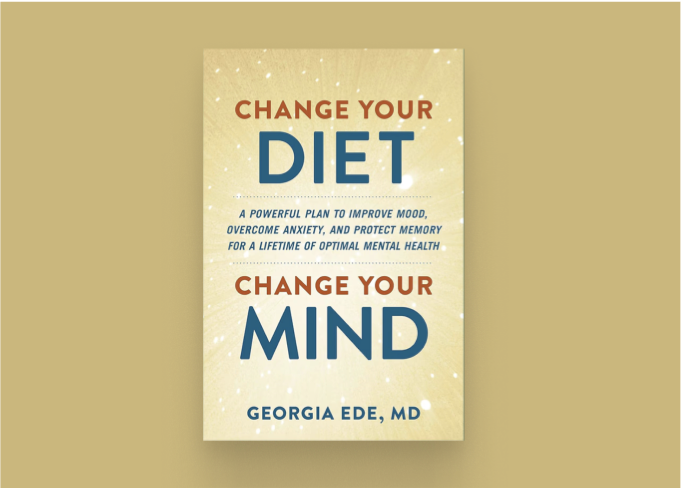
A powerful plan to improve mood, overcome anxiety, and protect memory for a lifetime of optimal mental health.
Read more
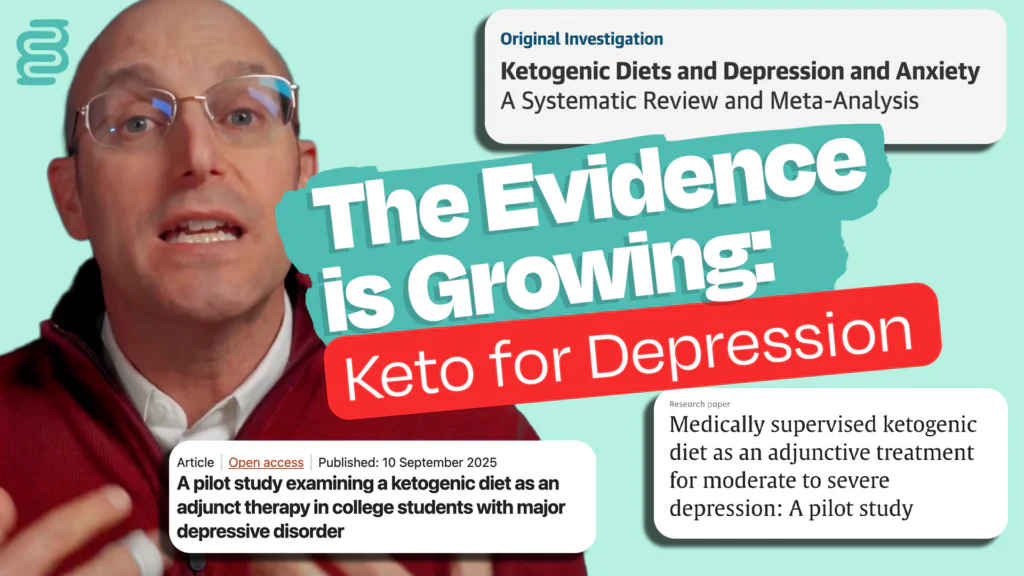
New research highlighted by Metabolic Mind suggests that ketogenic therapy may be a promising adjunctive treatment for depression. In this episode, Dr. Bret Scher reviews a remote 14-week pilot study, the KIND Trial, and a larger meta-analysis showing that ketogenic diets may help reduce depression symptoms, anxiety, and anhedonia, while offering new hope for people who have not responded fully to standard treatments.
Learn more
The last several decades have seen a sharp and unsettling rise in mental health issues among teens. While the pandemic gave these numbers an undeniable spike, the crisis…
Learn more

UCLA Health is set to begin a multi-site pilot study to explore whether a ketogenic diet, when combined with mood stabilizing medications, helps stabilize mood symptoms in teenagers…
Learn more
A powerful plan to improve mood, overcome anxiety, and protect memory for a lifetime of optimal mental health.
Read more
New research highlighted by Metabolic Mind suggests that ketogenic therapy may be a promising adjunctive treatment for depression. In this episode, Dr. Bret Scher reviews a remote 14-week pilot study, the KIND Trial, and a larger meta-analysis showing that ketogenic diets may help reduce depression symptoms, anxiety, and anhedonia, while offering new hope for people who have not responded fully to standard treatments.
Learn more
The last several decades have seen a sharp and unsettling rise in mental health issues among teens. While the pandemic gave these numbers an undeniable spike, the crisis…
Learn more
UCLA Health is set to begin a multi-site pilot study to explore whether a ketogenic diet, when combined with mood stabilizing medications, helps stabilize mood symptoms in teenagers…
Learn more