Announcing the new McLean Center for Metabolic Psychiatry Learn more.


Listen, Watch & Subscribe on:



Robyn Dobbins Reflects on Her Story in The Cholesterol Code
Listen
About the host
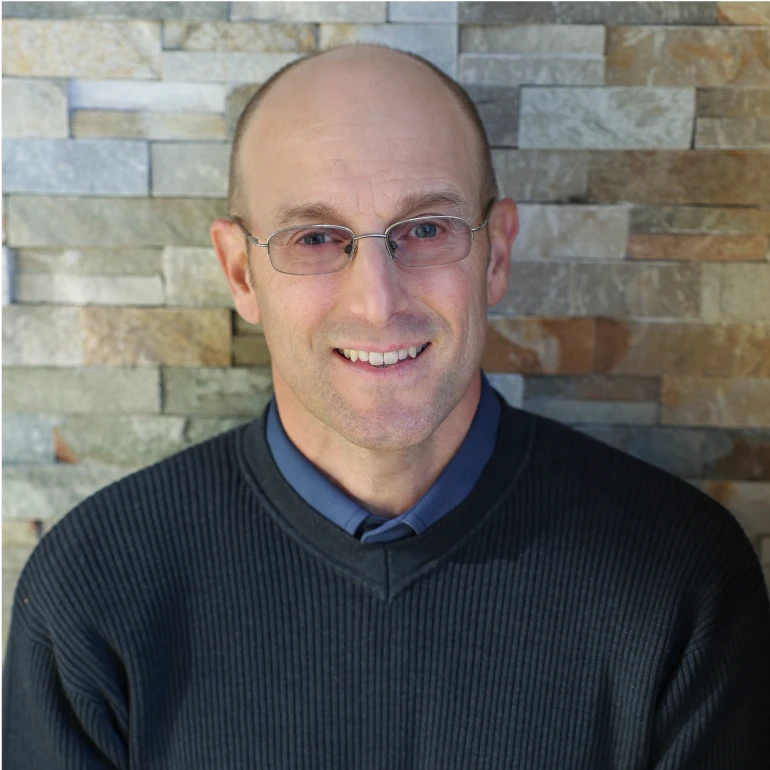
About the host

About the host
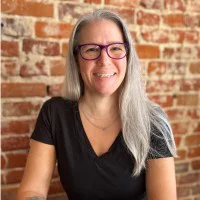
About the host
About the host
About the host

Robyn:
People can heal. People can have their lives back and not be in the darkness anymore. I was angry. I was just angry all the time. It’s the complete opposite of the way life used to be.
Bret:
Welcome to the Metabolic Mind Podcast. I’m your host, Dr. Bret Scher. Metabolic Mind is a non-profit initiative of Baszucki Group, where we’re providing information about the intersection of metabolic health and mental health and metabolic therapies, such as nutritional ketosis as therapies for mental illness.
Thank you for joining us. Although our podcast is for informational purposes only and we aren’t giving medical advice, we hope you will learn from our content and it will help facilitate discussions with your healthcare providers to see if you could benefit from exploring the connection between metabolic and mental health.
Please remember that our channel is for informational purposes only. We’re not providing individual or group medical or healthcare advice or establishing a provider-patient relationship. Many of the interventions we discuss can have potentially dangerous effects if done without proper supervision.
Consult your healthcare provider before changing your lifestyle or medications. In addition, it’s important to note that people may respond differently to ketosis, and there isn’t one recognized universal response
Hannah:
I’m here with my friend, Robyn Dobbins, who has an absolutely incredible story of putting her bipolar II disorder into remission. And she has shared her whole story with our community through the THINK+SMART framework to inspire others. And I had the honor of getting to see The Cholesterol Code preview, where Robyn’s story was featured. And I’m just wondering how it felt to see your story?
Robyn:
Wow. Seeing my story was, It’s really just, it was a surreal moment. I haven’t not shared my story. I’ve always been really open about my story, even before when I was very first diagnosed as bipolar. It was really important to me for the people around me to know that people with mental disabilities are among us, and we’re not this stigma that we’re being portrayed as.
So, that was always important to me to be open about it. And then, healing myself and finding that I don’t need all these medications, and I don’t need to do this anymore. That just gave me more passion to speak out about it because I’m like, “Now, people can heal. People can have their lives back and not be in the darkness anymore.”
So, seeing that on the screen and knowing my family’s involved with it. My daughter’s there. My husband’s there, and that can relate to so many people. And that it, my whole goal is to inspire hope. And I feel that was just the big way to do that, to inspire hope.
Hannah:
Yeah, and you do that in such a beautiful way. I would suggest that everybody take time to look at Robyn’s entire story that’s featured on THINK+SMART. She shares her whole journey as well as all the different strategies, different metabolic therapies that have helped you. For those who haven’t seen your story, how would you summarize what you’ve been through in terms of your psychiatric symptoms, and how that changed once you started ketogenic therapy?
Robyn:
The biggest way to describe how I felt when I was really in the depths of my mental health problems is, I was angry. I was just angry all the time. It’s bipolar, but my bipolar was depression mostly. And then, there would just be very brief periods where I would just have all this energy, and I wouldn’t know what to do with it. I’d want to clean or I’d want to get out.
I really just wanted to get out. I just wanted to go. I just wanted to break free from everything. I didn’t want to participate in the life that I was in anymore. And that was exhausting because I’m just constantly fighting with this. I’m a mom. I’m a parent. And I have these responsibilities, but I just want to run.
Or I’m angry all the time, and I’m guilty. And that was just exhausting going through all of that. And now it’s none of those things. Now all of that is gone. Obviously, things happen in life where you can have an actual response, an emotional response to it. But it’s not my life anymore. I’m not sleeping all of the time.
I’m not angry all the time. I want to participate in things, and I try to get myself out there. And it’s just the complete opposite of the way life used to be.
Hannah:
Yeah, and I love your beautiful story of transformation. But even more, that you’re spending so much of your time and energy advocating and trying to raise awareness for others because you know that this has the potential to transform the lives of other individuals who are suffering as well.
So, I’m really excited about The Cholesterol Code, and the awareness that could bring to so many people. So, I’m wondering, what are your expectations for how that film could influence the lives of people who are suffering with serious mental illness?
Robyn:
I think right now, especially because I’m in it, I think there’s this bubble, and it feels like a lot of people know.
And it feels like a lot of people know that metabolic therapy can help them get out. But the actuality is that it’s not. It’s just a very small portion of people who know. This film is just so well done and so compelling. I think it was two hours long and we were on the edge of our seats the whole time.
I think it has the potential to reach so many people. We’ve been trying. I’ve been telling my story over and over again, but it’s only reaching so many people. Now, it’s like finally, there’s this opportunity where it could get out past. We can break that barrier, break the wall, and get this a lot more mainstream, and like I said, more hope.
It brings more hope to more people and that’s just an amazing opportunity.
Hannah:
Exactly. It’s incredibly exciting. So, thank you so much for sharing your story and being a part of this movement. it’s so inspiring.
Robyn:
Of course. It was my pleasure to do it.
Bret:
Thanks for listening to the Metabolic Mind Podcast. If you found this episode helpful, please leave a rating and comment as we’d love to hear from you. And please click the subscribe button so you won’t miss any of our future episodes. And you can see full video episodes on our YouTube page at Metabolic Mind.
Lastly, if you know someone who may benefit from this information, please share it as our goal is to spread this information to help as many people as possible. Thanks again for listening, and we’ll see you here next time at the Metabolic Mind Podcast
Listen, Watch & Subscribe on:
Subscribe to this YouTube podcast where Dr. Iain Campbell and Matthew Baszucki host peers and experts on the use of ketogenic therapy for bipolar disorder. View Channel
Read more

Metabolic Mailbag with Dr. Bret Scher and producer Erica tackles five listener questions in rapid fire: whether seed oils are truly dangerous, what anhedonia is and how it connects to antidepressants and ketogenic therapy, the ongoing plant-based versus keto debate, why the dawn phenomenon means something different for a type 2 diabetic than for someone in ketosis, and how to actually define ketoacidosis versus a high but benign ketone reading. Bret brings his usual skepticism toward nutrition epidemiology and healthy-user bias into each answer, while keeping the advice practical for everyday listeners.
Learn more
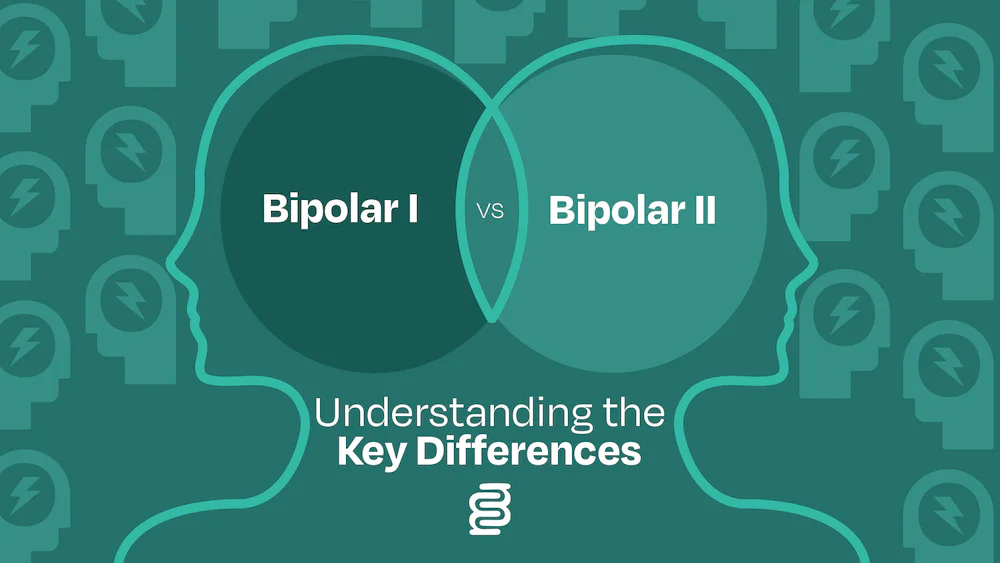
A Nuanced Guide to Understanding Bipolar Mood Disorders, Why They’re Often Misdiagnosed, and How Personalized Treatment Is Reshaping Lives. Bipolar mood disorders are complex and often misunderstood mental…
Learn more
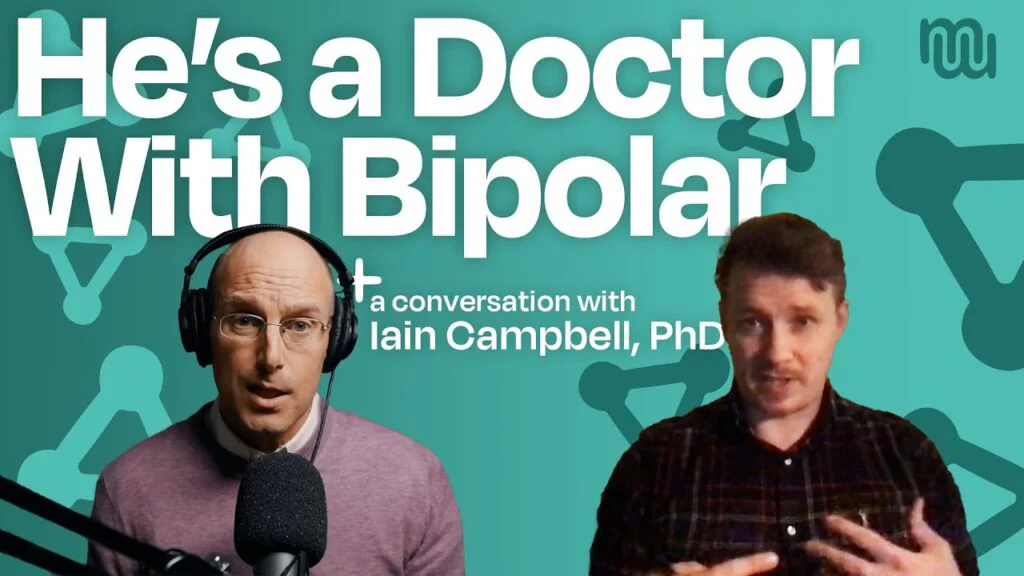
In this powerful Metabolic Mind Podcast episode, Dr. Bret Scher interviews researcher and bipolar disorder advocate Dr. Iain Campbell, who combines lived experience with scientific expertise to explore the promise of metabolic therapies for mood disorders. Campbell shares how a ketogenic diet profoundly improved his bipolar symptoms, inspiring him to study brain energy, insulin resistance, mitochondrial function, and ketogenic interventions through a new four-year fellowship at the University of Edinburgh. He discusses stigma, the limitations of standard medications, emerging clinical research, and why metabolic psychiatry may offer a transformative new path for people living with bipolar disorder. A must-listen for anyone interested in ketogenic diets, mental health innovation, and the future of psychiatric care.
Learn more
Subscribe to this YouTube podcast where Dr. Iain Campbell and Matthew Baszucki host peers and experts on the use of ketogenic therapy for bipolar disorder. View Channel
Read more
Metabolic Mailbag with Dr. Bret Scher and producer Erica tackles five listener questions in rapid fire: whether seed oils are truly dangerous, what anhedonia is and how it connects to antidepressants and ketogenic therapy, the ongoing plant-based versus keto debate, why the dawn phenomenon means something different for a type 2 diabetic than for someone in ketosis, and how to actually define ketoacidosis versus a high but benign ketone reading. Bret brings his usual skepticism toward nutrition epidemiology and healthy-user bias into each answer, while keeping the advice practical for everyday listeners.
Learn more
A Nuanced Guide to Understanding Bipolar Mood Disorders, Why They’re Often Misdiagnosed, and How Personalized Treatment Is Reshaping Lives. Bipolar mood disorders are complex and often misunderstood mental…
Learn more
In this powerful Metabolic Mind Podcast episode, Dr. Bret Scher interviews researcher and bipolar disorder advocate Dr. Iain Campbell, who combines lived experience with scientific expertise to explore the promise of metabolic therapies for mood disorders. Campbell shares how a ketogenic diet profoundly improved his bipolar symptoms, inspiring him to study brain energy, insulin resistance, mitochondrial function, and ketogenic interventions through a new four-year fellowship at the University of Edinburgh. He discusses stigma, the limitations of standard medications, emerging clinical research, and why metabolic psychiatry may offer a transformative new path for people living with bipolar disorder. A must-listen for anyone interested in ketogenic diets, mental health innovation, and the future of psychiatric care.
Learn more