New Results: First RCT for Schizophrenia & Bipolar Disorder. Learn more.


Listen, Watch & Subscribe on:


Q&A: Troubleshooting Keto? Sleep, L-Carnitine, Protein Powders & More
Listen
About the host

About the host


Bret:
What could have caused these sleeping issues, and what could I have done to prevent them? So, would you recommend that everybody starting a ketogenic diet get a carnitine level?
Georgia:
As a cardiologist, Bret, if you had to pick only one blood test, do you have a favorite?
Bret:
Is it possible to have insulin resistance in your brain if you don’t have it in the rest of your body?
What say you, Georgia?
Welcome to the Metabolic Mind Podcast. I’m your host, Dr. Bret Scher. Metabolic Mind is a non-profit initiative of Baszucki Group, where we’re providing information about the intersection of metabolic health and mental health and metabolic therapies, such as nutritional ketosis as therapies for mental illness.
Thank you for joining us. Although our podcast is for informational purposes only and we aren’t giving medical advice, we hope you will learn from our content and it will help facilitate discussions with your healthcare providers to see if you could benefit from exploring the connection between metabolic and mental health.
Many of the interventions we discuss can have potentially dangerous effects if done without proper supervision. Consult your healthcare provider before changing your lifestyle or medications. In addition, it’s important to note that people may respond differently to ketosis, and there isn’t one recognized universal response
Welcome back to another Metabolic Mailbag episode. I’m joined by Dr. Georgia Ede, where we answer your questions that you supply to us either on X or Instagram or YouTube or at metabolicmind.org/questions where you can give us your questions. And where you can sign up for Metabolic Mind, where we’ll keep you up to date on all our latest newsletters and all the latest science and information that’s out there about the connection between metabolic and mental health.
Dr. Georgia Ede, thank you for joining me once again.
Georgia:
Thank you, Bret.
Bret:
And as usual, we have some great questions to review. So, let’s just jump right into it. the first one is from ReneesRantAbout4361. I love everybody’s handles and names. Some of them are very creative. Okay. “I suffered horribly for the first three months, unable to sleep on a carnivore diet.
I was awake for about five days, then would collapse and sleep about five or six hours, then another five days unable to sleep.” That does not sound like fun. “I followed all the obvious advice to help sleep, like a dark room, no blue light or food after 6:00 PM, exercise, lowering stress, et cetera. I had taken three months to gradually change or transition my diet before starting carnivore.
What could have caused these sleeping issues, and what could I have done to prevent them?” What say you, Georgia?
Georgia:
Ugh, Renee’s rant. So Renee, I don’t know because I don’t know enough about the particulars of your situation even though you’ve tried really hard to give a lot of details. There can be a lot of different reasons why people have trouble transitioning onto a ketogenic or a carnivore diet.
And sometimes, you do see insomnia. So, it’s definitely something that can happen for some people. Now, most people, it’s very temporary. Most people, it’s a few days. Maybe a week or two, and then things, and then sleep improves really quite dramatically, often by week three. That’s not what happened for you.
So, in your case, I have more questions than answers. So, for example, I want to know were you supplementing with electrolytes, and particularly magnesium but sodium and potassium as well? And another question I have is, carnivore diets mean different things to different people. So, what exactly was this carnivore diet that you switched onto?
How much protein was in it? Which foods were in it? And what were your ketone levels looking like if you were measuring them? Were you in ketosis on a regular basis? But what did the pattern look like? Sometimes people will fall out of ketosis overnight. Sometimes glucose levels can be unstable depending on how much protein you’re eating, for example, timing of meals, and even food choices.
So, was there dairy in the carnivore diet? Was it a high histamine carnivore diet that has a lot of processed, you know, fermented and cured and smoked and dried meats, that sort of thing? So, it really depends. If you were coming to me, I would really just start by asking you lots of questions.
And sometimes, we never get to the answer. But those are the types of things that I would, begin with.
Bret:
Now, this to me triggered a thought about that whole discussion we had between me, you, and I believe it was Matt Baszucki and Nicole Laurent, where we did a whole video about ketosis triggering a manic episode.
Not saying that this person was experiencing a manic episode, but when someone’s truly awake for five days, to me that makes me worry about mania. So one, if anybody’s concerned about that, they should go back and watch that video. But does that make you think about that at all, this question?
Georgia:
I’m really glad you mentioned that because Renee isn’t mentioning that. So, I’m assuming that it was just sleeplessness and not other worrisome signs of mania.
And assuming that’s the case, we would just be troubleshooting the sleep itself. But if you, if someone out there is listening, including Renee, who is dealing with more than just insomnia. If you’re dealing with other uncomfortable high energy symptoms, racing thoughts, difficulty concentrating, feeling as though you have so much energy that you can’t, you really can’t be calm and get things done during the day.
And you’re overspending or you’re doing lots of things that you wish you weren’t doing. You feel out of control. That’s something that if I were you, I would stop the diet first and ask questions later. And if you’re working with somebody that is really knowledgeable about ketogenic diets, they can troubleshoot it with you.
But that would be a potentially risky situation. But if we’re just dealing with insomnia, which as Bret, you said, is no fun at all. It’s still serious, but you may be able to take a little bit more time and troubleshoot. But if you’re having any other mental health symptoms that are concerning, then absolutely either stop the diet or make sure that you’re working with somebody closely to get things on track as quickly as possible.
Bret:
Yeah, very good. Very good. All right, next question from Duff Man. Duff Man wants to know, “Any of you guys supplementing with L-carnitine to support your ketosis yet? Did a bit of reading and just started it.” So. What do you think?
Georgia:
So Duff Man, I generally only recommend supplementing anything, any kind of supplement when it’s clearly indicated because I really prefer to advise my patients to obtain nutrients from whole foods whenever possible.
So, carnitine bioavailability from supplements is much lower than it is from food. That’s why I encourage people, if they’re open to this advice because not everybody feels comfortable including animal foods in their diet. Carnitine, the best sources of carnitine are red meat. So, I encourage them to increase red meat in their diet, if they’re open to doing that.
So, the reason why this is such an important question in the world of ketogenic metabolic therapy is that carnitine transports long-chain fatty acids into the mitochondria where they’re burned for energy. So, if carnitine levels are low, fat metabolism could be compromised. It could slow down the ability of the body to make ketones.
So, that could result in lower than expected ketone levels, and potentially, also signs of energy deficit like fatigue or hypoglycemia or cognitive difficulties. Now, the interesting thing about carnitine, like we were saying, it’s a nutrient found almost exclusively in red meat, and to a lesser extent, in certain other animal foods. But we can make a certain amount of it ourselves, but we can only do that if our demand isn’t too high, which it is on a ketogenic diet.
And if we have enough lysine and methionine, which are the essential amino acids that we need to build carnitine. So, you can imagine then that risk factors for carnitine deficiency would include diets low in carnitine, lysine, and/or methionine, including vegan and vegetarian diets.
But there are also other risk factors for carnitine deficiency, like the drug valproate, which is brand name Depakote in the United States, and also a couple of antibiotics, cyclosporine and pivampicillin, and all certain health conditions, liver disease, kidney disease, type 2 diabetes, and just old age.
It’s an expensive test. Carnitine levels, that’s not cheap. But I do whenever possible to get a free plasma carnitine level. And if it’s below 50 micromoles per liter, and someone isn’t willing to add more animal foods to their diet or they just need extra supplementation, acetyl L-carnitine in divided doses two to three times a day up to 100. The dosing is based on weight. So, up to 100 milligrams per kilogram of body weight per day might be useful.
And this, a typical starting dose, would be for adults. Five hundred milligrams twice a day.
Bret:
Now, you mentioned it can be an expensive test. And it’s certainly a test that most doctors, if they’re not familiar with ketosis, have never heard of probably and have never ordered. So, would you recommend that everybody starting a ketogenic diet as a medical intervention get a carnitine level, or would you reserve it for those who are struggling to get into ketosis or to get a level of ketones that they’re shooting for?
Georgia:
Yeah, in the expert consensus that we just published a couple of weeks ago, we did recommend that everybody get a carnitine level, but that doesn’t mean that it’s mandatory. That just means that it’s recommended. It’s suggested. It’s ideal if you do that. But certainly, if you can’t afford it or can’t access that test or you just are afraid of needles and want to minimize testing, you don’t have to get a carnitine level before you start.
You can just see how things go because if you’re able to get into good ketosis, you probably have enough carnitine, right? So, but I would, I do recommend it even more strongly for people who are following vegan and vegetarian diets, for example, and who are taking Depakote.
Bret:
Yeah. Makes sense.
Makes sense. Okay, KatieCurry8656, “Is it possible to have insulin resistance in your brain if you don’t have it in the rest of your body?”
Georgia:
Yes. That’s a very smart question, Katie. So yes, it absolutely is. And we don’t have perfect ways of measuring insulin resistance in the body, even in the body.
And it’s very difficult to measure in the brain. It’s not something that you can go into your doctor’s office and say, “Can you please test my brain for insulin resistance?” There is no such test. So yes, but scientific studies have definitely found that you can have insulin resistance in the brain, even if you don’t have obvious signs of it in the body.
If all my blood tests show that I don’t have any signs of insulin resistance and my body weight is normal, my body composition is healthy, I’m physically active, and all my blood tests look normal, do I really need to eat a ketogenic diet for mental health? Or could there be some metabolic problem that’s causing mental health problems that I need to address?
So, there are many other reasons. Even if your brain didn’t have any insulin resistance, which we can’t really tell you, but even if it didn’t, there are so many other potential benefits to trying a ketogenic diet if you have a mental health problem, including protecting the brain from the damaging effects of high glucose and insulin levels, reducing inflammation, reducing oxidative stress, raising levels of brain-derived neurotrophic factor, which helps your brain, maintain and build new circuits, neurotransmitter imbalances, stabilizing nerve cell networks, and improving the health of existing mitochondria in the brain and promoting the birth of brand-new mitochondria.
So, lots of benefits that have nothing to do with your blood tests. I always encourage people when they have a mental health issue, even if their blood tests look normal, that it’s still worth considering a ketogenic diet.
Bret:
Yeah, very good, thorough answer. And I would just like to throw in, as you said, our testing for insulin resistance, even in the body, is not perfect, and especially the standard medical tests are to use fasting blood sugar or hemoglobin A1c. And that’s the test for insulin resistance, when really that is a late test for insulin resistance.
And if you really want to be measuring it in the body, it is a fasting insulin, a HOMA-IR or even triglyceride to HDL ratio. You can use body composition. There’s so much more and better tests than we can use than just blood sugar. So, make sure that’s being appropriately diagnosed for insulin resistance.
But as you said, no test for the brain, but so many other reasons for ketogenic interventions for helping brain health. So, I like that.
Georgia:
As a cardiologist, Bret, if you had to pick only one blood test If you could only get one, is there one, do you have a favorite?
Bret:
Are you really going to make me pick one?
Just one?
Georgia:
If
Bret:
you don’t
Georgia:
pick my own.
Bret:
I don’t want one. I want a triglyceride to HDL ratio and I want a fasting glucose and a fasting insulin for a HOMA-IR. Those are the two I want.
Georgia:
Okay, good. Fair enough.
Bret:
I’m like, I got to cheat. I can’t answer the question like that. Okay, let’s see. Where to next? So, from our Metabolic Mind info box, how to stop losing too much weight? How to get higher calorie goals while maintaining ketosis?
So, this is interesting. You know, ketosis, ketogenic diet is often thought of as a weight loss diet, and it’s probably how it’s most commonly used. But if someone doesn’t want to lose weight but is using a ketogenic diet to help their depression, their bipolar disorder, their anxiety, their OCD, whatever the case may be, and they don’t want to lose weight.
Or even as we’re learning now from Dr. Guido Frank, even maybe treating an eating disorder, how can you eat a ketogenic diet and not lose weight?
Georgia:
Yeah, so exactly right. So, most people think of the ketogenic diet as a weight loss diet, but it can be constructed for weight loss, weight gain, or weight maintenance. And if all the ketogenic diet did was cause people to lose more and more weight over time, all of us who have been eating a ketogenic diet for a long time would have disappeared a long time ago.
So, you know, there is a point at which things stabilize. But it is definitely a real clinical issue for some people, especially if they’re naturally lean, or they’ve already lost the amount of weight they want to lose, and their weight goes, starts to trend below normal on a ketogenic diet.
What do you do? First thing you do is you raise fat. You increase the amount of fat in your diet because you don’t want to lose more body fat, right? And then, if that doesn’t help enough, you raise protein. And raise protein as much as you can without interfering with the degree of ketone production that you need to maintain your ketone levels in the range that you have found works best for you.
And the most reliable way to raise protein without lowering ketones is to raise the protein and fat together while keeping the ratio between the two nice and high, meaning at least twice as much fat to protein every time you eat protein. Not eating protein all alone, for example, and certainly not eating more carbohydrate.
The last thing you want to do if you’re losing weight is add carbohydrate. You want to start with fat. Then, go to protein. And it’s unusual to need to go to carbohydrate. And the other reason to do it and to put carbohydrate last is carbohydrate, not only because it’s going to lower ketone levels pretty quickly, but the foods that contain carbohydrate tend to be the least nutritious.
So, if you want to optimize your nutrition, you want to choose the protein, which does also lower ketone levels to a certain extent. You want to choose a nutritious food rather than a food that has fewer nutrients in it.
Bret:
Yeah, and I think that what this question also can frequently reflect is this general concept that we have as a population of this reluctance to eat too much fat. And when you’re eating the ketogenic diet, especially if it’s not a weight loss diet, you really have to eat more fat than you think.
And some people really have a hurdle to doing that. And so, I think if you are losing weight that you don’t want to lose, that might be the first place you have to look is, how can I add more fat? Avocado is your friend. Nuts are your friend. Extra virgin olive oil on everything is your friend, right?
And even getting some fatty snacks in where sometimes people aren’t going to feel like snacking because they’re so satiated. And they’re full, and they’re not hungry. But if you want to prevent that weight loss, adding that fat, but only if you’re getting enough protein because you want to make sure you’re maintaining your lean muscle mass. That if you are losing weight, that you’re losing fat mass and not lean muscle mass and actually building lean muscle mass.
So, yeah.
Georgia:
Those are fantastic points. I agree with every single one of those.
Bret:
Great, and that kind of ties in then to our next question, which is rjs6172. So, he has a question, he or she has a question about protein. “If I understand correctly, any protein consumption will raise blood glucose and insulin.” So, there’s the first point we can address.
“But please explain the differences in proteins and how the body reacts. Why is there an objection to using whey protein?” So first, is there an objection? And if so, why? “And is it because it’s consumed and tested as a single ingredient with water? I make a daily smoothie that includes whey protein, beef protein, collagen, avocado, and kale.
I prefer a vegetarian lifestyle, but struggle with getting enough daily protein. So, my functional doctor has been helping me.” A lot there to unpack about protein, the different types. So, where do you want to start with this one?
Georgia:
Okay, RJS. So, correct. So, protein can definitely raise insulin, although not usually nearly as much as carbohydrates do, depending on the protein. And protein can sometimes raise glucose, especially in people with insulin resistance, pre-diabetes, and type 2 diabetes. But again, not nearly as much as carbohydrates do.
And whey protein, in particular, stimulates a very strong insulin response, almost as high as glucose, pure glucose itself. So, I personally always advise people to eat whole foods rather than powdered foods. The body doesn’t respond normally to foods that have had their cellular integrity destroyed.
Protein powders are ultra-processed factory ingredients that I think are best avoided if possible for optimal health. And the best sources of high quality protein for vegetarians are eggs, tofu, and cheese. And there’s no need to eat protein powders on a vegetarian ketogenic diet in my opinion.
And you’re going to get much, many more, nutrients from the whole foods rather than from the isolated powdered ingredients.
Bret:
Yeah, now that being said, some people still struggle, and especially if they’re very physically active and want to have a higher protein intake, build muscle mass. What do you think about, and I understand your caveat that whole foods are definitely better, but when you’re talking about protein supplements, protein shakes if someone is going to do that, is there a go-to? I like an egg, a powdered egg white, as a protein supplement as opposed to whey or something like that.
What do you think about, if there is one go-to?
Georgia:
Yeah. It depends on your sensitivity. Some people don’t do well with egg white. But in general, I think that animal protein powders are probably a little safer than some of the plant protein powders because of the other problematic naturally occurring molecules that are in plant powders.
But I still, I guess I’m going to, I’m just going to ask you a question. Why do you need a powder exactly?
Bret:
If someone wants to hit 180 grams of protein, 150 grams of protein per day, and they just find they struggle in their meals. They’re too full. They can’t eat enough food, right?
They just don’t have time to cook it, whatever the case may be, whether it’s logistics. Maybe they need a little supplement to hit that higher protein goal?
Georgia:
Okay. Yeah, I’ve never had any difficulty hitting a protein goal, but I may have different goals.
So yes, I think that theoretically speaking, from what I know about protein powders, I would lean more towards the animal protein powders than the plant, but I would lean away from the dairy protein powders. Those are much more complicated metabolically.
Bret:
Yeah. Okay. That makes a lot of sense.
And then just to go back to what you said also about cheese. So, cheese is an interesting one when it comes to protein because not all cheeses are the same. And so, I’m a big fan of Parmesan cheese because it tends to be a higher protein cheese, but not all cheeses are going to really be higher in protein.
So, what do you think? How do you rate cheese in your brain in terms of a protein snack or protein supplement?
Georgia:
It’s true the harder cheese are more concentrated sources of protein compared to the softer cheeses, and especially the fresher cheeses like cottage cheese and cream cheese.
Cheeses that haven’t been fermented for as long, they’re going to have just a different balance of fats, proteins, and sugars. So, the harder cheeses are definitely the more concentrated sources of protein.
Bret:
Okay, now let’s jump to one last question for this episode. Someone is running out the door, and they want a quick, convenient breakfast.
We hear if you’re going to have a keto breakfast, one of the best ones to have is scrambled eggs or an omelet with bacon and avocado and cheese. And eh, you don’t always have enough time to make that. You want something quick out the door. Do you have a favorite go-to?
Georgia:
I personally don’t tolerate eggs, but for all my patients who do, hard-boiled eggs. Have them in the refrigerator and grab them on your way out the door.
And for people who don’t tolerate eggs well because I don’t, I always have some sort of leftover cooked salmon or some sort of cooked or even leftover sausages or leftover something. Some kind of from dinner the night before that I can have in the morning if I’m really busy, and I’m not fasting that morning.
It’s about thinking ahead. Making sure that you’ve got something in the refrigerator that you can grab so that you will make the best choice. So, you won’t be tempted to make a different choice.
Bret:
Yeah, and I think the other important point is we’re trained that there is breakfast food and there’s everything else food, and why does that exist?
Like, why do we think that? That doesn’t have to be the case. It could be because of the preparation time, right? Like cereal, of course. So simple and easy and also terrible for the most part. But it doesn’t have to be that way. So, like you said, leftover salmon. Leftover for dinner, you can have some of that for breakfast.
It doesn’t have to be quote-unquote “breakfast food.” I’m a huge fan of leftovers. It just makes life so much easier. So yeah, I’m glad you, I’m glad you brought that up about the leftover for breakfast. So, that was great.
Georgia:
Yeah, make some extra. And it also saves you time, in general ,if you always have something.
If you make a little bit more than you need, then you’ve saved yourself time the next day.
Bret:
Georgia, this has been another great mailbag episode. So, thank you so much for joining me, and thank you everybody for your questions. Remember, metabolicmind.org/questions where you can give us your questions and sign up for Metabolic Mind, or on X, YouTube, all the other venues.
And we will definitely be back because there’s no shortage of questions. So, we will be back for more. So, thank you again, Georgia. I really appreciate it.
Georgia:
Keep the questions coming, everybody.
Bret:
Thanks for listening to the Metabolic Mind Podcast. If you found this episode helpful, please leave a rating and comment as we’d love to hear from you. And please click the subscribe button so you won’t miss any of our future episodes.
And you can see full video episodes on our YouTube page at Metabolic Mind. Lastly, if you know someone who may benefit from this information, please share it as our goal is to spread this information to help as many people as possible. Thanks again for listening, and we’ll see you here next time at the Metabolic Mind Podcast.
Listen, Watch & Subscribe on:
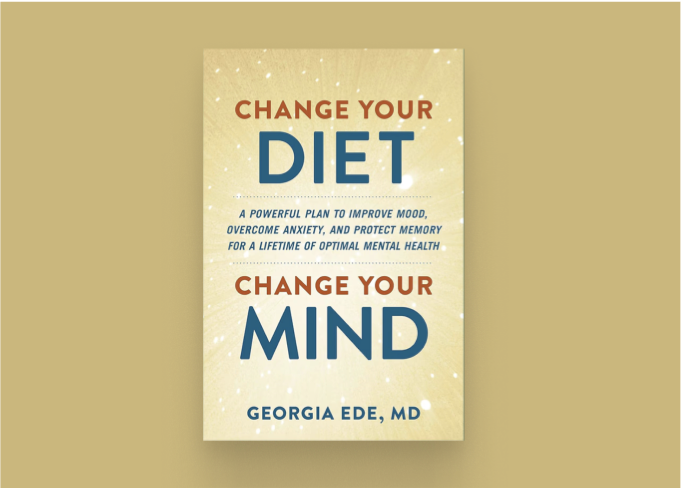
A powerful plan to improve mood, overcome anxiety, and protect memory for a lifetime of optimal mental health.
Read more
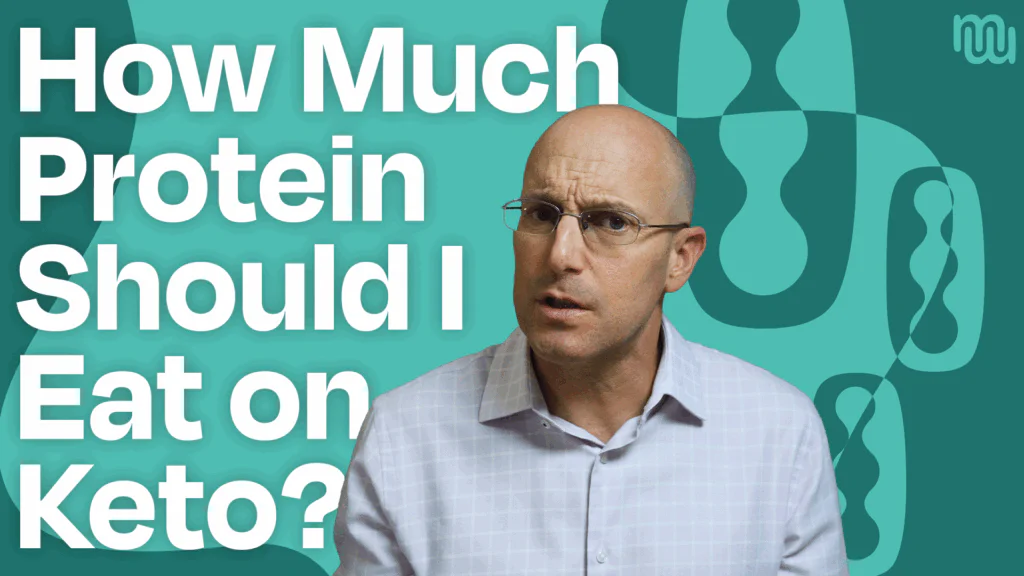
This Metabolic Mind episode with Dr. Bret Scher explains how to determine optimal protein intake for ketogenic therapy. It breaks down the limitations of the RDA, clarifies the difference between dietary and therapeutic ketosis, and provides practical ranges (1.0–1.4 g/kg) for supporting muscle, satiety, and metabolic health while maintaining ketosis.
Learn more
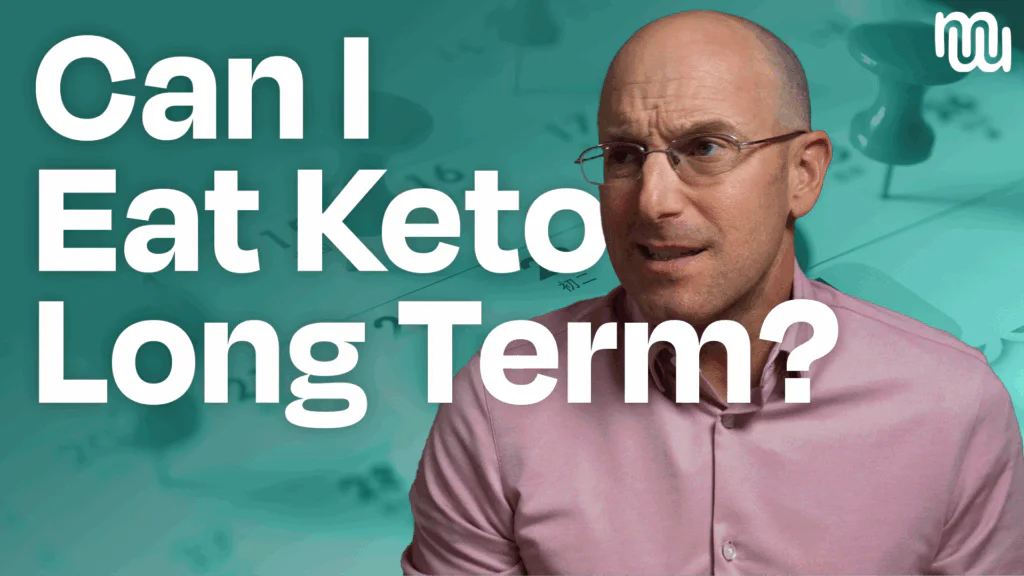
This Metabolic Mind episode with Dr. Bret Scher explores the safety of long-term ketogenic diets. Addressing common myths about nutrient deficiencies, heart risk, and eating disorders, Dr. Scher explains why well-formulated ketosis can be sustainable and beneficial for mental and metabolic health, particularly in people achieving remission from serious conditions.
Learn more
You may have come across ketogenic therapy as a potential option for depression, bipolar disorder, or anxiety, and thought, this might actually be worth trying. But when you…
Learn more
A powerful plan to improve mood, overcome anxiety, and protect memory for a lifetime of optimal mental health.
Read more
This Metabolic Mind episode with Dr. Bret Scher explains how to determine optimal protein intake for ketogenic therapy. It breaks down the limitations of the RDA, clarifies the difference between dietary and therapeutic ketosis, and provides practical ranges (1.0–1.4 g/kg) for supporting muscle, satiety, and metabolic health while maintaining ketosis.
Learn more
This Metabolic Mind episode with Dr. Bret Scher explores the safety of long-term ketogenic diets. Addressing common myths about nutrient deficiencies, heart risk, and eating disorders, Dr. Scher explains why well-formulated ketosis can be sustainable and beneficial for mental and metabolic health, particularly in people achieving remission from serious conditions.
Learn more
You may have come across ketogenic therapy as a potential option for depression, bipolar disorder, or anxiety, and thought, this might actually be worth trying. But when you…
Learn more