Announcing the new McLean Center for Metabolic Psychiatry Learn more.


Listen, Watch & Subscribe on:



How Chronic Stress Disrupts Metabolic Health
Listen
About the host


Bret:
This is Metabolic Mind Bitesize. I’m Dr. Bret Scher. It’s National Wellness Month, which is a great opportunity to talk about a key component of wellness. Now, I already talk a lot about nutrition, sleep, exercise, right? Those are important. But there’s a pillar of metabolic health I don’t give nearly enough attention to, and I want to discuss that today.
So, let’s talk about stress. It’s just as important as anything else in this space, and chronic stress actually may be quietly undermining everything else you’re doing. That’s right. If you’re sleeping seven or eight hours, you’re eating low-carb whole foods, exercising regularly, but despite that, chronic stress can still undermine your health progress.
So, let’s talk about what it does to your body, and more importantly, what you can actually do about it. So, to start, we need to understand that not all stress is the enemy, right? In fact, some stress is essential. The acute stress, the kind that helps you rise to meet a challenge, and then resolves. That’s how we perform under pressure.
It’s how we grow. The physiological response, the surge of cortisol and adrenaline, the rise in heart rate and blood pressure, the sharpening of your focus. That’s your body mobilizing the resources to take on and handle something difficult. So, the problem isn’t the stress itself. The problem is stress that never turns off.
When the cortisol, the adrenaline response, becomes chronic, when the physiologic alarm system, you can call it, stays activated day after day without adequate recovery, the consequences accumulate in ways that impact long-term health. So, chronically elevated cortisol raises blood pressure, drives blood sugar up, and worsens insulin resistance, promotes visceral fat accumulation, increases systemic inflammation.
It may even disrupt sleep, impair cognitive function, and accelerate the very cardiometabolic processes I spend my career trying to help patients reverse. The stress response was designed for acute threats followed by recovery. But modern life has given us the chronic low to moderate grade stress without the recovery, and our physiology wasn’t built for that.
But there’s hope, don’t worry. So, to be fair, we can’t control the sources of stress in our lives all the time. The job demands, the financial pressures, the family challenges, the news cycle. My goodness. Those aren’t things most of us can simply eliminate, and pretending we can isn’t useful, right?
But we can control how we respond. And more specifically, whether we give our nervous system the recovery windows it needs to reset. And the research backs this up. Consistent stress management practices don’t just make you feel better in the moment. They produce measurable physiologic changes. They lower cortisol levels, lower blood pressure, improve heart rate variability, and improve insulin sensitivity So, it’s easy to put stress management in the bucket of, yeah, it’s cute, or probably doesn’t really do much, but it does.
It does, absolutely. And meditation is probably the most well-studied stress management intervention we have. The evidence shows regular meditation practice produces measurable reductions in cortisol, blood pressure, and changes actually in brain structure in the regions associated with stress regulation.
But here’s the part that gets lost in how meditation is discussed. It doesn’t have to be like an hour of silent contemplation. Studies show as little as 10 minutes of consistent daily practice produces meaningful physiologic changes. But the key word there is consistent. Ten minutes every day likely does more than an hour once a week.
The nervous system responds to regularity more than duration. If meditation works for you, do it. But do it consistently. That’s really the whole message. But what if meditation isn’t a good fit for you, your personality, your schedule, whatever? And I’ve got to be honest, I’m one of those people. I’ve tried, I genuinely have. And I’ve found that sitting still and attempting to quiet my mind produces its own version of frustration rather than the calm it’s supposed to deliver.
I don’t know. Some of you may have experienced that because I know I’m not alone in this. But it’s important to realize that meditation is not the only evidence-informed path to stress recovery. For me, the most reliable and repeatable stress reset is just getting outside. And but I want to be specific. What I mean by that, because when I say that, a lot of people think getting out in nature means you have to go to the beach, or you have to go to some beautiful forest.
And yeah, a walk on the beach or time in the mountains works immediately and powerfully, but those environments aren’t always accessible. And waiting for the perfect natural setting means that we’re not giving our body the regular rest time, right? The regular stress management it needs. So, what I found is that almost anything resembling nature produces a meaningful effect.
So, a walk in a park, a local park that just has grass and trees, even if it’s in the middle of an urban jungle. Anytime I’m outside and can see the sky, a few minutes on a bench where I can hear birds chirping, that’s my version of touching grass. Although you don’t even have to touch it, just be near it.
See it, smell it, hear it. That’s often enough. And it’s not just my experience. The research on this is actually pretty interesting. Exposure to natural environments, even brief exposures, can produce measurable reductions in cortisol and can activate what’s called the parasympathetic nervous system. So, that’s the rest and recovery part of our nervous system that counterbalances that stress response.
So, it doesn’t require wilderness. It requires a break from this built-in environment and the stimulation that tends to accompany it. And sound matters more than most people realize. The sounds of nature, whether it’s birds singing or just water or the wind in the trees, they’ve been shown to activate the parasympathetic system in ways that urban noise doesn’t.
So, if you can’t get outside, just nature sounds through headphones can actually be an evidence-informed substitute. And of course, we can’t forget the power of sunlight. Getting outside during the day, sun on your face, even on overcast days, that can produce a shift. It certainly does for me. The physiologic mechanisms, they can include like vitamin D synthesis, circadian rhythm regulation, and neurotransmitter stimulation in our brain.
But obviously, the mechanisms matter less than the experience just knowing that it works. All right. So, here’s what I suggest. First, before we can fix it, we have to learn to recognize our own stress signals before they escalate. So, how does your body start to feel when stress is building? Tight shoulders, maybe shortened breath, getting irritable, low-grade mental noise, that starts crowding out other things.
So, don’t ignore those signals. That’s your nervous system telling you something before it gets worse. So second, though, when you feel that, have a recovery practice that you can do consistently. It doesn’t have to be meditation. It doesn’t have to be a forest. It has to be something that disconnects you from the stressful environment and gives your nervous system time to rest.
For some, that’s 10 minutes of meditation. For others, a short walk outside. For others, music that relaxes them. The specific practice matters less than the consistency. And third, recognize that brief and consistent is more powerful than occasional and prolonged. Ten minutes outside every day does more than a weekend retreat once a month, although those are pretty nice too.
But the nervous system responds to regular recovery more than it does to the infrequent ones. Chronic stress is one of the most underappreciated drivers of cardiovascular and metabolic disease. The physiologic consequences, the elevated cortisol, elevated adrenaline, worsening insulin resistance, elevated blood pressure, disrupted sleep, right?
All of those, they have a cumulative impact. You often can’t control what’s creating the stress, but you can control whether you give yourself the recovery it needs. And your cardiovascular system, your metabolic health, your brain will respond to that choice in measurable and meaningful ways. So, find what works for you, do it consistently, and take the stress signals your body is sending seriously before they become something harder to address.
So, what do you think? What have you found that helps you successfully manage your stress? Leave us a comment as we love to hear from you and your experience. And if it was helpful, please like and subscribe. I thank you for watching. I’m Dr. Bret Scher. We will see you here next time at Metabolic Mind, a non-profit initiative of Baszucki Group.
Listen, Watch & Subscribe on:
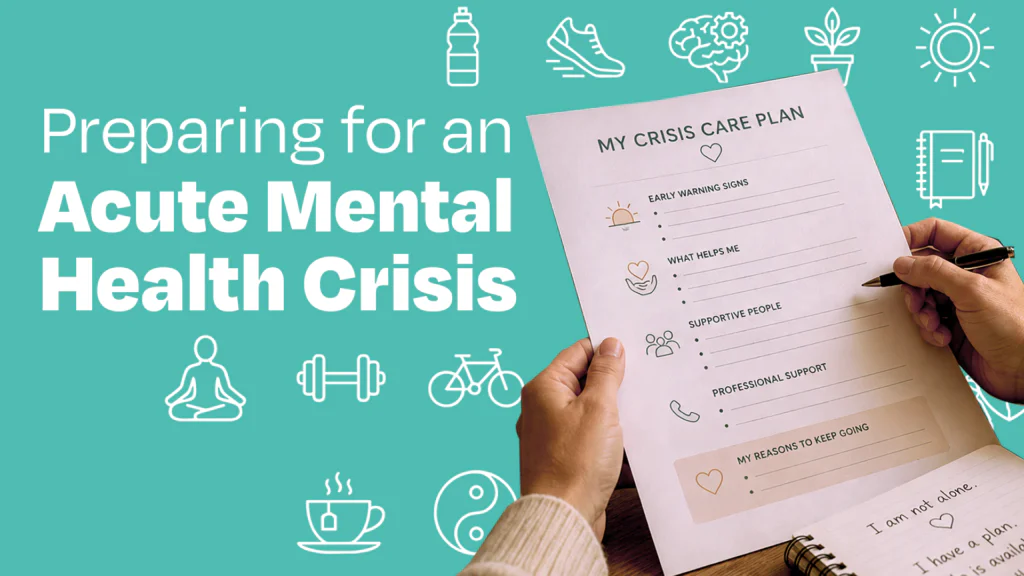
Ketogenic therapy can be a powerful tool for mental health stability, with some individuals reporting significant symptom reduction, improved functioning, and, in some cases, sustained remission. But even…
Read more
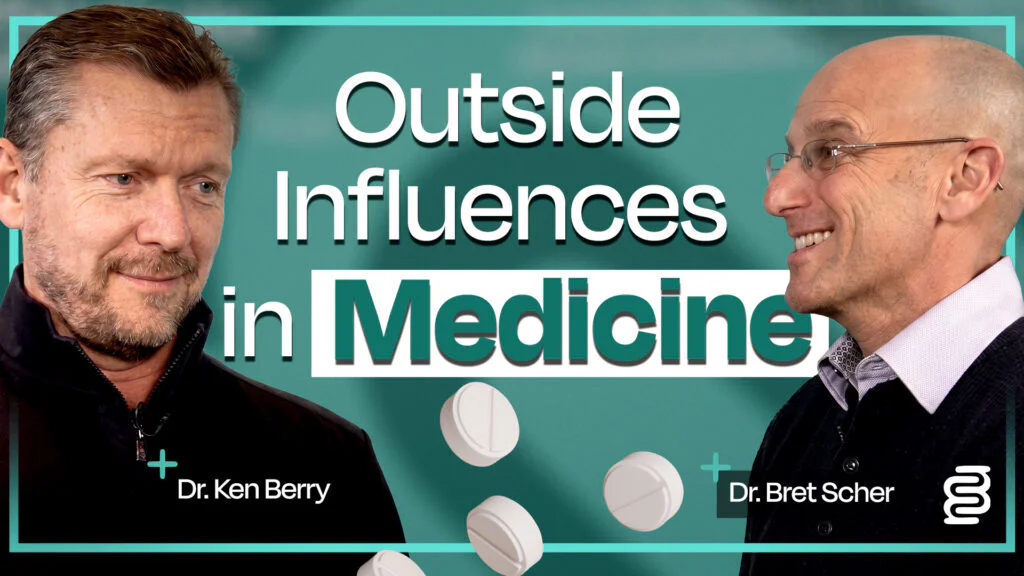
Dr. Ken Berry joins Dr. Bret Scher at the CoSci Conference to discuss the Cholesterol Code documentary and broader concerns about pharmaceutical influence on clinical guidelines. Berry shares his frustrating experience trying to engage the American Diabetes Association on low-carb diets for diabetes, which led him to co-found the American Diabetes Society, a parallel nonprofit aimed at offering evidence-based, low-carb-friendly guidance and reigniting doctors' curiosity as lifelong learners.
Learn more
The Metabolic Mind Podcast, hosted by cardiologist Dr. Bret Scher and powered by the Baszucki Group, explores the rapidly emerging field of metabolic psychiatry—where metabolic health and mental health intersect. Inspired by Roblox founder David Baszucki’s son recovering from mental illness through nutritional ketosis, the show examines how conditions like insulin resistance, metabolic syndrome, and type 2 diabetes are tightly linked with disorders such as bipolar disorder, depression, and other serious mental illnesses. Featuring scientists, clinicians, and people with lived experience, Metabolic Mind explains how ketogenic diets and other metabolic therapies—long used for epilepsy—may help stabilize brain function and improve psychiatric symptoms, offering education, real-world stories, and hope for patients, families, and clinicians seeking new options in mental health care.
Learn more
Dr. Bret Scher walks through the basics of starting a ketogenic diet, covering how to set carb, protein, and fat targets, why keto is actually a moderate-protein diet rather than high-protein, and how to avoid the "keto flu" through gradual transitions and proper electrolyte intake. He also explains when and how to test ketone levels and stresses coordinating with a healthcare team if using keto to manage a medical condition or psychiatric symptoms like depression or bipolar disorder.
Learn more
Ketogenic therapy can be a powerful tool for mental health stability, with some individuals reporting significant symptom reduction, improved functioning, and, in some cases, sustained remission. But even…
Read more
Dr. Ken Berry joins Dr. Bret Scher at the CoSci Conference to discuss the Cholesterol Code documentary and broader concerns about pharmaceutical influence on clinical guidelines. Berry shares his frustrating experience trying to engage the American Diabetes Association on low-carb diets for diabetes, which led him to co-found the American Diabetes Society, a parallel nonprofit aimed at offering evidence-based, low-carb-friendly guidance and reigniting doctors' curiosity as lifelong learners.
Learn more
The Metabolic Mind Podcast, hosted by cardiologist Dr. Bret Scher and powered by the Baszucki Group, explores the rapidly emerging field of metabolic psychiatry—where metabolic health and mental health intersect. Inspired by Roblox founder David Baszucki’s son recovering from mental illness through nutritional ketosis, the show examines how conditions like insulin resistance, metabolic syndrome, and type 2 diabetes are tightly linked with disorders such as bipolar disorder, depression, and other serious mental illnesses. Featuring scientists, clinicians, and people with lived experience, Metabolic Mind explains how ketogenic diets and other metabolic therapies—long used for epilepsy—may help stabilize brain function and improve psychiatric symptoms, offering education, real-world stories, and hope for patients, families, and clinicians seeking new options in mental health care.
Learn more
Dr. Bret Scher walks through the basics of starting a ketogenic diet, covering how to set carb, protein, and fat targets, why keto is actually a moderate-protein diet rather than high-protein, and how to avoid the "keto flu" through gradual transitions and proper electrolyte intake. He also explains when and how to test ketone levels and stresses coordinating with a healthcare team if using keto to manage a medical condition or psychiatric symptoms like depression or bipolar disorder.
Learn more