Share your story. Help someone else start theirs. Share Now


Listen, Watch & Subscribe on:



From Lived-Experience to Trailblazing Keto Research – with Maria Edwards
Listen
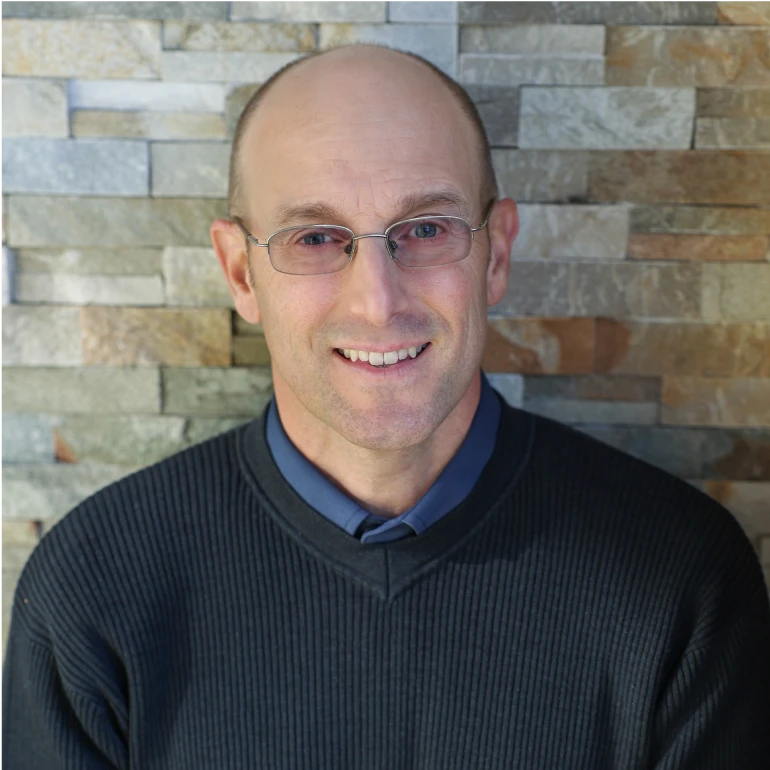
About the host
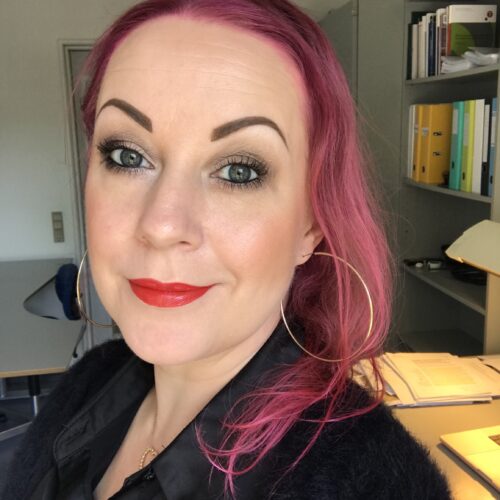
About the guest

Bret:
Welcome to the Metabolic Mind Podcast. I’m your host, Dr. Bret Scher. Metabolic Mind is a nonprofit initiative of Baszucki Group where we’re providing information about the intersection of metabolic health and mental health and metabolic therapies, such as nutritional ketosis as therapies for mental illness.
Thank you for joining us. Although our podcast is for informational purposes only, and we aren’t giving medical advice, we hope you will learn from our content and it will help facilitate discussions with your healthcare providers to see if you could benefit from exploring the connection between metabolic and mental health.
Maria Edwards, a researcher from Denmark, is using Herb. Personal experience of using ketogenic therapy to treat her bipolar disorder, and now using that to get into the world of research to research ketogenic therapies for brain-based disorders, including brain injury and PTSD. So let’s hear from Maria about her personal story.
And her upcoming research. I’m excited for you to hear this interview with Maria Edwards. One quick warning, though, she does talk about her history of suicidality. So if you’re triggered by discussions of suicide, please be warned. Okay, now let’s get into this very interesting interview.
Well, Maria Edwards, thank you so much for joining me today at Metabolic Mind.
Maria:
Thank you very much. I’m so happy to be here.
Bret:
Yeah, I’m really excited to talk to you because you have a journey that we’ve seen a few times in this field. Someone with a personal experience of using ketogenic therapy to treat a psychiatric illness, and then using that personal experience to, I guess, give back and make it part of your profession and do research in this field.
And we’ve seen it from, we just had an interview with Ally Houston, and we’ve seen it with Iain Campbell. And it’s, on the one hand, it’s amazing, but on the other hand, we wish people didn’t have to have that personal experience to get interested. So, it’s a balance.
But, so give us sort of the overview of your personal experience and how ketogenic metabolic therapies helped you in your life’s journey.
Maria:
I did have my first depression when I was in eighth grade and I was taken out of school, and I was put on antidepressants medications. My parents were doctors.
My mother had recurrent depressions, too. I think we thought it was like unipolar depression, and I struggled a lot in my teenage years. Like many teenagers, I felt really crappy. Maybe me a little bit more than others. And then I had, I didn’t know what bipolar was back then. It was called manic depressive illness.
And back then, the classic manic depressive illness was like a real mania or psychosis and depression. So, this bipolar type II, which I have, was not a diagnosis back then. And in 2014, I was very active. I was studying to get into the university. I had some courses I needed to take to be able to come into the university.
I was competing in fitness, or I was doing dieting. I was training a lot, very active. And I went into a half year of hypomania. which I didn’t know was hypomania back then. And then, when I got into the university and started studying, that was going downhill, and I thought I was burned out.
But that turned into a very severe catatonic depression with 24/7, every second suicidal ideation. And I sought help for it. But the problem was that when you say to your doctor, I’ve had this. And I think that they got really provoked that I was very intellectual, and I had studied this and I had diagnosed myself on beforehand. And they were like, yeah, you can get a little bit manic when you train a lot.
And I said, this is different. And I told them my whole life stories with repetitive depression since I was 13, 12, 13, which is classic bipolar type II, also. It took me two years until I found a psychiatrist that believed me. And I was so severely suicidal at that point that it was a miracle. I had been suicidal for one and a half year at that point, like every day, couldn’t go out.
And that was so sick you can be. I had planned my suicide in every single detail, and this was actually my last resort. I felt like okay, I’m going to give it another doctor, another chance, and that if this is not going to help me, then you know, I’m going to do what I planned the following week.
But she believed me and she said, yeah, I agree. You’re bipolar II. And the same first consult, the first time I saw her, she said, you’ve read a lot about this illness. You know that it’s a very horrible illness. You know that the medication comes with a lot of side effects. And, I said yes.
I was really scared of medication. I was scared of gaining weight. I was really petite back then. I did gain 75 pounds, which I still have on me today. So, you know, we chose Seroquel, quetiapine, which is a antipsychotic. And I got that medication, and my symptoms subsided within three, four days. I lost every suicide ideation I had, was gone in four days. And then, of course, it was a little bit ups and downs.
I had all the side effects that you could have from Seroquel. Not only weight gain, I did have. I was on it for five and a half years, and my EKG, my heart was severely affected. And I had Parkinson kind of symptoms on my right side, especially.
Bret:
Yeah, so it shows that the perfect example though, and I’m sorry to interrupt, but I think it’s so important to make this point.
The perfect example, we can’t just say, ah, these medicines are bad, and they cause side effects. They shouldn’t be used. It, as you said, it saved your life within days.
Maria:
Yeah.
Bret:
It changed so acutely. They can be so beneficial, but now as you’re describing over the long run, they don’t necessarily make you well as a person in the long run, even though they can be so acutely beneficial.
So, the side effects just piling up and piling up. And so did you get any advice or any guidance on how to manage the side effects or where to turn to help with the side effects?
Maria:
No, not from my psychiatrist. It was when I started to gain weight, she said to me, of course, we can always try another medication.
But I think I was scared of that, too, because I had finally found something that made me go back to university again. Even that I did sleep 14 to 16 hours a day. I took, if I went to bed early and I took my medication early, I could actually go to university at 10, 11 AM. And I could get by, and I could pass my exams even if it was really hard.
And then I felt that the longer I was on the medication, and even the higher doses I went, I was never very high on doses. I went 300 milligrams or so. But then the side effects, some of the sedative side effects subsided a little bit. But I had a friend, or I have a friend, very good friend in California, she and her husband started Quest Nutrition.
So I know, I’m sure you’re aware of Ron Penna and Shannon, who are my very good friends, and they were very interested in the ketogenic diet and cancer research. And they knew Dom D’Agostino, which I did not know. And they were doing keto at home, and she said to me, you should try it. And I was really scared of doing something that maybe could make me hypomanic because I had tried Atkins-like diet, like when I was doing weight loss a couple of years previously, and that made me a little bit hyper in the beginning.
So, I was scared that. Oh, if I do this keto thing, I maybe get manic or hypomanic. But I tried it, and I felt that it helped me with my side effects.
It didn’t do anything for my heart. And I did gain weight, but even though I gained 75 kilos, or not kilos, sorry, pounds, 35 kilos. I think it would’ve gained, I know some people taking antipsychotics that is gaining almost double, even if it’s like a horrendous. But it’s such, it’s really ruining your metabolism and your appetite and your sleepwalk and you eat in your sleep. And it is really, so I started keto then and then it, I was on keto. I’ve been on keto since, this was February 16. And of course, I’ve had a little bit, sometimes a couple of days if I go off it, and I still do.
If I, for me, I’m very sensitive to carbs now. I’m more like a keto carnivore. I do best actually on a little bit of a carnivore diet. I don’t know if that has to do with me being in ketosis since 2016. So, now I’m more and more sensitive to carbs.
Bret:
So, what do you notice if you do, if the carbs do start to come back or seep into your diet?
What do you notice?
Maria:
Depression, straight away. Not really, I wouldn’t call it, I wouldn’t call it an episode but symptoms. I’m free of medicine now, since three years. And I started taper off because I just wanted to try it. And I did that with my psychiatrist very slowly over a long period of time.
And I’ve been medicine successful and medicine free, and I feel better. I actually have less bipolar symptoms, I feel now when I’m off medication. But I do feel that, like one of my pitfalls is, we don’t have keto products in Denmark. So, if I do eat something, I buy like a sugar-free ice cream, which is maybe 10 grams of carbs and ice cream, a lot of fibers in it.
And then I might eat a little bit of sugar-free chocolate or something, if I don’t do any keto baking things myself. If I eat too much of that, I get out of therapeutic ketosis. Maybe sometimes I go down to 0.4, 0.5, maybe from two, two and a half, one and a half. Sometimes, I get completely out of ketosis, and I can feel that I get migraines because I also suffer from migraines, which I do not have when I’m in ketosis.
But I do get migraines. And then I get low mood, all that depressive worrying, all that kind of depressive symptoms. But if I get back into ketosis the next day, back to the diet the next day, I might have just one day, which is like a day off.
Bret:
Wow. And then I go back to, wow, it’s really impressive. It’s impressive how like sensitive you are to the ketosis and how powerful ketosis is. But I want to make a couple quick points. One is, I just want to clarify when you’re talking about your heart. A lot of people think of heart, they think blockages, coronary artery disease. But this is the more of an electrical side of the heart, completely different from the arteries and blockages, brought on by the medication.
But the second part is that you were working closely with your psychiatrist. I think that’s such an important point to make that I want everybody to understand tapering medications, adjusting your treatment plan as you go is so important to work with your psychiatrist.
Maria:
And then, she didn’t just, sorry, she didn’t know anything about keto. So, in that way, she couldn’t support me in dietary advice. But because I have a nutrition background myself and because I had other people that knew something about keto that way, we worked like a team so I could actually get myself into ketosis and keep myself into ketosis. And she could support me in doing that, even if she didn’t know anything about keto for mental health.
And then she could help me with my medication. And when I said I want to taper off, in the beginning, it was actually just having the dosage or going down a dosage to see if my EKG was going to get better, and it wasn’t. And then, eventually, after one and a half years, I was tapering off like 25 milligrams every third day.
It was like so slow. It was so slow. So over really. And it was really hard. It was not fun to do that.
Bret:
But a great example. And we try to make this point all the time because so many people come to us and say, I can’t find a psychiatrist who knows anything about keto.
And your example, perfect example that it doesn’t necessarily have to be the psychiatrist, they have to be on board as part of the team. But you could have other parts of your team or even you, yourself, with a lot of good research working yourself through the ketogenic experience. And then, as long as the psychiatrist is on board, so important there.
And the ability to wean off the medications, get rid of the side effects, live such a better life. The medication saved your life, but it seems like keto really gave you your life back. That’s something we’ve heard over and over again.
Maria:
Yeah, it did. It did. It did. Yeah, it did.
Bret:
And now, and even so the amazing thing is, that you take this personal experience, and now you bring it to the world of research. So, tell us about that transition. How you got into starting to do ketogenic research, and then we’ll get into this specific paper that you did and talk about its implications.
Maria:
So, when this last episode, my severest episode that I had. As I said, I was actually applying to get into the university and study biochemistry, which I did for a year. And I found that a little bit more too detailed for me. I wanted physiology and a little bit more the whole body. I was really interested in nutrition.
So, I changed bachelor for nutrition. And so I was doing, at that point I was, I was actually, this period when I was sick was actually in the beginning years of my bachelor, but when I came back in 16, I started studying in 14 at the university. So, when I came back in February 16, and I had taking my exams, but it was a struggle. And I was continuing my studies, and I was really interested in this and I was doing my bachelor. My bachelor was a systematic review of the evidence in epilepsy, and I want to do something. At that time, there weren’t any real studies, maybe a couple of case studies, but this was, again 2016.
So, there weren’t a lot of studies with keto and mental illness. And my professor said to me, yeah, you shouldn’t do research, he said, in something that at diagnosis you have yourself. I didn’t agree, but he was my professor. So, again, I did this review in epilepsy and keto and learned about even more about keto.
And then I went onto to my master’s in clinical nutrition. And this is the paper, the brain injury paper, I did actually as my master’s, which was my first study where I like did everything. Wrote the protocol, got the funding. I was the investigator. I’ve done everything in this study, in this paper.
And then, my interest, I’ve always, from the beginning, from my bachelor’s, I did want to go into mental illness. So, it was only because of the circumstances that I’ve done other brain, because the brain is my main interest. So, I’ve done keto in the brain. And and then I’ve also done a PT, very small.
It was also feasibility study. But I’ve done a PTSD study, which was my first in mental illness, which is about to be published or it’s in the peer review right now. And actually, I’ve talked to Baszucki Group with Kirk and some guys in your team about planning to do a little bit of, more studies in Copenhagen in mental illness.
So, that’s the way I’m going. That’s the way I want to go do more studies in this field.
Bret:
Yeah, and here at Metabolic Mind, I guess we focus on ketogenic therapies for mental illness, but really we talk about brain-based disorders. So, whether that’s seizures or dementia, Alzheimer’s, Parkinson’s disease.
It’s clear that ketosis has just an effect on the brain, not just, not just the mania side of the brain or the depression side of the brain, as if those existed, but just the brain general. So, you chose a brain injury and really an ambitious trial. it was 12 people, so I guess you can call it a pilot trial, but these were really sick individuals with subacute brain injuries, who were expected to be in the hospital for more than six weeks.
For that to happen, or an acute care facility, for more than six weeks. So for that to happen, they’re pretty sick, and the majority of them were being fed by either by tubes in their stomach or in their nose. So meaning, they were so sick they couldn’t even take oral.
Only two of them were taking oral and it was a combination of strokes, bleeds, traumatic brain injury. So, a very sick population. So first, what made you want to study this group and what made you think that ketosis, a ketogenic intervention, could be beneficial for them?
Maria:
Again, it was my master’s. So, I had a meeting with my professor, and we were talking about what kind of contact we had.
I knew I wanted to do something with the brain and with ketosis, but it’s not like when you’re doing your master’s, you’re doing your first study. It’s not that you can pick and choose your patients, especially if you’re not a medical doctor. So, we did have some good contacts at this clinic, and that was one of the first things.
And then we discussed the animal data that were existing at that point. And also there were four studies published when I started to write my protocol. And then, when I was writing my protocol, a fifth study was actually being published, which talked about the metabolism after brain injury.
So you have, they call it like the primary brain injury, which could be the stroke, or the traumatic brain injury. If you have a trauma, that is what’s happening if you hit your head or whatever. But then you have the secondary brain injury, which is a cascade of a lot of metabolic, cascades and pathways that happen.
That is, you get fluid in your brain, you get swelling, you get inflammation, and your whole glucose metabolism, to put it in an easy way, is breaking because the brain needs more energy. But then also glucose needs a lot of oxygen to be metabolized, and that is also if you don’t have parts of the brain that has a lot of oxygen because you maybe had a blood clot or a bleed. Then that whole, it’s very complicated and I don’t think everybody knows exactly what is going on in this, secondary cascade.
But I think the theory anyway in animals is that all the benefits that we see with ketosis that we don’t know for sure, but we do see that it’s anti-inflammatory, it’s easier metabolized, it doesn’t need as much oxygen to be metabolized, and it doesn’t produce lactate when it’s metabolized in the brain if there is not oxygen.
So, there’s a lot of things where you can argue, in theory, that this would actually be good to prevent because what you want, you can’t prevent the bleeding or the clot or the trauma that you had to your head. Maybe you could do some of that with lifestyle? But when you’re at that point, you can’t prevent it anymore.
But then you need something that kind of is reducing the injury that follows afterwards. And that is the theory with keto and brain injury, that it could actually potentially reduce on the secondary. But again, there’s no randomized control trials yet. There’s no study published with the control group, like a real control group.
The problem with this, you said I included a lot of different patient groups, and I only did that because it was a feasibility study. So, I wanted to see if I can get this patient into ketosis, and then it wasn’t so important if you mix like stroke patients with TBI patient.
But if you would have done a RCT, like a randomized controlled trial, you would, of course, have to choose a much more homogeneous population. But again, even if you say I want to look in stroke. Stroke is so different. There’s so many different kinds of stroke in so many different places in the brain. The causes are different, the comorbidities are different.
So, it’s a really hard population to study no matter the intervention. It’s a really hard.
Bret:
Yeah, but as you mentioned, it was a feasibility study because these patients are very ill, and can we even get them into ketosis? And you found that the answer was basically, yes.
That you can get the vast majority into ketosis with minimal serious side effects. And so it really sets up the potential for, okay, now we can study this further and see if it’s beneficial. So, you took the first step, like teeing it up for everybody else to come in and study it.
Now, were you able to find any trends, any signals that yes, this could be beneficial for symptomatology, for recovery? Or was that just not even part of the study, even as a secondary analysis?
Maria:
We did actually, again, it was a master’s thesis. I’m a lot more experienced now and have a lot more experience as a researcher, even if my career is not that long yet.
But we did have a reference group, which was the patients who were not included in the study or excluded from the study. And I wanted actually to look at functional outcomes with the physiotherapists, and the occupational therapists are looking at different scales that measure function and swallowing effects and stuff like that.
And I wanted to look at that, but it was, there was, unfortunately, a lot of missing data, and that was because I was not collecting that data that was a standard of care every fourth week. And I trusted physiotherapist and the occupational therapist to collect that data because that was collected for database.
And I was just looking in this database on my patients afterwards when I did my analysis, and I saw I missed a lot of data, which was a shame. But then again, I did not have power enough. So, maybe if I did not have a lot of missing data, I could have seen something like Iain did in his pilot trial. Even though they didn’t have power enough to say something conclusive, they saw some trends.
They have a little bit more patients also in that study. I only had 12 patients. My, again, I’m biased, my impression was that maybe my patients were doing better, maybe better, some of my patients were doing better than some of the doctors expected. But again, it was so difficult to know if this would have happened anyways.
Bret:
But certainly sets up the future for more studies to be done, which is fantastic. That for a master’s thesis to really pave the way for others to build upon it for future studies is really impressive. But then, now you said you’ve already submitted for a peer review for a study on PTSD.
So, tell us about, that one.
Maria:
So that one is actually a similar methodology than the brain injury study. It was in Oslo, in Norway in Oslo. I did everything on this study, but I was not, I live and work in Copenhagen. So, I was not collecting the data, but I had somebody who was there and saw the patients. But I did have a lot of contact with the patients, and we did use a device that I saw the data in a platform, the ketones and the glucose every day.
So, that was PTSD patients who were outpatients at a hospital, psychiatric hospital, with severe PTSD. And it was a very difficult setting we found out because in Norway, the way that we got ethical approval, we were not allowed to contact the patients directly.
So, it’s a different ethical ruling in every country. And in Norway, it was like this, that the psychiatrist or the psychologist that was seeing the patients in therapy, they needed to kind of screen, pre-screen the patients. And in that they had to say, we have this study now in this clinic, could this investigator contact you for a more information about this?
And we think that the reason we actually only got four, we again, we wanted 10 patients in that study because that’s actually the world’s first study in PTSD with keto that we know of that is going to be published. I couldn’t find anything else when I was writing this protocol.
So, 10 patients we were looking to get, and we got only four referred from the psychologist and the psychiatrist. And we think, and I write about this in the discussion in length, is that we think that there can be very many, the reasons it could be that the doctors or the psychologist thought that if you sit with a patient who’s has a various rarely PTSD, and you have a therapy session, it’s somebody maybe don’t agree with the intervention?
Somebody maybe just forgets because it’s really busy? Somebody maybe not prioritized, and maybe cannot see if it was maybe medication, they would be more interested? But it’s like we have, and even if you’re a psychologist from your field onto, okay, we have this strange diet that you can try that maybe help.
If you don’t believe in it, maybe you’re like a little bit more bias to forget to mention it.
Bret:
That’s a great point. So, recruiting can be really challenging, especially for something like this for a number of reasons. But so you did end up getting four patients, but so anytime you can say it is the first ever in the world, like even four patients is pretty remarkable.
It’s even something, again, to show feasibility, to show that this could be something to build upon in the future. I don’t know how much you can talk about the findings since they’re not published yet. But do you think in the end it’s something that could make people say, yeah, this is a population maybe we should be targeting for future studies? That it is feasible and may have beneficial outcomes?
Maria:
We actually, we get four patients were referred. The fourth patient weren’t interested. So, we actually include three patients. But the first patient was, I mean they were all compliant, the two first patients were compliant. The intervention period was four weeks, and then the third patient was only in the intervention for two weeks because she had a lot of, they all had and that’s a problem again with this.
One had bipolar, they all had a lot of comorbidities. They had all had fibromyalgia. They had fatigue. So, they had a lot of illnesses, and they had a lot of symptoms from the PTSD. Again, severe headaches, fatigue and stuff like that.
But I could get them all into ketosis. And they stayed in ketosis for almost, I think it was 90, 97% of the time. And for the first two, you could actually see, I think the first one, the severity of the PTSD score went from like, now it was some time I was actually writing this, but I think it went from like a 70 to a 40 points.
You saw the higher is the more severe PTSD, and the other one from like 20. So, the first I think went 30 points down and the other one 20 points down, which is very. It’s not, again, it’s not an RCT, so we don’t, but again, to start a new intervention and, the psychiatrist said that this is really strange that they have improved again.
They did have therapy at the same time with the ketogenic diet. The one who improved more had a little bit more therapy because the second patient’s therapist had some sick leave at this point. So, I do discuss this in the discussion that there is like, of course, some things that is affecting it that you have to look into, but I think it’s promising that they were interested.
And also another thing that was really promising is that we got, I got contacted by patients and clinicians from the US and from Europe that wanted to be included in the study when I talked about it on social media.
So, I got a lot of people who actually wanted to be part of the study. And, unfortunately, the protocol of this was, you needed to go to this clinic in Oslo to be able to take all the blood tests and all the questionnaires and stuff. But for future trials, maybe you can do something that is more like a global thing?
Bret:
Yeah, and another thing that we get a lot of comments and questions on here at Metabolic Mind is people say, what about OCD? Or what about autism? Or what about, insert diagnosis here? And again, it’s the same sort of concept we’ve already talked about, that there isn’t just a bipolar part of your brain or an OCD part of your brain that is overall brain health.
So, it’s so important to see new studies, even small pilot studies, even feasibility studies pop up for different diagnoses because, and there frequently is overlap to all these diagnoses anyway, as you’ve referenced in comorbidities. So, I think it’s so important to start the field of, in these specific diagnoses and then future studies to build upon it.
So, now that you’ve completed your master’s, that you’ve got two publications or one publication under your belt, another publication coming, what’s next? What else are you thinking about studying or investigating next?
Maria:
So, right now, I’m actually working on my PhD. I’m not enrolled at the PhD school, like a hundred percent because I do have, I really wanted to do my own PhD.
I didn’t want to just take any PhD that was out there already funded. So, therefore, I’m actually trying to set up a new project that I’m working on right now. So, right now, I’m in, again, I’ve had meetings with you guys, and now I think my biggest challenge is to get a psychiatrist to give me access to the patients you need to find.
So, I do have a psychiatrist that I’m talking with and some other basic researcher. So, we’ve been discussing a little bit schizophrenia. We’ve been discussing alcohol use disorder. Maybe if you could do a double diagnosis things, but there’s a lot, of course, challenge to do like double diagnosis because, alcohol use disorder is complicated in itself.
And if you have a combination of schizophrenia and alcohol use disorder, to get people if they’re not stable. So, I’m working on right now different protocols, different suggestions, and I’m going to see what can, what is feasible here in Copenhagen when including patients, which doctors want to be a part of it.
I also have some groups I’m talking to about doing scans, doing metabolomics, and doing microbiota. So, I’m working on that and when I have a bigger package with some more collaborators that I’m sure want to be on board, I’m going to, present that to Metabolic Mind and also maybe to other funders depending on how much and try to get funding for that.
In research, it’s a long road from idea to get funding and then get going. So, that’s what I’m doing and that’s going to be a part of my PhD.
Bret:
Yeah, especially when you don’t have the big drug companies pony up all the cash to fund you. It’s definitely much more challenging. But we’re so thankful to have you as part of this growing community of researchers looking into these very important topics and hopefully can impact so many lives.
And so we’re excited to see what comes next from you and for taking your personal experience and saying, I want to help others. I don’t want to just stop it having helped myself, I want to help others. Such a, such a meaningful progression. Where can people find you if they want to look you up and learn more about you?
Maria:
So, I’m on LinkedIn, Marie Edwards, on LinkedIn. And I don’t remember the exact address, but I’m sure that I can give it to you and you can put it in the notes. Otherwise, I’m also on Facebook and Instagram and Twitter. I’m not so active on Twitter, but I’m all over the places and people can always contact me.
I do have an American, or an English, Facebook group for metabolic therapies. I do have a Danish one, but the English one is growing. So, I can give you a link. It’s called Metabolic Therapy for Mental Disorders, I think, on Facebook. So, you can actually be part of that group. I think we’re not so big. We’re like 150, but we’ve grown really fast and this is a community where people who are interested in the ketogenic diet for mental disorders and also people doing it are supporting each other and giving each other advice and stuff like that.
Bret:
Excellent.
Maria:
It’s a really good group.
Bret:
Thank you for all you’re giving back to this community and how you’re helping so many of their people. We really appreciate it. Thank you for joining us today.
Maria:
And thank you for having me. Thank you. Thank you.
Bret:
Okay, thanks for listening to the Metabolic Mind Podcast.
If you found this episode helpful, please leave a rating and comment as we’d love to hear from you. And please click the subscribe button so you won’t miss any of our future episodes. And you can see full video episodes on our YouTube page at Metabolic Mind. Lastly, if you know someone who may benefit from this information, please share it as our goal is to spread this information to help as many people as possible.
Thanks again for listening, and we’ll see you here next time at The Metabolic Mind Podcast.
Listen, Watch & Subscribe on:
A Nuanced Guide to Understanding Bipolar Mood Disorders, Why They’re Often Misdiagnosed, and How Personalized Treatment Is Reshaping Lives. Bipolar mood disorders are complex and often misunderstood mental…
Read more
Each year on March 30th, World Bipolar Day brings together individuals, families, and professionals to raise awareness and foster understanding of bipolar disorder. This day is dedicated to…
Learn more

Subscribe to this YouTube podcast where Dr. Iain Campbell and Matt Baszucki host peers and experts on the use of ketogenic therapy for bipolar disorder.
Learn more

“For the first time in years, I felt like my brain was finally running on the right fuel,” said one of the participants in a new pilot study…
Learn more
A Nuanced Guide to Understanding Bipolar Mood Disorders, Why They’re Often Misdiagnosed, and How Personalized Treatment Is Reshaping Lives. Bipolar mood disorders are complex and often misunderstood mental…
Read more
Each year on March 30th, World Bipolar Day brings together individuals, families, and professionals to raise awareness and foster understanding of bipolar disorder. This day is dedicated to…
Learn more
Subscribe to this YouTube podcast where Dr. Iain Campbell and Matt Baszucki host peers and experts on the use of ketogenic therapy for bipolar disorder.
Learn more
“For the first time in years, I felt like my brain was finally running on the right fuel,” said one of the participants in a new pilot study…
Learn more